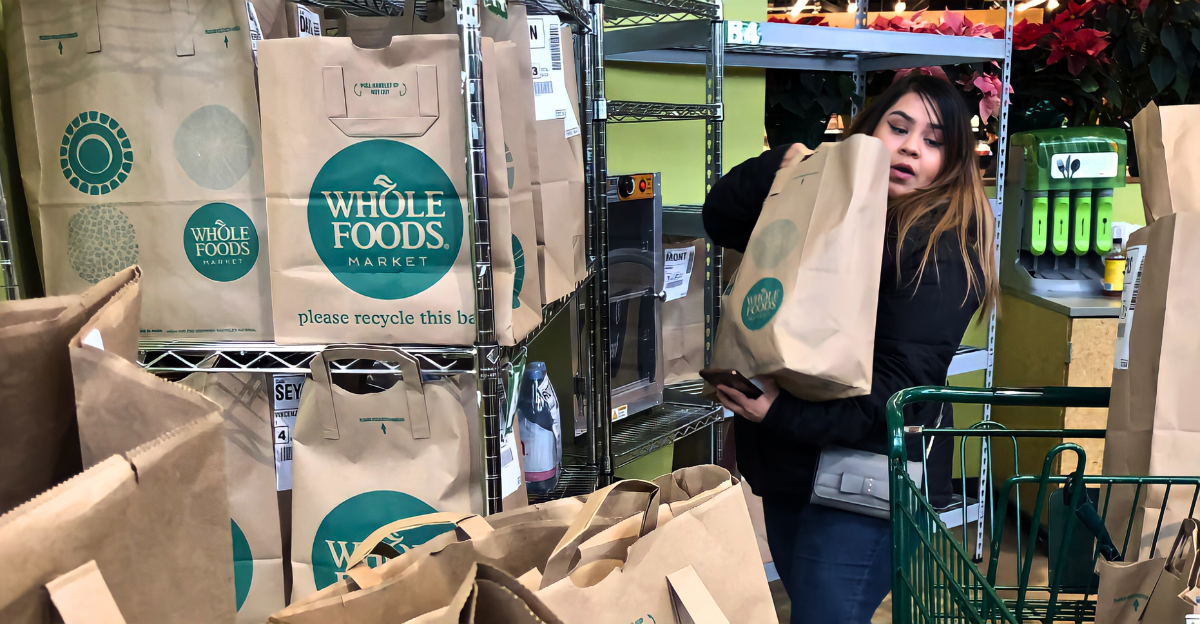
We often think of shopping carts as simple tools: just a way to move groceries from shelf to home. But carts carry more than food.
They carry signals about how we live, what we value, and how we think about money. Quiet changes in what goes inside them can reveal bigger shifts in class and lifestyle.
When your cart starts showing patterns beyond bargain hunting, it’s less about price tags and more about priorities. Here are seven subtle ways your cart may already be revealing you’re no longer middle-class.
The Cart as a Mirror
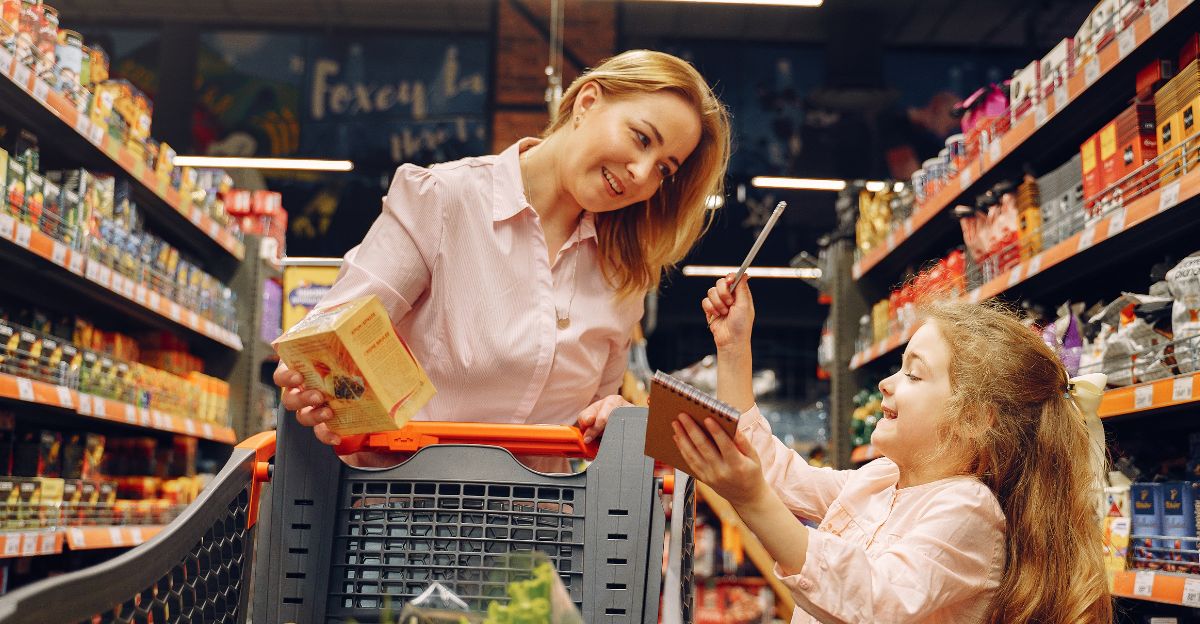
Your shopping cart isn’t random. It reflects habits, choices, and trade-offs. Middle-class shopping often focuses on maximizing variety and minimizing cost.
But once your priorities change, the cart becomes less about chasing deals and more about efficiency, rhythm, and quality. These differences aren’t obvious at first glance, but they show how you now value your time and energy.
From Price to Value

Middle-class shopping often means stretching each dollar: opting for the lowest price per ounce. But a quiet shift happens when you stop thinking only about cost and start thinking about return.
Instead of “cheapest,” you lean toward “what makes life easier or better this week.” That’s not indulgence. It’s value thinking: buying items that serve more than one purpose, reduce waste, and actually get used.
A Shorter, Repeatable List
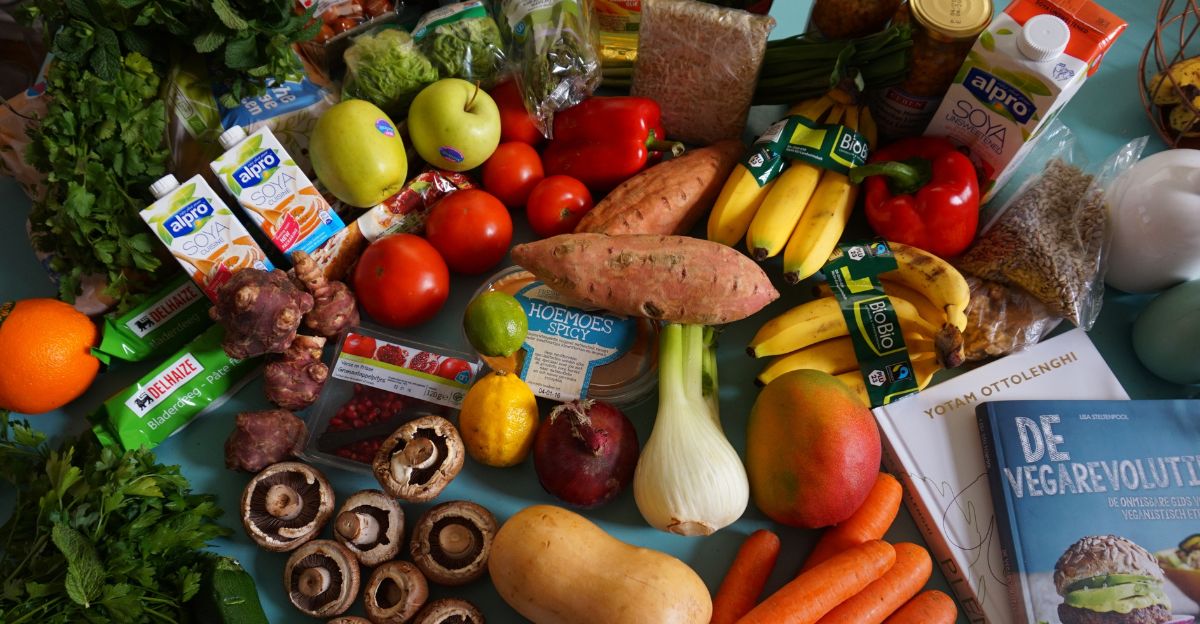
Your cart starts to look more like a curated menu than a random assortment. Instead of seven different dinners and jars you won’t finish, you build around repeat staples: grains, proteins, seasonal vegetables, good bread, sauces that rotate.
It’s a capsule pantry. This isn’t boring. It’s practical. With fewer moving parts, you cook more efficiently, finish what you buy, and avoid the 6 p.m. scramble.
Better Anchors, Not More Things
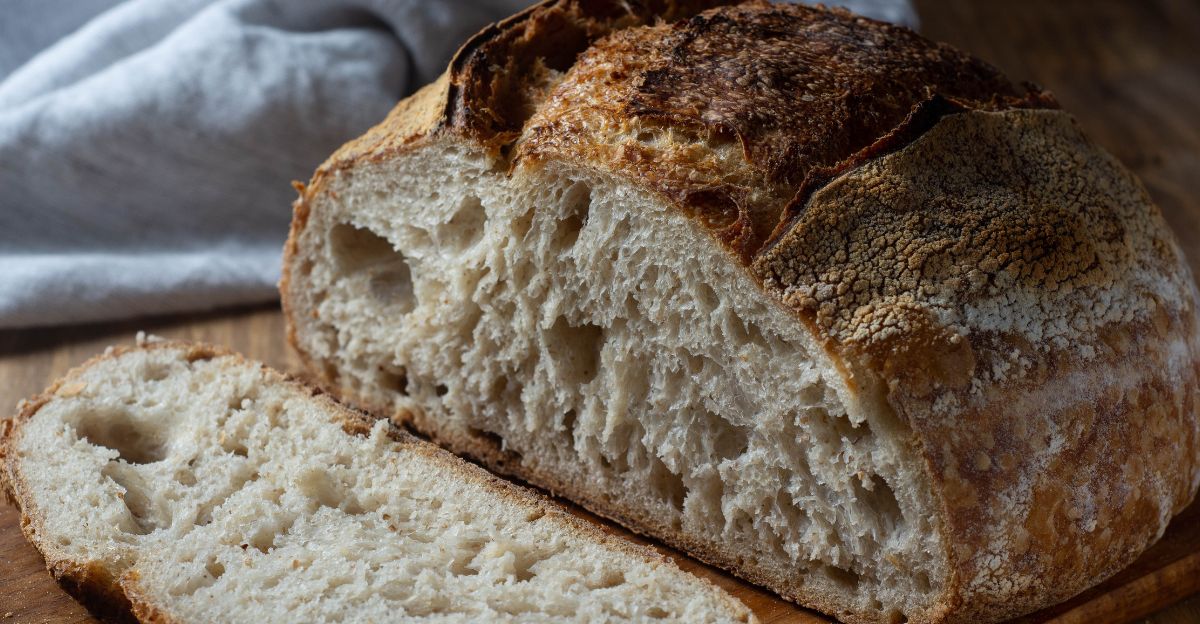
Your cart no longer overflows with cheap filler. Instead, you invest in anchors—olive oil, sourdough, fresh herbs, quality coffee, greens that taste good.
These are not treats; they set the tone for meals all week. By choosing fewer, better items, you avoid the false economy of cheap-but-ignored food. It’s a quieter form of abundance: cost-per-use replaces cost-per-ounce.
Paying for Ease Strategically
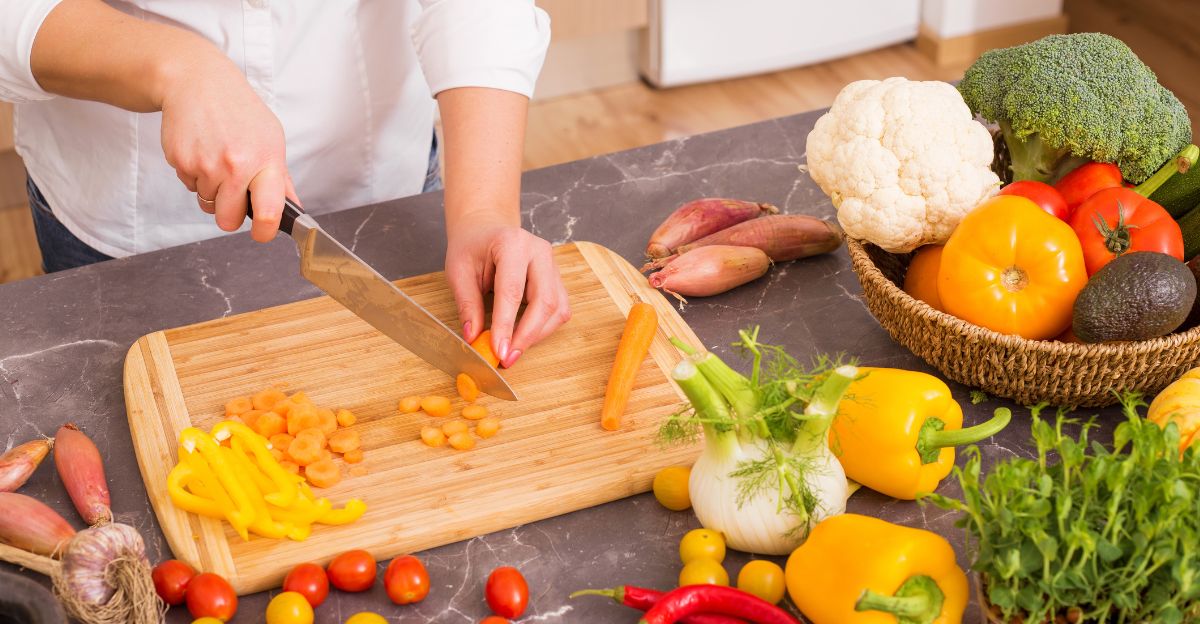
Convenience used to feel like a luxury. Now you see it as a safeguard. Prewashed greens, precut vegetables, or ready proteins aren’t splurges: they’re insurance against last-minute delivery bills.
You’re not buying laziness. You’re buying back 30 minutes that can go to work, rest, or family. Middle-class thinking often avoids convenience. Value thinking invests in the right 10% that prevents chaos.
Shopping Globally, Simply
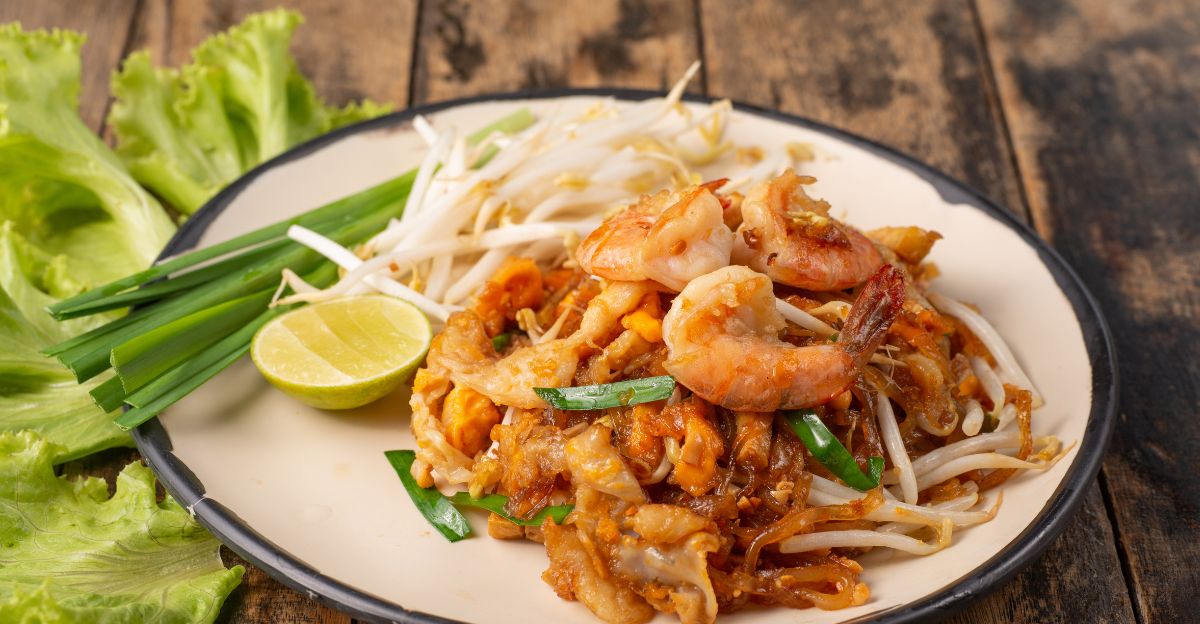
Instead of sticking to familiar labels or pricey health-branded versions, you reach for global staples: gochujang, tahini, coconut milk, rice noodles, whole spices.
These add variety and flavor without adding cost. Pair them with a farmer’s market stop or seasonal produce, and your meals stretch further with less effort. This isn’t about performing culture, it’s about using what works, tastes good, and saves time.
Ignoring Empty Deals
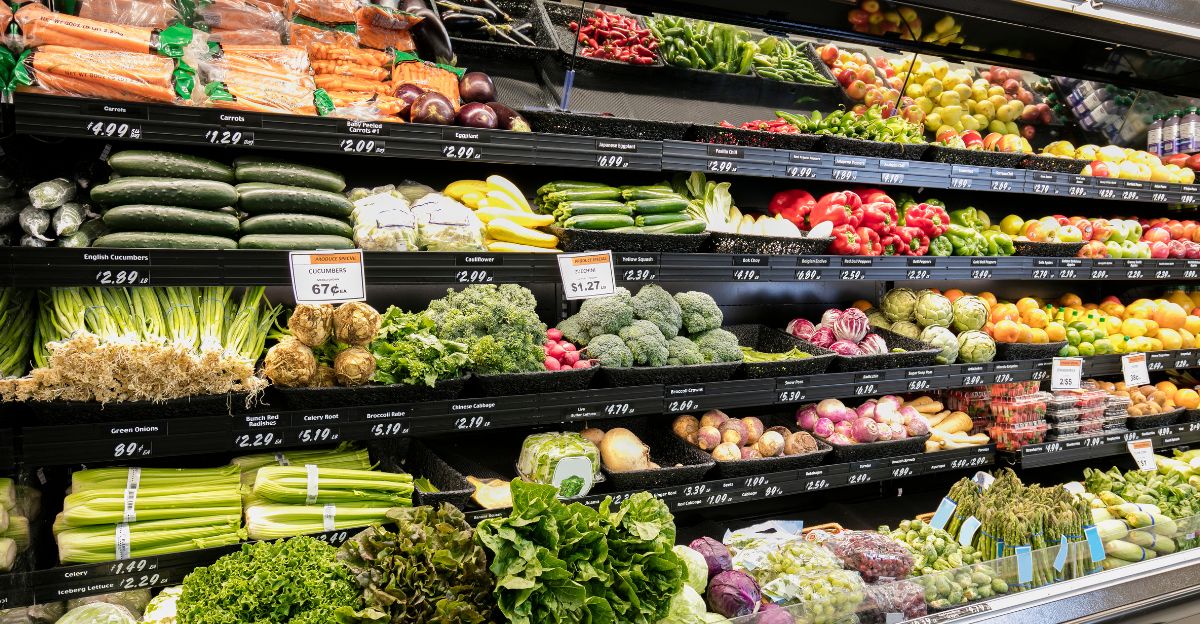
Big displays and bulk deals lose their pull. If an offer forces you to buy extras you don’t need, it’s no deal. You focus on unit prices, ingredients, and actual usefulness.
Store brands are fine when they deliver, but you save splurges for categories where taste or freshness matter. It’s a quiet discipline: buying selectively, not reflexively.
Thinking Ahead, Not Just Today
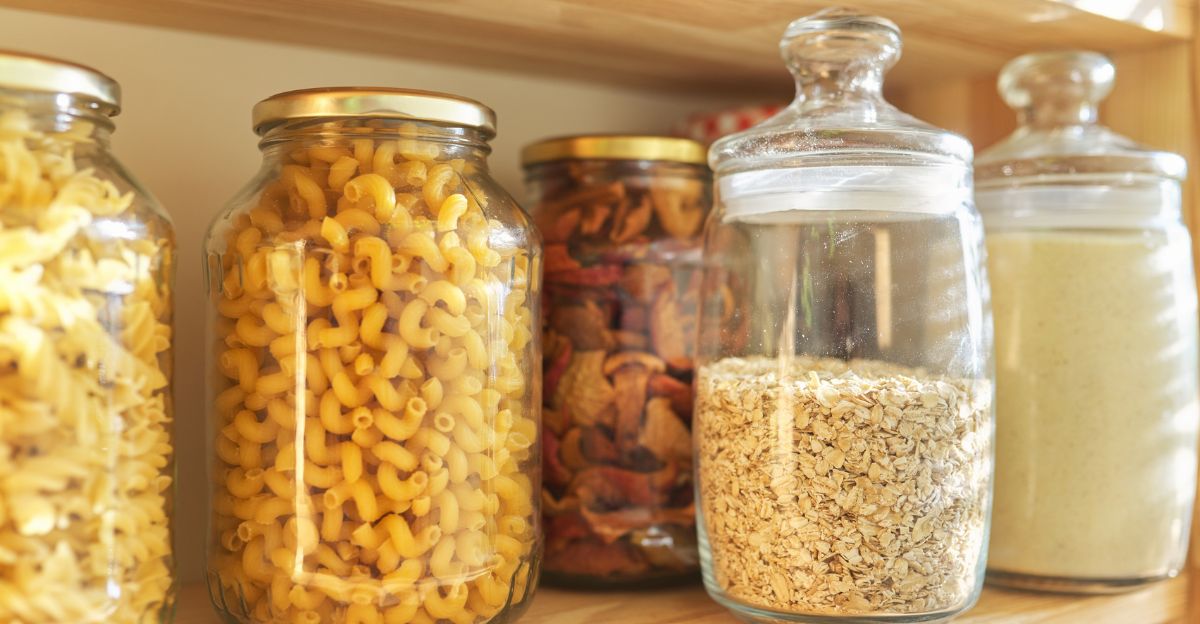
Your cart shifts from “what do I need right now?” to “what will help all week?” You buy ingredients that stretch: grains for multiple meals, sauces that work on bowls and sandwiches, and vegetables you can cook different ways.
You even keep “emergency dinners” on hand for tired nights. This isn’t hoarding; it’s planning. You’re easing pressure on your future self.
Hospitality in the Cart
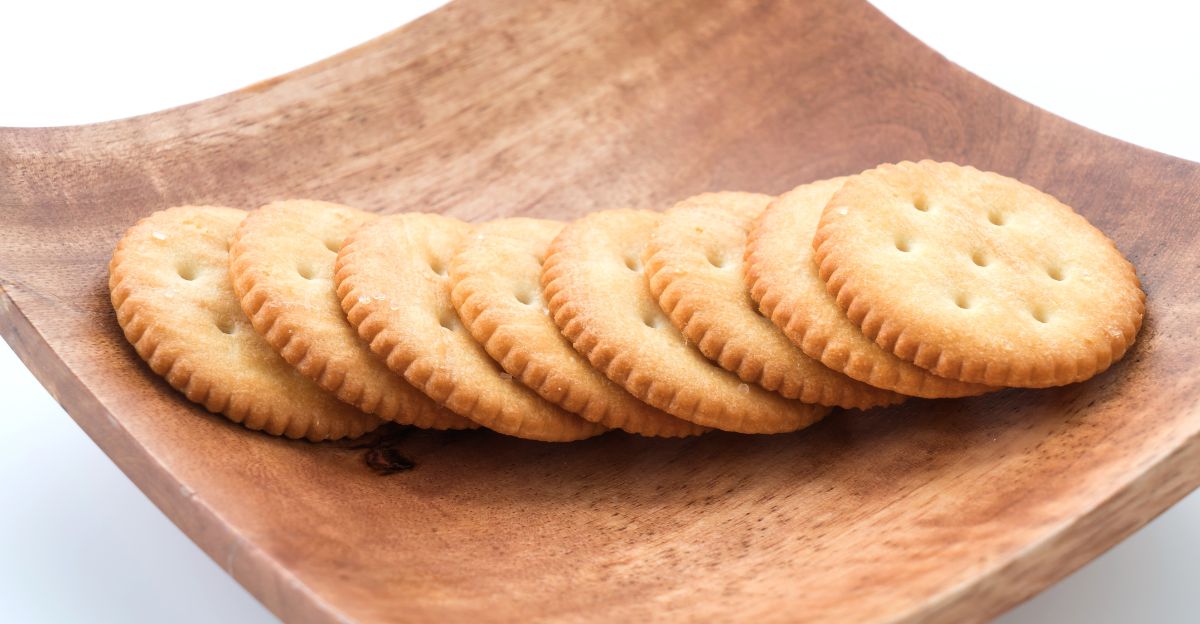
A corner of the cart is often reserved for others: sparkling water, tea, good crackers, or dark chocolate. Not because you’re hosting parties, but because you like being able to offer something to a guest.
That’s a mindset shift: from stocking just for survival to building in small reserves for connection. It’s about readiness, not extravagance.
Quiet Tools, Big Impact
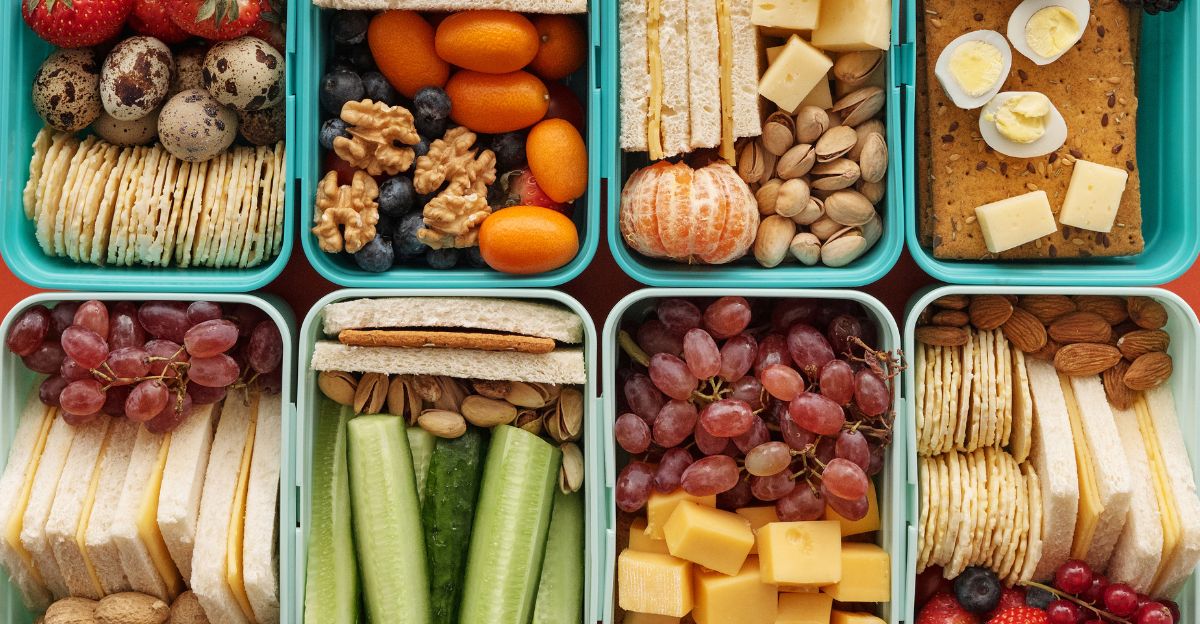
Sometimes the most telling items in your cart aren’t food. They’re systems: freezer containers, reusable bags, parchment paper, a new spice grinder.
These purchases don’t feed you directly, but they make cooking smoother, storage easier, and waste less likely. Middle-class carts buy more “stuff.” Value carts buy infrastructure that keeps the system running.
Less About Status, More About Function
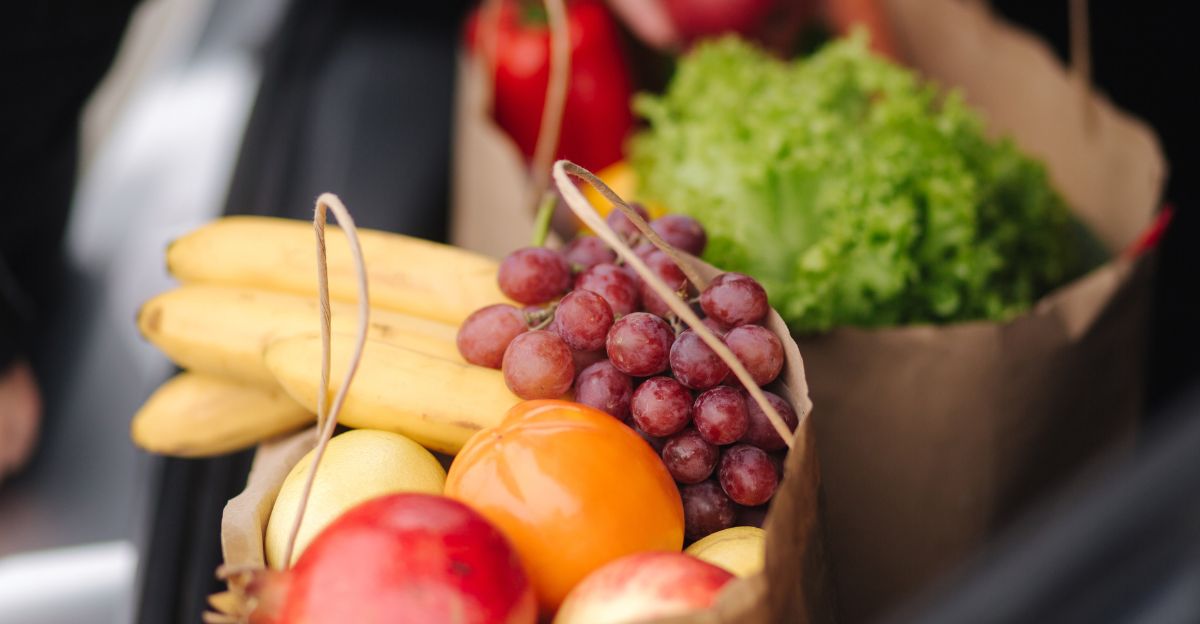
A middle-class cart often signals status through brand recognition: well-known logos, labels that say “premium.” But once priorities shift, packaging matters less.
What matters is taste, freshness, and practicality. Store brands are fine when they do the job. Splurges happen only where they deliver consistent returns, not where they simply look impressive in the pantry.
Waste as a Red Flag
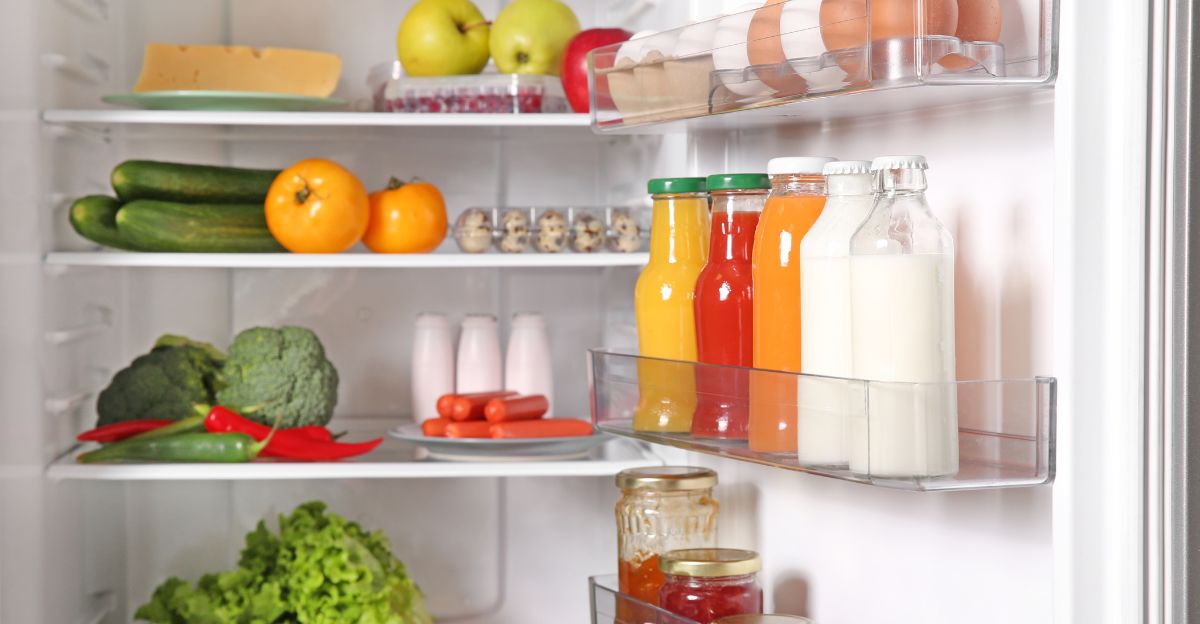
Leftovers you never eat, condiments that expire untouched, vegetables that wilt before use: all of these used to be normal. But now waste feels unacceptable.
You’d rather buy less and finish it all than chase a bargain that turns into trash. The cart reflects this: tighter lists, fewer duplications, and items that truly get used.
From Scarcity to Systems
Middle-class shopping often assumes scarcity: buy more just in case, stock up when there’s a deal. Value-focused carts assume stability: you’ll shop again, and you have systems to manage food.
That shift from scarcity to systems is subtle but clear. It’s no longer about guarding against lack, but about building reliable routines.
Fewer Treats, More Consistency
Impulse snacks and sugary deals shrink. Instead, you choose foods that carry you through the week with steady energy.
That doesn’t mean no treats, but they’re intentional, not random. A quality bar of chocolate or a small bag of coffee beats three boxes of discount cookies. Consistency takes priority over variety for variety’s sake.
Buying Time as Much as Food
Every item is judged not just by taste or cost, but by time. How much cooking time does it save? How many meals will it cover?
How much stress does it prevent later in the week? Once your cart starts answering these questions, you’re no longer just feeding yourself: you’re designing a smoother daily routine.
Balance Between Fresh and Frozen
Your cart doesn’t dismiss frozen or shelf-stable food anymore. Instead, it balances them. Frozen vegetables, dumplings, or prepped proteins aren’t a fallback: they’re part of the system.
Combined with fresh items, they reduce waste, extend flexibility, and ensure meals happen even on bad days. This balanced mix is a quiet signal of planning.
Shopping as Maintenance, Not Events
Middle-class shopping often swings between scarcity runs (huge stock-ups) and urgent small trips. A value-oriented cart reflects steady maintenance: regular, predictable restocking of anchors, produce, and proteins.
Shopping isn’t an event anymore: it’s a rhythm. That rhythm keeps the kitchen functional without drama, panic, or excess.
Signals Beyond Food
The biggest change isn’t what’s in the cart but what it represents. There is less chasing novelty and more repeating what works.
There is less proving with brands and more investing in tools and staples. There is less panic and more rhythm. These subtle differences tell a story: you’ve shifted from optimizing for price to optimizing for outcomes.
Final Thoughts
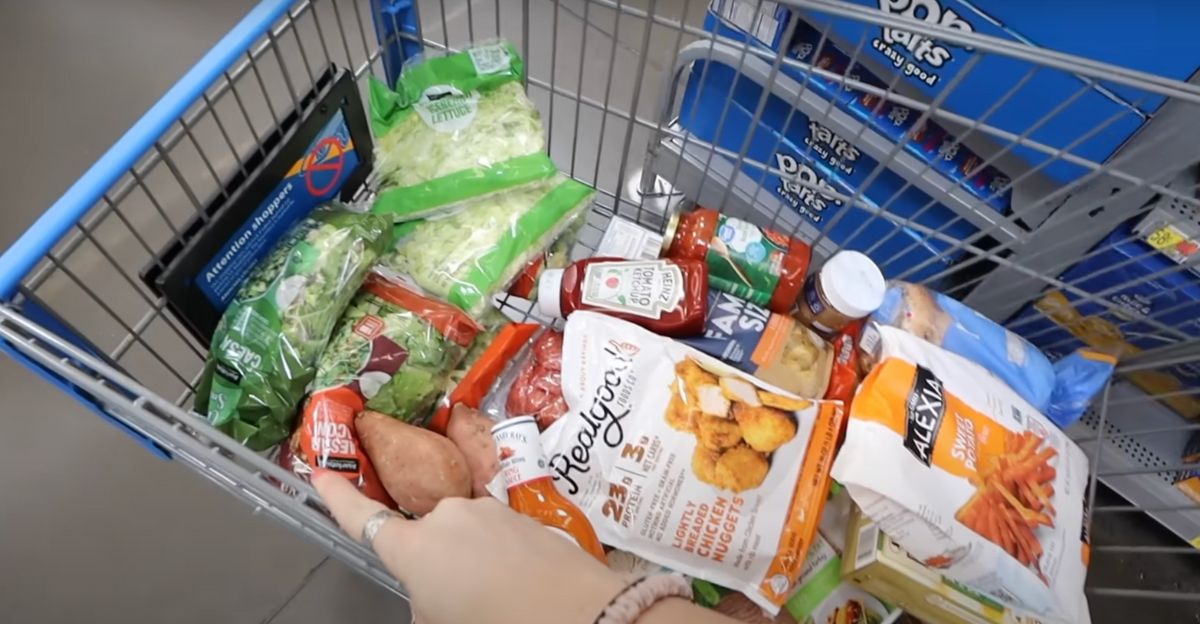
Your cart is like a quiet diagnostic of your life. If it leans less on bulk deals and more on steady systems, less on brand labels and more on consistent anchors, you’ve moved beyond middle-class autopilot.
You haven’t upgraded to “fancier”: you’ve upgraded to smarter, calmer, and kinder. A cart like this isn’t about status. It’s about designing days that work.