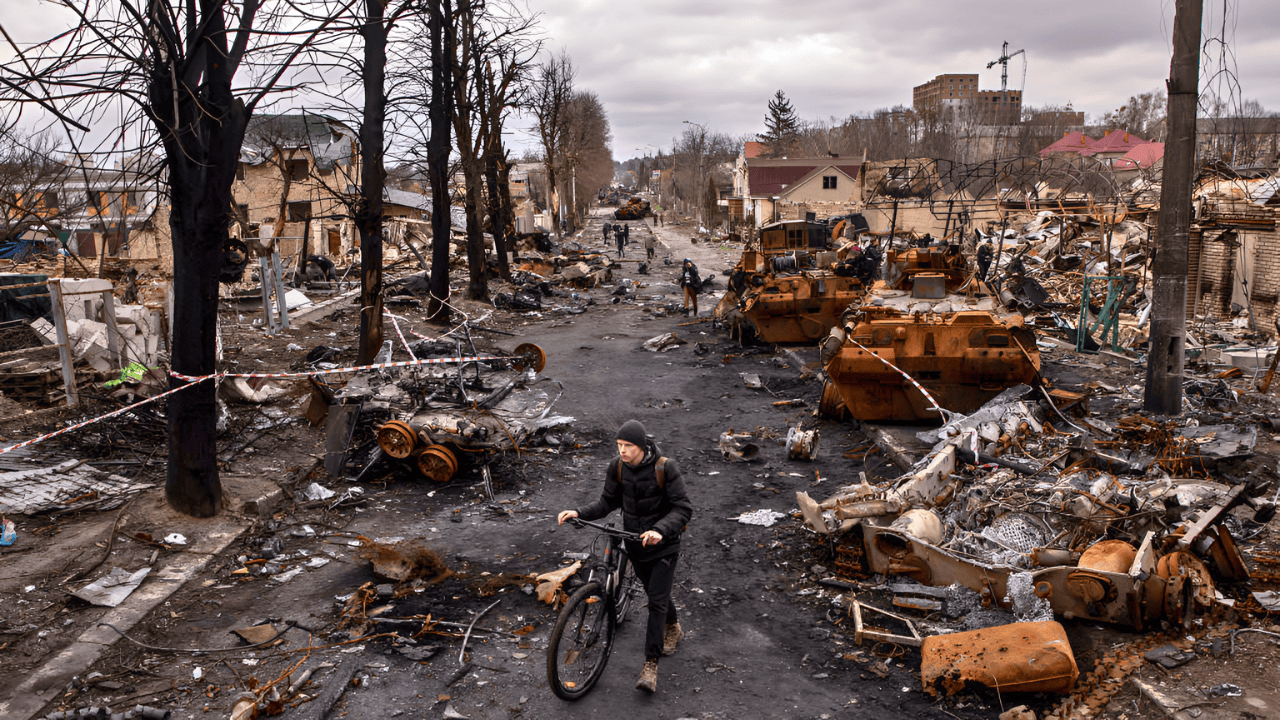
March 2025: Russia lost 1,578 artillery systems in a single month—the highest monthly toll of the entire Ukraine war. To put this in perspective, Russia’s entire pre-war active artillery inventory numbered just 5,000 systems. In less than four weeks, Russia lost nearly one-third of what it started with.
This catastrophic destruction rate reveals systemic vulnerabilities that span doctrine, technology, and logistics, converging to create unprecedented battlefield devastation.
1 – The Drone Revolution
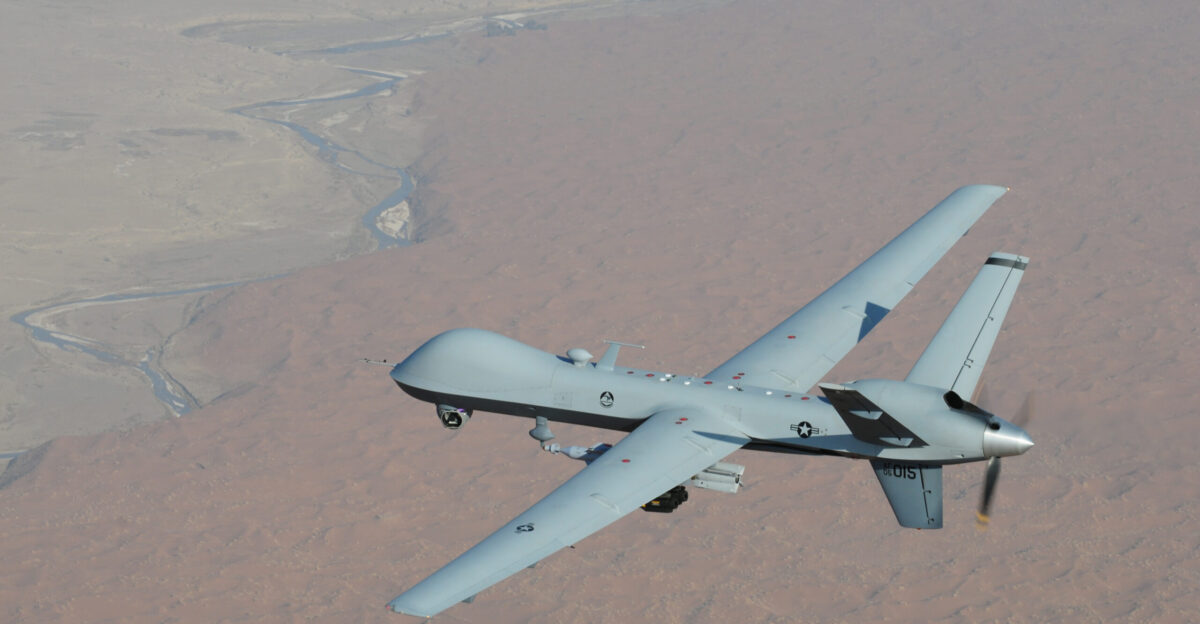
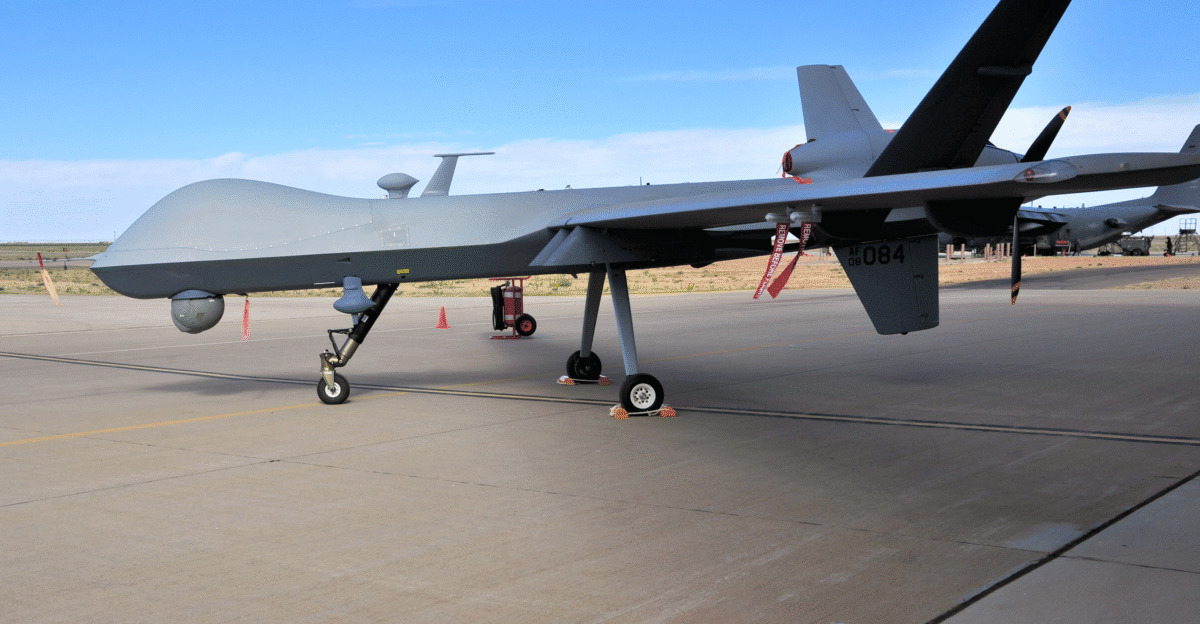
Unmanned aerial systems have fundamentally transformed artillery survivability. Ukrainian forces deploy reconnaissance drones and FPV strike systems to identify firing positions with precision, thereby eliminating the traditional concealment advantage of artillery. One-shot kills destroy entire systems with precision strikes.
This constant aerial surveillance creates what military analysts call a permanent “kill zone,” forcing Russian units into vulnerable repositioning cycles that degrade effectiveness and accelerate attrition rates dramatically.
2 – Counter-Battery Radar Dominance
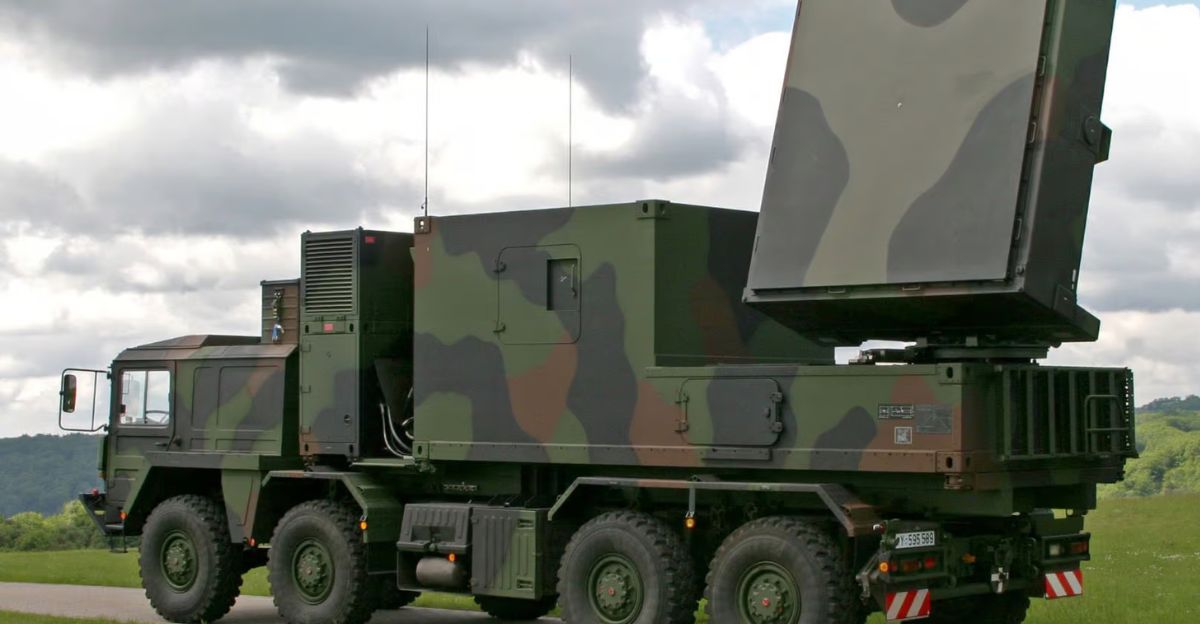
Ukraine’s Western counter-battery radar systems, including the German Hensoldt Cobra and the American AN/TPQ-36 Firefinder, detect hostile batteries at ranges of up to 24 kilometers, processing 60 targets per minute. These systems integrate with GPS-guided Excalibur rounds and GMLRS rockets for rapid destruction.
Russian forces lack comparable coverage, with many units operating radar-blind after sustaining heavy losses, creating a decisive tactical imbalance in artillery engagement that favors Ukrainian precision.
3 – Barrel Wear and Degradation
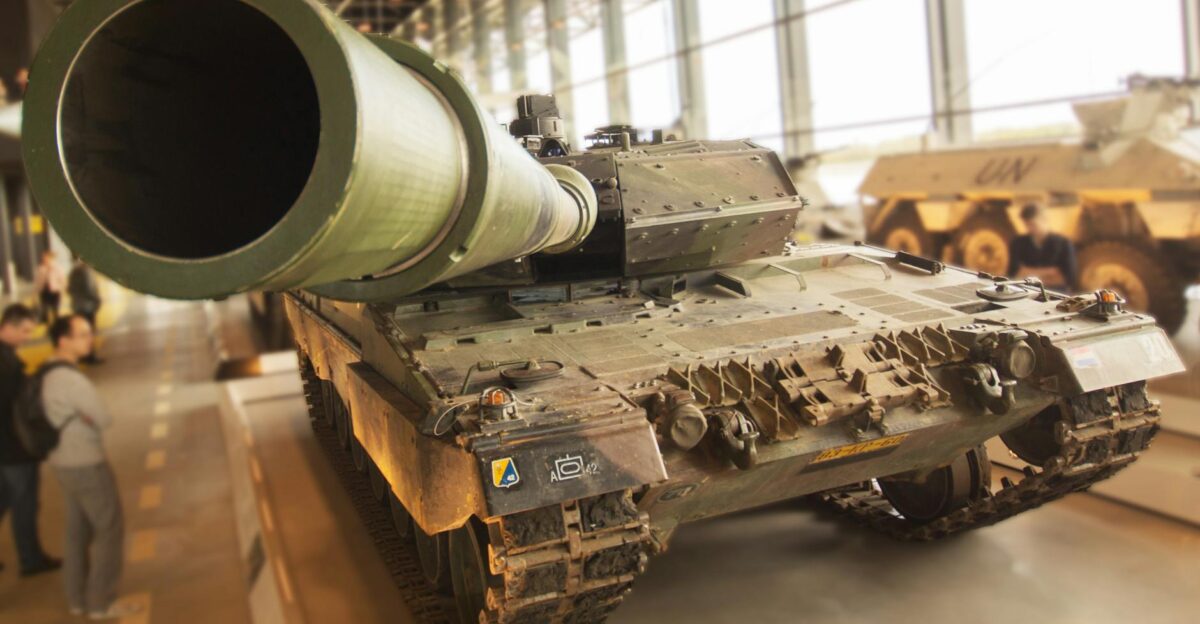
Artillery barrels require replacement after 1,500-2,000 full-power rounds. Russia fires up to 10,000 shells daily along its 745-mile front, causing rapid barrel degradation. Satellite imagery reveals Russian forces ransacking storage depots for spare barrels, indicating severe shortages of ammunition. The replacement process requires specialized metallurgical facilities insufficient for wartime demands, forcing Russia into a vicious cycle of reduced accuracy and accelerated equipment failure across its artillery fleet.
4 – HIMARS Precision Strikes
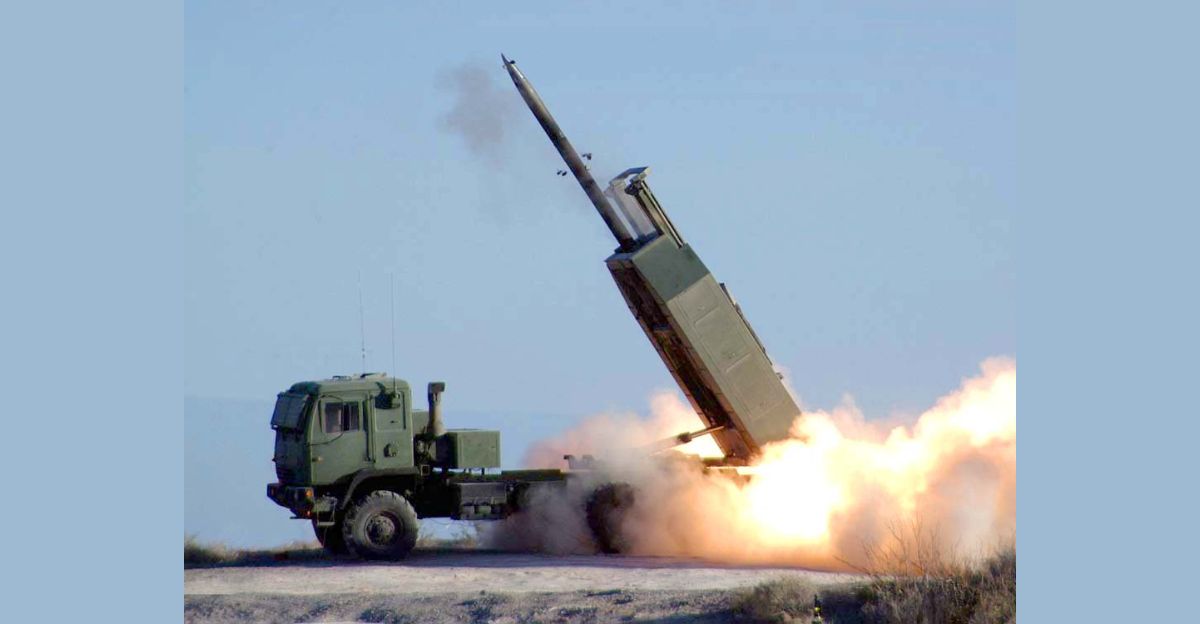
American M142 HIMARS systems deliver GPS-guided GMLRS rockets with a 40-mile range and devastating precision. Single rockets destroy fully-loaded Russian multiple launch systems, with ammunition detonation eliminating targets completely.
Ukrainian Special Operations Forces successfully employed HIMARS against Russian Ka-52 attack helicopters. Western allies have provided Ukraine with 805-937 artillery and MLRS systems since 2022, enabling precise counter-battery operations and deep-strike interdiction against Russian logistics networks that sustain artillery operations.
5 – North Korean Ammunition Crisis
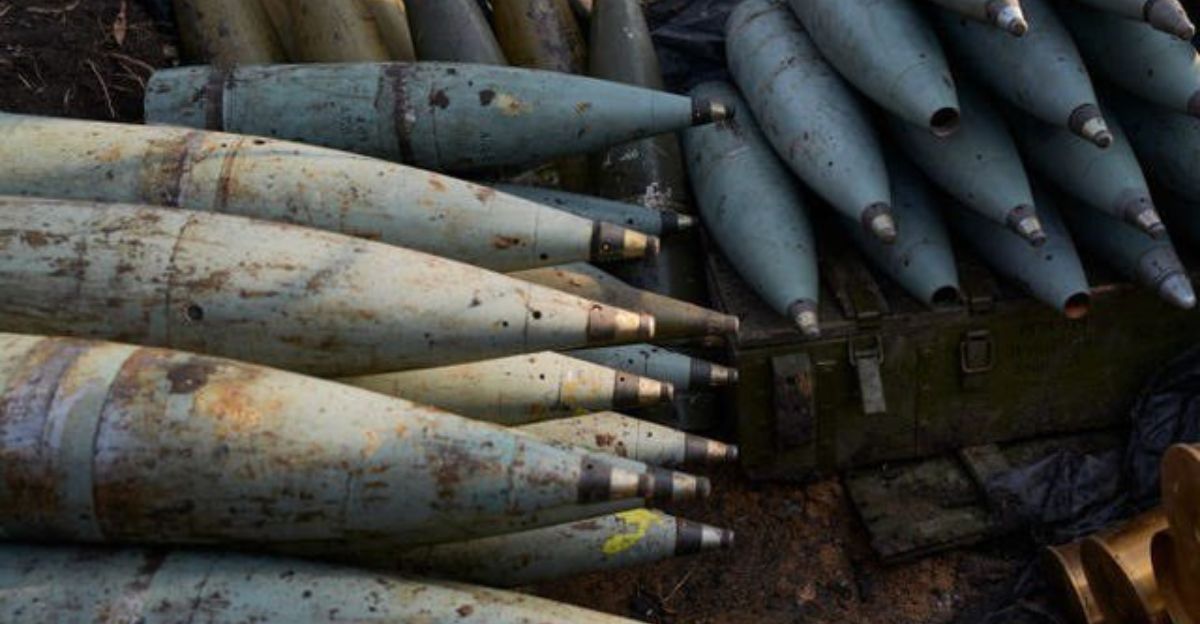
Russia depends heavily on North Korean shells—approximately 50 percent are defective. These 1970s-80s vintage munitions frequently malfunction, damage Russian barrels, and injure soldiers. North Korea halved its deliveries as stockpiles depleted, with zero shipments in September 2025 and limited supplies in October.
The country now scrapes “the bottom of the barrel,” requiring Russian factories to refurbish imported ammunition before deployment, significantly degrading operational effectiveness and increasing system failure rates.
6 – Domestic Production Limitations
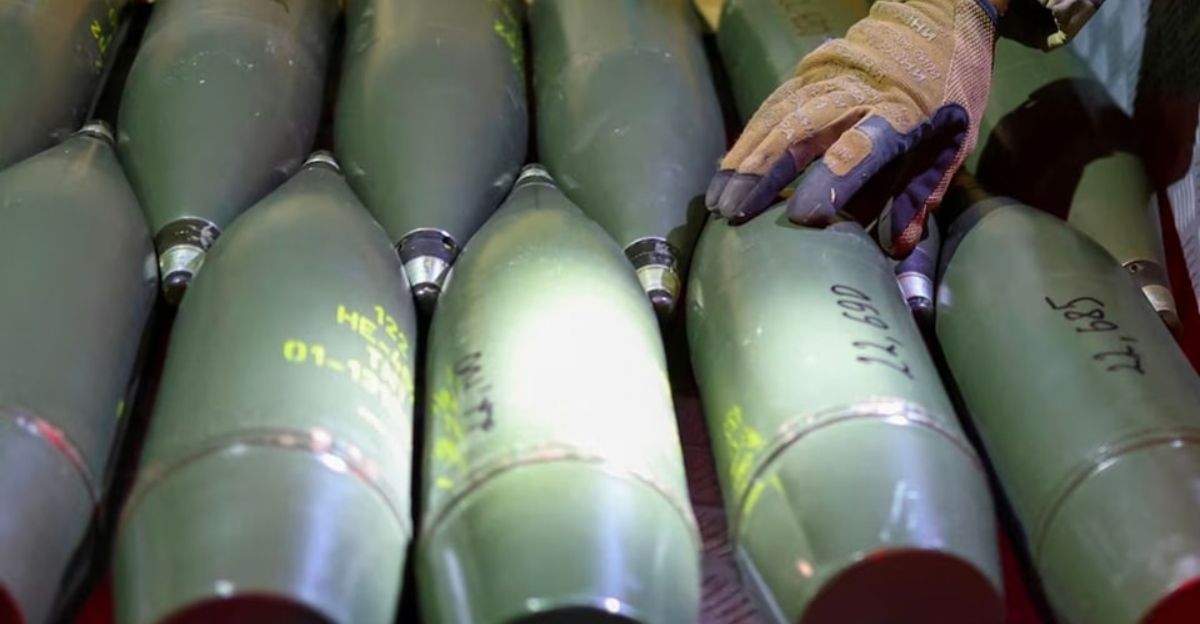
Russia produces approximately 3 million shells annually—three times the combined Western output. However, consumption rates exceed production capacity, preventing replenishment of the stockpile. Western sanctions restrict the supply of critical electronic components for precision munitions.
The country faces chromium shortages essential for barrel production, importing primarily from Kazakhstan and South Africa. Domestic production cannot sustain both attrition replacement and offensive operations simultaneously, creating a strategic vulnerability.
7 – Tactical Inflexibility and Poor Coordination
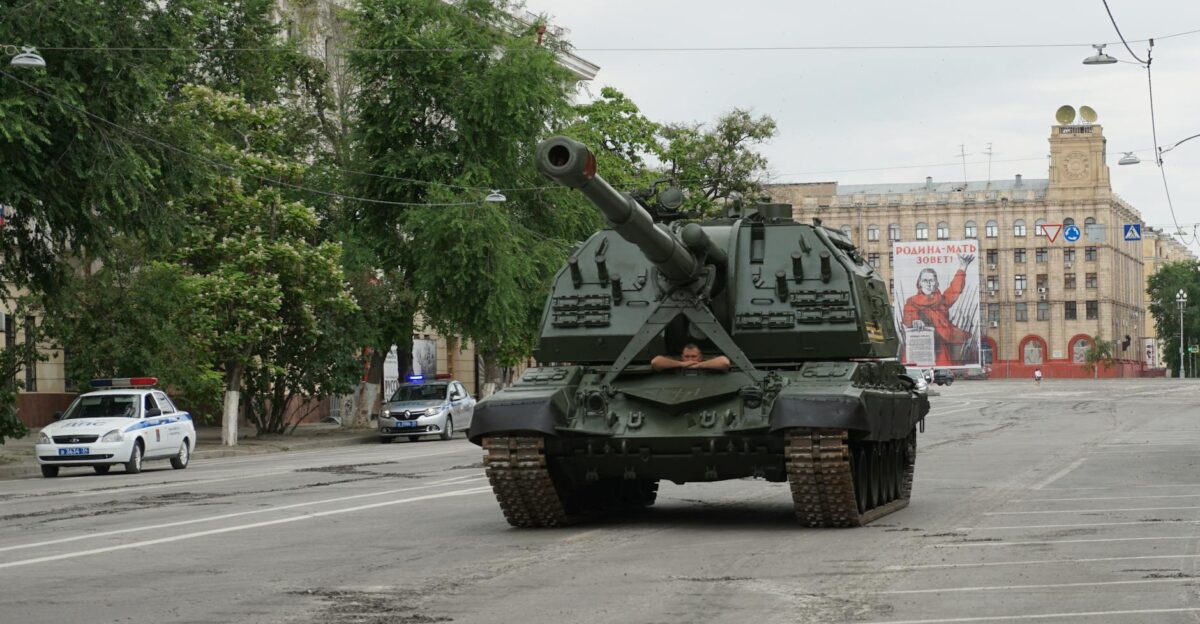
Russian artillery frequently concentrates in predictable locations, becoming lucrative targets for Ukrainian strikes. Units demonstrate limited battlefield adaptability and rely on outdated maps. Russia’s “meat assault” infantry tactics require extensive artillery support, often positioning guns within counter-battery range.
Forces have failed to implement effective “shoot and scoot” tactics, maintaining static positions vulnerable to detection. Insufficient coordination between artillery, infantry, and air support creates exploitable vulnerabilities throughout the battlefield.
Western Intelligence Integration

American technology companies, such as Palantir, provide advanced data analysis software that enables route optimization and air defense mapping. British and American engineers trained over 1,000 Ukrainians in utilizing this software.
Commercial satellite imagery and signals intelligence provide continuous surveillance of Russian positions, depots, and logistics nodes. This intelligence integration dramatically enhances Ukrainian targeting accuracy and operational efficiency against Russian artillery and supporting infrastructure across all operational sectors.
GIS Arta Targeting System
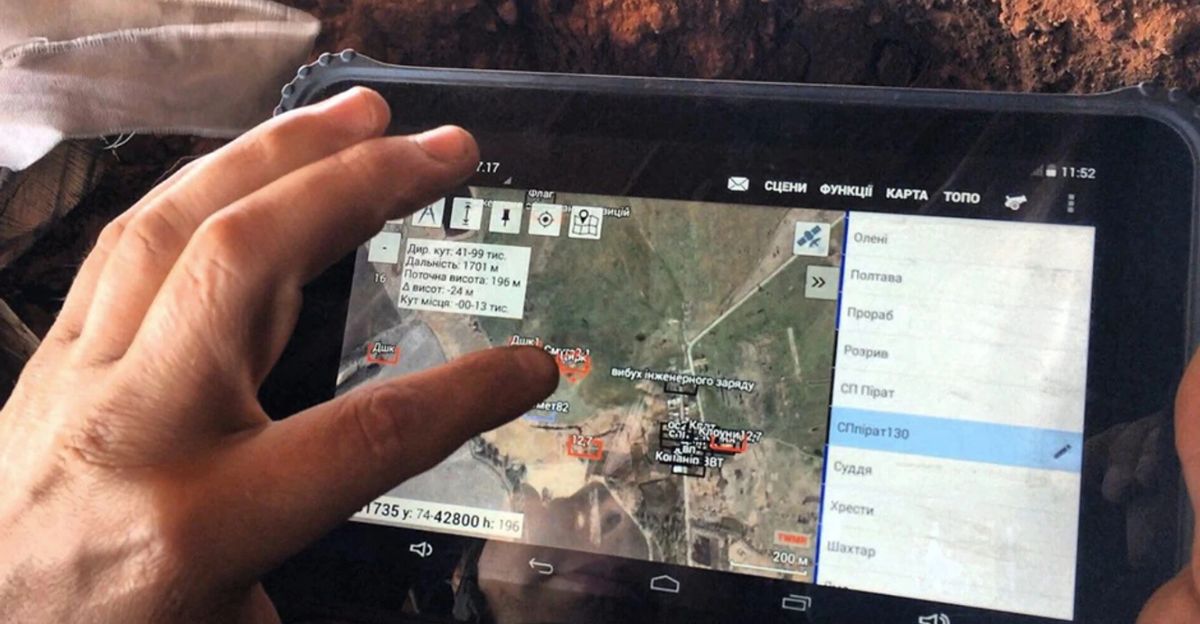
Ukraine’s “Uber for Artillery” software dynamically deploys batteries and coordinates rapid engagement of identified Russian targets. Systems set up, fire, and displace within minutes rather than hours, enabling multiple dispersed positions to concentrate fire.
The software integrates Western satellite data with Ukrainian-developed applications, creating a force multiplier overcoming hardware disadvantages. In some sectors, Russian artillery outnumbers Ukrainian systems 20-to-1, yet Ukrainian precision and coordination overcome numerical disadvantages decisively.
Supply Chain Interdiction
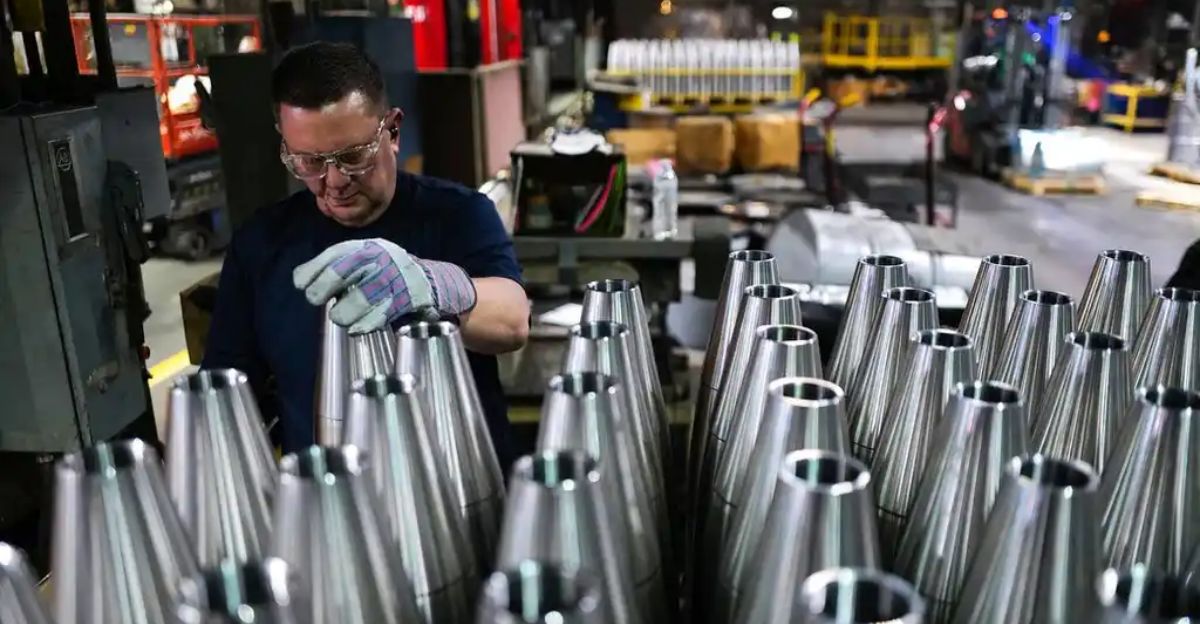
Western intelligence enables Ukrainian strikes on critical Russian logistics nodes deep inside Russia. Ukraine successfully targets ammunition production facilities, fuel depots, and supply hubs. These deep strikes disrupt the flow of artillery ammunition and degrade operational sustainability.
The ability to strike Russian territory represents a strategic vulnerability Moscow cannot easily defend, forcing dispersal of critical logistics infrastructure and reducing efficiency across supply chains supporting artillery operations.
Cumulative Effect
Multiple factors—drones, counter-battery radars, precision munitions, barrel shortages, ammunition defects, tactical errors, and intelligence support—converge simultaneously. No single factor explains massive losses; rather, systemic vulnerabilities across all domains create compounding attrition.
Russian artillery doctrine, designed for mass-fire saturation tactics, proves unsuitable for modern warfare where precision, mobility, and information dominance determine outcomes. The combination far exceeds Russia’s capacity to compensate through increased production alone.
Strategic Implications
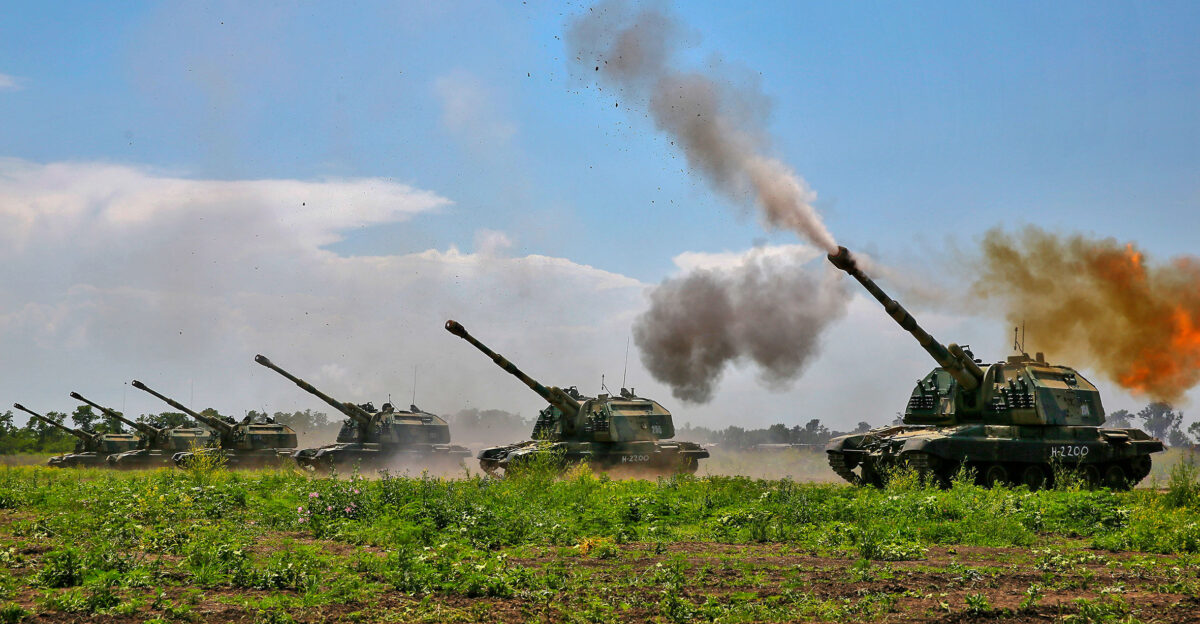
Russia has exhausted its artillery inventory equivalent to six times pre-war strength. While production reaches 250,000 shells monthly, losses outpace replacement for high-quality systems.
The artillery branch—traditionally central to Russian military doctrine—now represents critical vulnerability. Degraded equipment, foreign ammunition of questionable quality, and unsustainable attrition rates constrain Russia’s ability to sustain offensive operations while defending vast territorial gains in Ukraine.
The Battlefield Shift
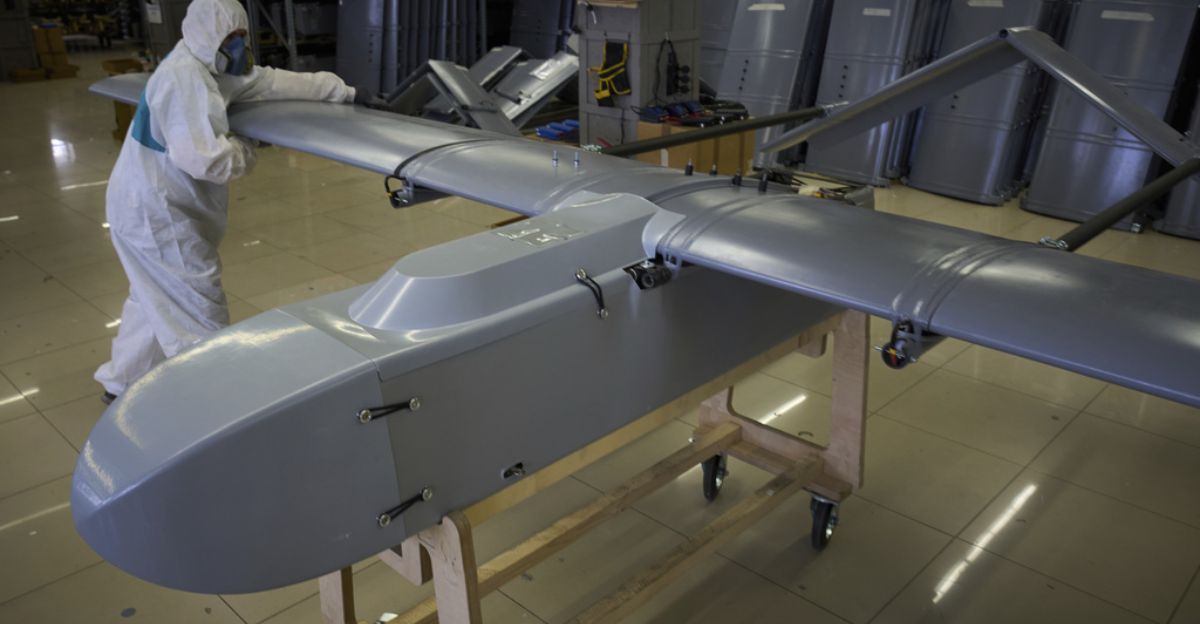
Ukraine’s innovation in drone warfare, counter-battery tactics, and intelligence integration has overwhelmed Russian advantages in artillery quantity. Modern warfare prioritizes precision and information over mass production and destruction.
Ukrainian forces demonstrate superior adaptability and technological integration. The strategic shift toward quality over quantity fundamentally changes the dynamics of the conflict in Ukraine’s favor.
Conclusion and Outlook
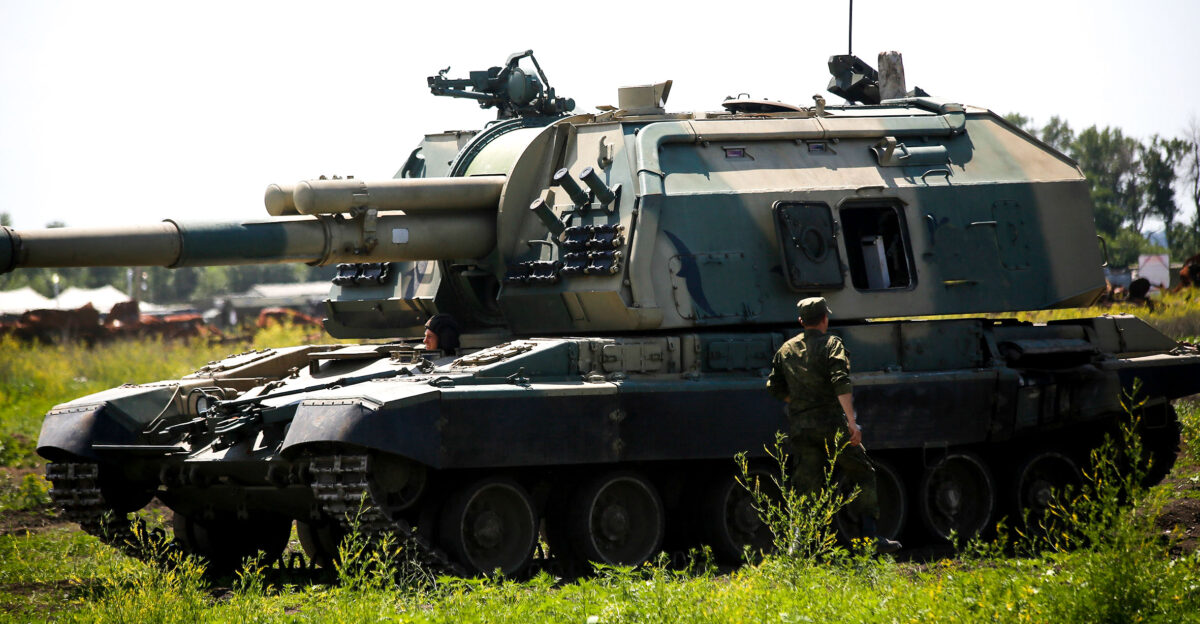
Russia’s artillery losses reflect failure across tactical execution, technological adaptation, logistical sustainment, and strategic planning. Unless Russia fundamentally reforms artillery doctrine, acquisition strategies, and supply chains, attrition will continue to degrade offensive capability.
The degradation of the artillery branch signals broader military vulnerability. Battlefield dynamics continue to shift decisively in favor of Ukrainian forces, despite Russian numerical advantages in certain categories.