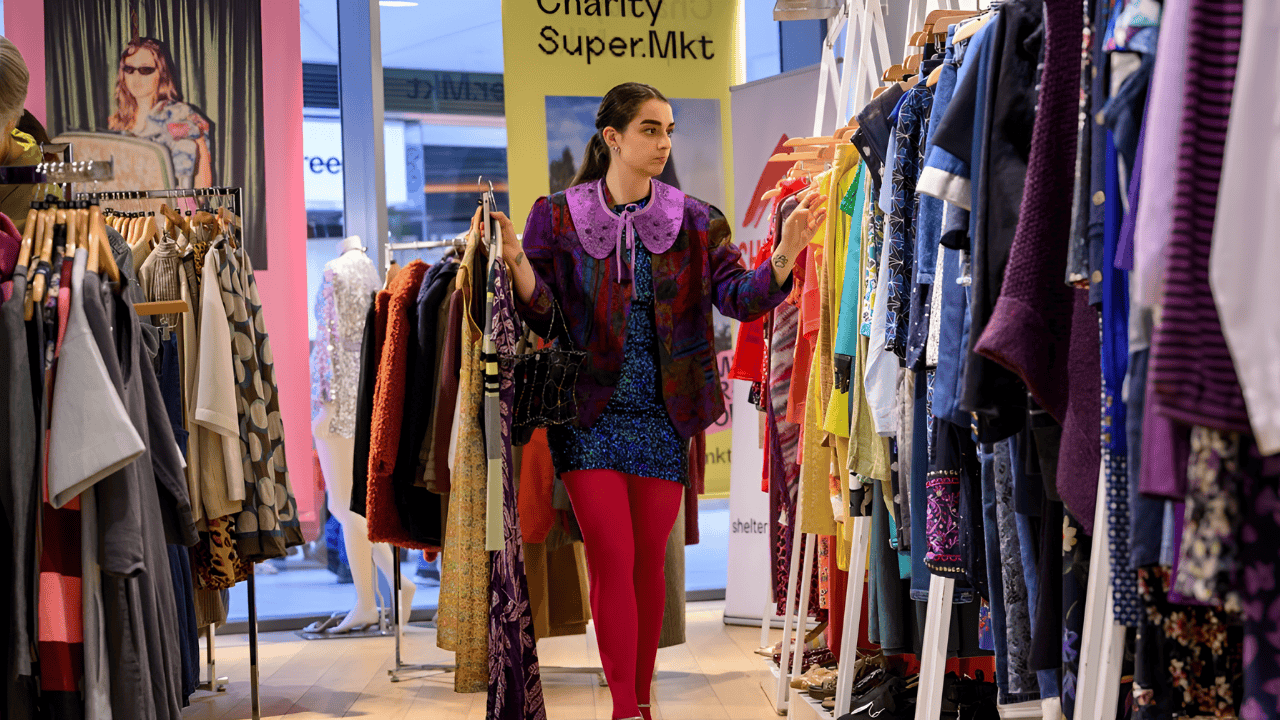
A millennial arrives at brunch in a leased BMW, carrying a $4,000 Louis Vuitton bag and sipping a $15 green juice. Warren Buffett, meanwhile, drives his 2014 Cadillac to McDonald’s. That contrast reveals more than taste. Research from HEC Paris and Princeton University, published in the Journal of Consumer Research in 2024, found that approximately 75% of luxury spending comes from middle and working-class consumers, not the ultra-wealthy.
Bain & Company’s 2024 Luxury Goods Worldwide Market Study shows 50 million aspirational consumers exited the luxury market as sales declined for the first time since the Great Recession. The lesson is simple. Wealth is not display. It is freedom. Here is what is really happening.
When Spending Becomes a Signal
Status consumption occurs when purchases exist to signal wealth rather than serve utility. Millennials dominate this pattern, fueled by visibility and social comparison. Research shows 54% of millennials buy luxury goods primarily to display status, a significantly higher share than older generations.
The financial tradeoff is substantial. Average millennial non-mortgage debt now reaches $27,251, and over one-third admit they would borrow money simply to maintain appearances. Those most eager to appear wealthy are often the least financially secure.
The contradiction is striking. Status purchases promise confidence and belonging, yet frequently deliver financial pressure. Over time, the need to perform wealth replaces the goal of building it, trapping consumers in cycles of spending that produce visibility but not security.
How the Truly Wealthy Spend
The wealthiest individuals rarely advertise it. Jeff Bezos once drove a Honda Accord, Mark Zuckerberg owns a modest Volkswagen, and IKEA founder Ingvar Kamprad flew economy while driving a 1993 Volvo. Their choices emphasize reliability, not recognition.
Luxury still exists in their lives, but it is discreet. Brands like Bottega Veneta and The Row prioritize craftsmanship without logos. Unlabeled Hermès signals comfort, not attention. The wealthy understand that real status comes from needing no symbols at all.
For high-net-worth individuals, money functions as a tool for time, privacy, and autonomy. When financial security is genuine, there is no incentive to prove it publicly. Visibility becomes unnecessary, and often undesirable.
Social Media and the Illusion Economy

Social platforms intensify aspirational spending. McKinsey research shows 85% of Gen Z consumers say social media influences their luxury purchases. Instagram transforms everyday life into performance, where coffee, vacations, and handbags become metrics of worth.
A $5,000 Dubai vacation generates more engagement than a growing savings account. Experiences are selected for visibility, not fulfillment. Millennials often spend money they do not have to impress people they will never meet.
This feedback loop rewards appearance over stability. Algorithms amplify luxury imagery, reinforcing the idea that success must be seen to be real. The result is an economy where perception outpaces financial reality.
Seven Purchases That Signal, Not Secure

Seven categories define the illusion of wealth. Each is highly visible, premium priced, strongly branded, and offers little utility beyond status.
Logo-heavy designer bags like Louis Vuitton cost around $4,000, despite estimated production costs of $200 to $250. Entry-level luxury car leases run $700 to $1,000 monthly, totaling up to $36,000 over three years. Athleisure outfits can reach $1,000 while rarely serving athletic purpose.
Instagram travel often costs $5,000 to $10,000 and is frequently financed. Premium kitchen gadgets like $700 mixers sit unused. Trendy wellness subscriptions cost up to $500 monthly. Limited-edition sneakers resell for $1,200 to $2,700 despite $170 retail prices. The wealthy avoid all seven.
Why Millennials Fund the Luxury Industry

Luxury brands do not rely on billionaires. They target aspirational earners making around $75,000 while chasing $200,000 lifestyles. Instagram marketing exploits ambition and insecurity with precision.
Billionaires already own what they want. Millennials, however, finance the industry through desire and comparison. This explains why luxury sales rely so heavily on middle-income consumers rather than the ultra-wealthy.
The cost is long-term. Spending $1,000 monthly on luxury equals $12,000 annually or $120,000 over a decade before compounding. Those funds could significantly alter retirement timelines. The wealthy understand opportunity cost and quietly prioritize it.
Conclusion: The Wealth That Actually Matters
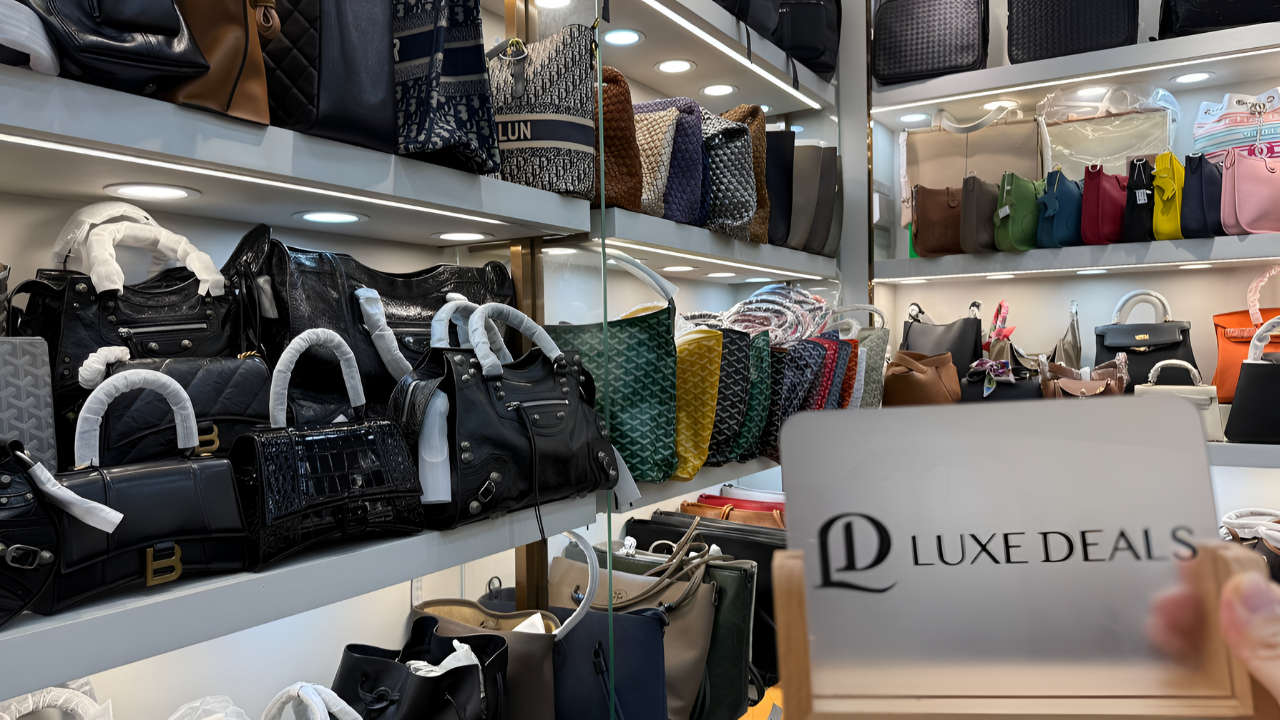
Bain & Company’s 2024 report found aspirational buyers earning under $6,000 annually reduced luxury spending by 35%, signaling a cultural shift. Quiet luxury is rising, favoring subtlety, durability, and financial awareness over display.
The seven categories explored are not rewards. They are distractions. The wealthy choose decade-old cars, unlabeled bags, and private experiences because real luxury is independence. Every performative purchase avoided becomes time, security, and freedom. Wealth is not measured in logos, likes, or visibility. It is measured in the ability to stop proving anything at all.
Sources:
Status Consumption and Economic Inequality. Journal of Consumer Research, 2024. (HEC Paris and Princeton University research)
Luxury Goods Worldwide Market Study. Bain & Company, November 2024.
Meet Generation Z: Shaping the future of shopping. McKinsey & Company Consumer Insights Report, 2024.
Status Through Luxury for Wealthy Millennial Consumers. Boston Consulting Group, July 2024.
Americans Carry $18,762 in Non-Mortgage Debt. LendingTree Debt by Generation Study, June 2025.
StockX Market Report: Sneaker Resale Market Analysis. StockX, 2024.