
There exists a fundamental divide in how different generations approach the start of their day. While baby boomers often follow deliberate, analog-focused morning routines, millennials and Gen Z have largely adopted faster, digitally-integrated practices.
This distinction reveals far more than mere preference—it reflects how each generation came of age, what they value, and what they’ve chosen to prioritize in an increasingly hectic world.
1. Reading a Physical Newspaper with Breakfast

For countless baby boomers, mornings begin with a familiar scene: coffee brewing, toast popping, and the unmistakable rustle of newsprint as pages turn across the kitchen table.
This is a deliberate, ritualistic engagement with news that unfolds over twenty or thirty minutes, often accompanied by a full breakfast.
Why Younger Generations Abandoned Print News
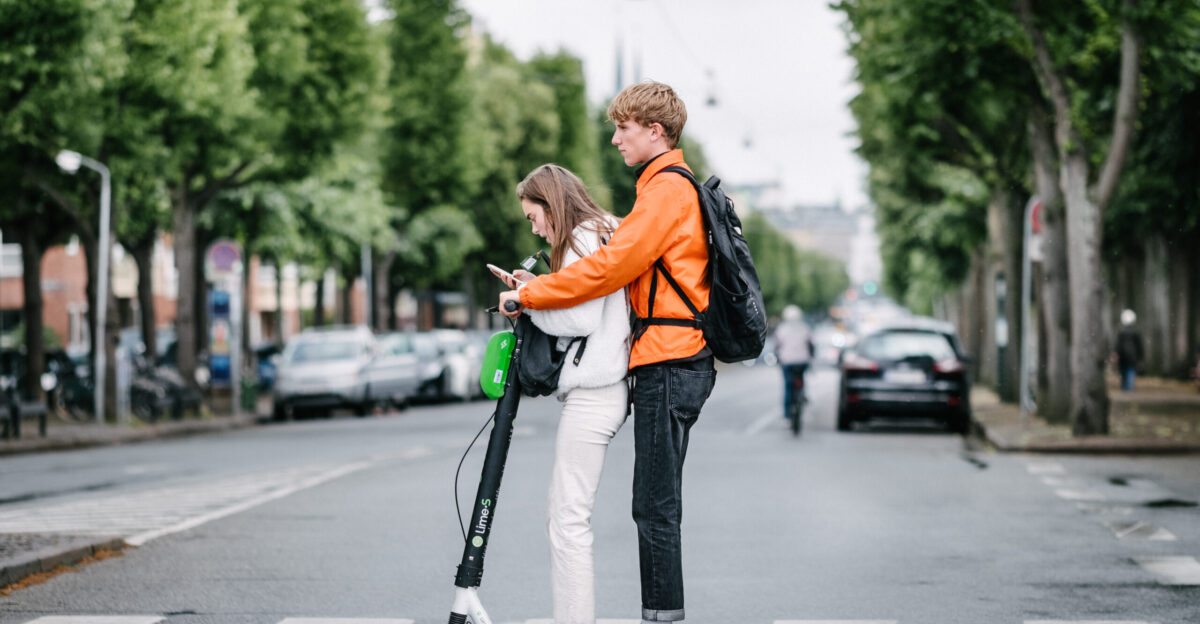
Millennials and Gen Z grew up with the internet promising instant access to global news. Why wait for a physical newspaper to arrive on your doorstep when breaking news appears on your phone the moment it happens?
The shift to digital news feeds offered speed, personalization, and the ability to access only stories relevant to individual interests.
The Cognitive Advantage of Reading on Paper
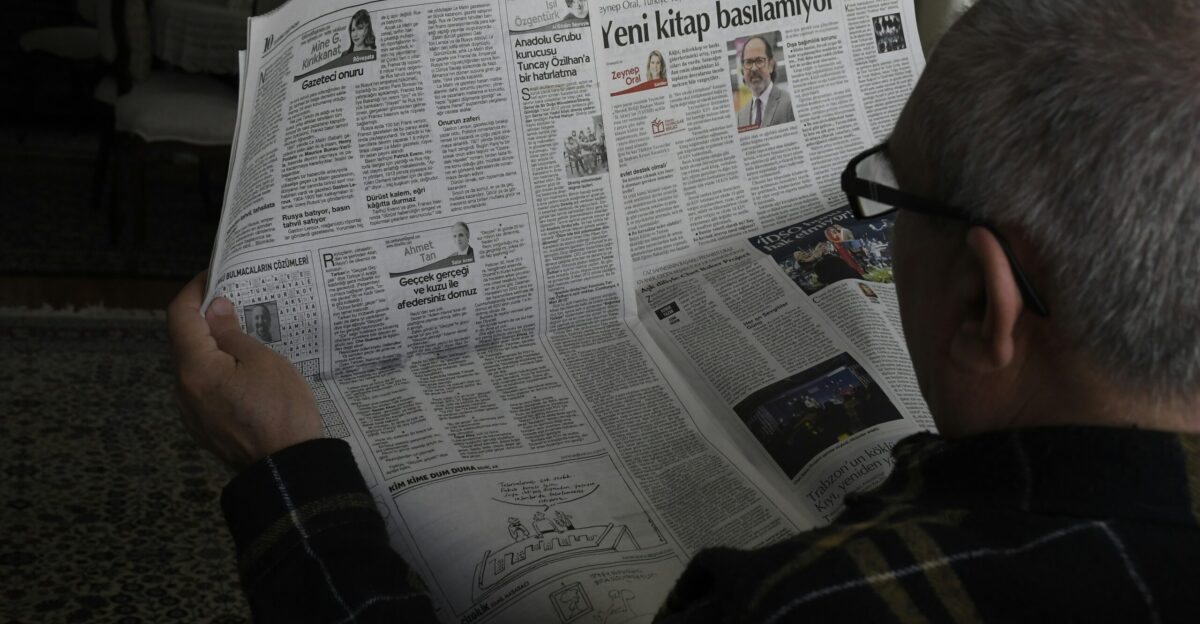
Recent research suggests that people who read on paper tend to retain information better than those reading identical content on screens. The physical act of turning pages creates a mental map that aids comprehension and memory encoding.
The boomer approach isn’t just nostalgic—it’s potentially a more effective way to internalize and remember news.
2. Making the Bed Immediately After Waking Up

Step into a boomer’s bedroom and you’ll rarely see an unmade bed. For many in this generation, bed-making is sacred—done before coffee, before checking email, before anything else.
These aren’t hastily thrown-together comforters; many boomers approach it with precision: hospital corners pulled tight, pillows fluffed with care, decorative throws arranged just so.
The Generational Shift Away from This Habit

Younger people have largely discarded this obligation. The bed might get made eventually, or perhaps not at all. With more people living alone or in shared spaces where bedroom doors close, the visibility factor that drove boomer discipline has diminished.
Combined with busier mornings, bed-making has become optional rather than foundational.
The Psychology of Small Accomplishments

Admiral William H. McRaven’s famous University of Texas commencement speech brought renewed attention to this practice. McRaven argued that making your bed gives you a small sense of accomplishment first thing in the morning: “If you can’t do the little things right, you’ll never be able to do the big things right.”
Those who’ve tried this routine often report a subtle but real shift in their morning psychology—beginning your day with one completed task creates momentum.
3. Eating a Proper Sit-Down Breakfast
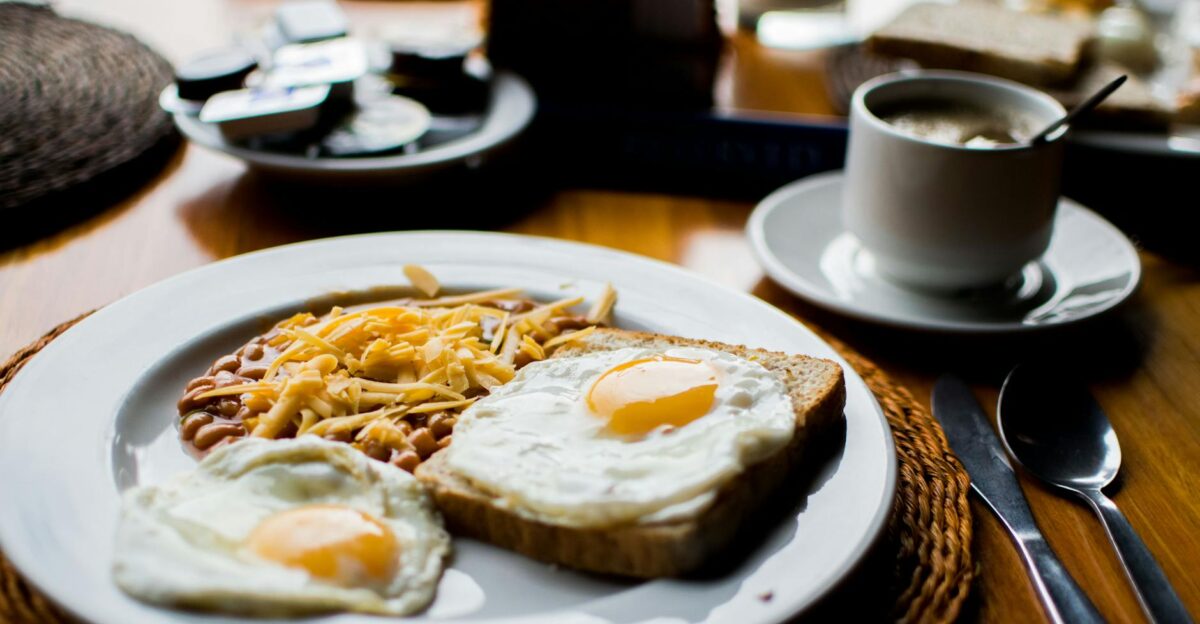
In boomer households, breakfast is an event, not a transaction. The morning kitchen fills with the smell of eggs cooking, bacon sizzling, and toast browning. There’s a plate with utensils, often cloth napkins, and the expectation that you’ll sit at a table for at least fifteen to twenty minutes.
The Modern Alternative: Breakfast on the Go
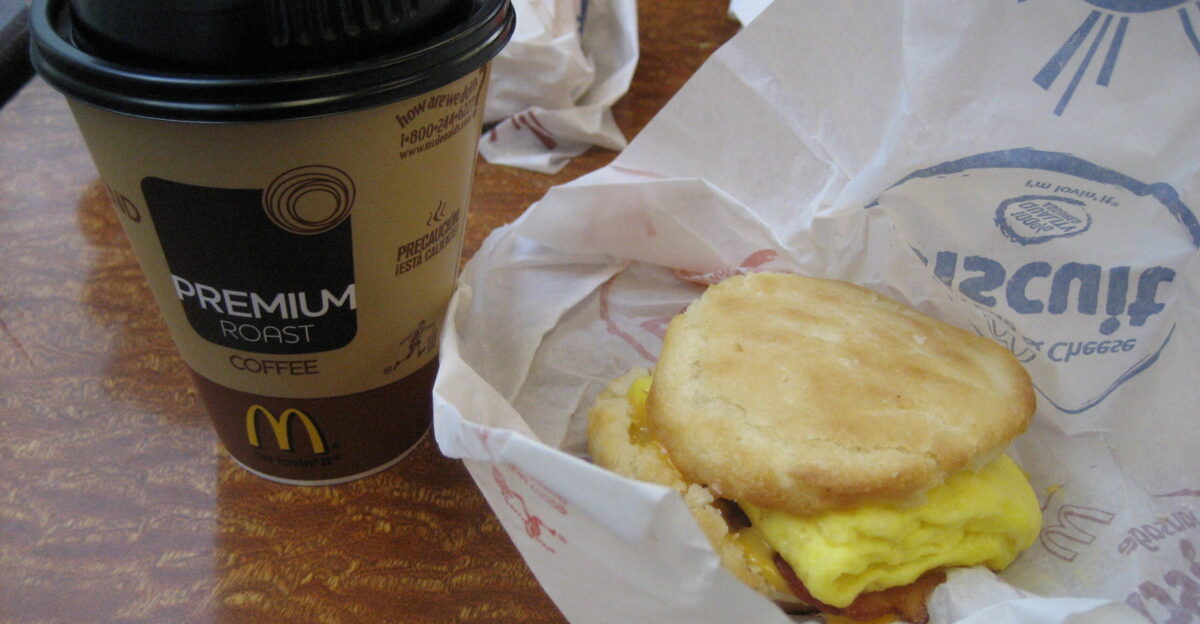
Younger generations revolutionized morning eating. Protein bars in the car, smoothies at the desk, breakfast burritos if there’s time. The idea of sitting down for twenty minutes to eat scrambled eggs feels either luxurious or wasteful, depending on your perspective.
The shift reflects busier lifestyles and the cultural emphasis on efficiency over ritual.
The Cost of Mindless Eating

Here’s what many younger people discover after years of eating on the go: they can’t remember what they ate by lunchtime. The experience of breakfast happens without consciousness. Food is consumed as fuel, not as nourishment or pleasure.
The accumulated effect is a disconnection from the basic act of eating itself.
4. Using a Physical Address Book
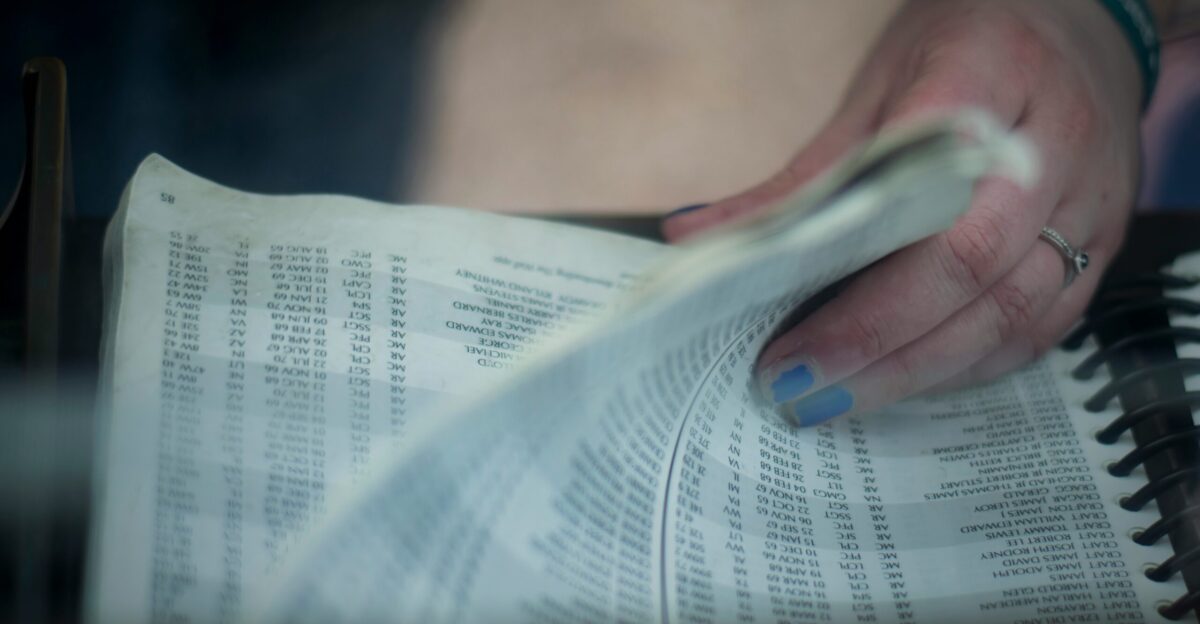
This habit seems almost inexplicable to digital natives: boomers maintain actual address books with handwritten entries. Names, phone numbers, addresses—all carefully recorded in pen. When someone moves, the old address gets crossed out and the new one written in.
Some address books become multi-year records with layers of corrections.
The Backup Logic Behind Physical Records

The reasoning is straightforward: what happens if your phone dies and you lose everything? For boomers who came of age before cloud storage and automatic backups, data loss was real and total. A physical address book represented security—information couldn’t be lost to a technical glitch.
The Memory Problem with Digital Storage
Yet here’s a question worth sitting with: how many phone numbers do you actually know by heart? For boomers who regularly wrote down phone numbers by hand, those numbers often became lodged in memory through the act of writing.
The deliberate, kinetic process of penning information created neural pathways that made it stick. Writing engages multiple cognitive systems simultaneously, creating richer memory traces than simply tapping a name into your phone.
5. Listening to Morning Radio Shows
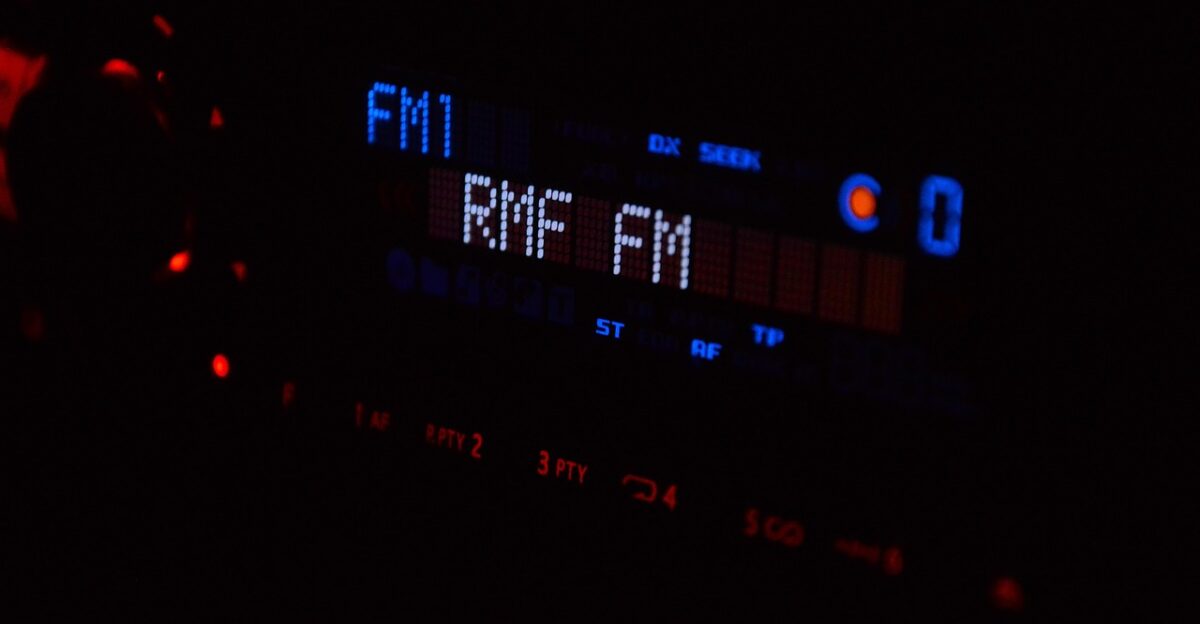
Turn on the radio in a boomer’s kitchen and you’ll hear familiar voices—local news anchors, traffic reporters, DJ personalities who’ve been on the same morning shift for decades. Boomers have their favorite shows, their preferred stations, their trusted morning personalities.
They’ve been listening to the same DJ for twenty years, creating a genuine relationship even if it’s technically one-directional.
The Streaming Revolution and Personalization

Younger people abandoned radio entirely. Why listen to songs you didn’t choose when you can curate your perfect playlist on Spotify? Why sit through traffic reports for roads you’re not driving on? Podcasts offer even more control—you pick the exact topic, the exact host, the exact episode you want, whenever you want to hear it.
The Lost Communal Experience
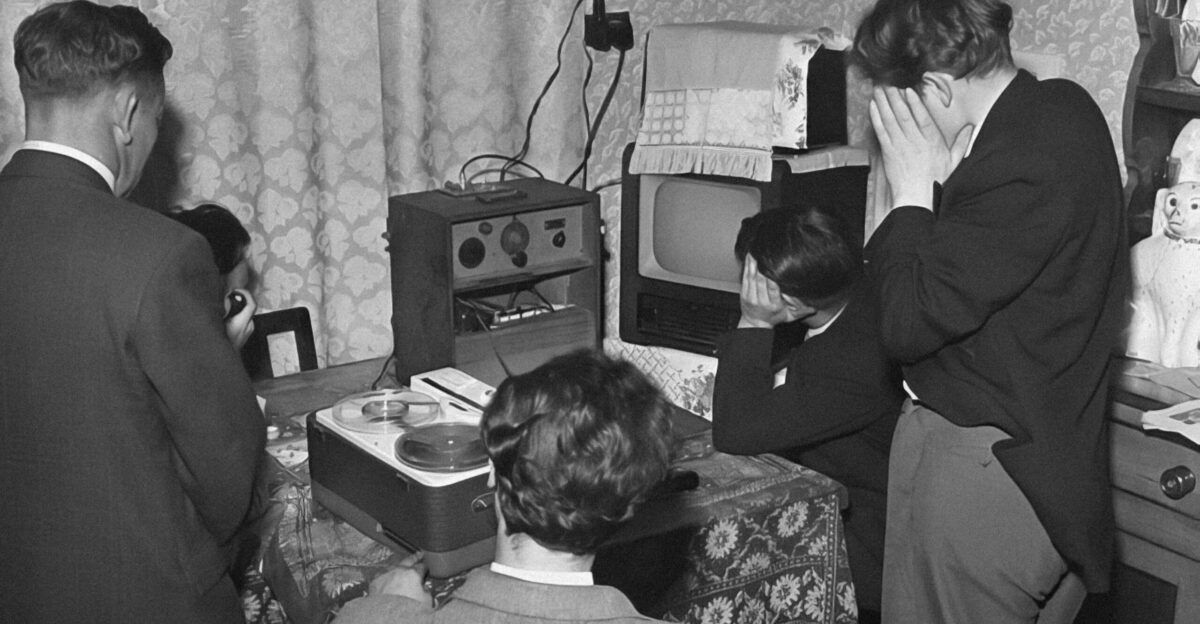
What we’ve gained in personalization, we’ve lost in communion. When everyone in your city was listening to the same radio station at the same time, there were shared cultural moments. Everyone heard the same joke at 7:45 a.m., the same song at 8 a.m., the same traffic report simultaneously.
This created a kind of invisible community that has largely vanished with algorithmic personalization.
6. Writing Checks for Monthly Bills
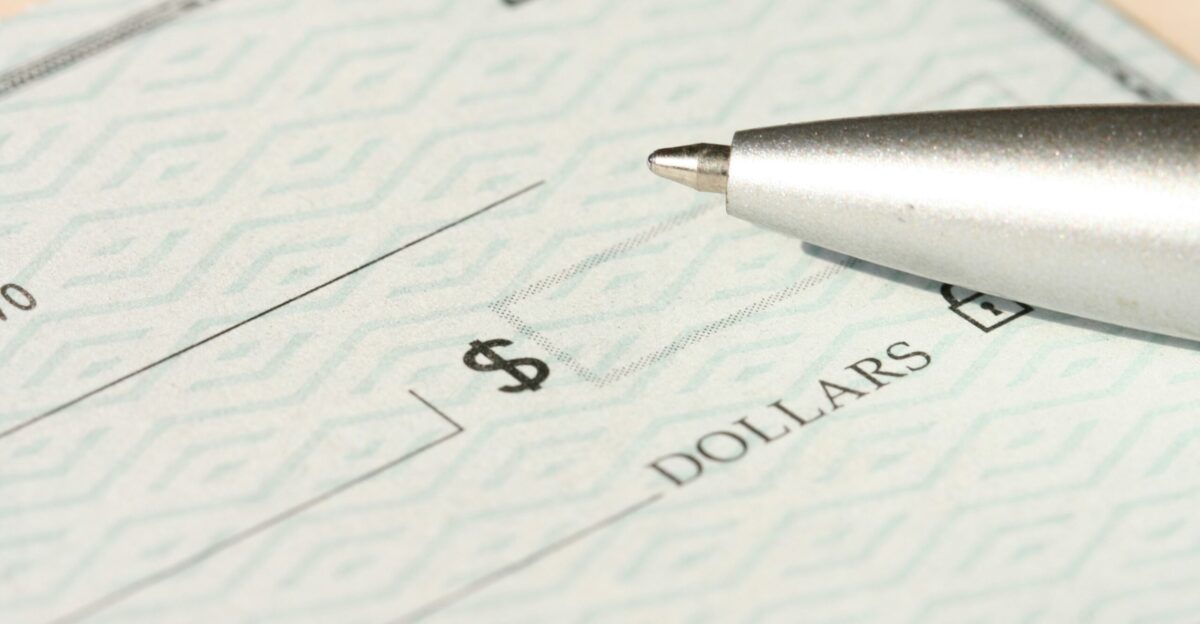
Every month, boomers sit down with their checkbook, a stack of bills, envelopes, and stamps. They write out each check, record the amount and date in the register, address the envelope by hand, seal it, apply a stamp, and place it in the mailbox. For someone with many bills, this process can take an hour or more.
The Automation vs. Control Trade-Off
The boomer answer involves trust—or rather, a deep wariness of trusting systems that are too automated. They want to see exactly what they’re paying and when. They want the control of initiating each transaction themselves rather than hoping the automated system doesn’t malfunction.
Younger people who’ve experimented with automatic payments have discovered that the boomer caution isn’t entirely irrational—autopay glitches happen, prices change automatically, and accounts get compromised.
7. Calling Instead of Texting

When boomers need to communicate something in the morning—whether confirming plans, checking in with family, or handling some matter requiring immediate attention—they pick up the phone and call. Not text. Not message. Call, with their voice, expecting the person to answer and engage in real-time conversation.
The Wisdom of the Middle Ground

What emerges from examining these seven boomer morning habits is a pattern: they’re slower, more analog, and more deliberately chosen. Younger generations have made mornings more efficient—technology has made our days faster and easier in countless ways. But efficiency isn’t everything.
Some of these “outdated” habits create space for presence, intentionality, and connection that our optimized routines have squeezed out.
Sources:
“Weekly U.S. Influenza Surveillance Report (FluView).” Centers for Disease Control and Prevention, late Nov 2025.
“Admiral William H. McRaven’s University of Texas Commencement Address: Make Your Bed.” University of Texas at Austin, May 2014.
“Why We Remember More by Reading – Especially Print.” The Conversation, February 2021.
“The Neuroscience Behind Writing: Handwriting vs. Typing and Memory Formation.” National Center for Biotechnology Information (NCBI), February 2025.