
The moment a major appliance broke, boomers didn’t comparison-shop online or read reviews—they reached for a toolbox and figured it out. That instinct was shaped by a world of fewer choices, real consequences, and the expectation that problems were solved, not outsourced.
Millennials came of age in a different reality: endless options, constant feedback, and pressure to optimize every decision.
That contrast created a quiet but powerful wisdom gap—one that now influences how each generation handles money, stress, work, and relationships. What appears to be preference is often conditioning, shaped long before either group had a choice.
1. Life Isn’t Supposed to Feel Comfortable All the Time

Boomers learned early: discomfort is not a sign of failure—it’s a sign you’re alive. Jobs didn’t have to fulfill your soul. School wasn’t entertainment.
Relationships required work. Psychologists refer to this as distress tolerance, one of the strongest predictors of resilience. When you accept discomfort as normal, you’re less likely to panic, catastrophize, or quit too early.
Millennials, raised on “follow your passion” and “don’t settle,” often interpret normal life friction as systemic betrayal, triggering anxiety spirals that boomers simply weathered.
2. You Don’t Need to Announce Every Life Decision

Before social media, progress was private. Baby Boomers didn’t broadcast graduations, weddings, promotions, or travels for digital applause. Life unfolded quietly, and achievement was something you felt, not something you performed.
Millennials grew up in an era of curated transparency—every milestone demands an audience. This creates what psychologists call external validation dependency: the need for constant public reassurance.
Boomers built inner solidity by keeping their wins to themselves. Millennials often chase external approval, leaving them emotionally fragile when the likes stop coming.
3. If Something Breaks, Learn to Fix It Before Replacing It

A boomer household was a crash course in self-reliance: cars, appliances, furniture, fences—you learned to fix things because it was practical and necessary. This builds competence, one of the three pillars of intrinsic motivation, as outlined in self-determination theory.
Millennials inherited a disposable world: fast fashion, two-year phone cycles, planned obsolescence. Fixing often costs more than replacing.
The result? An entire generation lacks the practical confidence that comes from knowing you can solve problems with your own hands. Boomers didn’t just fix things—they built identity around it.
4. Money Is Earned Slowly, Saved Intentionally, and Appreciated Deeply
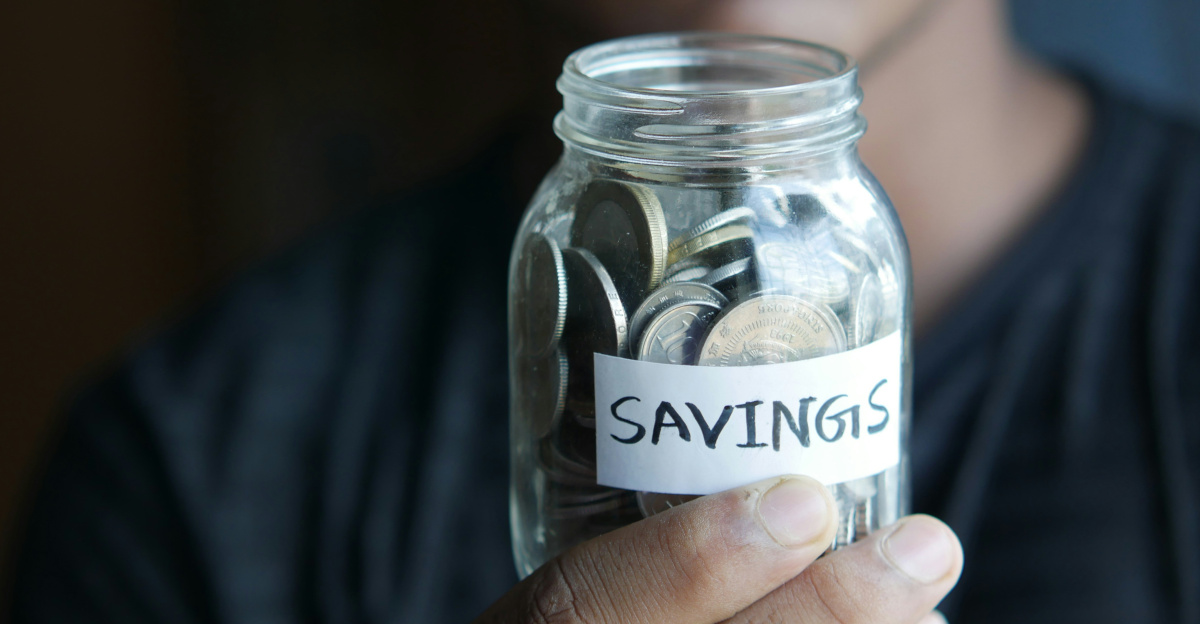
Boomers internalized a financial psychology millennials rarely absorbed: save before you spend, avoid debt unless necessary, think long-term, not impulsively, prioritize stability over flashiness. They learned to stretch a dollar and delay gratification.
Millennials, raised in high-stimulus, high-advertising, high-temptation environments, inherited a mindset of spending as identity expression and convenience as king. Boomers learned that money is quiet power.
The median boomer bought a home at 2–3 times the median income; millennials face 5–8 times the median income today. Yet the psychological divide runs deeper: one generation learned patience; the other learned anxiety.
5. Not Every Opinion Needs to Be Spoken

Boomers grew up with stricter social rules around politeness, restraint, and “keeping the peace.” They learned that you don’t confront every relative, escalate every debate, or dominate every disagreement. You let things go. Emotional maturity, to them, meant choosing not to react.
Millennials, shaped by online culture, default to rapid-fire opinions, instant reactions, and public debates. The internet rewards hot takes and performative outrage.
Boomers didn’t live in that world. Their patience and ability to step back reflect an older understanding: sometimes wisdom isn’t in speaking—it’s in stepping back and knowing when silence is power.
6. Commitment Isn’t a Feeling—It’s a Decision

Boomers learned commitment early. You stayed in relationships, jobs, and communities not because they were perfect, but because loyalty and duty were part of adulthood. You weathered storms rather than walking away at the first sign of discomfort.
Psychology backs this: the strongest relationships are built on consistent actions and shared investment, not feelings alone. Millennials grew up in an era of infinite choice—dating apps, job-hopping, global mobility, and remote work.
When anything can be replaced, sticking with something feels harder. Boomers knew an older truth: most good things become great only after you stay long enough to grow into them.
7. Life Is Simpler When You Don’t Overthink Everything

Boomers didn’t spend their twenties “finding themselves” or optimizing every life aspect. They worked, built, and let life reveal itself through action. Many never learned the habit of overthinking because they didn’t have the luxury—responsibilities called, and you answered.
Millennials, raised in therapy talk and hyper-introspection cultures, often get stuck in analysis paralysis: so many possibilities, so many anxieties, so much pressure to “get life right.” The result? Decision fatigue and perpetual uncertainty.
Boomers learned clarity comes from movement, not rumination. Sometimes the path reveals itself only when you start walking.
The Boomer Advantage

Boomers grew up without smartphones, social media, or the ability to compare their lives to curated highlight reels 150 times a day. Millennials check their phones approximately 150 times daily, many seeking external validation.
The absence of digital feedback loops allowed boomers to develop intrinsic motivation—doing things because they matter to you, not because others are watching.
This isn’t nostalgia; it’s neuroscience. Constant digital feedback rewires the brain’s reward system, making millennials more prone to anxiety and validation addiction. Boomers built internal scaffolding; millennials inherited external dependence.
The Millennial Burden

While boomers dealt with visible hardships (physical labor, limited choices), millennials face invisible burdens: emotional overwhelm, digital overload, financial instability, and identity confusion. Student debt averages $30,000–$40,000.
Housing costs have tripled relative to income. Job markets shift unpredictably. Social media creates performance pressure unknown to previous generations. These aren’t excuses—they’re structural realities.
Millennials aren’t weaker; they’re shaped by different pressures. Understanding this reframes the generational debate: it’s not about which generation is tougher, but about recognizing that every generation inherits its own unique set of challenges.
The Repair Culture Vs. Disposable Culture Divide
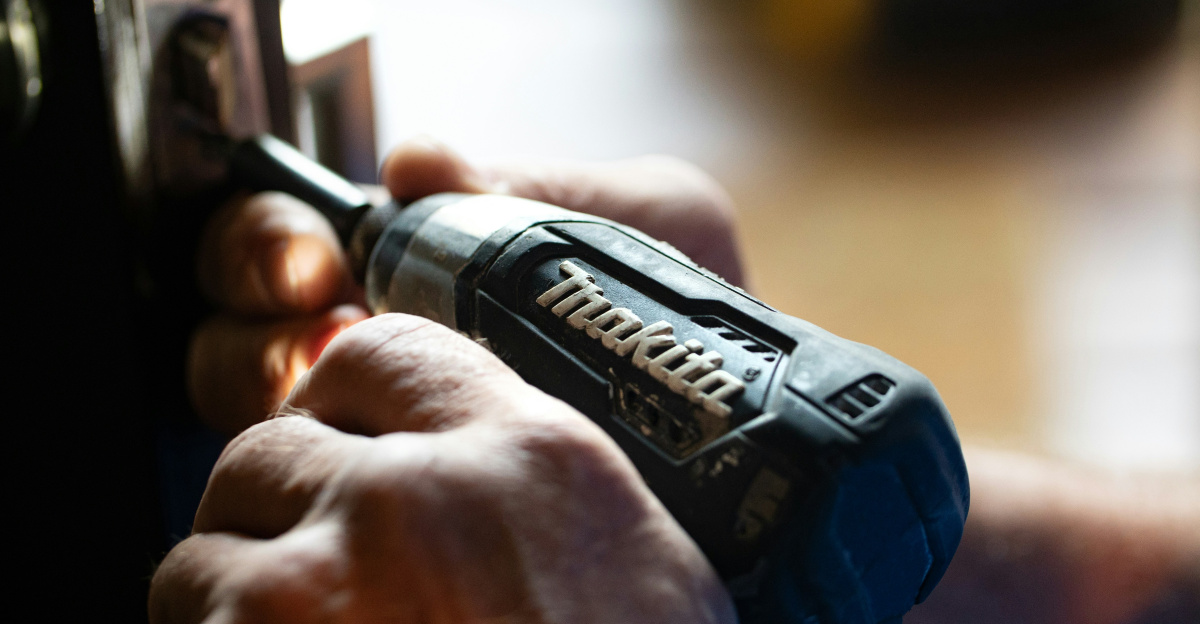
Boomers grew up in a repair culture: when your TV broke, you called a repairman. When your car died, you fixed the engine. This wasn’t environmental consciousness—it was economic necessity.
But it created generations of people comfortable with tools and self-reliance. Millennials inherited disposable culture: fast fashion, planned obsolescence, subscription services. Fixing a smartphone costs $300; buying a new one costs $200.
The psychological toll? An entire generation lacks the quiet confidence that comes from knowing you can fix things. Competence isn’t bought—it’s built. And disposability steals that opportunity.
Housing: The Invisible Wealth Transfer That Shaped Everything

Baby Boomers bought homes when houses cost 2–3 times the median income. Today, millennials face 5–8× median income. This isn’t just economics—it’s psychology. Homeownership taught boomers long-term thinking, delayed gratification, and investment discipline.
You committed to a 30-year mortgage. You made repairs. You built equity slowly. Millennials, priced out of housing or burdened with massive mortgages alongside student debt, rarely have the opportunity to experience this formative lesson.
The wealth gap is real, but the psychological gap might be larger: one generation learned patience through necessity; the other learned anxiety through impossibility.
The Job Market Shift: Loyalty vs. Optimization

Boomers often stayed with one employer for decades, building deep expertise and loyalty. This had psychological benefits: stability, a clear identity (“I work at GM”), and the sense of growing with something.
Millennials face unpredictable job markets, frequent layoffs, and the pressure to “optimize” careers by job-hopping for raises. Neither approach is inherently better, but they teach different lessons.
Boomers learned commitment; millennials learned self-protection. The result? Millennials are entrepreneurial and adaptable, but often lack the deep-rooted sense of belonging that comes from weathering storms with one organization.
Technology as Invisible Teacher: How Tools Shape Character

Boomers’ tools were mechanical: hammers, wrenches, and typewriters. You could see cause and effect. You understood how things worked. Millennials’ tools are algorithmic: apps, social media, and AI. You can’t see the code, you can’t fix it, and you can’t understand it.
This shapes worldview. Boomers developed problem-solving instincts because they could tinker. Millennials develop dependency because algorithms make decisions for them.
This isn’t about being tech-savvy—it’s about the psychological difference between understanding a system and trusting a system. One builds agency; the other builds vulnerability.
The Social Media Feedback Loop: Addiction by Design

Boomers never experienced the dopamine hits of likes, comments, and shares. Millennials grew up with social media platforms engineered to maximize engagement through variable-ratio reward schedules—the same mechanism that makes slot machines addictive.
Facebook (2004), Instagram (2010), and TikTok (2017) emerged when millennials were forming their identities and self-concepts. The result? A generation trained to seek external validation, to curate self-presentation, and to interpret silence as rejection.
This isn’t a weakness; it’s a matter of neurobiology. Boomers built identity through being; millennials build it through performing.
The Restraint vs. Expression Divide

Boomers were taught restraint: don’t air dirty laundry, don’t dominate conversations, don’t escalate conflicts. This created emotional discipline but sometimes suppressed authentic expression.
Millennials, reacting to perceived boomer emotional repression, adopted a radical approach to transparency: sharing everything, expressing everything, and documenting everything. Neither extreme is healthy.
Optimal emotional maturity is about choosing what to express—knowing when silence serves you and when speaking is the better option. Boomers default to restraint; millennials default to expression. True wisdom is learning both.
The Competence Spiral: How Small Wins Build Resilience
Boomers learned competence through accumulated small wins: fixing a faucet, changing oil, mending a fence. Each success built confidence for the next challenge. This creates a competence spiral: small wins → confidence → bigger challenges → larger wins → deeper resilience.
Millennials, lacking these early small wins in practical domains, often face larger challenges (career, relationships, finances) without the foundational confidence that comes from knowing you can solve problems.
This isn’t about the content of the lessons—it’s about the structure of resilience building. Confidence compounds.
The Delayed Gratification Gap: How Financial Timing Shapes Psychology
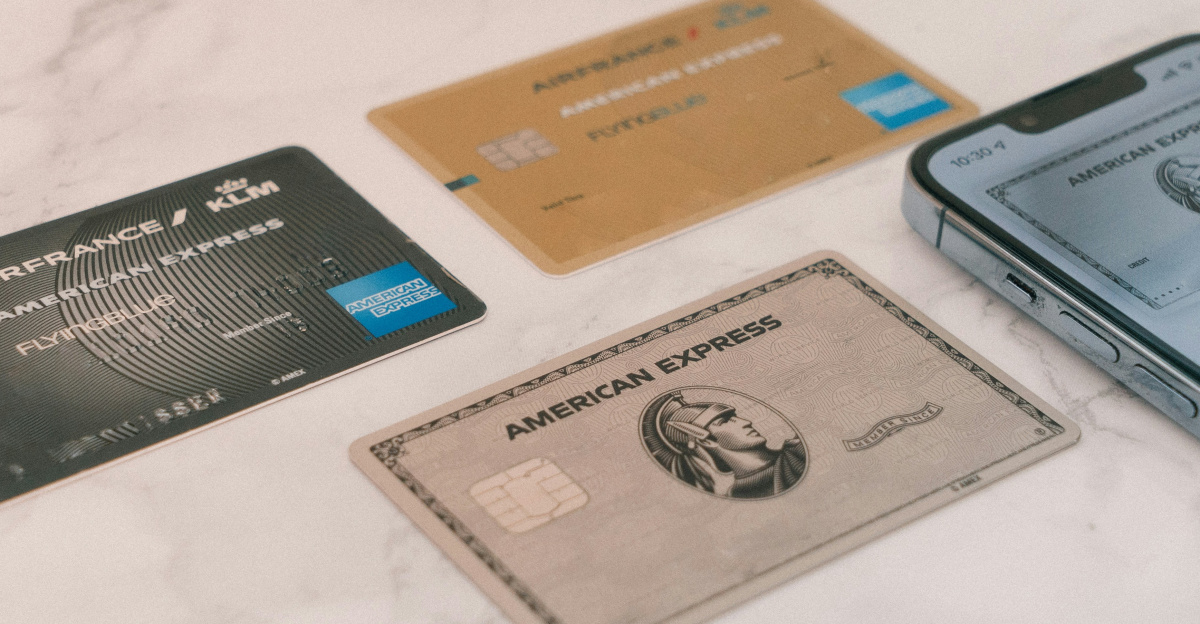
Boomers learned to delay gratification: save first, spend later. Millennials inherited the concept of immediate gratification: spend now, pay later. Credit cards, student loans, and consumer culture have normalized debt as a tool.
The psychological impact is massive. Delayed gratification builds patience, discipline, and an internal locus of control. Immediate gratification creates anxiety, impulsivity, and external dependence (on credit, consumption, dopamine hits).
This isn’t morality—it’s psychology. One financial system teaches patience; the other teaches urgency. These lessons compound over lifetimes.
Can Millennials Learn These Lessons?

Here’s the good news: these aren’t genetic gifts—they’re learned behaviors. Millennials who consciously adopt boomer lessons—distress tolerance, restraint, self-reliance, long-term thinking, commitment—can close the resilience gap.
It requires deliberation because the environment won’t teach it automatically. A millennial might deliberately delay social media consumption, choose to fix things before replacing them, or stay committed through discomfort.
The difference? Boomers learned these through necessity. Millennials must learn them through intention. That’s harder, but it’s possible.
The Real Lesson: Wisdom Is Transferable, Not Generational

The deepest truth beneath all seven lessons: wisdom isn’t generational—it’s transferable. Boomers have resilience lessons worth learning. Millennials have emotional awareness and adaptive skills that boomers could benefit from.
Gen Z brings different perspectives. The mistake is thinking one generation “has it right.” The reality is that every generation solves for its own era’s challenges and becomes blind to the next era’s pressures.
Wisdom comes from borrowing across generations: taking the discipline of Boomers, the consciousness of Millennials, the independence of Gen X, and the adaptability of Gen Z. That’s how you build a whole human.
Sources:
VegOut Magazine Dec 2025 generational lessons feature
Psychology Today 2024 distress tolerance & resilience
American Psychological Association 2023 social media validation research
Self-Determination Theory archives (Deci & Ryan intrinsic motivation)
U.S. Census Bureau 2024 housing affordability analysis
National Student Loan Data System federal debt statistics
MIT Media Lab 2024 online polarization studies
Bureau of Labor Statistics 2024 job tenure trends