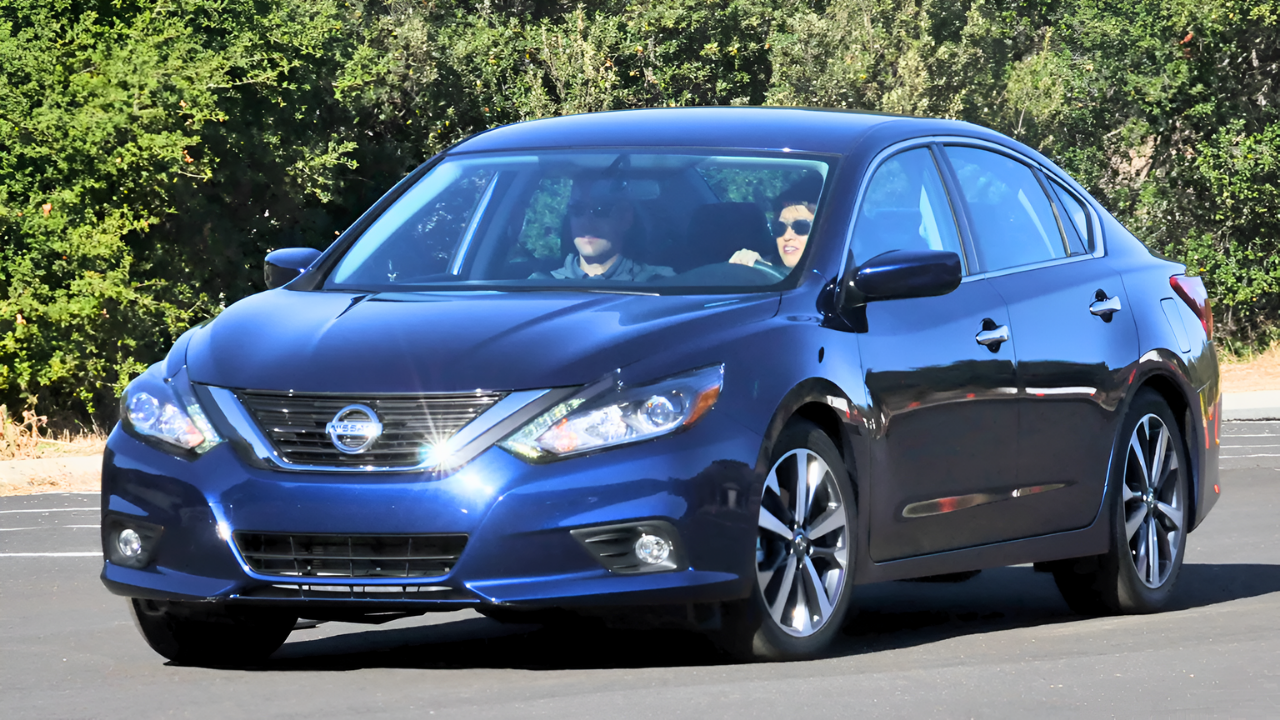
Japanese vehicles are known for reliability, but some models are raising red flags for post-warranty failures and costly repairs. Mechanics and analysts report recurring issues with transmissions, hybrid systems, and electronics that can hit owners with bills of $3,500 or more.
Veteran mechanic Alan Gelfand of German Car Depot notes, “Many of these models experience transmission, hybrid, or electronic issues well before 100,000 miles,” signaling that even trusted brands carry hidden risks. Consumer Reports and NHTSA databases confirm these problems are widespread, affecting sedans, SUVs, and luxury variants.
Understanding which models are most vulnerable can save drivers stress and money. Here’s what auto experts say to watch out for and which seven Japanese cars should be approached with caution.
Rising Failures in Modern Japanese Cars
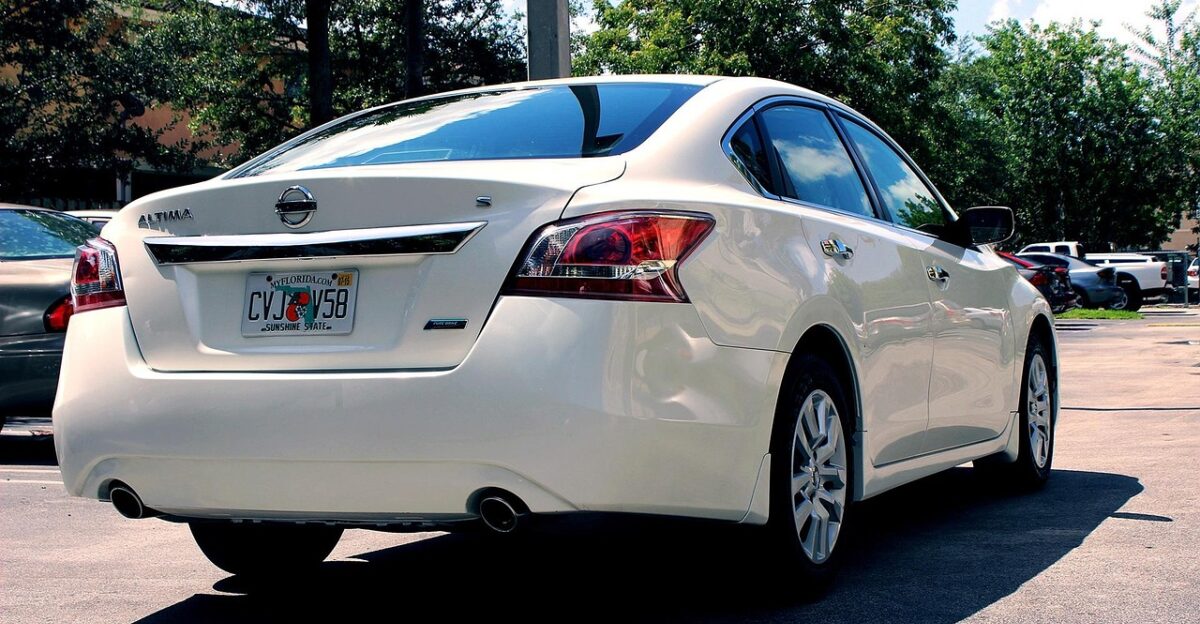
Japanese automakers once dominated reliability rankings, but new technologies have introduced unexpected weaknesses. Continuously variable transmissions (CVTs), turbocharged engines, and complex hybrid systems are more prone to failures after standard warranties expire, typically between 50,000 and 100,000 miles. Cost-cutting and production pressures have also contributed to mechanical flaws that can generate repair bills over $3,500.
Consumer Reports has flagged multiple models for below-average reliability, while mechanics report recurring CVT shuddering, power loss, and electronic glitches. NHTSA databases log hundreds of complaints, confirming these are not isolated incidents. For drivers, these failures often appear just as the standard three-year or 36,000-mile warranty ends, leaving them financially exposed and searching for affordable solutions.
The Coverage Gap Trap
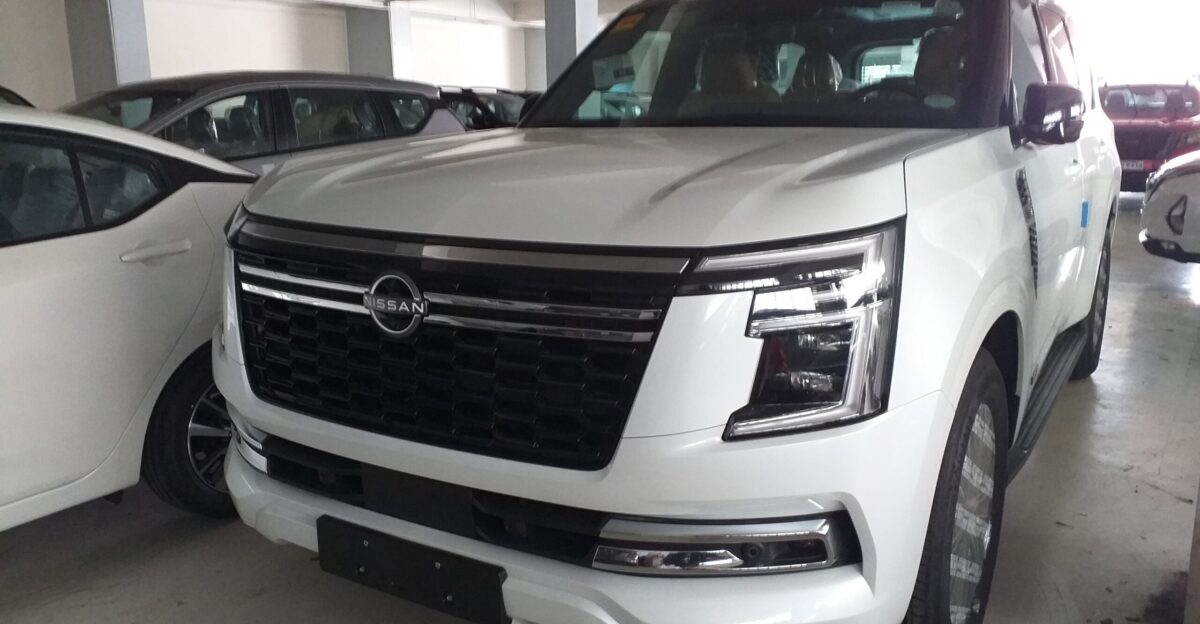
Warranties frequently leave owners vulnerable at the worst time, when major components fail. CVT replacements alone cost $3,000 to $5,000, and turbo or engine repairs can exceed a vehicle’s resale value. Luxury brands such as Infiniti intensify the financial impact with labor rates over $150 per hour and costly proprietary parts.
Owner reports show cumulative repair bills sometimes surpass $10,000 across a vehicle’s lifespan. Rural drivers face additional challenges traveling for specialized service, making these issues even more burdensome. Drivers are often left with stark choices: pay for repairs, sell at a loss, or scrap a car that still has years of life left, highlighting the hidden risks in certain Japanese models.
Seven Models Auto Experts Warn About
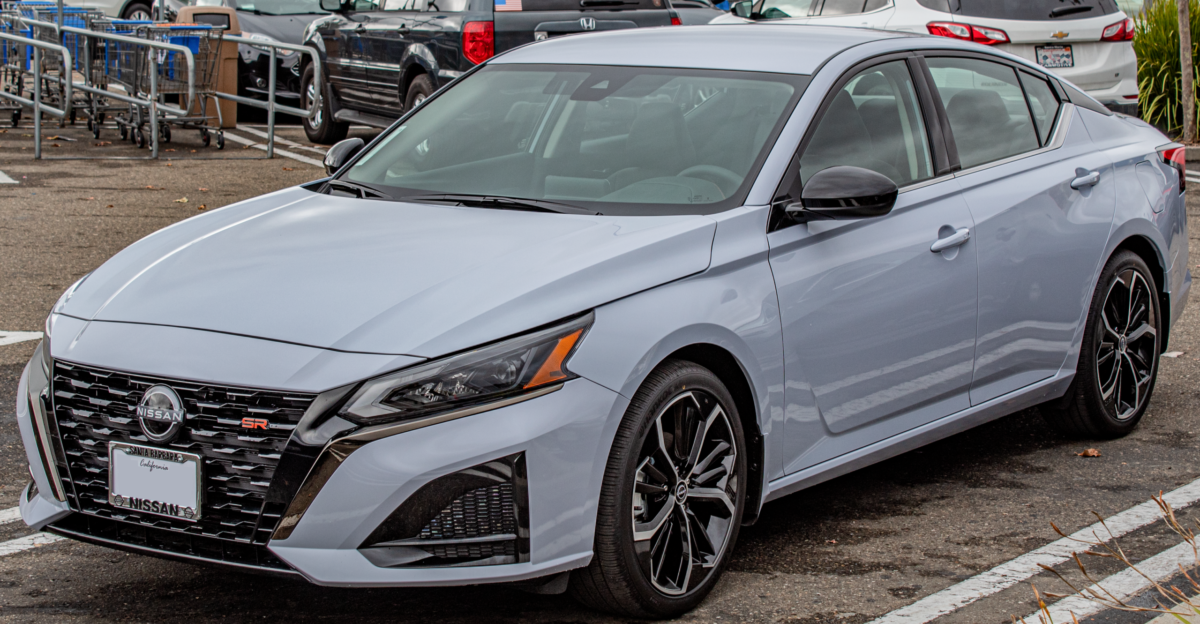
Seven mainstream Japanese vehicles stand out for post-warranty issues, particularly involving CVTs, hybrids, turbos, and electronics. The Nissan Altima often exhibits whining, high RPMs, and sluggish acceleration before 80,000 miles, with replacements topping $3,500. Toyota RAV4 Prime faces high-voltage battery cable corrosion in colder states, while the Honda Passport (2019–2023) shows electrical glitches and differential fluid contamination causing early vibrations.
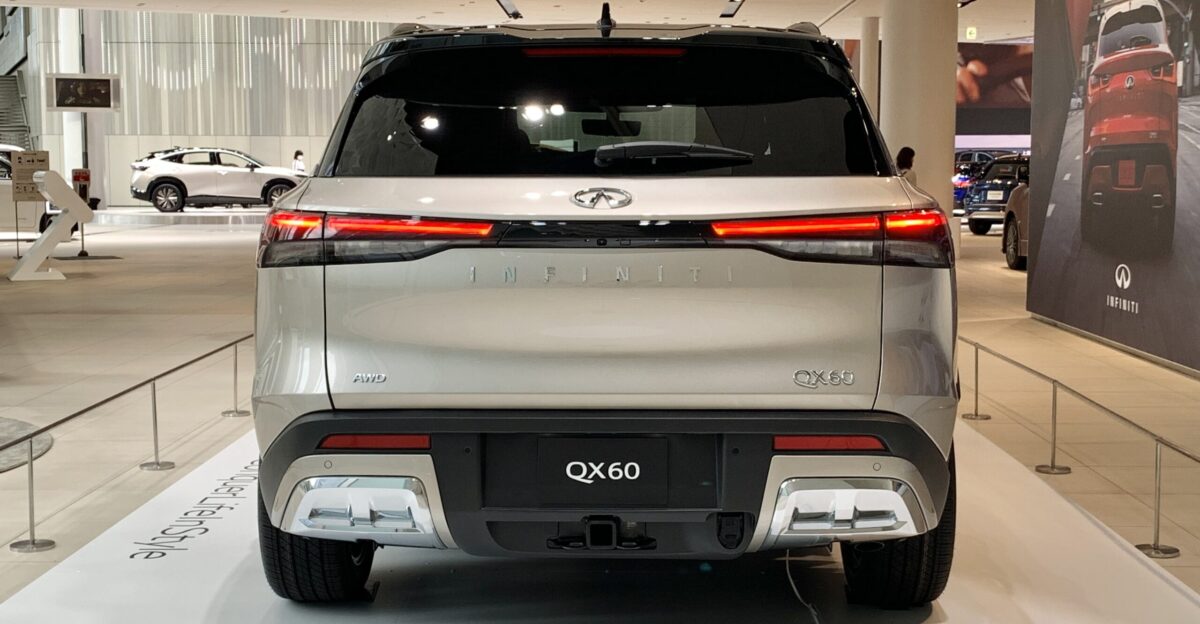
Infiniti QX60 shares Nissan powertrain vulnerabilities, frequently suffering CVT failures. Mitsubishi Outlander owners cite infotainment bugs, premature brake wear, and CVT hesitations. Early Subaru Ascent models (2019–2020) struggled with transmission chain issues leading to federal recalls. Mazda CX-9 engines are prone to carbon buildup and coolant leaks in certain years. Experts urge buyers to consider alternatives with proven reliability to avoid costly repairs.
Technical Breakdowns Explained
Transmission and engine systems are at the center of these failures. CVTs in Nissan Altima and Infiniti QX60 models (2013–2017) often slip due to belt-and-pulley wear, leading to a $277.7 million class-action settlement covering roughly 3 million vehicles, including Rogues and Pathfinders. Toyota RAV4 Prime owners report high-voltage battery cable corrosion, while early Subaru Ascent transmissions could slip or break, prompting software updates and physical inspections under federal recall.
These technical issues demonstrate the gap between innovation and real-world reliability. Mechanic Alan Gelfand emphasizes, “Pre-purchase inspections and recall checks are critical,” reminding buyers that even well-known brands require careful evaluation. Recognizing common failures can prevent unexpectedly high repair bills.
Expert Guidance for Buyers
Mechanics like Gelfand and automotive analyst Lauren Fix recommend thorough pre-purchase inspections, checking NHTSA recalls, and consulting Consumer Reports reliability ratings. Opting for models with proven durability—Toyota Camry, Honda Accord, Highlander, CR-V, Subaru Outback, and Acura MDX—can reduce the risk of early failures. Early-generation CVTs and unproven hybrid systems should be approached cautiously when buying used.
While not all Japanese cars are problematic, these seven models reveal hidden warranty gaps and vulnerabilities. Awareness, inspections, and research are key to protecting both reliability and affordability. Staying informed allows drivers to avoid surprise repairs and maintain confidence in a changing automotive market.
Sources:
National Highway Traffic Safety Administration, December 2019
Gann v. Nissan North America (Class Action Settlement), U.S. District Court (M.D. Tenn.), Final Approval March 2022Consumer Reports Reliability Ratings & Member Surveys, Consumer Reports, 2024-2025 ReportsNissan/Jatco CVT Technical Service Bulletins, Nissan North America, Various Dates (2016-2020)
Toyota “Cablegate” Warranty Enhancement Program (ZEG), Toyota Motor Sales, USA, 2023