
At breakfast tables across the country, the difference is already visible. One 68-year-old moves easily, recalls details effortlessly, and eats without hesitation. Another the same age rubs stiff joints and debates what’s “allowed” today.
Nothing dramatic is happening—no supplements, no treatments, no special routines. Just food choices made without thinking. Researchers have noticed the same quiet pattern for years. And once you see what’s on those plates, the gap between aging fast and aging well starts to make sense.
1. Berries, Not Superfoods
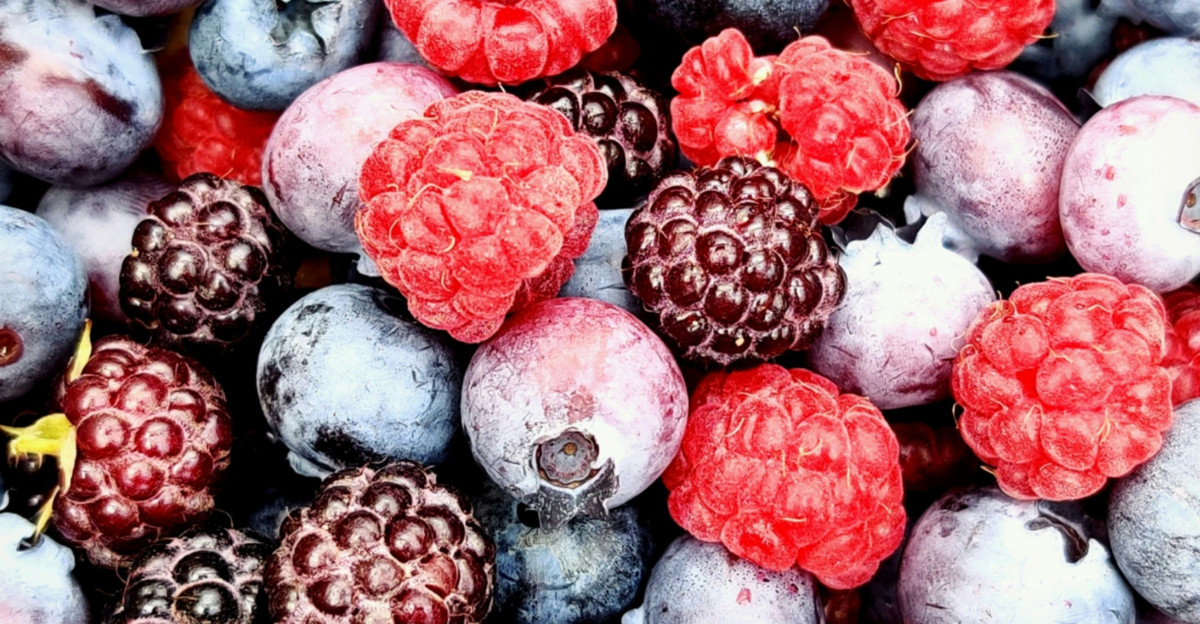
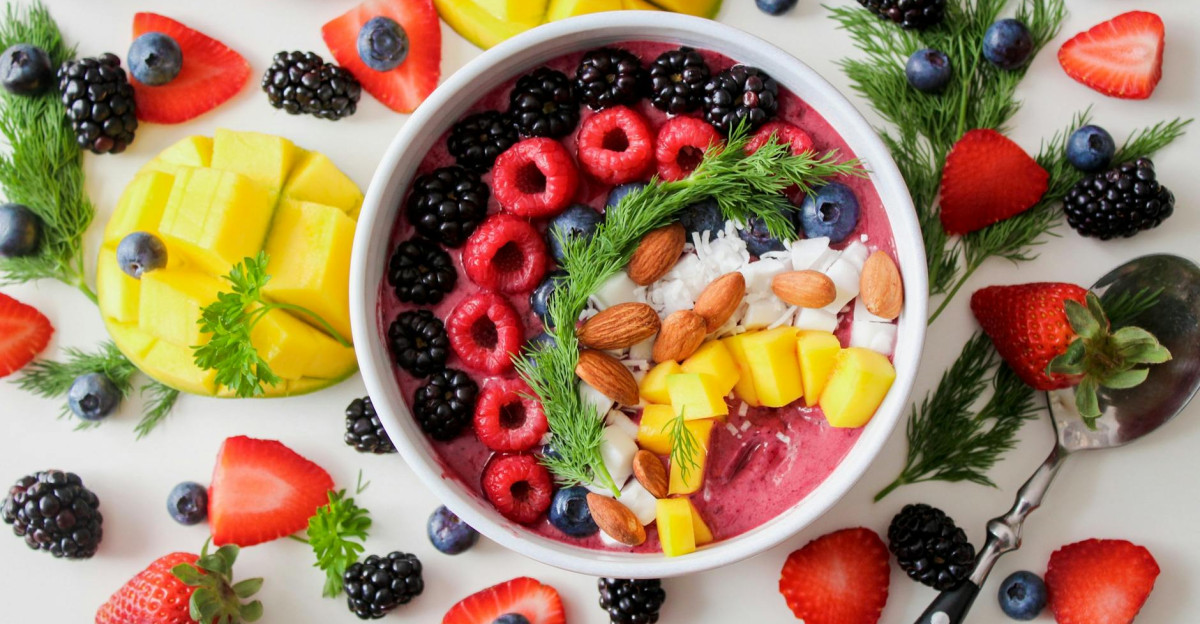
Here’s the mild surprise: people who stay youthful after 60 aren’t buying exotic superfoods. They’re eating berries—almost every day. Berries supply anthocyanins and polyphenols that reduce oxidative stress at the cellular level, a driver of skin aging, joint stiffness, and cognitive fog.
The overlooked detail is cost. Frozen berries retain their antioxidants and cost far less than fresh. A daily serving provides consistent protection without complexity or premium pricing.
Slowing Cognitive Time
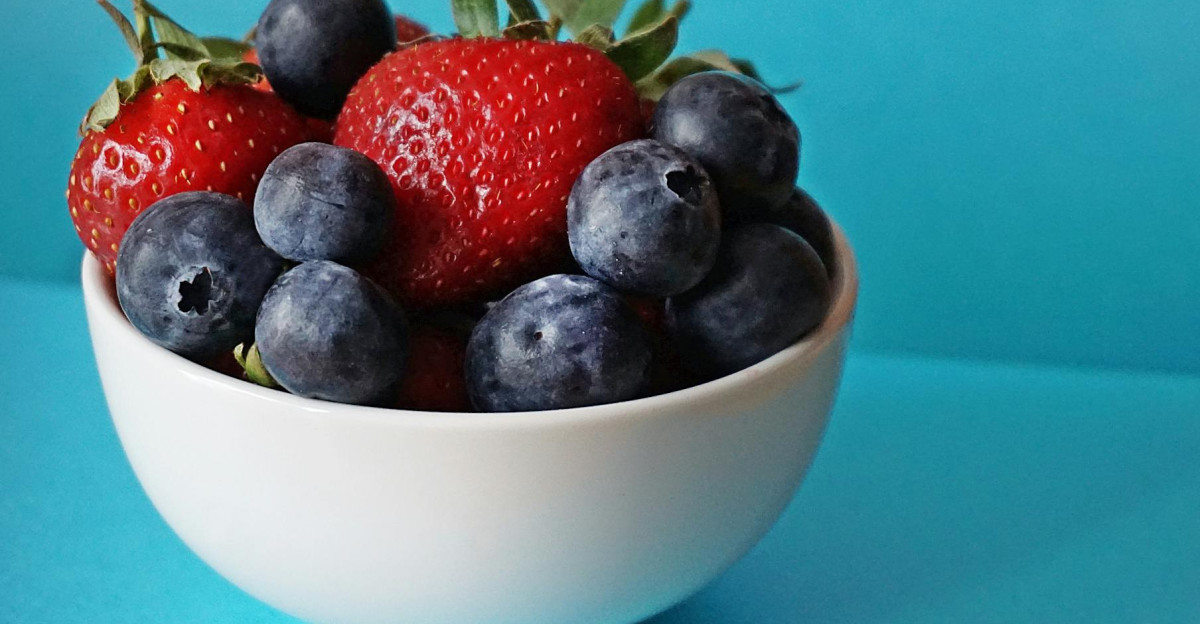
Berries don’t just target aging—they target age-related disease. Chronic inflammation increases the risk of cardiovascular disease, diabetes, and cognitive decline. Regular berry consumption is associated with lower inflammatory markers such as TNF-alpha and IL-6.
Long-term studies show older adults who consumed berries regularly experienced cognitive aging about 2.5 years slower than low consumers. People who stay youthful don’t track antioxidants. They simply treat berries as routine—breakfast, smoothies, or yogurt—day after day.
2. Leafy Greens and Brain Protection
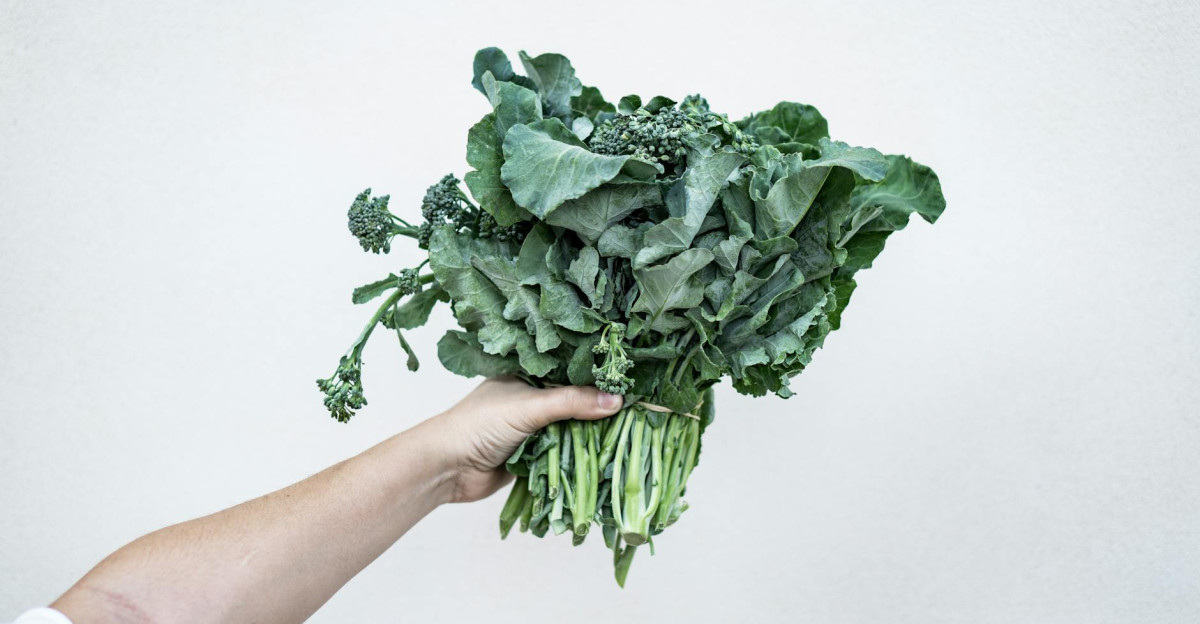
If berries reduce oxidative stress, leafy greens protect the brain. Research highlighted by the National Institute on Aging shows adults who eat more spinach, kale, and collards experience significantly slower cognitive decline.
The difference is striking: high consumers aged up to 11 years slower cognitively than low consumers. Leafy greens provide lutein, folate, and vitamin K—nutrients that protect blood vessels supplying the brain and help reduce neuroinflammation as the brain ages.
The Power of “Boring” Foods
Leafy greens aren’t trendy—and that’s why they work. These foods have nourished humans for centuries without hype. Folate supports DNA stability, vitamin K activates proteins tied to bone and vascular health, and lutein accumulates in neural tissue.
The benefits translate into steadier balance, clearer thinking, and preserved independence. Greens are also affordable and widely available, fresh or frozen. People who age well aren’t wealthier—they’re consistent, and consistency favors simple foods.
3. Legumes and Lifespan
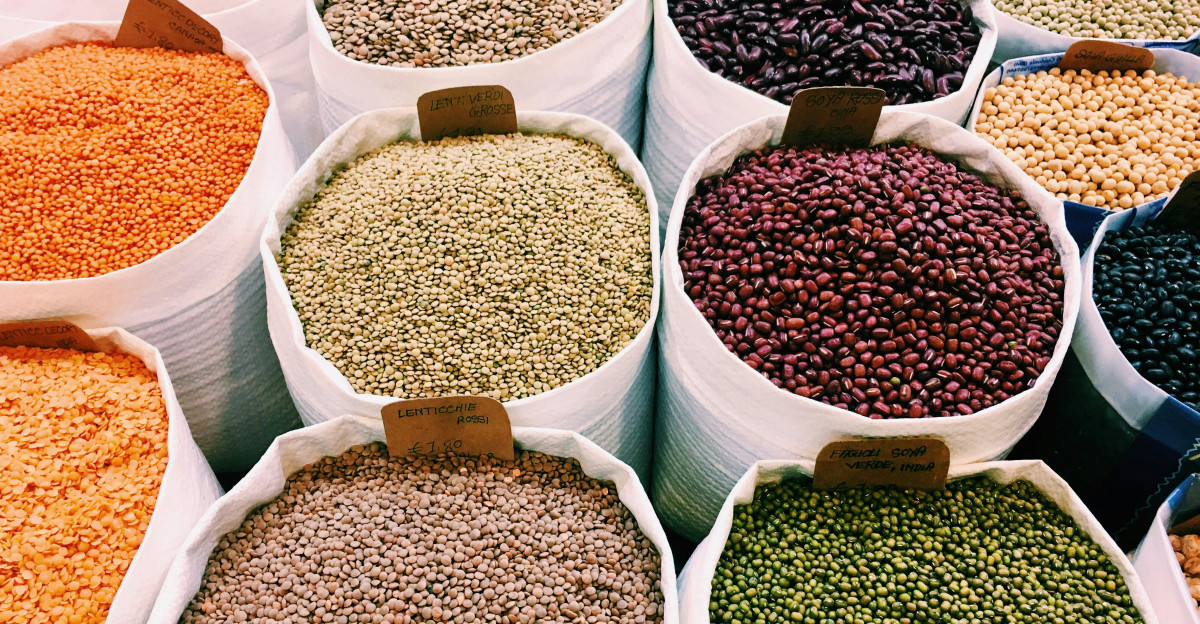
Legumes shift the focus from aging to longevity. Beans, lentils, and chickpeas appear repeatedly in regions with the longest lifespans. Modern research shows higher intake of plant-based protein is associated with greater life expectancy in older adults compared to diets centered on animal protein.
Legumes offer more than protein. Their resistant starch feeds beneficial gut bacteria, stabilizes blood sugar, and reduces inflammation. Blood sugar spikes accelerate aging; legumes help smooth that curve quietly and reliably.
Why Repetition Wins
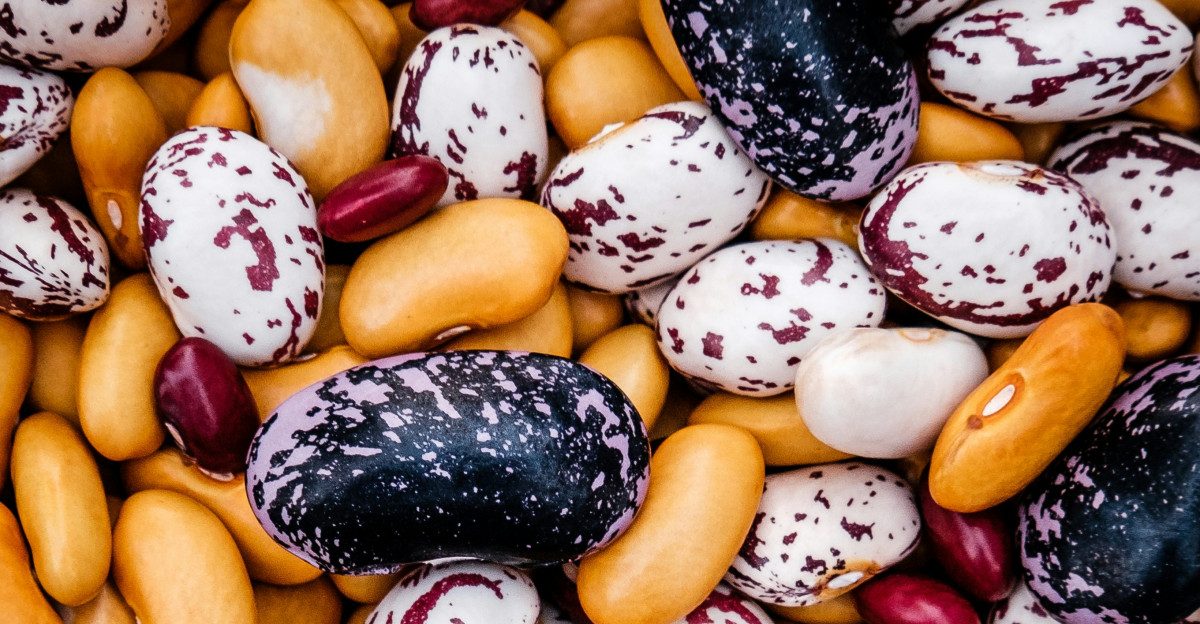
The truth about youthful aging isn’t exciting—it’s repetitive. Legumes aren’t glamorous, which is why they work. People who stay youthful don’t optimize beans; they default to them. Lentil soups, chickpeas in salads, hummus as a standard snack.
Dried legumes cost pennies per serving and store easily. Once they become routine, they require no decisions. Habits that remove friction last decades, and legumes deliver that consistency without effort or expense.
4. The High-Fat Surprise
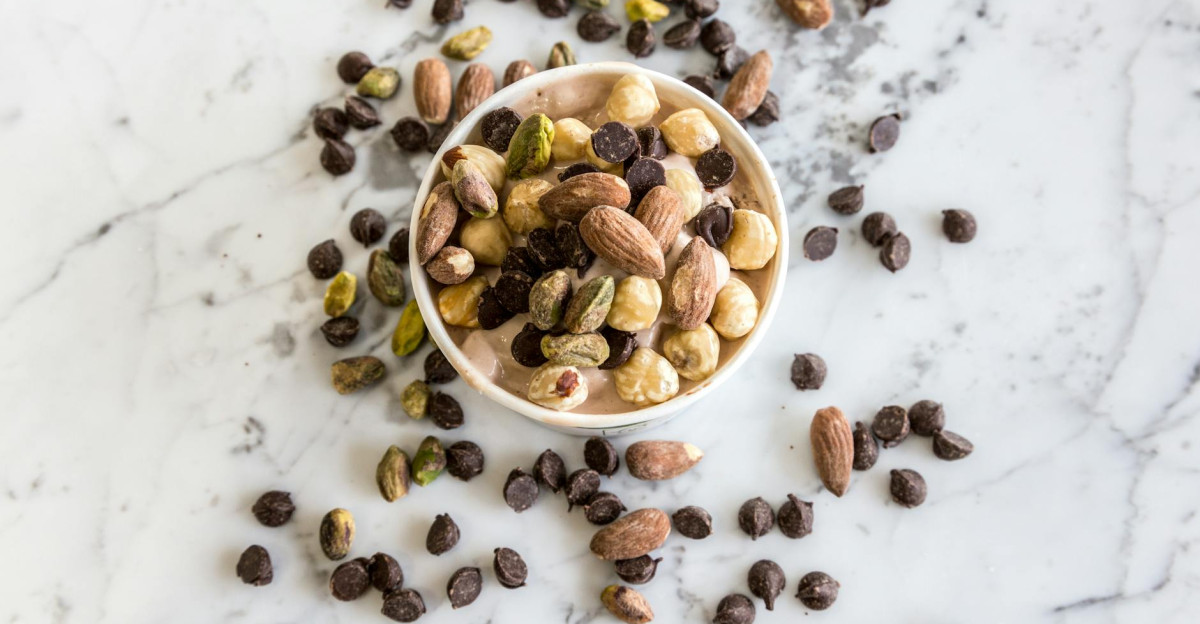
Nuts often raise skepticism because of their fat content. Long-term research challenges that fear. A major study following over 119,000 adults for decades found regular nut consumption associated with lower all-cause mortality.
Benefits extended beyond heart health to cancer and neurodegenerative conditions. Nuts supply monounsaturated fats, polyphenols, and bioactive compounds that support metabolic stability. These fats behave differently than processed oils. Quality—not fat itself—determines long-term health outcomes.
The Handful Habit
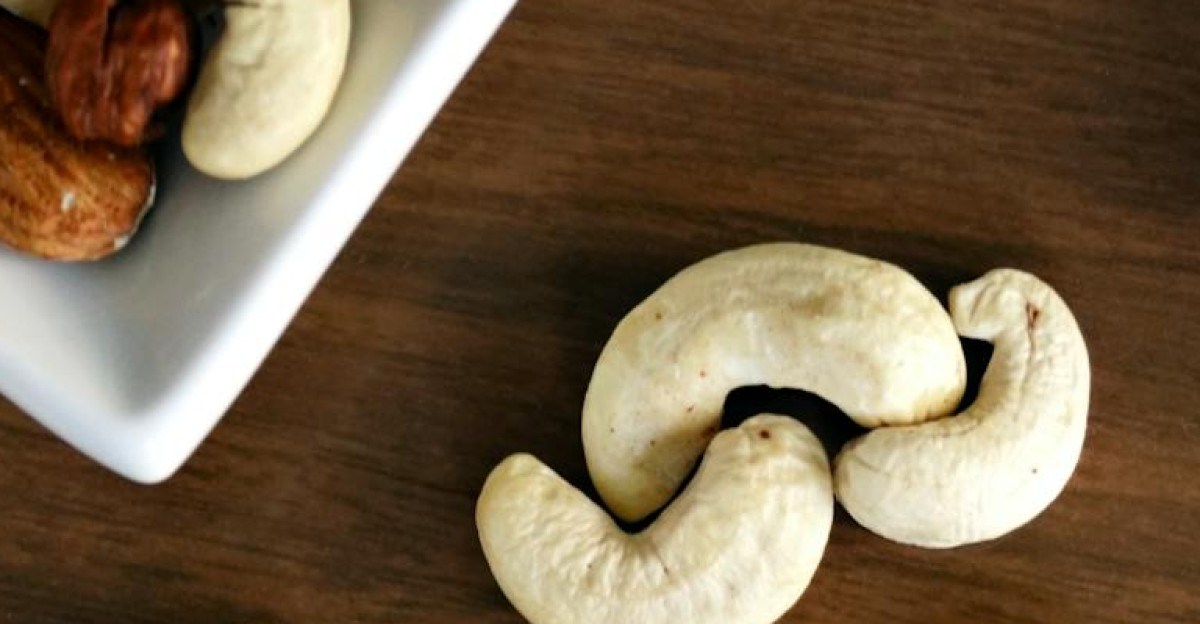
Research shows about one ounce of nuts daily—a small handful—produces the strongest benefits. That modest amount is linked to lower inflammation, improved blood sugar control, preserved muscle mass, and reduced mortality risk.
Nuts contain 15–26% protein depending on type (with peanuts and almonds at the higher end) and are naturally satiating. Their biggest advantage is ease. No cooking. No tracking. Just availability. People who age well don’t measure nuts; they keep them visible. Effortless habits compound quietly over years.
5. Fermented Foods and the Gut
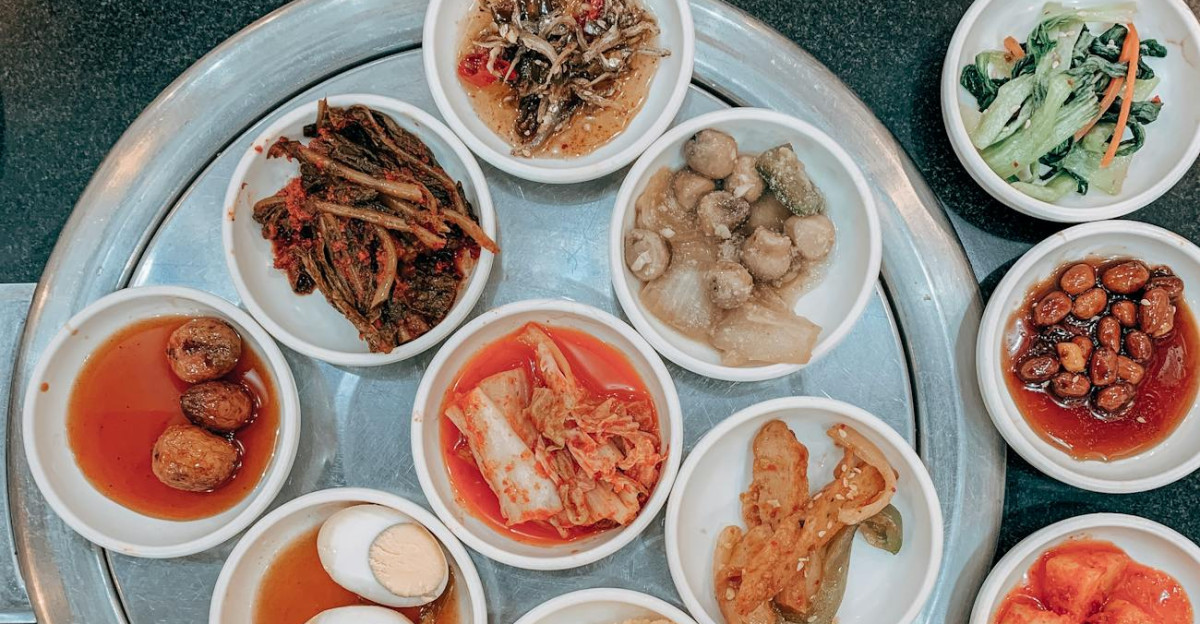
Fermented foods rarely headline aging discussions, yet they coordinate much of what happens beneath the surface. The gut microbiome influences immunity, metabolism, inflammation, and hormone regulation.
Fermented foods such as yogurt, kefir, kimchi, sauerkraut, and miso introduce beneficial microbes and support existing ones. These microbes produce short-chain fatty acids that reduce systemic inflammation. In long-lived cultures, fermented foods aren’t supplements—they’re everyday defaults that quietly support resilience.
The Nutrient Multiplier

Fermented foods may help the body extract more value from other healthy foods. Gut bacteria metabolize polyphenols from berries and greens into absorbable compounds, improving nutritional efficiency.
This may explain why some people feel better eating the same foods—their microbiome works more effectively. Fermented foods are inexpensive and flexible. Sauerkraut lasts weeks, miso costs pennies per serving, and yogurt is widely available. A small daily portion can meaningfully influence the entire system.
6. Whole Grains Aren’t the Enemy
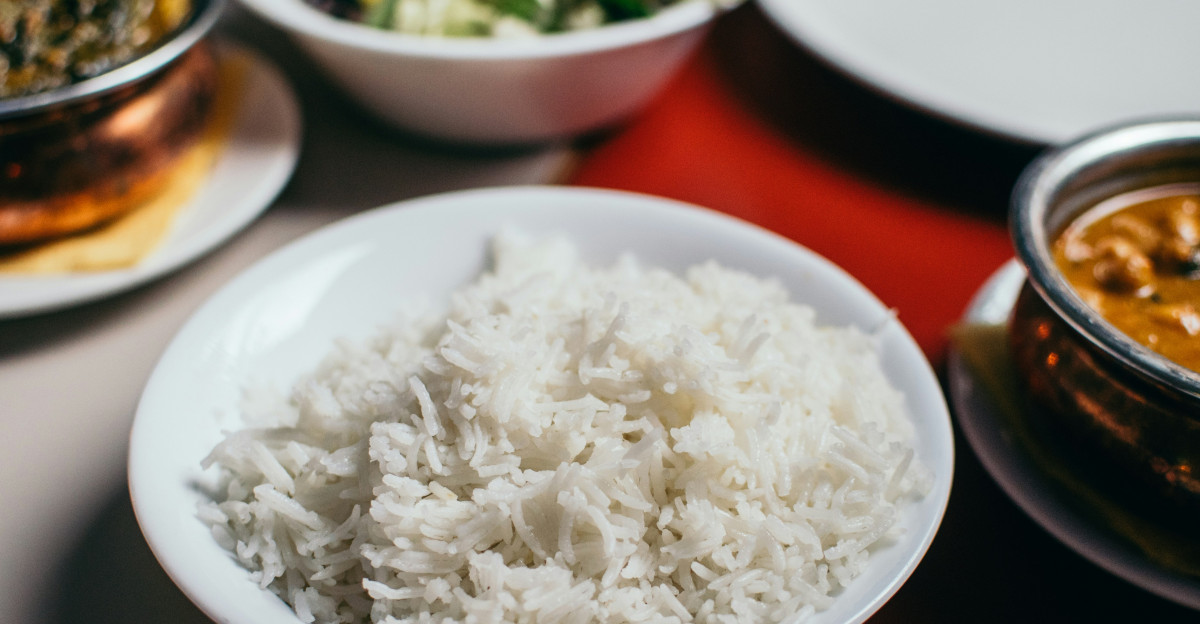
Carbohydrates are often blamed for aging, but research tells a different story. People who stay youthful after 60 regularly eat whole grains. Large cohort studies show higher whole-grain intake is associated with lower cardiovascular and all-cause mortality.
Whole grains provide beta-glucans, resistant starch, and polyphenols that stabilize blood sugar and support gut health. Just as important, whole grains prevent deprivation. Sustainable eating patterns rely on satisfaction, not long-term restriction.
The Sustainable Base
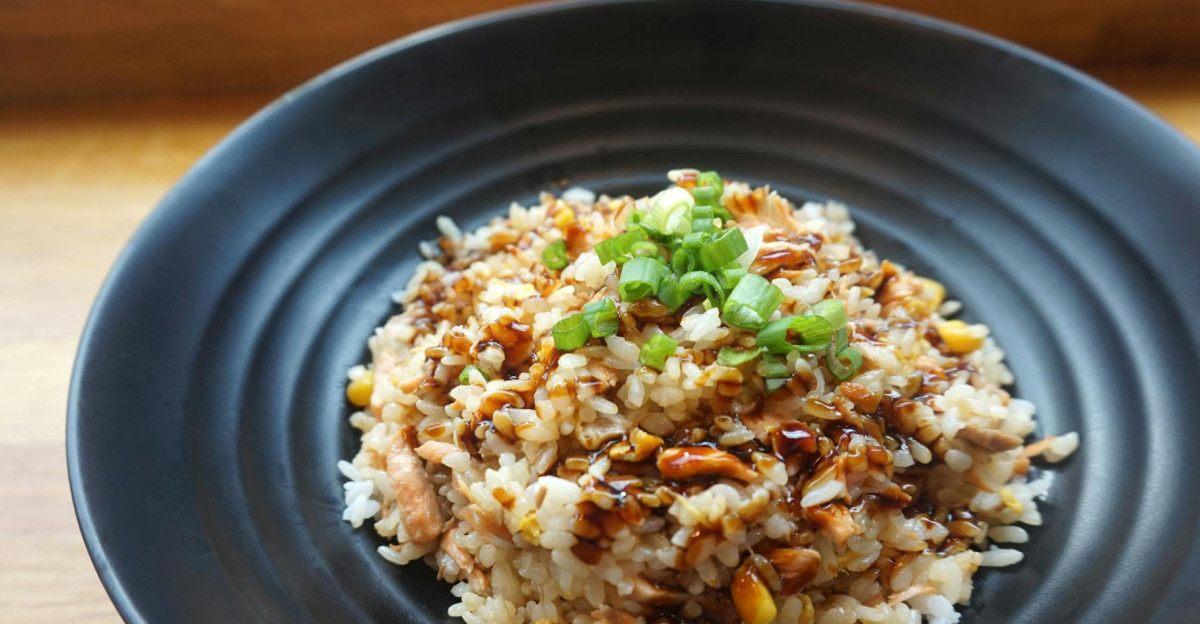
Whole grains are affordable, flexible, and culturally universal. Oats, brown rice, whole-grain bread, quinoa, and whole-grain pasta fit nearly any cuisine. Populations with high whole-grain intake consistently show lower cardiovascular mortality.
These foods have sustained humans for thousands of years because they’re practical and filling. People who age well don’t chase novelty. They build routines around foods that are easy to cook, inexpensive to buy, and enjoyable to eat daily.
7. Olive Oil and the Mediterranean Pattern
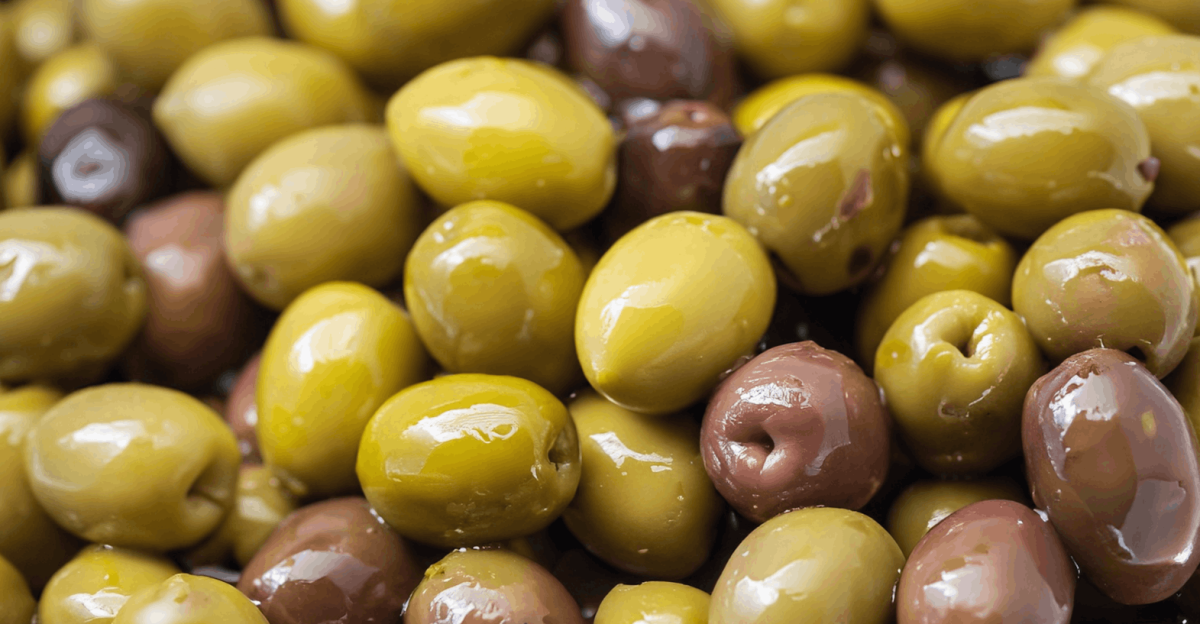
Olive oil represents a pattern, not a shortcut. The PREDIMED trial found that a Mediterranean diet enriched with extra-virgin olive oil was associated with about a 30% reduction in major cardiovascular events compared with a low-fat control diet.
Olive oil supplies monounsaturated fats and polyphenols such as oleocanthal that reduce inflammation and support vascular health. In Mediterranean cultures, olive oil isn’t medicinal—it’s habitual, used daily without deliberation.
The Ritual Effect
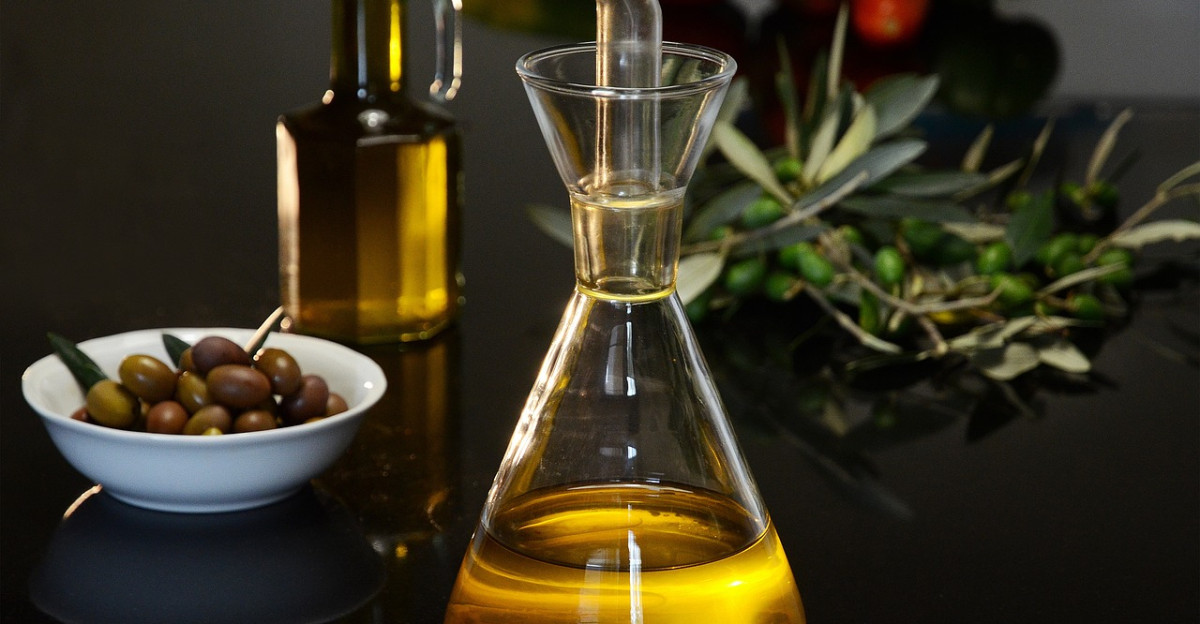
People don’t drizzle olive oil thinking about risk reduction. They do it because food tastes better. Over time, that daily ritual adds up. Olive oil integrates into meals with almost no friction, though quality extra-virgin varieties can be more expensive than other oils.
The power isn’t willpower—it’s repetition. When something improves flavor and fits naturally into meals, it becomes automatic. Automatic habits are the ones that persist for decades and quietly shape long-term health outcomes.
The System, Not the Ranking

The order of these foods matters far less than their consistency. People who age well don’t debate which item is most important. They don’t optimize—they standardize. Together, these foods form a system: antioxidants reduce damage, fiber stabilizes blood sugar, fats improve absorption, and microbes coordinate metabolism.
Individually, each food helps. Combined, they create resilience across multiple systems. Remarkably, many of these foods—dried legumes, frozen berries, whole grains—are affordable and often cheaper than processed convenience foods.
What Compounds Over 20 Years
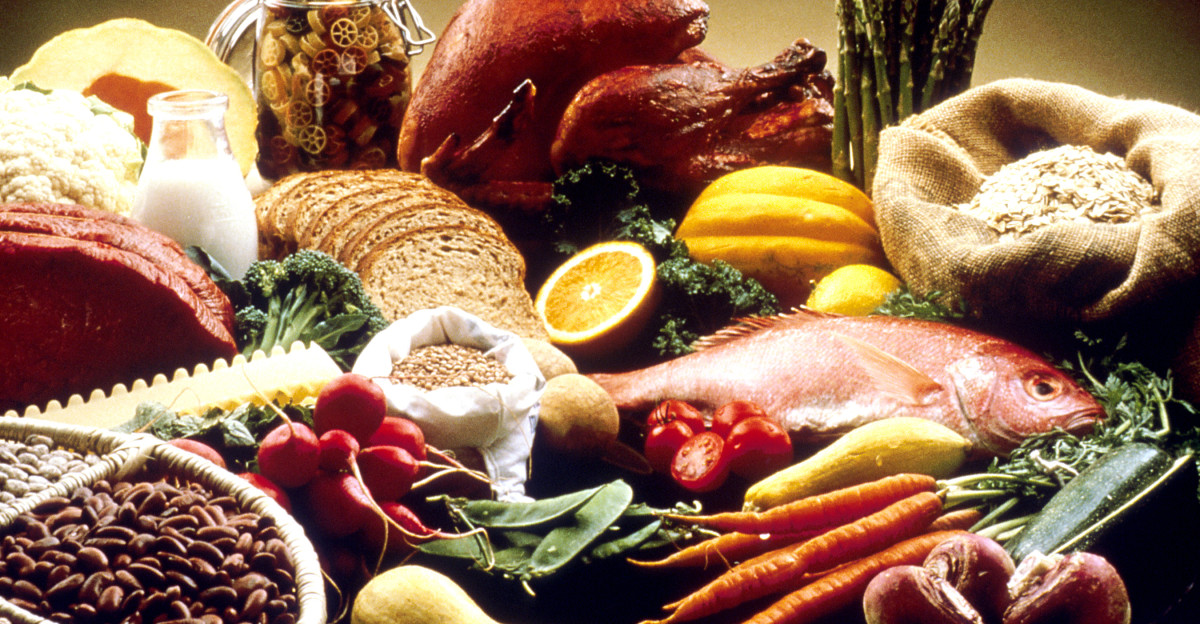
Over decades, these habits are associated with different outcomes. Research links leafy greens with preserved cognition, Mediterranean patterns with lower cardiovascular risk, and nuts with reduced overall mortality. These associations don’t guarantee results, but they shape probability.
After years, differences become visible—energy, mobility, memory, independence. People who stay youthful didn’t find a shortcut. They stayed consistent long enough for small choices to accumulate into meaningful physiological advantages that compound across decades.
What “Almost Every Day” Really Means
“Almost every day” doesn’t mean perfection. It means default. These foods appear regularly, not occasionally. Some days include several; others only one or two. Research shows benefits are dose-responsive, not all-or-nothing.
This flexibility is why the pattern lasts. It allows normal life while still nudging the body toward better outcomes. Sustainability beats intensity every time. Consistency, not strict adherence, is what actually shifts the trajectory of aging.
The Real Obstacle: Decision Fatigue
Most people already know these foods are healthy. Knowledge isn’t the barrier—decisions are. After decades of choosing what to eat, willpower wears thin. Systems solve that problem. Stocking the kitchen correctly. Repeating familiar meals. Removing negotiation.
When healthy eating becomes automatic, it stops feeling like effort. It simply becomes how meals are built. The youthful-after-60 crowd didn’t use discipline—they designed environments that made healthy choices inevitable.
Start Small, Let It Compound
You don’t need to change everything at once. Start with one food for one week. Add frozen berries to breakfast. Drizzle olive oil on dinner. Make a simple lentil soup. Notice how you feel.
Then add another. This is how lasting systems form—not through motivation, but repetition. People who stay youthful after 60 aren’t exceptional. They started small and stayed consistent long enough for those choices to compound into visible results.
Sources:
“Dietary intake of berries and flavonoids in relation to cognitive decline.” Devore EE, Kang JH, Breteler MMB, Grodstein F. Annals of Neurology, 2012.
“Nutrients and bioactives in green leafy vegetables and cognitive decline.” Morris MC, et al. Neurology, 2017.
“Association of nut consumption with total and cause-specific mortality.” Bao Y, et al. New England Journal of Medicine, 2013.
“Primary Prevention of Cardiovascular Disease with a Mediterranean Diet.” Estruch R, Ros E, Salas-Salvadó J, et al., for the PREDIMED Study Investigators. New England Journal of Medicine, Feb 2013.