In the middle of the 20th century, brands like Ban, Right Guard, Avon, Tussy, Arrid, Mennen, and Lifebuoy were found in nearly every American bathroom. These deodorants and antiperspirants promised freshness and hygiene, becoming daily staples for millions. But by the end of the century, many of these familiar names had disappeared or drastically changed.
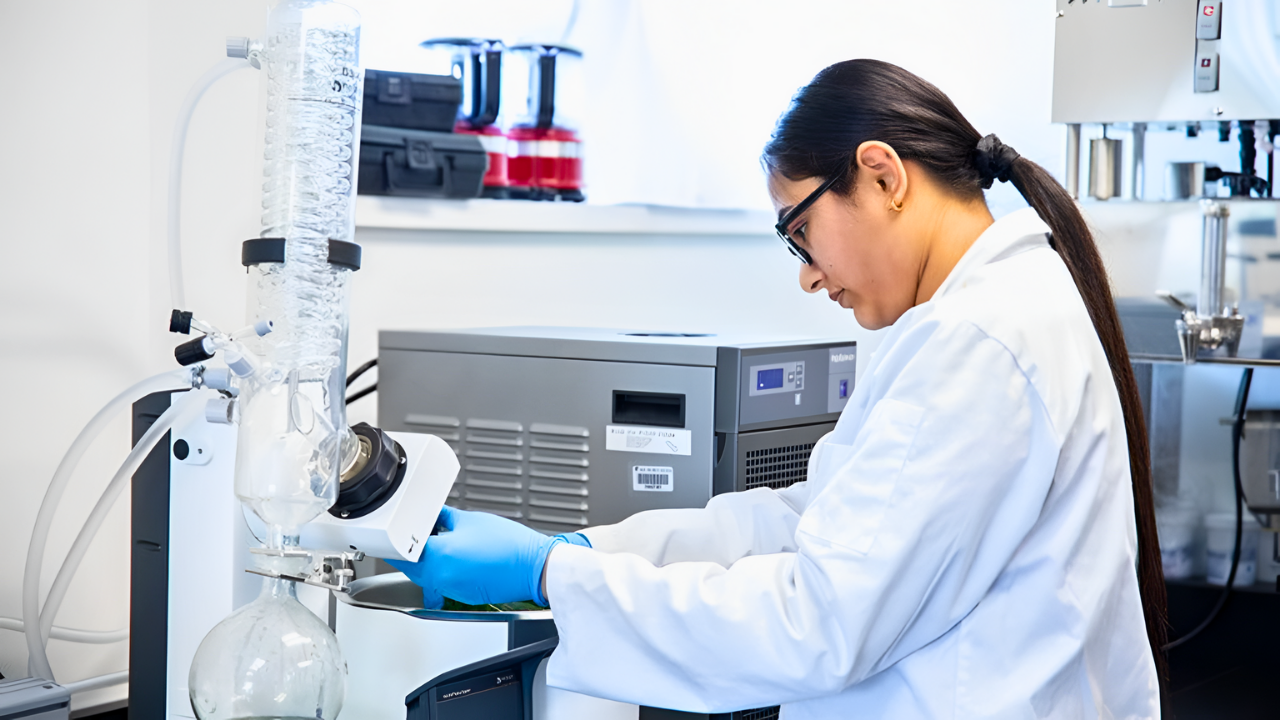
The reason wasn’t just changes in fashion or taste, it was science. Between the 1950s and 1980s, researchers began to uncover risks hidden in the ingredients used to make deodorants work. Substances once thought harmless turned out to pose health and environmental dangers. These discoveries forced companies, regulators, and consumers to rethink what they were putting on their skin each day.
The 1972 Hexachlorophene Ban
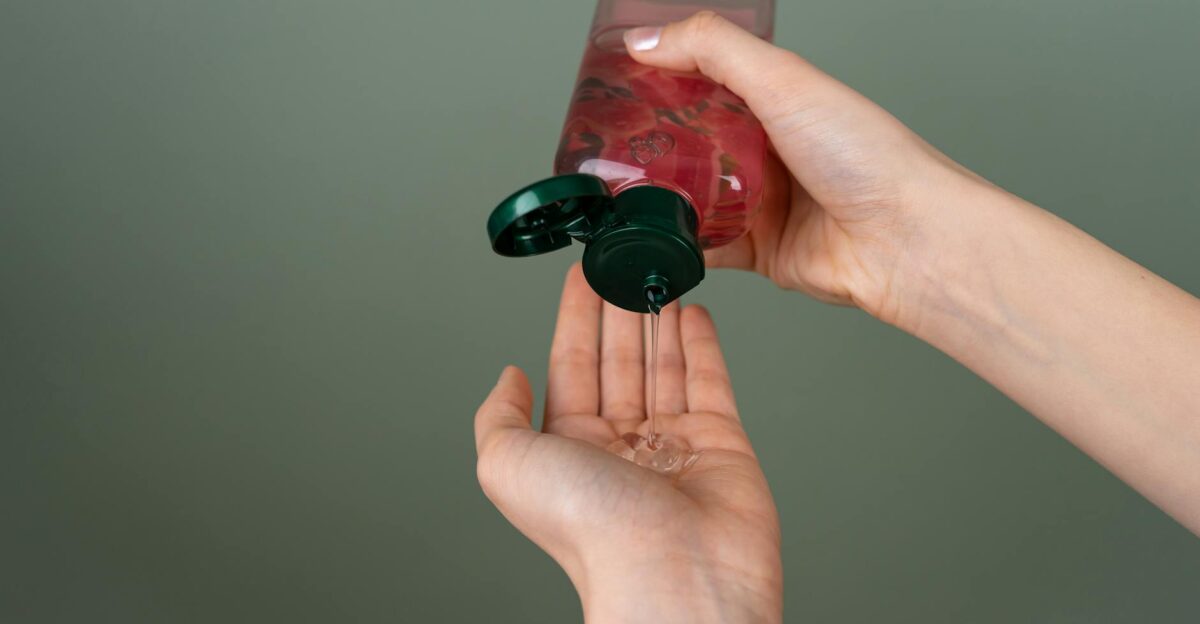
One of the biggest shifts came in 1972 when the U.S. Food and Drug Administration (FDA) restricted the use of a chemical called hexachlorophene. This strong antibacterial was widely used in deodorants and soaps. But studies showed that it could pass through the skin and damage the nervous system if used repeatedly. Overnight, many products, especially roll-on deodorants, had to be pulled from the market or completely reformulated.
Drugstore shelves suddenly looked different. Shoppers who had used the same deodorant for decades found themselves searching for replacements, often without clear information about why their old standby had vanished. It was an unsettling moment that revealed how much people trusted manufacturers without really knowing what was in their products. The FDA’s move marked the beginning of stricter rules and closer oversight of what went into personal care items.
Aerosols, Mercury, and Triclosan: The Battle Over “Clean”
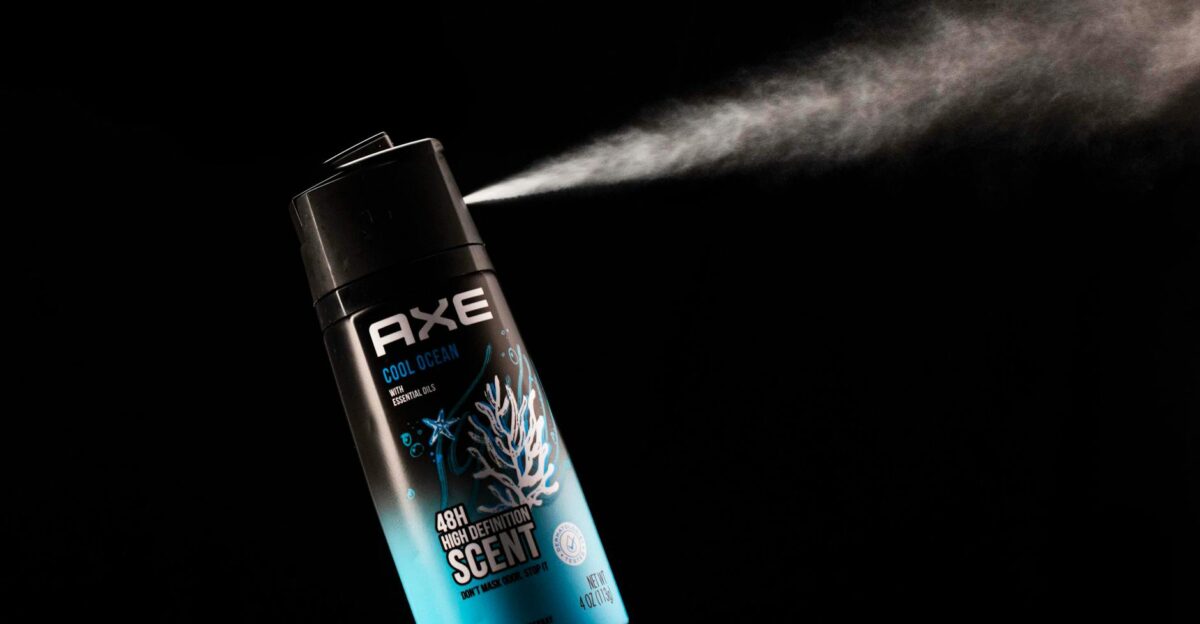
The scrutiny didn’t stop there. During the 1970s, aerosol deodorants, popular for their easy spray application, came under environmental fire. They contained propellants known as chlorofluorocarbons (CFCs), later linked to ozone layer damage and indoor pollution. In 1978, the U.S. Environmental Protection Agency (EPA) banned CFCs in aerosols. Manufacturers had to retool their factories, find safer propellants, and redesign products almost overnight. Many classic formulations disappeared in the process.
At the same time, mercury-based creams, once considered effective antibacterial agents, were quietly pulled from shelves as scientists proved their toxicity and ability to penetrate skin. These cases exposed a larger problem: the lack of long-term safety testing in cosmetic chemistry.
Another chemical, triclosan, became popular in extra protection deodorants for its powerful germ-killing ability. But years later, research revealed that triclosan could disrupt hormones, contribute to antibiotic resistance, and harm aquatic ecosystems. In 2016, the FDA banned triclosan from over-the-counter antiseptic products, triggering another wave of reformulations. What was once advertised as a cutting-edge ingredient had become a liability.
From Harsh Chemicals to Safer Standards
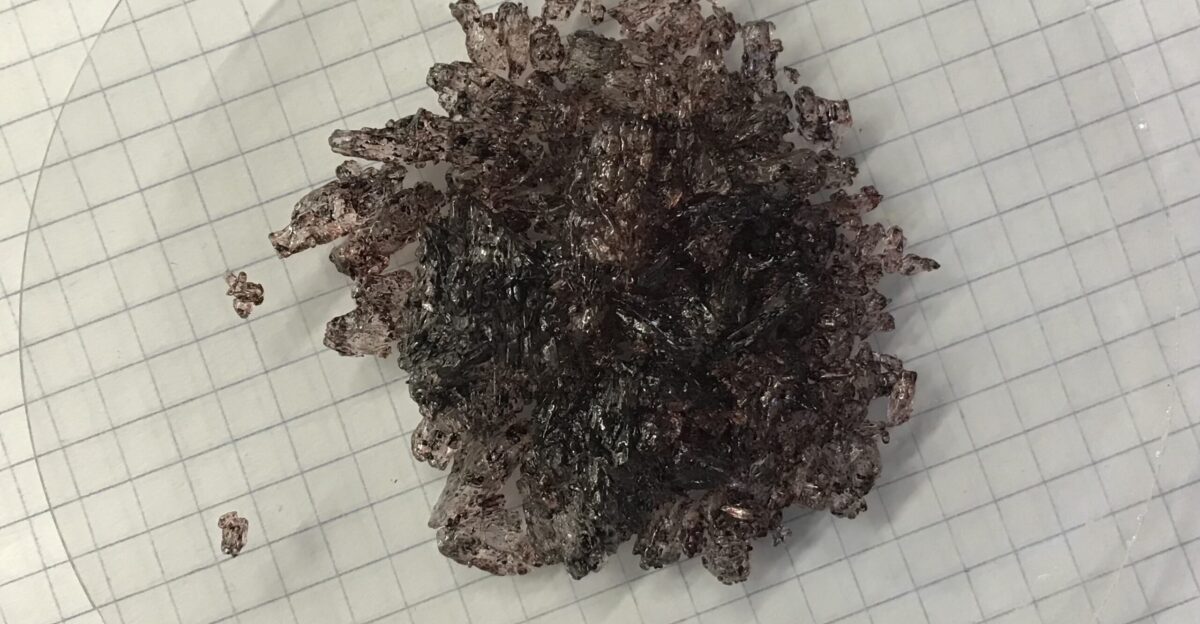
Phenol compounds, another class of antiseptics popular in mid-century deodorants, also fell out of favor as users reported skin irritation and potential health risks from prolonged exposure. One ingredient that managed to survive was aluminum, the active element in most antiperspirants. Rather than being banned, aluminum compounds were adjusted to use gentler forms that still reduced perspiration but lowered the risk of irritation.
These regulatory crackdowns did more than reshape deodorants, they set off a broader rethinking of consumer goods. Factories redesigned production lines, workers were retrained, and stores reorganized product displays to feature safer reformulations. Over time, shoppers began reading ingredient lists more carefully, choosing fragrance-free or hypoallergenic options, and pushing brands toward greater transparency. The idea of a clean or natural deodorant took hold, giving rise to new lines that boasted minimal ingredients and sustainable packaging.
Internationally, companies began aligning their formulas with U.S. safety standards to avoid complications across markets. A more unified global approach to ingredient safety followed, helping prevent harmful chemicals from slipping into circulation in less-regulated regions.
A Legacy of Awareness and Innovation

Today, deodorants, and all personal care products, are more closely monitored than ever. Labels are clearer, and regulatory oversight is tighter. Consumers have learned to question claims and to pay attention to what’s inside their products rather than relying on brand recognition alone. Yet, the story isn’t over. As new synthetic compounds and bioactive ingredients enter the market, each faces its own round of testing and debate over safety.
The lessons of the past remain critical: public trust must be earned through transparency, and innovation should never outpace oversight. The evolution of deodorant reflects more than just changing formulas, it’s a reminder of the balance between progress, protection, and health. What began as a story about keeping dry under the arms became a larger movement that reshaped how society thinks about everyday chemistry.
Sources:
PubMed ID 4562389 + PubMed
JAMA report, PubMed ID 4562389 + Journal of the American Medical Association
FDA, 1972 hexachlorophene restrictions + U.S. Food and Drug Administration
historical product records + Historical Archives
U.S. Environmental Protection Agency (EPA), 1978 aerosol CFC ban + U.S. Environmental Protection Agency
FDA triclosan rule, 2016 + U.S. Food and Drug Administration
brand histories on Avon Timeless + Avon