From the 1950s through the 1980s, several household-name deodorants were removed or radically reformulated after scientists and regulators identified serious safety concerns. Brands such as Ban, Right Guard, Avon, Tussy, Arrid, Mennen, and Lifebuoy once dominated American bathrooms.
Over time, ingredients initially considered effective—antibacterials, preservatives, and propellants—were found to pose neurological, environmental, or skin-related risks, triggering one of the most significant safety shifts in personal-care history.
FDA’s 1972 Hexachlorophene Restrictions Mark a Turning Point
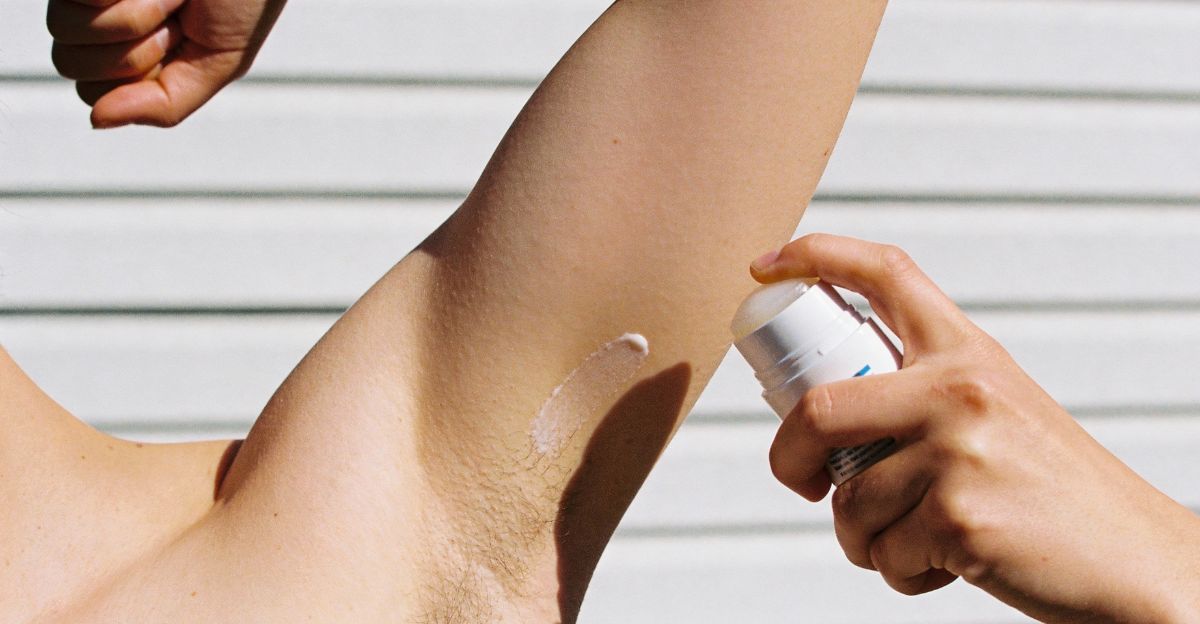
A major regulatory shift occurred in the early 1970s when hexachlorophene, a powerful antibacterial agent, was restricted in consumer products. Research showed that it could be absorbed through the skin and, with repeated exposure, affect the nervous system.
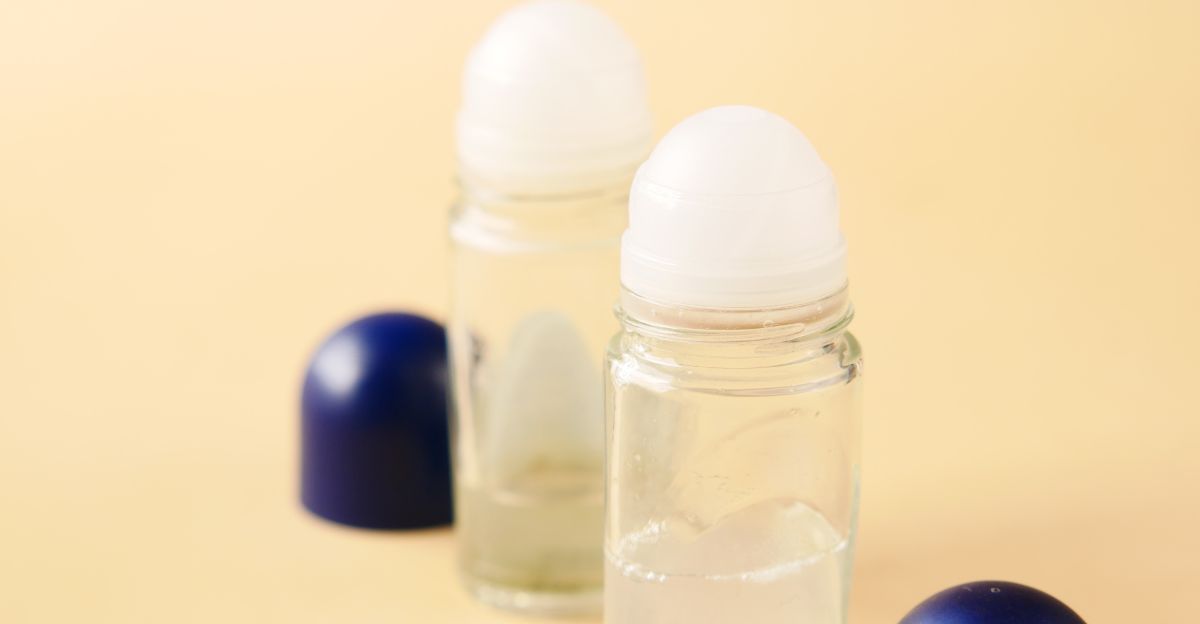
Deodorants using this ingredient were among those most impacted. Popular roll-on formulas were quietly pulled or reformulated, signaling the beginning of stricter oversight of everyday hygiene products.
Sudden Product Disappearances Surprise American Consumers

For shoppers, the changes felt abrupt. Familiar deodorants vanished from drugstore shelves with little explanation beyond vague “new formula” labels.
Families that had relied on the same brands for decades were forced to switch products, often without understanding why. This period exposed how deeply personal-care routines were tied to trust in manufacturers—and how quickly that trust could be disrupted by emerging safety science.
Aerosol Deodorants Face Environmental and Safety Scrutiny
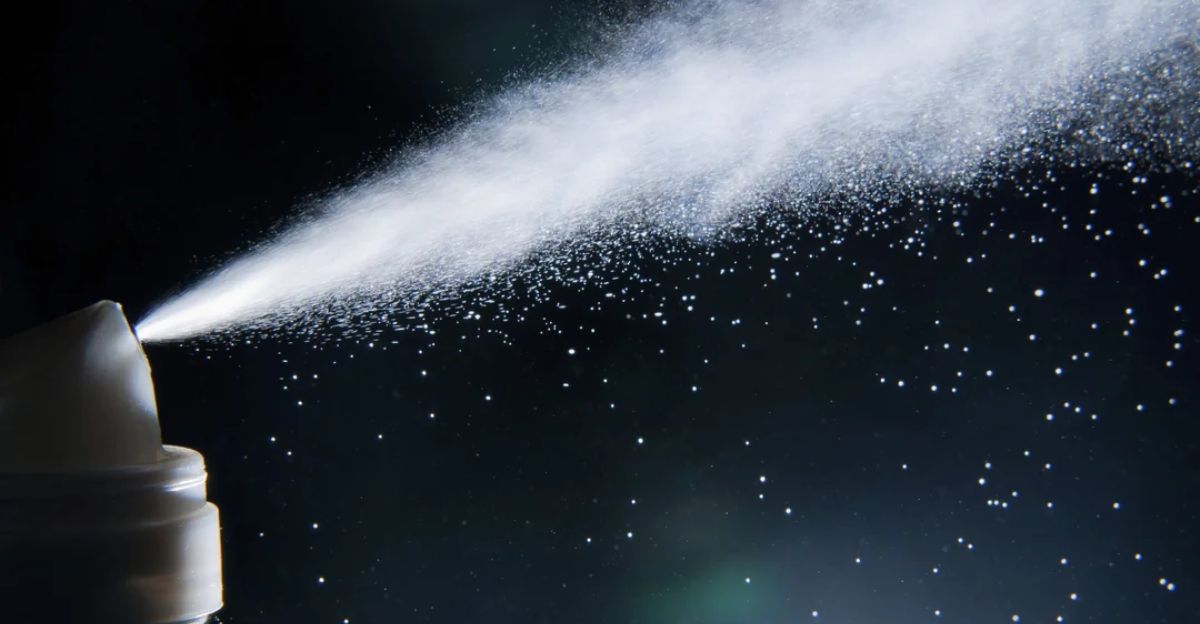
Spray deodorants introduced convenience but brought new concerns. Early aerosol formulas relied on propellants later linked to ozone depletion and indoor air issues.
As environmental regulations tightened in the late 1970s, companies producing popular sprays rushed to adapt. Original formulations were phased out, not always publicly labeled as discontinued, while reformulated versions slowly replaced them in stores.
Mercury-Based Creams Quietly Exit the Market

Some mid-century deodorant creams used mercury-based preservatives to inhibit bacterial growth. At the time, mercury was common in cosmetics, despite its known toxicity.
As scientific consensus hardened around the dangers of mercury exposure, especially through repeated skin contact, these products disappeared. The removals marked a broader reckoning with how little long-term testing early cosmetic formulas had undergone.
Triclosan Raises New Questions About “Antibacterial” Claims
Later decades brought scrutiny to triclosan, an antibacterial compound once praised for hygiene benefits. Studies raised concerns about hormonal disruption, environmental persistence, and bacterial resistance.
Deodorants containing triclosan were reformulated or discontinued as regulations evolved. What had once been a selling point—extra antibacterial power—became a liability as consumer expectations shifted toward gentler, simpler formulations.
Phenol-Based Deodorants Prove Too Harsh for Daily Use
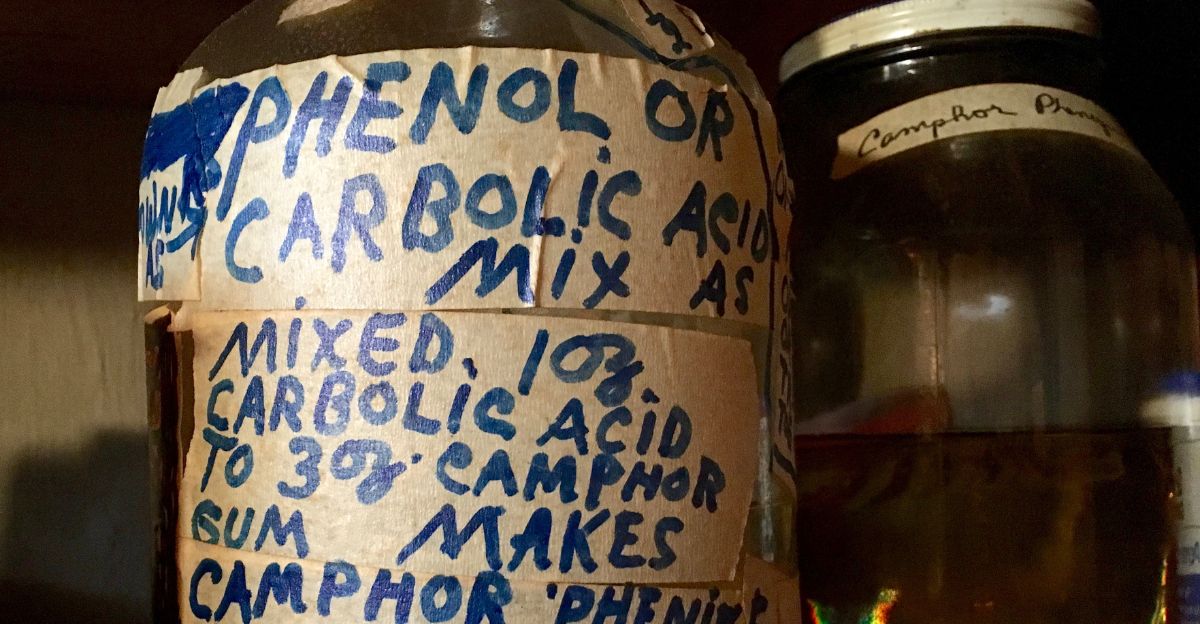
Phenol compounds, used for their strong antimicrobial properties, appeared in some early deodorant and deodorant-soap products.
Over time, evidence showed these substances could irritate skin and, with repeated exposure, pose systemic risks. Products relying on phenol-based chemistry were gradually removed or redesigned, reinforcing the idea that effectiveness alone was no longer enough to justify consumer exposure.
Aluminum Compounds Spark Reformulation, Not Removal
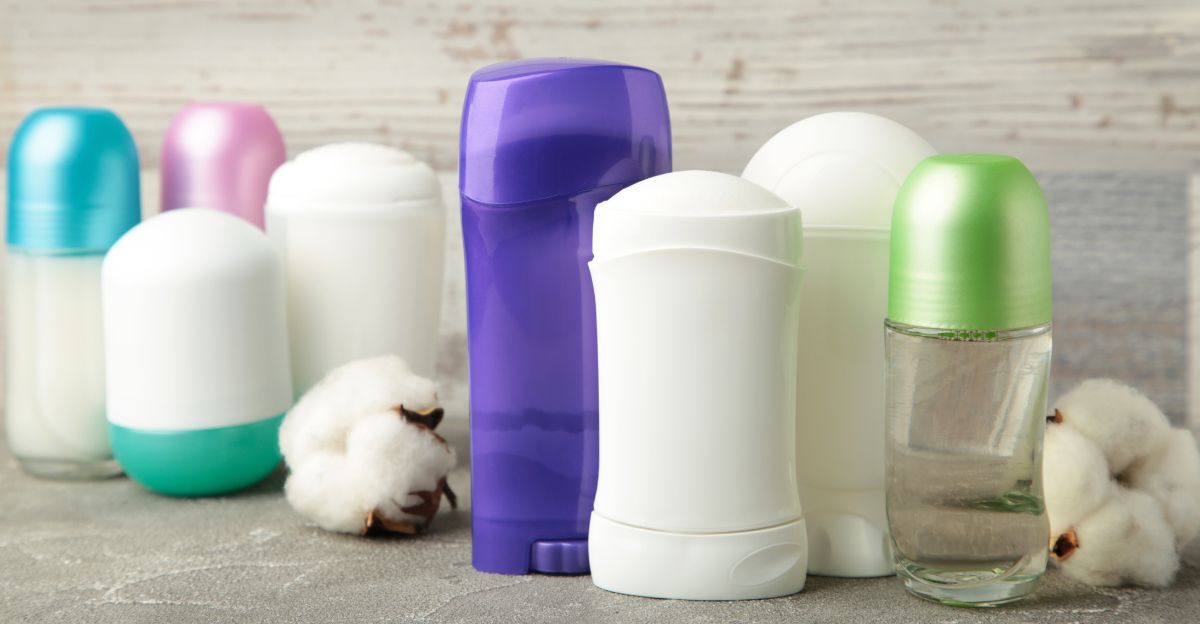
Unlike some ingredients that disappeared entirely, aluminum-based antiperspirants were largely reformulated rather than banned. Earlier aluminum compounds caused irritation for many users, prompting manufacturers to develop gentler alternatives.
This transition highlights a key difference in regulatory outcomes: some substances were eliminated, while others evolved through improved chemistry and better understanding of skin tolerance.
Manufacturing Shifts Ripple Through the Workforce
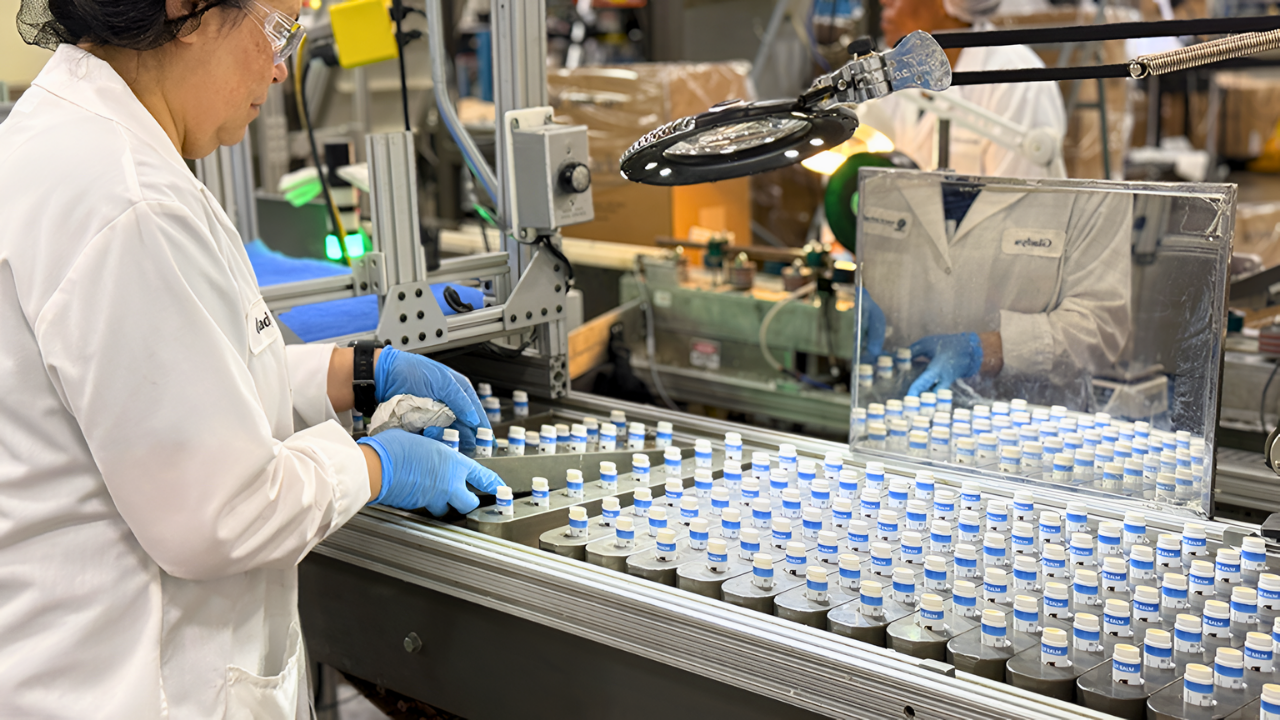
Behind the scenes, reformulations affected factories and workers. Aerosol lines were retooled, ingredients replaced, and safety protocols updated. Employees often required retraining as companies adapted to new standards.
These changes reveal how consumer safety decisions extended beyond store shelves, reshaping industrial processes and labor practices across the personal-care sector.
Retailers Adjust to a New Definition of “Safe”
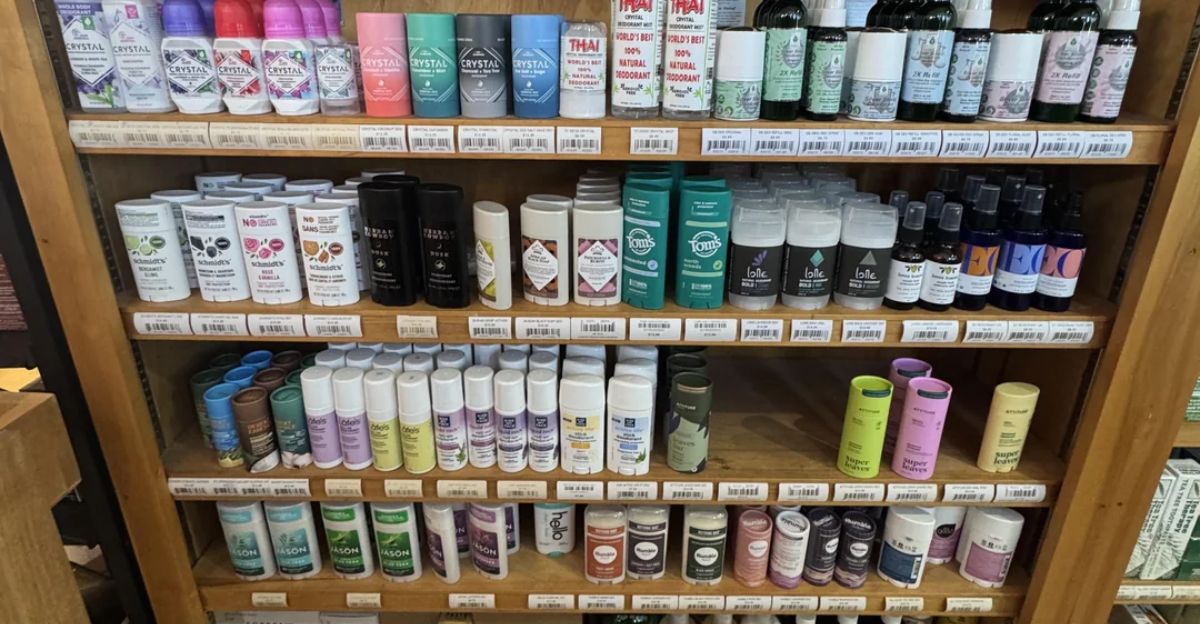
As reformulated products rolled out, retailers reorganized shelves to emphasize compliance and consumer reassurance.
Packaging increasingly highlighted dermatological testing, milder formulas, and regulatory approval. Brands that adapted quickly maintained shelf space, while others faded. Retail strategies reflected growing public awareness that “classic” did not always mean “safe.”
Soap and Deodorant Lines Begin to Converge

Some companies blended deodorant and soap concepts, promoting all-in-one hygiene products with milder antibacterial agents.
This shift reduced reliance on harsh chemicals while preserving odor control. It also blurred category boundaries, showing how safety concerns could drive innovation rather than simply eliminating products from the market.
Innovation Spreads Beyond Deodorants
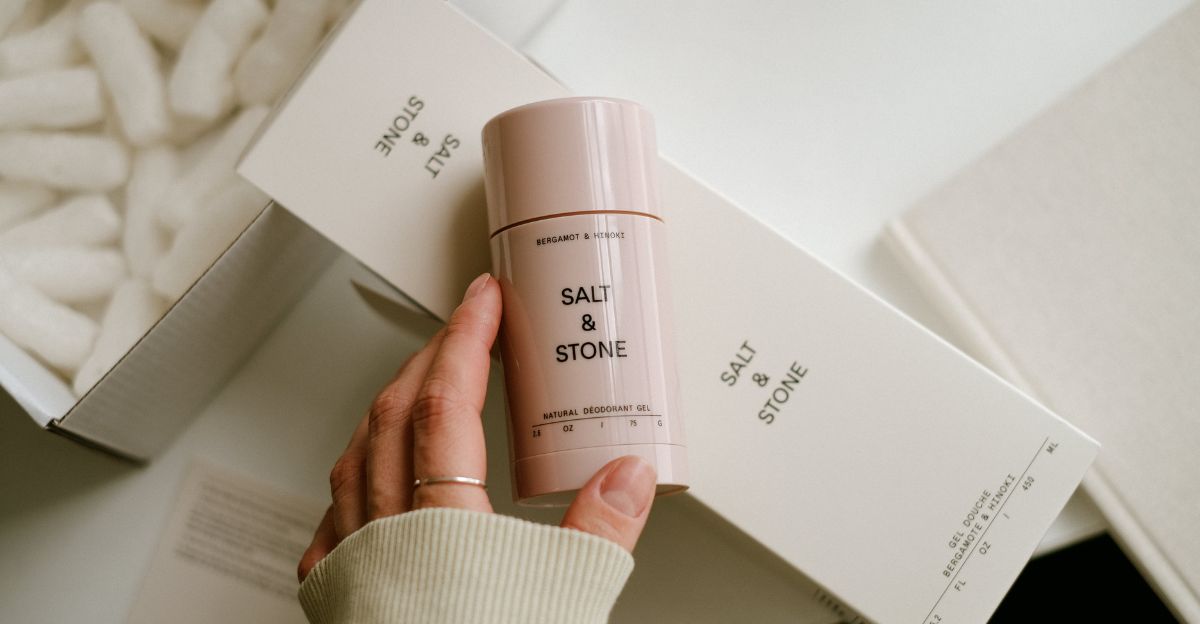
Advances made during deodorant reformulations influenced other consumer goods. Packaging improved, propellants changed, and antimicrobial strategies were reconsidered across industries.
Pet care, household sprays, and textiles all reflected lessons learned from earlier chemical overuse, demonstrating how one product category can reshape broader manufacturing norms.
Global Markets Follow Similar Safety Trajectories

As U.S. standards tightened, international markets moved in parallel. Multinational brands increasingly aligned formulas across regions to avoid fragmented compliance.
Consumer expectations for transparency and ingredient safety became global, pressuring companies to adopt higher universal standards rather than minimum local requirements.
Changing Habits and Growing Skin Awareness
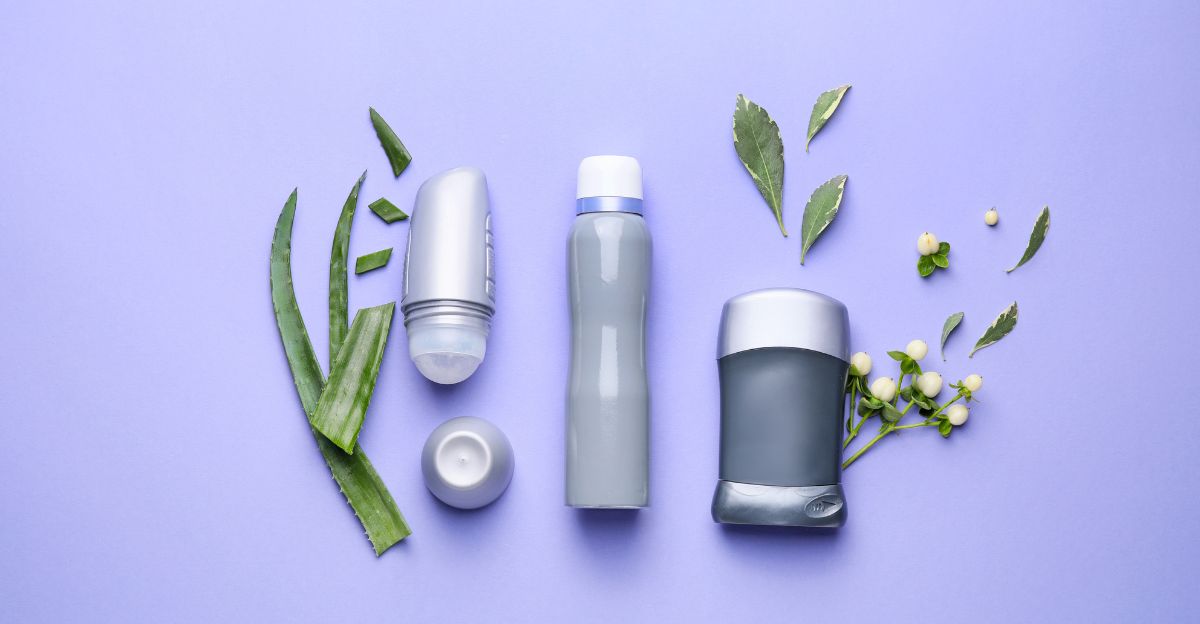
Consumers gradually adopted more cautious routines. Patch testing, fragrance-free options, and sensitivity awareness became mainstream ideas.
Reports of irritation declined as harsher ingredients disappeared. The evolution of deodorants mirrored a broader cultural shift toward preventive health and informed consumer choice.
Environmental Concerns Enter the Conversation

What began as a health issue expanded into environmental awareness. Aerosol bans contributed to ozone protection, while debates around persistent chemicals fueled early environmental activism.
Deodorants became symbols of how everyday products could have global ecological consequences, reshaping public expectations of corporate responsibility.
Natural and “Clean” Brands Find Opportunity
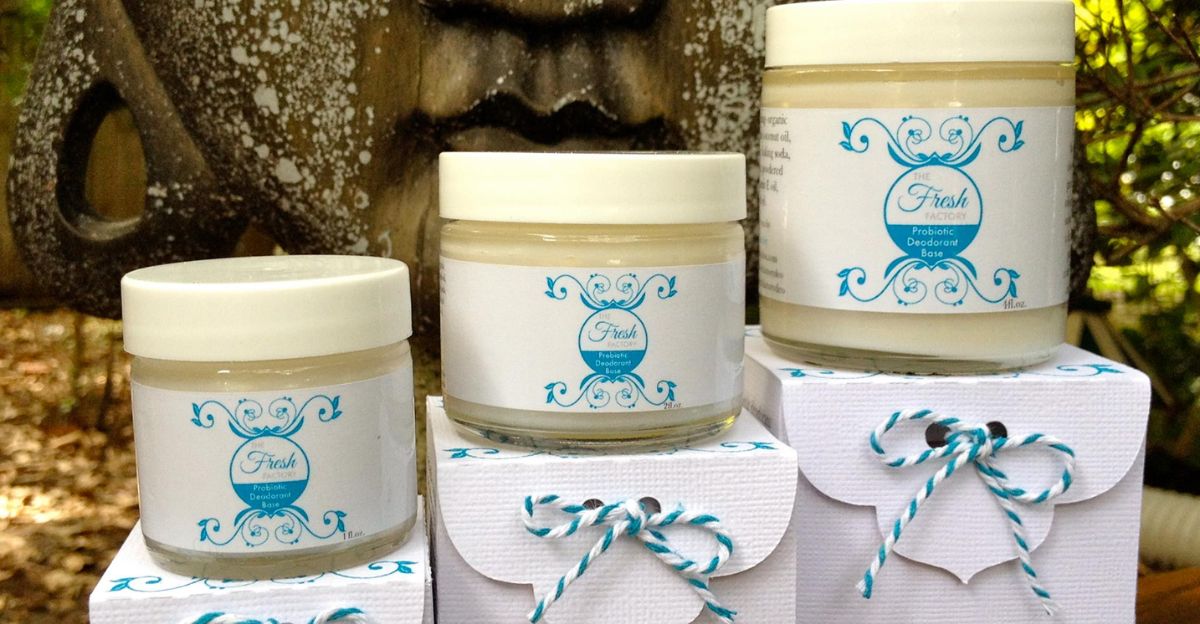
As legacy formulas disappeared, smaller brands emphasizing minimal ingredients gained traction. These companies framed safety and simplicity as selling points rather than compromises.
Over time, major corporations adopted similar messaging, showing how consumer demand for safer products could redefine industry norms.
Financial Markets Respond to Regulatory Change
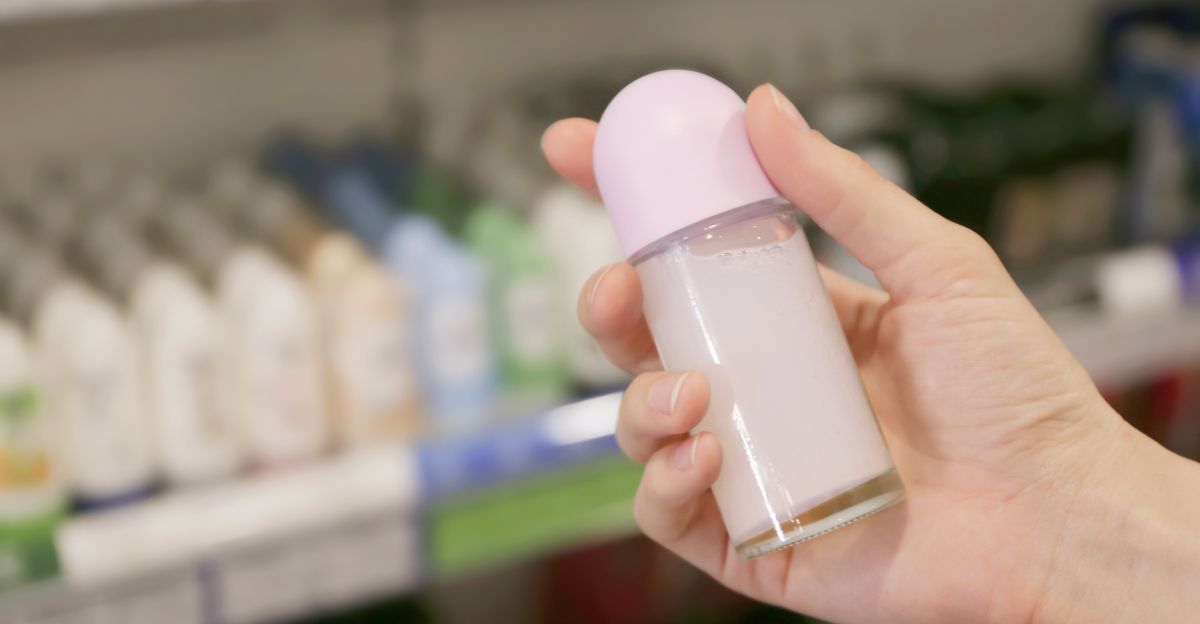
Regulation-driven reformulation required investment, but it also created opportunity. Companies that adapted efficiently maintained profitability, while innovators attracted new funding.
Safety compliance became a competitive advantage rather than a burden, influencing long-term corporate strategies.
Modern Shoppers Learn to Read Labels
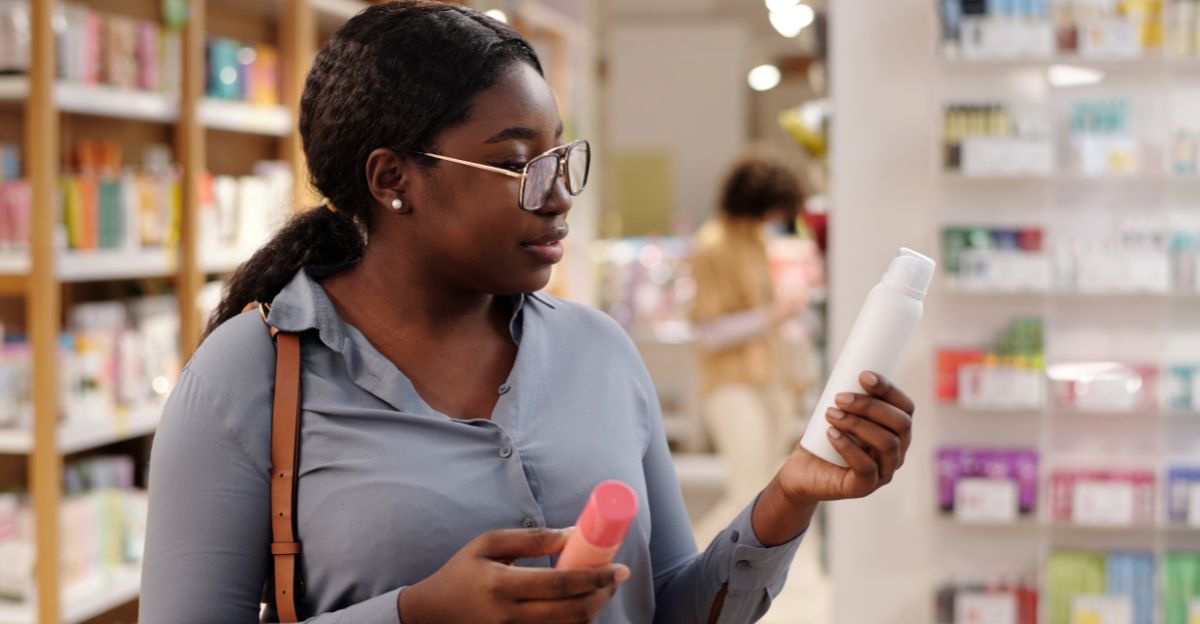
Today’s consumers benefit from clearer ingredient lists and stronger oversight. Understanding what is in a deodorant—rather than trusting brand familiarity alone—has become standard practice.
The lessons of past removals encourage informed purchasing and ongoing scrutiny of new ingredients.
Future Scrutiny Targets Emerging Chemicals
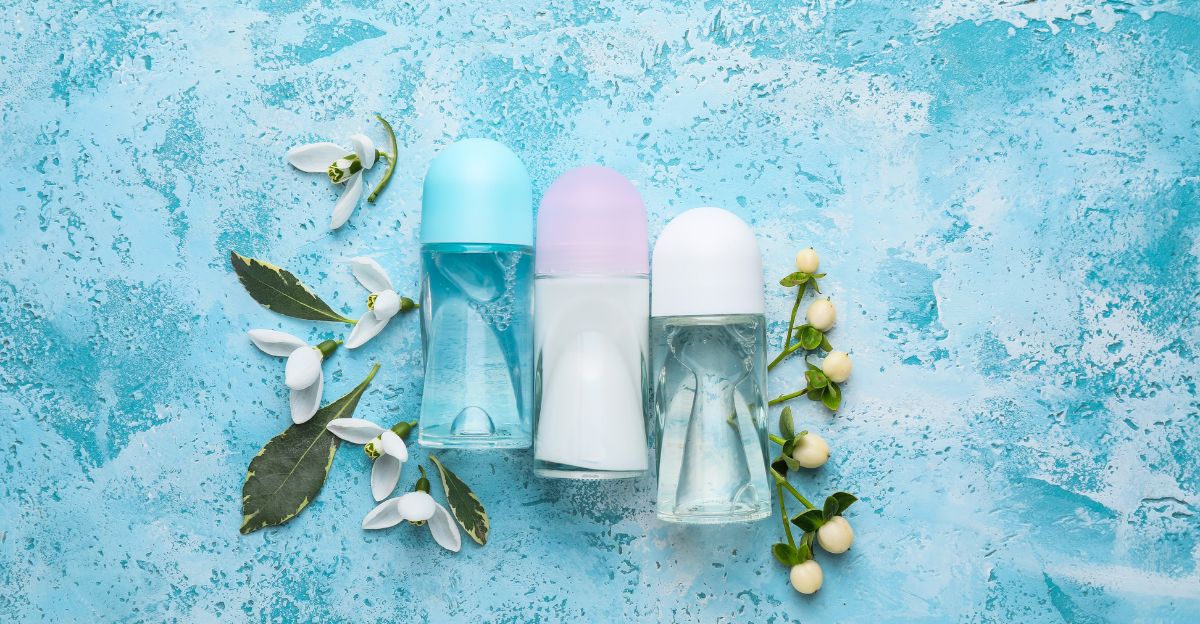
Regulatory attention continues to evolve as new materials enter personal care. Ingredients once assumed safe may face reassessment as scientific tools improve.
The deodorant industry’s past suggests that change is continuous, not a one-time correction.
A Lasting Legacy of Safer Standards

The removal and reformulation of classic deodorants reshaped personal care forever. What began as isolated safety concerns led to stronger oversight, better chemistry, and more informed consumers.
These changes ensure that products once taken for granted are now held to higher standards—keeping yesterday’s mistakes from becoming tomorrow’s habits.
Sources:
- PubMed ID 4562389 + PubMed
- JAMA report, PubMed ID 4562389 + Journal of the American Medical Association
- FDA, 1972 hexachlorophene restrictions + U.S. Food and Drug Administration
- historical product records + Historical Archives
- U.S. Environmental Protection Agency (EPA), 1978 aerosol CFC ban + U.S. Environmental Protection Agency
- FDA triclosan rule, 2016 + U.S. Food and Drug Administration
- brand histories on Avon Timeless + Avon