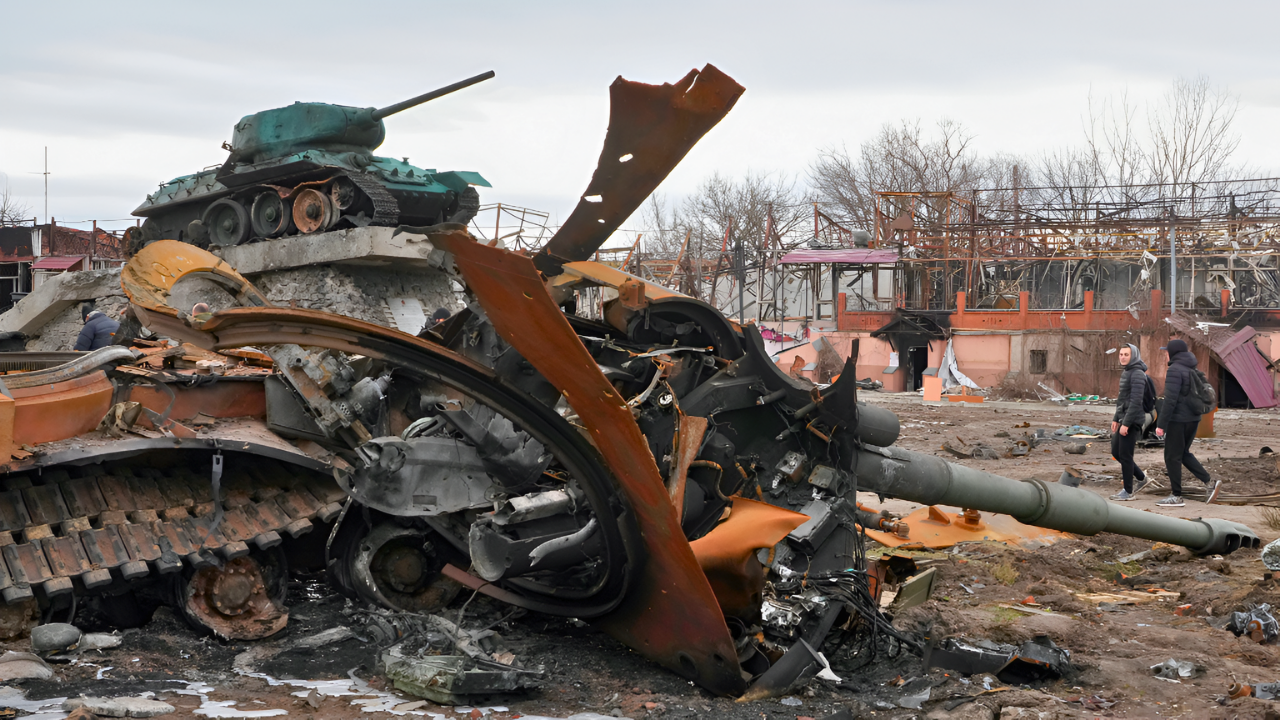
March 2025 marked a turning point in the Ukraine war: Russia lost 1,578 artillery systems in a single month, nearly a third of its pre-war arsenal. This staggering rate of destruction exposes deep vulnerabilities in Russian military doctrine, technology, and logistics, as Ukrainian forces leverage new tactics and Western support to reshape the battlefield.
Drone Warfare Redefines Artillery Survival
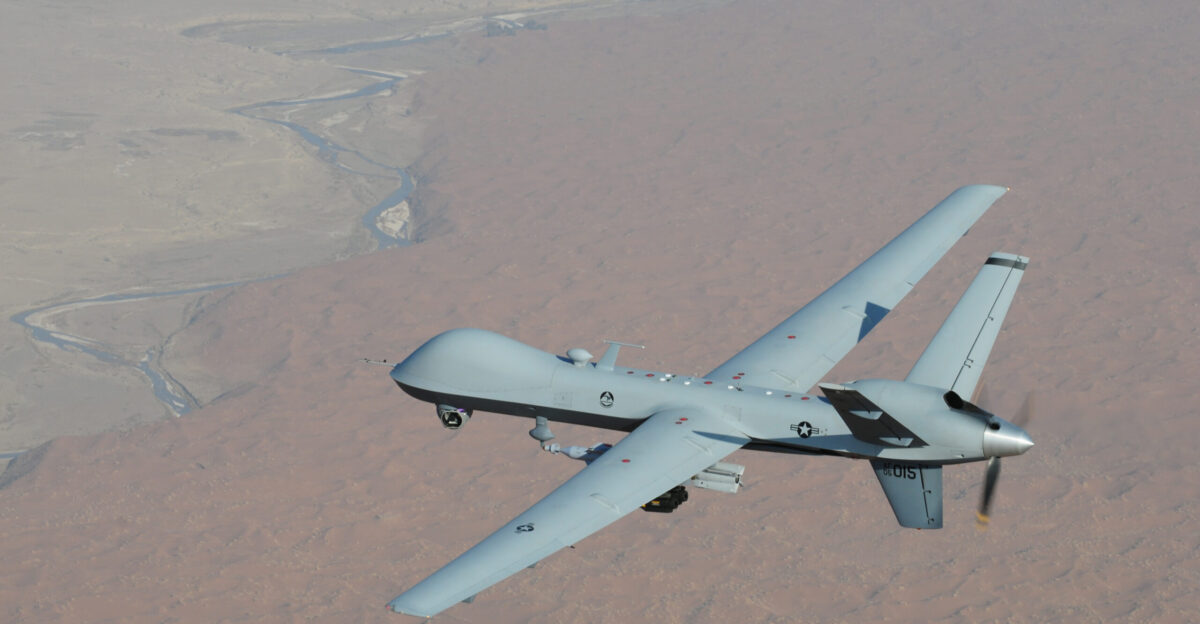
Unmanned aerial vehicles have revolutionized the way artillery operates and survives in combat. Ukrainian troops deploy reconnaissance and first-person-view (FPV) strike drones to pinpoint Russian firing positions with unprecedented accuracy. The traditional advantage of concealment for artillery units has vanished; drones now create a constant “kill zone” over the front lines. Russian crews are forced into frequent repositioning, which not only reduces their effectiveness but also accelerates equipment losses. The result is a battlefield where static positions are liabilities and mobility is essential for survival.
Counter-Battery Technology and Precision Strikes
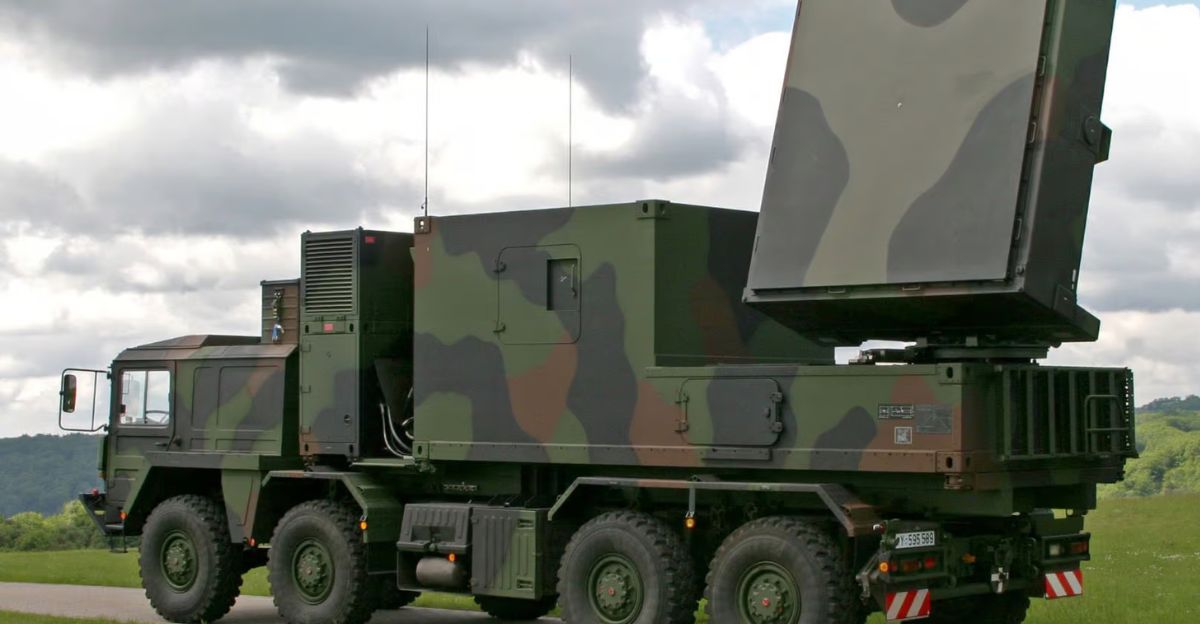
Ukraine’s access to advanced Western counter-battery radar systems, such as Germany’s Hensoldt Cobra and the U.S. AN/TPQ-36 Firefinder, has shifted the tactical balance. These radars can detect enemy batteries up to 24 kilometers away and track dozens of targets per minute. Integrated with GPS-guided Excalibur rounds and GMLRS rockets, Ukrainian forces can rapidly destroy Russian artillery units. In contrast, many Russian batteries operate without radar support due to heavy losses, leaving them exposed and unable to respond effectively. American-supplied M142 HIMARS launchers further amplify Ukraine’s reach, delivering precise strikes that can eliminate entire Russian multiple launch rocket systems with a single rocket. These capabilities have enabled Ukraine to target not only frontline artillery but also logistics hubs and even Russian attack helicopters, disrupting supply chains and degrading operational sustainability.
Logistical Strain and Ammunition Shortages
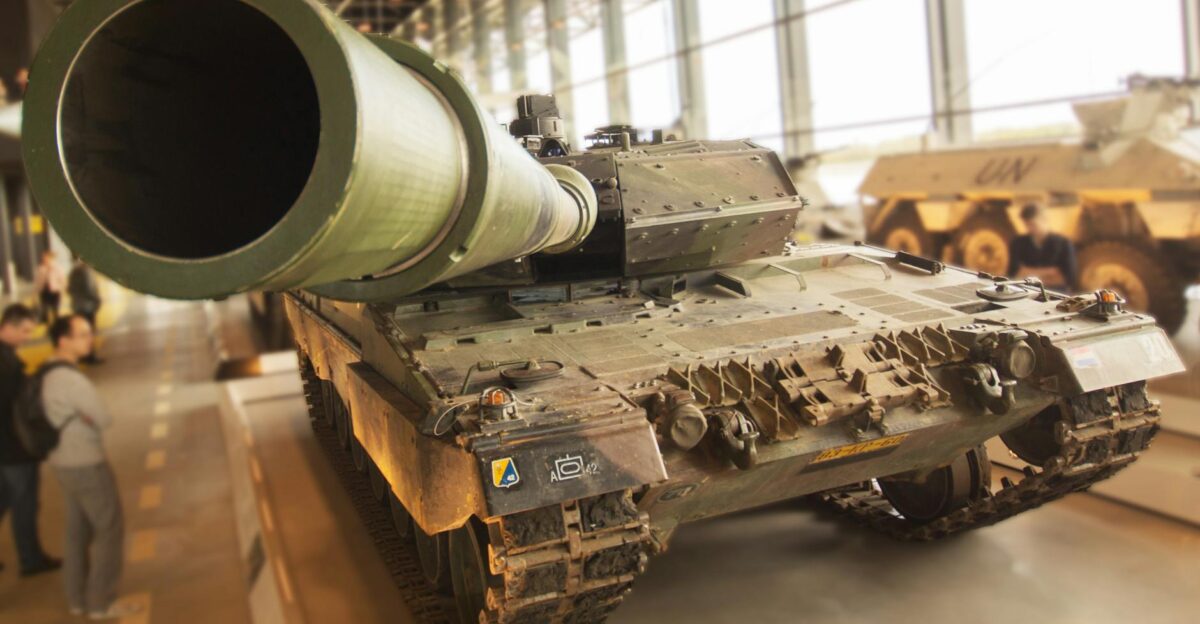
Russian artillery faces severe logistical challenges. The intense rate of fire—up to 10,000 shells daily across a 745-mile front—rapidly wears out barrels, which typically require replacement after 1,500 to 2,000 rounds. Satellite imagery has revealed Russian units scavenging storage depots for spare barrels and ammunition, highlighting acute shortages. The replacement process demands specialized metallurgical facilities, which are insufficient to meet wartime needs. Compounding these issues, Russia has become heavily reliant on North Korean ammunition. However, roughly half of these imported shells are defective, often damaging barrels and injuring soldiers. North Korea has reduced shipments as its own stockpiles dwindle, forcing Russian factories to refurbish old munitions before deployment. Meanwhile, domestic production—about three million shells annually—cannot keep pace with consumption, and Western sanctions restrict access to critical components for precision munitions. Shortages of chromium, essential for barrel manufacturing, further constrain Russia’s ability to replenish its arsenal.
Tactical Inflexibility and Intelligence Integration
Russian artillery tactics have struggled to adapt to the evolving battlefield. Units often concentrate in predictable locations, making them easy targets for Ukrainian strikes. Reliance on outdated maps and static “meat assault” infantry tactics places guns within range of counter-battery fire. Attempts to implement “shoot and scoot” maneuvers have been limited, leaving many batteries vulnerable to detection and destruction. Coordination between artillery, infantry, and air support remains insufficient, creating exploitable gaps in Russian defenses.
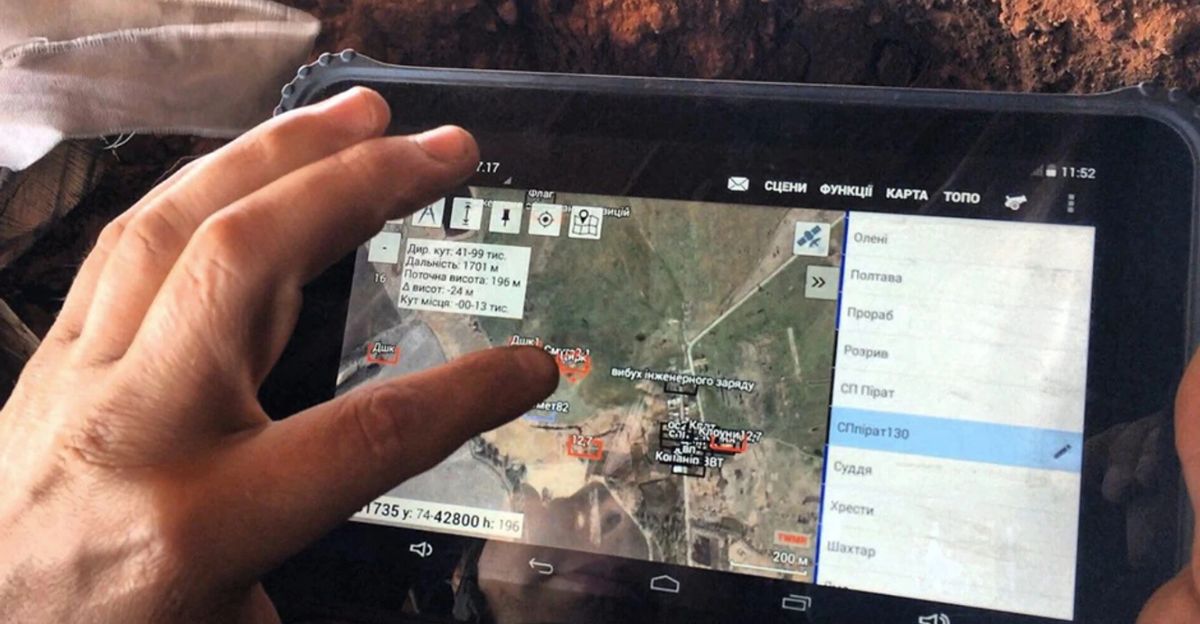
In contrast, Ukraine has integrated Western intelligence and technology to maximize its effectiveness. American companies provide advanced data analysis software for route optimization and air defense mapping, while British and American engineers have trained thousands of Ukrainian personnel. Commercial satellite imagery and signals intelligence offer continuous surveillance of Russian positions and supply lines. Ukraine’s GIS Arta targeting system, dubbed “Uber for Artillery,” enables rapid deployment, concentrated fire, and swift displacement, allowing outnumbered Ukrainian batteries to overcome Russian numerical superiority through precision and coordination.
Strategic Implications and the Road Ahead
The cumulative effect of drone warfare, counter-battery radars, precision munitions, logistical strain, defective ammunition, and superior intelligence has created a perfect storm for Russian artillery. No single factor explains the massive losses; rather, systemic vulnerabilities across doctrine, technology, and supply chains have compounded attrition. Russia’s traditional mass-fire saturation tactics have proven ineffective against modern warfare’s emphasis on precision, mobility, and information dominance.
With its artillery branch exhausted and unable to replenish high-quality systems fast enough, Russia faces a critical vulnerability. Degraded equipment, unreliable foreign ammunition, and unsustainable loss rates threaten its ability to sustain offensive operations and defend territorial gains. Meanwhile, Ukraine’s innovation and adaptability have shifted the conflict’s dynamics, demonstrating that quality and intelligence integration can outweigh sheer quantity.
As the war continues, Russia must fundamentally reform its artillery doctrine, acquisition strategies, and supply chains to avoid further degradation of its offensive capabilities. The ongoing transformation of battlefield tactics signals a broader shift in military power, with Ukraine’s approach increasingly dictating the terms of engagement. The stakes remain high, and the outcome will likely hinge on which side can best adapt to the demands of modern warfare.