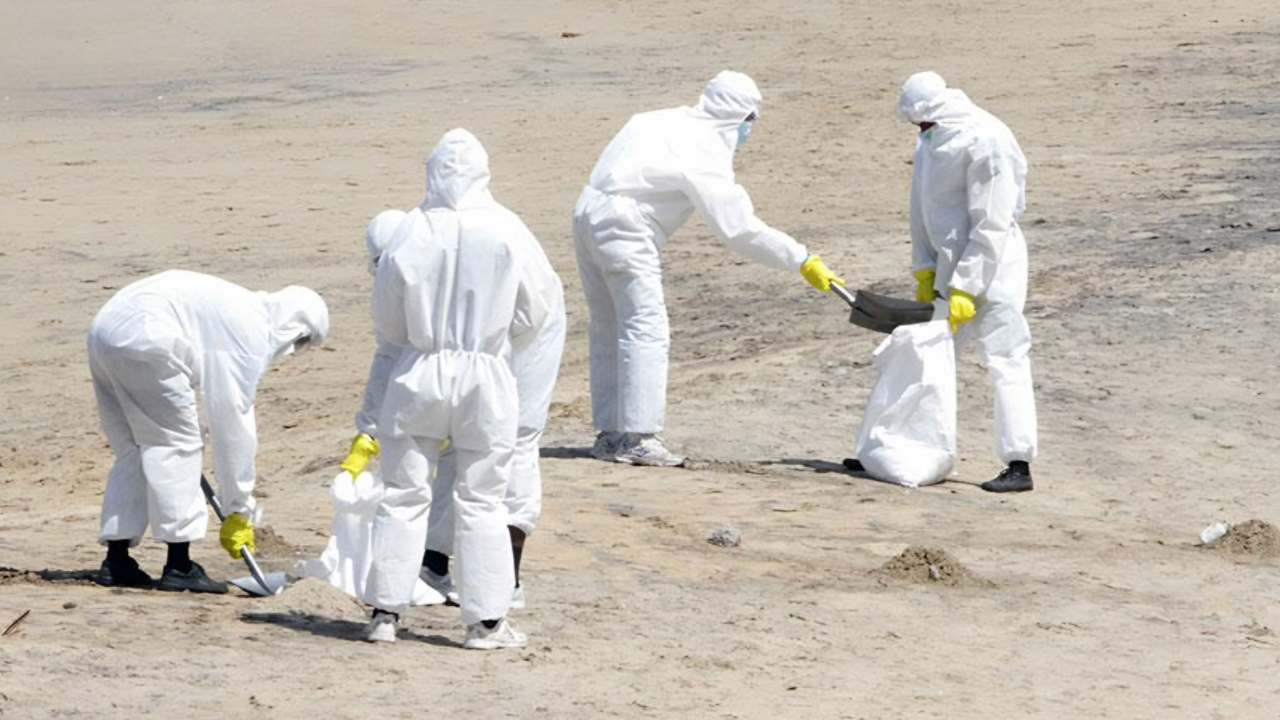
Scientists warn that over 125 trillion microplastic particles now circulate in the world’s oceans, carrying dangerous bacteria. The University of Exeter study shows these particles harbor antimicrobial-resistant microbes, posing risks for volunteers handling debris.
Dr. Emily Stevenson advises, “We recommend that any beach cleaning volunteer should wear gloves during clean-ups, and always wash their hands afterwards.” Here’s what’s going on.
What’s Going On?
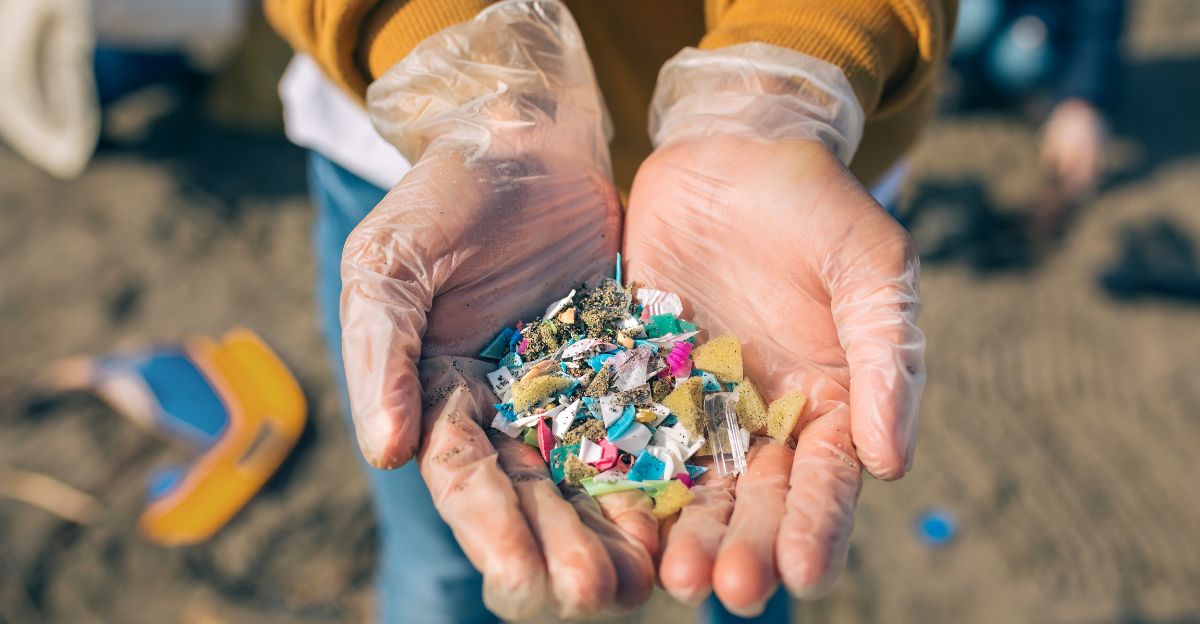
Microplastics have become floating hotspots for superbugs, carrying pathogens and antibiotic-resistance genes. Volunteers picking up litter face direct exposure, while coastal communities experience indirect risk. Dr. Stevenson emphasized volunteer safety in a statement on 24 November, highlighting that even brief contact with biofilm-coated plastics can expose humans to harmful bacteria.
The scale is staggering, yet many volunteers remain unaware of it. Understanding how these particles spread and why certain plastics pose higher risks is critical before examining the broader implications for industries and coastal populations.
Who Discovered This?
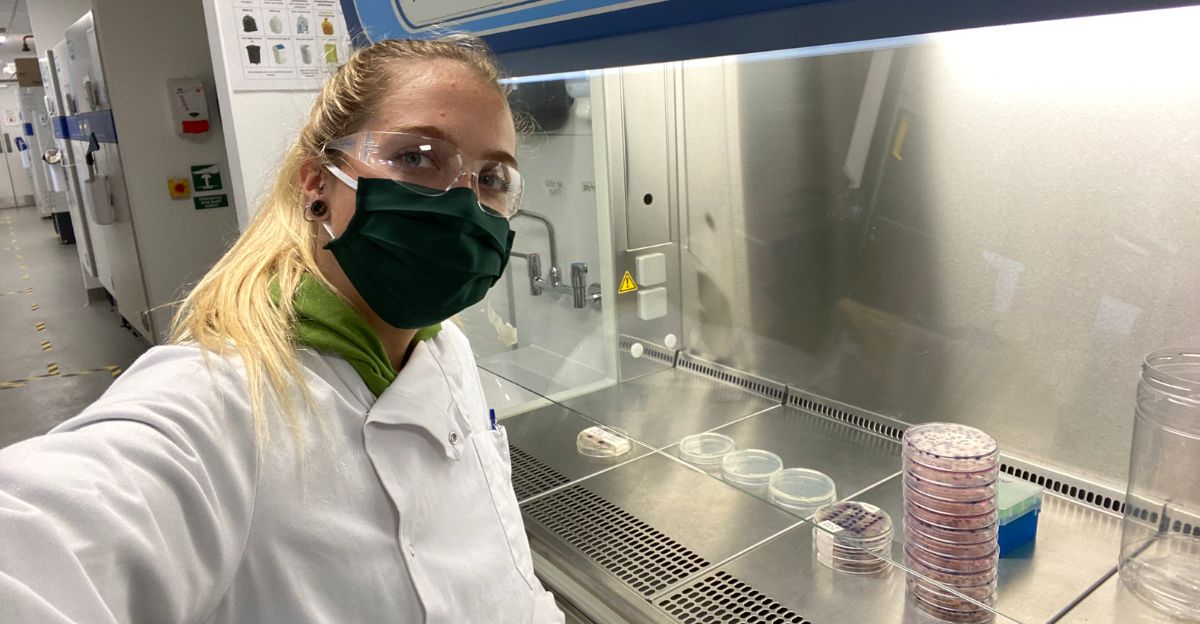
The study was led by Dr. Emily Stevenson at Plymouth Marine Laboratory and the University of Exeter. Co-authors include Professor Pennie Lindeque and Dr. Aimee Murray. According to a University of Exeter press release, the team “calls for urgent action for waste management,” emphasizing the need for targeted protective measures for those handling contaminated materials.
The research combines microbiology, ecology, and marine science, with a focus on real-world waterways in the UK. Its findings provide a unique insight into microplastic-mediated pathogen transport, setting the stage for understanding both human and environmental consequences.
Who Is Most Affected?

Beach cleanup volunteers face the highest immediate risk, with an estimated 50,000–200,000 participants annually in the U.S. Surfrider coordinates 40,000 volunteers alone, while Ocean Conservancy engages hundreds of thousands worldwide. Direct handling of debris exposes volunteers to microplastics colonized by antimicrobial-resistant bacteria, posing a risk far greater than that of casual beachgoers.
Secondary exposure affects coastal populations, shellfish workers, and wastewater employees. These groups may encounter contaminated water or seafood, amplifying the potential health threat. But what exactly makes microplastics such efficient carriers of dangerous microbes?
How Microplastics Carry Superbugs
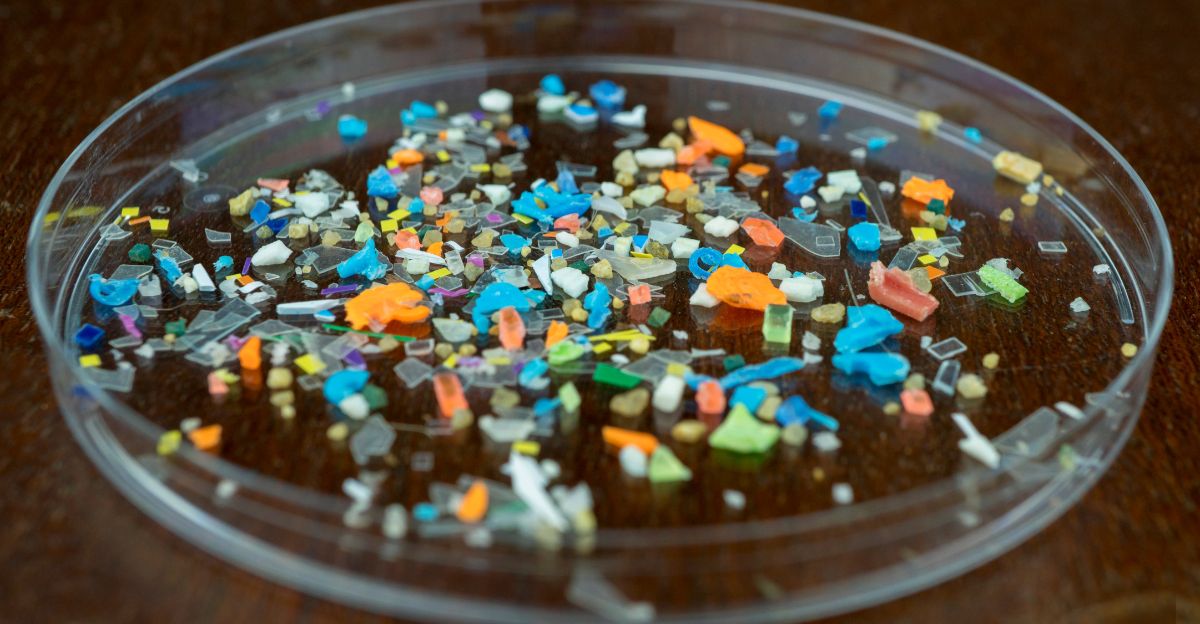
Microplastics form dense biofilms, creating a “Plastisphere” ecosystem. The University of Exeter press release notes, “These communities may often include pathogenic or antimicrobial resistant bacteria.” Polystyrene and nurdles are particularly hazardous, as they adsorb antibiotics from wastewater and facilitate gene exchange between bacteria.
This combination of adsorption, biofilm stability, and horizontal gene transfer renders microplastics into pathways for pathogens.
How Big Is the Problem?
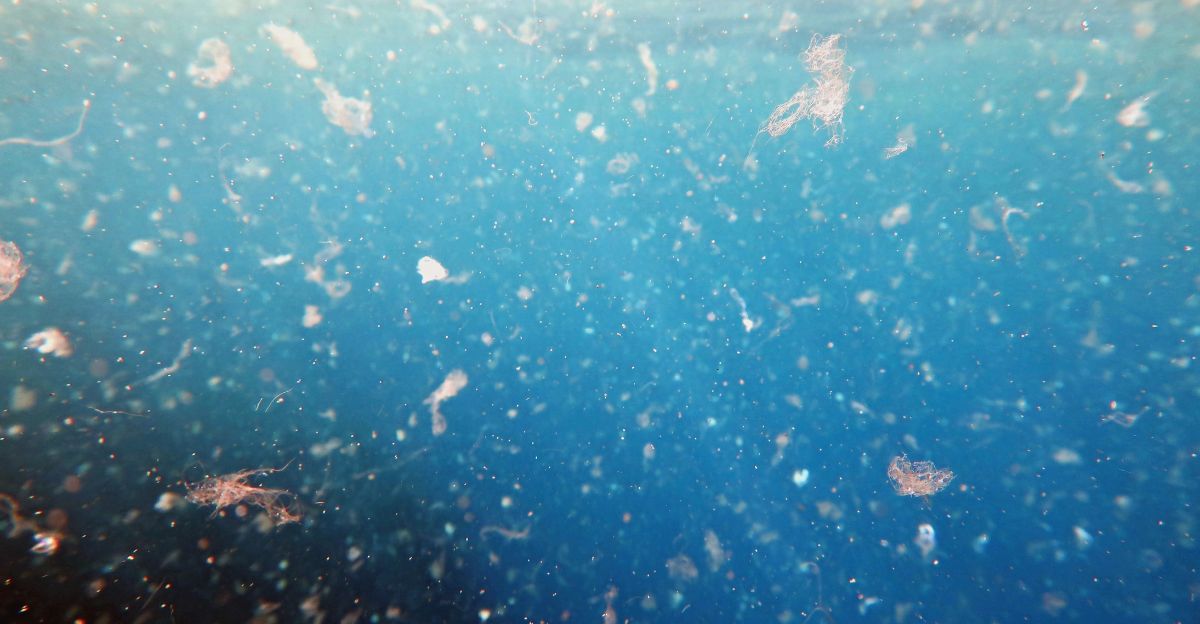
The study estimates that over 125 trillion microplastic particles exist from the ocean surface to the seabed. This load represents one of the most significant documented particle counts in ocean history. Biofilms on these particles harbor more than 100 unique antimicrobial resistance genes, thereby increasing the risk to human and animal health globally.
Understanding this magnitude explains why beach volunteers are singled out in warnings. But which types of plastics carry the highest microbial risks? The following slide details the specific substrates.
High-Risk Plastic Types
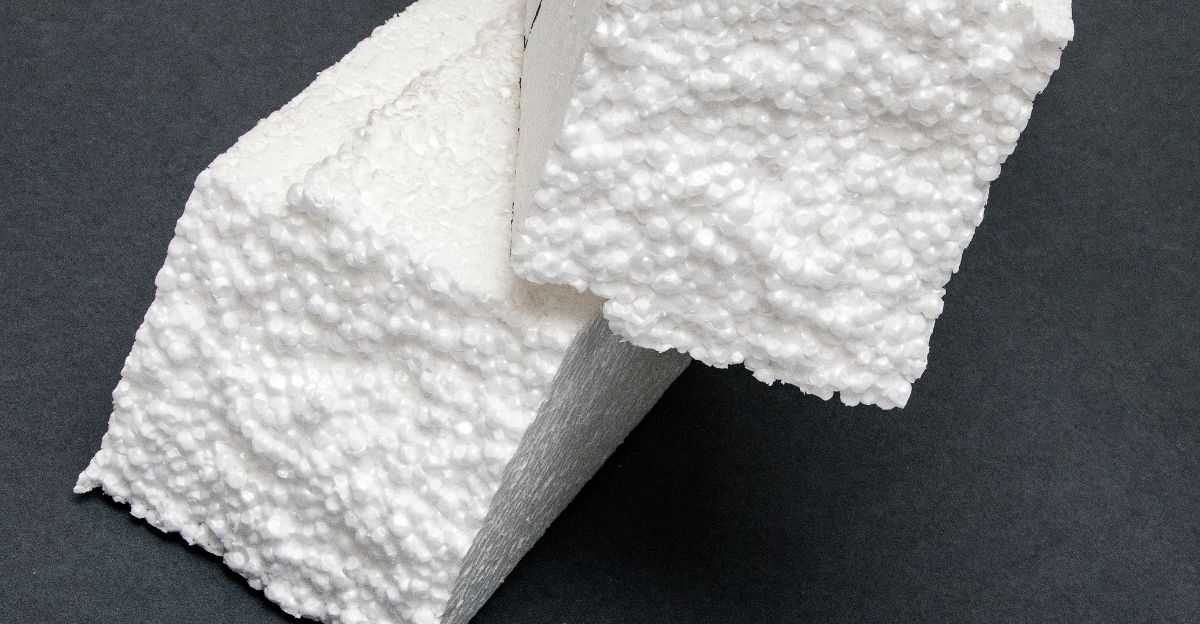
Polystyrene and nurdles pose a greater risk of antimicrobial resistance than glass or wood. The November 19, 2025, study notes that their surfaces “promote biofilm formation that facilitates transfer of antimicrobial resistance genes.” These microplastics effectively become vehicles, transporting pathogens across rivers, estuaries, and oceans.
The unique properties of these plastics also explain why traditional wastewater filtration struggles to prevent environmental release. But how do these pathogens move downstream despite dilution?
Microplastics Transport Pathogens
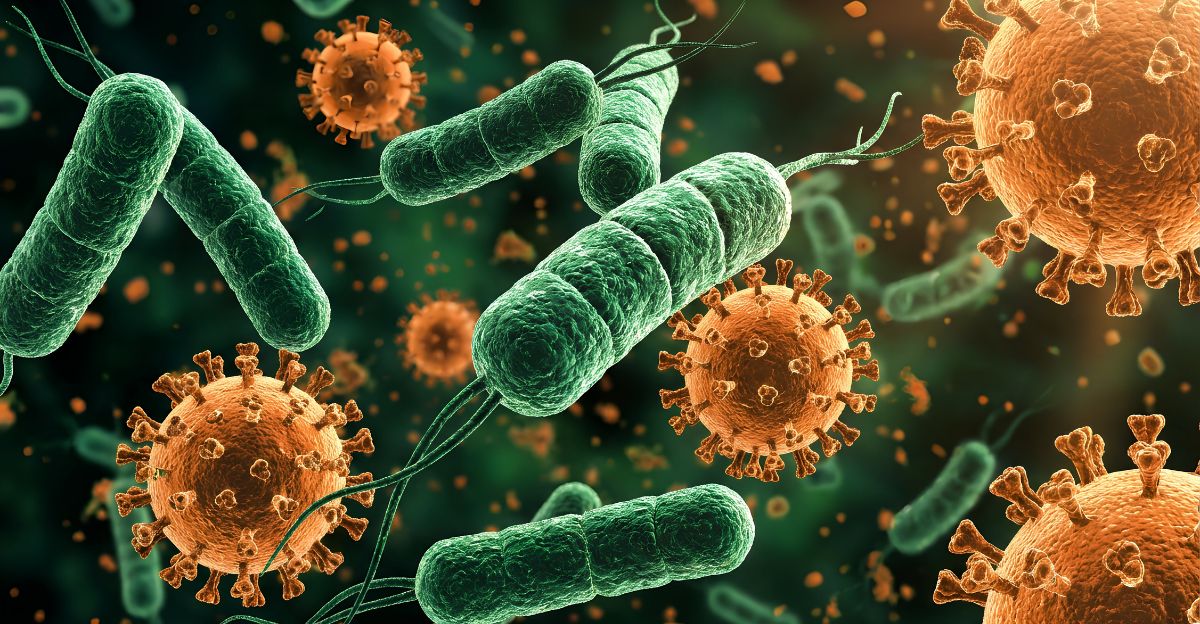
The study found that some bacterial pathogens increased in prevalence downstream when associated with microplastics, contradicting the dilution effect. Professor Pennie Lindeque stated, “Protected within their biofilms, each microplastic particle effectively becomes a tiny vehicle capable of transporting potential pathogens from sewage works to beaches, swimming areas, and shellfish-growing sites.”
This discovery highlights a critical mechanism for the spread of AMR, directly linking wastewater sources to both marine and human exposure. Next, the Sussex bio-bead spill illustrates a real-world example of this phenomenon.
Sussex Bio-Bead Spill Validates Risk
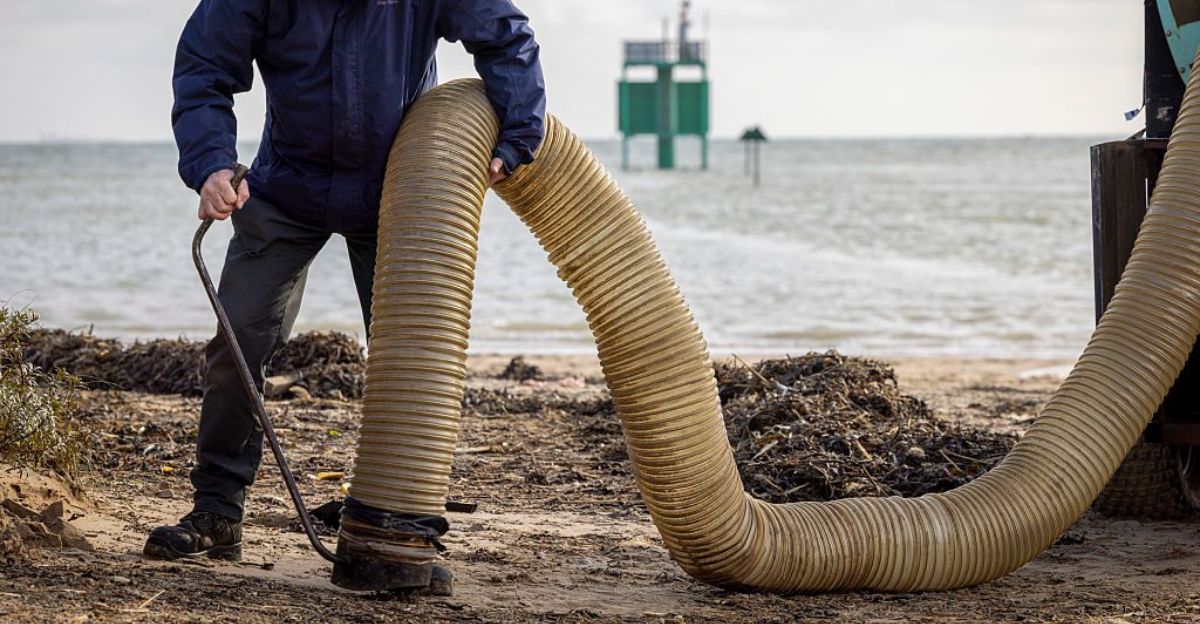
Just last month, Southern Water reported 10 tonnes of bio-beads escaped from a treatment facility via a 21-mile pipe to Camber Sands, East Sussex. Cleanup costs reached £2 million, with higher expenses expected. CNN reported that this incident underscores the environmental and occupational hazards associated with microplastic contamination.
Dr. Stevenson noted, “This timely study highlights the pathogenic and AMR risk posed by microplastic substrates littering our ocean and coasts.” Real-world events confirm the predictions made in the laboratory and through modeling. But when did the microplastic problem begin?
Historical Microplastic Timeline
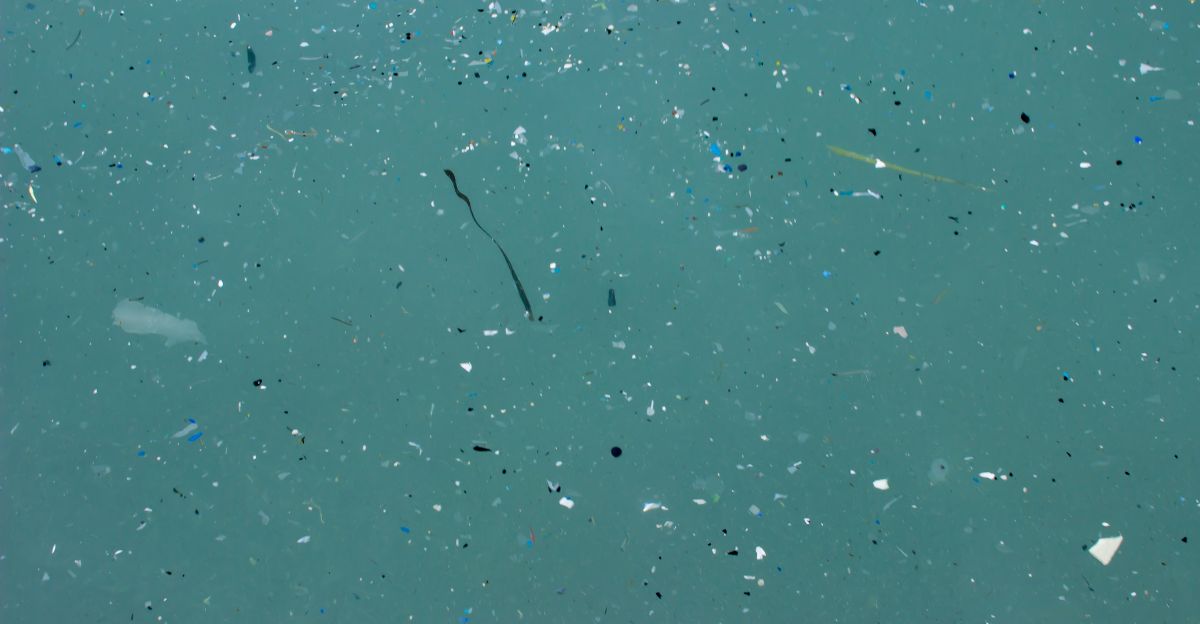
Microplastics were first detected in oceans during the 2010s, with research on fragmentation and marine ingestion. The “Plastisphere” concept emerged in 2019–2021, identifying biofilm communities distinct from natural substrates. By 2024, bio-bead pollution prompted regulatory attention, and coastal tourism studies emphasized economic vulnerability.
The 2025 study links hospital wastewater to marine microplastics, quantifying the prevalence of antimicrobial resistance genes. Understanding this history frames the urgency for mitigation strategies.
Where Are Microplastics Found?
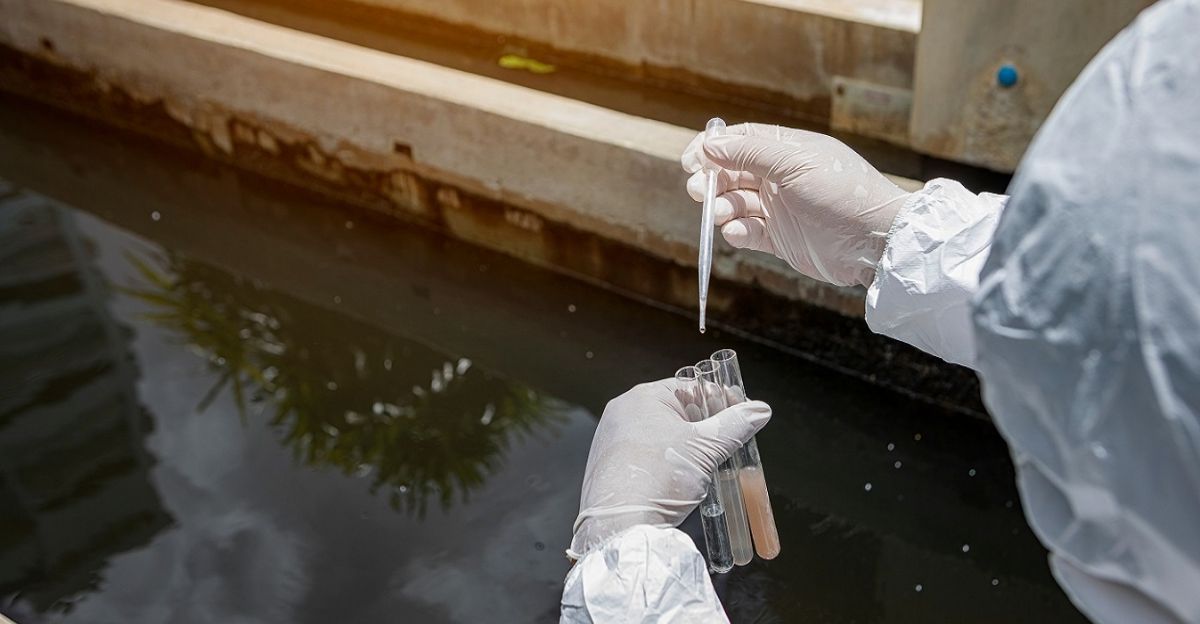
Primary UK study locations include Truro hospital wastewater, the Fal estuary rivers, and open coastal waters. The Sussex bio-bead spill impacted Camber Sands and St Mary’s Bay. Globally, over 125 trillion particles exist, with 3–5 billion reaching U.S. beaches annually.
Coastal populations, aquaculture facilities, and tourism zones face exposure. Geographic patterns clarify who is at risk and where mitigation must focus. Next, the mechanisms behind pathogen proliferation are explained.
Why Microplastics Harbor Superbugs
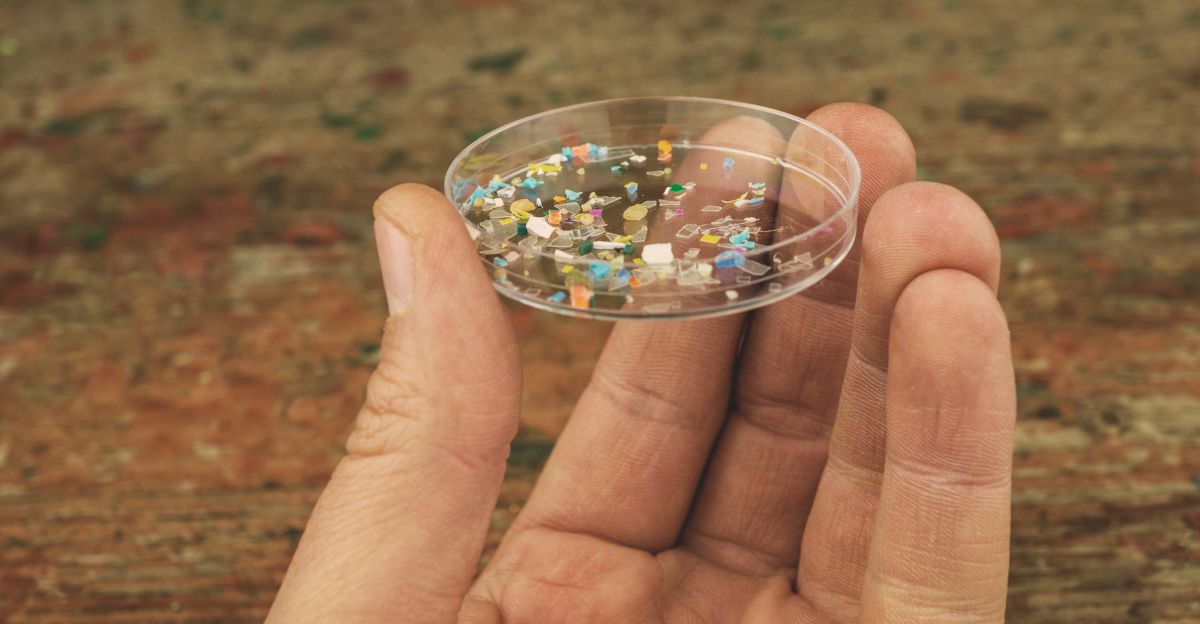
Plastics offer vast surface areas for biofilms and adsorb antibiotics, thereby creating selective pressure for the development of resistant bacteria. Dense biofilms facilitate horizontal gene transfer, efficiently spreading antimicrobial-resistance genes. Dr. Aimee Murray stated, “Our research shows that microplastics aren’t just an environmental issue – they may also play a role in the dissemination of antimicrobial resistance.”
These properties explain the persistent and long-distance transport of pathogens. Next, the discussion turns to why containment failures occur in wastewater systems.
Why Bio-Beads Escape
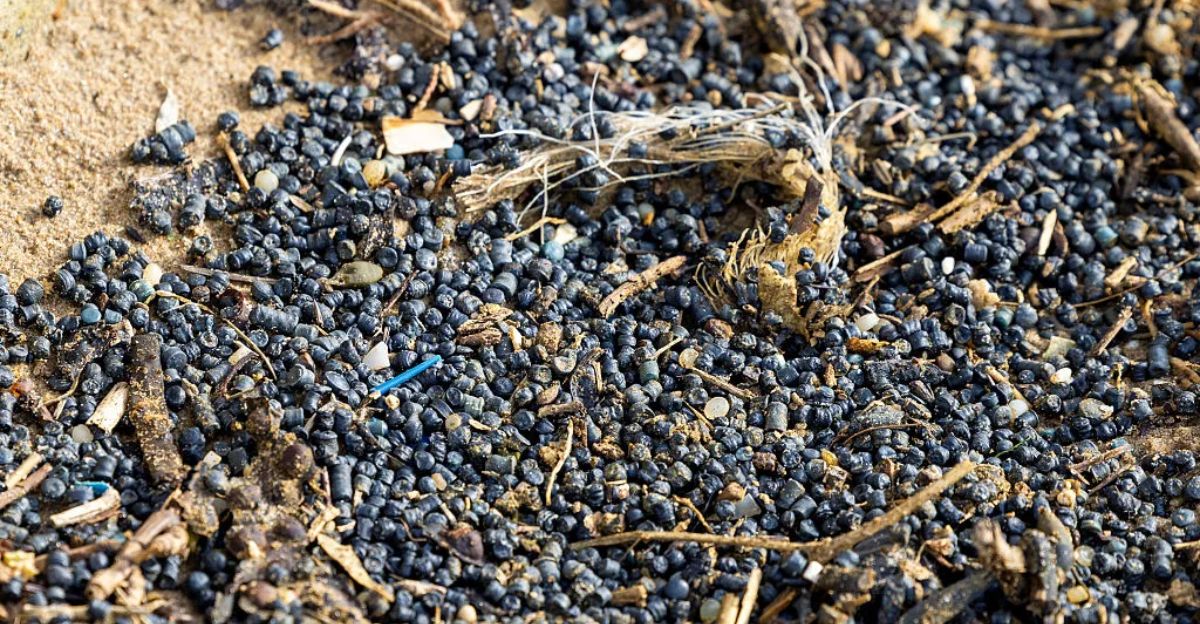
Operational risks include aging infrastructure, limitations of screen mesh, and improper storage. The Sussex spill confirms these vulnerabilities: 10 tonnes of bio-beads escaped due to a treatment tank malfunction and fragmented particles passing through screens.
Financial pressures and cost-effective treatment choices incentivize continued use of plastic beads, despite environmental risks. This connects operational choices to global AMR concerns.
Public Health Threats
WHO projections warn that 39 million people could die from antimicrobial resistance by 2050. Economic costs may reach US$1 trillion annually, with GDP losses up to US$3.4 trillion. Global food security is also at risk, as microplastic-vectored pathogens threaten shellfish and aquaculture production.
The risk highlights the importance of prioritizing volunteer safety and industry mitigation.
Volunteer Safety Measures
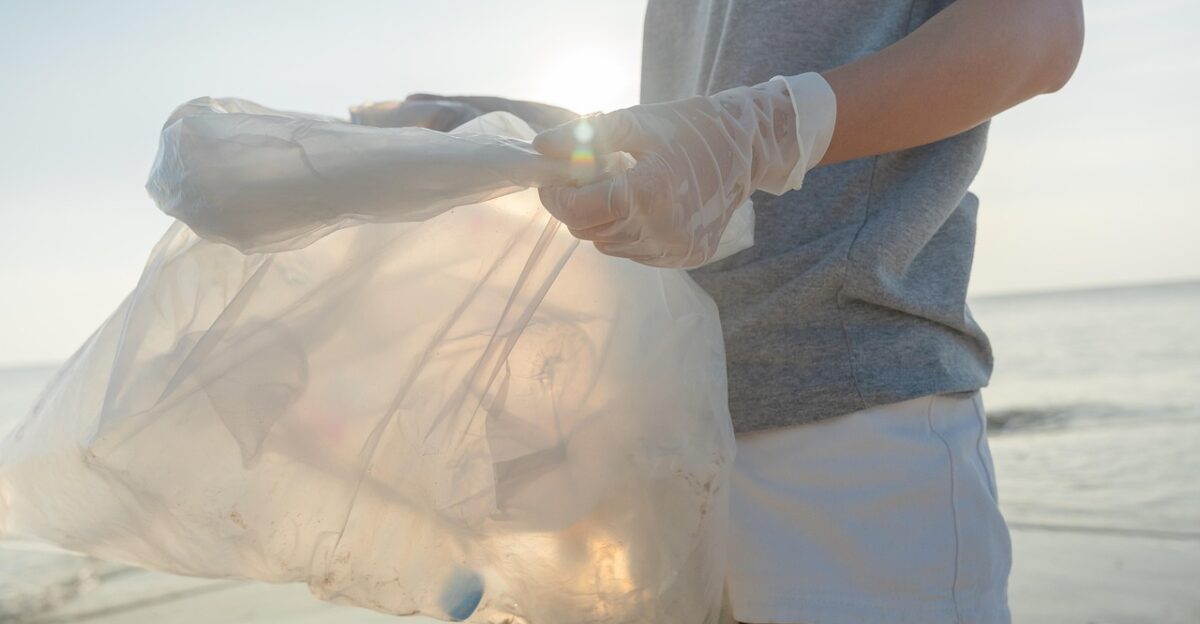
Dr. Stevenson recommends volunteers wear nitrile or latex gloves and wash their hands immediately after cleanup. These measures reduce contact with biofilms containing pathogens and AMR bacteria. The advice targets high-risk individuals who handle concentrated debris, rather than casual beachgoers.
Safety protocols serve as the first line of defense while broader systemic interventions are being planned.
Systemic Solutions: Wastewater Upgrades
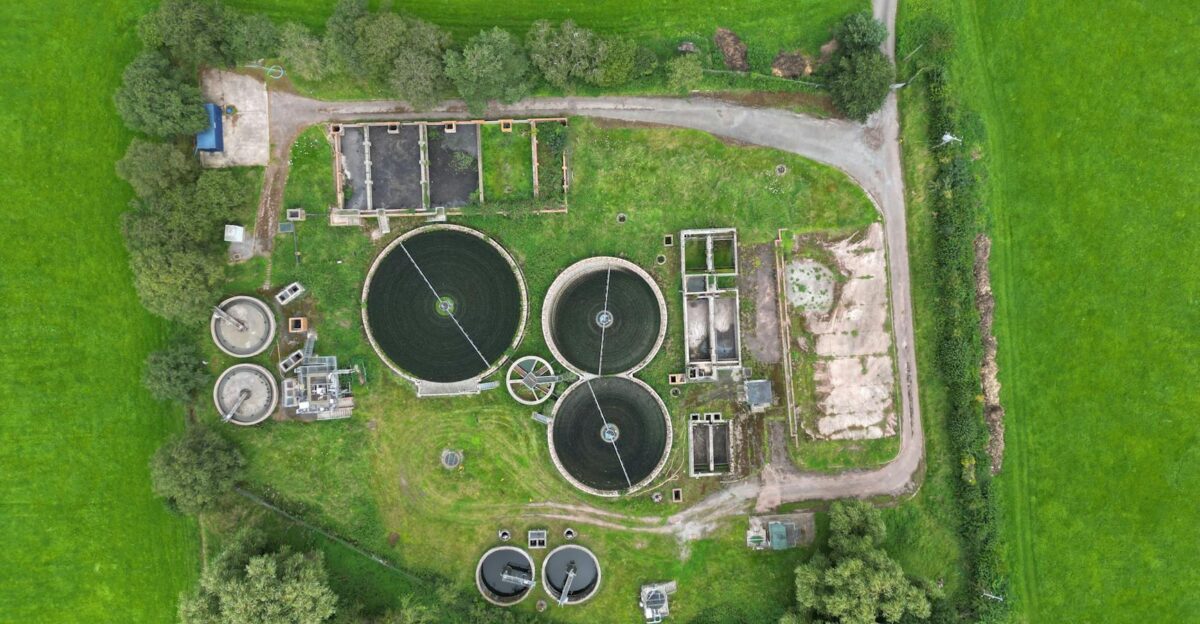
Southern Water and other utilities must improve their infrastructure by implementing battery-powered sieves, Nurdle machines, enhanced mesh screens, and secondary containment. Proactive upgrades reduce environmental release and AMR propagation.
Investment is costly upfront, but cheaper than remediation. Long-term benefits include cleaner waterways, safer beaches, and reduced risk of superbug spread.
Aquaculture Biosecurity
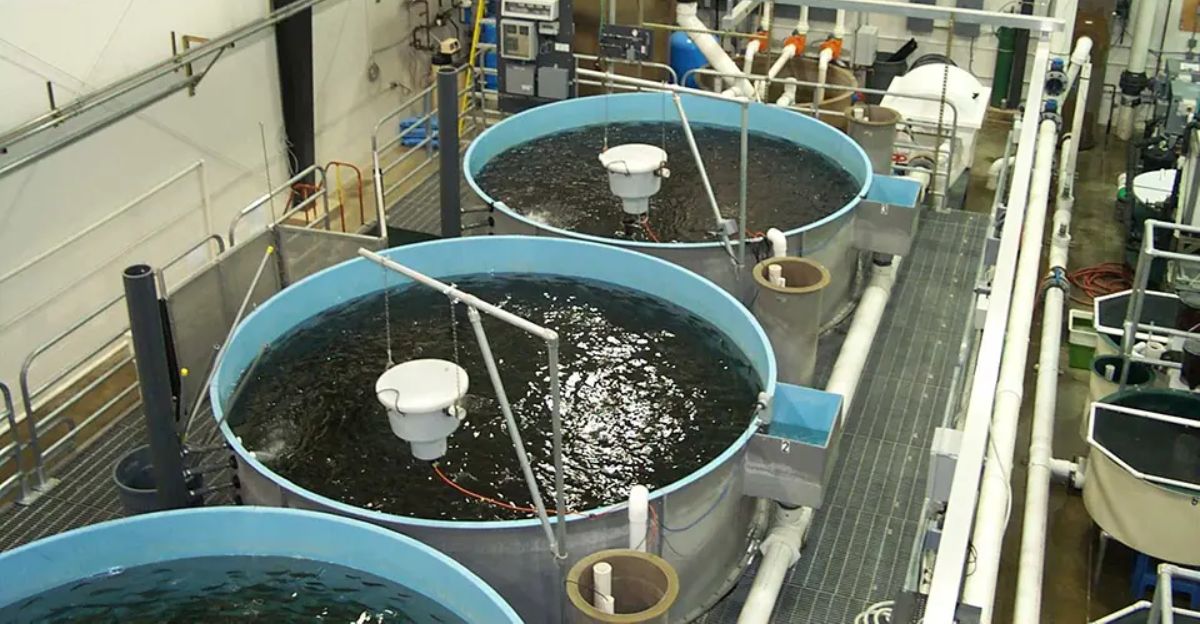
Operators should filter intake water, adopt biosecurity protocols, and site facilities away from wastewater discharge zones. Disease surveillance is critical to prevent outbreaks linked to microplastic-vectored pathogens.
Protecting shellfish and farmed fish preserves US$150 billion in annual production. Early intervention is far more cost-effective than managing outbreaks.
Plastic Industry & Supply Chain Action
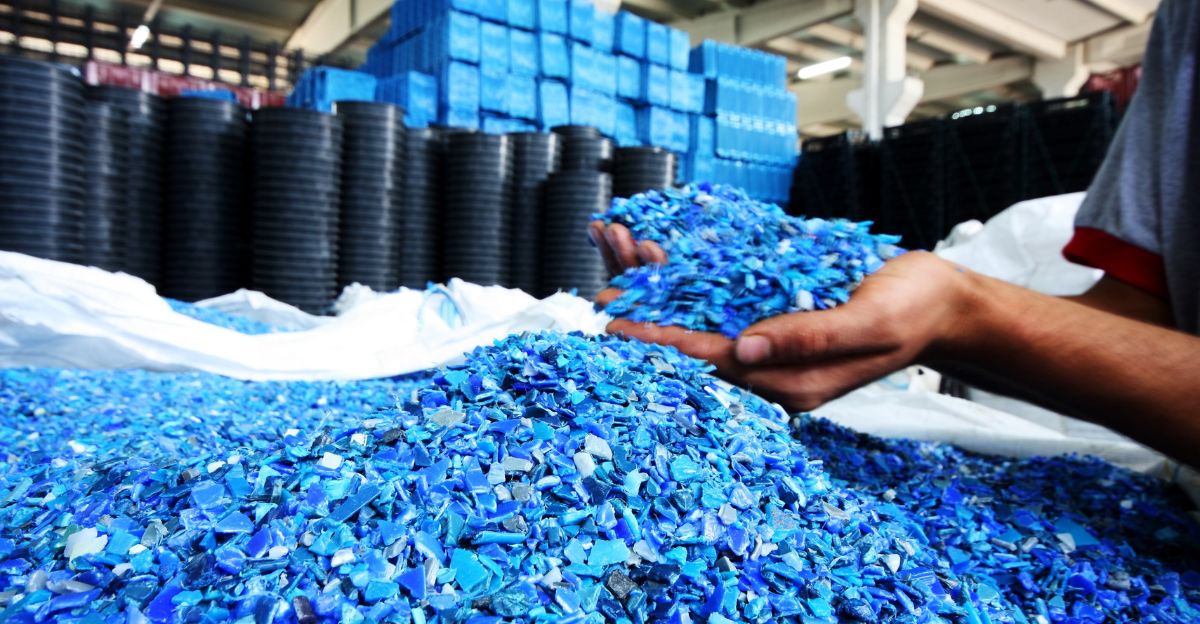
Plastic manufacturers must enhance filtration to prevent nurdle loss and phase out high-risk substrates. Traceability of shipments and containment practices minimize ocean pollution.
Transitioning to ceramic or stone media reduces long-term environmental and AMR risks. This aligns industrial practices with volunteer safety and ecosystem protection.
Economic Impact & Investments
Global interventions total US$700 million–$2 billion, protecting volunteers, wastewater facilities, aquaculture, and coastal populations. Avoided costs include US$1 trillion in AMR healthcare burdens and US$1.5 trillion in tourism losses.
Short-term investments yield long-term savings and health protection. Economic logic reinforces the urgency of action.
Public Awareness & Behavioral Change
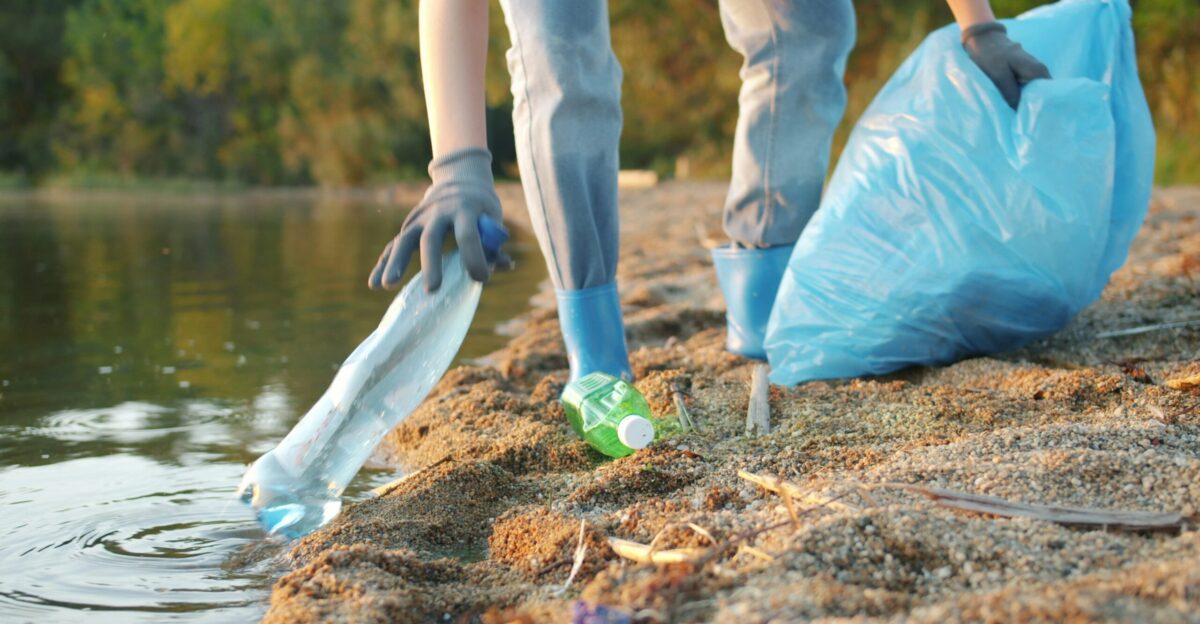
Volunteers and coastal communities must understand the risks of microplastics without panic. Targeted communication campaigns emphasize protective measures and regulatory advocacy to ensure safe participation in cleanups.
Transparency from water utilities on bio-bead losses and replacement schedules builds trust. Public engagement complements systemic infrastructure solutions, forming a comprehensive response to superbug threats.
Looking Ahead: Preventing a Crisis
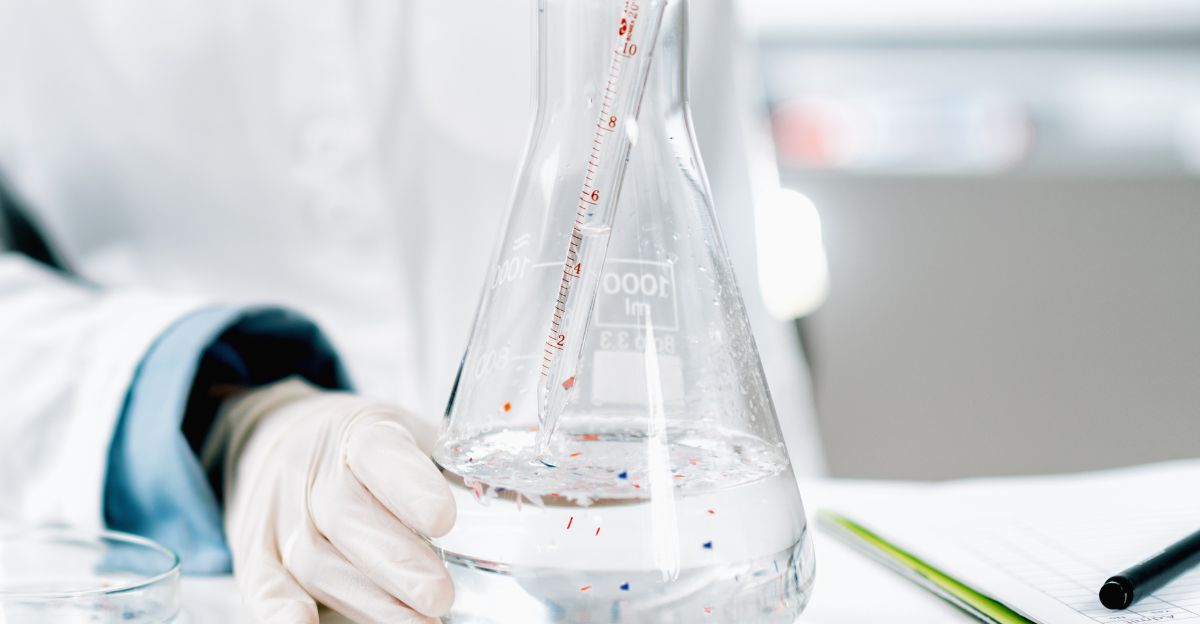
The University of Exeter study warns microplastics may accelerate AMR dissemination globally. Coordinated action across wastewater management, volunteer safety, aquaculture biosecurity, and public awareness can prevent potential health and economic disasters.
Investments now avert projected annual losses of US$1 trillion to US$3.4 trillion. This integrated approach safeguards both human health and the environment.
Sources:
University of Exeter Medical School & Environment and Sustainability Institute, Press Release, 24 November 2025
Stevenson, Emily M., et al., Sewers to Seas: Exploring Pathogens and Antimicrobial Resistance on Microplastics from Hospital Wastewater to Marine Environments, Environment International, 19 November 2025
World Health Organization, Antimicrobial Resistance Fact Sheet, 23 November 2023
National Oceanic and Atmospheric Administration, U.S. Census Bureau Coastal Zones Analysis, November 2025
BBC News & Southern Water, Water firm says pellet spill has cost £2m so far, 28 November 2025
Naylor, Nichola R., et al., The Global Economic Burden of Antibiotic-Resistant Infections, Nature Medicine, 18 June 2025