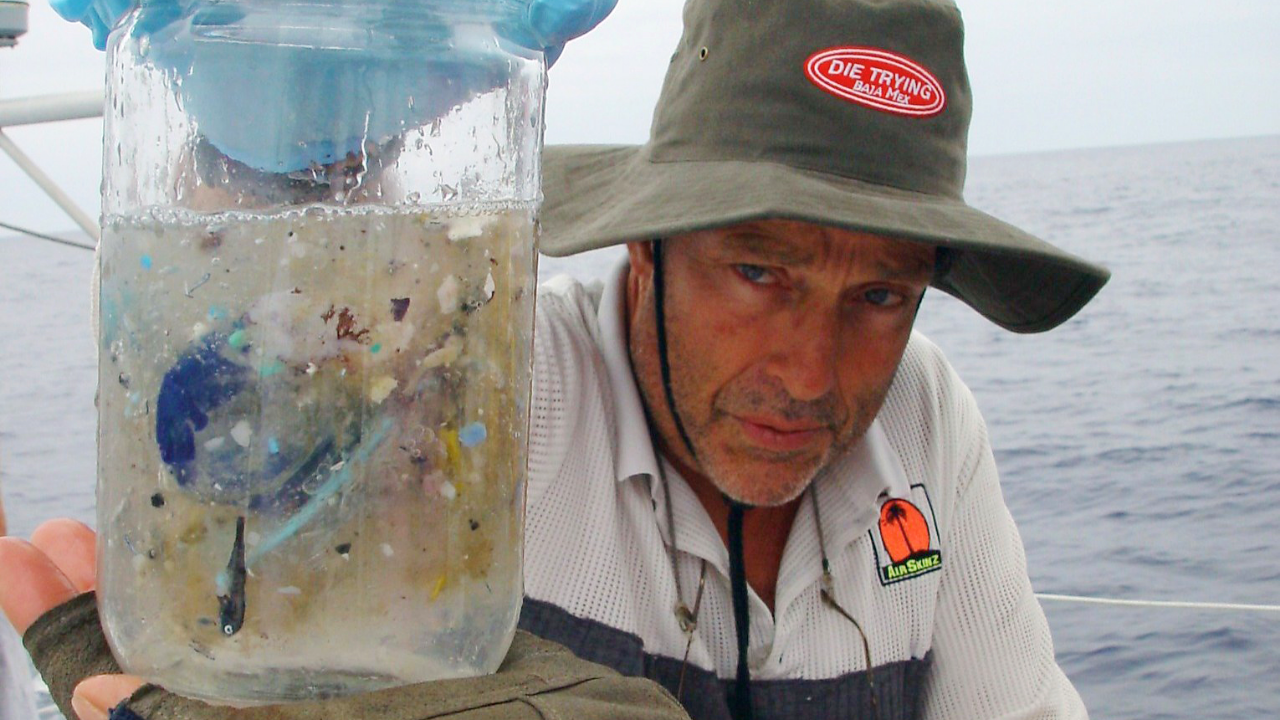
A startling new study reveals that microscopic plastic particles in oceans are carrying dangerous, antibiotic-resistant bacteria directly to beaches, coastal communities, and shellfish farms. Researchers at the University of Exeter found that over 125 trillion microplastics form dense biofilms that host more than 100 unique antimicrobial resistance genes.
Dr. Emily Stevenson of Plymouth Marine Laboratory urges beachgoers and cleanup volunteers to wear gloves and wash their hands thoroughly to limit exposure. With around 67 million Americans visiting beaches yearly, the implications are immediate. Here’s what’s happening along shorelines worldwide…
How Microplastics Harbor Superbugs

Microplastics aren’t just floating debris—they act as miniature ecosystems for bacteria. Polystyrene fragments and nurdles can absorb antibiotics from wastewater, creating ideal conditions for resistant bacteria to thrive and transfer genes. These biofilms allow microbes to survive and even multiply as they travel through waterways, turning each plastic particle into a potential pathogen vehicle.
Professor Pennie Lindeque, a study co-author, said microplastics are “tiny vehicles capable of transporting potential pathogens from sewage works to beaches, swimming areas, and shellfish-growing sites.” Unlike normal dilution in water, bacteria protected in these biofilms remain concentrated, intensifying the risk to humans and marine life.
Real-World Evidence: The Sussex Bio-Bead Spill

The risks predicted by the research became tangible a little over a month ago, when Southern Water reported about 10 tonnes of bio-beads escaped from a wastewater treatment facility. These beads reached Camber Sands in East Sussex, costing £2 million to clean up as of late November, with more expenses expected. The incident highlighted how easily plastic treatment media can breach containment systems, introducing superbug-laden microplastics to environments accessed by beachgoers and coastal communities worldwide.
The spill also underscores the vulnerability of wastewater infrastructure and the urgent need for preventive measures to protect both human health and marine ecosystems.
The Global Scale of Microplastic Threats
The University of Exeter estimates 125 trillion microplastic particles exist in oceans and on the seafloor, each capable of carrying harmful bacteria and resistance genes. Antimicrobial resistance could claim 39 million lives by 2050, according to WHO projections, while economic costs may hit $1 trillion annually and cumulative GDP losses could reach $3.4 trillion by 2030.
Marine industries, particularly aquaculture and shellfish farming, face significant risks. Globally valued at around $310 billion, these sectors could suffer widespread contamination from microplastic-borne pathogens, affecting both supply chains and consumer safety.
Safety Measures for Beachgoers and Volunteers

Immediate action focuses on protecting individuals. Dr. Stevenson recommends wearing nitrile or latex gloves and practicing strict hand hygiene during beach activities and cleanup operations. This guidance is especially critical for the 50,000 to 200,000 volunteers participating in coastal restoration each year in the U.S.
While personal precautions reduce exposure risk, they cannot solve the underlying problem. Systemic solutions are essential to prevent further spread of superbugs via marine plastics.
Long-Term Solutions and Systemic Action
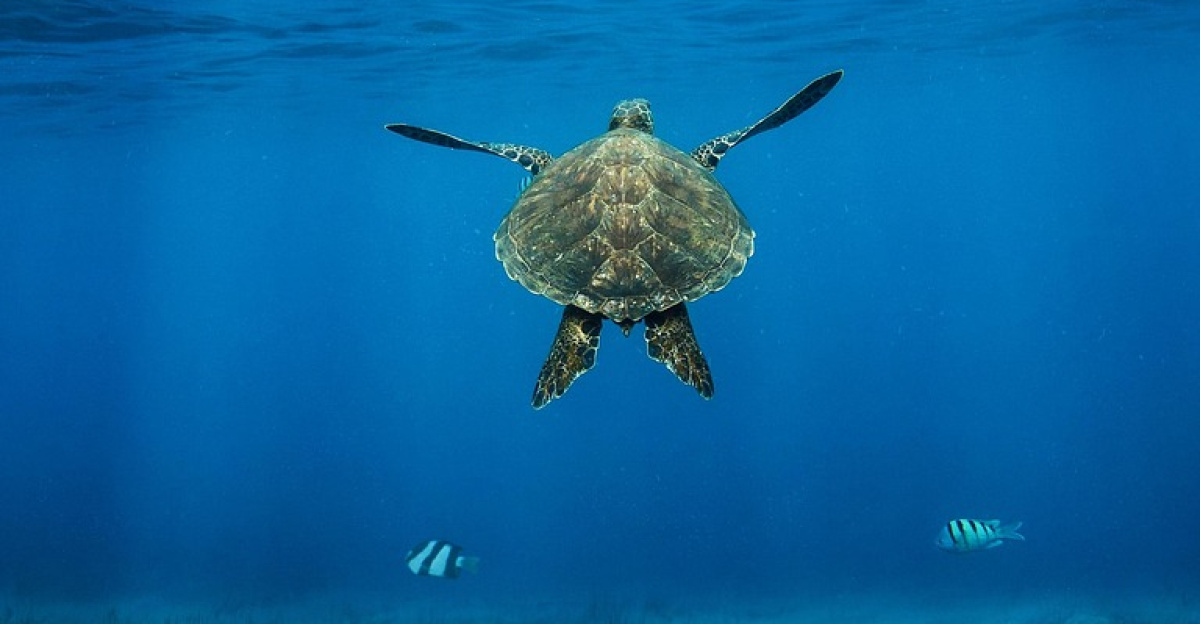
Preventing microplastic-driven superbug transmission requires upgrades across multiple sectors. Water utilities must install enhanced mesh screens, sieves, and secondary containment to stop bio-bead and microplastic leaks. Manufacturers should refine filtration and explore alternatives to high-risk plastic materials. Aquaculture operators can strengthen biosecurity, filter intake water, and site farms away from wastewater discharge zones.
Coordinated investments, transparent public communication, and protective measures for volunteers and beachgoers offer the most cost-effective path forward. Without intervention, microplastics may accelerate antibiotic-resistant pathogen spread for decades, impacting public health, marine ecosystems, and global economies.
The Stakes Are High
Microplastics carrying antimicrobial-resistant bacteria pose a complex threat at the intersection of public health, environmental safety, and economic stability. With 67 million Americans visiting beaches annually and global aquaculture industries at risk, immediate action is vital.
Personal protective measures, such as gloves and handwashing, are crucial for volunteers and visitors, while systemic upgrades in wastewater and plastic management provide long-term solutions.
Failing to act could mean decades of accelerated superbug spread, with profound consequences for human populations, marine life, and global economies. Coordinated strategies offer the best hope for mitigating these risks and safeguarding both public health and coastal ecosystems.
Sources:
University of Exeter Medical School & Environment and Sustainability Institute, Press Release, November 24, 2025
Stevenson, Emily M., et al., Sewers to Seas: Exploring Pathogens and Antimicrobial Resistance on Microplastics from Hospital Wastewater to Marine Environments, Environment International, November 2025
BBC News & Southern Water, Water firm says pellet spill has cost £2m so far, November 28, 2025
World Health Organization, Global Research on Antimicrobial Resistance (GRAM) Project Forecasts, 2024
National Oceanic and Atmospheric Administration (NOAA), U.S. Census Bureau Coastal Zones Analysis, Beach Visitation Survey Data