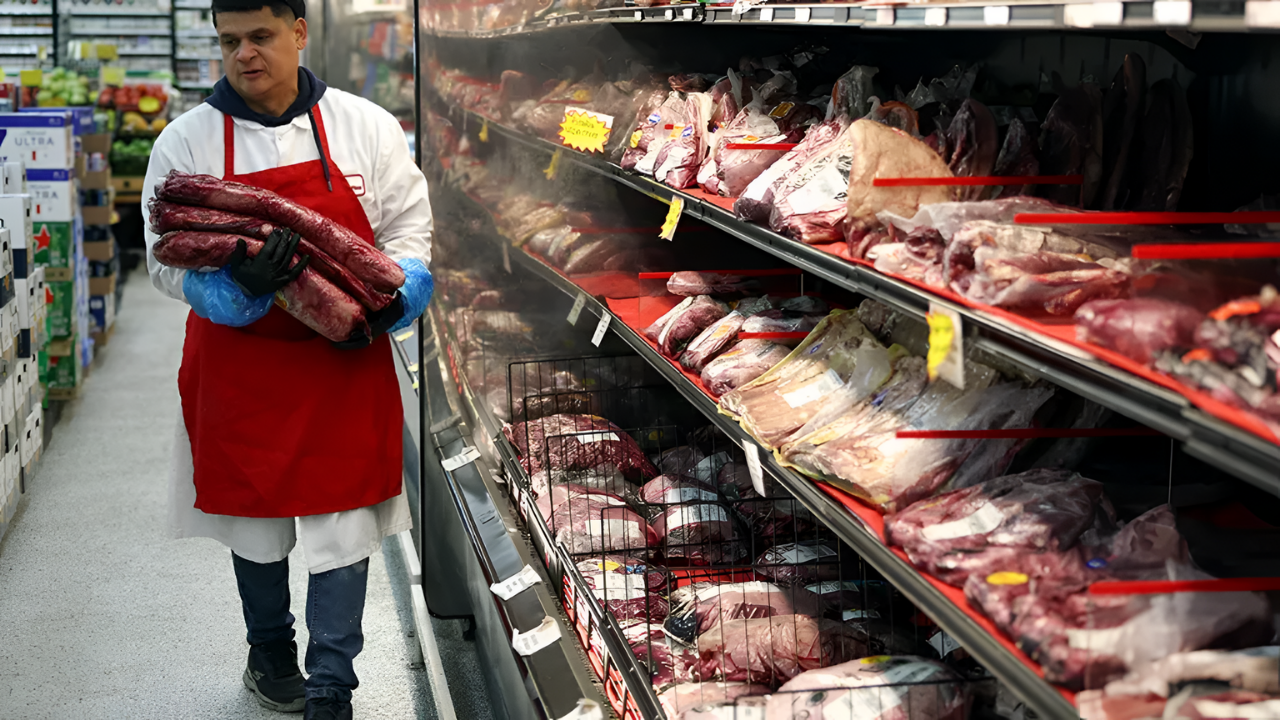
A $500 dinner check suggests indulgence—prime cuts, polished service, and a luxury experience. But inside an acclaimed Chicago steakhouse, that number masks a far harsher reality.
After wholesale beef prices surged roughly 67% since the Covid era began, the restaurant says only a tiny fraction of that bill becomes real profit. The rest is absorbed by food costs, labor, rent, utilities, and insurance before the night ends.
Where the Money Really Goes

That $500 check doesn’t flow cleanly into profit. Premium beef now consumes a much larger share than it did before Covid. Labor costs have climbed, urban rent has risen, utilities are more expensive, and insurance premiums continue to increase.
By the time each expense is accounted for, the restaurant says the margin left behind is surprisingly small—far less than diners typically assume.
Beef Prices Rewrite the Math
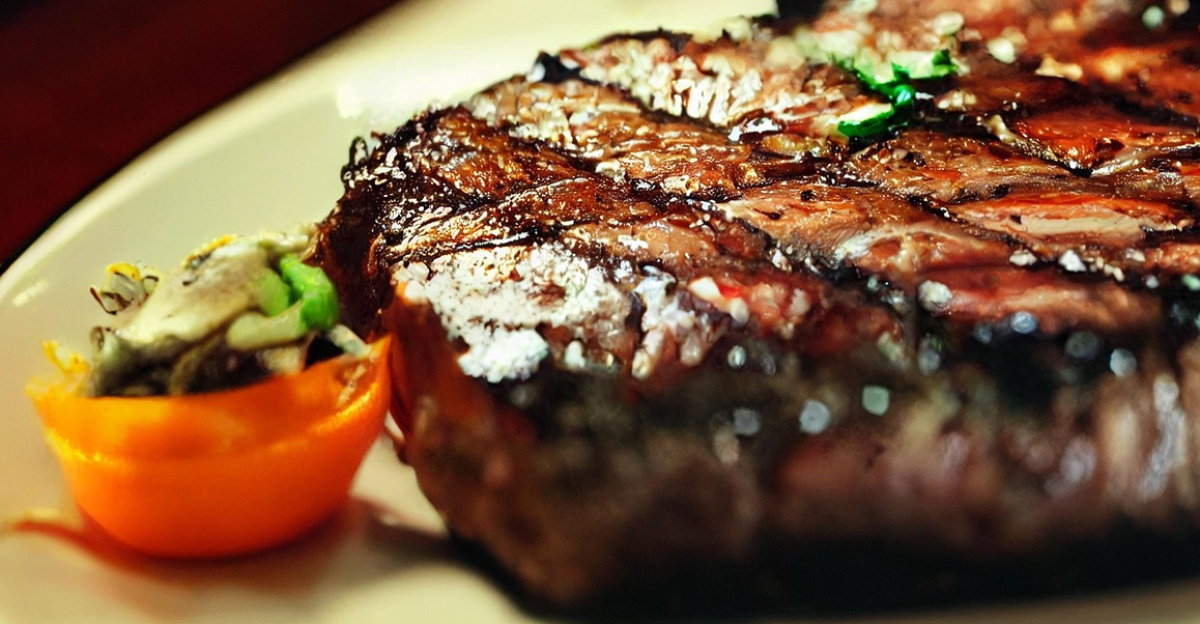
The roughly 67% rise in wholesale beef prices since Covid has rewritten the steakhouse cost equation. Cuts that were once predictable and profitable now strain budgets.
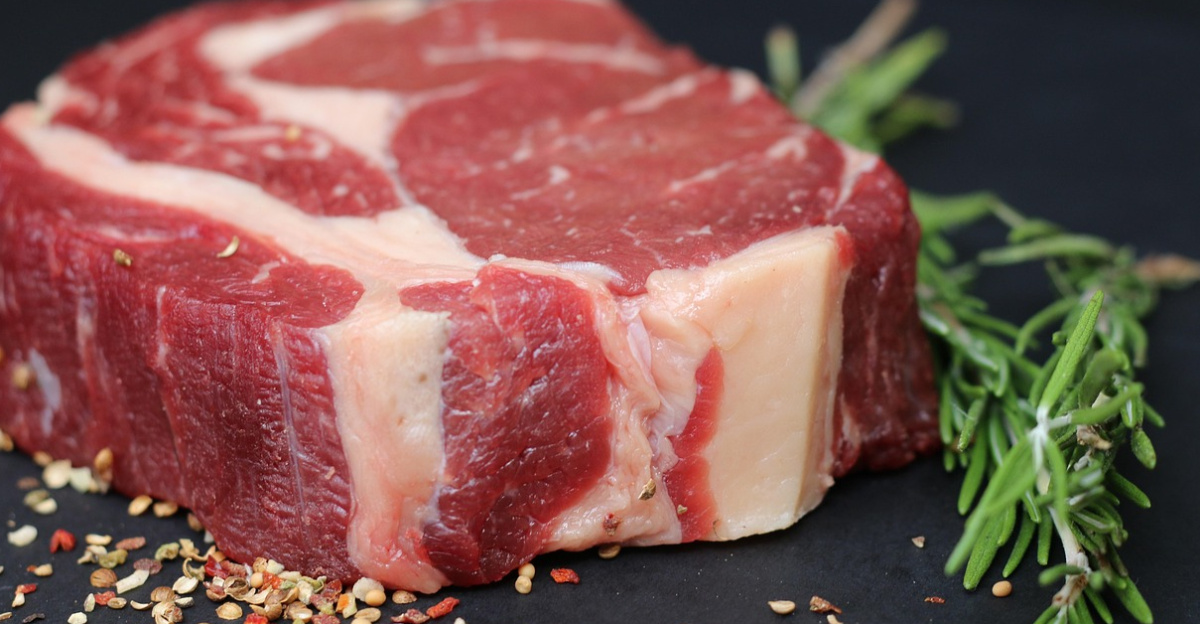
A steak that may have cost about $30 in raw product years ago can approach $50 today—before labor, prep, service, or overhead are added. The core ingredient itself has become a financial anchor.
A Nationwide Squeeze
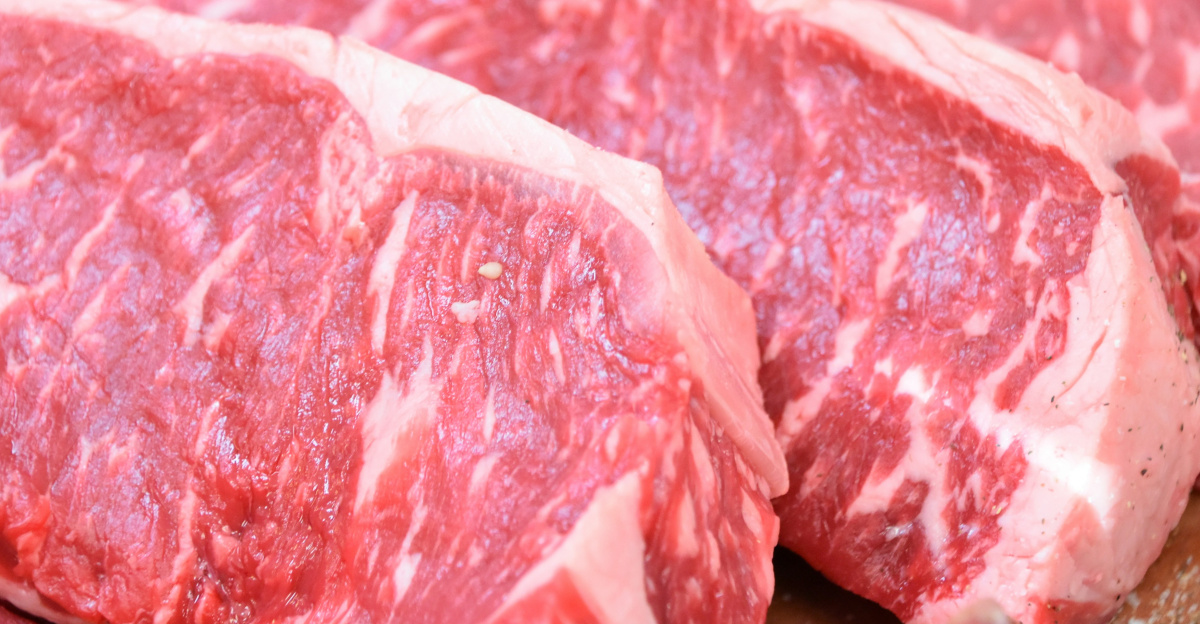
Chicago’s struggle mirrors what upscale steakhouses nationwide are experiencing. Beef costs remain elevated while diners resist steep menu hikes.
Operators are caught between covering expenses and preserving demand. Raise prices too aggressively and dining rooms empty. Hold prices steady and losses quietly accumulate. The situation reflects an industry-wide balancing act that has become increasingly unstable.
The Wall Street Journal Report

The Wall Street Journal’s breakdown of acclaimed Chicago steakhouse Kindling’s economics drew widespread attention. The report revealed that despite the $500 headline number, only a sliver becomes net profit—approximately $25 according to the analysis.
The example was framed not as an outlier, but as representative of what many high-end steakhouses now face as beef, labor, and fixed costs collide in the post-Covid economy.
Why Prices Haven’t Jumped Further
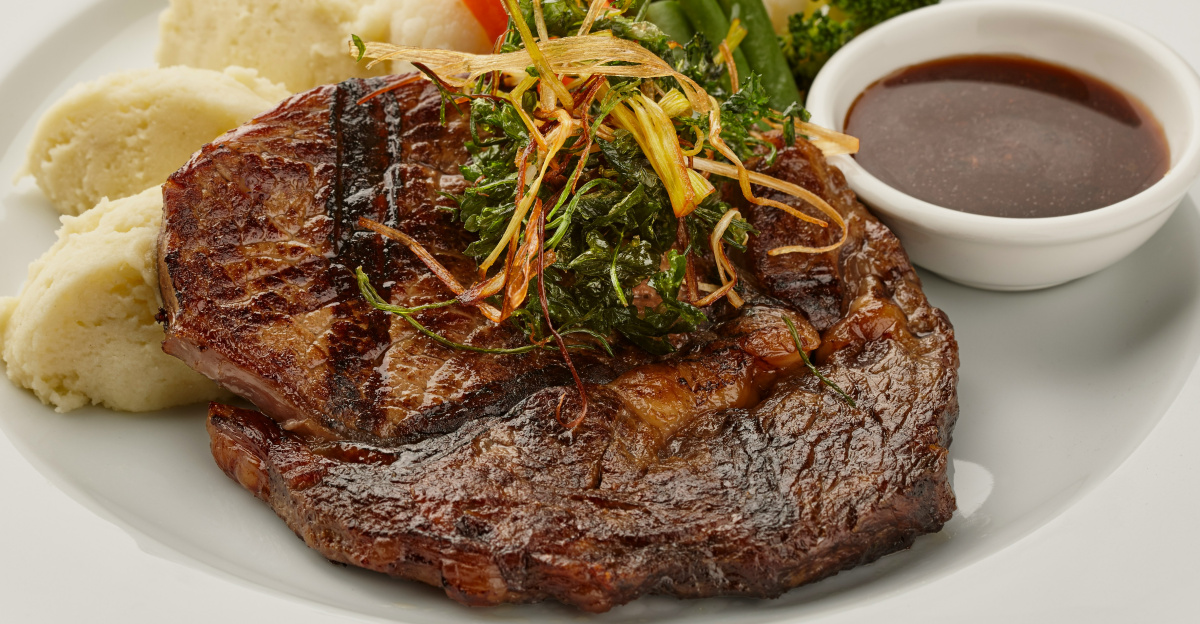
With beef up 67%, diners might wonder why menus aren’t even higher. Operators say sticker shock is the limiting factor. A $500 dinner already feels like a stretch for many guests.
Push prices further, and special-occasion diners may disappear altogether. Many operators are absorbing costs instead, hoping to protect volume and avoid driving customers away.
Labor Adds Another Weight

Food inflation isn’t the only pressure. Staffing costs have risen sharply since Covid, particularly in major cities. Higher wages, competition for experienced cooks, and the need to maintain service standards all raise expenses.
When labor increases alongside beef costs, even fully booked dining rooms can struggle to generate meaningful profit by the end of the night.
Rent, Utilities, Insurance
Urban steakhouses face some of the highest fixed costs in the restaurant industry. Prime-location rents continue to climb, utilities remain elevated, and insurance premiums have increased.
These expenses don’t fluctuate with customer traffic—they’re constant. Even on busy nights, a large portion of revenue is already committed before a single plate reaches the table.
Understanding Restaurant Economics
The $500-check breakdown challenges a common assumption: that expensive restaurants are padding profits. In reality, triple-digit tabs often reflect survival pricing.
After a 67% beef increase and years of rising overhead, high menu prices may simply keep operations afloat. What looks excessive on the surface may barely cover costs behind the scenes, with typical profit margins of 3-5% in the full-service restaurant industry.
Challenging Assumptions

For many, the economics revealed by industry reporting run counter to expectations. Fine dining has long been viewed as insulated from inflation.
The $500 example shows otherwise. Even acclaimed steakhouses are vulnerable when their core ingredient nearly doubles in cost and stays elevated. Luxury no longer guarantees stability—it magnifies exposure to rising input costs.
Industry Uncertainty

Thin margins affect entire operations. Servers, cooks, and support staff face uncertainty about hours, staffing levels, and long-term stability when profit margins tighten.
The disconnect between high prices and fragile finances creates challenges, especially in an industry where livelihoods depend on steady volume and consistent service demand.
The Volume Gamble
To survive rising costs, many steakhouses rely on volume. Full dining rooms are essential. But that strategy carries risk.
Any slowdown—economic uncertainty, fewer celebrations, or customer price fatigue—can quickly erase already thin margins. When profit depends on near-constant capacity, even small dips in traffic become dangerous.
Why This Era Is Different
Industry analysts describe the current period as one of the toughest cost environments upscale steakhouses have faced in decades. Food inflation, labor shortages, and rising commercial rents aren’t arriving in isolation.
They’re converging at once. This combination leaves operators with fewer levers to pull and far less margin for error.
The Hidden Cost of Holding Prices

Holding menu prices steady may appear customer-friendly, but it carries a hidden cost. Every month beef remains 60–70% above pre-Covid levels quietly erodes profitability.
Owners effectively subsidize each plate, betting that conditions will improve before reserves run dry. It’s a strategy built on endurance, not comfort.
Could $500 Become $600?
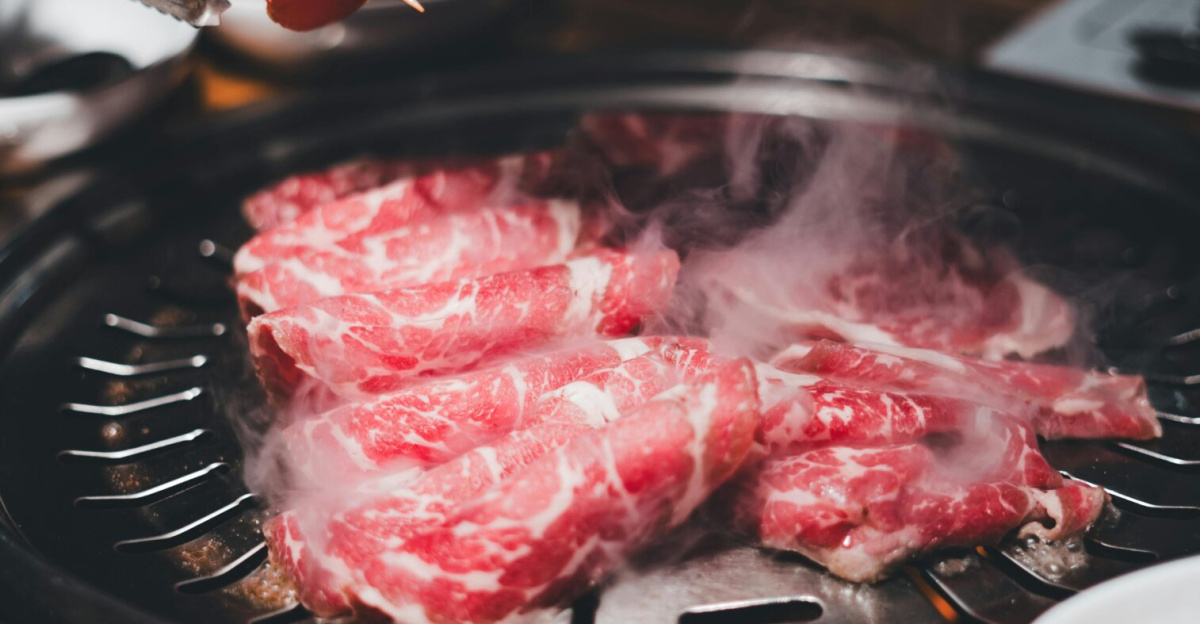
If wholesale beef rises again, today’s $500 dinner could approach $600 or $700. That possibility concerns both diners and operators.
What was once an occasional indulgence risks becoming unreachable for many guests. Each additional price jump narrows the audience, turning celebration meals into rare, once-in-a-decade events.
Why Steakhouses Feel It First
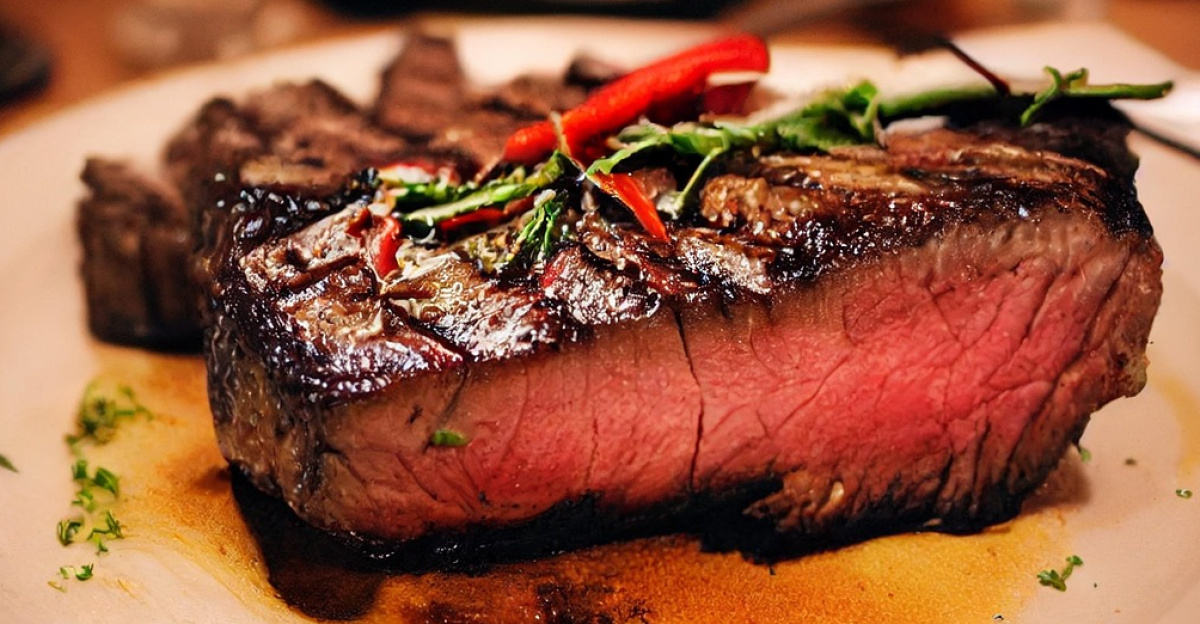
Steakhouses feel inflation faster than most restaurants because beef isn’t optional—it defines the concept.
While other establishments can pivot menus or adjust proteins, steakhouses are tied to a product that has surged dramatically in price. Their identity leaves little flexibility when wholesale costs climb and remain elevated.
Transparency as a Strategy
Some operators now see transparency as valuable. Explaining where each dollar goes—and why prices look high—may help maintain customer understanding.
Industry reporting on steakhouse economics suggests honesty could resonate more than silent price increases. In a strained market, transparency becomes less about marketing and more about maintaining relationships with guests.
A Test for the Entire Industry
The $500-check economics aren’t just about one restaurant. They represent a stress test for upscale dining as a whole.
If acclaimed steakhouses operate on razor-thin margins under these conditions, less established venues may struggle even more. The example raises questions about how many operators can endure prolonged cost pressure.
A Redefined Luxury
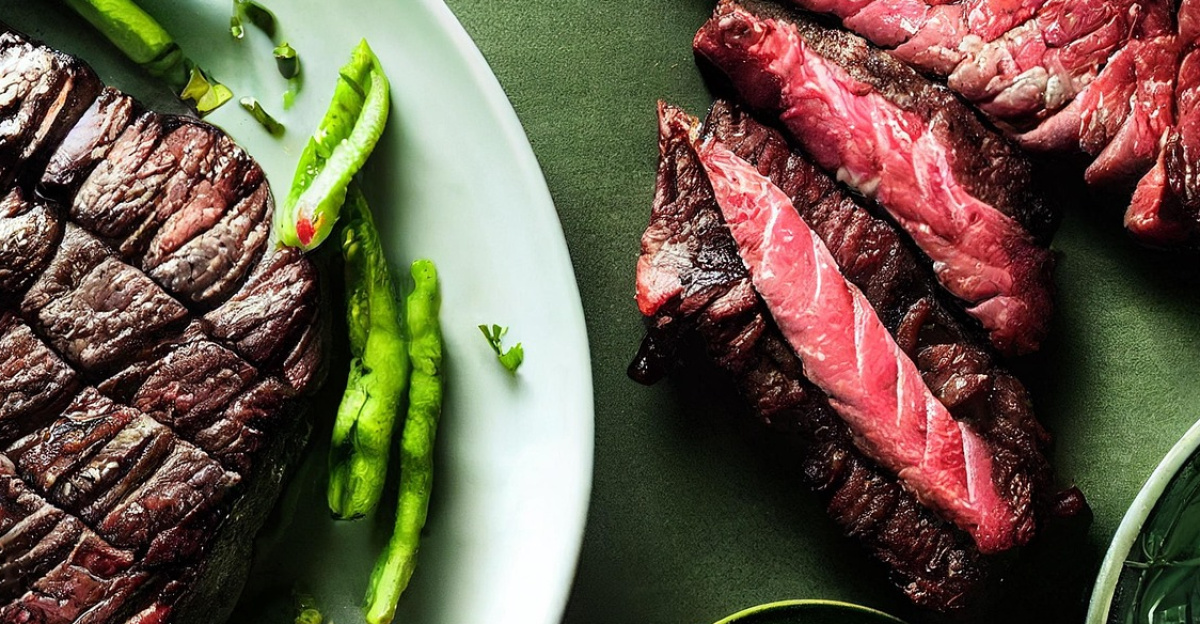
Luxury dining is being redefined. It no longer guarantees strong margins or financial comfort. Instead, it reflects resilience—maintaining quality, staff, and consistency while navigating historic cost inflation.
The economics show that high prices don’t equal excess; they often reflect an industry working to preserve standards amid shrinking margins.
What the $500 Check Really Signals
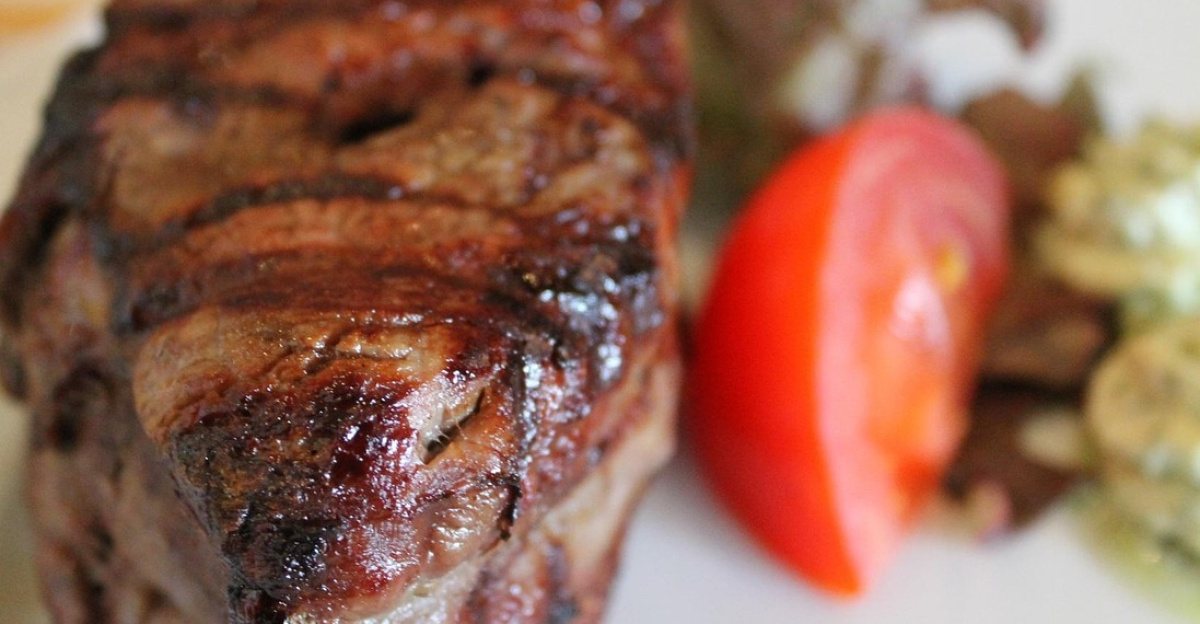
That $500 dinner check now signals more than indulgence. It reflects a challenging economic environment shaped by a 67% surge in beef prices and years of rising overhead.
As costs remain elevated, steakhouses face difficult choices: adapt pricing and operations, communicate economics clearly to customers, and work to sustain their businesses—or risk watching a classic American dining tradition become increasingly difficult to maintain.
Sources:
“Why a $500 Steak Dinner Only Yields a $25 Profit.” The Wall Street Journal, 28 Dec 2025.
“As the Price of Beef Soars, Restaurants Are in ‘Code Red’ Mode.” The New York Times, by Julie Creswell, 10 Dec 2025.
“Food Price Outlook – Summary Findings.” U.S. Department of Agriculture Economic Research Service, Sep 2025.
“Livestock, Dairy, and Poultry Outlook: December 2025.” U.S. Department of Agriculture Economic Research Service, Dec 2025.