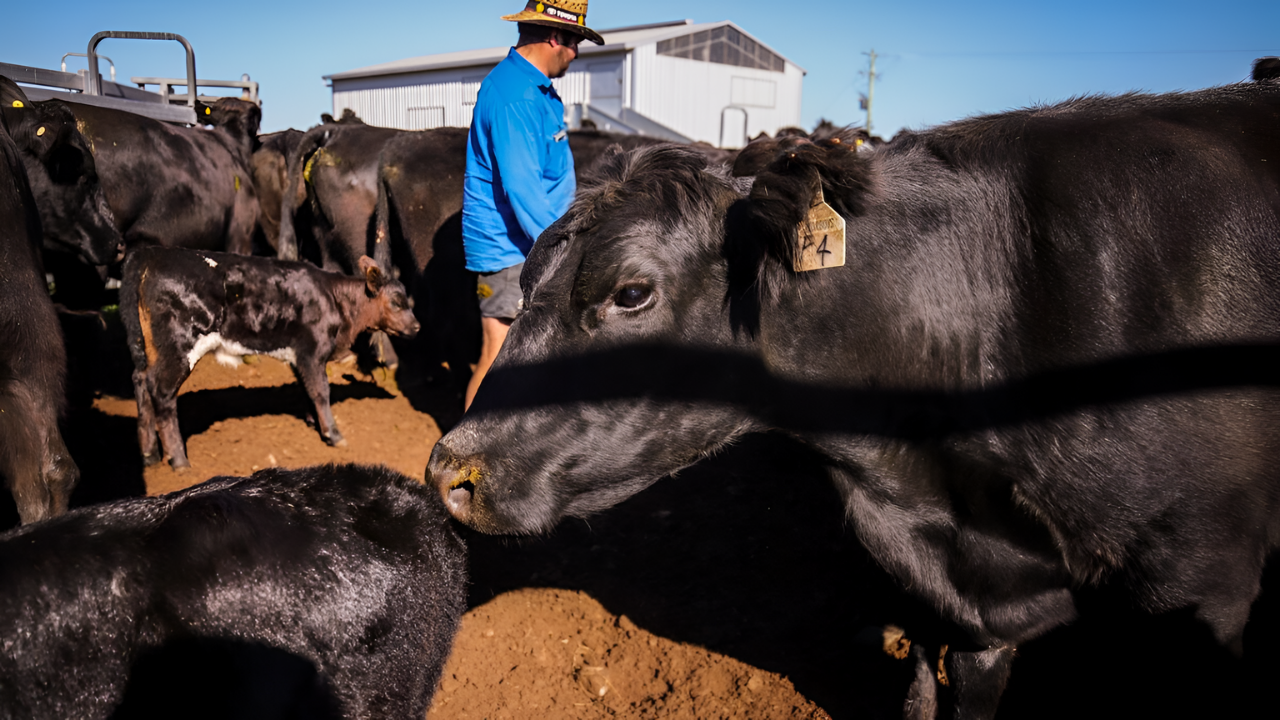
A $500 dinner tab at a top Chicago steakhouse evokes images of lavish excess, but the numbers tell a different story of razor-thin survival amid soaring costs.
Wholesale beef prices have jumped about 67% since the Covid era, devouring a larger slice of every check. After accounting for food, labor, rent, utilities, and insurance, operators report just a sliver remains as profit—around $25 in one detailed example from acclaimed spot Kindling. This Chicago case highlights pressures squeezing upscale steakhouses across the U.S., where high tabs barely keep doors open.
Beef’s Heavy Burden
The surge in wholesale beef prices has upended the math for steakhouses. A cut costing roughly $30 pre-Covid now nears $50 in raw product alone, before any preparation, cooking, or service. This core expense, central to the steakhouse identity, leaves little room to maneuver. Other restaurants might swap proteins, but steakhouses cannot—beef defines them, amplifying vulnerability when prices stay elevated.
A National Dilemma
The strain extends nationwide, with operators navigating a tightrope. Beef costs linger high while customers balk at sharp menu increases. Raise prices too much, and tables sit empty; absorb the hit, and losses mount. Fully booked nights offer no guarantee of solid returns, as converging pressures erode gains. Industry observers note this as one of the toughest environments in decades, with food inflation, labor shortages, and climbing rents hitting simultaneously.
Layered Operating Costs

Labor adds significant weight, especially in cities. Wages have risen amid competition for skilled cooks and servers, while maintaining polished service standards demands more. Fixed overhead bites deeper too: prime urban rents climb steadily, utilities cost more, and insurance premiums swell. These unchanging expenses claim revenue before a single steak hits the plate, regardless of crowd size. Even bustling evenings see much of the take vanish into essentials.
The Pricing Bind
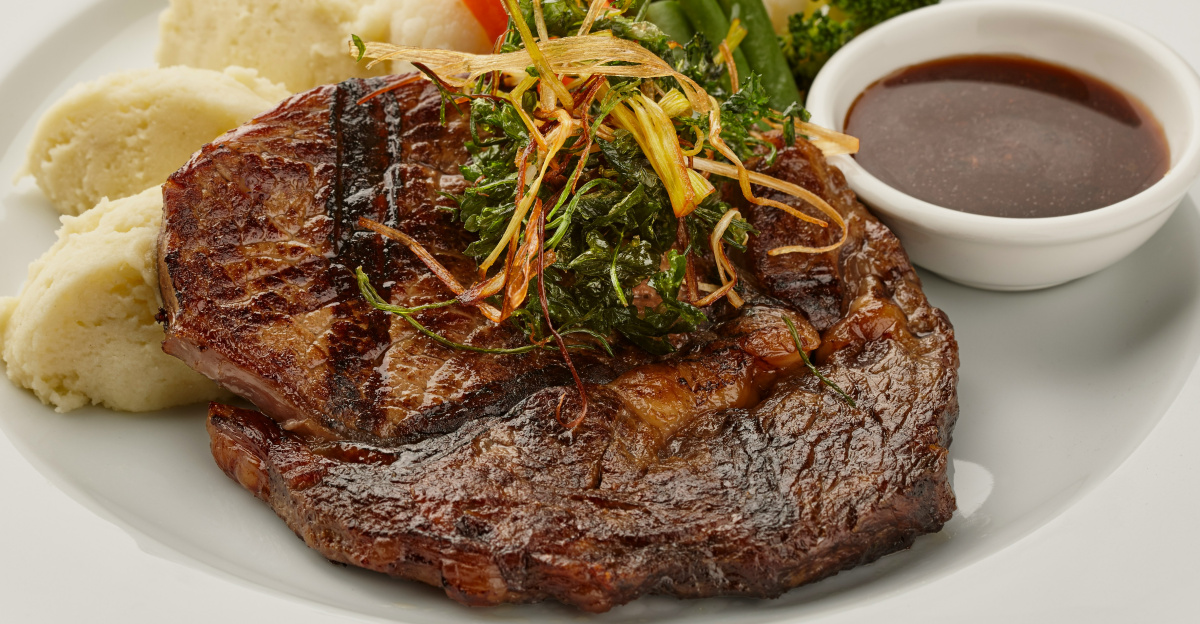
Diners might expect menus to reflect the 67% beef hike fully, yet prices hold somewhat steady to avoid sticker shock. A $500 meal already tests occasional visitors; pushing to $600 or $700 could shrink the audience further, turning indulgences rare. Operators often subsidize plates, eroding reserves in hopes of better conditions. This endurance play prioritizes volume—full rooms are vital—but risks disaster from any traffic dip, like economic wobbles or fatigue.
Looking Ahead
These economics challenge perceptions of fine dining as a profit haven. Typical full-service restaurant margins hover at 3-5%, and steakhouses now exemplify survival pricing amid prolonged inflation. Staff face hour cuts and uncertainty when profits thin. Some owners eye transparency, explaining costs to build guest loyalty over silent hikes. As beef lingers 60-70% above pre-Covid levels, the sector confronts a pivotal test: adapt operations, adjust prices judiciously, or watch a dining staple strain under unrelenting pressure. The outcome will shape upscale meals’ accessibility and the businesses sustaining them.
Sources:
“Why a $500 Steak Dinner Only Yields a $25 Profit.” The Wall Street Journal, 28 Dec 2025.
As the Price of Beef Soars, Restaurants Are in ‘Code Red’ Mode.” The New York Times, by Julie Creswell, 10 Dec 2025.
“Food Price Outlook – Summary Findings.” U.S. Department of Agriculture Economic Research Service, Sep 2025.
“Livestock, Dairy, and Poultry Outlook: December 2025.” U.S. Department of Agriculture Economic Research Service, Dec 2025.