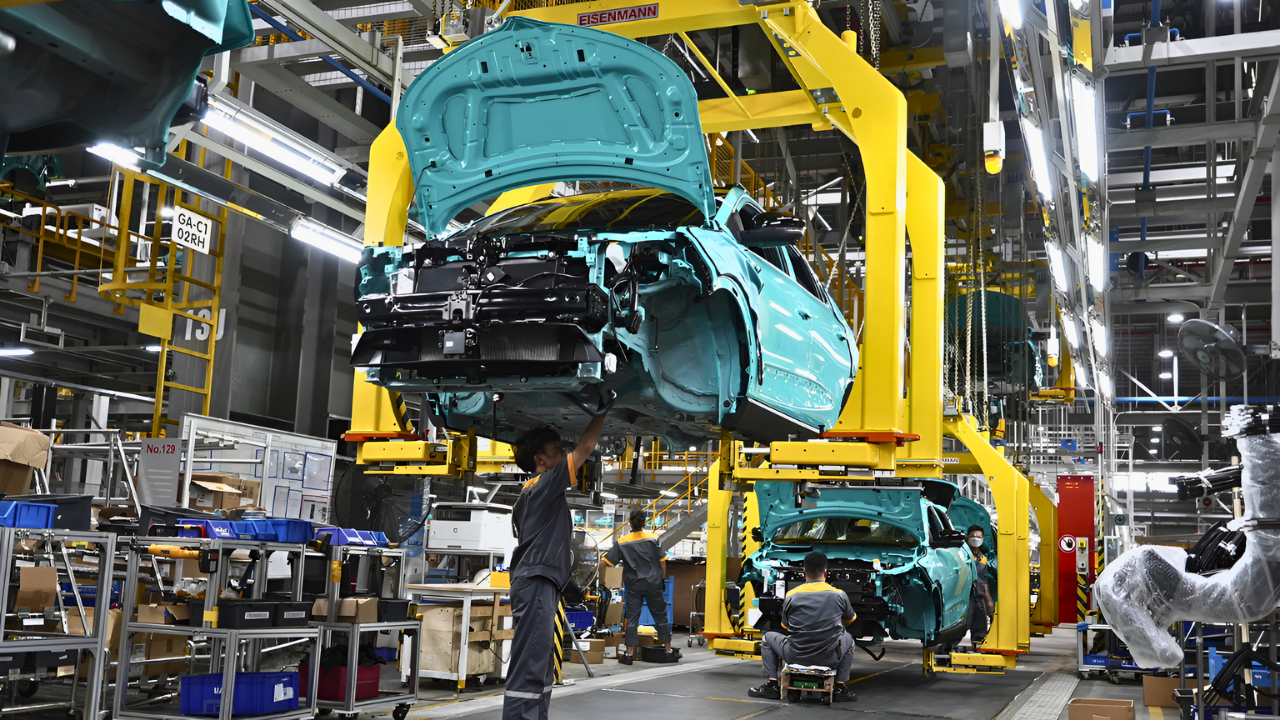
VinFast, Vietnam’s ambitious electric vehicle manufacturer, is orchestrating a rapid retreat from North American markets after just two years of operation. The company announced closure of all 15 California direct-to-consumer showrooms and 50% of Canadian corporate stores, signaling a fundamental failure in its international expansion strategy.
These closures represent an admission that VinFast cannot compete in developed markets with established EV competitors, despite receiving over $20 billion in cumulative funding from parent company Vingroup and founder Pham Nhat Vuong since 2017.
Stock Market Delivers Harsh Verdict

VinFast’s publicly traded shares have collapsed 96% from their August 2023 peak of $93 to approximately $3.46 by December 2024. Market capitalization cratered from over $85 billion—briefly exceeding Ford and General Motors—to approximately $7.7 billion today. The company went public through a Black Spade Acquisition SPAC merger, bypassing traditional IPO scrutiny.
Founder Vuong controls 97.9% of shares, with minimal float and genuine price discovery. Stock analysts maintain conservative price targets of $5.50-$6.00, implying limited upside despite current distressed valuations.
Quarterly Losses Reach Catastrophic Levels
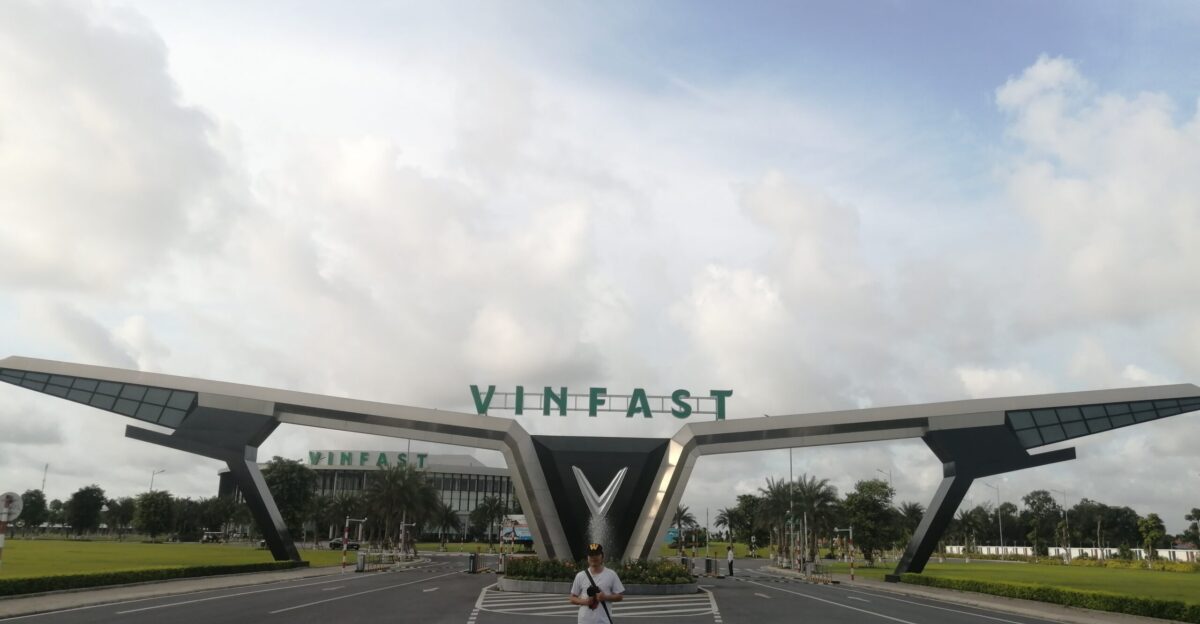
VinFast reported a net loss of $1.26 billion in Q4 2024 alone—131% wider than the prior quarter and 81% worse than Q4 2023. Full-year 2024 accumulated losses reached $3.18 billion, compared to $2.4 billion in 2023. Since inception through 2024, cumulative losses exceed $5.7 billion.
The company’s gross margin remained negative 57.4% for full year 2024, meaning VinFast loses more than half the sale price on every vehicle before covering operating expenses.
Negative Unit Economics Persist Everywhere
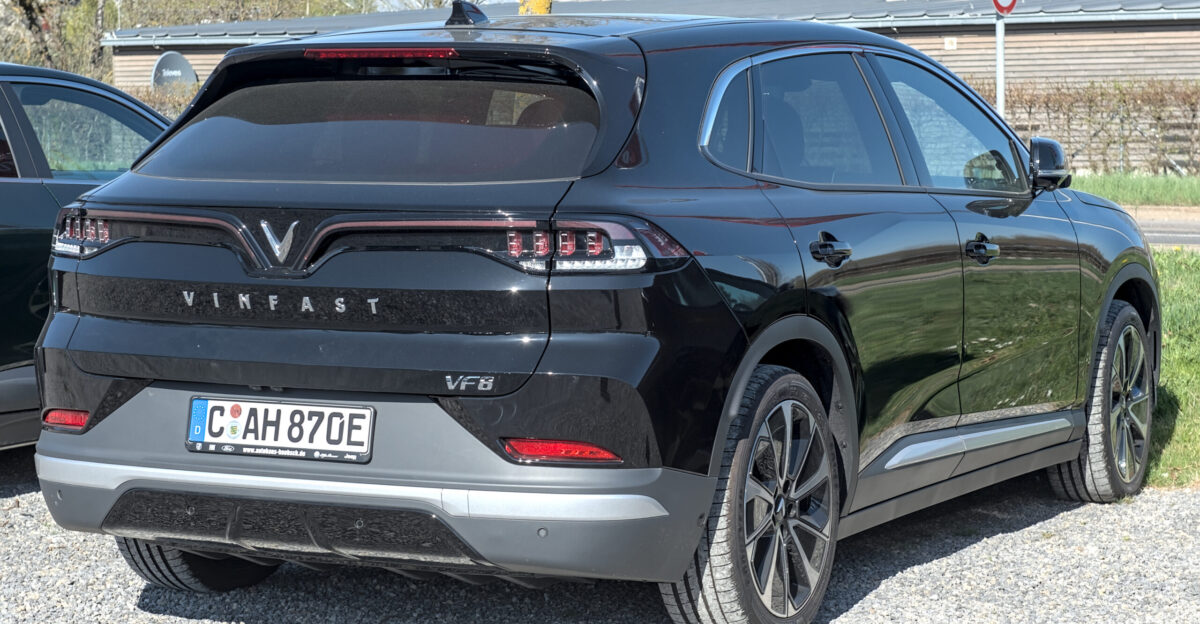
VinFast’s material costs per vehicle considerably exceed those of Tesla and BYD, according to research firm Third Bridge, due to limited scale and supplier caution regarding the company’s uncertain future. Negative gross margins indicate the company cannot achieve profitability without dramatic cost reduction or substantial price increases both economically implausible.
Production capacity utilization at Hai Phong facility barely exceeded 30% despite 97,399 vehicle deliveries in 2024, far below the break-even threshold of 60-70% for automotive manufacturing.
Dealership Network Collapses Nationwide
VinFast claimed to have signed 38 franchise dealers by April 2024, but the actual operational network has contracted to approximately 14-17 genuinely active dealerships. In Canada, the company closed five of ten corporate stores, including high-visibility locations in Toronto, Vancouver, and Laval, blaming reduced EV sales and expiring government rebates.
Leith VinFast in North Carolina, once positioned as a flagship dealership, permanently closed on December 31, 2024, exemplifying the broader dealer exodus.
Why Dealers Refuse to Partner
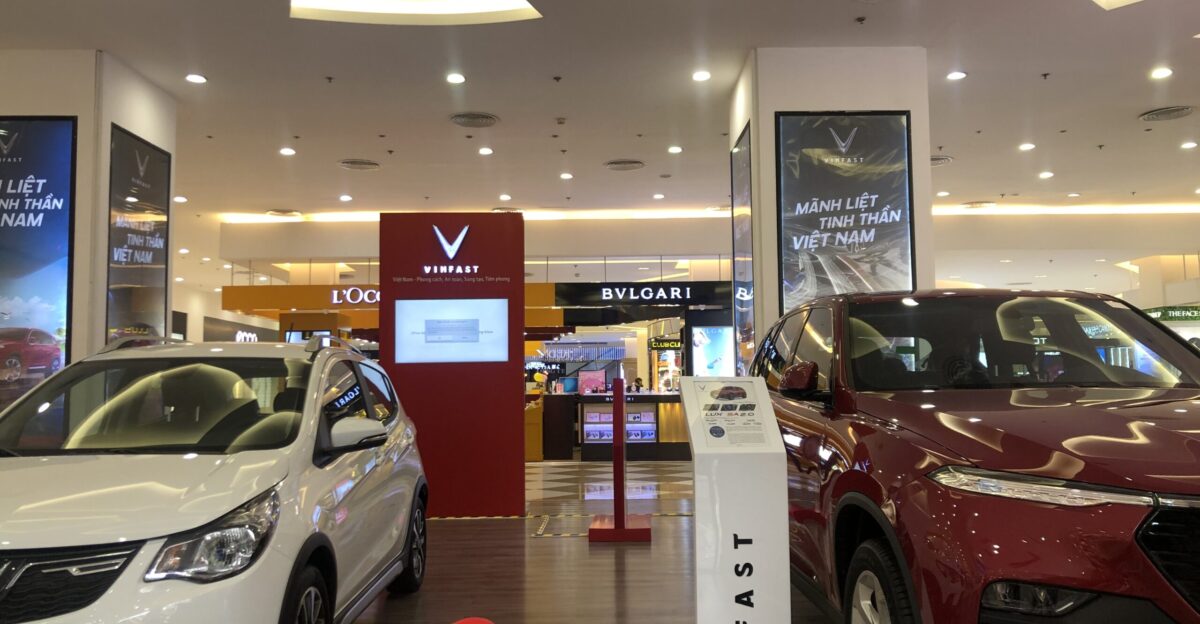
Franchise dealer economics are prohibitively negative. Traditional ICE dealerships generate substantial service department profits that cross-subsidize thin new vehicle margins; EVs require dramatically less maintenance. VinFast offers approximately 6% dealer margin—potentially viable for large multi-brand groups but unsustainable for single-brand dealers.
With U.S. annual deliveries in the hundreds, individual dealers sell only 10-20 vehicles yearly—insufficient to cover facility, staffing, and inventory carrying costs.
India Dealer Network Collapses
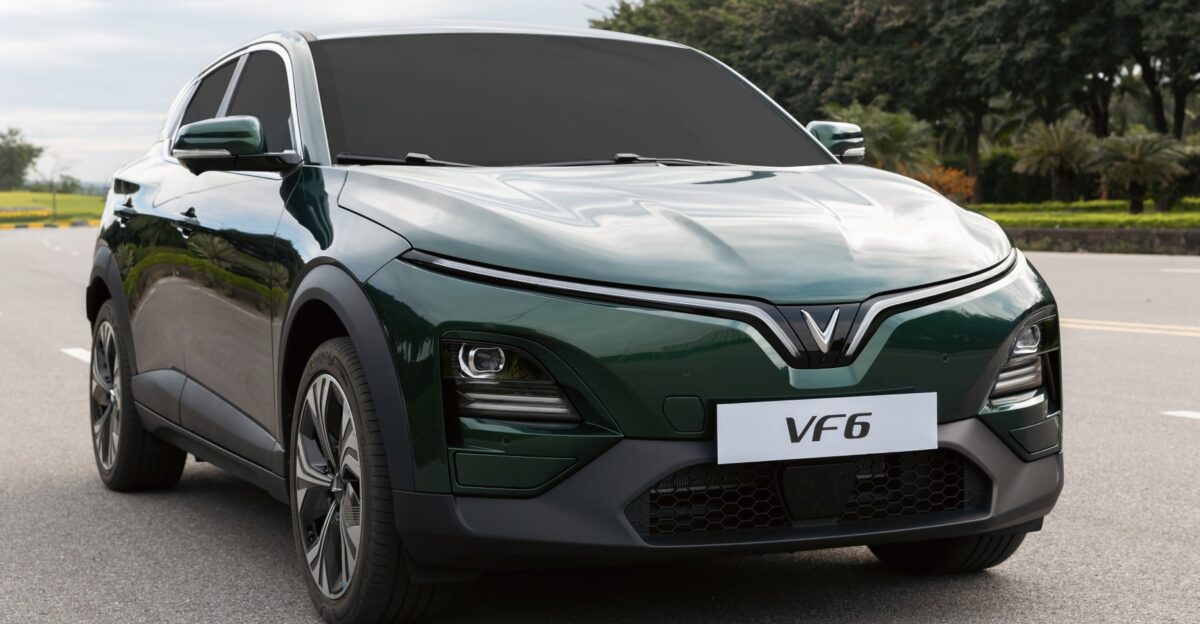
VinFast’s India expansion proves the pattern isn’t regional—it’s systemic. Following the January 2025 Bharat Mobility Show, the company appointed dealers across 40 locations, but 80% subsequently withdrew letters of intent, leaving only 8-10 committed partners.
Departing dealers cited “inconsistencies in distribution planning, pricing strategies, and product positioning approaches.”
Product Quality Issues Destroy Brand Credibility
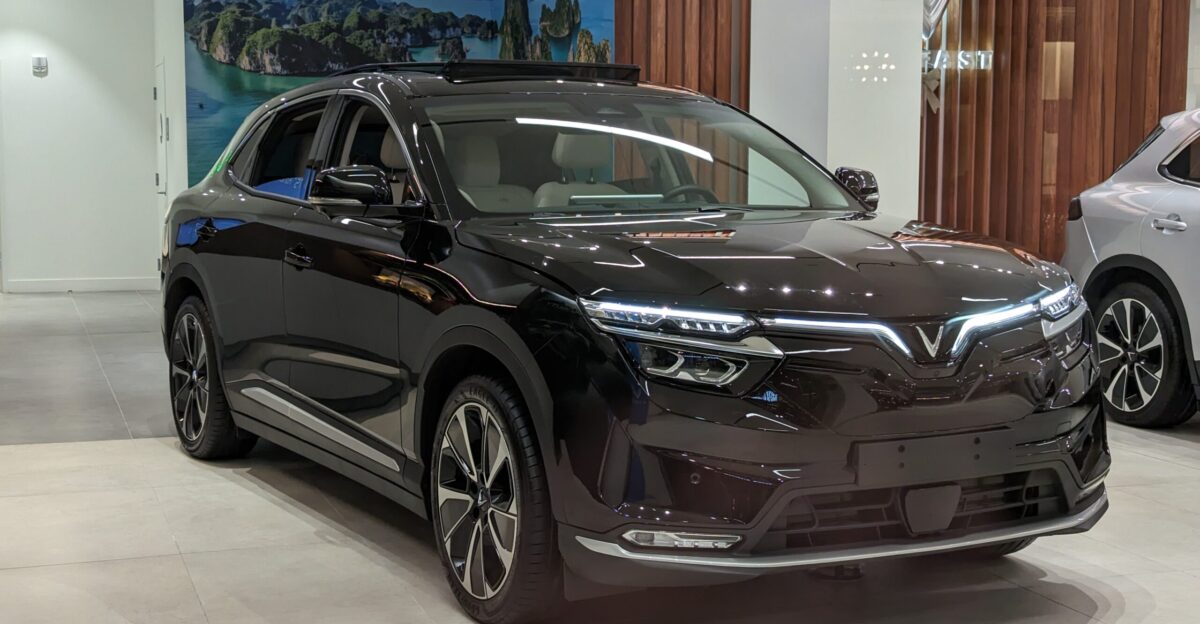
The VinFast VF8 has received scathing reviews documenting fundamental engineering failures across every system. Jalopnik reported steering response as “nonlinear and inconsistent” with “absolutely no feedback,” suspension induces motion sickness with excessive body roll, and parking brake causes the car to “shudder violently” when reversing.
In Sport mode, steering becomes “so overboosted that it’s borderline uncontrollable,” rendering the vehicle dangerous for daily driving.
Customer Service Overwhelmed by Defects
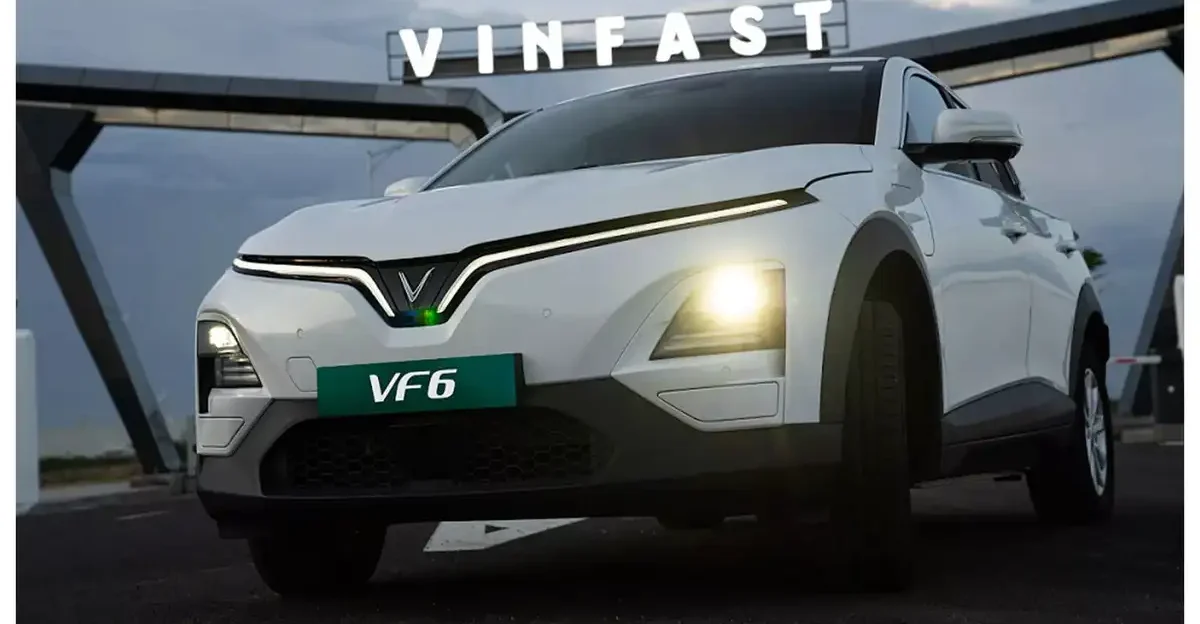
Consumer reviews on Edmunds document repeated quality failures. One VF8 owner contacted customer service over 10 times in six weeks regarding AC, screen, and speaker failures before the vehicle became completely “undriveable.”
Another lessee experienced Electronic Stability Control and Hydraulic Brake Assist failures within one week of delivery; repair appointments were delayed a full month. Body panels squeak loudly, climate control malfunctions regardless of settings, CarPlay disconnects constantly.
Compensating Customers for Quality Failures

VinFast implemented a “Special Aftersales Policy” compensating U.S. and Canadian customers $160 per non-critical issue and $480 per issue rendering vehicles inoperable, plus $160 daily for repairs exceeding three days.
This financial compensation tacitly acknowledges systematic quality failures pervasive enough to warrant financial incentives for customer retention. The policy represents an extraordinary admission of manufacturing deficiency unusual even among automotive startups.
Related-Party Sales Mask Demand Collapse

Reuters analysis revealed 82% of VinFast’s 2023 vehicle sales came from companies affiliated with Vingroup or owned by founder Vuong, not genuine retail customers.
The primary buyer is GSM (Green and Smart Mobility), an electric taxi company founded by Vuong, established explicitly to absorb VinFast production when retail demand proves insufficient. GSM took delivery of 14,600 EVs under a $419 million contract signed in late 2023.
Cross-Subsidization Through Real Estate

Nearly all VinFast Vietnam retail sales in 2023 came through joint promotions with Vinhomes—Vingroup’s real estate subsidiary—offering vouchers worth up to 350 million dong ($14,000) to new home buyers. This cross-subsidy generated approximately 14% of reported EV revenues, potentially representing virtually all genuine retail sales absent related-party absorption.
The 2024 delivery surge to 97,399 units occurred almost exclusively in Vietnam with international markets contributing under 10% combined.
North American Sales Represent Minimal Contribution
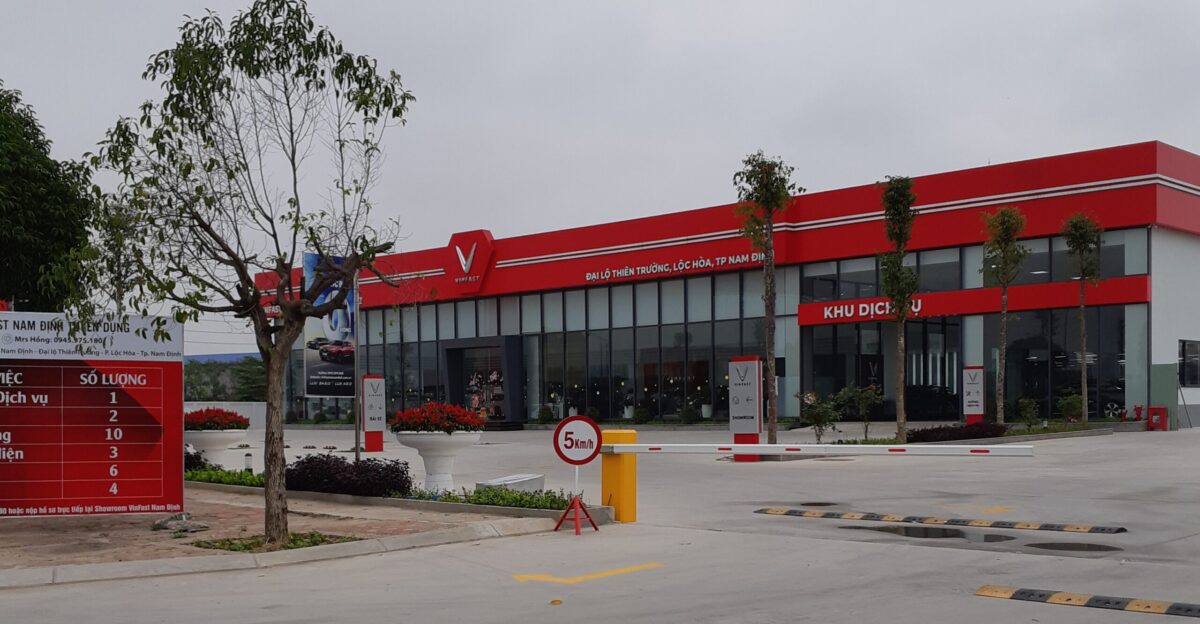
U.S. and Canadian deliveries represented merely 4% and 2% respectively of VinFast’s 2024 global sales, according to Chairwoman Thuy Le. Only 367 new VinFast vehicles were registered in the United States during the first two months of 2024.
These minuscule figures explain why dealer partnerships fail—the company cannot generate sufficient sales volume to justify dealer investment, management time, or inventory carrying costs.
North Carolina Factory Delays Escalate

VinFast’s marquee North Carolina facility, announced in March 2022 with planned 2024 opening, has been delayed three times and now targets 2028.
The 800-hectare Chatham County site remains largely undeveloped, with initial manufacturing building plans scaled down then revised upward multiple times—indicating fundamental uncertainty about production volumes and demand. State incentives of $1.2 billion include clawback provisions; North Carolina can reclaim investments if employment targets aren’t met by 2026.
Manufacturing Ambitions Become Stranded Assets
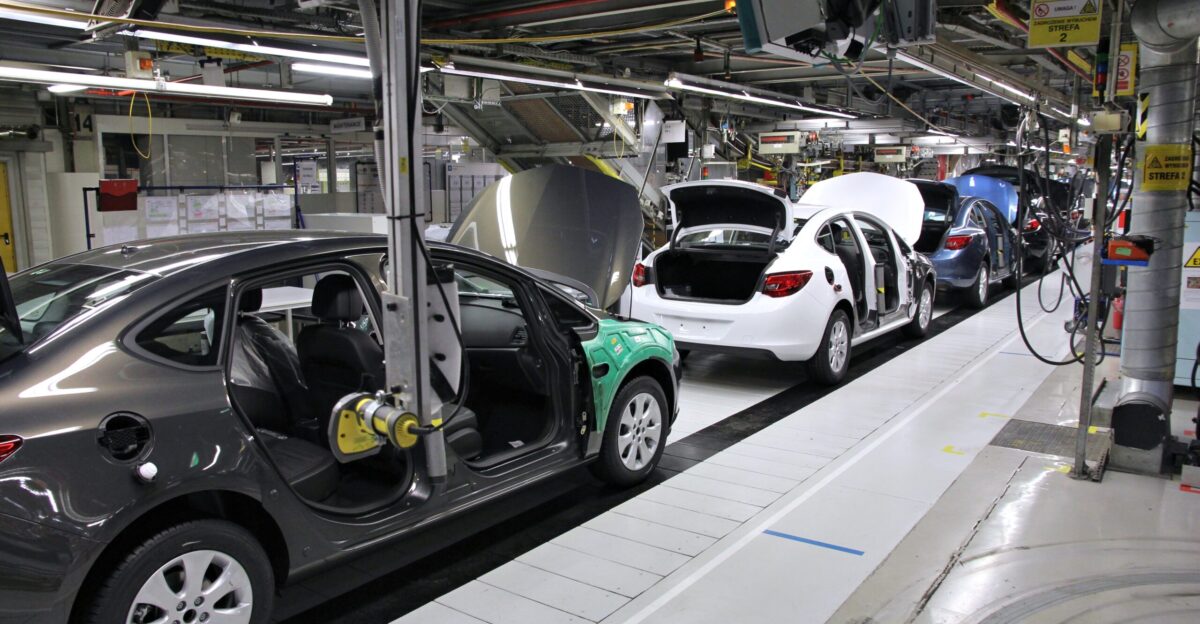
VinFast announced integrated manufacturing facilities in Vietnam (250,000-300,000 unit capacity), North Carolina, India (50,000-unit capacity in Thoothukudi), and Thailand, cumulatively representing billions in fixed investments.
Operations at Hai Phong facility utilization rates below 30% render the expansion economically catastrophic. Thailand expansion has been “postponed” indefinitely, India construction is complete but remains idle, and the North Carolina facility exists primarily on architectural drawings.
Competitive Environment Offers No Mercy
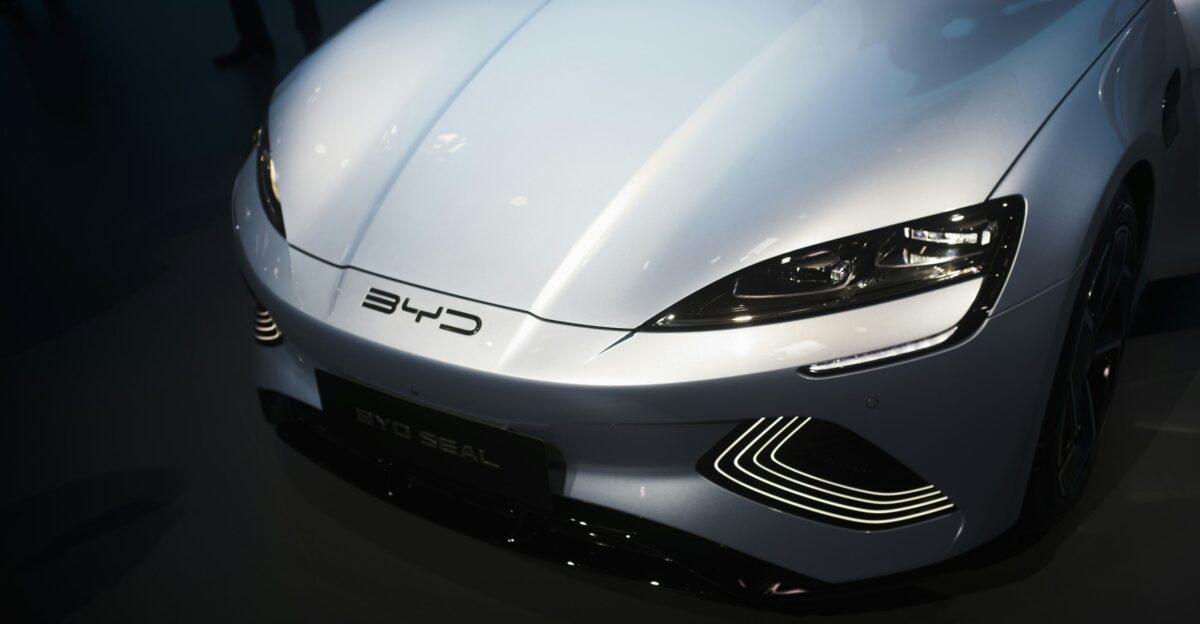
BYD, SAIC, and Geely benefit from domestic Chinese market scale of 9+ million annual EV sales, government subsidies, vertically integrated supply chains, and battery cost advantages. BYD’s Seagull EV sells for under $10,000 in China—less than VinFast’s material cost per vehicle.
Traditional automakers possess century-old supply chain relationships, economies of scale, and established dealer networks. Tesla required 15 years of losses and proprietary technology before achieving profitability.
EV Startup Graveyard Expands Continuously
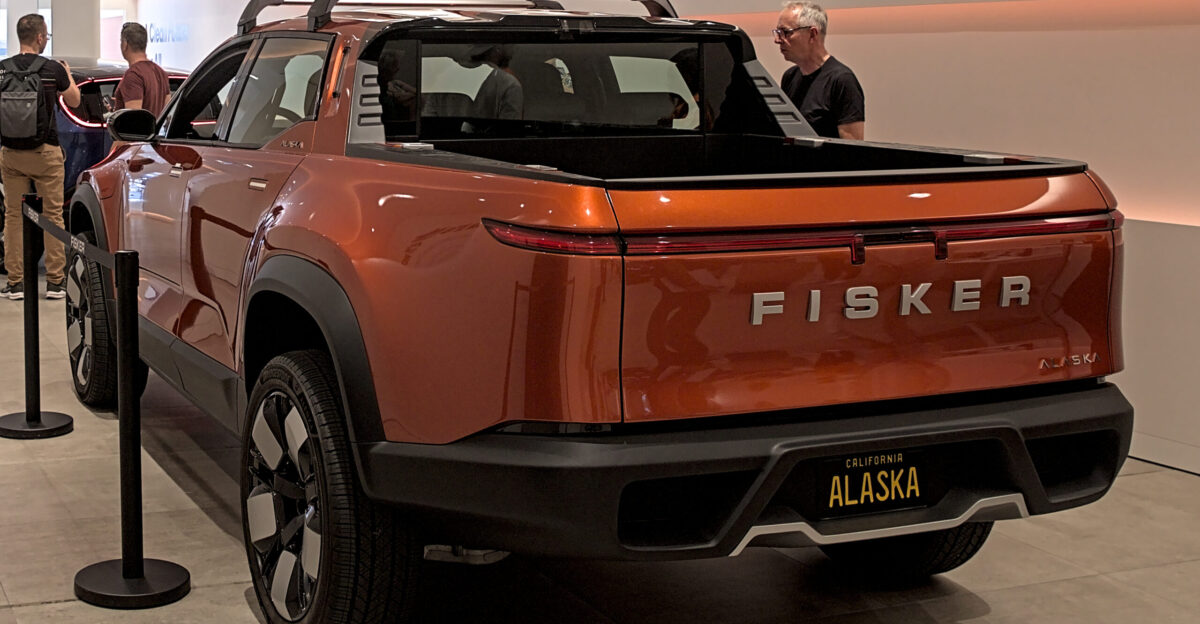
Fisker filed Chapter 11 bankruptcy in June 2024 after producing 10,000+ vehicles but delivering only 4,700 before insolvency. Lordstown Motors, Electric Last Mile Solutions, Proterra, Canoo, and Arrival have all collapsed or entered bankruptcy.
Canoo’s trajectory mirrors VinFast: SPAC merger, multiple strategic pivots, signed high-profile contracts (NASA, Walmart) generating headlines but minimal revenue, bankruptcy with $164 million creditor claims.
Vingroup’s Financial Support Has Limits

As of November 2024, Vingroup had disbursed over VND 27 trillion ($1.1 billion) in loans to VinFast. New commitments would provide VND 35 trillion additional ($1.4 billion) through end-2026, while founder Vuong personally pledged VND 50 trillion ($2.0 billion).
Cumulative funding from all sources reached approximately $17 billion through November 2024. Vingroup plans converting approximately VND 80 trillion ($3.2 billion) in existing VinFast loans into preferred equity shares to reduce reported debt pressure.
Path to Profitability Appears Impossible

VinFast stated the parent company support aims to achieve “break-even point and cash flow balance by the end of 2026″—a target appearing fantastical given current loss trajectories, capacity utilization rates, and competitive positioning.
External capital markets remain closed to VinFast; no rational third-party investor will fund operations at current burn rates absent dramatic operational transformation. The company’s statement that support will be utilized “only if independent financing efforts do not meet expectations” acknowledges external capital remains unattainable.
Lessons for Global Automotive Industry
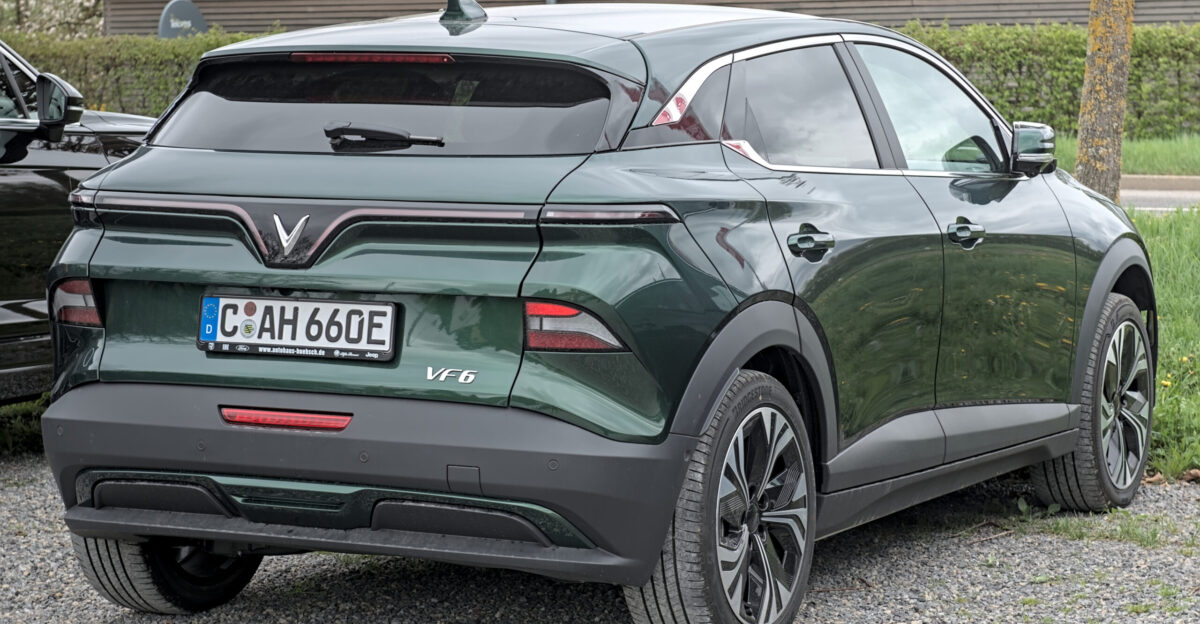
VinFast’s implosion validates longstanding automotive industry wisdom: building cars is extraordinarily difficult, startups face brutal capital requirements and multi-decade timelines, and success demands either transformative innovation or patient strategic discipline—preferably both.
VinFast pursued neither path, instead relying on founder wealth while hoping scale and time would somehow yield competitiveness. The verdict from customers, dealers, and investors is unanimous: hope is not a strategy in one of the world’s most competitive, capital-intensive, and execution-dependent industries.
Sources:
“VinFast Reports Fourth Quarter and Full Year 2024 Financial Results.” VinFast Investor Relations, April 2025.
“Vietnam EV maker VinFast’s challenges escalate risk for parent Vingroup.” Reuters, April 2024.
“Everyone Agrees the VinFast VF8 Is Very, Very Bad.” Jalopnik, May 2023.
“2025 VinFast VF 8 Consumer Reviews.” Edmunds, March 2025.
“Fisker Inc. declares bankruptcy: A case study in EV startup challenges.” ETEdge Insights, June 2024.
“Startup VinFast Starts Shrinking.” Kelley Blue Book, December 2024.