
On Dec. 6, 2025, Texas International Enterprises, a major cross-border trucking company based in Laredo, filed for Chapter 11 bankruptcy protection, leaving approximately 600 drivers and hundreds of support staff facing uncertain employment prospects. The company carries an estimated $42.6 million in debt across a 280-truck fleet and 1,500 trailers, with court filings revealing over 200 creditors likely to recover nothing after administrative expenses. The shock is rippling across a freight market already stretched thin, and the first details set the tone.
A Laredo Fleet Suddenly In Court

Texas International Enterprises, a Laredo-based trucking company, filed for Chapter 11 bankruptcy on Dec. 6, 2025. The carrier operates 280 power units and 1,500 trailers, employing roughly 600 drivers and additional support staff. It reports $42.6 million in total debt and warns that unsecured creditors will receive nothing after administrative expenses. Still, why did a large border carrier run out of road?
What Pushed A Big Carrier Over
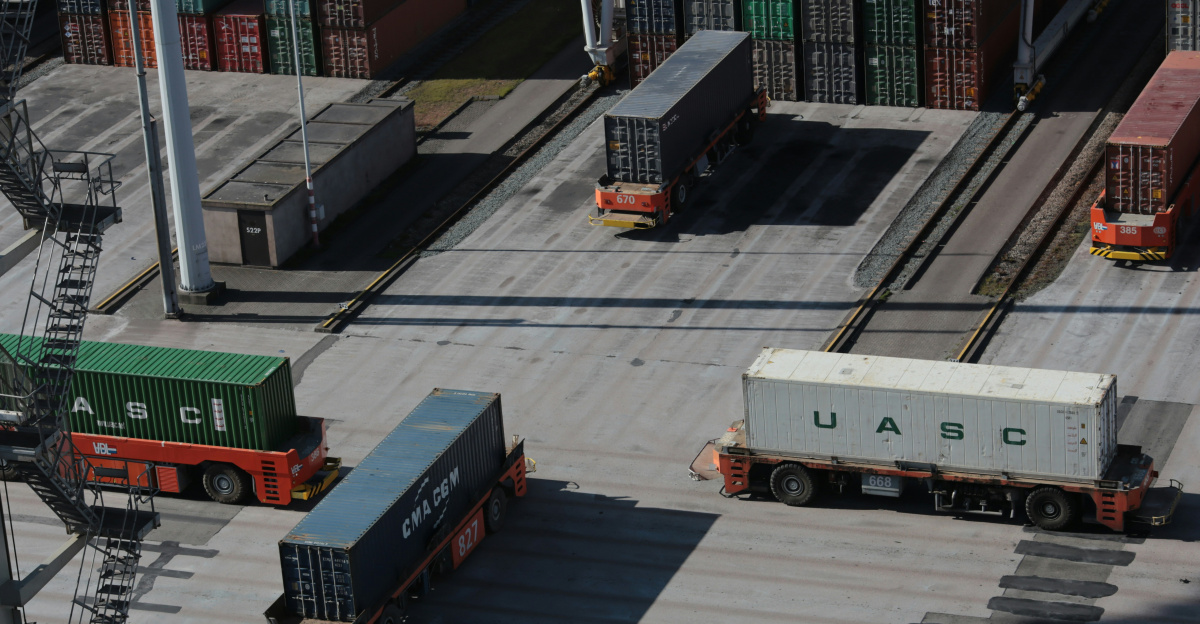
The freight recession that began in April 2022 persisted into 2025, trapping carriers between falling rates and rising costs. National truck tonnage dropped 7% year-over-year by Q3 2025, and spot market load postings fell 15% versus 2023. Contract rates also declined, tightening margins. Texas International’s aging fleet and higher financing costs added pressure. Yet the company’s scale makes the next numbers harder to ignore.
The Fleet Math Behind The Crisis

Texas International logged more than 39 million truck-miles in 2024, specializing in cross-border freight between the U.S. and Mexico. With roughly 140,000 miles per truck annually, the corridor volume was sizable. At assumed rates of $2.00–$3.00 per mile, revenue could reach $78–117 million. Filings show assets and liabilities between $10 million and $50 million each. What does that mean for people?
“Excess Capacity” Keeps Rates Pinned Down

According to Jerry Maldonado, chairman of the Laredo Motor Carriers Association, “We hope all of our trucking partners can remain successful and continue operating; unfortunately, that has not been the case for several companies, not only in Laredo but across the country,” he told Trucking Dive on Jan. 9, 2026. Even the busiest gateway feels fragile now. The next question is immediate: what happens to the drivers?
Drivers Wait While The Case Unfolds

Texas International sought court permission to continue paying employees during restructuring, and as of Jan. 7, 2026, no formal layoff announcements had been made. Still, the filing warns unsecured creditors could receive nothing, adding anxiety for payroll-adjacent obligations. If Chapter 11 converts to Chapter 7, termination could be swift. For Laredo, the shock is not just personal, it is operational.
Freight Demand Fell Before The Filing

By October 2025, the ATA Truck Tonnage Index fell to 111.9 from 114.3 in September, a 2.1% monthly drop and the largest in 21 months. Year-over-year decline was also the biggest of 2025. Spot rates briefly jumped in August 2025, then faded. Used truck prices crashed 20% from 2022 peaks. Those forces did not target one company, they hit the whole sector.
“A Recipe for Bankruptcy” Across Trucking

Bankruptcy attorney Stephanie Lieb said, “When you have all these problems, and then they all happen at the same time, and you’re already in a business that has a thinner margin, it just becomes a recipe for bankruptcy,” in commentary cited by altLINE. Thin margins of 2–4% leave little cushion when fuel, insurance, labor, and financing climb. The filings that followed in 2025 show how widespread the damage became.
The Border Gateway That Cannot Immunize Carriers
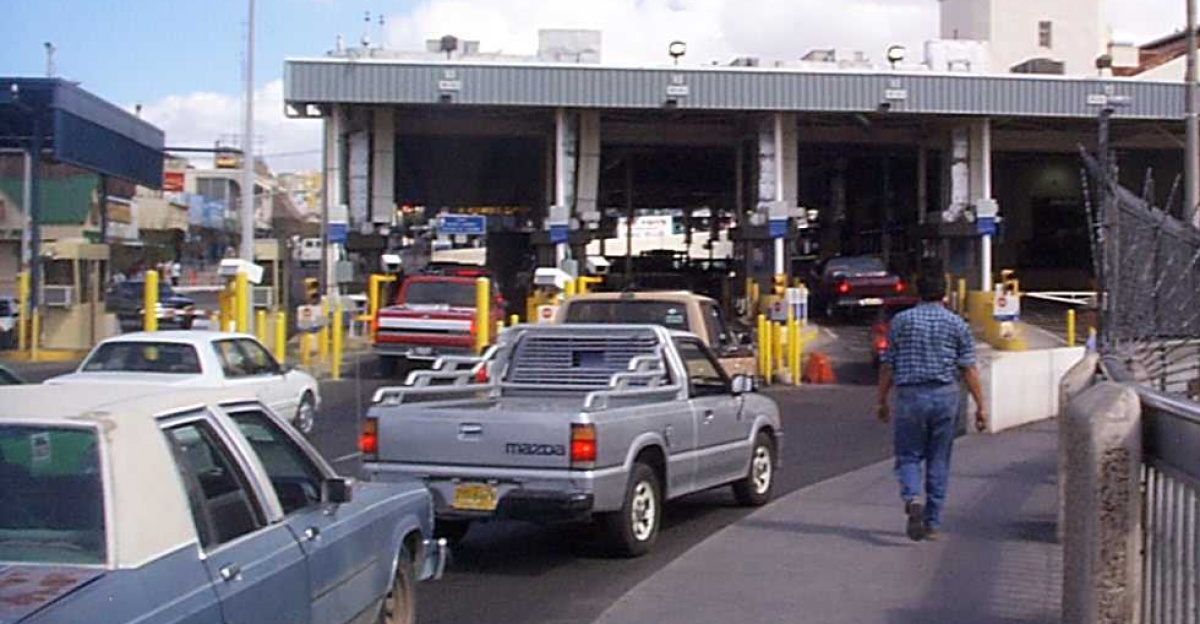
Port Laredo handles 39% of all U.S.-Mexico land trade, logging 5.84 million truck crossings in 2024 and averaging 18,000+ daily crossings on busy days. Trade totals reached $128 billion in exports and $211 billion in imports through Laredo in 2024. Texas International was meaningful capacity inside that machine. How can so much volume coexist with a bankruptcy?
The Hidden Complexity Of Cross-Border Freight

Cross-border fleets manage customs compliance, USMCA documentation, bilingual communication, and coordination with Mexican partners. Texas International’s loss removes dedicated capacity trained for that environment. Cross-border delays averaged 18–36 hours in 2025, adding cost. U.S. imports from Mexico rose 7.4% in 2025, yet capacity losses still bite. The wider industry picture in 2025 shows this wasn’t an isolated fall.
A Driver Shortage That Did Not Save Rates

The American Trucking Associations reported a shortage exceeding 80,000 drivers in 2025, with projections worsening through 2026. The average U.S. truck driver age reached 49 years, and recruitment stayed difficult. Insurance costs rose 36% over 8 years. Meanwhile, driver wages rose 2.4% year-over-year, while equipment payments climbed 8.3% to 39 cents per mile. How did so many carriers still fail?
A Record Year Of Closures And Bankruptcies

Between 5,000 and 8,000 trucking companies exited in 2025, marking the highest failure rate on record. Montgomery Transport LLC, with over 700 trucks, liquidated in October under Chapter 7 and laid off 1,000 employees. Yellow Corp.’s 2023 collapse caused 30,000 job losses, yet 2025’s steady mid-sized exits deepened the crisis. The creditor list in Texas International’s case shows why confidence is thin.
When 200 Creditors Start Saying No

Court filings list over 200 creditors, including objections from Commercial Credit Group Inc. and RTS Financial Services Inc. to cash collateral use. Texas International warned unsecured creditors would likely receive nothing after administrative expenses, implying negative enterprise value. Across 2025, many Chapter 11 cases converted to Chapter 7 liquidation. Skepticism now echoes patterns creditors have learned the hard way. Still, rate data explains why carriers can’t buy time.
“The Trucking Industry Continues to Fight”

Observers across Trucking Dive, TheStreet, and CCJ Digital described 2025 as relentless, with fuel, inflation, tariffs, and oversupply driving failures. Spot dry van linehaul rates hovered around $1.89–$2.06 per mile late in 2025, often too low for all-in costs. Contract rates repriced downward as shippers gained leverage. When pricing is this tight, even small shocks can decide survival.
More Names Joined The 2025 Failure List
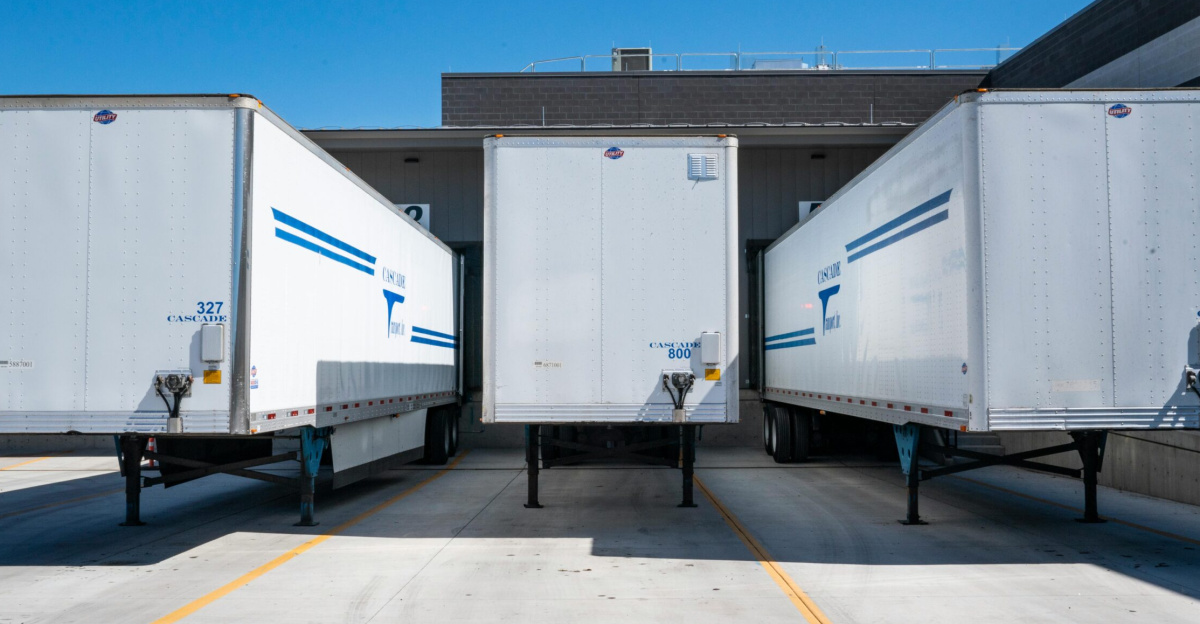
Beyond Texas International, 2025 bankruptcies included Supra National Express, Daniel Trucking International, and GEC Transport Solutions. Others closed without filings: Carroll Fulmer Logistics after 71 years, 10 Roads Express, LTI Trucking, and TGS Transportation. Balkan Express/Balkan Logistics filed Chapter 11 in April with over 160 drivers. FMCSA records showed nearly 10,000 closures in the first half of 2024 alone. The Texas International balance sheet shows why the trap is hard to escape.
Debt Meets Falling Equipment Values

Texas International reported $42.6 million in total debt, with assets and liabilities each between $10 million and $50 million. Spread across 280 power units, that is roughly $152,000 per truck in debt burden. Used truck values fell 20% from 2022 peaks, leaving many fleets underwater. Rates dropped 30–40% from boom levels, crushing cash flow. Could freight data in late 2025 have warned this earlier?
“National Truck Tonnage is Down Nearly 7%”

According to DAT Freight & Analytics and the American Trucking Associations, national truck tonnage was down 7% year-over-year by Q3 2025, while spot load postings fell 15% versus 2023. October 2025 hit the lowest tonnage since January, with the 2.1% monthly drop the biggest in 21 months. Rising inventories and weak manufacturing undercut recovery hopes. The legal reality is harsher: most Chapter 11 filings do not end in rescue.
Why Chapter 11 Often Becomes Chapter 7

Stephanie Lieb warned that “trucking cases don’t typically have a high success rate within bankruptcy; they usually wind up in a liquidation versus a restructuring.” Yellow Corp.’s 2023 Chapter 11 liquidation destroyed $1.5 billion in enterprise value and led to 30,000 job losses. In 2025, Montgomery Transport’s conversion reinforced the pattern. With creditor objections and unsecured warnings, Texas International faces the same gravity. What happens when cross-border freight loses specialized capacity overnight?
Shippers Scramble As Capacity Disappears

Texas International’s failure removes specialized cross-border capacity as nearshoring accelerates. U.S. imports from Mexico rose 7.4% in 2025, driven by automotive, electronics, and consumer goods. Freight in transit risks delay or stranding, and scheduled pickups may fail, pushing shippers into premium spot replacements. Laredo already runs near capacity during peaks, and losing 280 trucks tightens flexibility. The pressing question is whether 2026 offers relief.
2026 Recovery Signals Are Still Fragile

DAT Freight & Analytics projects a gradual recovery in 2026, with modest spot and contract gains expected in the second half. The outlook depends on continued carrier exits, reducing excess capacity, and demand improving. Tariff impacts may persist through mid-2026, while interest rates and tightened credit keep equipment financing difficult. Spot rates neared $2.00 per mile in late December 2025, but contract pricing stayed pressured. The longer-term effect may be structural, not cyclical.
A Consolidation Wave Redrawing Trucking

Texas International’s filing highlights consolidation accelerating through 2025. Mega-carriers like Schneider, J.B. Hunt, and Knight-Swift weathered the downturn with scale and capital access, while mid-sized operators were hit hardest. Acquisitions and rollups are reshaping options for shippers, especially in cross-border lanes. In Laredo, fewer independents could mean less flexibility and higher long-term pricing power for survivors. The ripple effects will define how freight moves in 2026.
Sources
Texas Carrier Files for Bankruptcy. Trucking Dive, January 9, 2026
ATA Truck Tonnage Index Rose 0.2% in November. American Trucking Associations, December 23, 2025
DAT 2026 Freight Focus: Gradual Recovery Expected. DAT Freight & Analytics, December 10, 2025
Economic Impact – Port Laredo Trade Share. Port Laredo Official Website, 2024–2025