
Along Laredo’s crowded border bridges, where trucks normally stream nonstop with U.S.-Mexico trade, one major carrier has gone silent. On December 6, 2025, Texas International Enterprises filed for Chapter 11 bankruptcy, grounding a 280-truck fleet and placing roughly 600 drivers in employment limbo. The collapse highlights how even carriers positioned at America’s busiest trade gateway are being pulled under by a prolonged freight downturn, rising costs, and collapsing asset values. Here’s what’s happening and why it matters.
A Sudden Halt at the Border
Texas International Enterprises, long anchored in Laredo’s cross-border freight market, sought Chapter 11 protection as financial pressures became impossible to manage. Court filings show assets and liabilities each between $10 million and $50 million, alongside $42.6 million in debt tied to its 280 trucks and 1,500 trailers. More than 200 creditors face the prospect of little to no recovery after administrative costs.
The filing is striking given its location. Port Laredo handled $339 billion in bilateral trade in 2024, including $128 billion in exports and $211 billion in imports, supported by 5.84 million truck crossings. Even within this high-volume gateway, the company could not withstand sustained market stress.
Freight Markets Turned Hostile
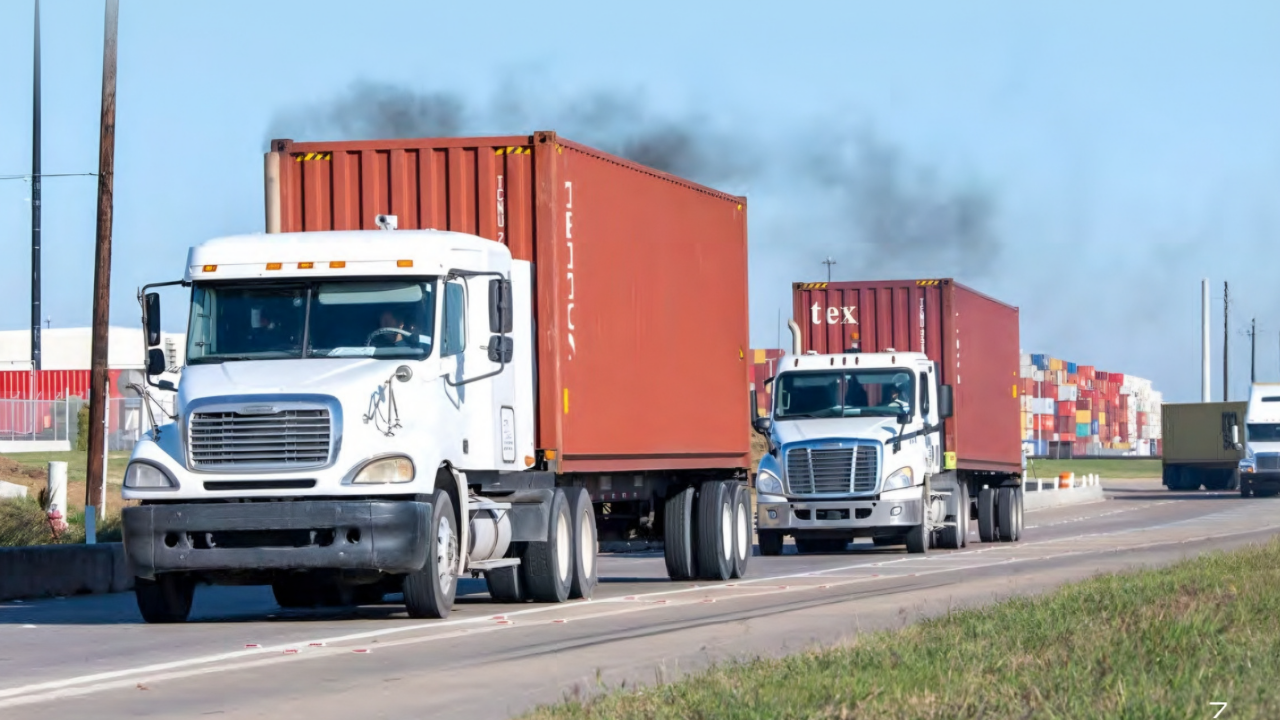
The broader freight recession began in April 2022 and extended deep into 2025, according to Bank of America Research and industry analysts. The American Trucking Associations reported national truck tonnage falling 7% year over year by the third quarter of 2025. The ATA Truck Tonnage Index dropped to 111.9 in October 2025, down 2.1% month to month, the steepest single-month decline in 21 months.
Spot market conditions compounded the strain. Load postings fell 15% from 2023 levels, while contract rates slid further. These declines squeezed carriers already dealing with higher fuel, insurance, labor, and financing expenses, erasing margins that once buffered downturns.
When Numbers No Longer Add Up
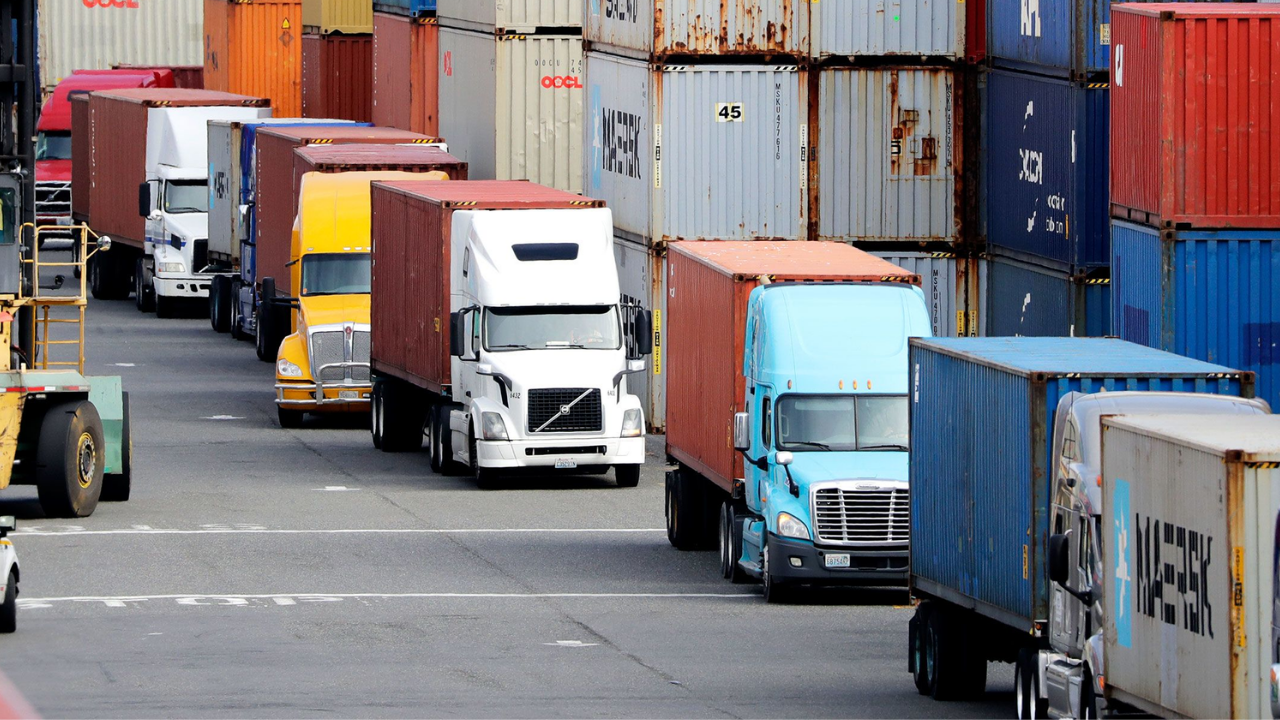
Texas International logged more than 39 million truck-miles in 2024, averaging about 140,000 miles per truck. At estimated industry rates of $2.00 to $3.00 per mile, revenue potential ranged from $78 million to $117 million. That scale, however, masked deeper vulnerabilities.
An aging fleet and average debt of $152,000 per truck became untenable as used truck values plunged about 20% from 2022 peaks. In 2025 alone, medium-duty truck values dropped 21.7%, while heavy-duty construction trucks fell 28.6%, according to Black Book data. Freight rates also declined 30% to 40% from pandemic-era highs, eliminating any cushion.
A Wave of Carrier Collapses
Texas International’s filing mirrors an industry-wide shakeout. Between 5,000 and 8,000 trucking firms exited the market in 2025, the highest failure rate on record. Montgomery Transport liquidated roughly 700 trucks and 1,000 jobs in October, while other notable bankruptcies included Supra National Express, Daniel Trucking International, GEC Transport Solutions, and 71-year-old Carroll Fulmer Logistics, which shut down 400 trucks in August 2025.
Federal Motor Carrier Safety Administration data showed about 10,000 closures in the first half of 2024 alone, with total carrier counts down 3.7% year over year. Excess capacity and shipper leverage reshaped pricing power across the sector.
Cross-Border Pressures Intensify

Operating through Laredo brings unique challenges. Peak days see more than 18,000 crossings, but carriers face customs compliance demands, USMCA paperwork, bilingual coordination, and border delays averaging 18 to 36 hours in 2025. While U.S. imports from Mexico rose 7.4% in 2024 due to nearshoring, profitability did not follow.
Driver wages increased only 2.4% annually, while equipment financing costs climbed 8.3% to an average of 39 cents per mile. Commercial truck insurance premiums surged 36% over eight years. Creditors objected to Texas International’s cash use motions, reflecting skepticism that has pushed many 2025 Chapter 11 cases toward liquidation.
What Comes Next for Drivers and Trade

As of early January 2026, no formal layoffs have been announced, but about 600 Texas International drivers remain in uncertainty as court proceedings continue. Shippers dependent on the carrier’s cross-border capacity are already facing disrupted schedules and higher spot market exposure.
DAT Freight & Analytics forecasts modest freight volume improvements in the second half of 2026, assuming continued carrier exits reduce oversupply. Spot rates near $2.00 per mile by late December 2025 hint at early stabilization, yet consolidation increasingly favors mega-carriers like Schneider National and J.B. Hunt. For Laredo’s trade lanes, that shift could mean fewer options, stronger pricing power for survivors, and lasting consequences for jobs and the $339 billion U.S.-Mexico trade flow.
Sources
Texas Carrier Files for Bankruptcy. Trucking Dive, January 9, 2026
ATA Truck Tonnage Index Rose 0.2% in November. American Trucking Associations, December 23, 2025
DAT 2026 Freight Focus: Gradual Recovery Expected. DAT Freight & Analytics, December 10, 2025
Economic Impact – Port Laredo Trade Share. Port Laredo Official Website, 2024–2025