
In September 2025, about 600 Paramount Skydance employees walked out en masse in two major hubs, Los Angeles and New York. The sudden departure disrupted day-to-day work and raised big questions about whether people should be required to work from the office.
The walkout paused many studio operations, underscoring how dramatic workplace changes can suddenly impact big productions. The abrupt stoppage drew widespread attention across the entertainment industry and beyond, making it a defining moment for how companies balance flexibility with leadership priorities.
A Price Tag That Trembles the Books

Paramount Skydance’s walkout carried a staggering financial consequence of approximately $185 million in severance costs tied to the mass departure, according to Fortune. This figure, disclosed in the company’s filings, underscores how expensive enforcing strict return-to-office policies can be. It wasn’t only about losing staff, it was about the heavy toll on a company’s bottom line.
For the industry, the cost served as a cautionary tale about the real financial risks of pushing employees back to the office when adaptation, productivity, and morale are at stake. The sheer size of the payout raised questions about whether the benefits of an in-person mandate could ever outweigh the financial and reputational costs.
A Merger That Shook the Scene
Paramount and Skydance joined forces in a deal valued at about $8 billion, with David Ellison taking the helm to guide the integration. Fresh leadership faced the tough job of weaving two strong brands, cultures, and production pipelines into one entity. The timing mattered: after the merger, the new leadership was under pressure to deliver cost efficiencies and align creative directions in a changing industry.
The walkout didn’t simply reflect a labor dispute, it highlighted the challenges of merging two major players in a rapidly evolving entertainment landscape. The episode emphasized that leadership choices during the transition would influence not just internal dynamics but also how investors and partners perceived the merged company’s path forward.
Pressure Builds Behind the Policy

The timing of Paramount’s return-to-office push coincided with declining revenues and looming layoffs. In the TV segment, revenues declined by approximately 6%, contributing to an overall year-over-year decrease of around 3%. Executives warned that efficiency improvements were essential to stabilize the business.
In this climate, the decision to enforce a five-day in-office schedule appeared as an attempt to reclaim productivity and collaboration. However, the move also intensified tensions with employees who valued flexibility or who had become accustomed to remote or hybrid work. “Some of the most formative moments of my life happened in rooms where I was a fly on the wall, listening and learning. I’ve never seen that happen on Zoom,” said CEO David Ellison in a company memo.
The Moment of Confrontation
On September 15, 2025, roughly 600 Paramount Skydance employees chose to quit rather than comply with a strict five-day-per-week in-office policy in Los Angeles and New York. The coordinated action caused both studios to pause operations, marking one of the largest voluntary departures in recent Hollywood history.
The scale of the walkout demonstrated a new level of employee assertiveness, especially in creative industries where people often have highly specialized skills and strong professional networks. The event reshaped conversations about loyalty, incentives, and the ability of leadership to set universal workplace rules across diverse teams. It also raised practical concerns about how ongoing projects would proceed and how the company would re-staff quickly to maintain momentum.
The Fallout Lands Locally

The impact hit hometown campuses hard as Los Angeles and New York studios halted both production and office work. Ongoing projects stalled, and teams found themselves in a limbo, waiting for decisions on who would stay, who would return, and how to reassemble crews.
This regional disruption underscored how a centralized, high-profile policy can ripple through multiple departments and affect timelines, budgets, and relationships with partners. The broader lesson: when core hubs pause, the whole enterprise feels the tremors, and recovery depends on rapid, careful planning.
Stories from the Ground
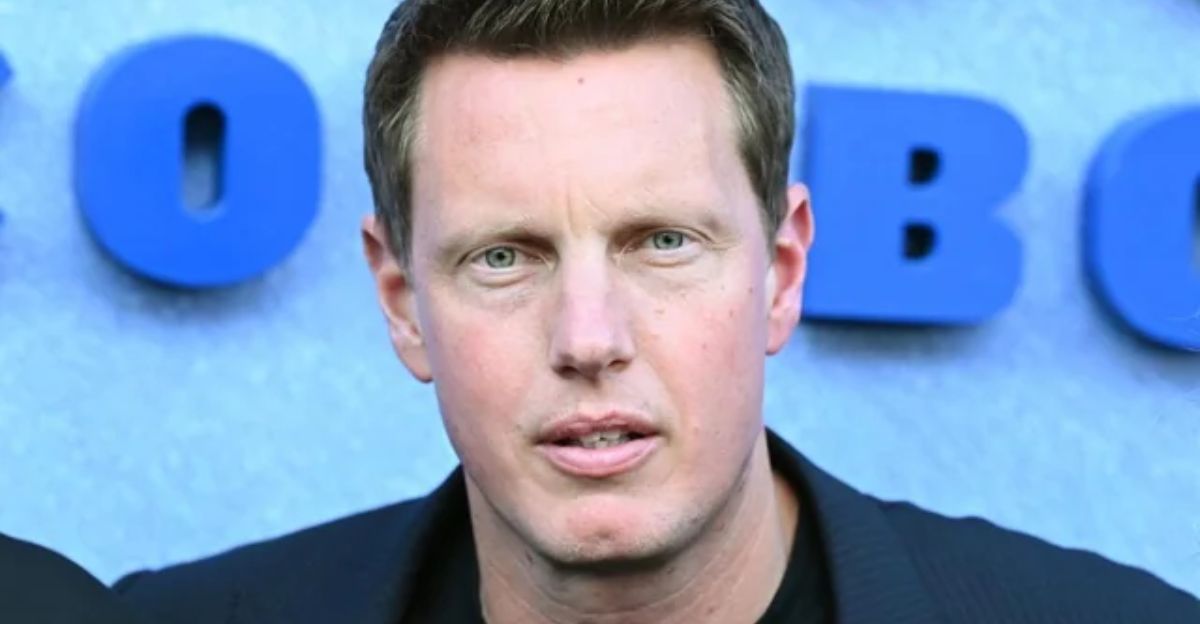
For many employees, leaving their jobs was a deeply personal and difficult decision. The decision affected families and careers, triggering a wave of concern about job security and future opportunities. CEO David Ellison noted the emotional dimension, admitting that the scale of the walkout was unprecedented when viewed through live video.
This moment captured the tension between ambitious leadership goals and the human cost of large-scale policy shifts. It’s a reminder that workplace rules aren’t abstract; they shape daily lives, incomes, and the sense of stability that families rely on. As conversations continued, workers and managers faced the task of rebuilding trust and communicating clearly about next steps, compensation, and potential rehirings.
A Ripple Across the Industry
NBCUniversal responded to Paramount Skydance’s stance by announcing a four-day in-office mandate set for January 2026. This move signaled that other major players might pursue similar policies to regain control of work culture, productivity, and collaboration. The industry watched closely to gauge whether the new approach would help stabilize operations, improve efficiency, or provoke further pushback.
The spillover effect highlighted how a bold policy at one company can influence competitors, suppliers, and talent pools. As executives weighed potential costs and benefits, the broader entertainment ecosystem faced a period of realignment, with staff, unions, and stakeholders assessing what work-life balance looks like in a post-pandemic world.
A Wider Trend Emerges

Paramount’s walkout fits a larger global shift as many big employers are reasserting control over work arrangements after the pandemic. Companies like Amazon, JPMorgan Chase, and Walmart have ended remote work or limited it, sometimes triggering resignations or significant debate.
The trend reflects a shift in power dynamics: employers reclaiming scheduling authority even as workers seek flexibility, career development, and meaningful collaboration. Analysts see this moment as part of a broader move toward hybrid or in-office norms in many sectors.
A Costly Byproduct
Paramount’s $185 million severance payout became a notable one in media history. The outlay, documented in regulatory filings, added financial strain to an already tense situation. Beyond the numbers, the payout signaled a strategic cost of enforcing office mandates. It raised questions about whether the long-term gains from an in-person policy could justify the immediate and future financial burdens.
Investors and regulators would likely scrutinize the structure of severance packages, potential legal implications, and how such costs would influence future budgeting and strategic decisions. In short, the walkout’s financial aftermath would influence policy debates and corporate risk assessments for years to come.
Internal Debates Roar

Within Paramount, opinions clashed over the mandate. Some leaders argued that face-to-face collaboration fuels creativity and problem-solving, while others worried about morale, retention, and the risk of losing top talent. The abrupt departures brought to light deep disagreements about where to draw the line between maintaining control over work arrangements and recognizing employees’ evolving expectations.
The episode showed that even ambitious strategic goals can collide with the realities of a diverse, global workforce. The discussions likely shaped subsequent policy revisions, communications strategies, and how the company balanced creative needs with the well-being and loyalty of its teams.
The Face of a New Policy
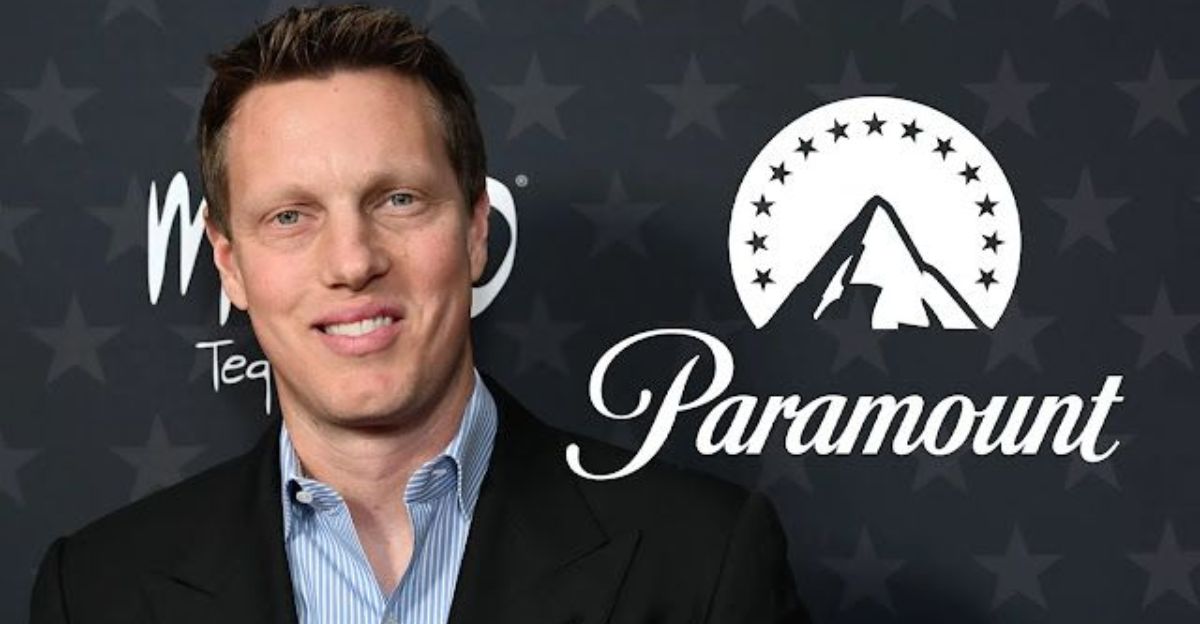
David Ellison, founder of Skydance and newly installed CEO of the merged company, became the public face of the policy. His push for a five-day in-office week was viewed as a bold leadership move with potentially high rewards and equally high risks. While some praised decisive action, others saw the stance as a gamble that could backfire if the workforce resisted too strongly.
Ellison’s role underscored how leadership branding matters in times of organizational change. His approach highlighted the tension between driving innovation through close collaboration and acknowledging the preferences and needs of employees who value flexibility.
Recovery Steps

In the wake of the walkout, Paramount worked to stabilize operations. The company turned to temporary staffing and negotiated ways to keep projects moving, while teams reassessed priorities and timelines. Executives promised new growth initiatives to help offset disruption, including an anticipated deal worth about $1.5 billion tied to the South Park franchise.
While such moves offered hope, they also illustrated the fragility of production pipelines when experienced staff depart. The recovery phase emphasized agility, clear communication, and the importance of rebuilding trust with remaining employees and contractors as quickly as possible.
Expert Voices Split

Industry analysts remain divided about the broader implications. Some view the walkout as a cautionary tale about rigid workplace mandates that overlook employee needs and the evolving nature of work cultures. Others argue that a strong in-person policy can drive long-term innovation and collaboration.
The debate centers on how to measure productivity, creativity, and engagement in an environment that blends office and remote work. The discussion is likely to continue as companies experiment with hybrid models, worker incentives, talent pipelines, and performance metrics. The takeaway: there isn’t a one-size-fits-all answer; policy choices depend on company culture, industry needs, and the goals of leadership.
What Comes Next

As Paramount contemplates the next chapter, the big questions loom: Will stricter office mandates become the norm, or will companies gravitate toward hybrid and flexible arrangements? The broader entertainment industry could set a template for other sectors as they negotiate post-pandemic work styles.
The resolution may hinge on striking a balance between creative collaboration, productivity, and employee satisfaction. Stakeholders, from producers to unions to investors, are watching to learn how policies will evolve, how talent will respond, and what this means for project timelines, budgets, and overall industry vitality.
Policy Reverberations

Politically and socially, the walkout rekindled debates about labor rights and corporate governance. Lawmakers and advocacy groups monitored the situation, with some calling for stronger protections for workers facing abrupt changes in workplace expectations.
The episode intersected with broader conversations about seasonal layoffs, contract terms, remote-work rights, and the responsibilities of large employers to their employees. As policymakers weigh regulations, the industry could see nudges toward more transparent severance practices, clearer return-to-work guidelines, and stronger protections for workers during transitions.
A World Watches Paramount Moment

Media companies in Europe and Asia observed closely, with many reexamining their own remote-work policies. Some studios paused to consider how sudden shifts might trigger unrest elsewhere, while others used the episode as an opportunity to refine their HR strategies, communication plans, and change-management processes.
The international response highlighted how shifts in work culture in one major market can influence global talent management and production scheduling. Global firms may adopt more flexible policies to attract and retain talent while protecting production timelines across diverse regions.
The Legal Lens

Legal experts caution that mass voluntary departures can complicate the structure of severance deals and may attract regulatory scrutiny. Paramount’s $185 million payout will likely come under intense review by investors, labor regulators, and potentially pension or benefit trustees.
Attorneys may examine whether the terms were clearly disclosed, fairly negotiated, and aligned with applicable laws in different jurisdictions. The case could set precedents for how firms manage large-scale workforce changes, severance arrangements, and related disclosures in the future.
A Cultural Shift in Work Life

The walkout reflects a broader generational shift in workplace expectations. Younger workers, in particular, often prioritize flexibility, autonomy, and meaningful work over a strict office routine. As this mindset gains traction, corporate cultures across industries may begin to tilt toward hybrid or fully flexible models that empower employees while still preserving collaboration and innovation.
The episode could accelerate lasting changes in talent recruitment, retention strategies, and the rituals that define company life, from meetings to creative sessions to project handoffs.
Why This Moment Matters

Paramount’s mass walkout goes beyond a single labor dispute. It signals a shift in American work life as employees and employers renegotiate what work looks like in a post-pandemic world. The outcome will influence Hollywood, the broader economy, and how work is organized across many sectors for years to come.
The event invites leaders to craft policies that balance business needs with employee well-being, clarity, and trust. As industries adapt, the way people collaborate, innovate, and commit to long-term goals may never look the same again.