For decades, scientists have puzzled over a significant gap in the fossil record of Earth’s earliest animals, with genetic evidence suggesting their rise more than 650 million years ago but no physical traces until around 543 million years ago. A new study from the University of Bristol has resolved this enigma by revealing that the first sponges—animals’ oldest known ancestors—were soft-bodied creatures without mineralized skeletons, leaving them invisible to traditional fossil detection.
Timeline Clash Narrowed
Molecular clocks from living sponges indicated animal origins before 650 million years ago, creating an apparent gap of 100-150 million years with the fossil record. Yet no sponge fossils appeared until late Ediacaran layers around 543 million years old, sparking intense debates among paleontologists worldwide. The new study significantly narrows this discrepancy to just 38-75 million years by dating the earliest sponges to 600-615 million years ago, rather than the much earlier dates some molecular estimates suggested.
Fossil Blind Spot Explained
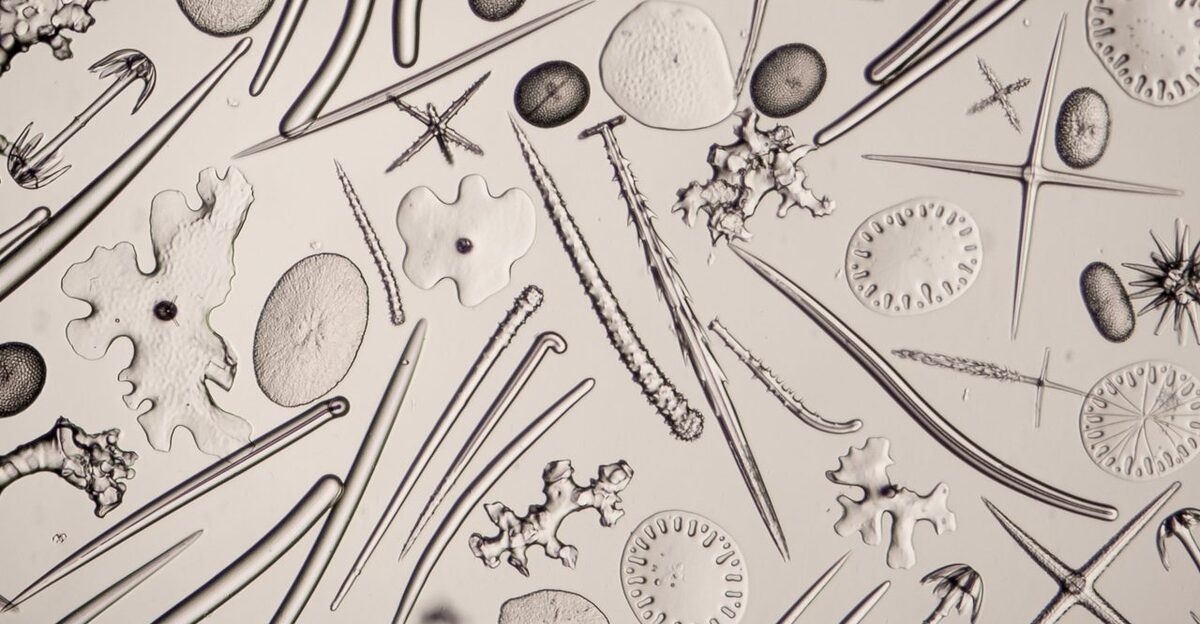
Sponge spicules—durable glass-like or calcite needles in modern species’ skeletons—fossilize readily and abound in rocks from 543 million years ago onward. Earlier layers, aged 600 to 615 million years, yielded none, despite assumptions that all sponges mineralized early. This oversight stemmed from overreliance on living sponges’ traits, obscuring the true nature of their ancient forebears. The absence of hard structures in early sponges explains why paleontologists found no trace of them despite their presence in ancient oceans.
Soft Sponge Breakthrough
Led by Dr. Maria Eleonora Rossi, a University of Bristol team dated the earliest sponges to 600-615 million years ago in a study published in Science Advances in early January 2026. Their analysis integrated data from 133 protein-coding genes with fossil records, using Markov statistical models to predict skeletal evolution. Co-authors include Dr. Joseph Keating, Professor Philip Donoghue, Professor Davide Pisani from Bristol, and Dr. Ana Riesgo from Madrid’s Museum of Natural Sciences. The findings confirmed these pioneers lacked hard structures, reconciling molecular and geological timelines more effectively than previous models.
Ediacaran Transformation and Future Questions
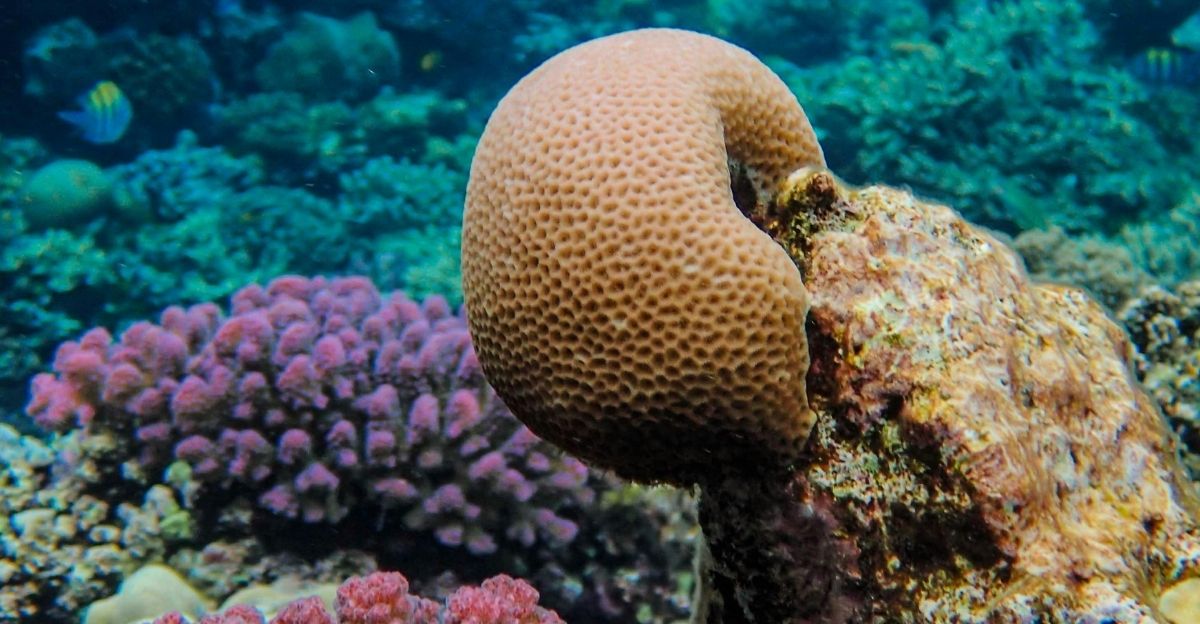
This discovery redefines the Ediacaran Period’s marine ecosystems, placing soft sponges in the interval before the Cambrian Explosion’s burst of complex life at 543 million years ago. Without spicules, they left no traces yet drove unseen diversification, nutrient cycling, and biogeochemical processes in ancient oceans. Spicules later evolved independently across lineages—silica in some, calcite in others—via separate genetic pathways, upending single-origin theories.
While the study bridges key gaps, questions linger. Some controversial chemical biomarkers hint at possible origins before 635 million years, though recent research questions whether these compounds truly indicate sponges or may derive from algae instead. The drivers of early diversification—such as shifts in ocean chemistry, oxygen levels, or nutrient changes—remain unclear. Future expeditions target 600-million-year-old rocks for soft tissue traces and advanced biomarker scans. The soft-body model now guides global teams reassessing animal timelines, promising refined views of evolution’s foundations and their links to modern biodiversity.