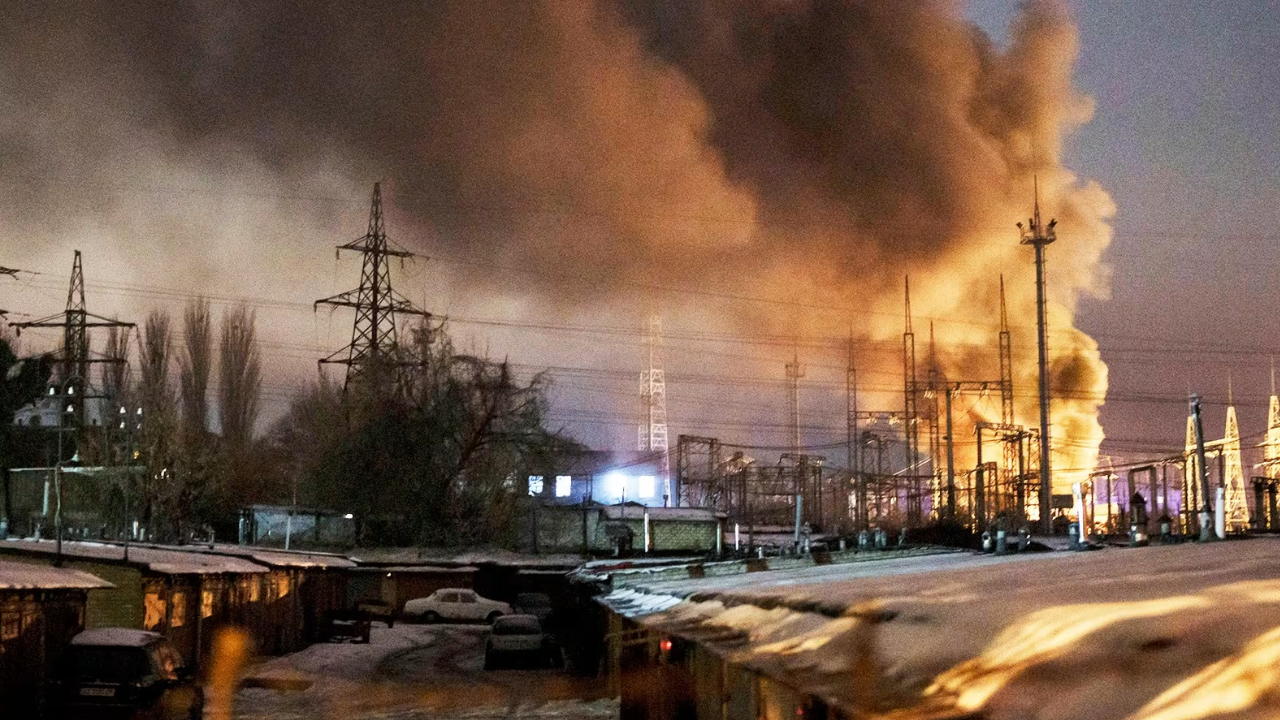
On a freezing night in January 2026, Ukrainian drones flew deep into western Russia and struck several large power plants. The attacks caused major damage, leaving parts of Russia without electricity. Hundreds of thousands of people suddenly lost power in the middle of winter. It became the largest blackout in that region since the war between Russia and Ukraine began nearly four years earlier.
In Belgorod Oblast, which borders Ukraine, power systems collapsed one after another. Electricity went out in homes, hospitals, and water treatment plants. With about 60 percent of mobile networks offline, phone calls and internet access became almost impossible. Emergency services struggled to keep working as the blackout spread. These attacks showed how fragile civilian energy networks are, especially in the middle of winter when demand for power is highest.
The Battle for Energy
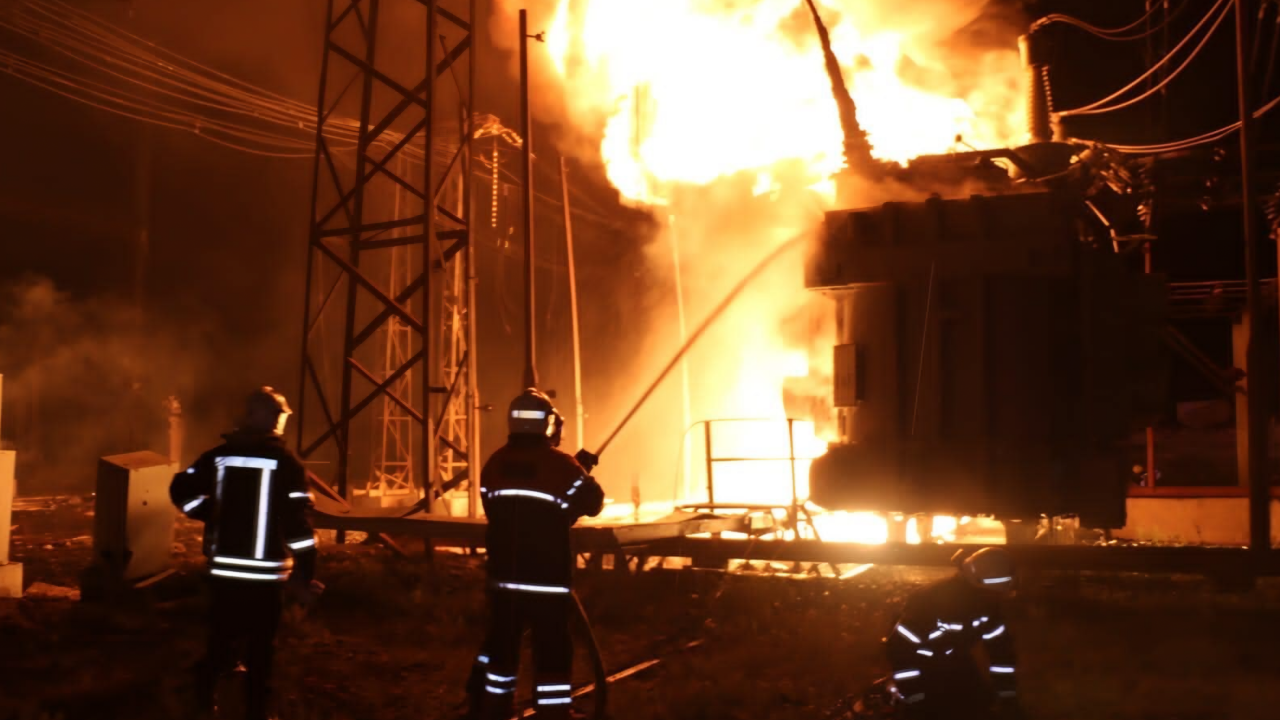
This drone assault was part of a growing effort by Ukraine to hit Russian energy infrastructure. For months, Ukraine had been increasing its long-range drone attacks on energy facilities inside Russia. These operations were a response to Russia’s repeated missile strikes on Ukrainian power plants since 2022. When those Russian attacks first began, they caused massive power outages across Ukraine, forcing civilians to live without heating in the bitter cold. Many suffered from freezing conditions, and some even died from hypothermia.
Now, Ukraine is using modern, long-range drones to hit targets deeper inside Russia. The attacks often focus on energy plants that help power Russia’s military operations and logistics networks. Ukrainian officials say these strikes aim to level the playing field in what has become an “energy war.” By targeting facilities far behind the front lines, Ukraine shows it can respond to Russia’s earlier bombardments and reach important strategic locations.
Winter has become an important factor in this phase of the conflict. In Belgorod, temperatures dropped to around minus 0 degrees Fahrenheit at night, with only 12 degrees in the daytime. The cold made the situation far worse. Without heat, water pipes froze and burst. Factories shut down, and daily life came to a near standstill. For residents who had already lived through years of shelling and fear, the emotional stress of being without light or warmth was overwhelming.
The Scope of the Blackout
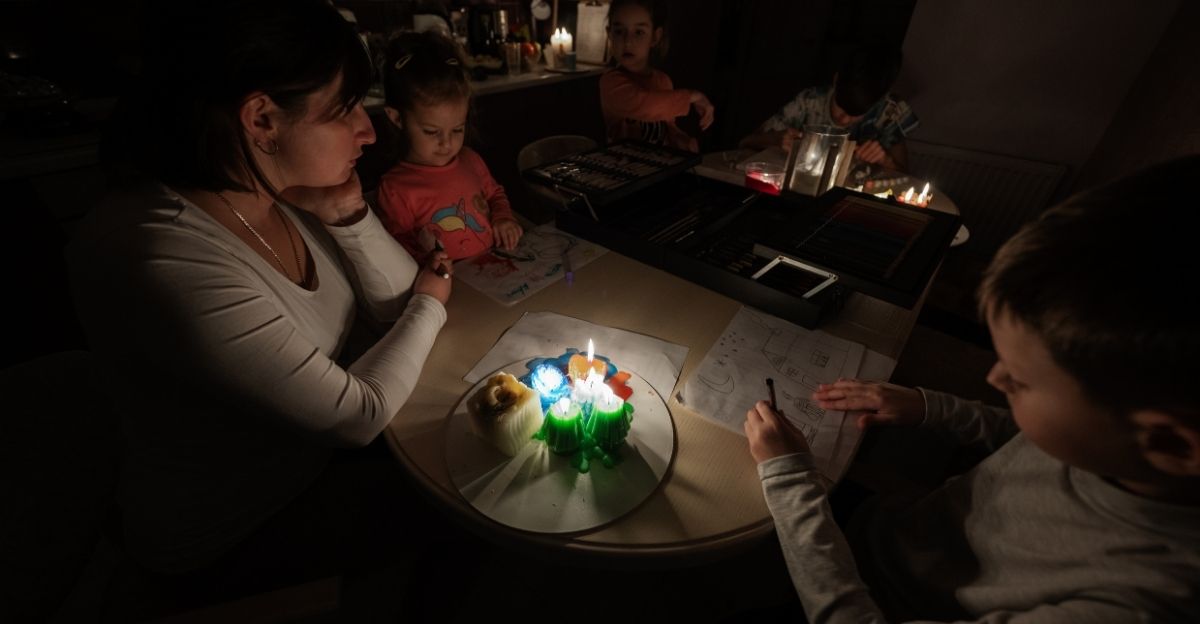
The main attacks took place on the night of January 8–9, when drones hit the Luch thermal power station and the Storozhevaya substation. By the next morning, Belgorod’s governor, Vyacheslav Gladkov, reported that roughly 600,000 people were without electricity or heating, and another 200,000 had no access to water. News agencies such as Reuters confirmed the same numbers. The scale of the outage was larger than anything seen since the war began.
In the darkened city streets, people used car headlights and flashlights to find their way. For many, panic set in as they faced the possibility of freezing inside their homes. Days later, Ukrainian drones also struck another site, the Oryol thermal power plant in central Russia, causing massive fires that could be seen from far away. Russian officials admitted the attack had taken place, showing Ukraine’s ability to carry out multiple, long-distance strikes in different regions at once.
Governor Gladkov ordered backup generators to restore electricity, but they could not meet full demand. He urged residents to relocate temporarily if they could. Social media in the region erupted with anger, with people calling for better air defenses instead of asking individuals to buy their own small generators.
The blackout had major economic effects as well. More than 60 shopping centers closed or shortened their hours. Sixty industrial plants were told they could only operate between midnight and early morning to save fuel and electricity. These restrictions disrupted supply chains, including those connected to the Russian military. With phone networks still failing, people found it difficult to contact emergency services or coordinate evacuations, turning a simple power outage into a critical crisis.
A New Phase of the War
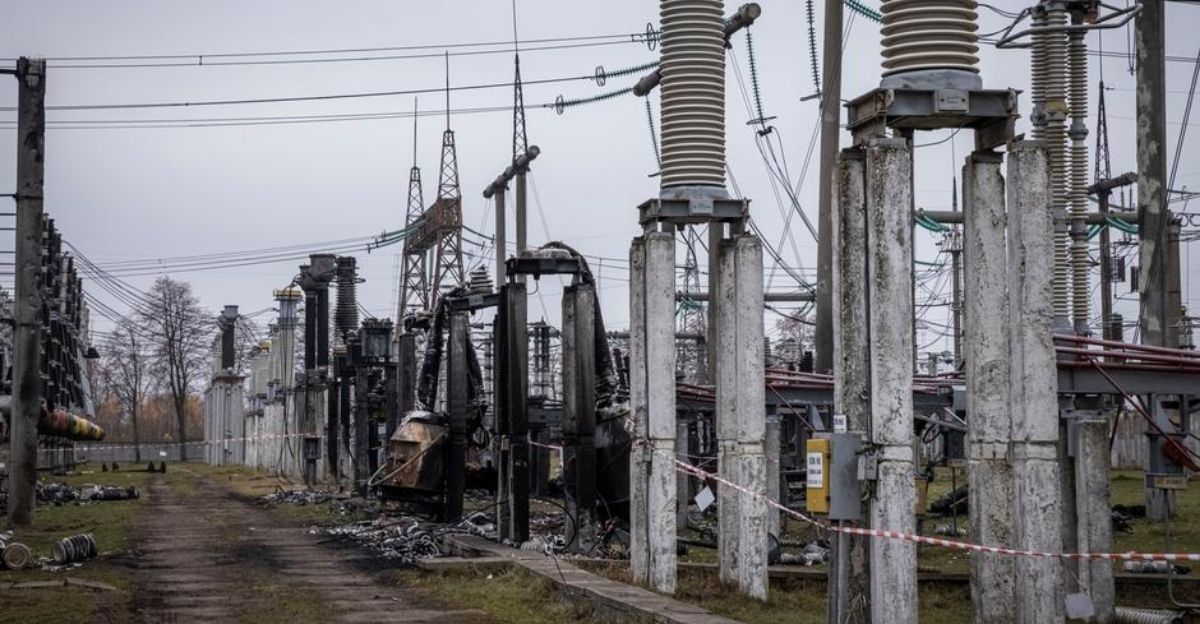
The strikes on Belgorod were part of a larger campaign. During the same night, Ukraine also sent drones toward other Russian regions such as Rostov. Russia’s Defense Ministry claimed it intercepted 11 drones but still acknowledged that several power sites were damaged. Ukraine’s deputy energy minister, Mykola Kolisnyk, described the attacks as retaliation for Russia’s recent waves of missiles and drones that had struck Ukrainian power infrastructure.
Experts say that many of Russia’s thermal power plants are outdated and lack the strong defenses needed to stop modern drone attacks. Many of these facilities were built decades ago, during the Soviet era, when protecting them from air threats wasn’t a major concern. Unlike military bases, power plants cover wide areas, making it difficult to defend them fully. Ukraine appears to be using these weaknesses to target important parts of Russia’s energy network.
As winter continues, both sides are now using the cold itself as a weapon. Each attack on power and heating systems directly affects millions of ordinary people. Energy has become a new front in the conflict, one that causes as much suffering through freezing nights and silent cities as the fighting on the battlefield. The long-term damage could leave deep economic and humanitarian scars long after the snow melts.
Sources:
The Moscow Times, Belgorod Region Reels From Largest Power Outage of Ukraine War, Jan. 12, 2026
Ukrainska Pravda, Third day of power outages in Russia’s Belgorod Oblast, Jan. 12, 2026
Reuters, Governor of Russia’s Belgorod region says 600,000 without power, heat or water after Ukrainian strike, Jan. 10, 2026
Brookings Institution, Ukraine’s energy sector is a key battleground in the war with Russia, Mar. 2025
Newsukraine.rbc.ua, Russia’s Oryol thermal power plant attacked by drones, Jan. 12, 2026
Atlantic Council, Putin is weaponizing winter as Russia tries to freeze Ukraine into submission, Jan. 13, 2026