
Every year, American families face the big question, should they buy a new car or go for a used one? In 2025, data from 12 popular models revealed a dramatic price gap of around $25,000 between new and used vehicles. Many cars lose 30–40% of their value within three years, but some hold their worth much better than others. This difference influences how people make buying decisions, especially as used car prices have steadied after the pandemic and financing options continue to change.
Buying a new car can be exciting, new tech, full warranties, and that new-car smell but it also comes with the reality of steep depreciation. For those aiming to get the best value, timing and model choice matter more than ever.
The Hidden Cost of Depreciation
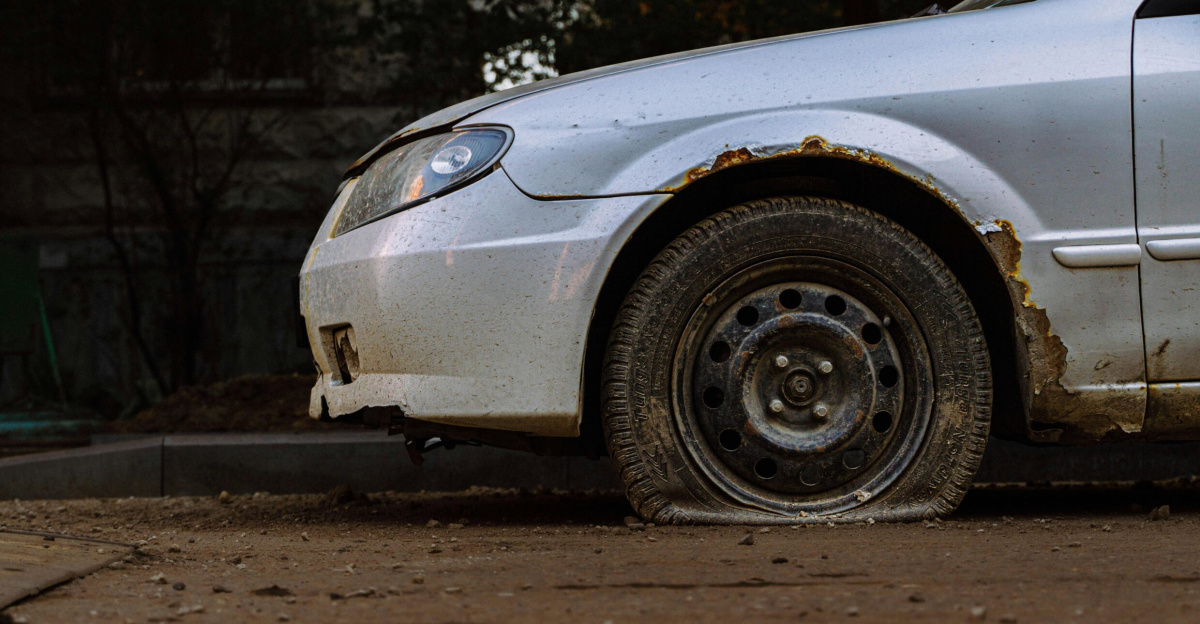
New cars start losing value the minute they leave the dealership. A sedan costing $50,000 might instantly be worth only $45,000 once driven off the lot. According to data from CarEdge, vehicles typically lose 20–30% of their value within two to three years. While used car prices have stabilized after volatile pandemic years, picking the wrong model can still mean losing thousands when it’s time to sell or trade in.
Buyers today are more careful. They weigh the rapid drop in a new car’s value against the long-term costs of keeping it. This includes not just purchase price but also maintenance, insurance, and the resale value down the road. A car that holds its worth better, even if slightly more expensive upfront, often turns out to be the smarter buy.
Financing Realities and Market Gaps

The way cars are financed also shapes buying decisions. According to Experian’s third-quarter 2025 report, the average interest rate for new car loans was 6.56%, while used car loans hit a higher 11.40%. For a $50,000 vehicle, this means a new car buyer might pay about $975 a month, while the used buyer pays closer to $560. Over five years, the total interest ends up surprisingly close, about $8,470 for a new car and $8,029 for a used one.
Even so, lower monthly payments make used cars appealing for families managing day-to-day cash flow. In today’s market, people aren’t just asking how much a car costs, they’re asking how much it costs per month and how stable that cost will be over time. That’s why many are turning toward slightly used models that strike a balance between lower payments and reliable performance.
What Holds Value—and What Doesn’t
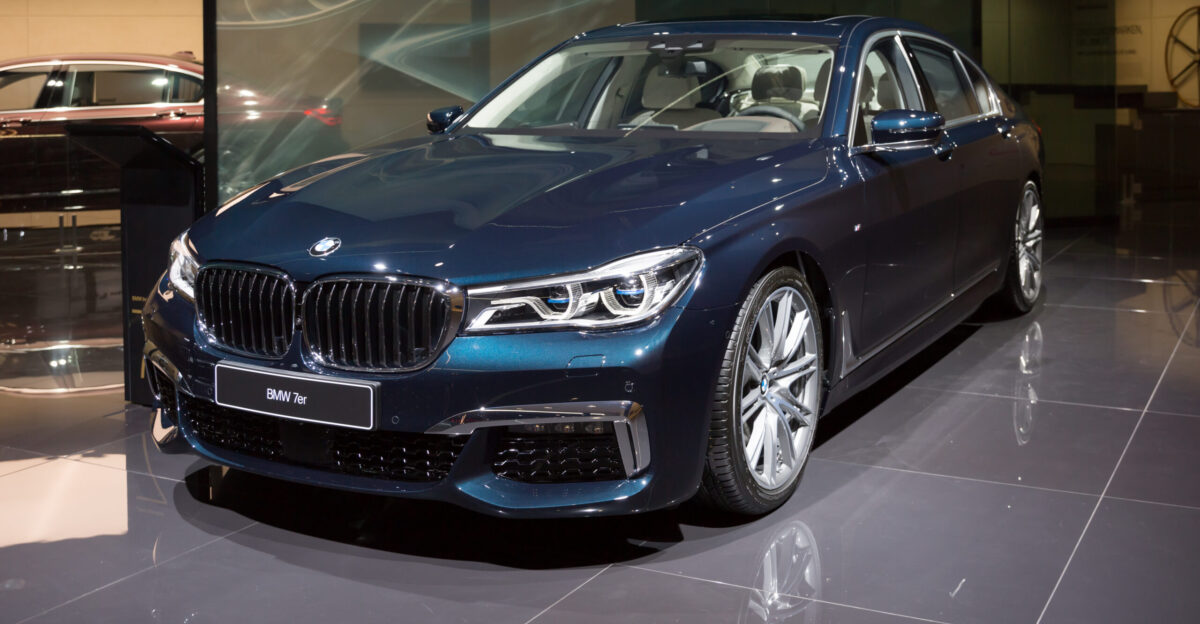
Luxury cars suffer the steepest drops in value. The BMW 7 Series, for instance, can lose between $62,000 and $71,000 in just five years, a decline of over 60%. The Maserati Quattroporte does even worse, often losing up to 83% of its value. Meanwhile, more practical vehicles like the Toyota Tacoma keep 74–78% of their value, making them far more cost-effective in the long run.
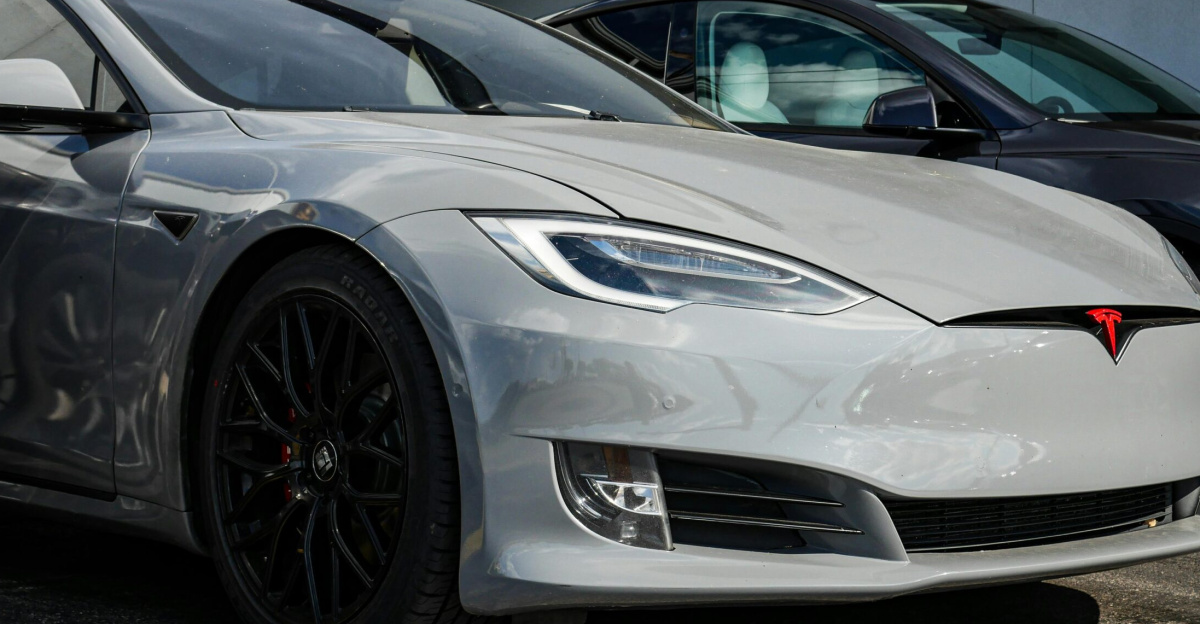
Electric vehicles (EVs) show another layer of complexity. A Tesla Model S can lose nearly 69% of its value in five years, over $60,000 while the Hyundai Ioniq 5 depreciates around 60%. These sharp declines come from shifting federal incentives, rapid tech upgrades, and concerns about battery life. Still, this means two-year-old EVs often sell for half their original price while keeping 85–90% of their battery capacity, creating good deals for secondhand buyers willing to take advantage.
The best time to buy depends heavily on the type of car. Experts suggest buying luxury sedans and EVs when they are three to four years old, after they’ve taken most of their depreciation hit. On the other hand, cars like the Honda Civic, Toyota Tacoma, and Jeep Wrangler make more sense to buy new because they hold their value and often come with strong warranties and lower operating costs.
Smart Buys for Every Budget
Several models stand out for used buyers. The Tesla Model S, BMW 7 Series, Maserati Quattroporte, Nissan Leaf, Hyundai Ioniq 5, and Chevrolet Bolt all lose value quickly, anywhere from 40% to 83% within the first few years. This turns them into bargains in the used market, especially for those who don’t mind older technology or higher maintenance costs. A three-year-old BMW 7 Series, for example, might cost roughly half of what it did new, though upkeep can exceed $2,000 a year.
On the flip side, certain vehicles make a stronger case for buying new. Trucks and compact cars like the Toyota Tacoma, Honda Civic, and Jeep Wrangler keep 70–80% of their value, meaning the savings on a used model are often small. Newer Hyundai and Kia models are also appealing because of their long 10-year powertrain warranties, which save thousands over time. Subarus and Mazdas remain steady performers too, balancing reliability, reasonable depreciation, and solid warranty protection.
In the end, the decision between new and used comes down to your goals and how long you plan to keep the car. If you aim to drive a vehicle for many years, a new one with lower depreciation and a long warranty could make sense. But if flexibility and value are top priorities, the used market, especially for luxury and electric cars, offers significant savings. In today’s auto world, smart timing and careful research can mean the difference between a financial drag and a long-term win on the road.
Sources:
Tesla Model S Depreciation. CarEdge, January 4, 2026.
BMW 7 Series: True Cost to Own. Edmunds, February 20, 2025.
Maserati Quattroporte Depreciation King. The Drive, November 12, 2023.
Average Car Payment in 2025. Experian, December 8, 2025.
Toyota Tacoma Depreciation. CarEdge, January 4, 2026.
Honda Civic Depreciation. CarEdge, October 14, 2024.