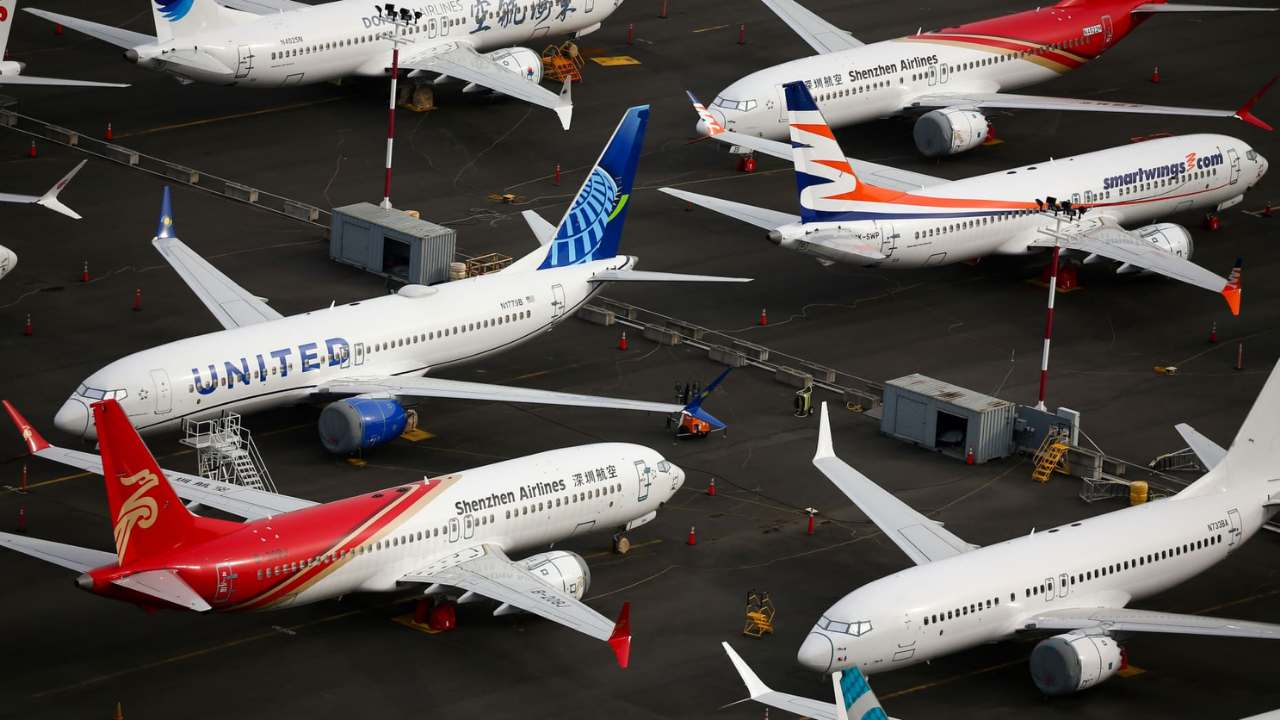
November 28, 2025: As thousands of passengers prepared to board their holiday flights, aviation regulators issued an emergency directive grounding 6,000 Airbus A320-family aircraft worldwide.
The culprit? A potential vulnerability exposed by solar radiation affecting the ELAC B flight control software. While investigations remain ongoing, the timing could not have been worse, with the directive issued just as the Thanksgiving rush reached its peak.
The Hidden Threat: Why Solar Radiation Matters Now
On October 30, 2025, JetBlue Flight 1230 experienced a sudden pitch-down event at 35,000 feet, forcing an emergency landing in Tampa, Florida. Investigations revealed that solar radiation may have corrupted data in the ELAC B (Elevator Aileron Computer) software version L104.
Airbus identified a malfunction of the affected ELAC as a possible contributing factor. The fix involved reverting to the earlier L103+ software version or replacing the hardware. However, the specific causal link between solar radiation and the incident remains under investigation.
Thanksgiving Chaos: Thousands of Passengers Disrupted

The Thanksgiving weekend saw Jetstar Airways cancel approximately 90 flights, while ANA cancelled 95 flights affecting about 13,200 passengers. American Airlines worked to repair all 209 of its affected aircraft.
Other carriers like EasyJet completed updates on their fleets, while some airlines required more extensive hardware replacements. Each minute counted as airlines prioritized safety over schedules, striving to meet the regulatory deadline.
The Race Against Time: Airlines Scramble to Fix Planes
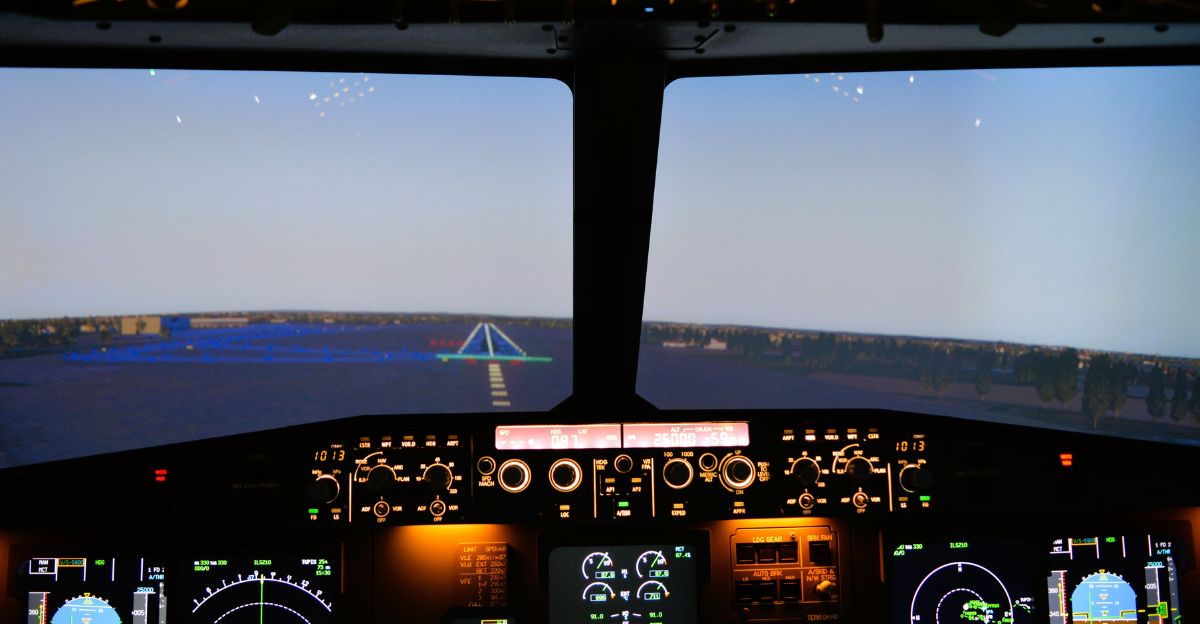
Airlines worldwide raced against the clock to get their planes airworthy. Between November 28 and early November 29, Airbus reported that more than 5,000 aircraft had been corrected, representing most of the roughly 6,000 affected.
American Airlines, Lufthansa Group, and EasyJet reported completing repairs with minimal delays. Some carriers, however, including Air France, canceled flights during the modification period. Each minute counted as airlines prioritized safety over schedules.
Rapid Resolution: Most Aircraft Return Quickly
As airlines worked to complete rapid repairs, most aircraft returned to service within 24 to 48 hours. The incident demonstrated the aviation industry’s ability to respond swiftly to technical challenges while maintaining safety protocols.
The A320 family represents nearly half the world’s narrow-body fleet, underscoring the critical importance of resolving the issue quickly to minimize broader travel disruptions.
Global Impact: The Ripple Effect on Supply Chains
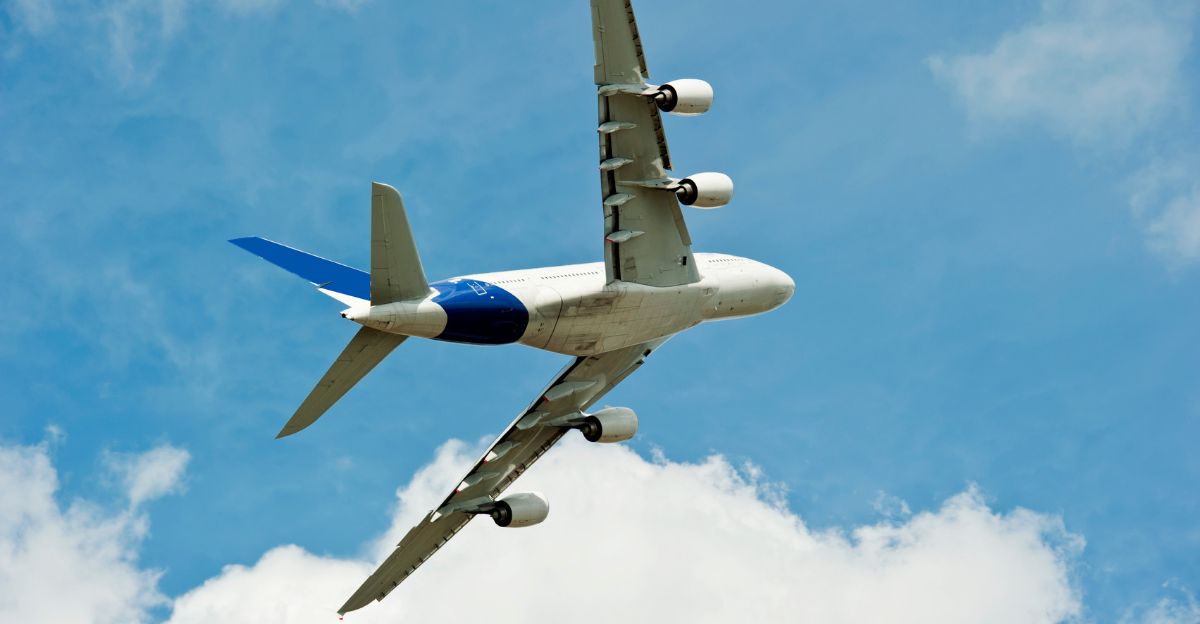
The grounding rippled through global operations. Airlines from India to Australia, including Jetstar Airways and IndiGo, scrambled to meet compliance deadlines. As planes were temporarily removed from service, flight schedules faced disruptions.
This incident underscored how a single technical vulnerability in one aircraft family could disrupt a much larger global network, highlighting the interconnectedness of modern aviation.
Behind the Scenes: The Unsung Heroes
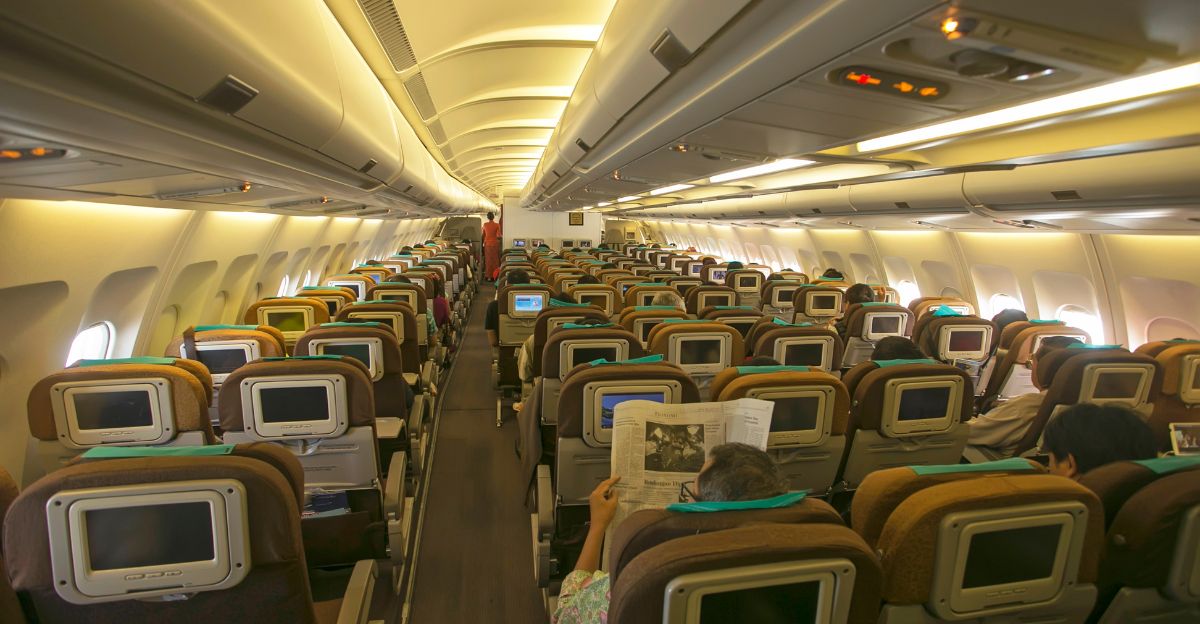
Maintenance crews worked rapidly, completing software modifications in approximately two hours per aircraft, with some requiring hardware replacements. Pilots faced uncertainty over their flight schedules, while flight attendants navigated passenger communication.
The operational intensity was evident as teams worked to complete repairs before the November 29 regulatory deadline, demonstrating the critical coordination required in modern aviation operations.
Regulatory Action: Swift Response to Safety Concerns

Regulators prioritized safety over operational continuity. The European Union Aviation Safety Agency (EASA) and the U.S. FAA moved quickly to issue emergency airworthiness directives, grounding aircraft effective November 29, 2025 at 11:59 PM UTC.
The emergency directive permitted ferry flights without passengers to reposition aircraft for maintenance but prohibited passenger operations until the fix was completed. Aviation authorities stressed that the action was precautionary and necessary to maintain high safety standards.
Financial Fallout: Airline Operational Challenges
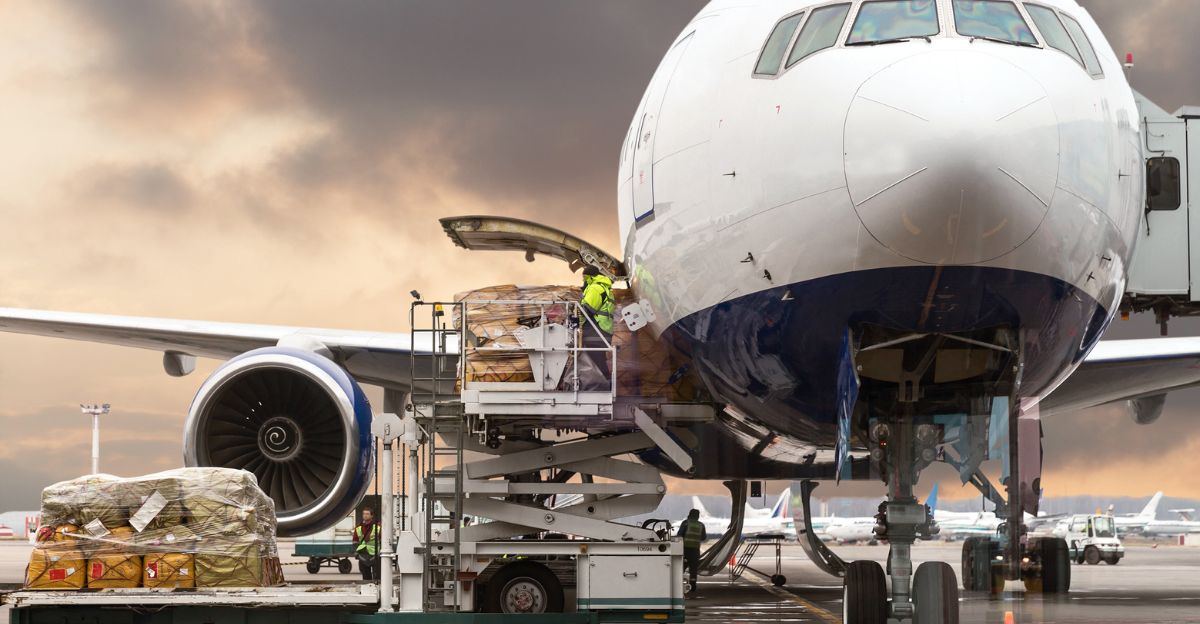
The incident created significant operational challenges for airlines, particularly those with large A320 exposures. Avianca, for example, suspended ticket sales until December 8 due to over 70 percent of its fleet requiring modifications, warning of significant disruption over the following ten days.
Other carriers like Lufthansa and American Airlines reported managing the disruption with limited cancellations. Expenses for overtime, passenger reaccommodation, and operational adjustments mounted quickly for affected airlines.
Medical Impact: In-Flight Safety Concerns
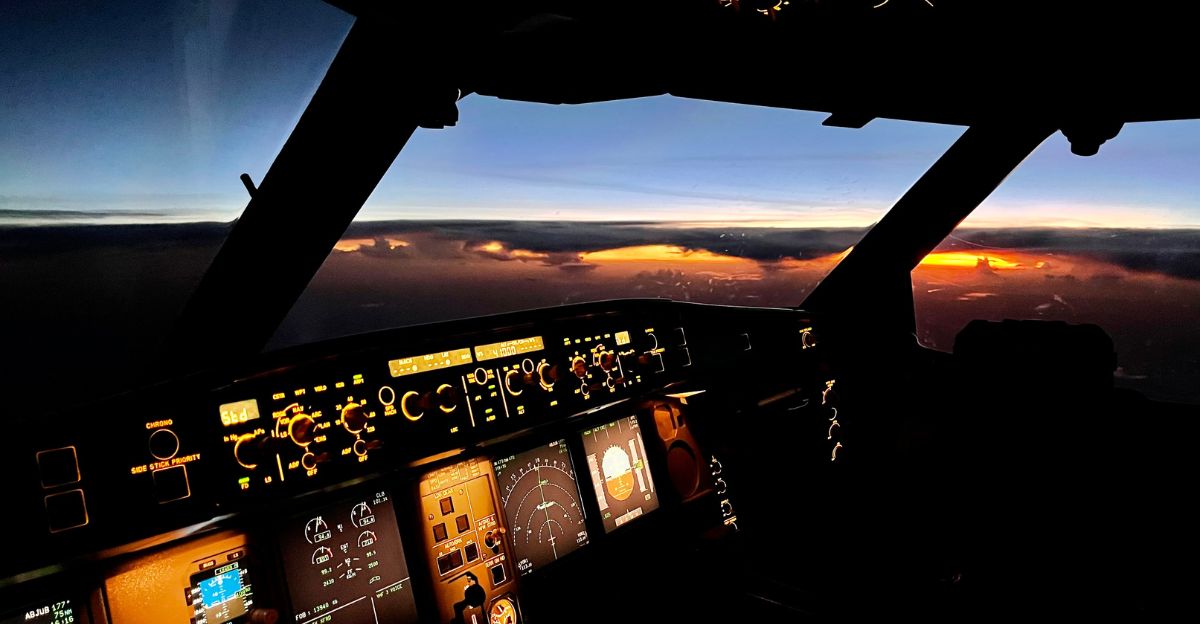
The JetBlue Flight 1230 incident resulted in at least 15 passengers and crew members being transported to hospitals, raising concerns about in-flight safety protocols. The aircraft made an emergency landing in Tampa, Florida.
The event prompted renewed discussions on emergency procedures and rapid descent protocols, with aviation regulators and medical experts urging improvements in response strategies to better handle future in-flight incidents.
Environmental Impact: The Carbon Footprint Question
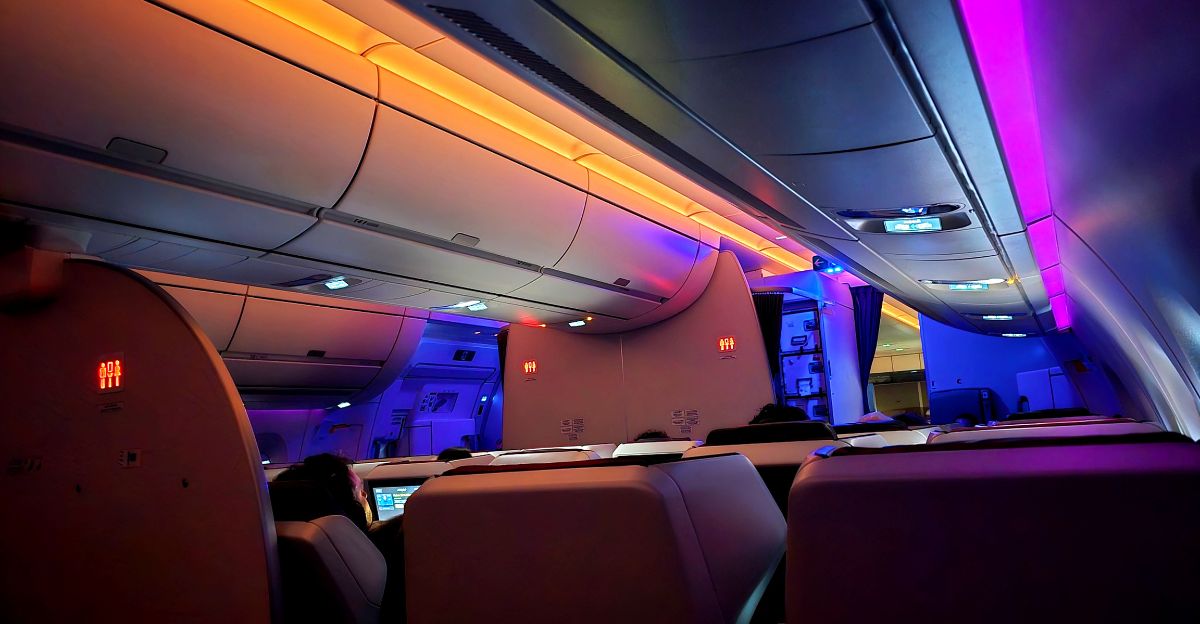
The grounding temporarily resulted in fewer flights. However, operational adjustments to complete repairs may have affected fuel efficiency during the modification period.
This situation prompted discussions within the industry about balancing fleet modernization with technical resilience. Experts emphasized the growing need for radiation-hardened avionics amid increasing space weather activity during Solar Cycle 25.
Public Perception: A Shift in Trust
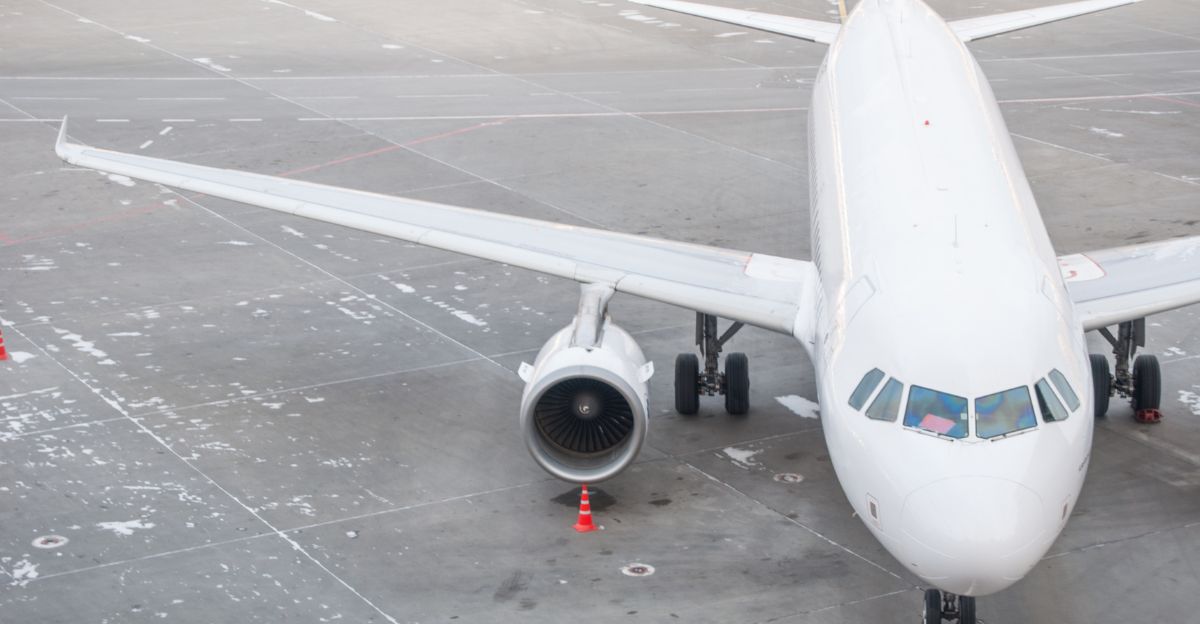
The incident triggered discussions about aviation technology, particularly fly-by-wire systems in which computers control aircraft pitch and roll. Some passengers questioned the reliability of systems once considered infallible for safety.
Public perception experienced scrutiny, with concerns about whether advanced systems required additional safeguards. Airlines and Airbus reassured the public by emphasizing the redundancy built into fly-by-wire systems and the swift regulatory response.
Market Shifts: Industry Response
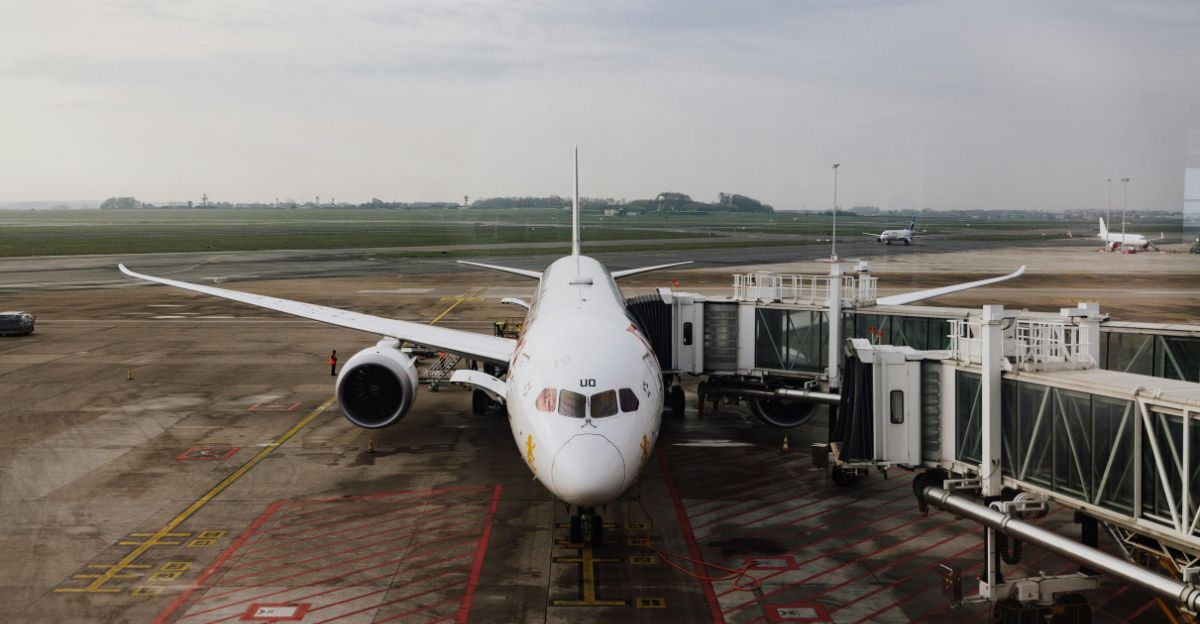
By November 30, more than 5,000 of the roughly 6,000 affected aircraft had been modified and returned to service, with the vast majority of airlines reporting successful compliance and limited passenger impact.
Airbus faced significant logistical coordination challenges in accelerating delivery of replacement hardware for approximately 900 aircraft requiring hardware changes rather than software updates. The incident reflected how quickly the aviation industry must adapt to unexpected disruptions, particularly during peak travel periods.
How to Navigate Future Disruptions: A Consumer’s Guide
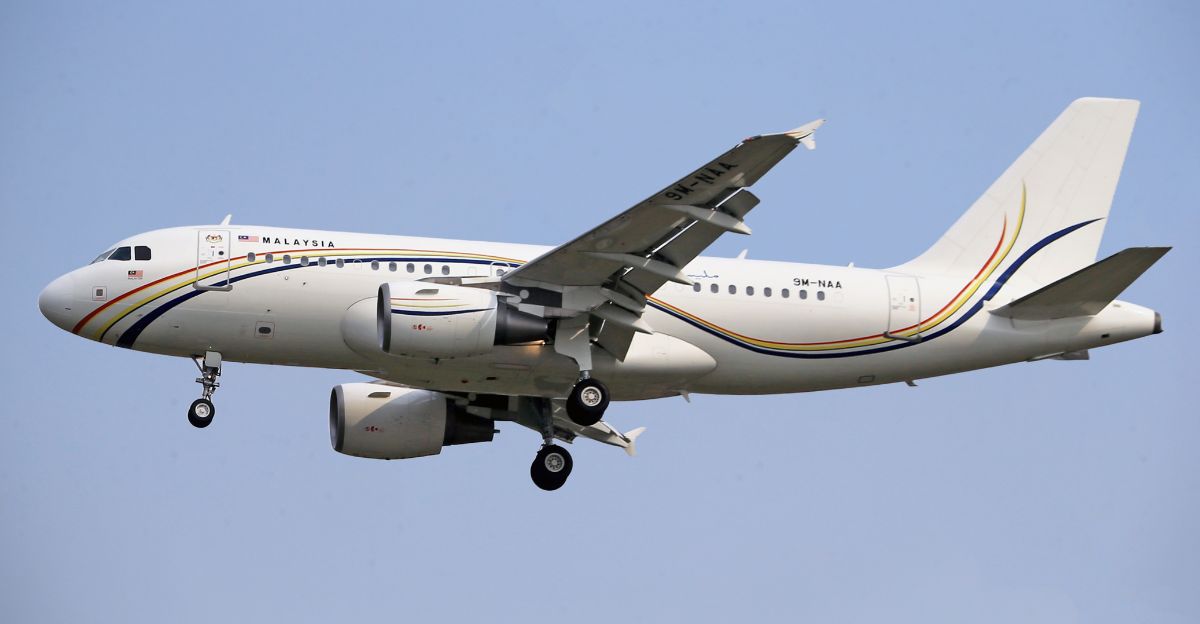
For future travel, flexibility and preparedness remain key. Passengers should consider booking flexibility, purchase travel insurance, and stay updated on flight statuses through airline websites and real-time tracking.
Airlines recommend checking for real-time updates, especially during peak travel seasons. The A320 grounding demonstrated that even the most reliable aircraft can face unexpected technical vulnerabilities, making adaptability and planning crucial for hassle-free travel.
The Bigger Picture: What’s Next for Aviation Safety?
This event serves as a reminder for the aviation industry regarding the need for enhanced monitoring of cosmic radiation and stronger safeguards against unforeseen technical vulnerabilities. Solar activity peaks every 11 years, with the current cycle heightening radiation events that already disrupt high-altitude communications.
Future mitigations may include radiation-hardened processors or real-time solar alerts. The A320 grounding demonstrated the critical importance of rapid regulatory response in the face of evolving technological risks and external environmental factors.
Sources:
Reuters: Airbus issues major A320 recall, threatening global flight operations; Airbus says most of its recalled 6,000 A320 jets now modified
CNN / Associated Press: JetBlue Flight 1230 emergency landing in Tampa after flight control issue, at least 15 people hospitalized
European Union Aviation Safety Agency (EASA) Emergency Airworthiness Directive on Airbus A320-family ELAC B software (L104) and solar radiation vulnerability
Avianca official statement and Reuters coverage on suspending ticket sales through December 8 due to 70% of A320 fleet affected by recall