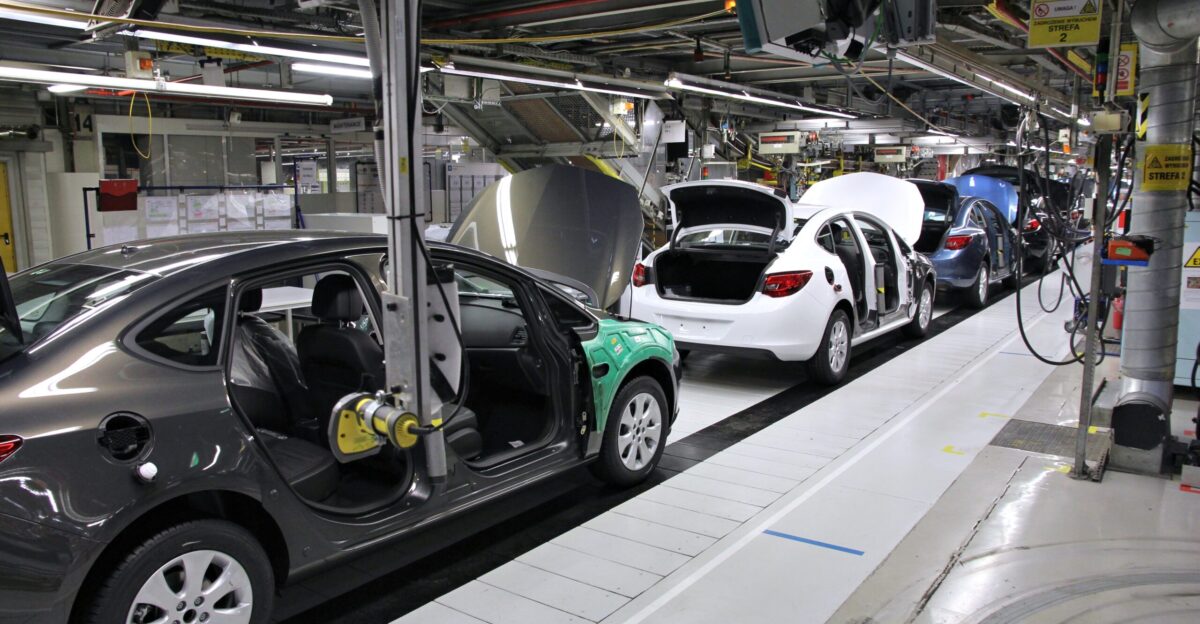
Under bright white LEDs in Spring Hill, Tennessee, a cavernous assembly hall hums as robotic arms glide over unfinished SUVs, welding sparks throwing brief orange flares into the air.
Within two years, this same line will begin turning out Chevrolet Blazers once built in Mexico, a shift driven by 25% U.S. auto tariffs that forced GM to rethink where America’s cars are made. But what happens next could change prices and production strategies across the entire industry.
Why GM Is Moving Production Now
General Motors now expects tariffs on imported vehicles and parts to hit earnings by between 4 and 5 billion dollars in 2025, a direct result of President Donald Trump’s decision to impose 25% duties on many auto imports.
Those costs ripple through GM’s supply chain, from Mexican assembly plants to U.S. parts suppliers, making long‑standing cross‑border strategies suddenly much more expensive to sustain.
The Tariff Order That Sparked A Strategy Shift
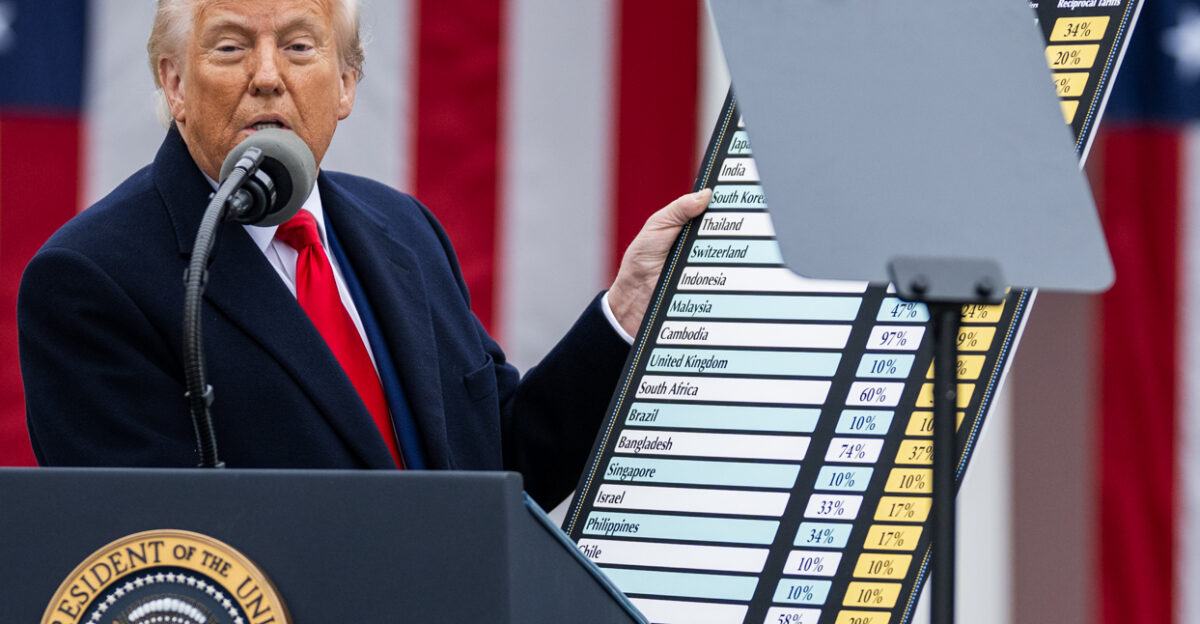
Trump’s March 2025 announcement slapped a 25% tariff on imported cars and many key components from major trading partners, including Mexico and Canada, with measures taking effect in the following weeks.
For GM, which has treated North America as a single integrated manufacturing platform for decades, the move upended assumptions about where it is cheapest and safest to build high‑volume SUVs and pickups.
A $4 Billion Bet On U.S. Plants
GM responded in June with a roughly 4 billion dollar commitment to three American plants in Michigan, Kansas and Tennessee, spanning both combustion and electric vehicle production.
Executives framed the move as a way to reduce tariff exposure, unlock incentives and give the company more control over its cost base by shifting more output onto U.S. soil without abandoning international operations. But the challenges do not stop there.
Blazer And Equinox Shift North

A headline element of the plan is bringing gas‑powered Chevrolet Blazer and Equinox production to U.S. lines from 2027 onward, complementing existing output at GM’s Ramos Arizpe facility in northern Mexico.
By adding assembly in Spring Hill, Tennessee, and Fairfax, Kansas, GM aims to serve North American buyers from tariff‑insulated plants while continuing Mexican production primarily for export to other markets.
Inside Spring Hill’s Expanding Role
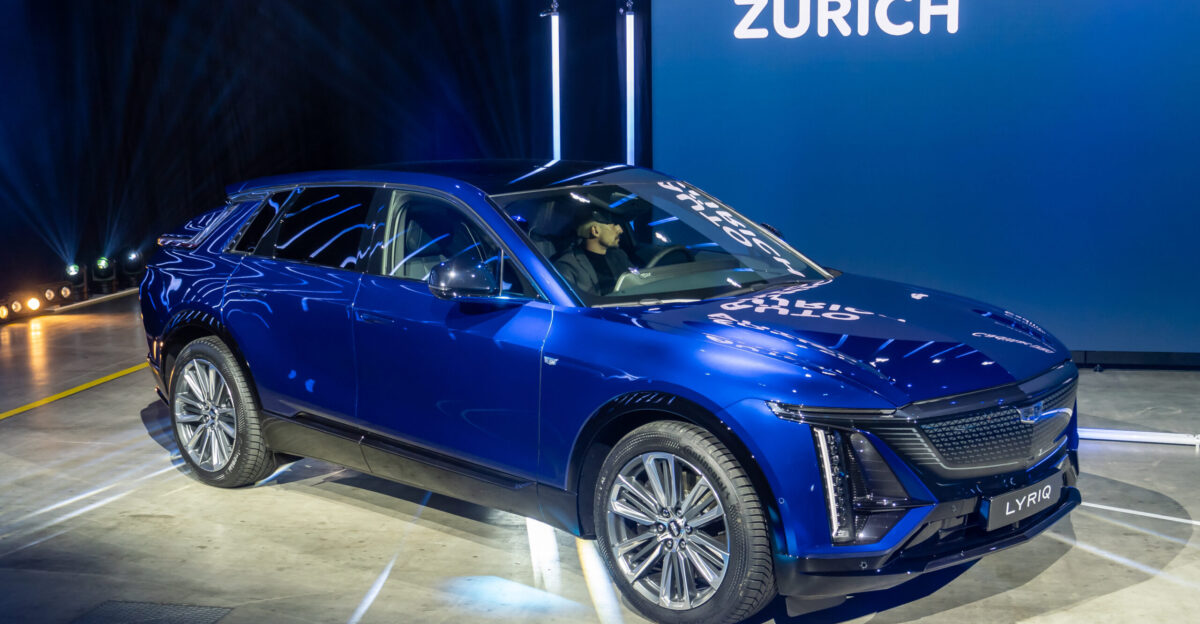
The Spring Hill complex, already home to Cadillac’s Lyriq and other SUVs, will assemble the next generation of gasoline‑powered Blazers alongside its electric models on flexible lines.
Local leaders say GM’s investment will add jobs and deepen the plant’s importance to the company’s global network, turning a facility once built for Saturn into a showcase for mixed EV and combustion manufacturing.
Fairfax Prepares For Equinox Demand
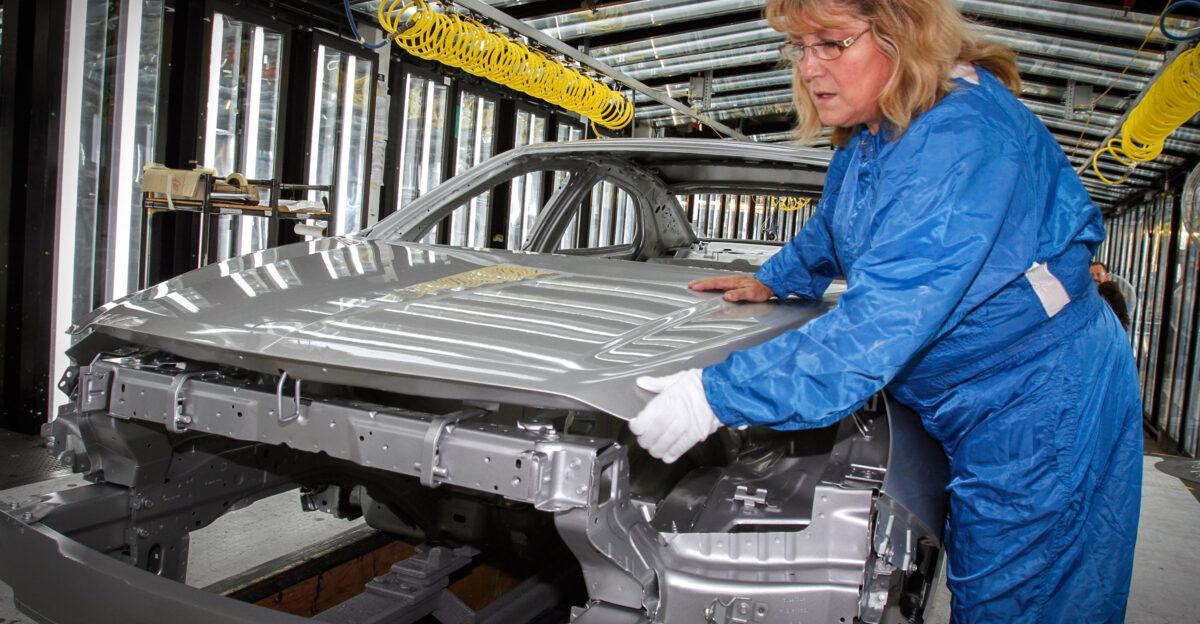
In Kansas, the Fairfax Assembly Plant will be retooled to build Chevrolet Equinox SUVs, one of GM’s top‑selling models, with work ramping up around mid‑2027.
Analysts note that Equinox demand rose sharply heading into 2025, making domestic capacity crucial as tariffs and consumer preferences push GM to prioritize high‑volume, mainstream vehicles that can absorb higher input costs.
Orion Township Pivots From EVs To Trucks

GM’s Orion Township plant in Michigan, once slated to become a major hub for electric pickups, will instead focus on gas‑powered full‑size SUVs and light trucks as part of the 4 billion dollar plan.
Electric pickups formerly assigned to Orion are being consolidated at Detroit’s Factory Zero complex, while Orion is repurposed to build high‑margin combustion vehicles that remain essential to GM’s profits.
What This Means For Mexico’s Auto Hubs
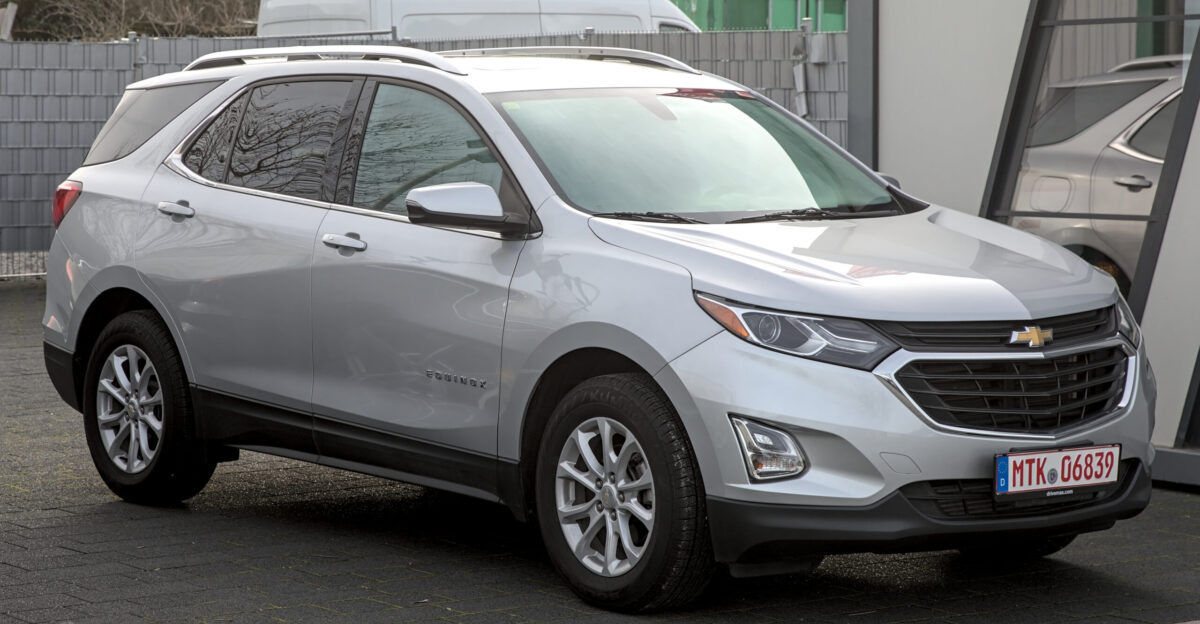
The Ramos Arizpe plant in Coahuila, which builds Chevrolet Equinox and Blazer models as well as several EVs, has already cut back from three shifts to two, eliminating an estimated 800 jobs.
GM and Mexican officials stress that the company is not pulling out of the country, but slower exports to the United States and a rebalanced production mix underscore how tariffs are squeezing once‑booming border factories.
How Much Could Car Prices Rise?

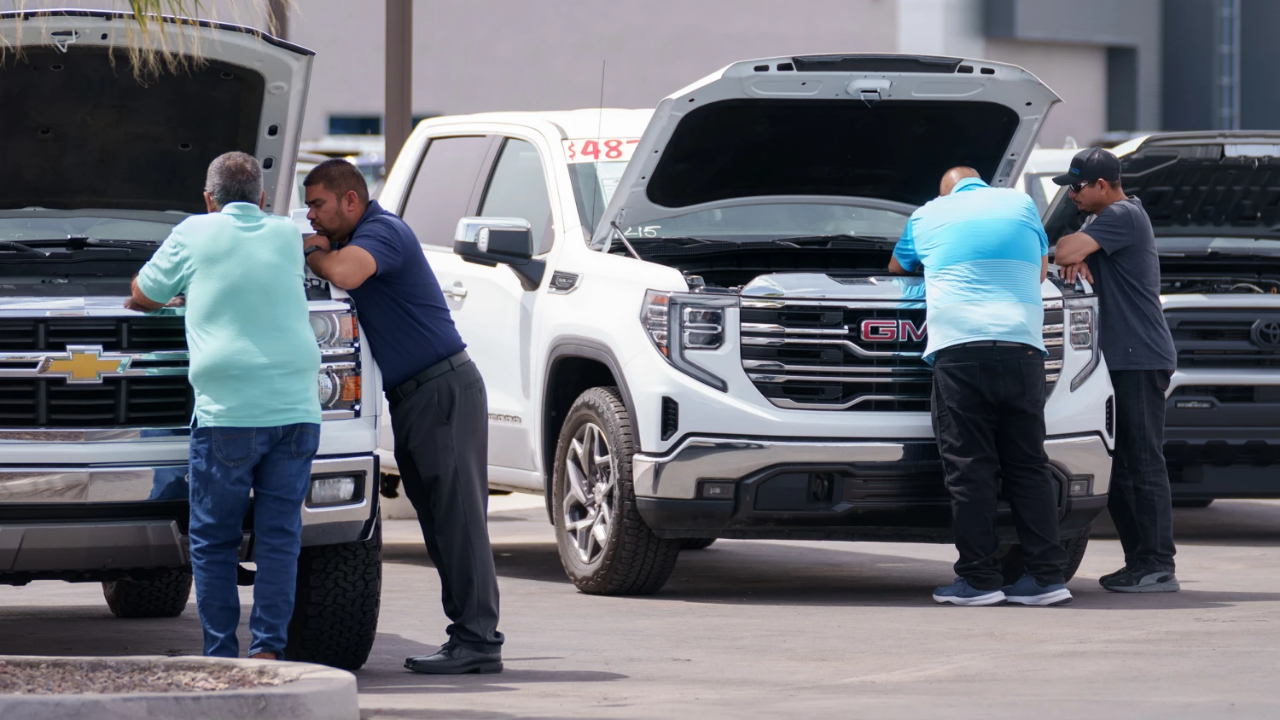
Economists estimate that broad auto tariffs could add roughly 1,700 to nearly 2,000 dollars to the average new vehicle price in the United States, depending on how much cost automakers pass to buyers.
For models like the Blazer and Equinox, which straddle Mexican and U.S. production, analysts say retail prices could rise by about 1,000 to 2,000 dollars once higher tariffs and domestic manufacturing expenses are fully baked in.
GM’s Earnings And Wall Street’s Response

GM has already lowered its 2025 earnings guidance to reflect the expected 4 to 5 billion dollar tariff hit, warning investors that trade policy is now a material headwind.
Still, some analysts argue the 4 billion dollar U.S. investment could ultimately stabilize margins by reducing uncertainty and showcasing GM’s willingness to align with political and regulatory pressures.
Labor Leaders And Local Officials Weigh In

U.S. politicians and union leaders have hailed GM’s reshoring as evidence that tariffs and incentives can pull manufacturing jobs back from overseas.
The United Auto Workers has pointed to the new investments as validation of its recent bargaining push, while governors and mayors in Tennessee, Kansas and Michigan highlight construction and hiring as proof that industrial policy can deliver tangible benefits.
Industry Experts See A Playbook Emerging

Auto industry analysts say GM’s move offers a blueprint for navigating a more protectionist era: accept short‑term tariff pain, then reconfigure factories to bring strategically important models closer to home.
They expect other automakers with large Mexican footprints, including Ford and several Japanese brands, to study whether similar partial reshoring could reduce risk without sacrificing global scale.
Consumers Face Harder Buying Decisions

For car shoppers, the combination of higher sticker prices, rising insurance costs and still‑elevated interest rates is likely to make new SUVs harder to afford, even as more are built in America.
Dealers report that some customers are stretching loans, downsizing from larger models or turning to used vehicles as they weigh patriotic appeals for “American‑made” against the reality of tighter household budgets.
A Turning Point For U.S. Auto Strategy

GM insists that its electric‑vehicle ambitions remain intact, but the tariff‑driven shift toward gas‑powered trucks and SUVs in Orion, Spring Hill and Fairfax highlights the tension between climate goals and market realities.
As tariffs, politics and consumer demand collide, decisions made on these factory floors will shape not only where cars are built, but how much they cost and how quickly the industry transitions to a lower‑carbon future.
Sources:
“GM to invest $4 billion in 3 US facilities for gas-powered vehicles,” Reuters, June 10, 2025
“GM plans $4B investment to boost US manufacturing,” Manufacturing Dive, June 10, 2025
“GM says it will invest $4 billion to increase US production,” CNN, June 10, 2025
“Auto tariffs seen hiking car prices by nearly $2000 per vehicle,” Los Angeles Times, June 19, 2025
“Car Prices Face $3000 Increase as Tariffs Hit Auto Sector,” Bloomberg, February 2, 2025
“GM CEO Mary Barra: Tariffs will cost us $5 billion,” CNN, May 1, 2025