
The letter arrived, slipping through the mail slot like any other piece of official correspondence. But when the family opened it, the words inside were anything but ordinary: the hospital had sent a death notice—for one of them.
The shock of reading their own obituary hit instantly. They weren’t just confused—something was horribly wrong. How could this happen? What would it mean for their future? The answers were buried deeper within the story, but one thing was clear: the healthcare system had made a catastrophic mistake.
A Mistake Measured in Hundreds

The full scale emerged quickly: 531 living patients had received official estate-resolution letters meant only for the deceased. The impact was immediate and devastating. Some elderly patients expressed confusion about how their information was used, while others worried about the implications for their records.
This was a significant mass erroneous death notification event in U.S. healthcare. As the story spread, the question loomed: how did 531 simultaneous false deaths slip through a modern medical system?
The Human Toll of an Impossible Message

Imagine opening an envelope that calmly instructs your family how to settle your estate. Many of the 531 affected patients did just that, some reading their own “condolence” letter twice before realizing it claimed they were dead. The emotional shock was profound—especially for older patients already managing fragile health conditions.
Families scrambled to call relatives, doctors, and emergency lines. For many households, the confusion struck at their deepest fears: that the systems meant to protect them could somehow erase them with a single automated mistake.
When Trust Cracks in Healthcare
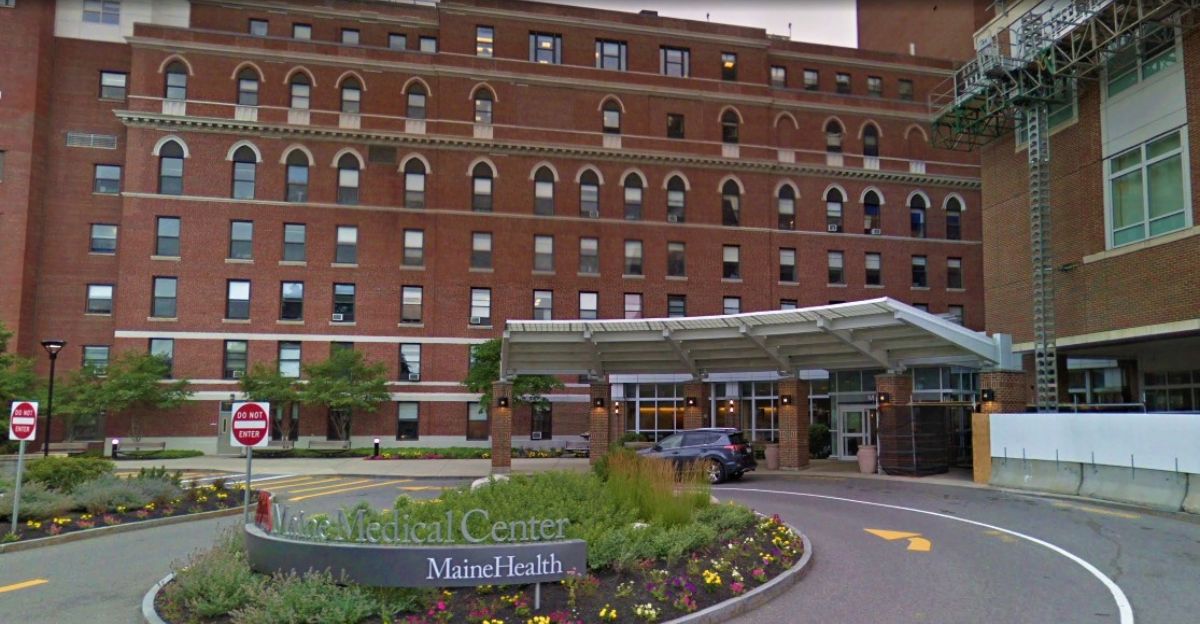
For decades, patients trusted MaineHealth to safeguard critical medical data. Yet this event shattered assumptions about infallible records. If a healthcare system cannot confirm whether its patients are alive, what does that reveal about deeper vulnerabilities?
Digital medical infrastructure is designed to prevent catastrophic errors like this. But the October 2025 incident exposed a gap so fundamental it created widespread doubt, not only about MaineHealth, but about the reliability of healthcare automation nationwide.
The Core Truth Emerges

MaineHealth confirmed the root fact: the system mistakenly mailed death-related estate notices to 531 living patients on October 20, 2025. Each letter expressed condolences and provided instructions for next of kin on settling nonexistent estates. None of the patients were actually listed as deceased in medical records.
The culprit was an automated estate-vendor system that malfunctioned, generating a set of letters with a 100% error rate. By the time staff realized what had happened, every letter had already reached a household.
How the System Failed
The failure stemmed from a breakdown between internal medical records and external vendor automation. Estate letters are supposed to trigger only after a confirmed death in the electronic health record. Yet the vendor system independently generated letters without verifying patient status.
This unsynced process produced all 531 false death declarations, revealing a significant methodological flaw: the estate system did not cross-check against medical records before mailing high-stakes notifications.
The Immediate Ripple Through Communities

News of the false death letters rippled across Maine and New Hampshire. Local clinics received calls from confused individuals asking whether they were still listed as alive. The incident spread rapidly through regional media, intensifying concern among patients about data handling.
For patients already dealing with chronic conditions, the experience intensified anxiety. What should have been a single notification failure became a community-wide crisis shaking trust in regional healthcare.
The Broadening Wave of Impact

The emotional impact extended to immediate family members who opened letters addressed to their relatives. Many family members thought the letter represented an official change in medical, financial, or legal status, amplifying the psychological distress throughout affected households.
The situation revealed how deeply healthcare communications can affect entire networks of people. When one system falters, the consequences radiate far beyond a single name on an envelope.
A Window Into Systemic Vulnerabilities

The mistake revealed vulnerabilities in digital health systems that most people assume are tightly controlled. If an estate notice can be generated without confirming a patient is deceased, what prevents similar errors from affecting insurance claims, financial accounts, or government records?
Many healthcare systems rely on loosely connected networks of automated tools that do not always speak the same language—and are not always checked by humans.
A Significant Error in U.S. Healthcare History

The MaineHealth event highlights the serious risks posed by vendor system automation in healthcare communications.
The fact that each letter included not just condolences but instructions for resolving estates makes this incident particularly damaging to public confidence in digital healthcare systems.
Families Demand Answers

As the scope became clear, affected families sought detailed explanations. Many demanded to know how the vendor system selected these 531 patients. Were they from a particular age group, location, or clinic? Could the glitch have transferred incorrect information to other agencies?
MaineHealth customers also questioned whether similar errors—less dramatic but equally consequential—had gone unnoticed in the past.
MaineHealth Responds With Apology Letters

MaineHealth issued apology letters to all 531 patients, acknowledging that the incident caused distress. The organization emphasized that no medical records showed the patients as deceased and that the problem was limited to estate-vendor mailings.
Their official statement included a powerful line: “MaineHealth sincerely regrets the error.” Yet for many families, remorse alone could not erase the trauma of receiving their own death notice.
How the Error Could Have Been Stopped

Basic safeguards—such as real-time syncing between record systems or manual verification before mailing death-related notices—would have prevented the crisis entirely. Estate letters should never be auto-generated without human review.
This event may force IT designers to revisit longstanding assumptions about automation, particularly in life-and-death contexts where errors can have massive psychological and financial consequences.
A Call for Stronger Safeguards

The incident highlights a growing need for oversight in healthcare automation. As systems become more complex, the risks of cascading errors increase. When processes involve death status—one of the most sensitive data points in medicine—manual checks become essential.
Healthcare administrators are being urged to reconsider automated workflows, especially those involving high-stakes communications.
The Privacy Risk Hidden Beneath the Error

The false death letters raised broader concerns about what other data might be vulnerable to similar glitches. If automation can erroneously classify someone as dead, could other personal information—diagnoses, test results, billing data—be misrouted or misreported?
Banking systems, insurance companies, and government registries sometimes rely on health-system notifications. A false death report, if shared, could trigger a bureaucratic nightmare.
Ripple Effects for Health Systems Nationwide

While the event occurred in Maine and New Hampshire, its implications extend nationally. Healthcare organizations are being urged to review their systems following the incident.
Similar glitches may exist undetected in other systems. Healthcare administrators should consider tightening standards governing automated death-related communications.
A Turning Point for Healthcare IT

MaineHealth’s failure is now being examined as a cautionary case study. It illustrates that automation—while efficient—can generate catastrophic failures without human oversight. Hospitals and clinics are being urged to strike a balance between digital speed and human reliability.
This case has already sparked discussions on tightening audits, monitoring automated processes, and re-evaluating reliance on vendor systems.
Rebuilding Trust After the Shock

Restoring faith in the healthcare system will require more than apologies. Patients want transparency: What exactly failed? What will change? How will the system ensure that no patient ever receives another letter declaring them dead?
Affected families and healthcare observers emphasize that meaningful reforms—not just assurances—will be needed to rebuild trust after an error of this magnitude.
What the Crisis Reveals About Our Tech-Driven Era
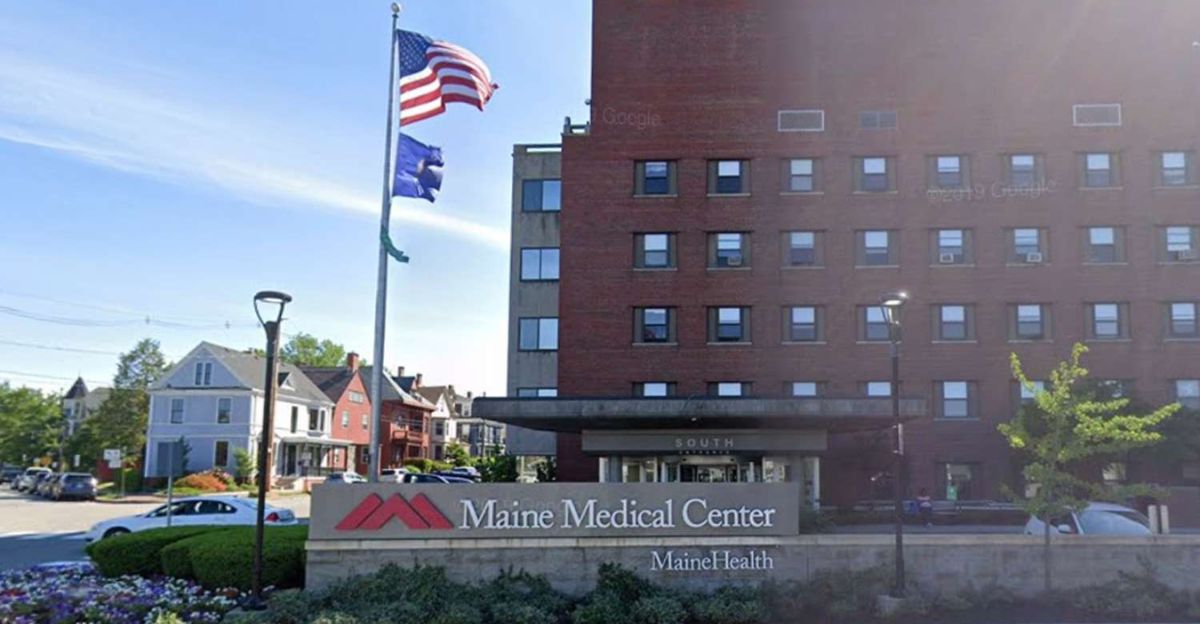
The MaineHealth incident forces society to confront an uncomfortable truth: even the systems designed to keep us safe can misfire in ways that challenge our understanding of digital reliability. As automation accelerates across healthcare, the event underscores the need for thoughtful oversight.
This moment may prompt a larger cultural reckoning about how much authority we hand over to machines—and how closely we monitor their work.
A Final Reflection

As the 531 patients work through the emotional and administrative aftermath of receiving their own death notices, the central question remains: how will healthcare systems prevent such an event from ever happening again? MaineHealth’s error is a reminder that in medicine, accuracy is not optional.
The lessons learned here may shape the future of healthcare IT nationwide—ensuring that no patient must confront a letter declaring their own death ever again.