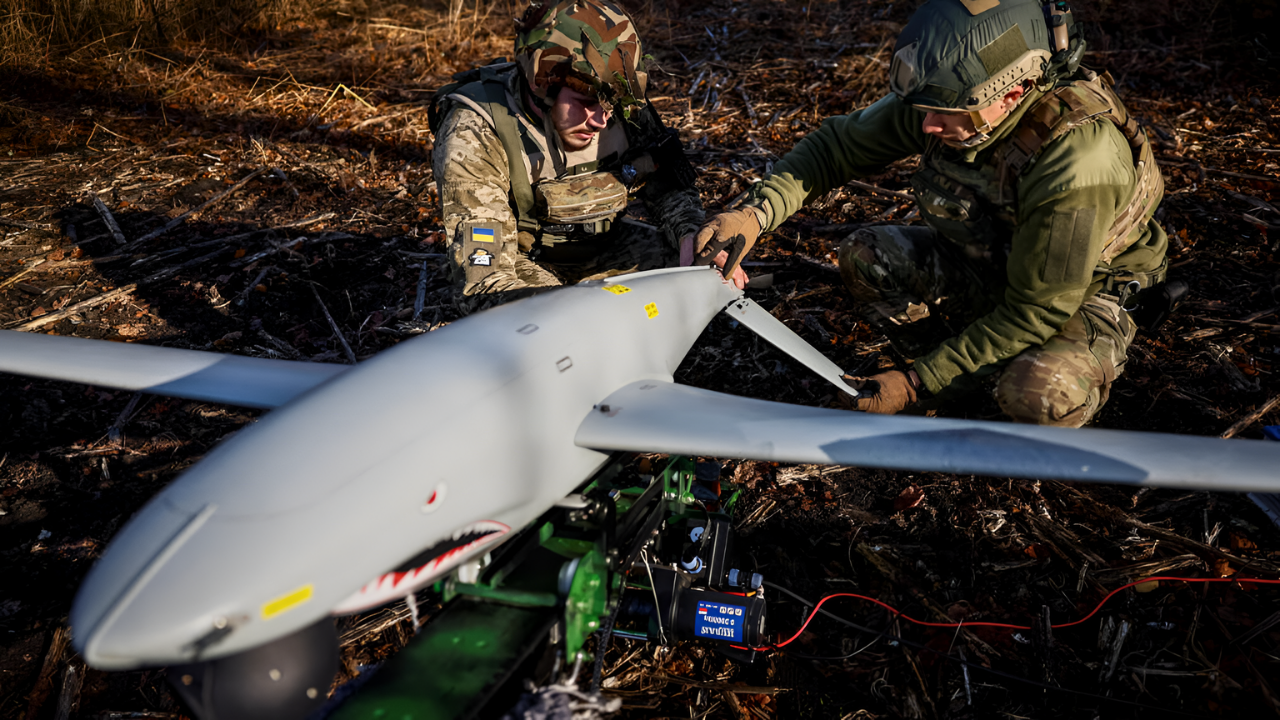
The sky over Ukraine darkened as Russian missiles and drones tore through the night air. December 29–30, 2025, witnessed one of the largest assaults since the war’s start, with two Iskander-M missiles and 60 attack drones launched in rapid succession. A deafening roar echoed as air defenses scrambled to respond, but the sheer volume of the attack threatened to overwhelm them.
This night would test Ukraine’s defenses like never before.
Escalating Tempo
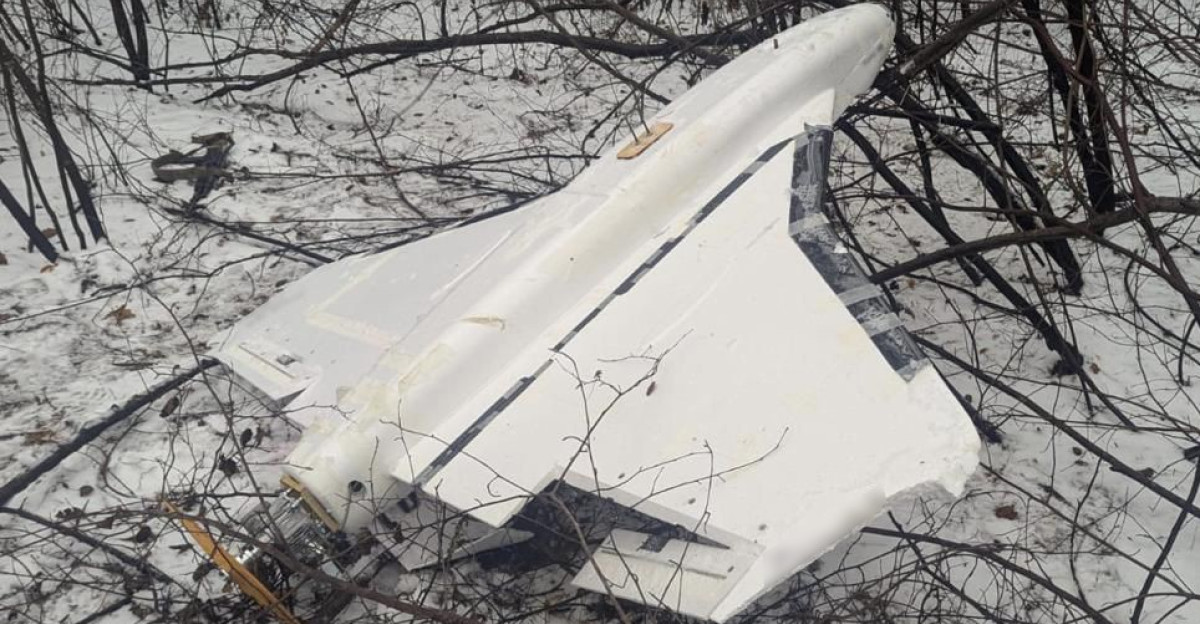
Russia’s aerial offensive ramped up sharply in December 2025. With over 5,100 drones launched in just one month, it marked the highest monthly total of the war. Russia’s strategy was clear: flood Ukraine’s air defenses with a relentless barrage from multiple fronts.
Ukrainian intelligence reports that Russia currently produces approximately 404 Shahed-type drones daily and plans to increase production to 1,000 drones per day by mid-2026.
The Drone Arsenal
Russia’s attack drones, especially the Shahed UAVs, have become a core part of their strategy. On December 29–30, Shahed drones led the charge alongside Gerbera and other variants. These drones have evolved with diversified payloads and altitudes up to 3,000 meters, making them far more dangerous.
Their payloads include fragmentation, incendiary, and thermobaric warheads, making interception harder than ever.
Strained Defenses
Ukraine’s air defense, a patchwork of Soviet-era systems and Western technology, faced mounting pressure. With missile shortages and gaps in coverage, Ukrainian crews struggled to manage the escalating threat. Drone swarms attacked from multiple directions, exploiting vulnerabilities in their defenses.
Despite this, innovations like mobile anti-aircraft units and fighter jets offered some respite.
The Intercept
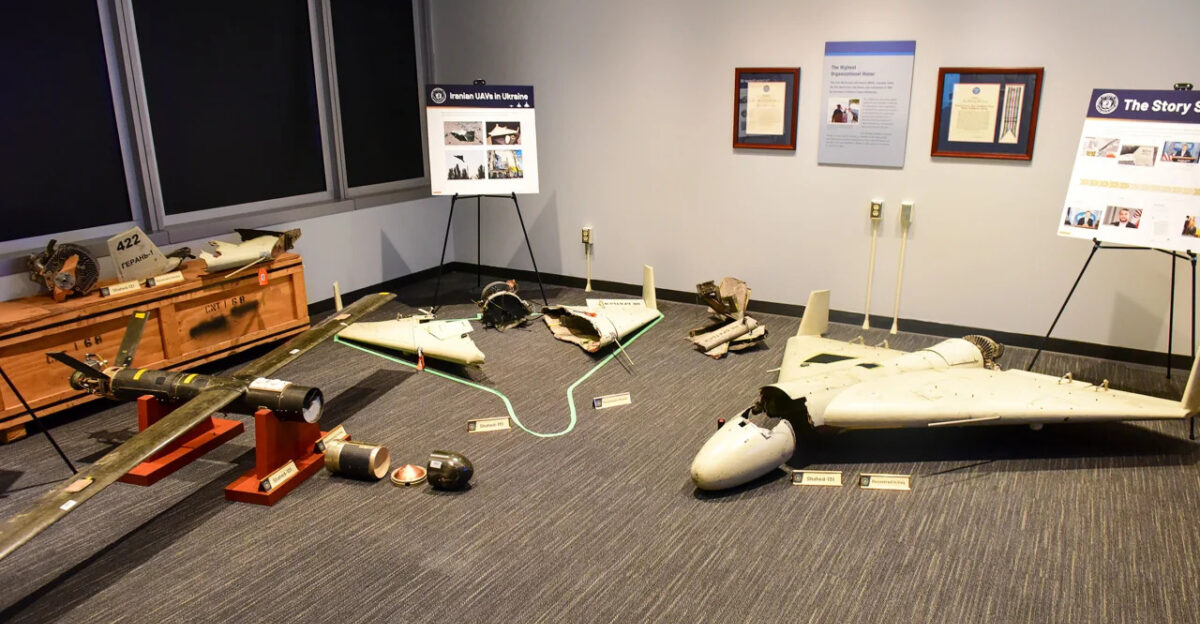
Despite the overwhelming attack, Ukrainian air defenses achieved a rare success. Ukrainian Air Force officials reported that 52 of the 60 drones were downed, and one of the Iskander-M missiles was intercepted. This 87% success rate marked a significant defensive victory.
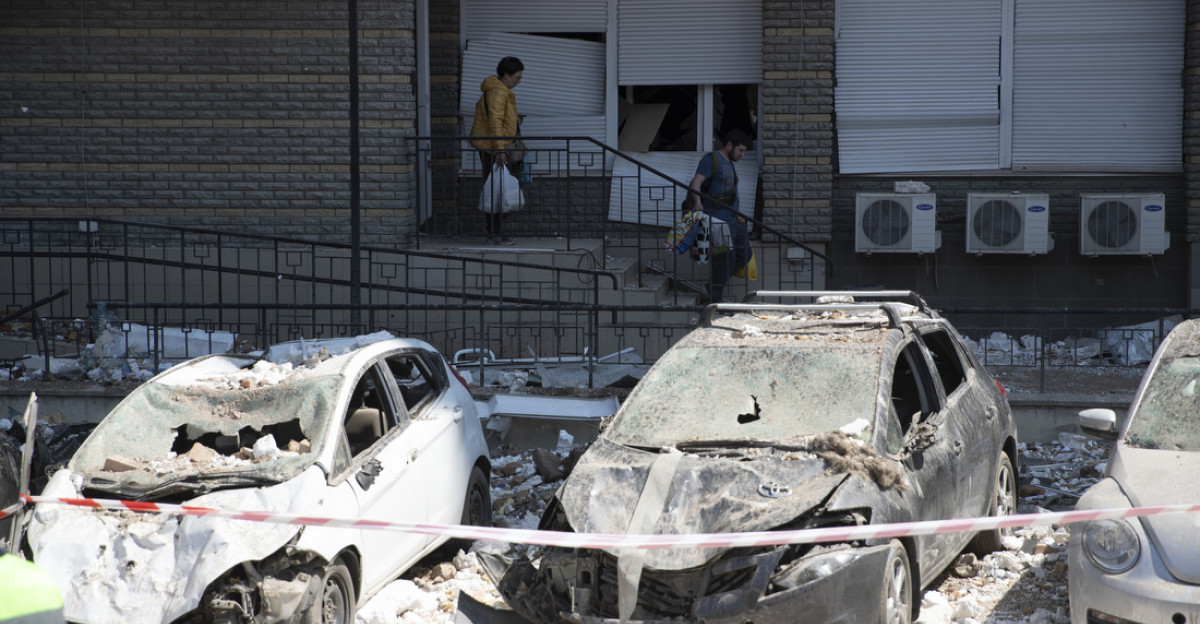
However, the remaining 13% caused significant damage to five locations across Ukraine. Interception rates vary widely depending on attack conditions—Ukraine’s drone interception rates have ranged from 70% to 90% in favorable conditions, but can drop to as low as 40-50% during mass attacks involving hundreds of drones. Against ballistic missiles, success rates are even more variable, ranging from 0% to over 80% depending on salvo size, target location, and Patriot system coverage.
Geographic Spread
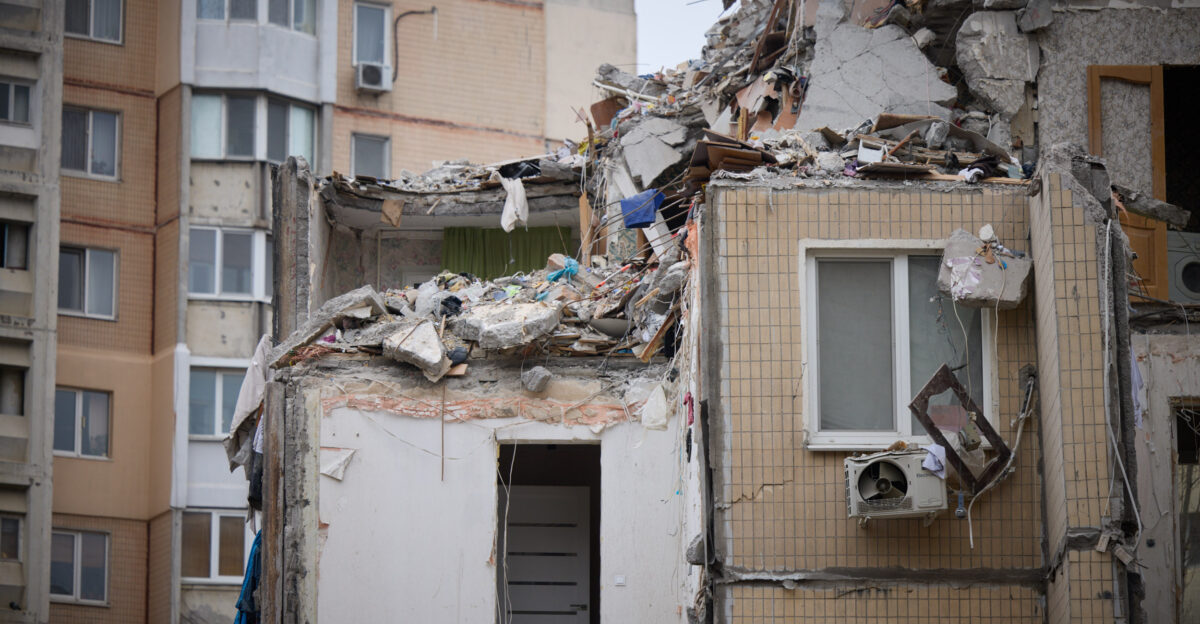
The Russian assault was not only intense but also widely distributed. Strikes were spread across Ukraine’s northern, southern, and eastern regions. With launches originating from multiple Russian territories and Crimea, Ukrainian forces had to cover vast distances to neutralize threats.
The distributed attack pattern highlighted Russia’s strategy to overwhelm point defenses.
The Human Cost
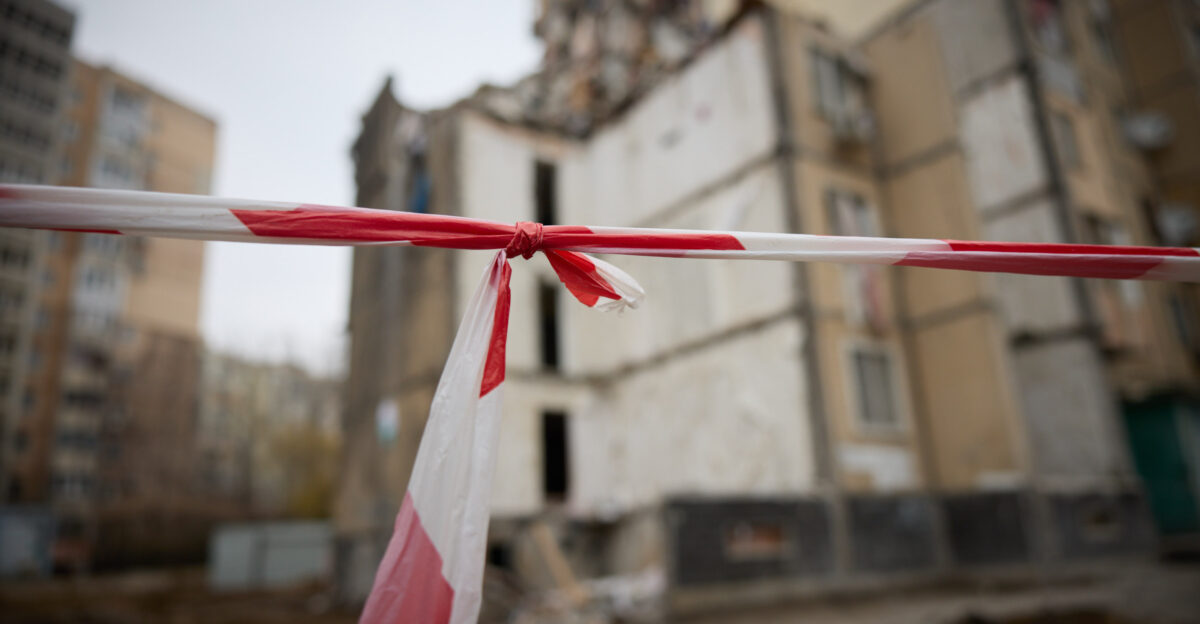
The cost of the attack was felt in more ways than one. Even with an 87% interception rate, the remaining drones and missiles still caused catastrophic damage. Human Rights Watch documented at least 30 civilian deaths and 483 injuries from drone attacks in Kherson between May and December 2024 alone.
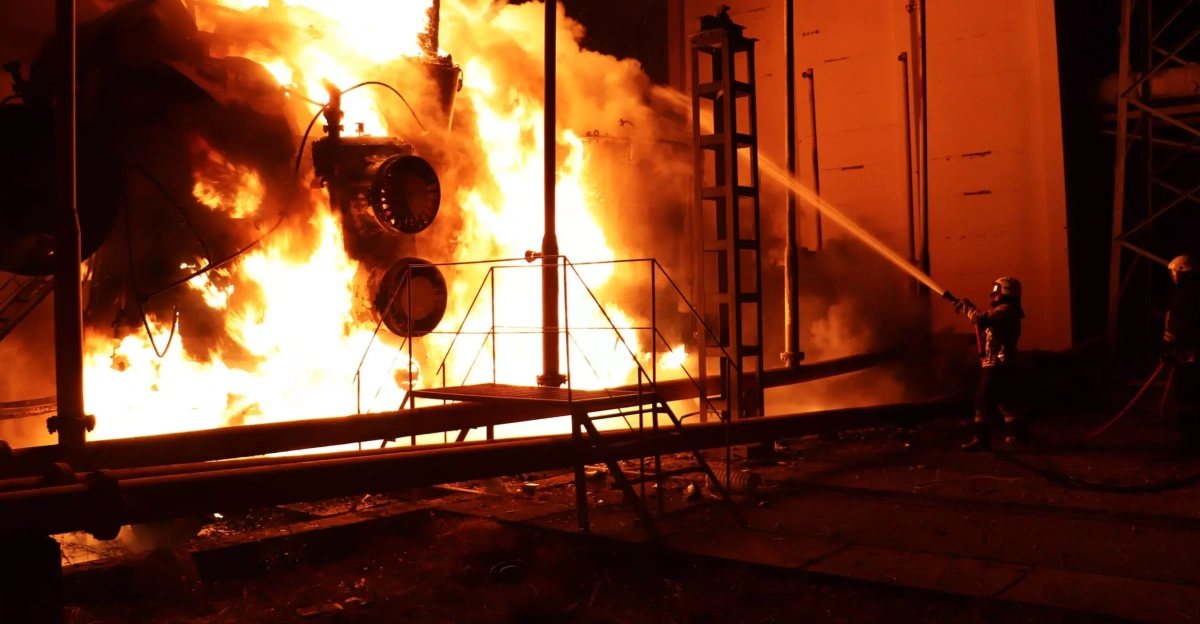
Hospitals, residential buildings, and critical infrastructure were hit, escalating the humanitarian crisis.
The Offensive Counterweight
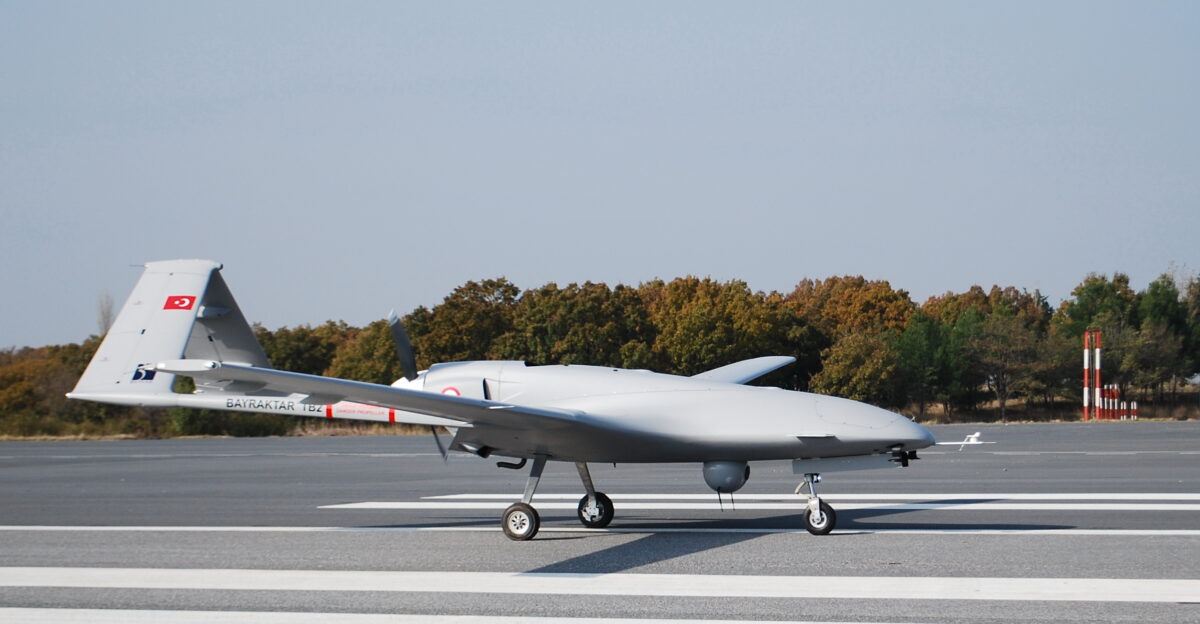
In a strategic shift, Ukraine adopted an offensive approach. With U.S. approval, Ukraine targeted Russian air bases, fuel depots, and refineries to disrupt Russia’s aerial campaign. This offensive also saw a surge in domestic drone production, designed to hit Russian targets deeper within its borders.
The shift reflects Ukraine’s move to neutralize the source of its problems rather than merely defend.
Production at Scale
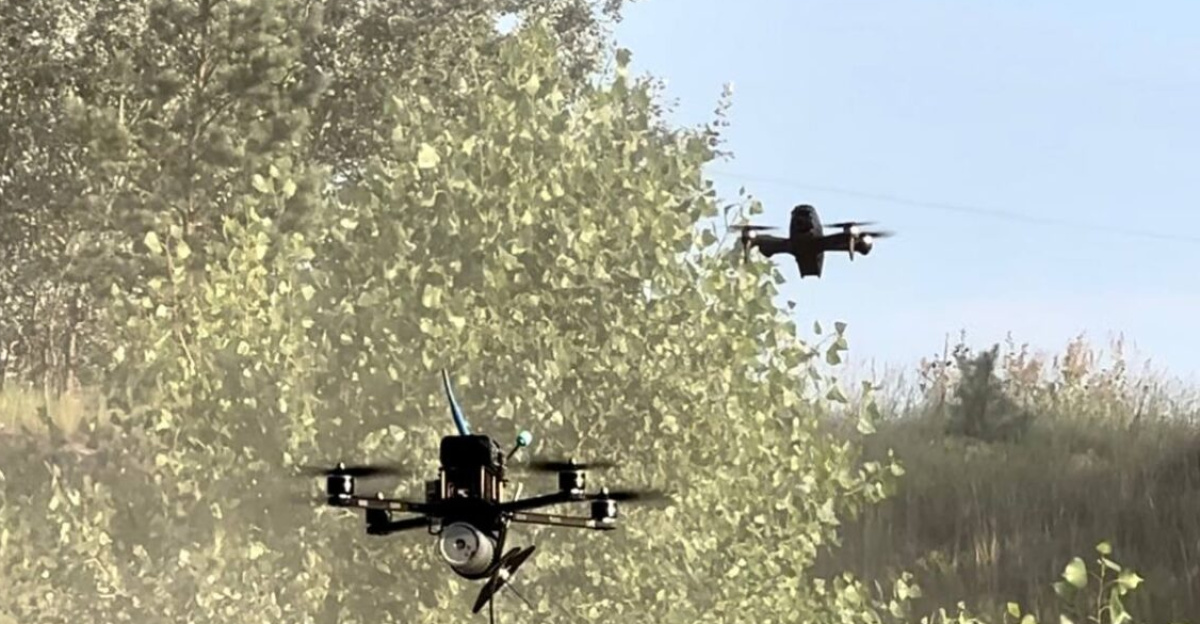
Ukraine’s defense industry became an unlikely hero in the war effort. In 2024, Ukraine produced more than 1.5 million FPV drones, along with kamikaze drones, reconnaissance UAVs, and long-range strike systems.
This surge allowed Ukraine to maintain a high operational tempo, countering Russia’s overwhelming drone attacks with its own domestically-produced systems.
The Iskander Challenge
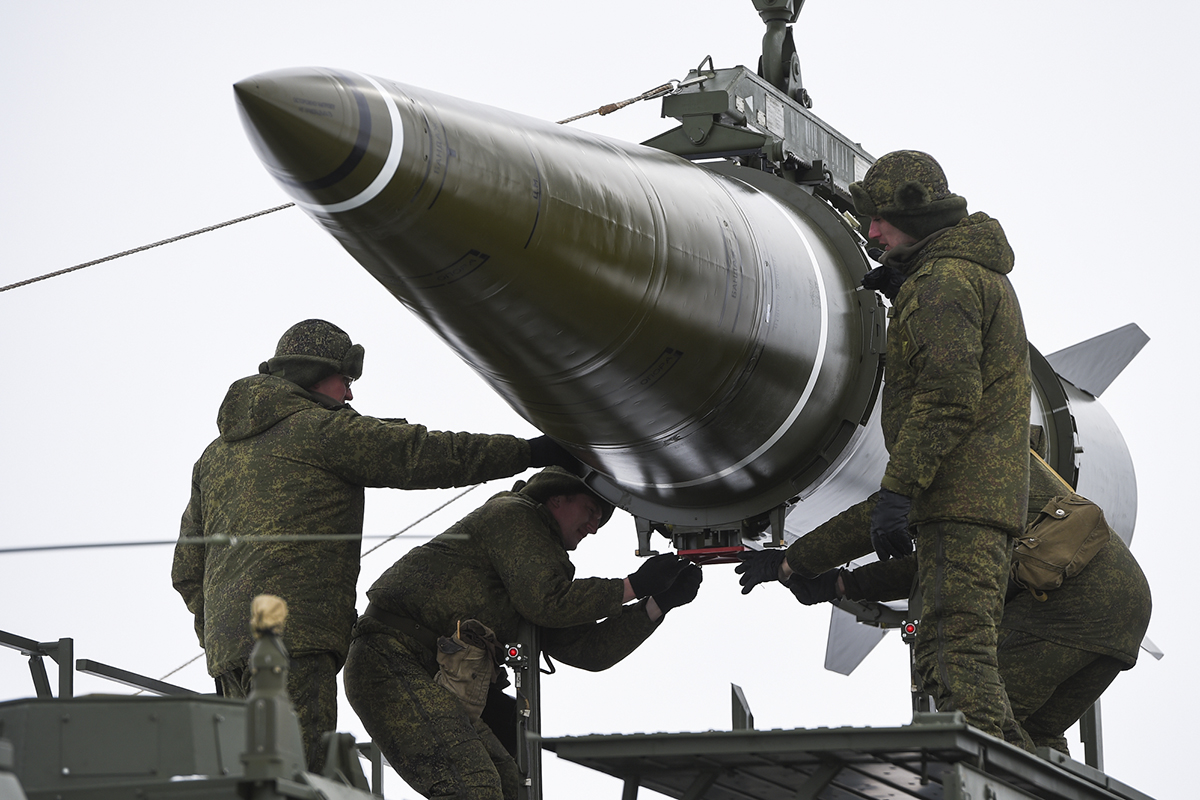
Intercepting an Iskander-M missile is a rare and difficult feat. Despite Ukrainian successes, Russia has fired nearly 1,000 Iskanders, with a low interception rate of just 24%. However, this rate varies dramatically—during some attacks, all Iskander missiles are intercepted, while in others, none are stopped.
The rate has declined from 37% in summer 2025 to as low as 6-17% by fall 2025, as Russia introduced software upgrades enabling more complex terminal-phase maneuvers. These missiles are designed to evade defenses through maneuvering and decoy deployment, making them one of the most formidable challenges to Ukraine’s defense systems.
Systemic Strain
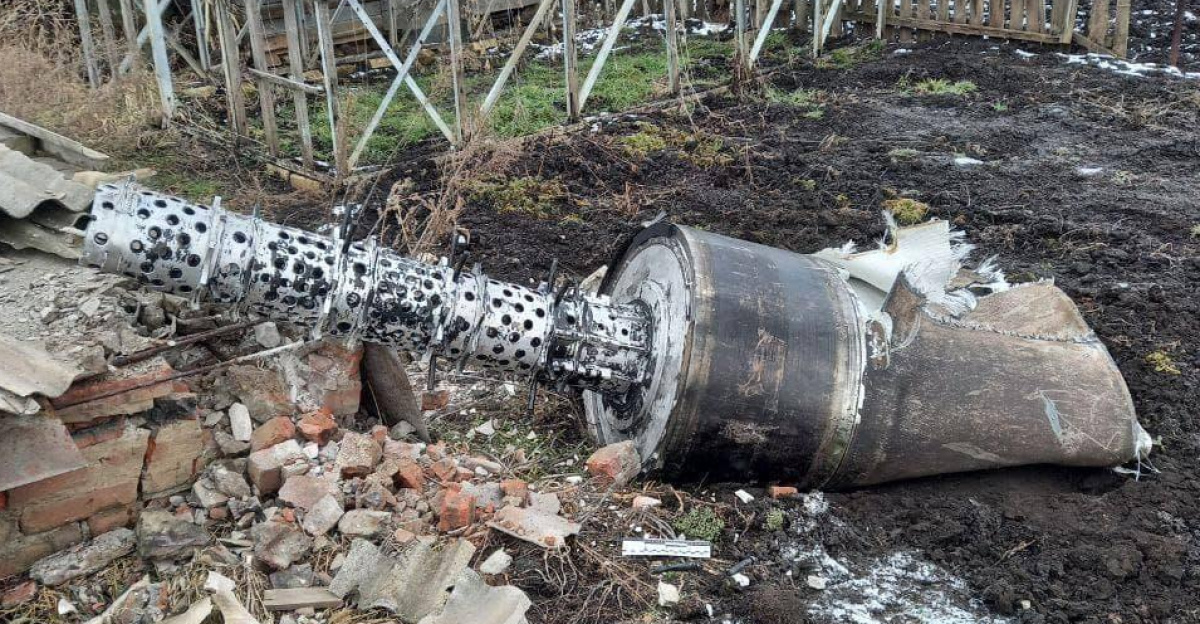
As Russia’s attacks intensify, Ukrainian air defense units face unsustainable pressure. With dwindling missile supplies and shortages across key defense platforms, the strain is becoming evident. The relentless pace of drone and missile strikes forces Ukrainian forces to make hard choices about how best to allocate their limited resources.
In early 2026, Ukraine’s overall missile interception rate dropped to 36%, the lowest level since October 2022, while drone interception remained around 83%. The disparity reflects the particular challenge of defending against advanced ballistic missiles with limited Patriot coverage.
AI and Innovation
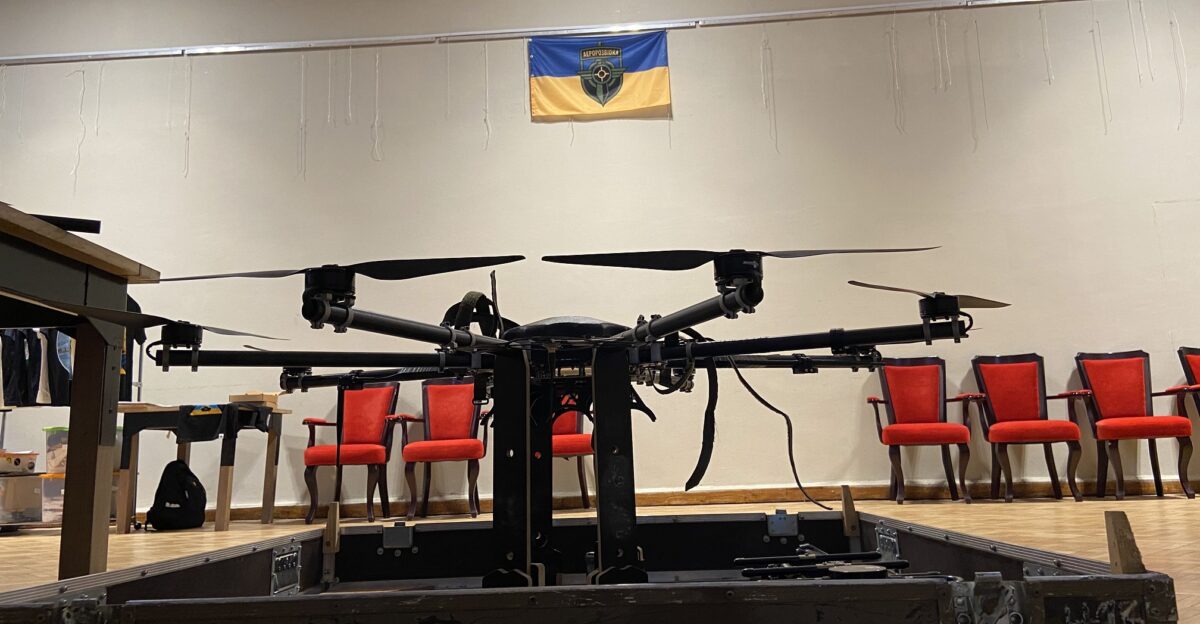
In response to resource shortages, Ukraine is turning to artificial intelligence. AI-driven systems are being developed to predict Russian attack patterns and direct interceptor drones more efficiently.
These systems use machine vision technology trained on years of conflict data to improve threat detection and response time, enhancing air defense capabilities.
Western Support Gaps
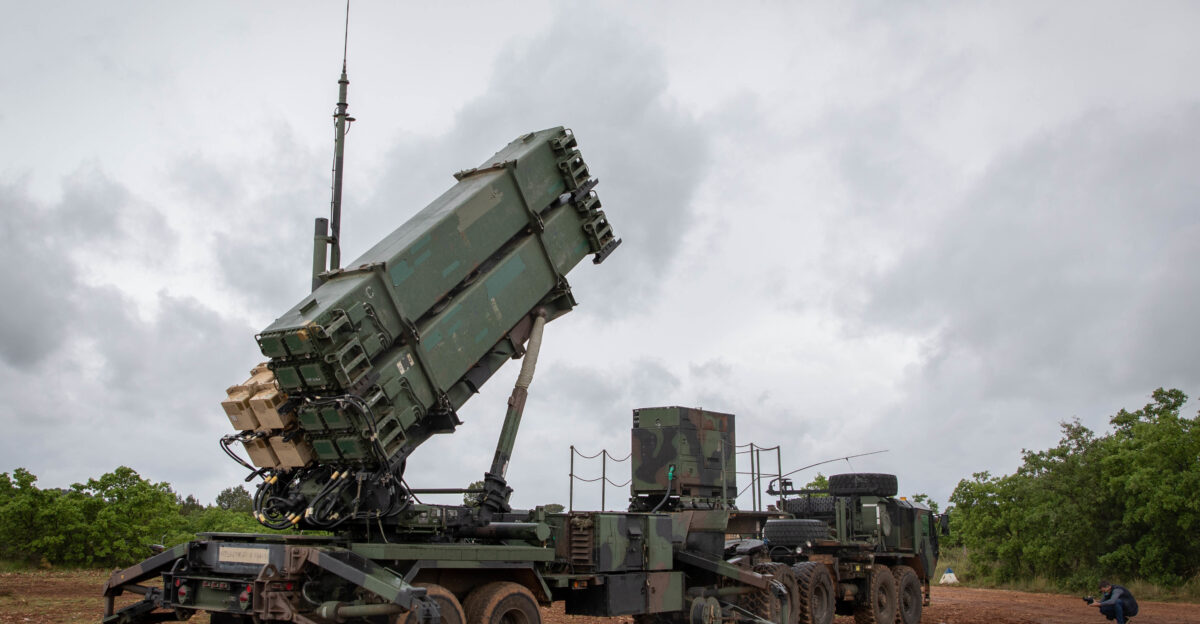
Ukraine relies heavily on Western air defense systems, but the support is insufficient. Patriot systems offer protection in key cities like Kyiv, but each system covers a limited area. With only six full Patriot batteries available, missile shortages and inadequate territorial coverage put Ukraine at a significant disadvantage.
Regions without Patriot protection experience much lower interception rates, as Russia deliberately targets areas with weaker defenses. The gap between need and available support remains a critical vulnerability.
Escalation Dynamics
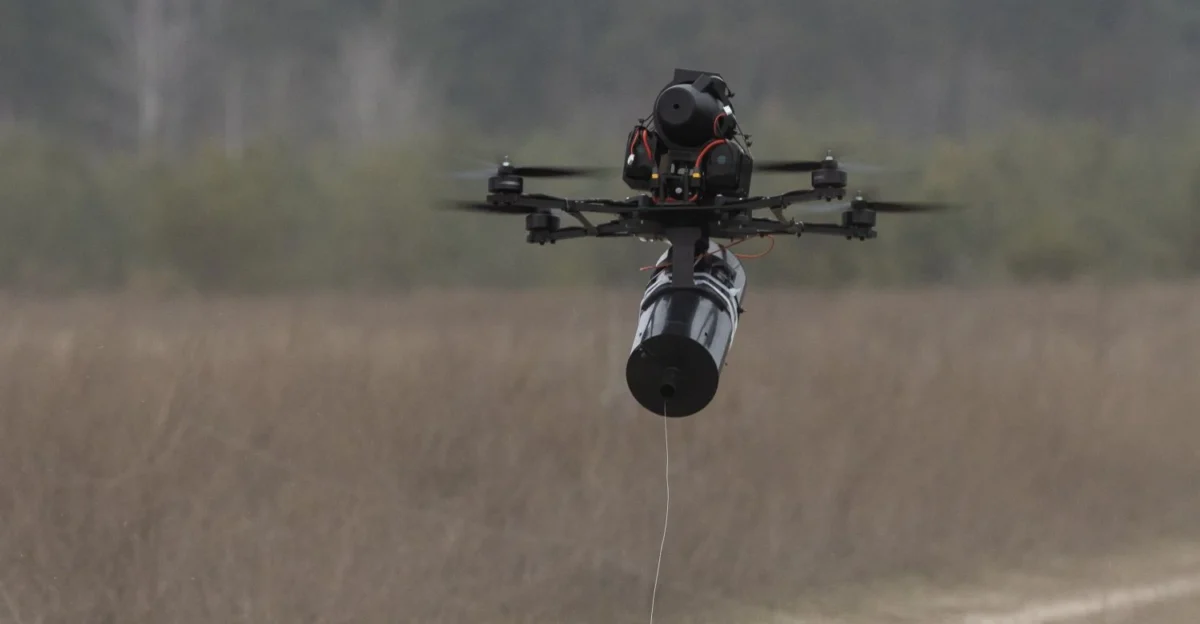
The conflict has reached a new level of intensity. Both Russia and Ukraine have ramped up their drone and missile operations, with Russia deploying thousands of drones per month. Ukraine has countered by launching its own offensives, including over 100 drones per night.
Military analysts describe this as a high-stakes duel, with both sides constantly refining their tactics.
The Sustainability Question
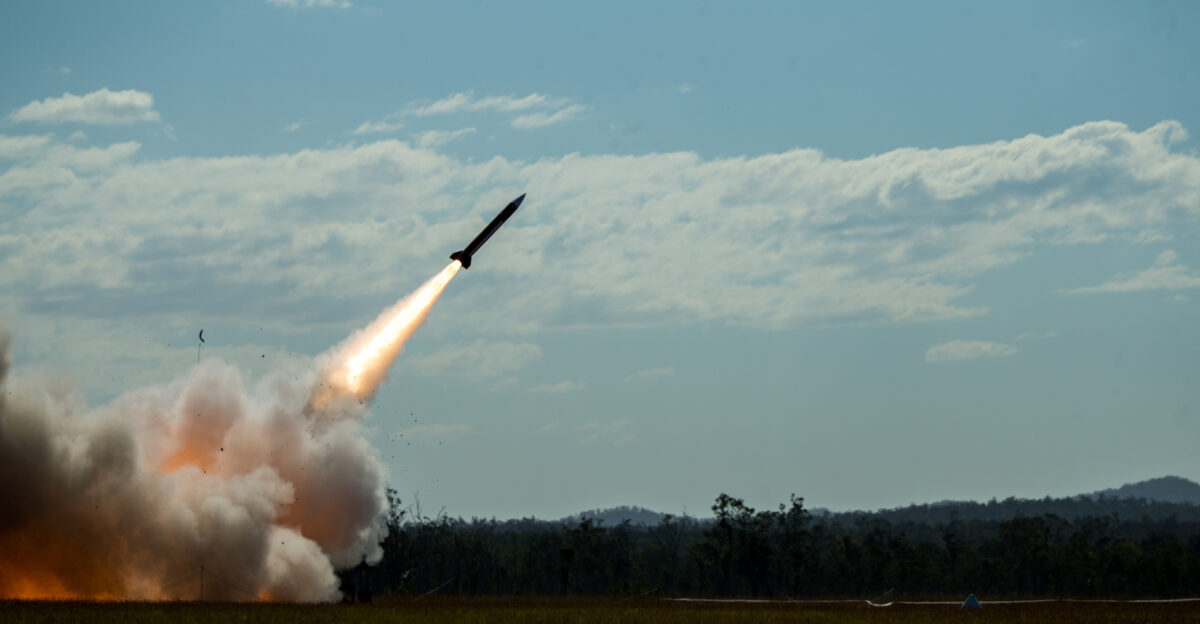
As Ukraine’s air defense systems continue to intercept drones and missiles, questions of sustainability loom. The high effectiveness of Ukraine’s defenses is impressive, but with ongoing shortages and a rapidly escalating attack tempo, there are growing concerns about how long they can maintain this level of defense.
Only time will tell if continued Western support can bridge the gap.
Sources:
Ukrainian Air Force Command, Ukrainian air defence downs Iskander ballistic missile and 52 drones, December 30, 2024
ABC News, Russia downs 4,300 Ukrainian drones in December setting new record, December 31, 2024
Le Monde, Ukraine’s air defense is struggling to keep up with intensifying Russian strikes, May 26, 2025
Human Rights Watch, Ukraine: Russia Using Drones to Attack Civilians, June 3, 2025
RUSI, Iskander: An Improved Russian Missile Tests Ukraine’s Air Defence, October 24, 2025
CSIS, Ukraine’s Future Vision and Current Capabilities for Waging AI-Enabled Autonomous Warfare, 2025