A standard USB charging cable—the kind found in nearly every American household—became the tool of choice for car thieves targeting millions of Hyundai and Kia vehicles. This simple exploit triggered a nationwide crisis that forced one of the automotive industry’s largest recalls and settlements in recent memory.
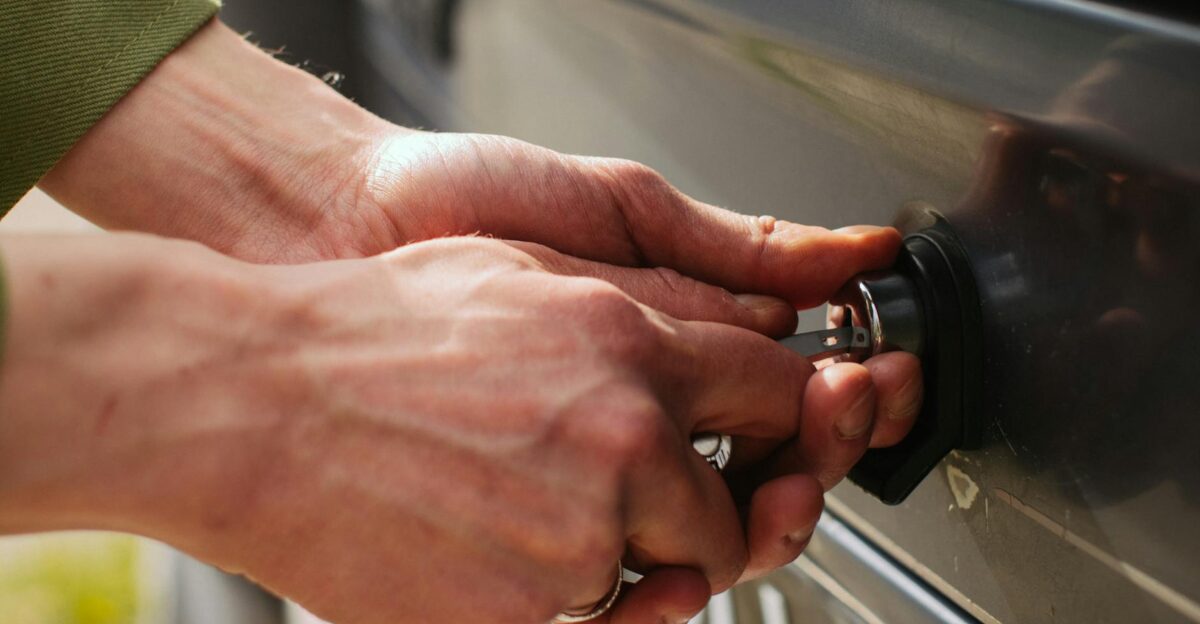
The vulnerability stemmed from a cost-cutting decision: many Hyundai and Kia models lacked electronic engine immobilizers, a security feature that has been mandatory in the European Union since 1998. Without this protection, thieves could remove the ignition cylinder using a USB tool and start the vehicle. The flaw went largely unnoticed until instructional videos spread across social media platforms like TikTok and YouTube under hashtags such as #KiaBoys, transforming the theft method into a viral challenge.
The consequences were severe. Police departments from Milwaukee to Seattle reported a 1,000 percent surge in theft claims for these vehicles. The epidemic resulted in at least 14 reported crashes and eight fatalities, while communities experienced spiked insurance rates and widespread disruption. Major insurance carriers in several states began refusing to write new policies for affected models, effectively blacklisting them from the market.
The Settlement Framework

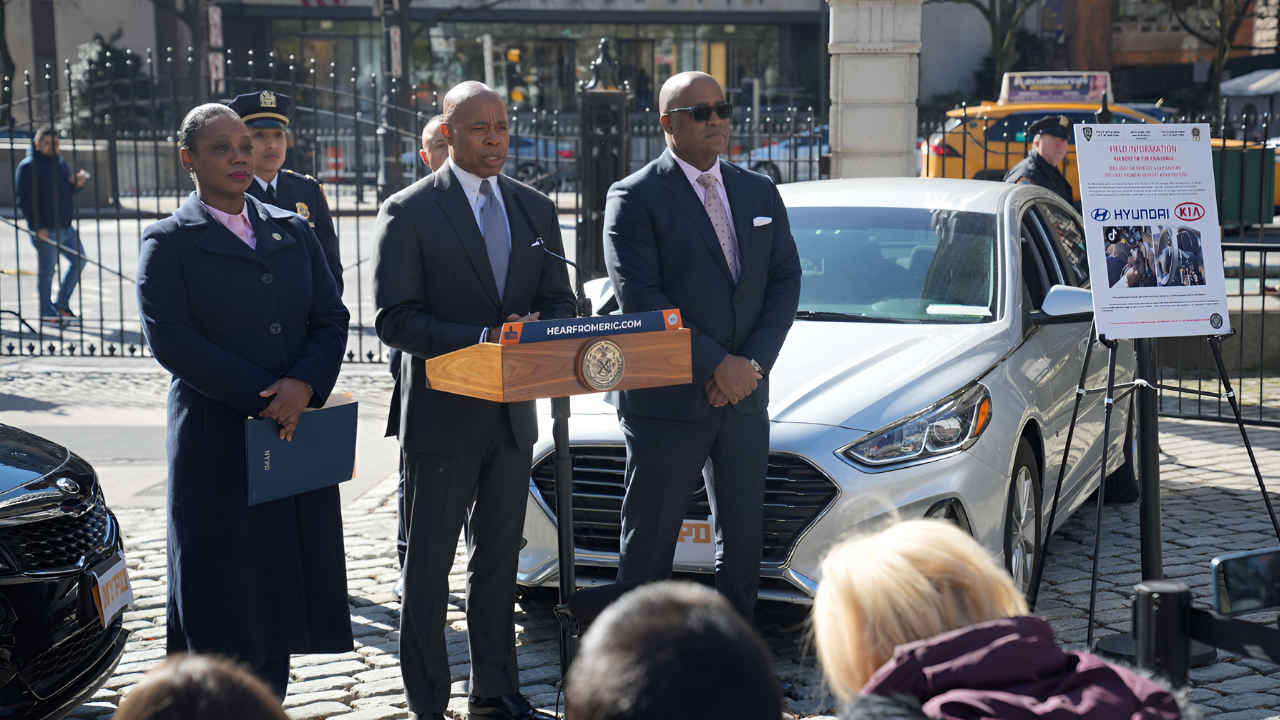
On December 16, 2025, Hyundai and Kia announced a landmark settlement with attorneys general from 35 states and the District of Columbia. The agreement requires the automakers to retrofit approximately 7 million vehicles in the United States—a binding legal obligation that goes far beyond voluntary service campaigns.
The settlement includes two financial components totaling $9 million. Half of this amount will reimburse the participating states for investigation costs, while the remaining $4.5 million funds a consumer restitution program. Eligible vehicle owners can receive payments ranging from $375 to $4,500, depending on whether they experienced attempted theft or total loss. Claims must be filed by March 31, 2027, and owners must provide documentation such as police reports and insurance records.
To qualify, owners must demonstrate that theft or damage occurred after April 29, 2025, and that they had either installed the previously released anti-theft software or had a scheduled appointment to do so when the incident occurred.
The Hardware Solution
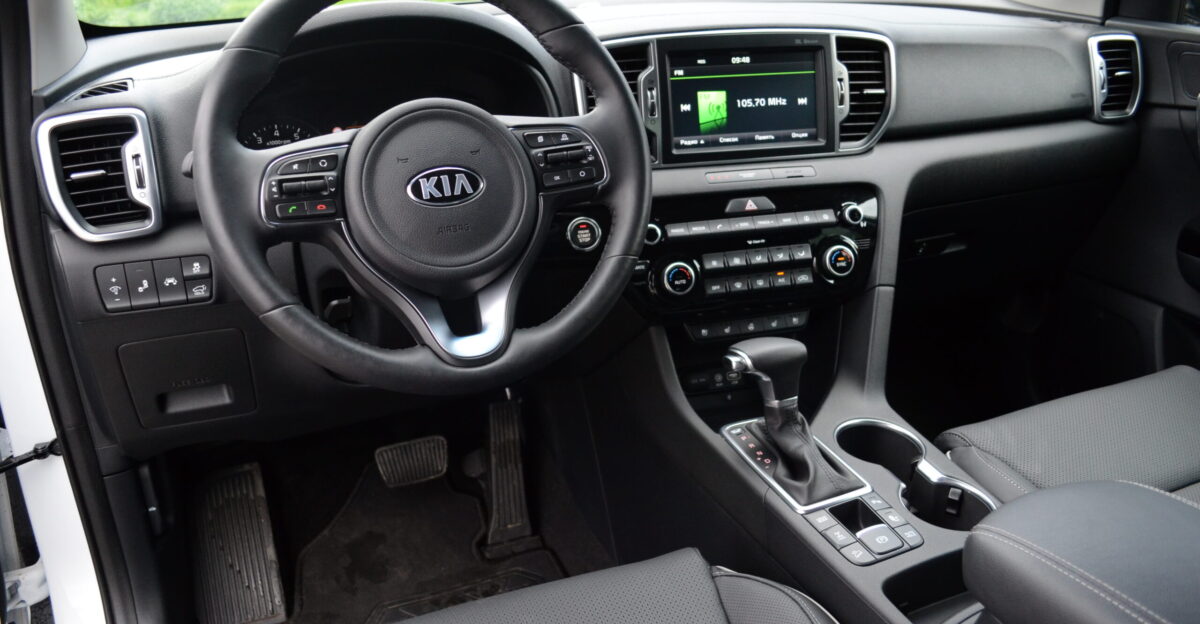
Rather than relying on software updates, the automakers will install a zinc-reinforced ignition cylinder protector—a metal sleeve designed to physically prevent removal of the cylinder. This hardware retrofit addresses the mechanical vulnerability that previous alarm software and steering wheel locks could not fully resolve. Thieves had often ignored alarm systems by simply breaking windows, making a tangible physical barrier essential.
The retrofit program covers vehicles produced between 2011 and 2022 equipped with turn-key ignitions, including models previously eligible only for software updates. Minnesota Attorney General Keith Ellison estimated the cost of parts and labor could exceed $500 million, underscoring the scale of the manufacturing oversight.
Restoring Market Confidence
The primary goal of the hardware retrofit is to restore confidence among auto insurers and normalize the risk profile of these vehicles. State officials hope the verified physical theft deterrent will pressure insurance companies to lift restrictions and stabilize premiums for owners of affected models.
Looking forward, the settlement imposes strict requirements to prevent recurrence. Hyundai and Kia are now legally mandated to equip all future vehicles sold in the U.S. market with engine immobilizers. While the companies state they have already done so since late 2021, this legal requirement ensures no regression in safety standards.
Closing a Chapter
As the retrofit program prepares to launch in early 2026, the automotive industry watches closely. For millions of owners, the installation of a simple metal sleeve promises to end an era of anxiety and restore the peace of mind that should accompany vehicle ownership. The settlement represents both an acknowledgment of past failures and a commitment to preventing similar vulnerabilities in the future.
Sources
“Hyundai, Kia agree to retrofit 7 million U.S. vehicles to address theft concerns.” Reuters, 16 Dec 2025.
“Attorney General James Secures $9 Million from Hyundai and Kia for Failing to Protect Cars Against Theft.” New York Attorney General’s Office, 15 Dec 2025.
“December 16, 2025 Press Release on Hyundai and Kia Anti-Theft Settlement.” Minnesota Attorney General’s Office, 16 Dec 2025.