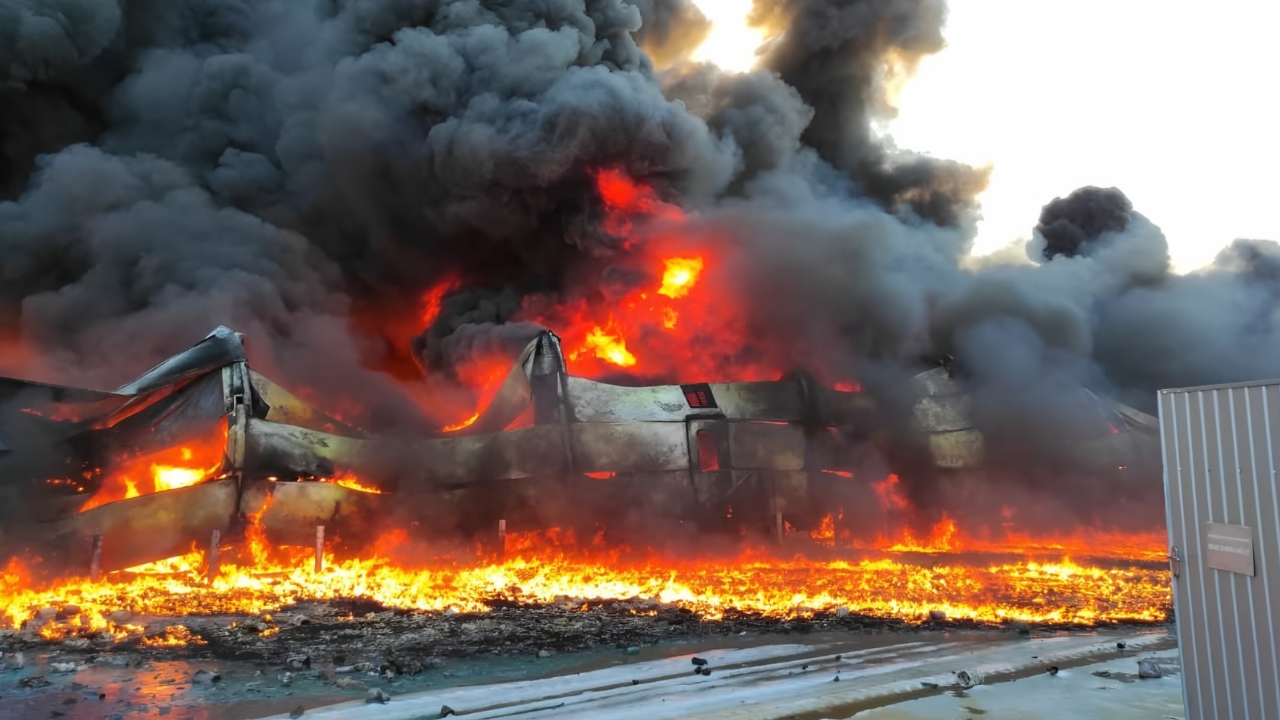
At 04:06 Moscow time on November 29, 2025, massive explosions erupted across the Black Sea horizon near Novorossiysk. Ukrainian uncrewed surface vessels struck the Caspian Pipeline Consortium’s (CPC) marine terminal, destroying Single Point Mooring-2—a critical floating facility located five kilometers offshore—and halting all oil loading operations within minutes.
In one catastrophic stroke, approximately 80% of Kazakhstan’s crude exports collapsed, triggering an unprecedented diplomatic crisis between Kyiv and Astana and exposing vulnerabilities in global energy infrastructure that threaten far beyond Russia’s wartime economy.
The Terminal That Powers Central Asia’s Economy
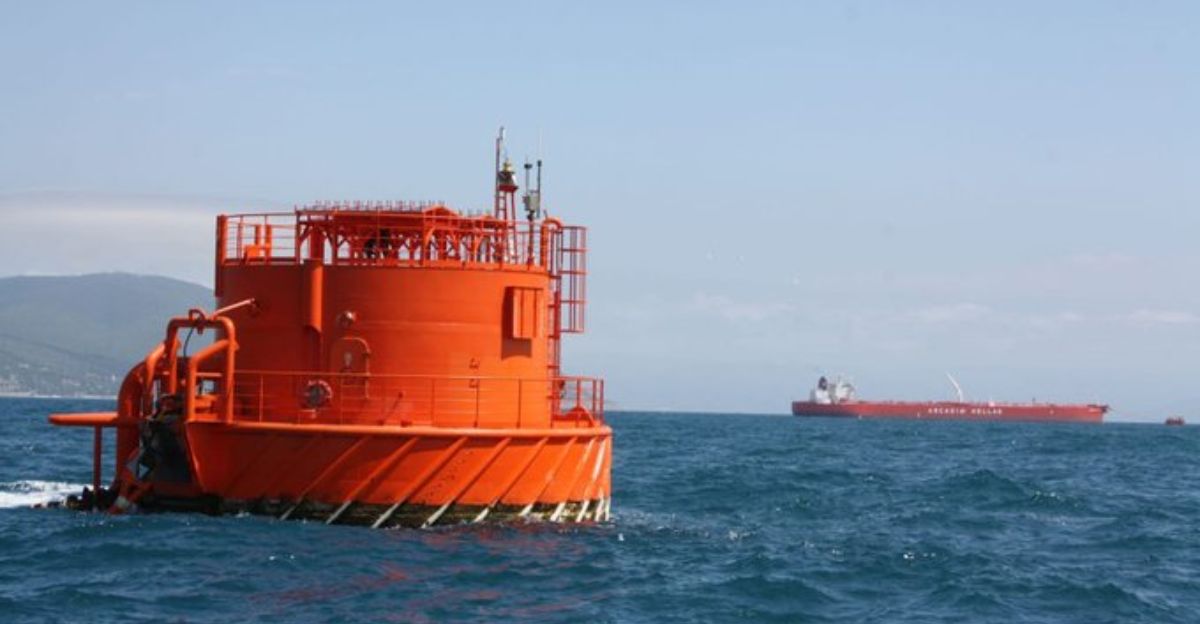
The CPC terminal processes approximately one percent of the global crude oil supply, handling roughly 5.3 million tons monthly—a figure worth around $2.4 billion at current market rates. Each of the terminal’s three Single Point Moorings can handle 800,000 barrels per day, making them among the world’s most critical oil infrastructure.
With SPM-3 already offline for scheduled maintenance since November 12 and SPM-2 now destroyed, the facility limped along on SPM-1 alone, reducing capacity to one-third of normal operations and forcing tankers to withdraw from loading zones.
Kazakhstan’s First Warning Marks Historic Diplomatic Shift
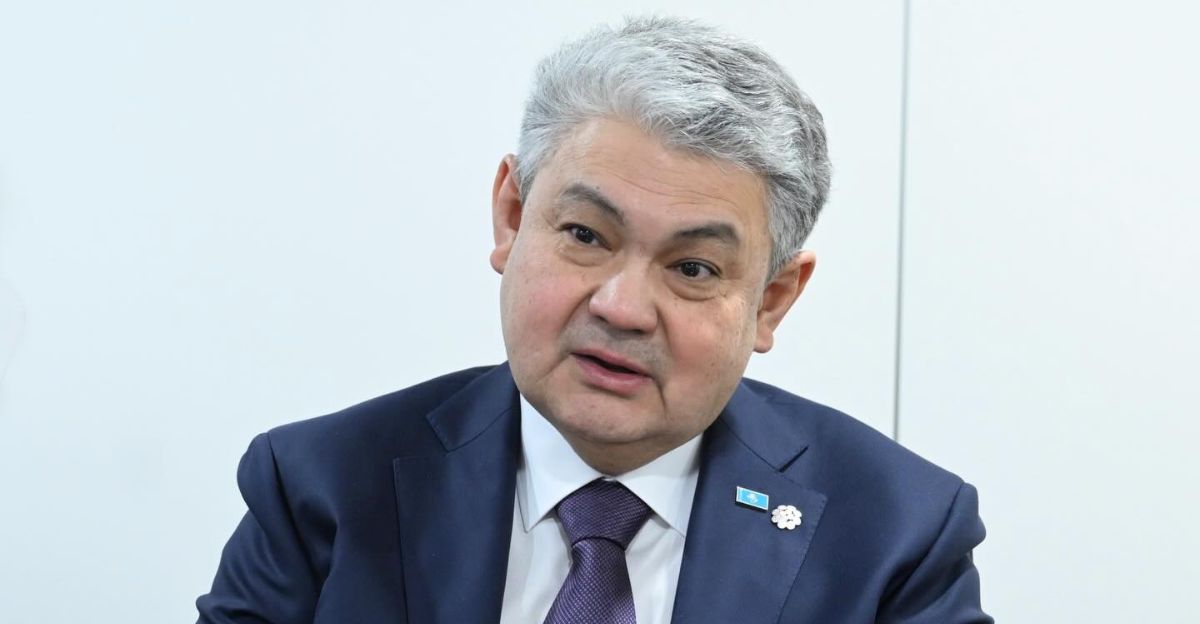
For the first time since Ukrainian drone strikes began targeting the CPC system in 2025, Kazakhstan’s Foreign Ministry issued a formal public protest to Kyiv on November 29, characterizing the attack as “detrimental to bilateral relations” and calling it the third assault on “exclusively civilian infrastructure protected by international law.”
The statement demanded Ukraine implement “effective measures to prevent similar incidents in the future”—a stark departure from Astana’s previous diplomatic silence despite multiple earlier strikes on the same facility.
Production Collapses Under Export Bottleneck Pressure
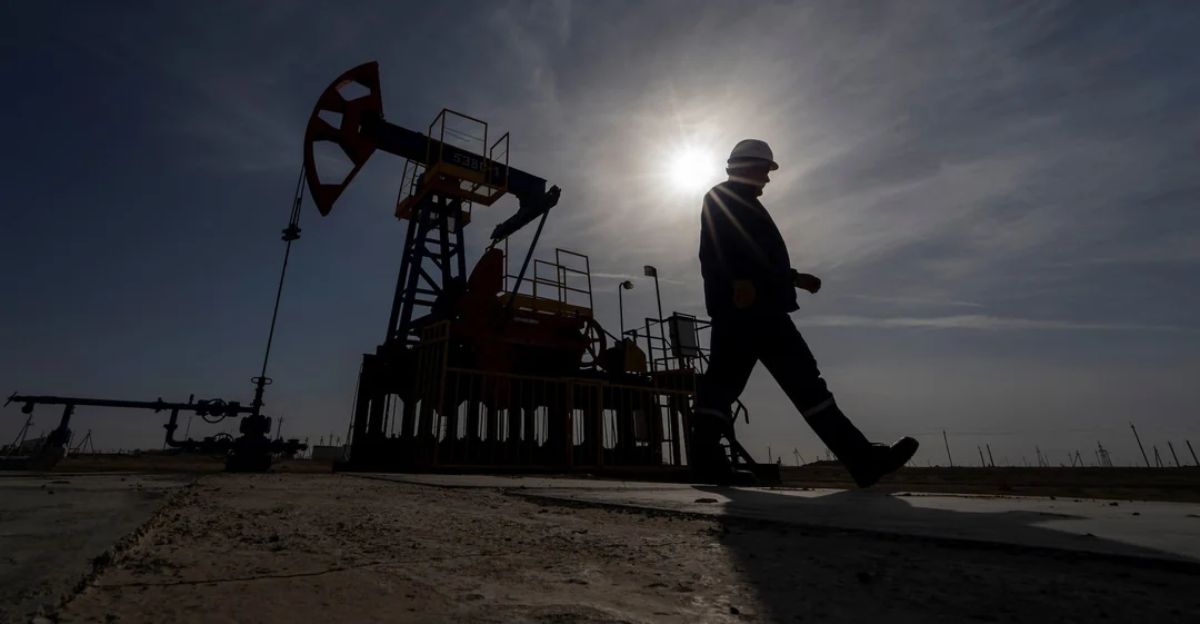
Within days of the attack, the cascading effects became visible across Kazakhstan’s upstream sector. By December 1-2, major producers curtailed output as storage facilities approached maximum capacity with nowhere to send crude. Official data confirmed Kazakhstan’s oil and condensate production plummeted 6% in the first two days of December—a decline equivalent to 108,000 barrels per day—from an average November output of 1.9 million barrels daily.
The National Caspian Oil Consortium reduced intake from producers by 40%, but with only 2.5 days of storage capacity remaining, producers faced an immediate dilemma: keep the oil in the ground or risk environmental disaster.
The $500 Million Monthly Question: How Long Can Kazakhstan Sustain Losses?

Industry analysts calculated the mathematics of catastrophe. A 20% reduction in CPC throughput translates to approximately $470-500 million in lost monthly export revenue for Kazakhstan—equivalent to roughly one-fifth of the nation’s total exports. If repairs extended through mid-2026 as preliminary assessments suggested, total losses could exceed $1.5 billion, a figure equivalent to the entire annual budget of Kazakhstan’s capital Astana.
Energy analyst Olzhas Baidildinov warned that tax revenues and payments to the National Fund could decline by approximately $1 billion between December 2025 and June 2026, creating fiscal pressures that cascade through government budgets and sovereign wealth fund withdrawals.
Western Oil Companies Face Billions in Collateral Damage

The crisis extended far beyond Kazakhstan’s borders. Major international energy firms holding stakes in Kazakh oil fields—Chevron, ExxonMobil, TotalEnergies, Eni, and Shell—collectively faced potential annual losses exceeding $27 billion if the disruptions persisted through mid-2026.
Chevron’s Tengizchevroil venture, the largest oil producer in Kazakhstan, confirmed it was shifting to operations on SPM-1 alone while exploring alternative export routes. The damage to the moorings, originally installed in 2001, created additional urgency: two replacement SPMs nearing completion in Dubai could not be quickly deployed, with installation and commissioning expected to consume several additional months beyond their December delivery date.
Ukraine’s Strategic Calculus: Starve Russian War Finance at Any Cost
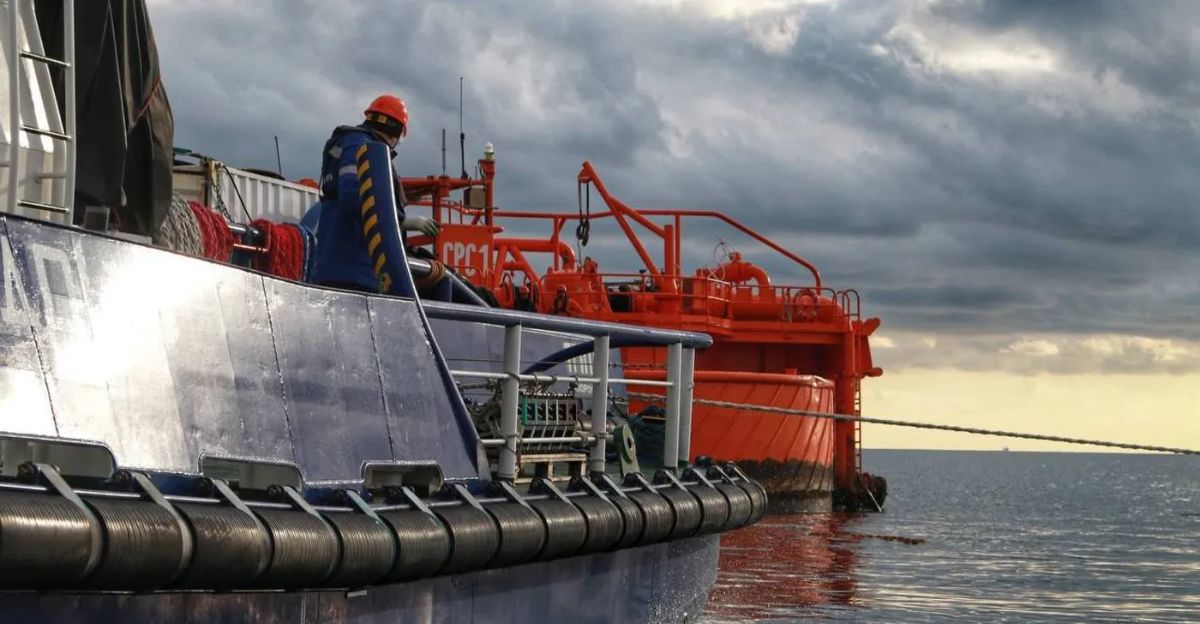
Ukrainian military strategists argued the operation was justified under their broader campaign to disable Russia’s primary revenue source. Ukraine’s defense establishment calculates that oil infrastructure generates 35-40% of Russia’s federal budget revenues, making the CPC terminal a legitimate military target despite its multinational ownership.
Throughout 2025, Ukraine has intensified strikes on Russian energy infrastructure, hitting at least 21 of Russia’s 38 large refineries and conducting 14 strikes on refineries in November alone, temporarily disabling up to 20% of Russia’s refining capacity.
The Diplomatic Response: Russia Condemns, Turkey Raises Alarms, Kazakhstan Trembles

Russia’s Kremlin spokesman Dmitry Peskov labeled the attack “outrageous,” given the CPC’s “international significance and international participation,” while the Foreign Ministry called it “an act of terrorism” threatening freedom of navigation.
But the more complex complaint came from Ankara: explosions from accompanying strikes on Russian “shadow fleet” tankers—the Kairos and Virat—occurred in Turkish economic waters near the Bosphorus Strait, prompting Turkey to protest “serious risks to security, life, property, and environmental safety in the region.”
Ukraine Says It Targeted Only Russia, Not Kazakhstan’s Interests

Ukrainian Foreign Ministry spokesman Heorhii Tykhyi insisted that Kyiv’s military actions were “not directed against Kazakhstan or any third party” and aimed solely at “repelling full-scale Russian aggression” under Article 51 of the UN Charter.
Ukraine’s position reflected a fundamental asymmetry: the strikes damaged Russian oil export revenue significantly less than they damaged Kazakh revenue, making Ukrainian claims technically truthful but politically tone-deaf to Astana’s economic crisis.
The Vulnerability Exposed: 80 Years of Dependence on One Pipeline
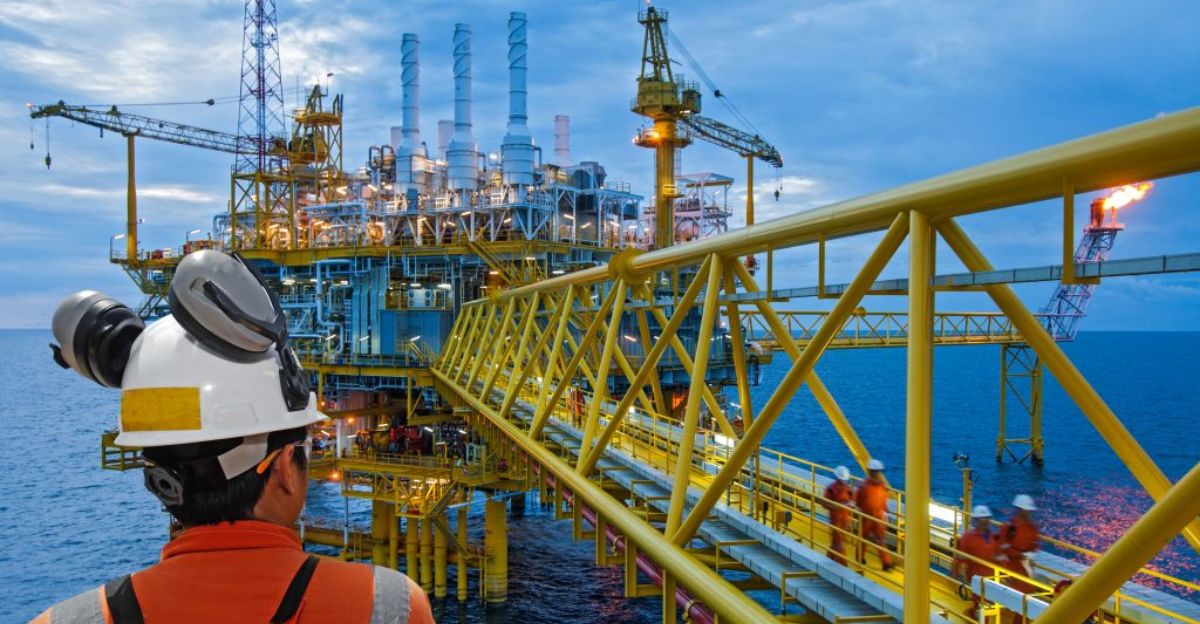
The crisis starkly illustrated Kazakhstan’s dangerous concentration of export capacity. The CPC carried just 40% of Kazakhstan’s oil exports in 2013; by 2021, that figure had risen to 81%, marking a trajectory of increasing vulnerability. Kazakhstan activated emergency rerouting procedures, redirecting volumes to the Baku-Tbilisi-Ceyhan pipeline and China-bound capacity. However, these alternatives combined could handle only approximately 300,000 barrels per day—roughly 20% of normal export volumes—and incurred significantly higher transportation costs.
Building an underwater pipeline across the Caspian Sea to Azerbaijan would require years of construction and face technical challenges due to the region’s limited availability of necessary heavy equipment.
The Repair Timeline: From Weeks to Months to Years of Uncertainty
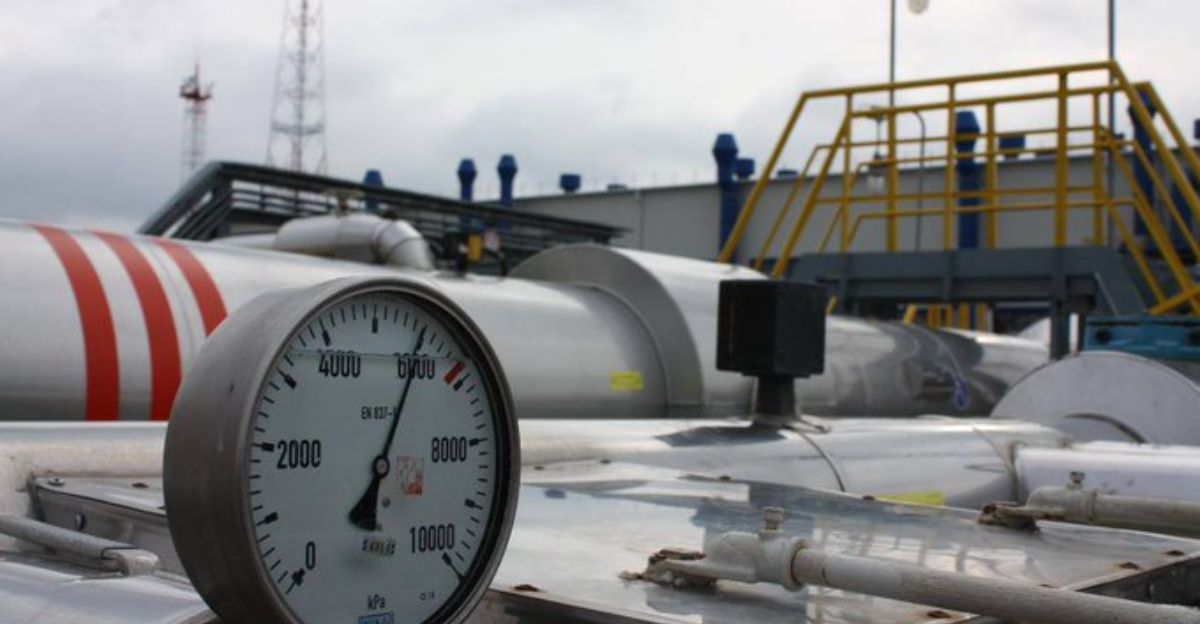
The assessment of whether to repair or replace the damaged SPM-2 remained ongoing as of early December 2025, with structural engineers still evaluating the severity of the damage and recovery options. A modern SPM comparable to CPC’s units costs $80-120 million—a significant burden for the consortium’s shareholders.
The damaged SPM-2, originally installed alongside SPM-1 in 2001, had reached an age where replacement rather than repair might prove more cost-effective, but such decisions required detailed engineering assessments.
Geopolitical Winner: Russia Paradoxically Benefits from Its Own Infrastructure Damage
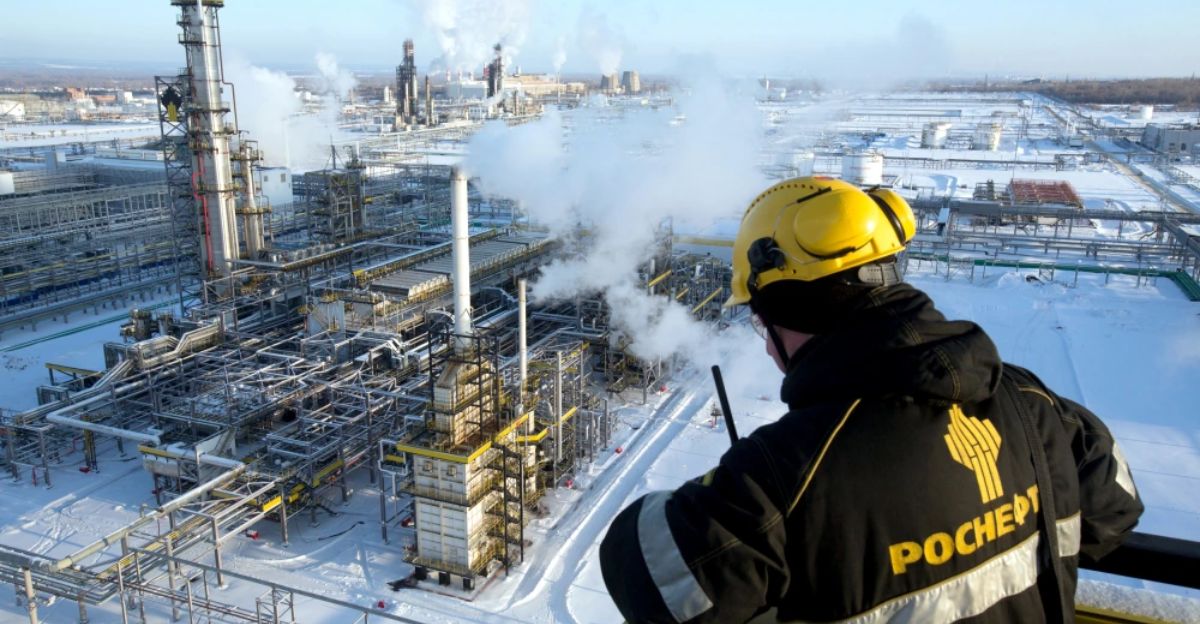
Carnegie Center analyst Sergei Vakulenko observed a counterintuitive outcome: the disruptions may ultimately benefit Russia by allowing Moscow to maintain “a comfortable stance” while shifting blame to Ukraine, while Russian oil found buyers at potentially higher prices as Kazakh exports declined and global supplies tightened.
If Kazakh volumes were to permanently retreat from markets, Russian crude would face less price competition, improving Kremlin revenues despite Ukrainian strikes.
Kazakhstan’s Impossible Choice: Diversify Routes or Risk Economic Collapse
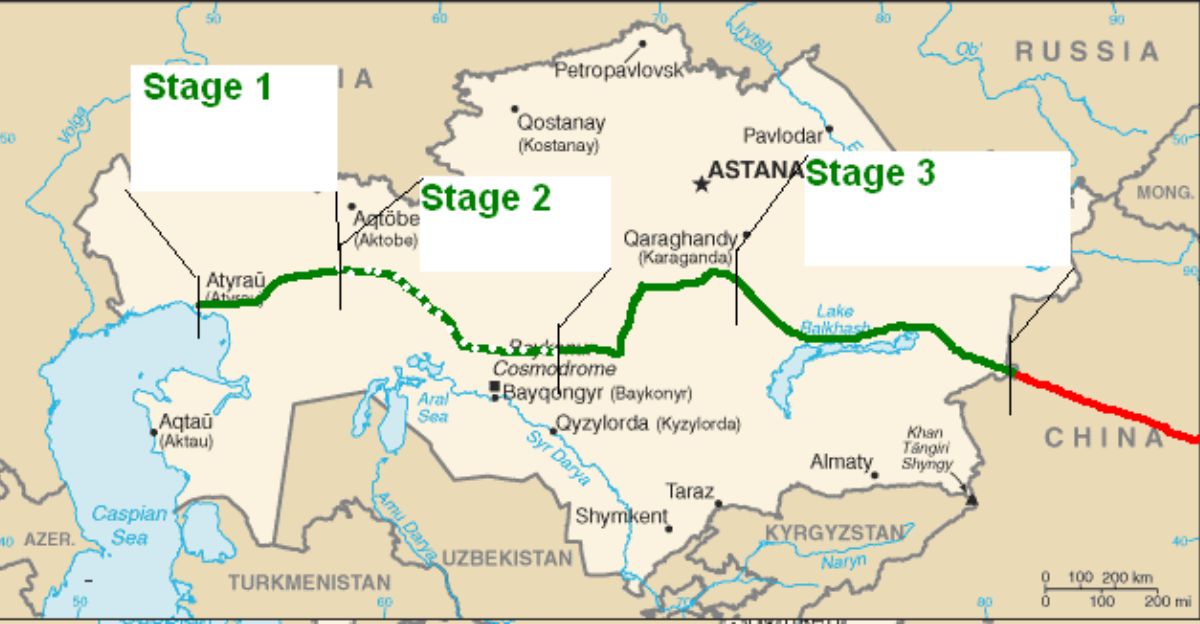
Looking forward, Kazakhstan faced a brutal calculus. Expanding capacity toward China through the Atasu-Alashankou pipeline would be expensive, time-consuming, and ultimately make the nation dependent on a single Asian market rather than diversified global buyers.
By December 8, Kazakhstan announced it would supply some Kashagan oil directly to China through existing pipelines, attempting to activate dormant capacity, but this represented a temporary patch rather than a structural solution.
Global Oil Markets React: $1 Per Barrel Price Shock and Volatility Ahead
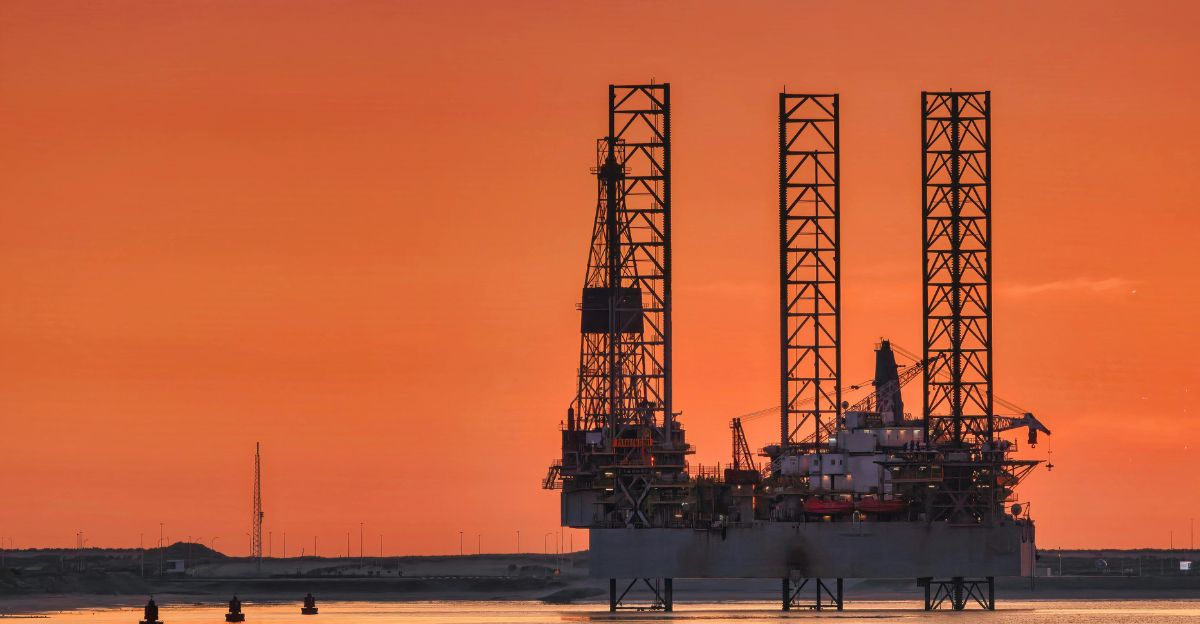
Global oil prices surged more than $1 per barrel immediately following the CPC terminal strike as markets processed the loss of one percent of global crude supply. Energy traders anticipated prolonged volatility as repair timelines extended through 2026, creating ongoing supply uncertainty.
The disruption came at a sensitive moment for international energy markets, with producers already navigating OPEC+ production commitments and strategic reserve management.
The Lasting Lesson: How One Drone Strike Reshaped Energy Geopolitics
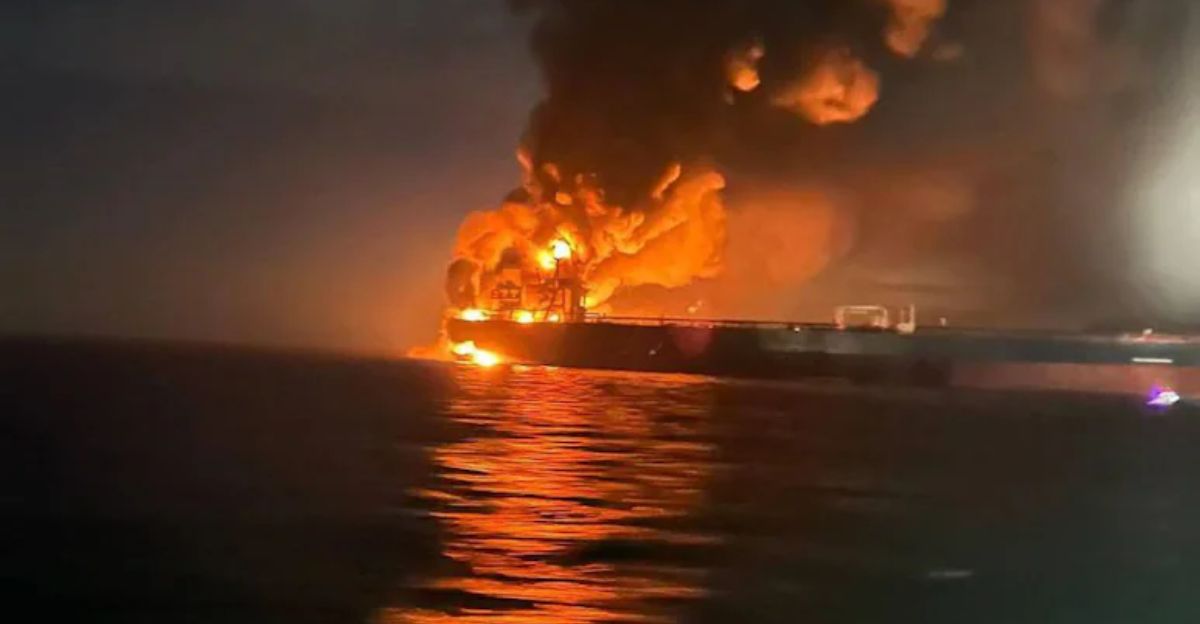
The November 29 CPC terminal strike exemplified how modern conflicts extend far beyond frontlines into global economic systems. For Kazakhstan, the incident delivered a harsh lesson in export concentration and infrastructure vulnerability—challenges that years of policy planning had failed to adequately address.
The nation must now make urgent decisions about capital investment in alternative pipelines, geopolitical alignment between Russia and Ukraine, and long-term energy security strategy. As repairs commenced and diplomatic tensions simmered, Kazakhstan faced decisions that would shape its economic trajectory and regional; role for decades to come.
Sources:
Reuters: “Kazakhstan’s CPC oil pipeline will not return to full export capacity before summer 2026” (December 8, 2025)
Reuters: “Kazakhstan criticises Ukraine over drone attack CPC oil terminal” (November 30, 2025)
Ukrainian Pravda: “Oil terminal in Russia’s Novorossiysk halts operations after drone strike” (November 29, 2025)
Kazakhstan’s Foreign Ministry official statement on CPC terminal attack response (November 29, 2025)
RFE/RL: “How A Ukrainian Drone Strike On Russia Has Crippled Kazakhstan’s Oil Exports” (December 4, 2025)