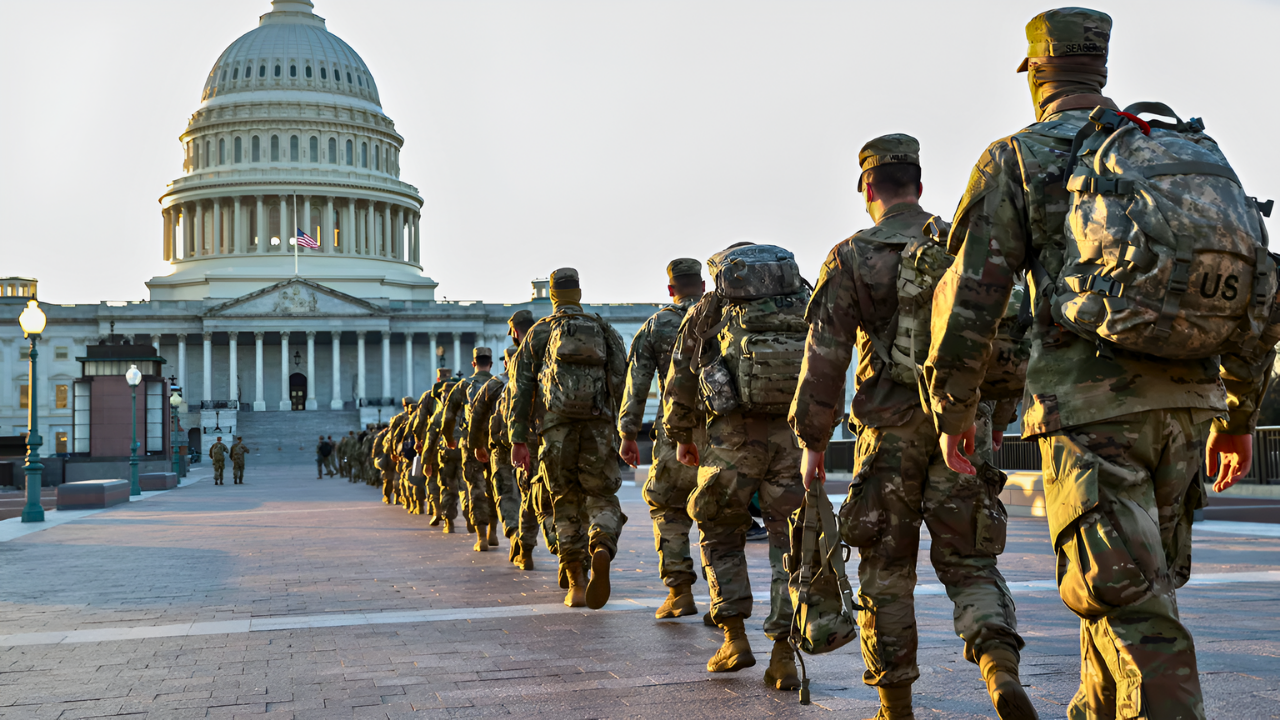
A sudden attack near one of America’s most heavily guarded sites sparked the largest military response Washington has seen since the Capitol riot. On November 26, 2025, two National Guard members from West Virginia were shot while on routine patrol just blocks from the White House in broad daylight.
The shocking event has triggered a fresh debate on military deployments and security protocols in the nation’s capital. The incident raises questions about the effectiveness of visible force and challenges the evolving nature of threats in downtown DC.
This attack marks a critical juncture for the administration’s anti-crime strategy, raising the stakes for all that follows. What officials decide next could reshape the future of national security.
Surge Decision
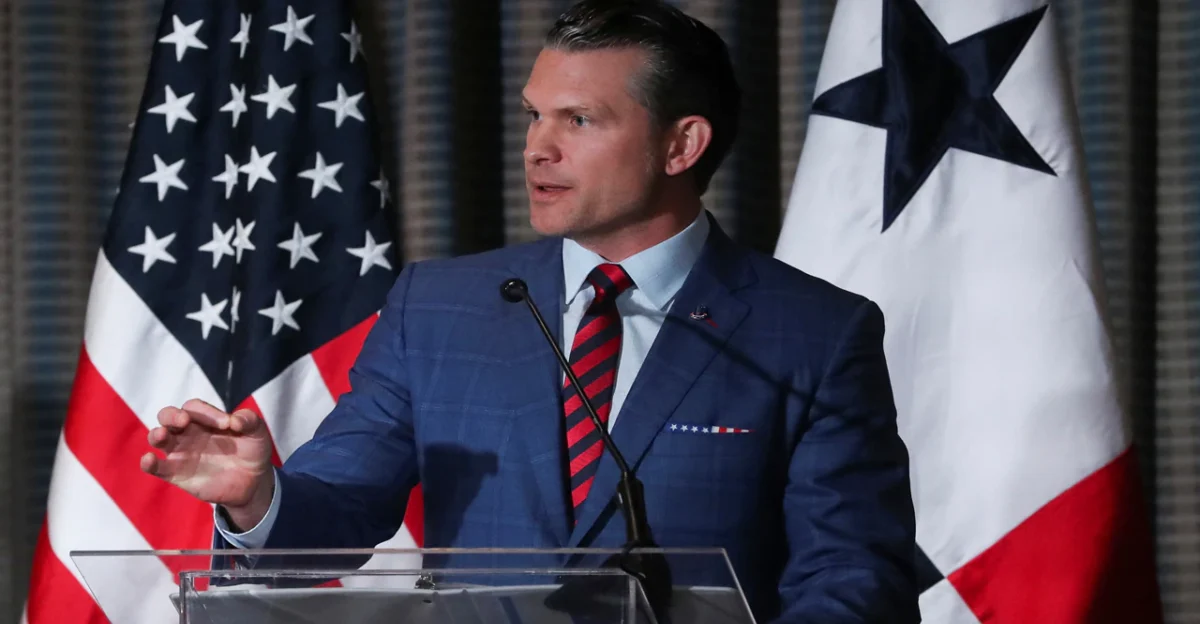
Within hours of the shooting, Defense Secretary Pete Hegseth announced an emergency deployment of 500 additional National Guard troops to Washington, DC.
The move elevated the total military presence in the capital to over 2,500 personnel—a historic concentration of federalized Guard forces supporting law enforcement and federal agencies.
The announcement came as the administration was simultaneously fighting a federal court order that had halted the original Guard mobilization just six days earlier.
The speed of the deployment decision underscored the political pressure and security concerns driving the administration’s response.
Contested Deployment History
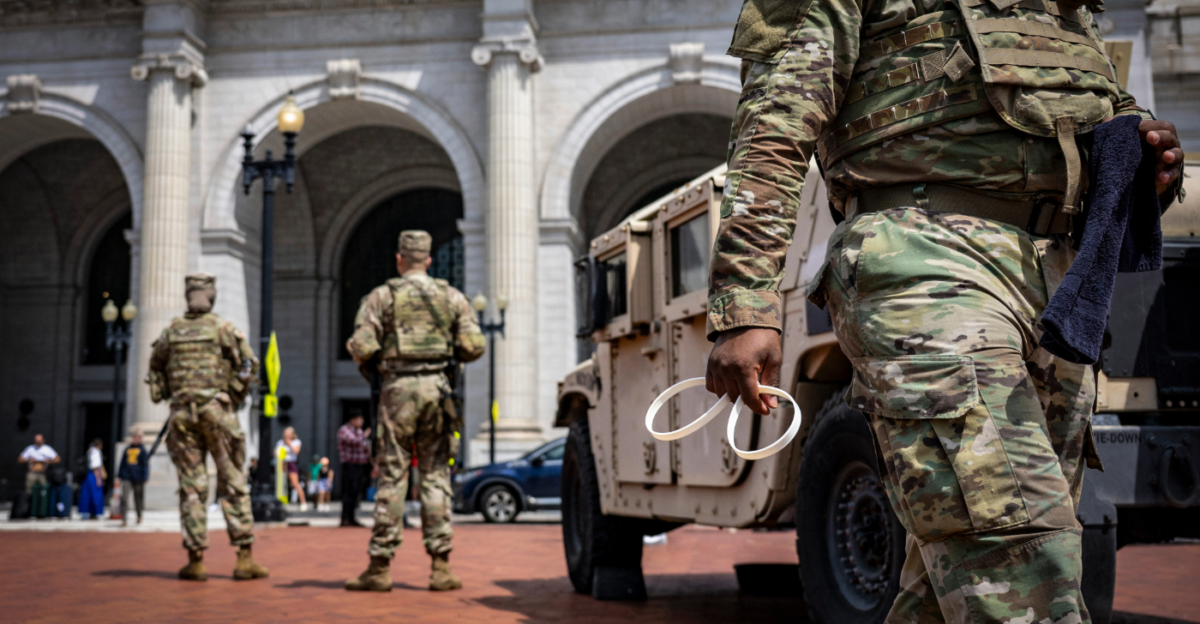
The DC Guard deployment began in August 2025 as part of the Trump administration’s anti-crime initiative, but faced immediate legal challenges.
On November 20, a federal judge ruled that the ongoing mobilization likely violated the Posse Comitatus Act, which restricts the military’s role in domestic law enforcement.
The administration appealed the ruling the same day and continued operations despite the court order. This legal standoff created an unusual backdrop: the Guard remained in DC under an arguably unlawful deployment when the November 26 shooting occurred, complicating the administration’s justification for expansion.
The Incident Unfolds
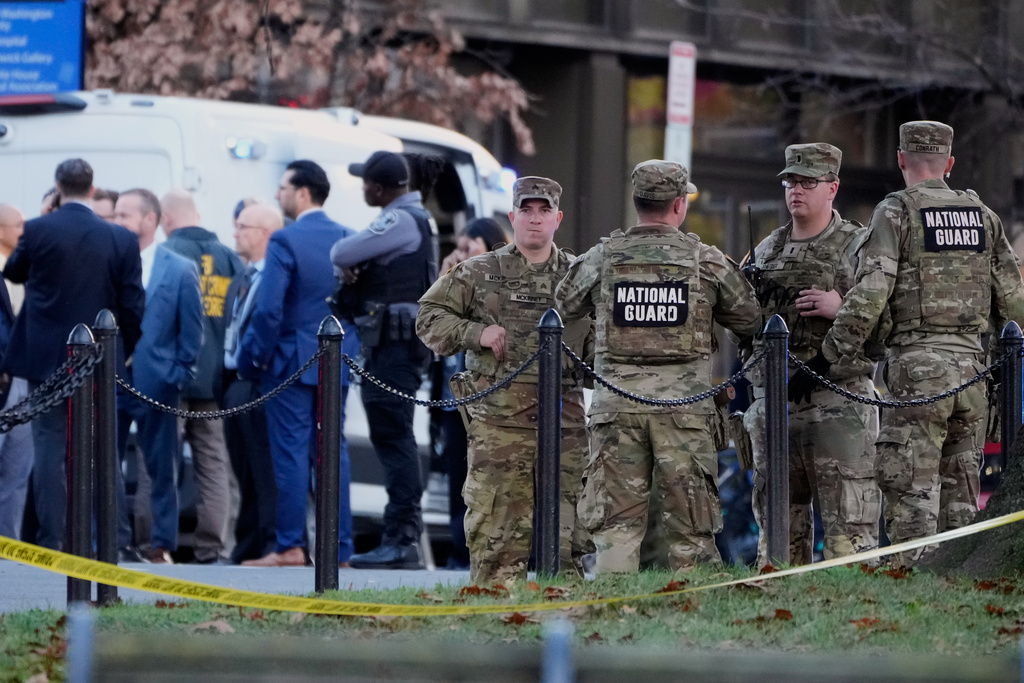
At approximately 3:00 PM on November 26, 2025, two West Virginia National Guard members were shot near Farragut Square, roughly six blocks from the White House. Specialist Sarah Beckstrom, age 20, was killed in the attack.
Staff Sergeant Andrew Wolfe, age 24, was critically wounded and hospitalized. A third Guard member returned fire, wounding the suspect.
The shooting occurred during a high-visibility patrol intended to deter street crime. Instead, it became the first deadly attack on Guard personnel during the deployment—a stark reversal of the mission’s intended purpose.
Identity and Motive Revealed
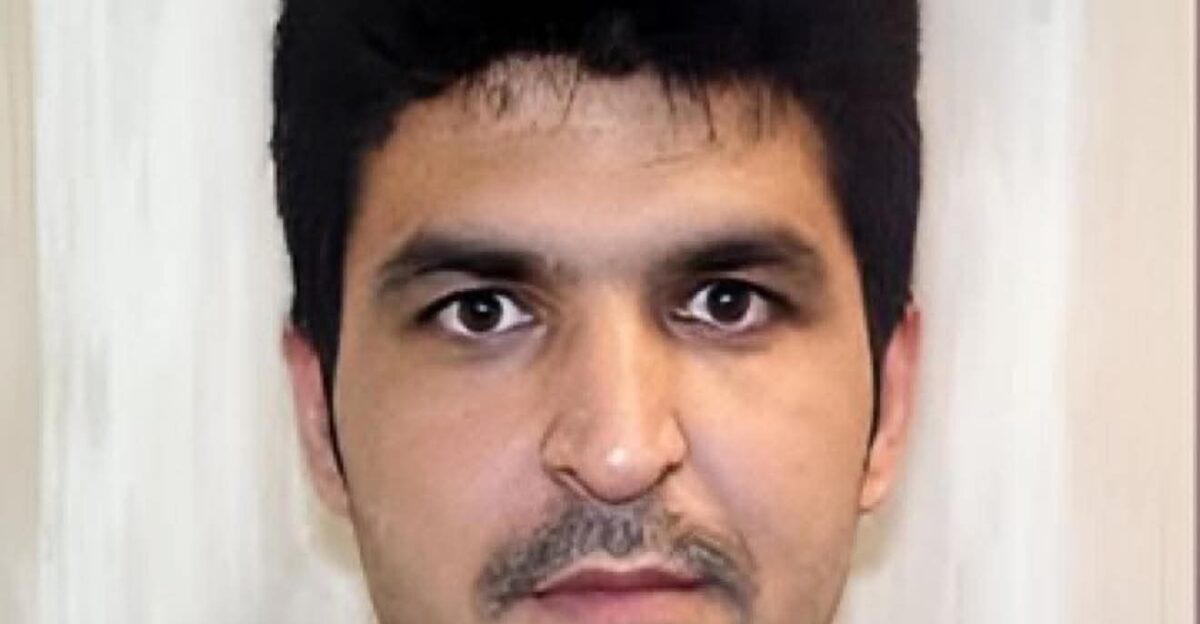
The suspect, identified as Rahmanullah Lakanwal, was an Afghan national who entered the United States in September 2021 under Operation Allies Welcome, the government’s mass evacuation program following the US withdrawal from Afghanistan.
He was granted asylum in April 2025 under the Trump administration. Authorities confirmed the attack was targeted and deliberate—not random street violence. Lakanwal was wounded by return fire and taken into custody.
The identity and immigration background of the suspect immediately became central to the political narrative surrounding the incident, fueling broader policy debates within hours.
Impact on Guard Families
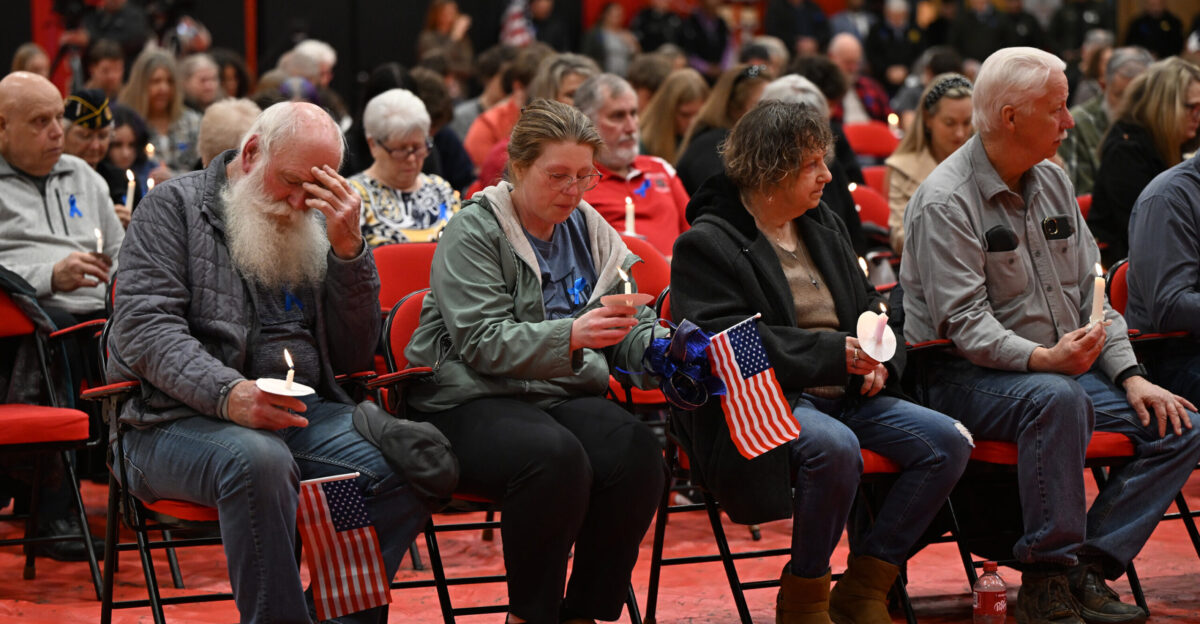
Specialist Beckstrom’s death devastated her family and the West Virginia Guard community. She had been sworn in just one day before the shooting—a detail that intensified the emotional and political resonance of the tragedy.
Staff Sergeant Wolfe remained in critical condition as the immediate aftermath unfolded. President Trump issued a statement honoring the “brave warriors” and directing federal support for the victims’ families.
The rapid transition from swearing-in to fatal ambush became a symbolic focal point for media coverage and public discourse about the human cost of the deployment.
Regional Reverberations
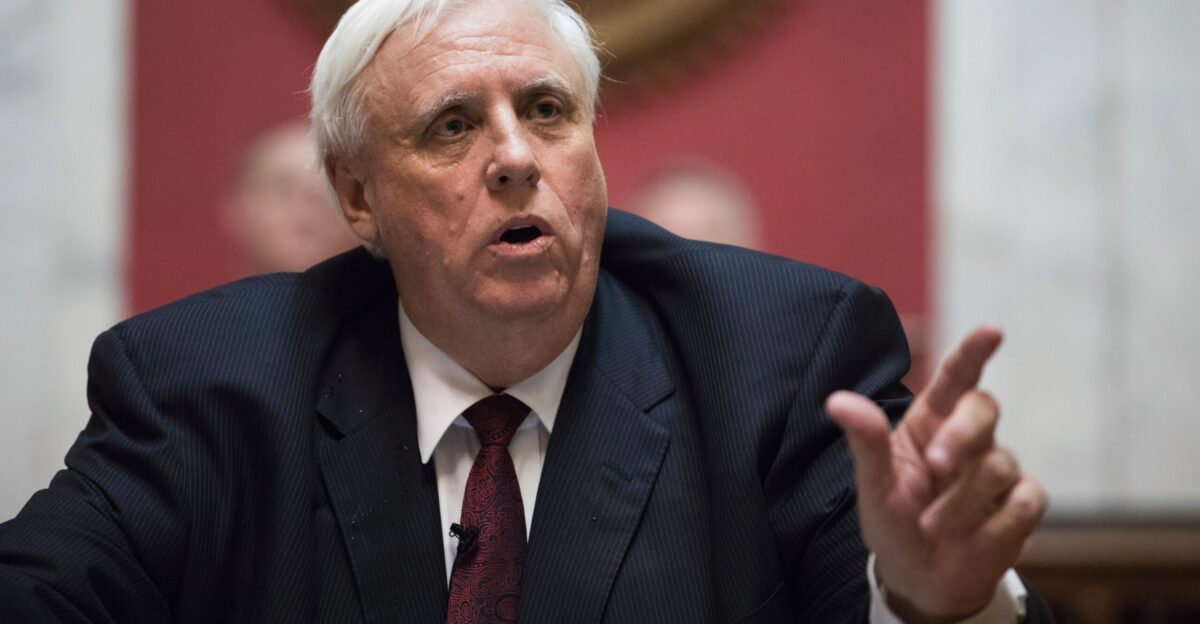
West Virginia’s political leadership rallied around the victims and the Guard. Governor Jim Justice and state representatives emphasized the sacrifice of their constituent soldiers.
The incident prompted reflection within Guard units nationwide, as other federalized detachments grappled with the reality that visible anti-crime patrols could make personnel targets rather than deterrents.
Guard families in other states expressed concern about extended deployments and hazards. The tragedy transcended partisan lines; lawmakers from both parties issued condolences and calls for security reviews.
Immigration Policy Freeze
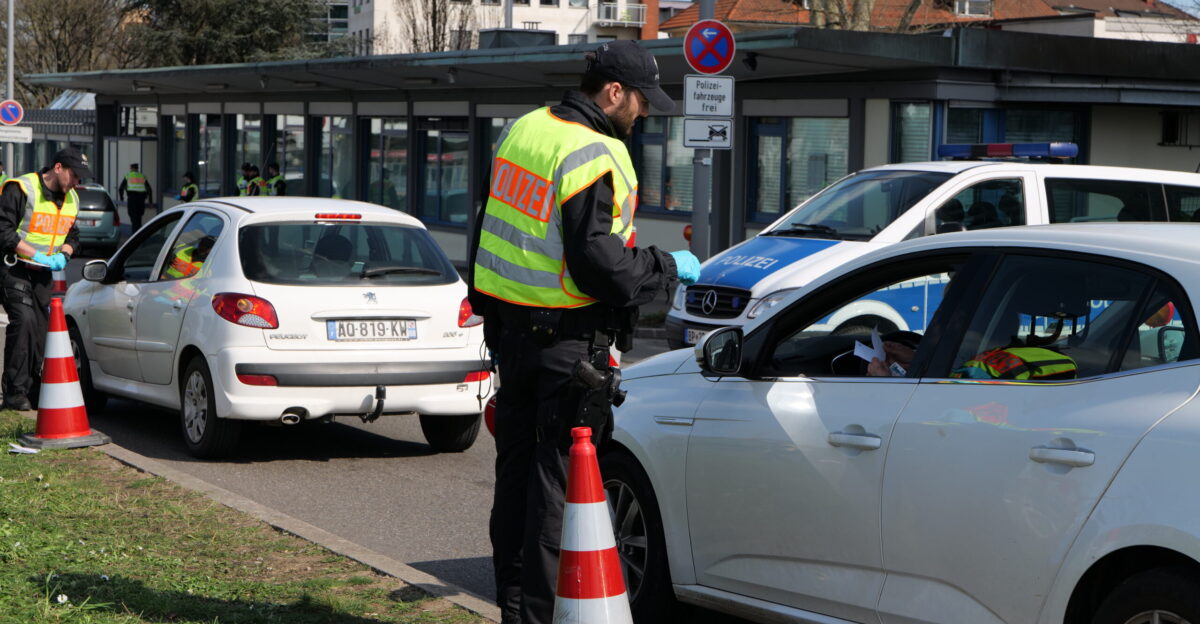
Within 48 hours, the Trump administration halted all asylum decisions for Afghan nationals pending a security review. The suspension indefinitely froze case processing for approximately 76,000 Afghan nationals who had entered the US since 2021 under Operation Allies Welcome.
This policy reversal drew sharp contrasts: the administration that approved Lakanwal’s asylum in 2025 was now suspending similar cases, citing national security concerns.
Immigration advocates condemned the freeze as a counterproductive form of collective punishment, while security hawks argued that it was an overdue safeguard. The move demonstrated how a single incident can significantly impact immigration policy.
Legal Challenge Escalates
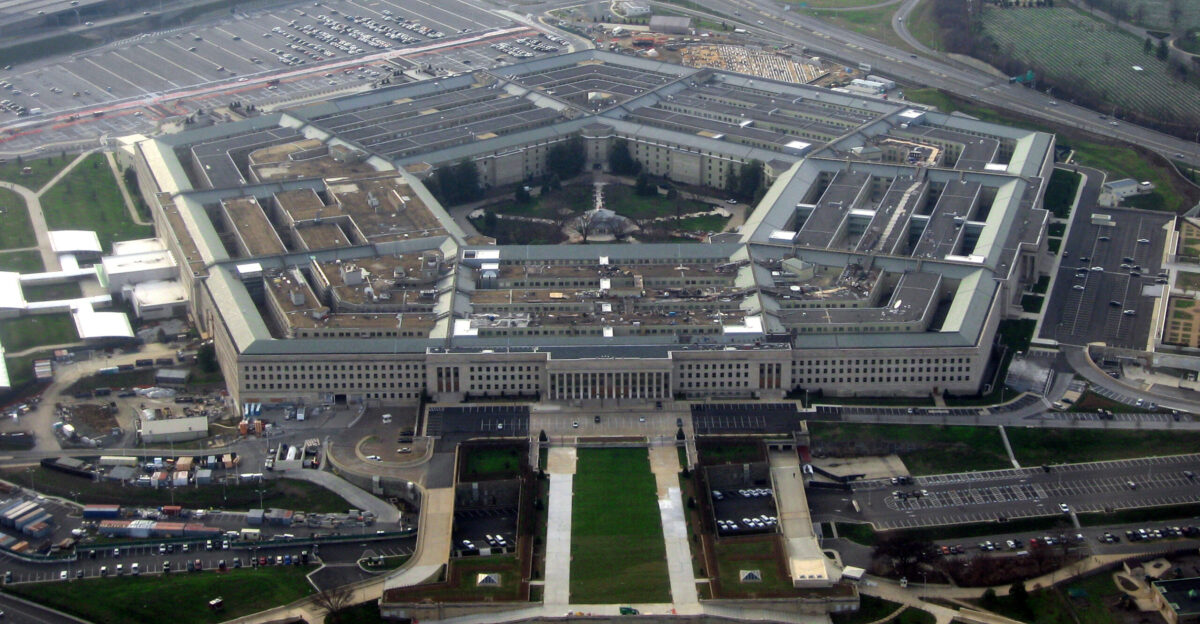
The Pentagon’s decision to surge troop levels triggered immediate questions about the ongoing legality of the deployment. The administration filed an emergency appeal of the November 20 court ruling, seeking to overturn the Posse Comitatus restriction.
Civil liberties organizations, including the ACLU, filed briefs opposing the expanded deployment and arguing it set a dangerous precedent for militarized domestic security.
Federal appeals courts faced pressure from multiple sides: national security advocates supporting expansion, legal scholars warning against constitutional erosion, and the administration arguing exigent circumstances justified emergency measures. The legal battle remained unresolved as troops continued operating in DC.
The Cost Equation
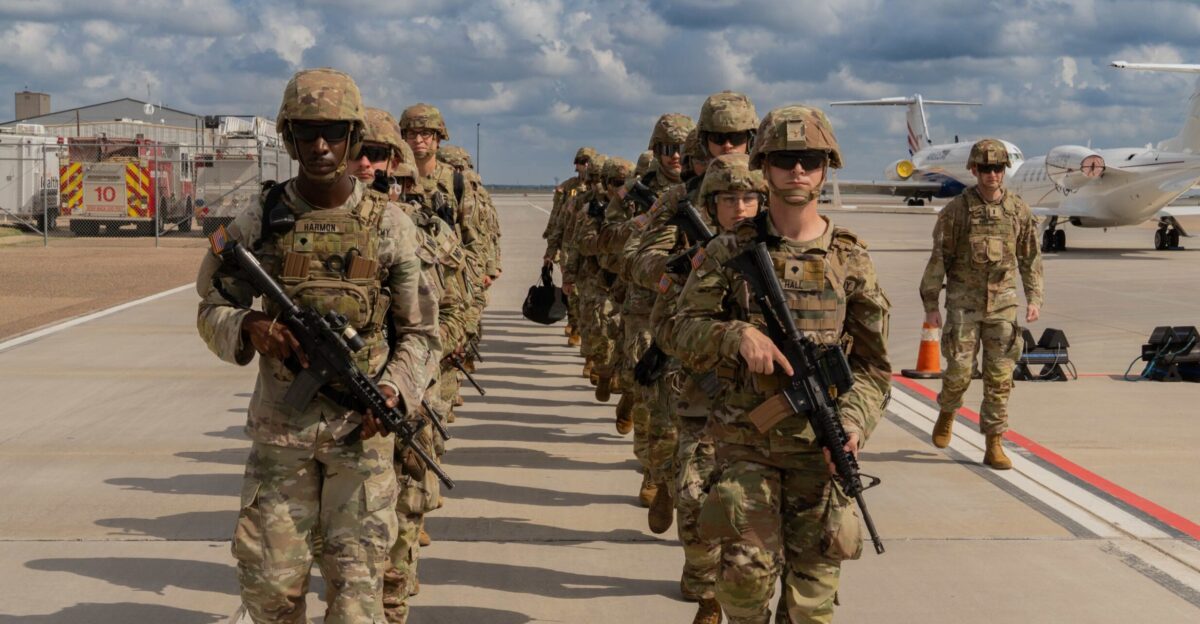
The 500-troop surge is projected to cost $500 million annually to sustain—a staggering price tag for a domestic deployment that remained legally contested.
This figure highlights a secondary consequence often overlooked in security debates: the fiscal burden of maintaining a sustained military presence in civilian spaces.
For comparison, the annual cost per Guard member in a federalized domestic deployment was estimated to be between $100,000 and $200,000, factoring in personnel, logistics, equipment, and coordination.
The expense became ammunition for critics questioning whether the deployment represented prudent fiscal stewardship or security theater masquerading as effective governance.
Strain on Guard Operations
Commanders of Guard units in other states expressed concern that the extended DC deployment would drain resources and personnel from their home missions. Units typically rotate deployments in 30- to 90-day cycles, but the open-ended nature of the DC assignment created scheduling chaos.
Guard members reported missing family events, extended separations, and uncertainty about the duration of their deployment. Union representatives and military advocacy groups raised questions about whether the anti-crime mission justified the operational strain.
Internal documents suggested morale challenges within Guard units, with some personnel viewing the deployment as politically motivated rather than operationally sound.
Administration’s Strategic Shift
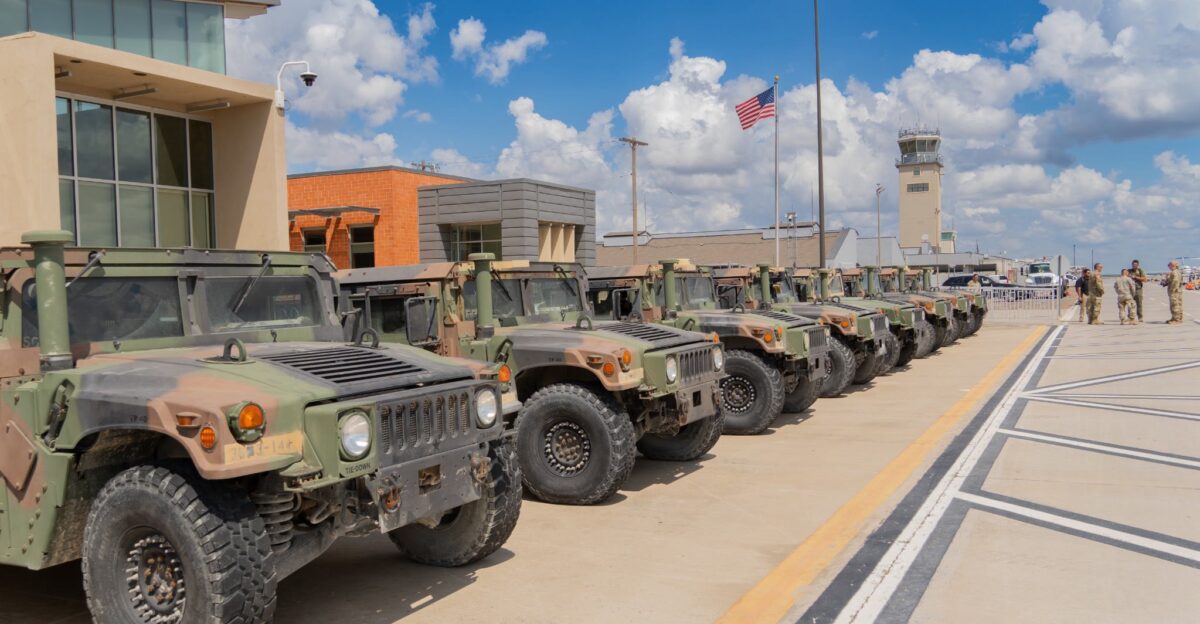
Following the shooting, the Trump administration doubled down on the security-first narrative, framing the expanded deployment as non-negotiable. Senior officials argued that the November 26 incident vindicated their anti-crime strategy and justified aggressive judicial action to preserve it.
Rather than curtail the deployment in light of legal challenges, the administration accelerated it—a bold move that signaled confidence in both the constitutional position and the political durability of the decision.
Critics characterized this response as opportunistic, weaponizing tragedy to advance a predetermined security agenda. The incident became a fulcrum for broader debates about executive power and civil liberties.
Crime Data and Deployment Effectiveness
Supporters of the Guard deployment cited sustained crime reductions through the fall months. MPD data showed violent crime down 39% during the initial surge period, with homicides down 38% since August deployment compared to the prior year period.
However, causation remained disputed among criminologists and policy analysts, and questions emerged about whether crime was being displaced rather than prevented.
Critics countered that the shooting itself demonstrated the deployment’s failure to prevent targeted violence and suggested that visible uniformed personnel might deter opportunistic property crime while remaining powerless against determined attackers.
Independent security analysts cautioned that one incident should not override months of statistical improvement, yet the tragic nature of a Guard member’s death carried disproportionate political weight.
Institutional Uncertainty

Federal agencies tasked with supporting the Guard deployment, including the US Marshals Service, Secret Service, and DC Metropolitan Police, faced operational uncertainty due to the contested legal status of the mission.
Interagency coordination plans assumed the deployment would continue, yet a federal court reversal could upend everything. Some agencies quietly prepared contingency scenarios in which Guard support would be withdrawn, forcing law enforcement to absorb the workload.
This institutional limbo created inefficiencies and muddled decision-making. Officials acknowledged privately that the legal ambiguity was untenable long-term, but the administration’s aggressive appeal strategy suggested confidence in eventual judicial vindication.
The Unresolved Question
As 2,500+ National Guard troops continue patrols in Washington, DC, a fundamental question lingers unresolved: Can military deployment—however well-intentioned—accomplish what civilian law enforcement cannot, and at what constitutional and fiscal cost?
The November 26 shooting crystallized competing narratives: for some, a tragic reminder that visible security deters most threats but cannot eliminate all risks; for others, evidence that militarizing cities is counterproductive and constitutionally suspect.
The legal battle will ultimately determine whether this deployment survives judicial scrutiny, but the deeper tension between security and liberty remains unreconciled. The next decision from federal appeals courts will shape not only DC’s immediate future but also the precedent for domestic military deployments nationwide.
Sources:
AP News November 26–27, 2025
CBS News November 26, 2025
Pentagon statement November 26, 2025
Trump administration statements and briefings November 26–27, 2025
FBI Director Kash Patel statement November 26, 2025
Department of Homeland Security November 2025
Trump administration policy directive November 27, 2025
West Virginia National Guard November 2025