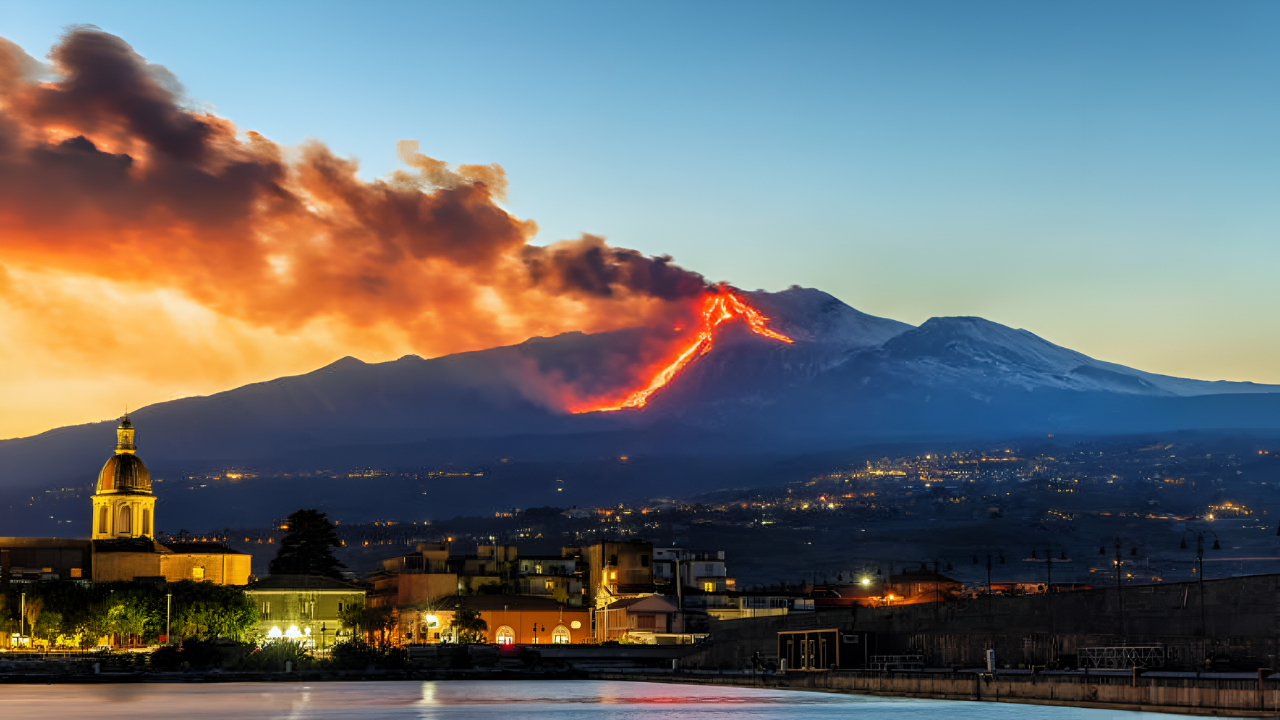
Beneath the Bay of Naples, the ground jolts upward, having risen more than 4.5 feet since 2005. Within the eight-mile crater of Campi Flegrei, home to over 500,000 residents, tensions mount as the supervolcano—responsible for two of Europe’s most catastrophic eruptions in the past 40,000 years—stirs once more.
With ground swelling accelerating and seismic activity intensifying, Italian authorities have kept the region on a “yellow alert” since 2012, with evacuation plans primed for deployment at any moment. But what comes next could change everything.
Record-Breaking Tremor
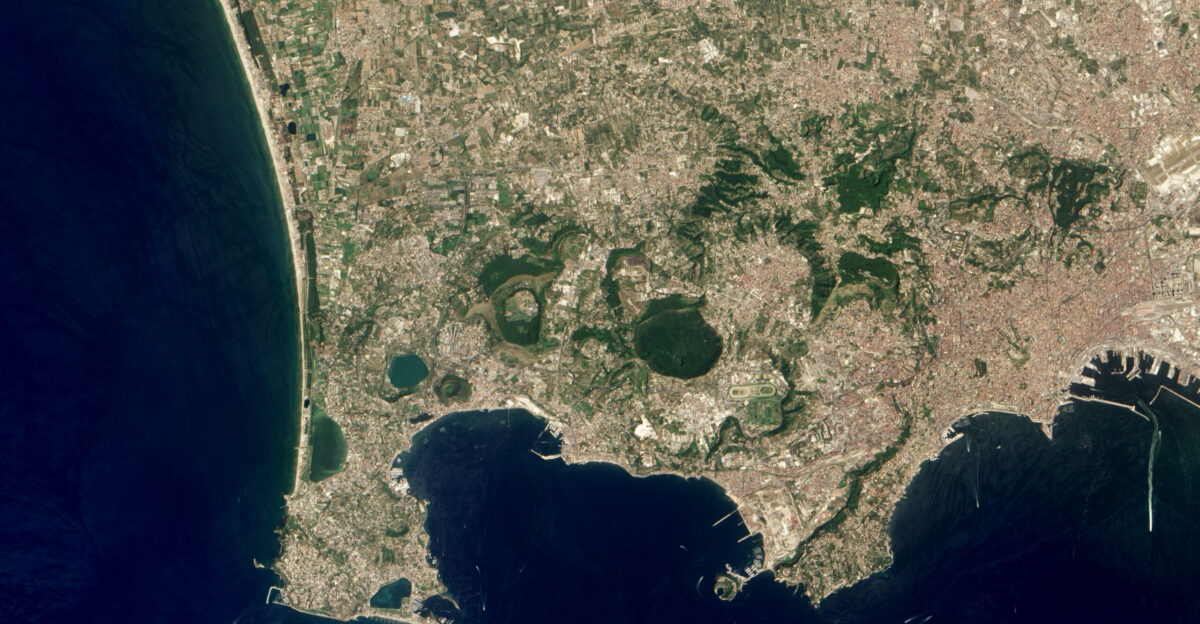
On June 30, 2025, a magnitude 4.6 earthquake struck Campi Flegrei—the strongest in 40 years. The shallow tremor sent residents fleeing into the streets, damaged buildings already weakened by thousands of quakes, and forced school evacuations across Naples’ western suburbs.
The 1983-1984 crisis produced magnitude 4.0 events, prompting the evacuation of 40,000 from Pozzuoli. In 2025 alone, five earthquakes with magnitudes above 4.0 have struck Campi Flegrei, signaling an escalation of volcanic unrest.
Mythological Shadow
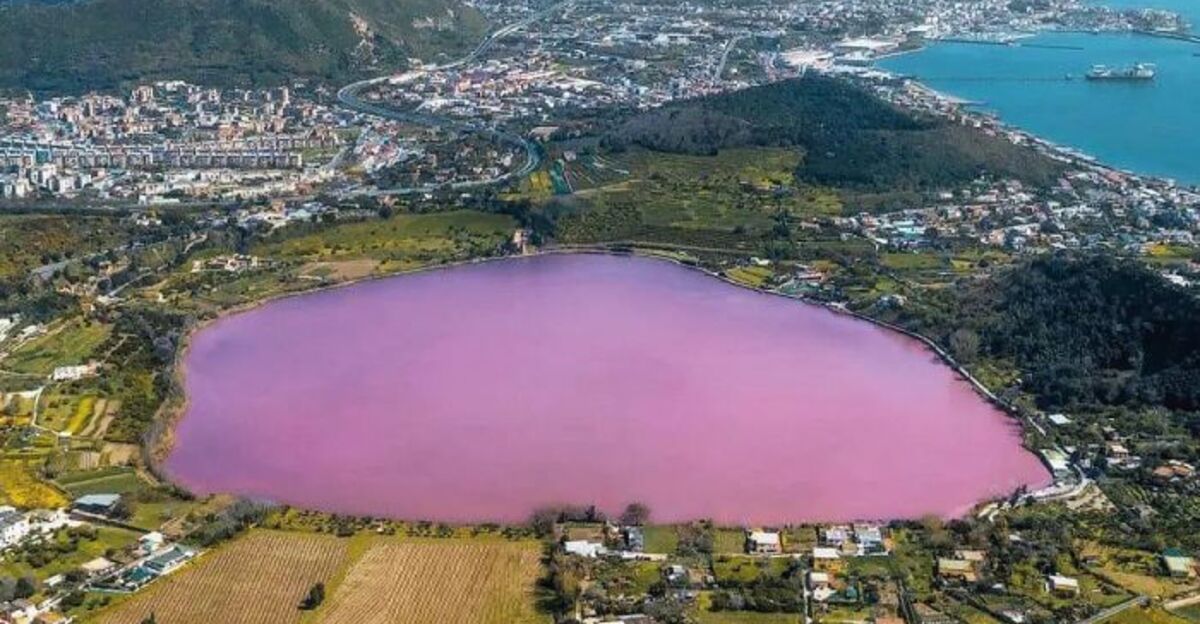
Lake Avernus, within Campi Flegrei, was mythologically considered the entrance to the underworld in Roman times. Virgil’s Aeneid described it as the gateway where Aeneas descended to meet his father’s ghost.
Ancient Romans believed toxic volcanic gases killed birds flying overhead, reinforcing the deadly reputation.
Today, Campi Flegrei retains the nickname “Gateway to the Underworld” in modern media, blending classical mythology with contemporary awareness of volcanic risk.
Last Eruption: Nearly 500 Years Ago
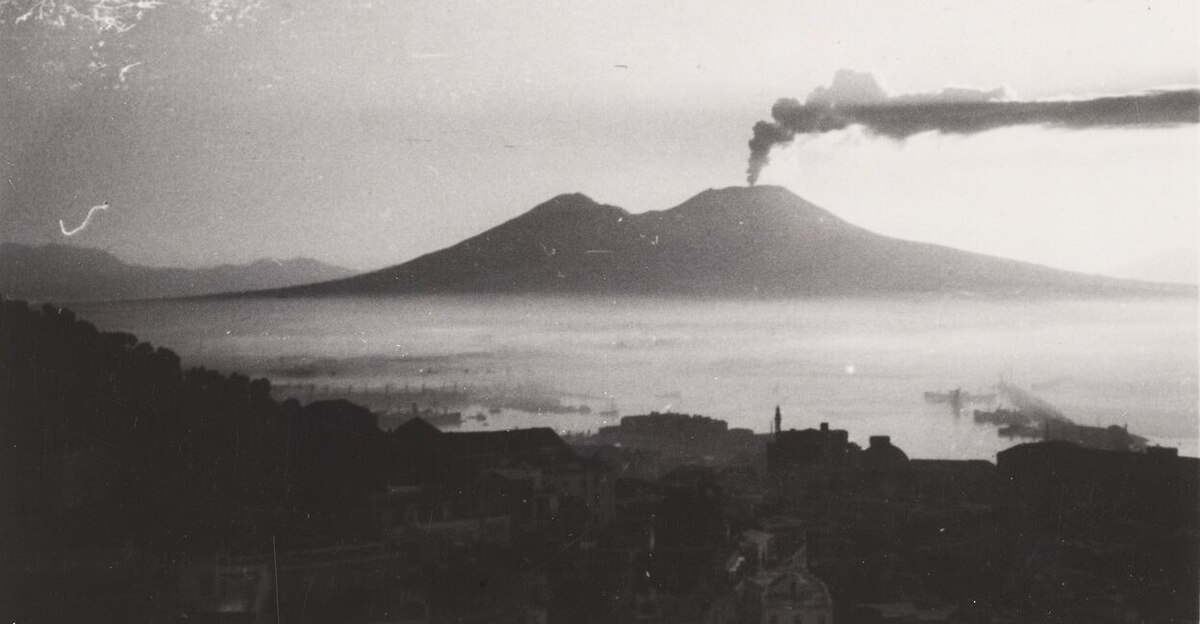
Campi Flegrei’s most recent eruption occurred in 1538, when Monte Nuovo—literally “New Mountain”—rose from the seafloor in a single week, an event witnessed by contemporary chroniclers.
Before that, the last major caldera-forming eruption was the Neapolitan Yellow Tuff approximately 15,000 years ago, which ejected 72 cubic miles of material.
The volcano has not erupted in 487 years, yet it remained restless with periodic earthquake swarms and ground movement throughout the 20th century.
AI Reveals Hidden Earthquakes

Between 2022 and 2025, traditional INGV seismic networks manually identified 12,083 earthquakes at Campi Flegrei.
A Stanford University machine-learning model, trained on INGV data, detected 54,319 earthquakes in the same period—a 350% increase, revealing the volcano’s actual activity level.
The AI system identified seismic patterns and magnitudes that conventional analysis had missed, suggesting that 78% of seismic events had gone undetected. This breakthrough fundamentally changed scientific understanding of Campi Flegrei’s accelerating restlessness.
A City Built on Shaking Ground
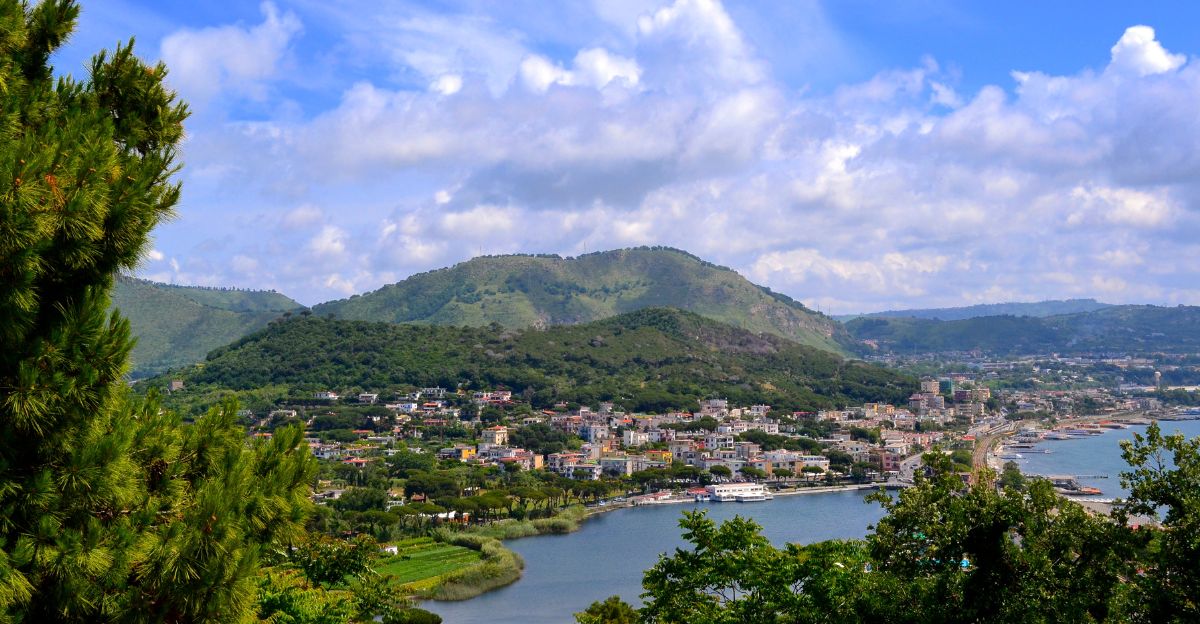
Naples and surrounding municipalities house 500,000 residents in the “red zone”—the highest-risk evacuation area. Buildings suffer cumulative damage from repeated tremors; schools have been temporarily closed following larger quakes, and residents report anxiety about daily living.
The 1983-1984 crisis displaced 40,000 people from Pozzuoli permanently; many were relocated to other regions and were denied the right to return even after the seismic activity subsided.
Modern residents face a similar uncertainty: balancing economic opportunities and cultural ties against genuine seismic and volcanic risks.
Ground That Moves
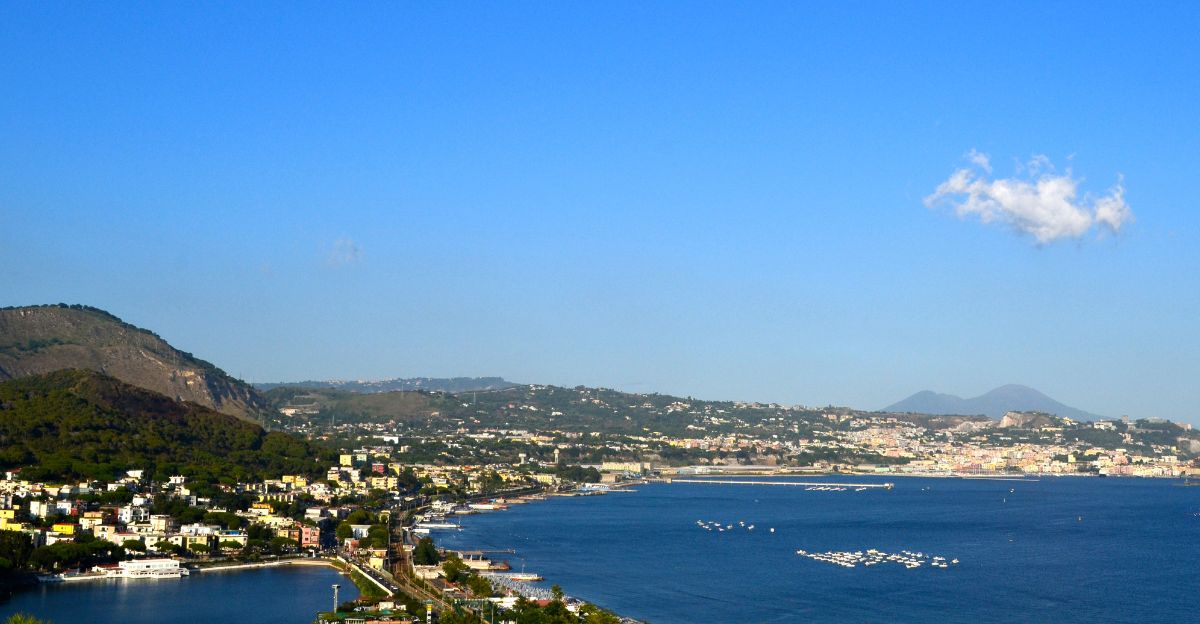
Bradyseism—slow, vertical ground movement caused by underground pressure changes—has lifted Campi Flegrei’s surface by approximately 1.4 meters (4.6 feet) since 2005.
Before the Neapolitan Yellow Tuff eruption 15,000 years ago, ground uplift reached 85 feet, providing a geological warning sign of impending catastrophe.
Recent monitoring shows acceleration: the rate of uplift has increased annually since 2005. In Pozzuoli and other towns, the rising ground has exposed Roman columns’ buried portions and left boats stranded on the newly elevated seafloor.
Government Response and Funding

Italy’s government declared a state of emergency for Campi Flegrei in May 2025, allocating €500 million for structural reinforcements and evacuation infrastructure. The European Investment Bank approved an additional €1.4 billion for reconstruction and safety improvements across the region.
Civil Protection maintained twice-daily communications with INGV’s monitoring center via a dedicated “red phone” line to Rome.
Emergency protocols have updated evacuation procedures for relocating 500,000 residents, although experts acknowledge the logistical challenge of evacuating such a large number on short notice.
What Scientists Actually Know
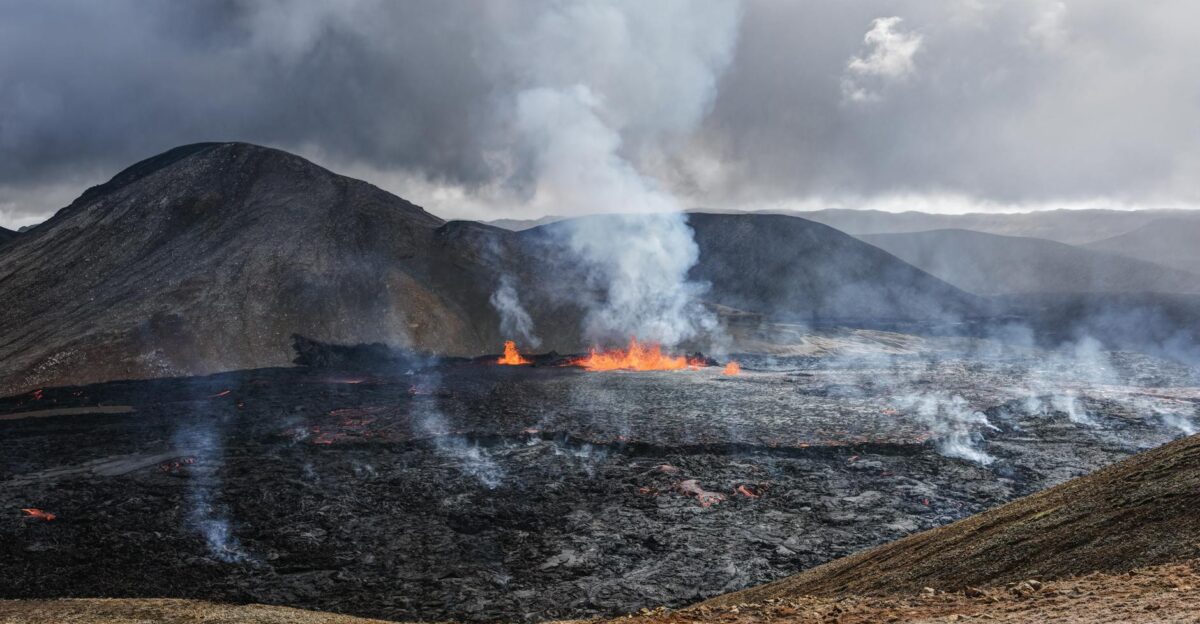
Current seismic activity is “likely driven by superheated water and gases rather than magma rising,” according to INGV analysis. However, scientists cannot rule out the involvement of magma, and the eruption risk remains “not zero.”
Warner Marzocchi, a volcanologist at the University of Naples, stated in September 2025: “Nature has the control. We do not have control.”
Experts admit to uncertainty about tipping points—whether gradual unrest could suddenly escalate into an eruption, or whether current conditions might persist for decades without one.
The Neanderthal Connection
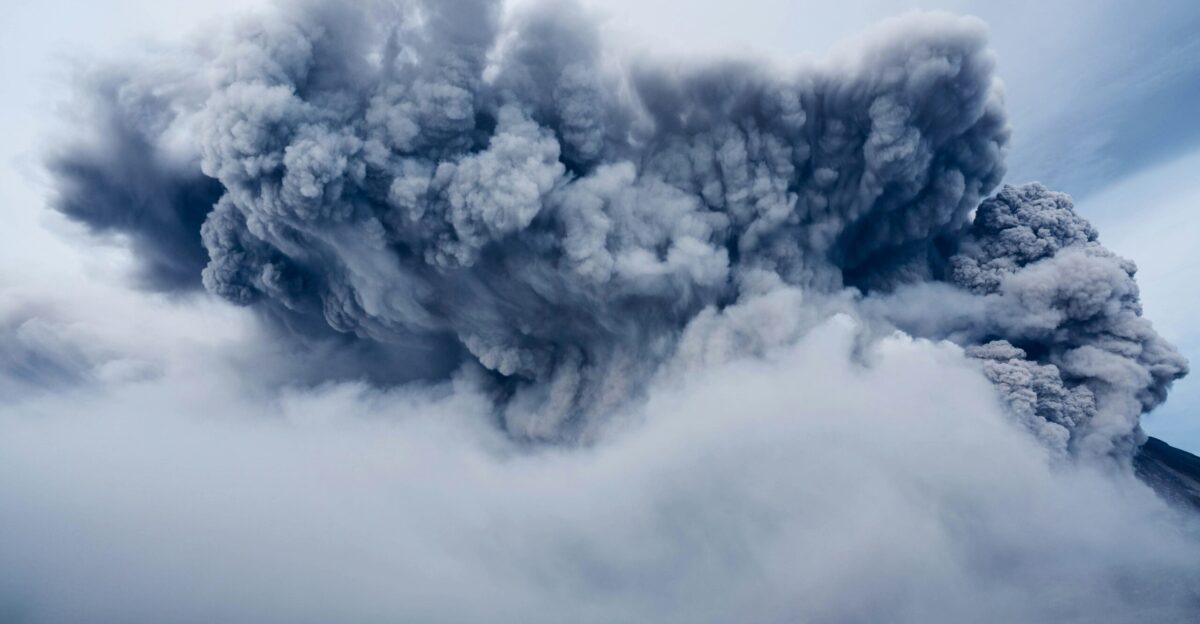
The Campanian Ignimbrite eruption approximately 39,000 years ago was one of Earth’s most catastrophic volcanic events, ejecting 72 cubic miles of material and triggering global climate cooling.
Ash blanketed Europe and Russia; some researchers hypothesize that the eruption’s climate impact contributed to the Neanderthal extinction, although causation remains debated.
This eruption demonstrates the potential of Campi Flegrei for civilization-altering consequences. If a similar eruption were to occur today, pyroclastic flows at 1,472°F, traveling 30-60 mph, would devastate the region, with ash disrupting European air traffic.
Daily Life in Uncertainty
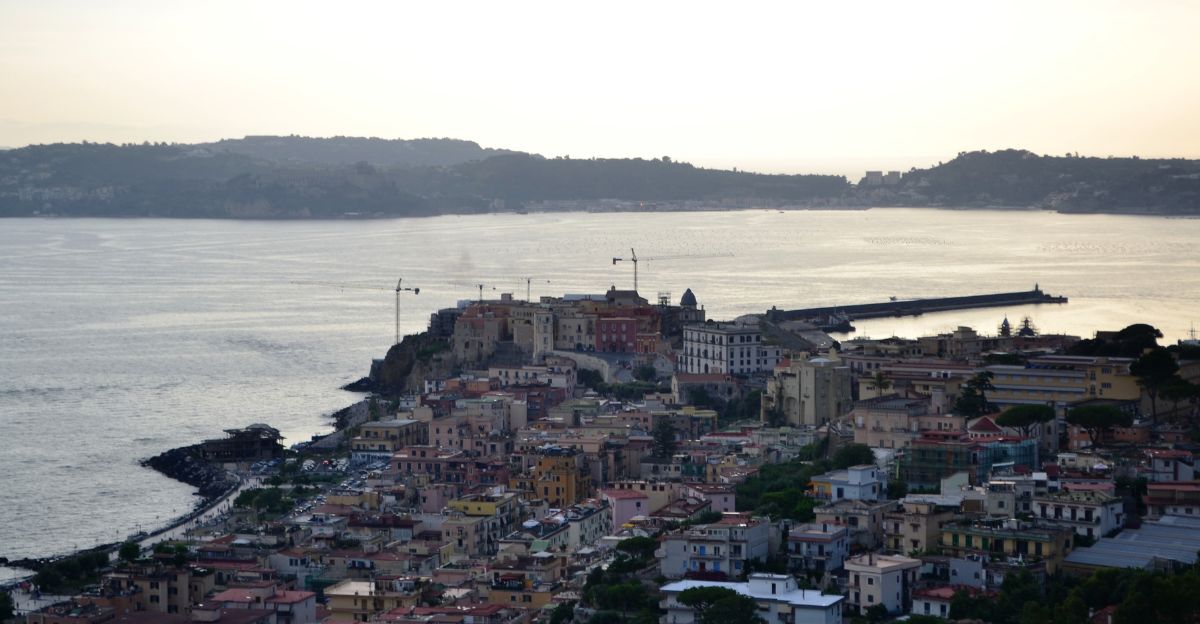
Residents express frustration about living with unresolved risk. Some families have left the region in search of safer ground; others remain bound by economic ties, family heritage, or a lack of alternatives.
Schools conduct earthquake drills; building codes have been upgraded to withstand increased seismic activity. Social media reflects daily anxieties: reports of tremors, damage photos, and discussions of evacuation readiness.
Local businesses face uncertainty about their long-term viability in a declared-risk zone, which affects investment and economic development decisions.
Evacuation Logistics Remain Unsolved
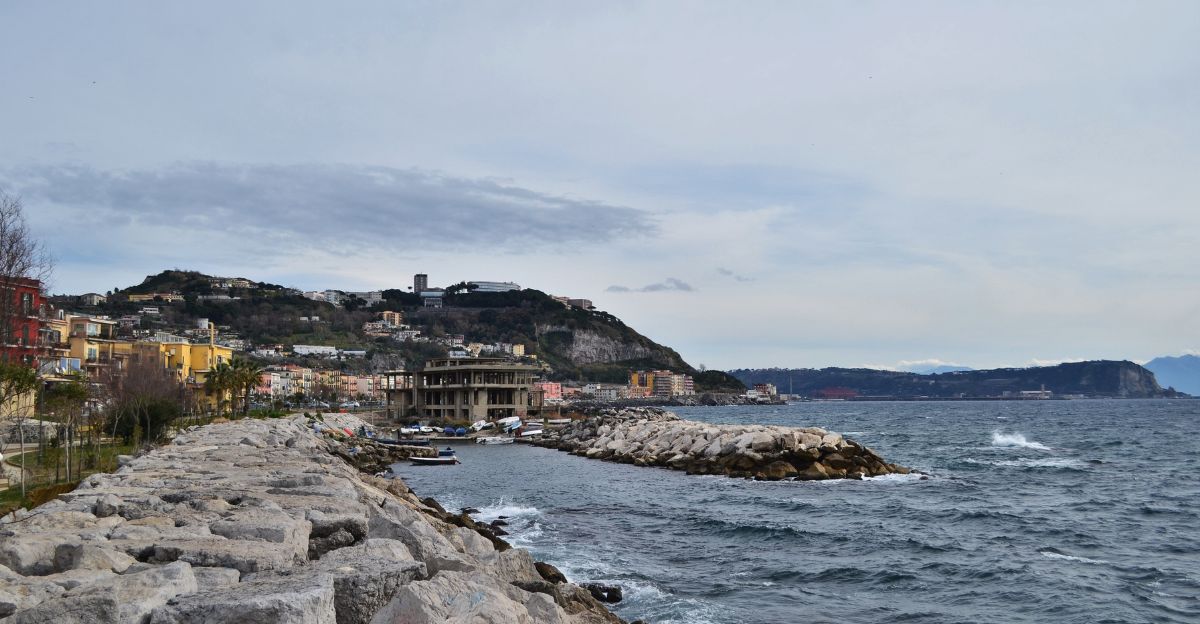
No comprehensive evacuation plan can realistically relocate 500,000 people from the caldera zone safely within a few days. Transportation, housing, and social services for such a mass displacement would strain Italy’s entire southern region.
Authorities have identified host regions across Italy but acknowledge the plan is aspirational rather than operationally tested.
A 2024 national civil protection exercise, conducted in October 2025, revealed gaps in coordination and resource allocation, prompting further planning updates.
European Ash Threat
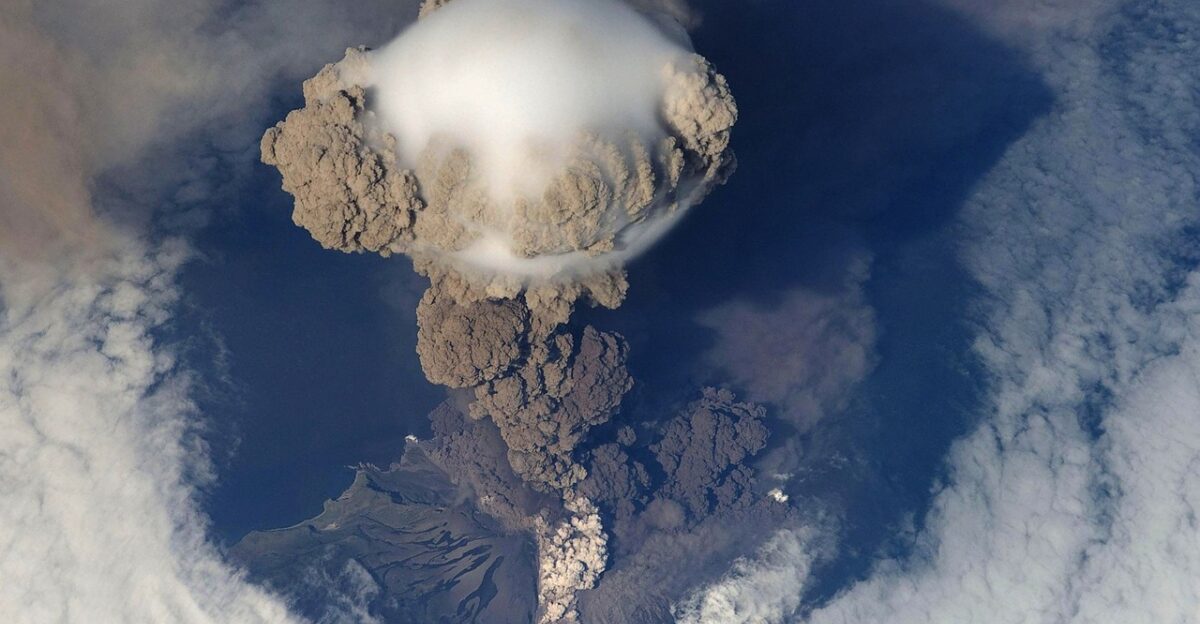
If Campi Flegrei erupts explosively, an eruptive column could reach 18 miles into the atmosphere, dispersing ash across Europe. Previous eruptions produced ashfall in Central Europe and Russia.
Modern aviation would face major disruptions; agricultural impacts could follow ash deposition. The Eyjafjallajökull eruption in Iceland (2010) disrupted European air travel for days and cost airlines €1.7 billion.
Campi Flegrei is far larger and closer to major population centers, with potentially greater economic consequences.
Scientific Monitoring Advances
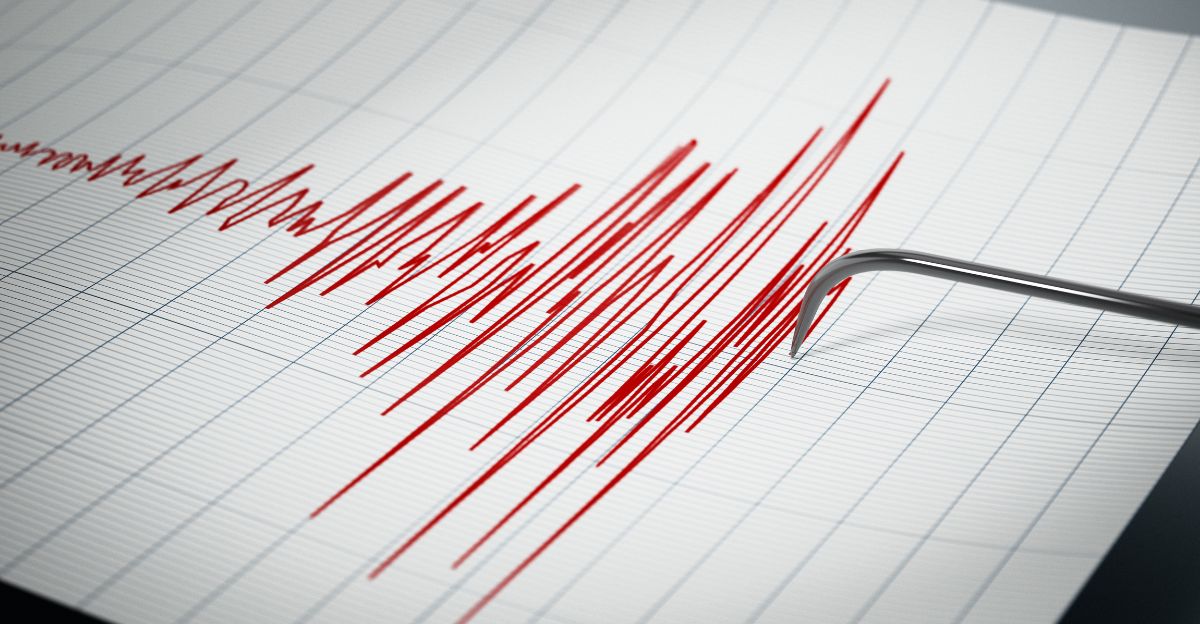
INGV operates a 24/7 monitoring network with seismometers, GPS stations, and gas analyzers throughout Campi Flegrei. The AI breakthrough enabled the detection of previously invisible earthquake patterns, thereby improving the accuracy of hazard assessments.
Researchers continue to drill to better understand subsurface conditions. Despite advances, predicting when or if an eruption will occur remains impossible.
Scientists emphasize that monitoring enables faster response to dangerous changes, but cannot provide certainty about future outcomes.
Nature Decides
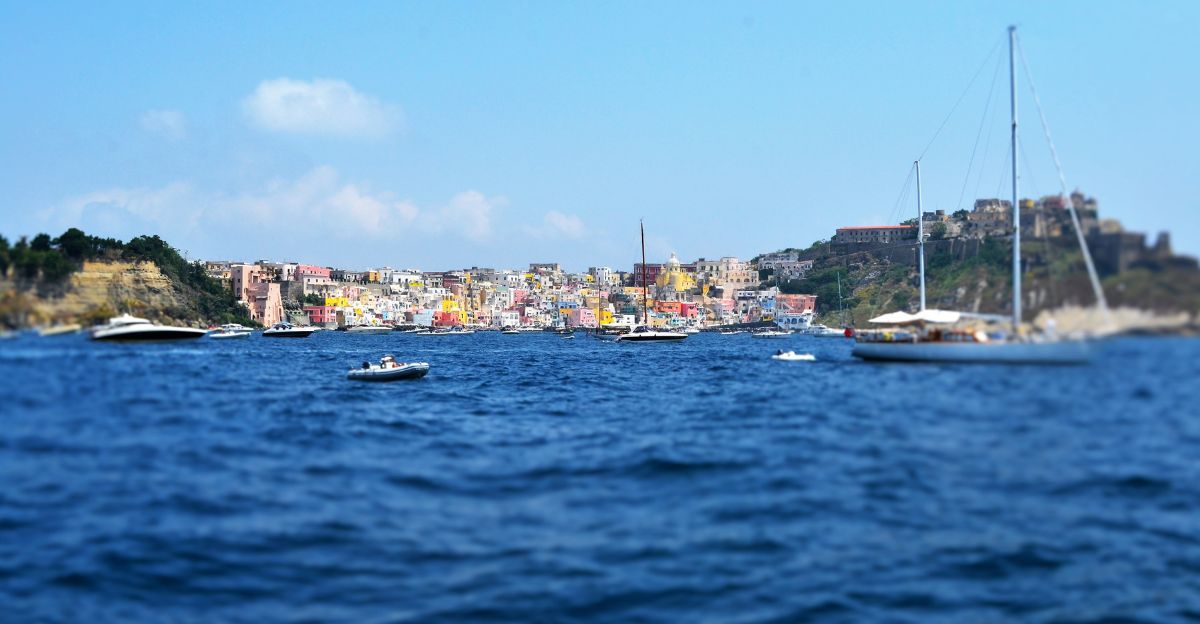
Half a million people continue their daily routines in a zone that authorities have declared volcanically hazardous—a paradox reflecting economic reality, cultural attachment, and genuine uncertainty about the timing of the eruption.
Italy’s government funds monitoring, planning, and reinforcement efforts, but cannot guarantee their effectiveness in ensuring safety.
Scientists acknowledge the volcano could remain restless for decades without erupting, or could accelerate toward eruption with little warning. For residents, the question persists: Is the risk imminent, or manageable? The answer remains: nature decides.
Sources:
Stanford University, Sep 2025, AI study
Italian Civil Protection 2016 Emergency Plan Update
INGV 2025 seismic data and reports
Nature Communications Dec 2024 study
Wanted in Rome archives 2025
Watchers.news archives Jun 2025
European Investment Bank Nov 2025 press release
Global Volcanism Program archives