Imagine opening your Hulu app expecting Marvel’s latest release, only to find Disney+ vanished at your next billing date. Effective December 9, 2025, that’s exactly what’s happening to millions.
Disney discontinued the Disney+ add-on through Hulu—the affordable way for thousands to bundle both services. Access terminates automatically. No warning. No negotiation. Just gone.
The Plan You Loved Has a Backstory

Here’s what made this arrangement special: you had Hulu. You loved it. One day, Disney offered to slip Disney+ into that same account for just $2 to $8 extra per month. No separate login. No duplicate apps cluttering your phone.
One bill. One habit. That was the magic. But magic, Disney decided, wasn’t profitable enough.
What’s Actually Happening Here
The Disney+ add-on through Hulu differs from the official Disney Bundle—an important distinction that is often overlooked. If you already subscribe to the bundled Disney+ and Hulu plan directly, nothing changes today.
This move targets a specific group: customers who have added Disney+ to an existing Hulu subscription. That affordable lane is now closed. Permanently.
The Broader Picture: The End of Hulu as You Know It

This December deadline isn’t isolated. It’s the opening move of a much larger reckoning. In 2026, Disney plans to fully shut down the standalone Hulu app entirely. The company will integrate all Hulu content into Disney+, marking the end of Hulu as an independent platform after nearly 20 years.
What you’re experiencing now is the beginning of that collapse.
How a Cord-Cutting Pioneer Became a Cautionary Tale
When Hulu launched in 2007, it felt like a rebellion. Watch current TV episodes the next day, legally and cheaply—it was radical. Cable executives panicked. Hulu became the symbol of cord-cutting, proof that consumers would leave traditional TV for something more innovative.
Now, ironically, Hulu itself is being absorbed not by a rival, but by its own parent company after Disney bought out Comcast’s stake in 2025.
The Numbers: Who’s Actually Losing What

Hulu carries approximately 50 million subscribers globally, though Disney stopped breaking out those figures separately last August—a deliberate silence that preceded this consolidation.
Not all 50 million users of the now-discontinued add-on did so, but the pattern is unmistakable: Disney is herding everyone toward higher-cost bundles. This is consolidation by force.
The Price That Just Vanished

The Disney+ add-on costs approximately $2 to $8 per month, depending on the tier and timing. That variance was intentional—a price point engineered to feel irresistible. Disney never charged the full Disney+ price as an add-on; the discount was the entire appeal.
Now, subscribers face a hard choice: abandon Disney+ or migrate to pricier official bundles. Neither option includes that sweet spot price.
What Disney Is Offering Instead (And Why It Costs More)
Disney’s replacement is the Disney Bundle: Disney Duo Basic runs $11.99/month for Disney+ and Hulu with ads, or Disney Trio when you add ESPN+. Presented as the “new standard,” these bundles are cheaper than buying services separately—a mathematically accurate but deliberately misleading comparison.
For someone paying $2–$8 for the add-on, this is a $4–$10 monthly jump. That compounds silently over a year.
The Strategy: One Unified Experience (And One Easier Price Point)

CEO Bob Iger publicly framed the 2026 Hulu shutdown as creating “one unified streaming experience.” Disney, Pixar, Marvel, Star Wars, National Geographic, Hulu—all in one app. It sounds clean. It sounds logical.
Internally, the real math is different: consolidating two separate tech platforms eliminates redundant engineering teams, customer service operations, and infrastructure costs that are not reflected in marketing materials.
The Real Money: Hundreds of Millions in Savings

Analysts estimate Disney could save $300 million to $500 million annually by eliminating Hulu’s standalone infrastructure once the 2026 integration is complete. For context, that’s roughly half the operating budget of a major regional hospital system.
For a company managing streaming profitability under investor scrutiny, those savings are irresistible—regardless of subscriber experience.
The Migration Gamble: Will Your Data Actually Follow
Disney promises that watch history and recommendations will transfer to the new unified app, but the transition involves moving between separate systems. Early adopters who’ve already seen Hulu tabs appear within Disney+ report inconsistent results—some data moved smoothly, others vanished, and preferences sometimes reset.
There’s no public guarantee this will work flawlessly for all 50 million subscribers.
What You’re Actually Losing Access To
The stakes span some of Earth’s most valuable franchises. Marvel shows, Star Wars series, Pixar films, and National Geographic documentaries all live behind Disney+. Hulu originals, such as “The Handmaid’s Tale” and “Only Murders in the Building,” as well as hundreds of prestige series, will be housed in a “Hulu section” rather than a separate app.
The content doesn’t disappear, but the way you access it fundamentally changes.
The Global Dimension: Hulu Goes International

Outside the U.S., Disney repositioned Hulu as its general entertainment brand, starting October 8, 2025, when Hulu replaced the “Star” tile on Disney+. This signals Disney’s intention to turn Hulu into its global adult-content competitor to Netflix’s broader catalog.
The U.S. shutdown is Part One of a worldwide strategy to rebrand and centralize everything under Disney+.
Live TV Subscribers Face a Separate Crisis

Hulu + Live TV customers navigate additional complexity. Disney is moving that service into a partnership with Fubo under a proposed joint venture structure. By 2026, live TV functionality is expected to be integrated into Disney+ as well.
This creates three simultaneous migrations for people who rely on Hulu for live sports, news, and streaming packages. The operational nightmare hasn’t been fully articulated.
What Happens to Your Wallet

For an affected subscriber, the financial impact is tangible and compounding. A person paying $2–$8 monthly for the add-on now faces a minimum $11.99/month for Disney Duo Basic—or loses Disney+ entirely. That’s roughly $4–$10 more per month, or $48–$120 per year.
Multiply that across millions of households, and Disney’s “consolidation efficiency” becomes a direct wealth transfer from subscribers to shareholders.
The December 9 Deadline
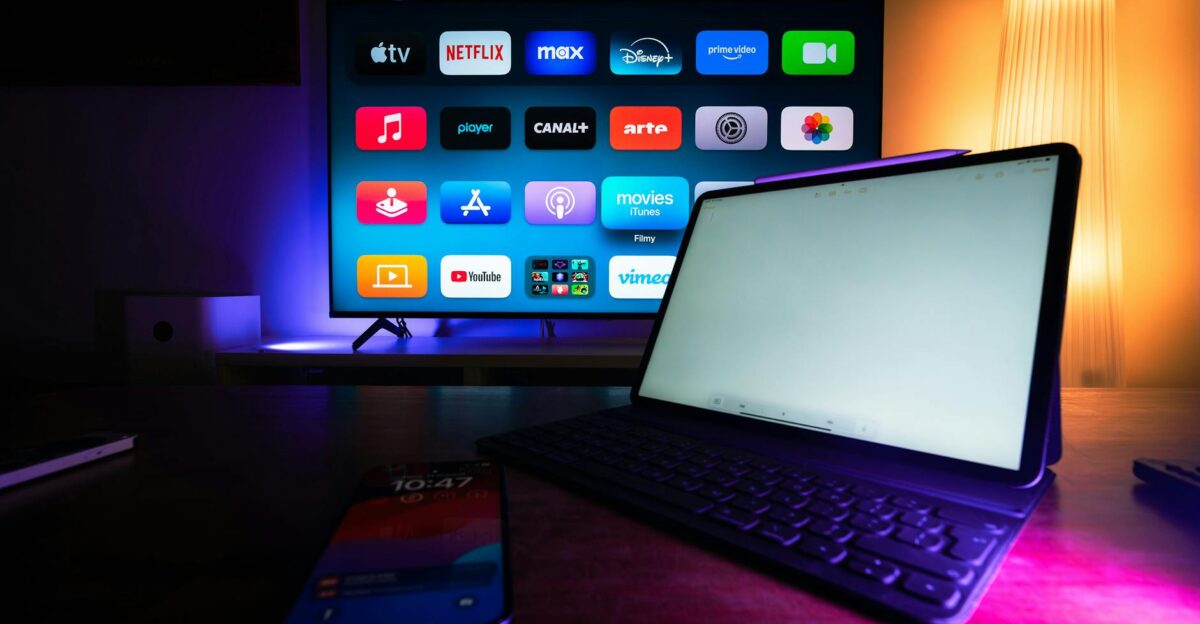
Disney’s official language left no room for interpretation: the add-on will stop accepting new subscriptions today, and existing subscribers will lose access at their next billing cycle. No grandfather clause. No six-month transition period. No loyalty bonus.
The company framed this as a technical necessity before the 2026 integration. It’s actually a forced migration.
What You Can Actually Do Right Now
If you currently use the Disney+ add-on through Hulu, you have three paths: migrate to an official Disney Bundle before your next billing date to keep Disney+; subscribe to Disney+ standalone for $7.99–$13.99/month (ironically more than the add-on); or let it cancel and reassess whether Disney+ belongs in your household budget at all. Each option involves loss.
The Larger Streaming Reckoning

Disney’s move is part of an industry-wide consolidation strategy. Netflix eliminated granular pricing tiers. Amazon bundled streaming with shopping. Warner Bros. Discovery merged HBO Max with Discovery+.
The era of boutique, affordable, single-purpose streaming apps is coming to an end. Bundles and integration are now how platforms maximize revenue per subscriber—often by eliminating cheaper alternatives.
What Consolidation Really Means for Subscribers
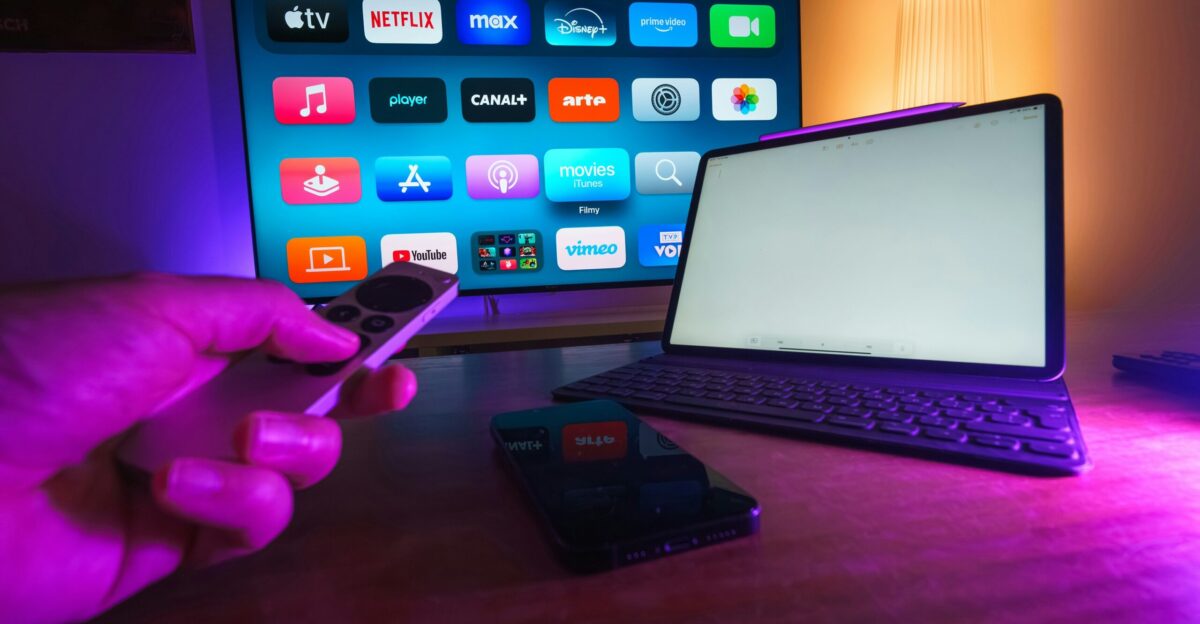
By 2026, Disney will operate a single mega-app that combines Disney+, Hulu, ESPN+, and Hulu + Live TV content. That ecosystem will touch over 200 million U.S. households relying on streaming. The fundamental shift isn’t technical—it’s economic.
Disney discovered that forcing subscribers into higher-tier bundles generates more revenue than offering affordable add-on flexibility. Consolidation isn’t about user experience; it’s about leverage.
The End of an Era, the Beginning of a New Question
Hulu’s shutdown marks the end of an 18-year chapter in the history of streaming. What began as an insurgent platform challenging cable TV will be absorbed into one of the world’s largest media conglomerates.
For cord-cutters who remember Hulu as the first real alternative to traditional television, this integration represents something profound: the movement that promised freedom from corporate media packaging has been packaged—and sold back at a higher price.
Sources:
Disney Official Announcement, December 9, 2025
Variety, “Hulu App to Be Phased Out as Disney Is ‘Fully Integrating’ Service Into Disney+,” August 6, 2025
Yahoo Finance, “This Disney Plus and Hulu plan just disappeared — and your subscription could be affected,” December 9, 2025
Cord Cutters News, “Disney Is Shutting Down Its Hulu with Disney+ Add-On,” December 2025
The Verge Analysis, Disney Streaming Consolidation Strategy, 2025
Industry Analyst Reports, Streaming Consolidation Trends, 2024-2025