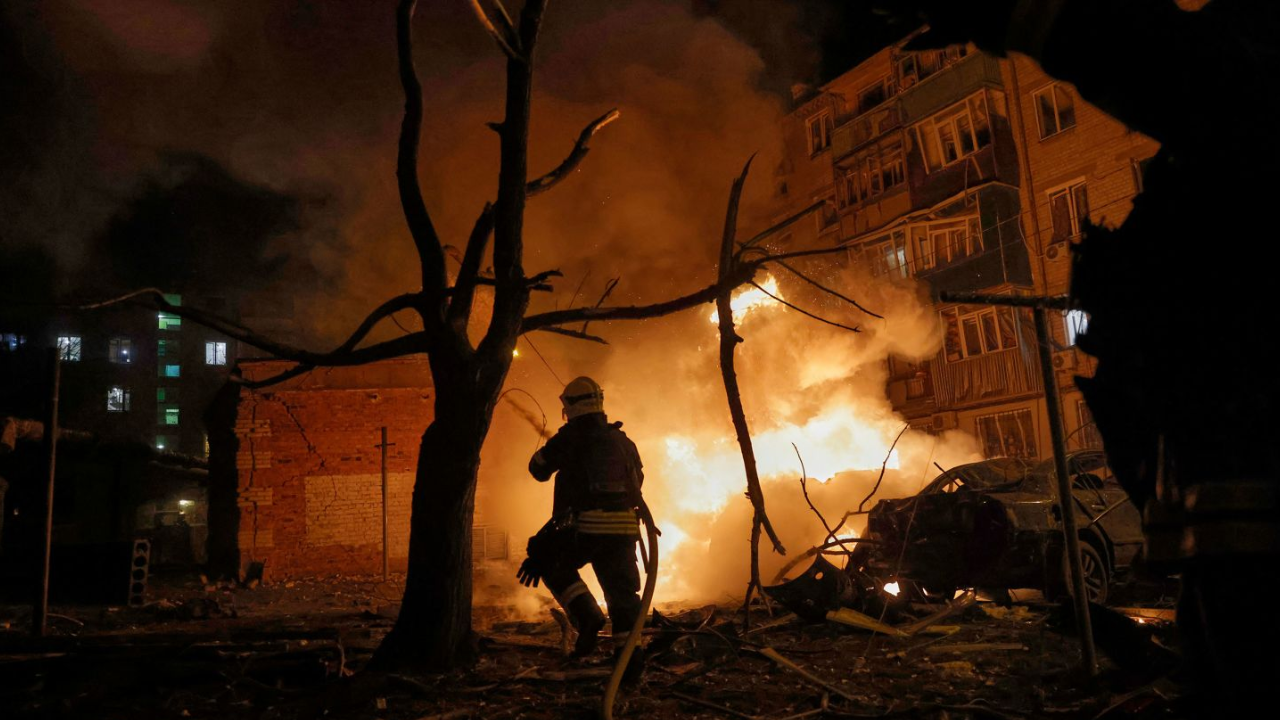
Between November 23 and 26, 2025, Ukrainian Special Operations Forces executed a coordinated series of precision drone strikes targeting Russian supply infrastructure near Pokrovsk in Donetsk Oblast. The operation destroyed or severely damaged multiple ammunition depots, vehicle staging yards, fuel storage facilities, and troop concentration areas positioned behind Russian frontline positions. Ukrainian officials characterized the strikes as a significant tactical success that disrupted Russian rear-area operations at a critical juncture in the eastern campaign.
Pokrovsk occupies a strategically vital position in western Donetsk Oblast, functioning as a key road and rail junction that links multiple supply corridors across the eastern front. Control of the city enables forces to sustain operations across wide areas, making it essential to both Russian offensive ambitions and Ukrainian defensive stability. Russia’s push to seize Pokrovsk aims to sever Ukrainian logistics while establishing a forward base for deeper advances. For Ukraine, maintaining control remains central to operational sustainability.
Targeting Supply Networks Over Frontlines
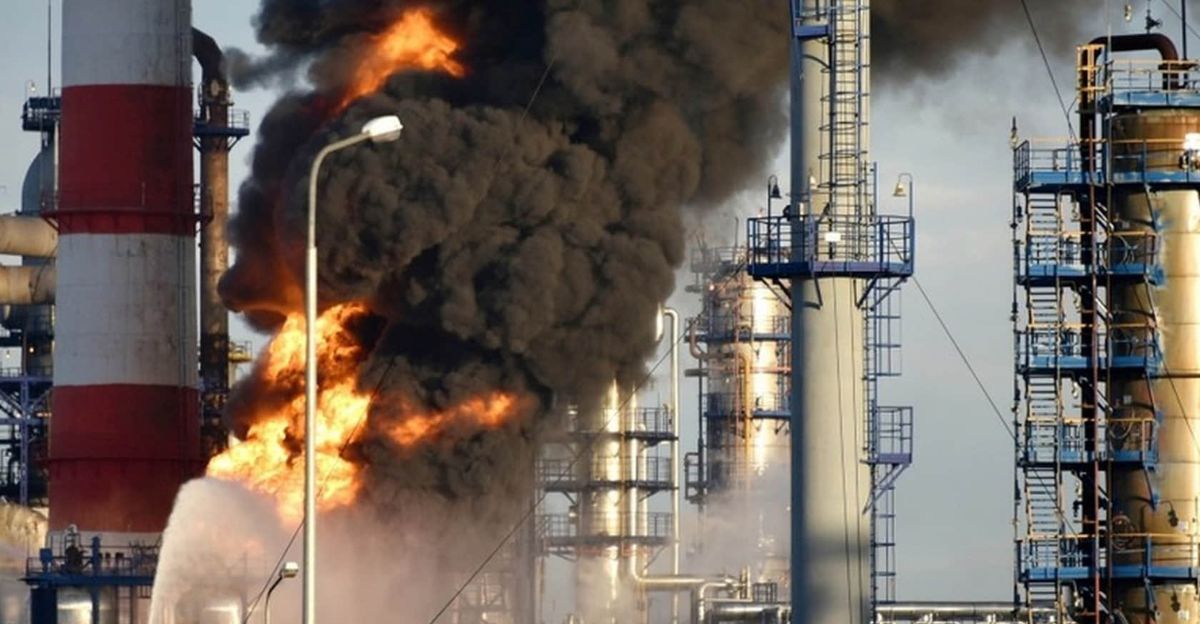
Rather than focusing on frontline trenches, Ukrainian forces deliberately targeted logistical infrastructure to degrade Russia’s capacity to maintain offensive momentum. The reported destruction of supply nodes forced Russian units to depend on longer, less efficient supply routes, increasing their vulnerability to continued drone and artillery interdiction. This approach reduced reliance on large-scale artillery bombardment while improving strike accuracy through real-time intelligence and multi-directional attacks.
According to military assessments, the strikes disrupted Russian logistics flows to forward positions. Ukrainian forces maintained surveillance of remaining supply convoys to assess the operation’s impact on Russian operational capacity in the sector. These interdiction efforts continued to complicate Russian offensive planning near Pokrovsk.
Civilian Toll and Infrastructure Strain
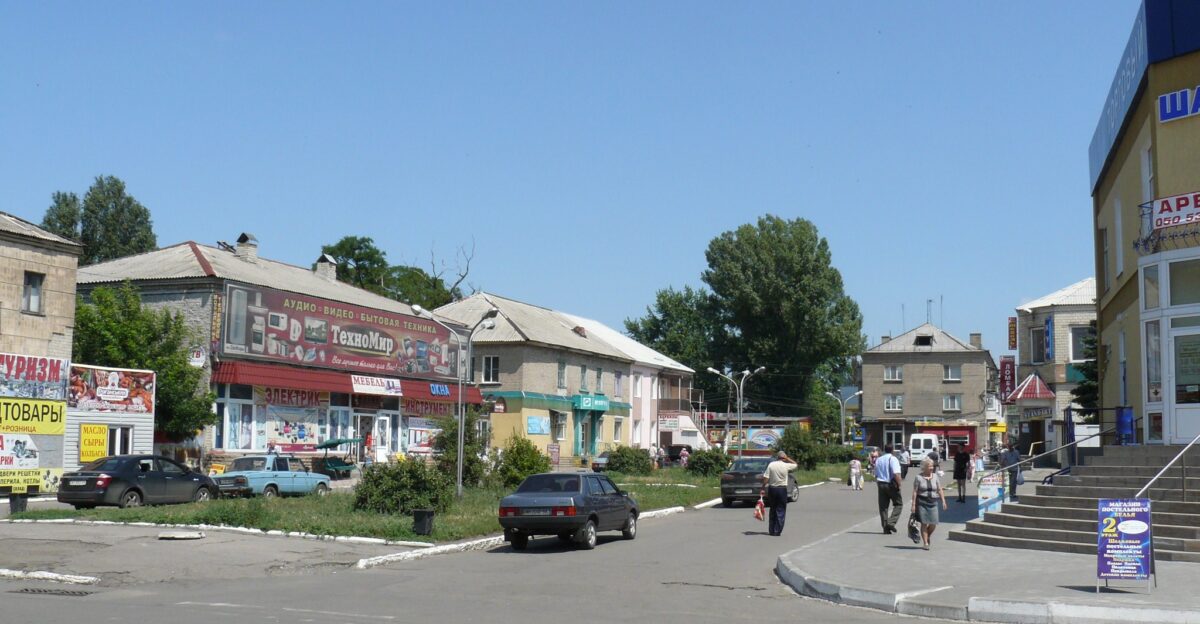
Before the war, Pokrovsk housed approximately 60,000 residents. Large-scale evacuations have dramatically reduced the population since Russia’s full-scale invasion in February 2022. Many civilians who remain face near-constant shelling, intermittent electricity, damaged water systems, and severe shortages of basic goods, with some living in basements or improvised shelters. The recent escalation intensified risks to remaining residents, prompting additional families to flee under dangerous conditions as fighting repeatedly spilled into residential districts.
Frontline medical facilities in the Pokrovsk sector operate under extreme conditions, handling steady flows of military casualties and wounded civilians. Power outages impact hospital equipment, while shortages of medical supplies persist across the conflict zone. Civilians struggle with limited access to clean water, healthcare, and stable housing. Prolonged exposure to shelling and displacement contribute to documented psychological trauma among both residents and defending troops.
Broader Strategic Implications
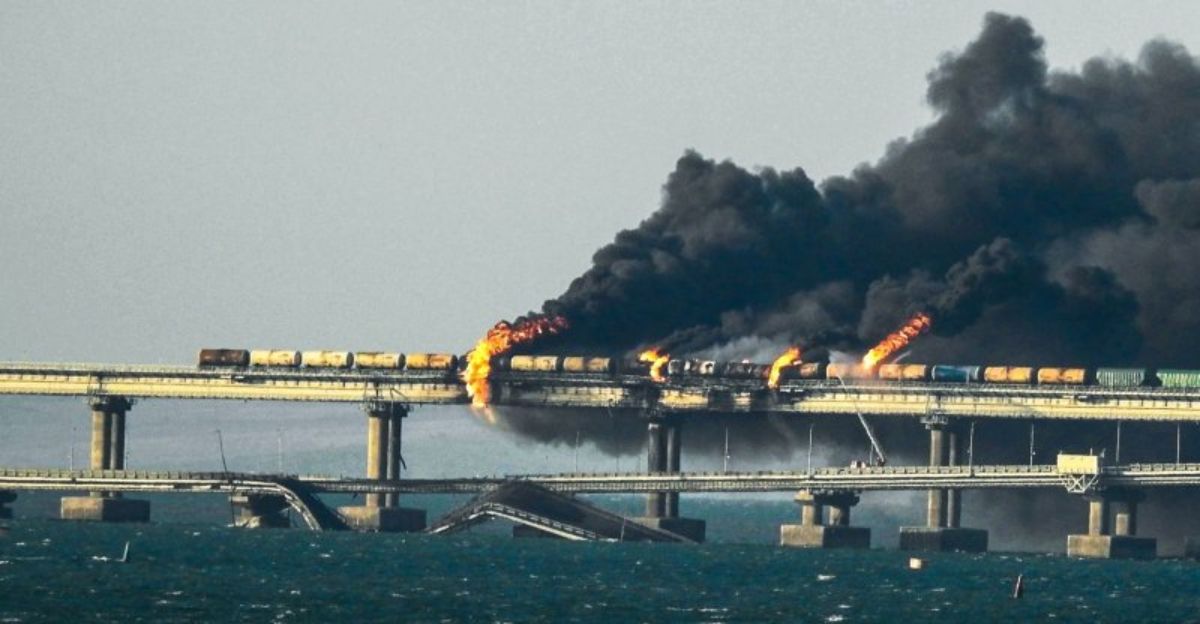
The intensity of fighting has strained Ukraine’s own supply corridors, with constant shelling threatening roads, bridges, and rail lines feeding the Pokrovsk sector. Ukrainian engineers and logistics units work continuously to repair damage, reroute convoys, and shield vital transport points. Maintaining uninterrupted flows of ammunition, medical supplies, and fuel remains essential to sustaining defensive operations under heavy pressure.
Escalation near Pokrovsk affects regional transport infrastructure linking eastern Ukraine to national and international markets. The sustained intensity of combat has necessitated ongoing discussions among Western partners regarding military and humanitarian support requirements in the sector.
Long-Term Recovery Challenges

The destruction of logistics sites and transport infrastructure has disrupted commerce in eastern Ukraine and neighboring border areas, with fuel, food, and building materials becoming more expensive due to transport risks and supply interruptions. Both Ukraine and Russia face rising expenditures to replace destroyed equipment and repair damaged facilities, adding pressure to national budgets already strained by prolonged, large-scale military operations.
Sources:
Ukrainian SOF Obliterates 5 Russian Logistics Sites Near Pokrovsk—Eastern Front Crumbles,
Ukrainian army on ‘search and destroy’ missions to clear Russians from central Pokrovsk, The Kyiv Independent, 23 Nov 2025
Photo gallery format with narrative description, MSN, 23–24 Nov 2025
Russian Offensive Campaign Assessment, November 24, 2025 Institute for the Study of War (ISW), 24 Nov 2025
Special forces demonstrate offensive operation in Pokrovsk
Ukrainian Special Ops Wipe Out Russian Recon Squad in Pokrovsk