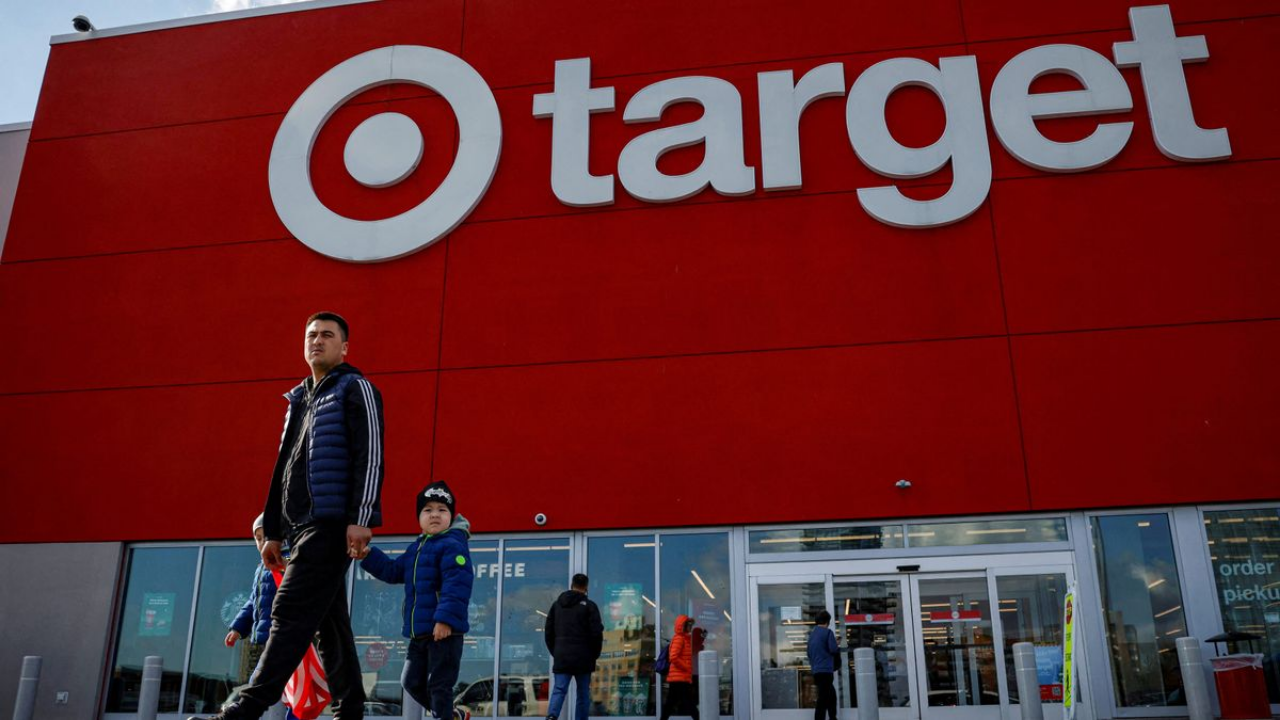
America’s largest retailers entered 2025 already contending with shaky consumer confidence. Then a coordinated boycott campaign hit, layering political and social pressure onto an economy marked by weak sales, tariff worries, and unease about corporate power. “It’s a new era where shopping choices signal values,” analysts observed. The clash between activists and household-name companies has turned everyday purchases into a test of consumer influence. Here’s what’s happening as this economic showdown unfolds…
Origins of the “Economic Blackout”
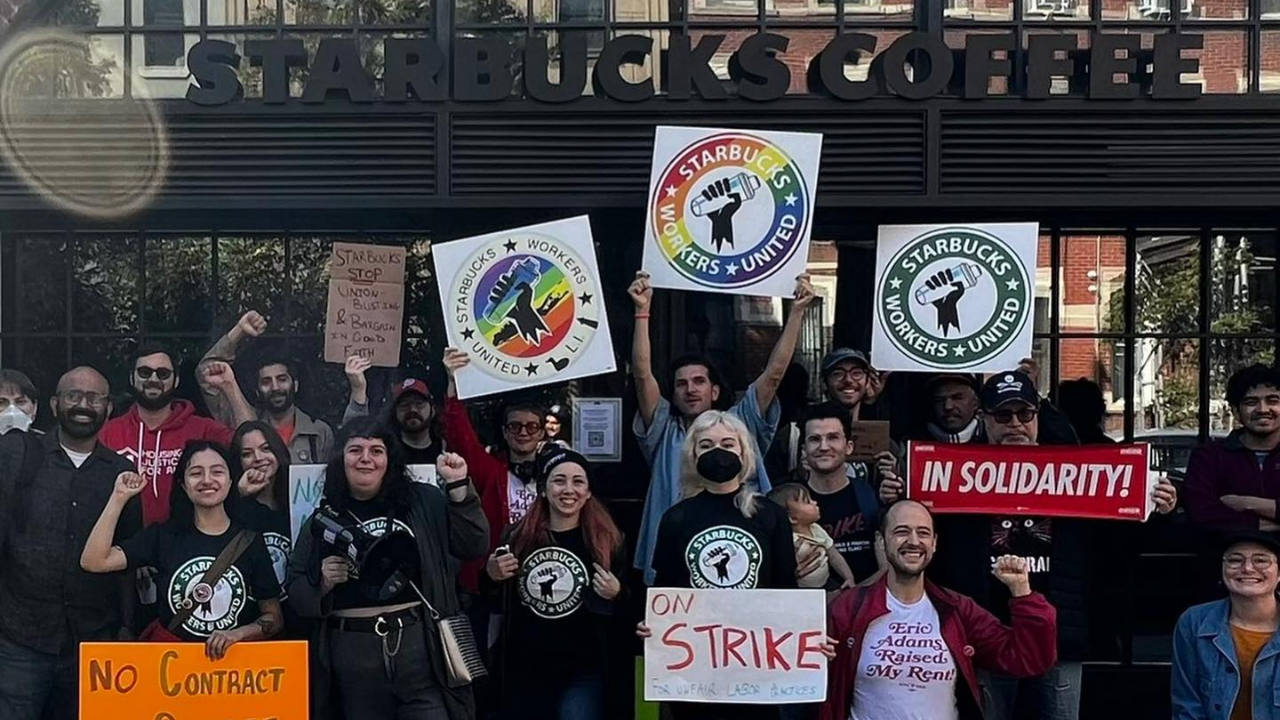
The boycott wave traces back to The People’s Union USA, founded by organizer John Schwarz. On February 28, 2025, it launched a nationwide “Economic Blackout,” urging consumers to stop spending for a day to protest corporations failing to “pay their fair share of taxes” and rolling back diversity, equity, and inclusion programs, according to Time and Axios.
Initially intended as a single-day action, the protest expanded quickly. Advocacy organizations, including Black Voters Matter, helped sustain it, targeting five major retailers. Organizers framed their effort as a push for accountability in corporate taxation and workplace policy, portraying these companies as symbols of broader concerns about fairness and retreating DEI initiatives during 2024 and 2025.
Retail Sales Already Under Pressure
The campaign did not emerge in isolation. In January 2025, U.S. retail sales fell 0.9 percent, far below the 0.1 percent decline economists had predicted, according to U.S. Commerce Department data released mid-February. Analysts cited severe winter weather, post-holiday belt-tightening, California wildfires, and lingering inflation fears.
Consumer sentiment fell to levels not seen since late 2022. Calls to withhold spending landed amid an environment where many households were already scaling back. The stage was set for activists to push a narrative where collective consumer action might influence corporate behavior in a tangible way.
Five Companies Under the Spotlight
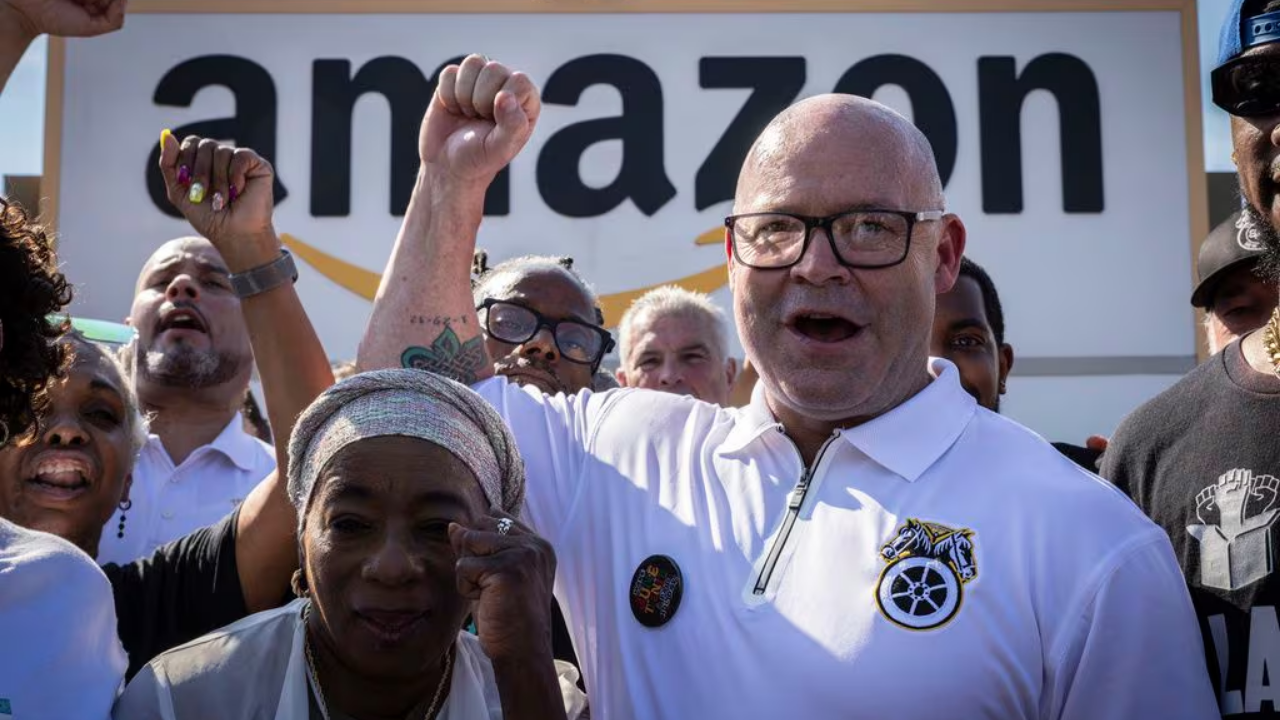
The boycott focused on Target, Amazon, Walmart, Home Depot, and Starbucks, collectively employing over 4 million people worldwide. Activist messaging centered on tax strategies and the contraction or restructuring of DEI programs over the past two years.
Even modest shifts in shopper behavior could yield meaningful results, potentially impacting revenue, staffing, and local tax bases. Yet participation remained limited. Data from placer.ai and foot traffic analytics showed declines at Target, while other retailers experienced smaller effects, revealing the gap between vocal support and actual consumer action.
Uneven Impact Across Retailers
Target faced the steepest disruptions. Its share price fell sharply, declining from approximately $129 billion to roughly $41.6 billion by September 2025, according to Investopedia. Store visits dropped for ten consecutive weeks, and comparable sales fell 1.9 percent in Q2. CEO Brian Cornell announced his resignation in August, effective February 1, 2026, making Target a central example of organized consumer influence intersecting with business challenges.
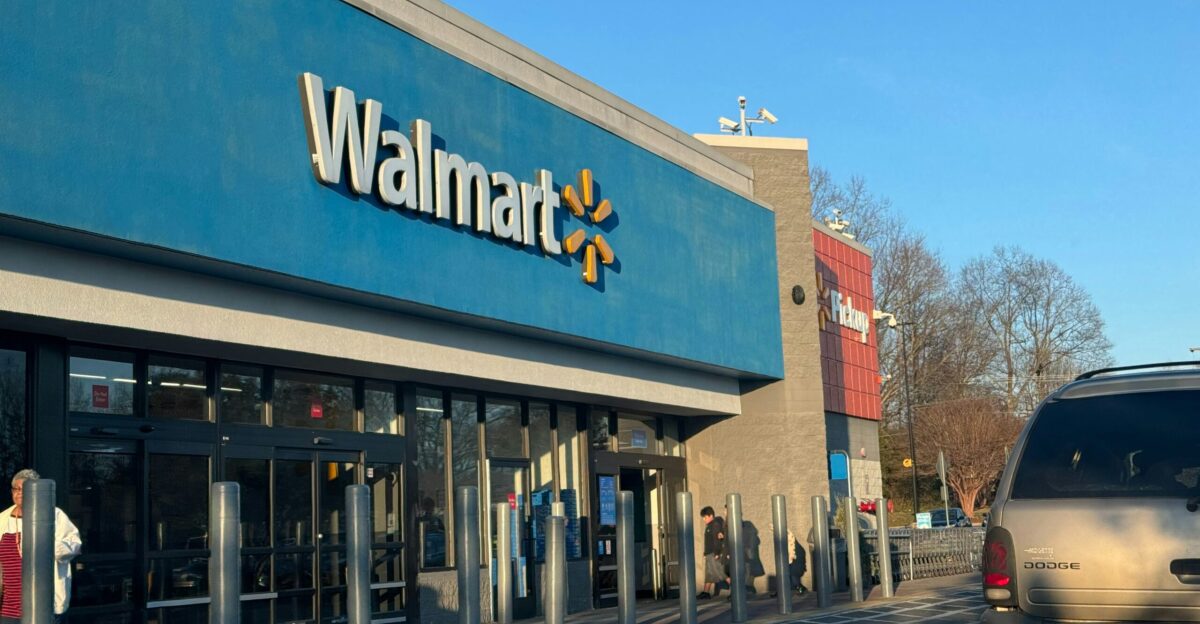
Amazon, in contrast, remained largely insulated, with net sales up 9 to 10 percent year-over-year in Q1. Walmart showed limited disruption, emphasizing community contributions totaling $1.7 billion annually. Home Depot remained stable, with professional contractors and DIY customers prioritizing availability and price. Starbucks, hit by overlapping labor and pricing concerns, announced plans to close 400 stores globally amid values-driven pressures.
Beyond Sales: Reputation and Policy Shifts
Analysts caution that isolating activist impact from broader economic forces is complex. Retail sales were already weakening, and fears of tariffs and inflation likely influenced spending. Yet the timing of Target’s decline and leadership changes, alongside Starbucks’ scrutiny, suggest consumer pressure can amplify reputational risks.
Organizers emphasize policy changes around DEI as a key measure of success. Between 2024 and 2025, several targeted corporations reduced or restructured diversity programs, fueling a narrative of retreat from commitments. Social media amplified this perception through coordinated hashtags, influencer support, and algorithm-driven visibility, creating the impression of mass mobilization even with limited active participation.
Looking Ahead: Consumer Influence in 2026
As 2026 begins, both retailers and activists are adjusting strategies. Companies are refining messaging, community programs, and internal policies, while advocacy groups signal continued pressure. Economic conditions will play a major role: a stronger economy may empower values-driven shoppers, while continued uncertainty could either intensify frustration with corporations or reinforce the appeal of low prices and convenience.
The outcome will shape how companies weigh reputational risks against operational priorities and define the limits of organized consumer influence in the largest U.S. marketplaces. Observers are watching closely to see whether the “Economic Blackout” marks a short-term protest or a lasting shift in retail dynamics.
Sources
“U.S. Retail Sales Drop 0.9% in January, Weather & Tariffs Weigh On Spending.” FX Empire, February 2025.
“People’s Union USA: Group Behind Feb. 28 Economic Blackout Consumers.” TIME Magazine, February 27, 2025.
“Consumers Boycott Target, Amazon, Home Depot—Here’s Why.” Yahoo Finance, November 23, 2025.
“Target Withstood DEI Boycotts To Show Signs Of Reputation Recovery.” Forbes, December 15, 2025.
“From Boycotts To Buybacks: Why Walmart Outshines Target In 2025.” Interactive Brokers, October 27, 2025.
“US Retail Sales Decline 0.9% In January vs. -0.1% Expected.” FX Street, February 14, 2025.