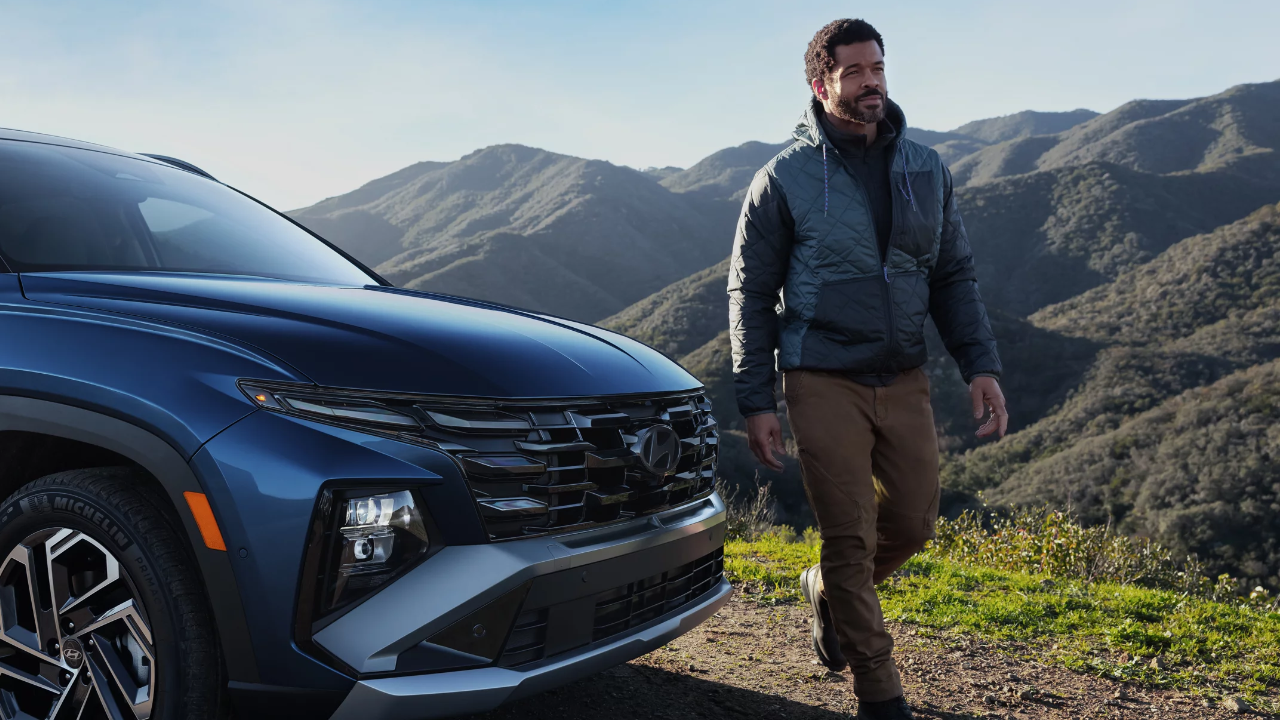
The phaseout of five well-known SUVs for the 2026 model year marks a turning point for everyday drivers, as automakers shift factories, rethink lineups, and accelerate toward electric powertrains. For shoppers who have long relied on these models for affordability, practicality, or brand loyalty, the window to buy remaining examples is rapidly closing.
Kia Soul: Affordable Original Loses Its Place
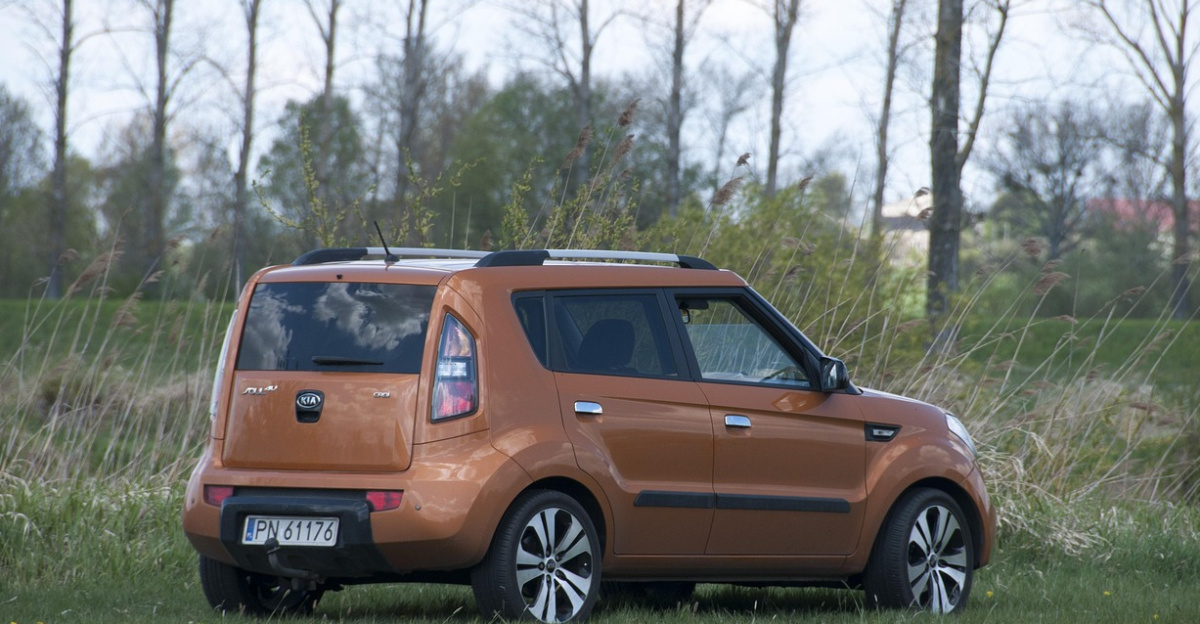
Kia’s boxy Soul, a familiar sight on American roads since 2009, has ended its 16-year run after more than 1.5 million U.S. sales. Production ceased in October 2025, leaving only existing dealer stock available. At its peak in 2016, the Soul reached 154,768 sales, but by 2024 that figure had fallen to 52,397, a two-thirds decline.
Several factors contributed to its downfall. The Soul never offered all-wheel drive, a feature that became increasingly common among competitors at similar price points. A 2023 styling update also removed the popular GT-Line trim and pushed the vehicle in a more downmarket design direction, weakening its appeal. As the subcompact crossover segment moved upmarket, automakers favored higher-margin models, and the Soul’s role as a low-cost, practical option no longer aligned with industry priorities.
Ford Escape and Lincoln Corsair: Victims of a Factory Overhaul
Ford’s decision to transform its Louisville, Kentucky, facility into a hub for its Universal EV Production System has directly ended production of the Ford Escape and its upscale sibling, the Lincoln Corsair. Both compact SUVs are winding down ahead of the 2026 model year, though some inventory remains on lots.
The Escape, starting at $31,010, offered conventional and hybrid powertrains and was frequently recognized for its fuel-efficient hybrid variants. The Corsair, priced from $41,230, targeted premium buyers with a more luxurious interior and additional comfort features. Their discontinuation is driven by both manufacturing strategy and regulation. Stricter emissions standards in California and other states are narrowing the space for new gasoline-powered models, pushing companies toward plug-in and fully electric vehicles.
Ford plans to use the retooled Louisville plant to produce more affordable EVs aimed at shoppers who might previously have chosen an Escape or Corsair. In practice, this means regulatory pressure and plant investment priorities now weigh as heavily as consumer demand when companies decide which vehicles survive.
BMW X4: Caught Between Its Own Siblings
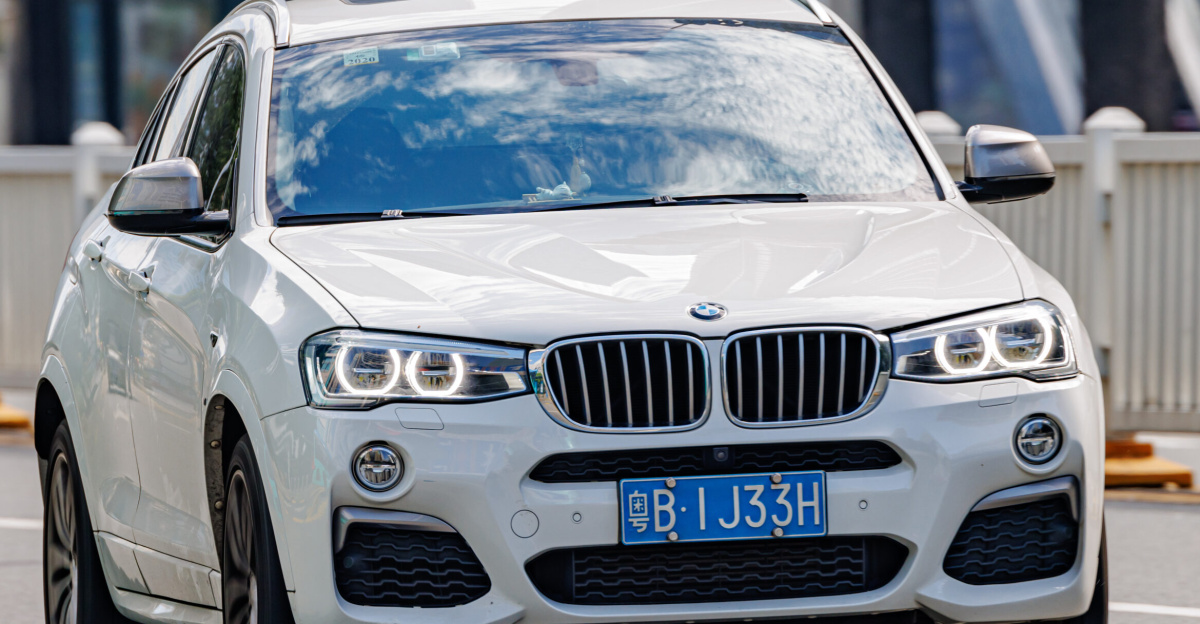
BMW’s X4, a compact crossover with coupe-style roofline, will leave the lineup in 2026 after more than a decade on sale. Built at BMW’s Spartanburg, South Carolina, plant until late 2025, the X4 launched strongly in 2014 but gradually struggled to justify its place within BMW’s crowded SUV portfolio.
Company executives concluded the X4 was “too much of an in-betweener,” positioned awkwardly between the smaller, coupe-inspired X2 and the larger, more prestigious X6. Its departure is part of a broader effort to simplify BMW’s offerings and avoid forcing customers to choose among multiple similarly sized models with overlapping roles.
However, the X4 badge may not disappear for long. BMW is considering reviving it as an all-electric iX4 built on the Neue Klasse platform, with a potential arrival in late 2026 or 2027. That move would fit with tightening European Union emissions rules, which are pushing premium manufacturers to expand battery-electric lineups or face significant financial penalties.
Cadillac XT6 and XT4: Gas SUVs Yield to Electric Successors
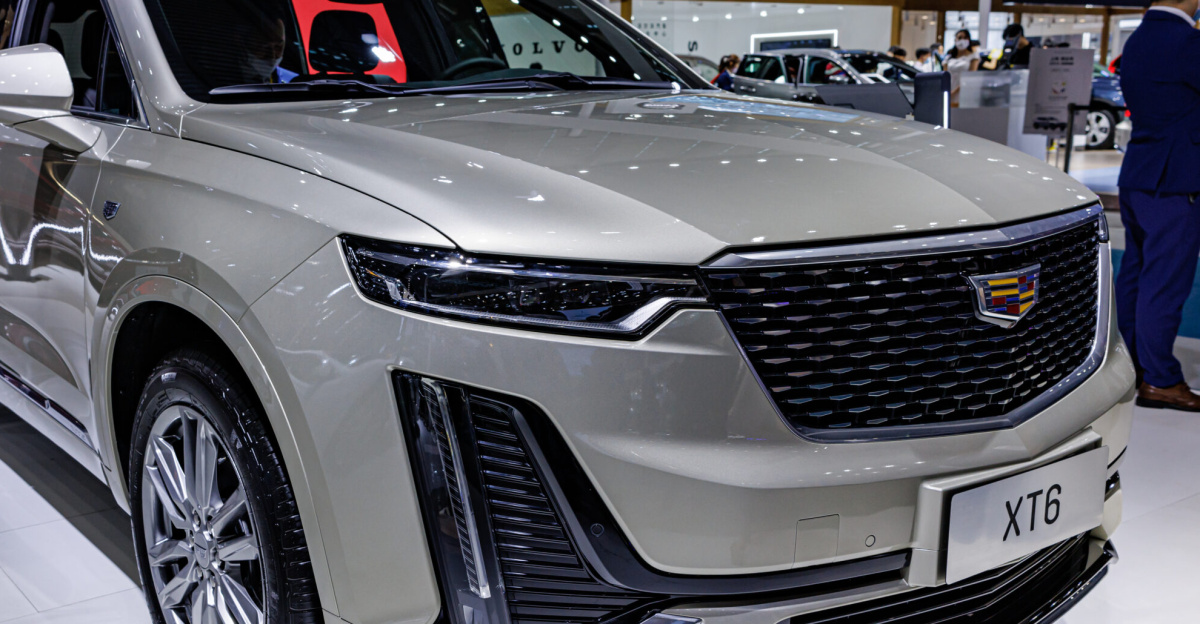
General Motors is rapidly reshaping Cadillac’s portfolio around electric vehicles, and the three-row XT6 is among the highest-profile casualties. Built in Spring Hill, Tennessee, from the 2020 through 2025 model years, the XT6 saw its final production date pulled forward from November 27 to November 7, 2025, signaling an accelerated exit.
Despite respectable reliability scores — including recognition as one of the more dependable midsize premium SUVs in J.D. Power’s 2025 U.S. Vehicle Dependability Study — the XT6 did not achieve the sales volume Cadillac wanted. The brand is replacing it with the all-electric, three-row 2026 Cadillac Vistiq, which is already arriving in showrooms. Cadillac will continue to offer some gasoline models for now, but executives have made clear that future brand identity and profitability revolve around a wide range of EVs, not aging internal-combustion platforms.
The smaller XT4, a compact luxury SUV, technically ended production earlier, in January 2025, but its story is closely tied to the same strategy. After seven years on the market, the XT4 was dropped to make space for the new all-electric Optiq, which targets the same compact premium segment. GM is also retooling the Fairfax Assembly plant in Kansas, where the XT4 was built, to produce the next-generation Chevrolet Bolt EV, underscoring how each discontinued gasoline model is being directly replaced by an electric alternative.
What the Phaseouts Signal for Drivers
Taken together, the discontinuation of the Kia Soul, Ford Escape, Lincoln Corsair, BMW X4, and Cadillac XT6 — with the earlier XT4 exit in the background — highlights three converging forces: electrification, emissions regulation, and a stronger focus on profitability.
Battery-electric vehicles are moving from the edges of the market toward the center, often at the expense of established gasoline-powered models that once anchored brand lineups. Stricter emissions rules in key states and regions are accelerating this swap, sometimes ahead of clear consumer readiness or charging infrastructure.
At the same time, manufacturers are prioritizing models that deliver higher profit per unit. Vehicles like the Soul, which still sold in significant numbers, can no longer compete internally with EVs or larger, more expensive SUVs when development and factory resources are allocated. The result is a shrinking pool of lower-priced, traditionally powered SUVs, especially those without advanced electrification.
For buyers, the immediate implication is reduced choice in familiar segments and potential upward pressure on prices. Budget-conscious shoppers who once might have chosen a Soul, or families drawn to an Escape hybrid, may face a tougher decision: move to a more expensive EV, look for remaining inventory or certified pre-owned versions of these discontinued models, or switch brands altogether. As automakers introduce electric successors such as the Vistiq, Optiq, and potential iX4, the market will test how quickly mainstream drivers are willing and able to follow.
Sources:
“These Cars Have Been Discontinued for 2026,” Cars.com, November 2025.
“These Vehicles Are Dead for 2026,” Car and Driver, August 2025.
“5 SUVs That Will Be Discontinued In 2026,” SlashGear, November 2025.
“The Kia Soul Is Dead,” Edmunds, October 2025.
“2025 U.S. Vehicle Dependability Study,” J.D. Power, 2025.
“Why is Cadillac Discontinuing the XT4?,” Turán Foley Cadillac, September 2025.
“BMW Is Killing The X4, But Don’t Worry, It’s Making A New Electric One,” Jalopnik, November 2025.