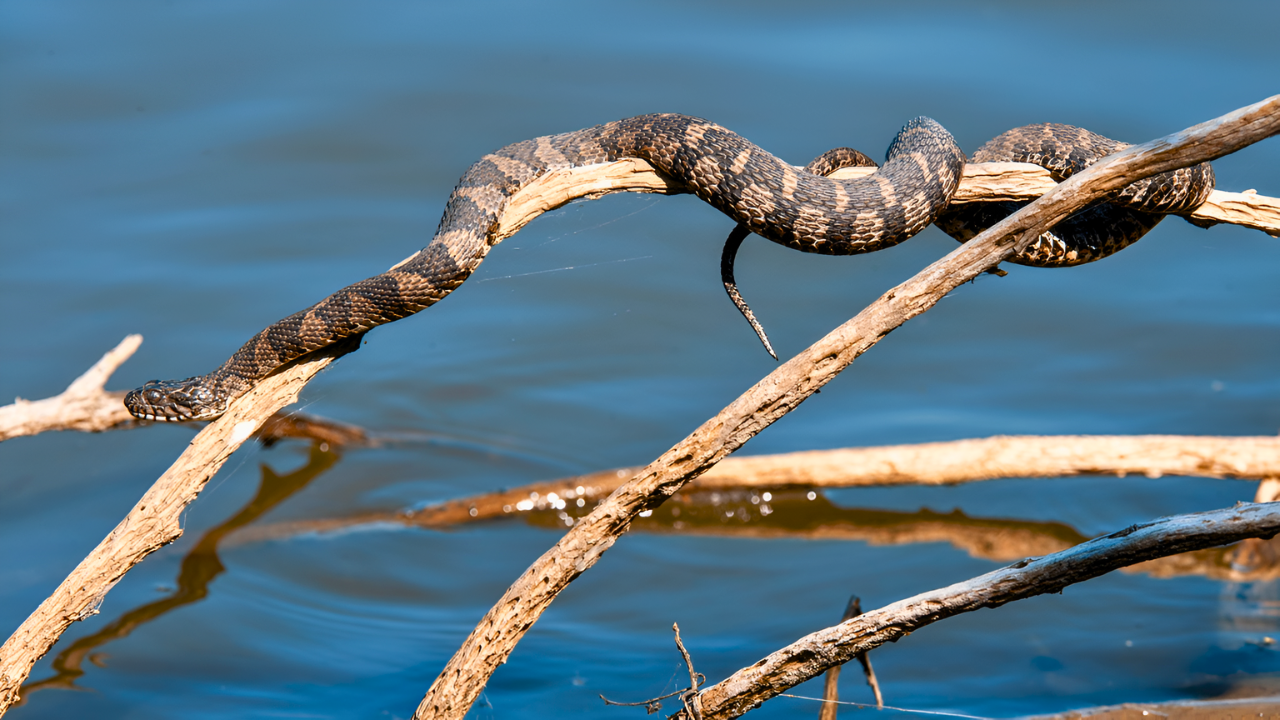
Imagine gliding across the serene waters of Illinois’ largest lakes, only to realize you’re not alone. Beneath the surface and along the shorelines, over 40 species of snakes thrive, many of them in aquatic or semi-aquatic habitats.
From timber rattlers, cottonmouths, and copperheads lurking in the Cache River, Illinois’ waters are home to a surprising array of reptiles. These hidden snake hotspots pose unique ecological puzzles.
How do these species coexist in such specific environments? And what happens when these habitats are threatened? We’ll reveal the top five most snake-filled waters in Illinois, where even the most common sightings might be more dangerous than they seem. Keep reading to discover the untold story of Illinois’ serpent-filled sanctuaries.
1. Carlyle Lake
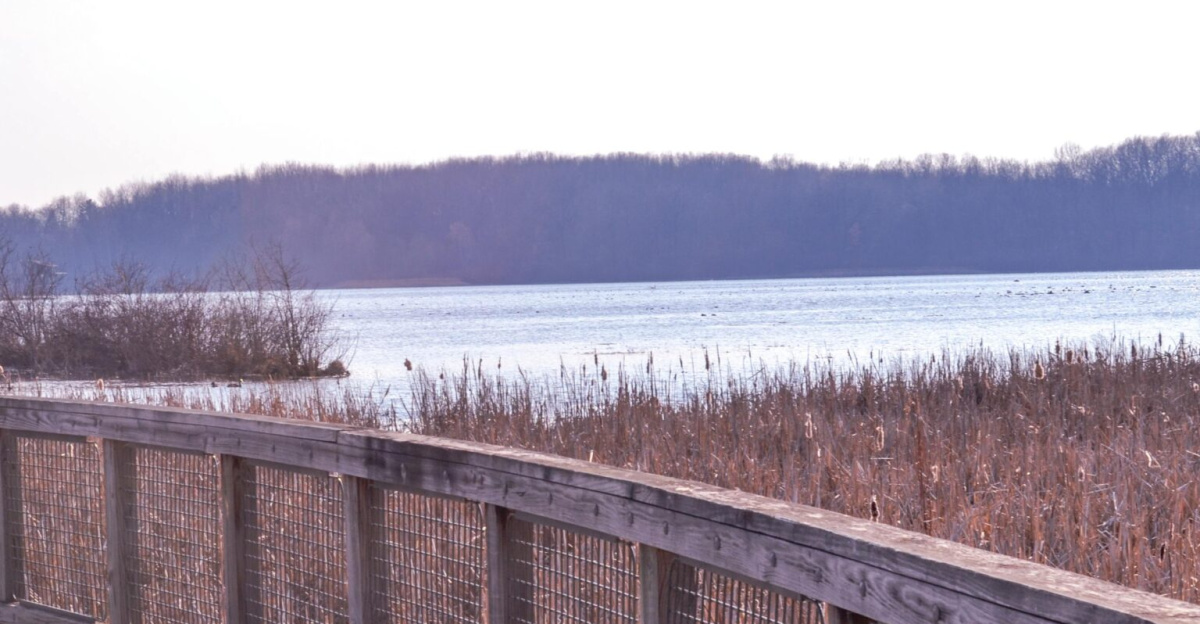
Carlyle Lake supports a variety of native snakes, including the plain-bellied water snake, western fox snake, and rat snake, all of which are non-venomous.
Despite local reports, there is no verified population of eastern massasauga rattlesnakes in this area. The lake’s shoreline and the forested regions provide essential habitat for these harmless reptiles.
Conservation efforts managed by the U.S. Army Corps of Engineers help maintain healthy ecosystems, benefiting snakes and other wildlife in this popular recreation area.
2. Cache River
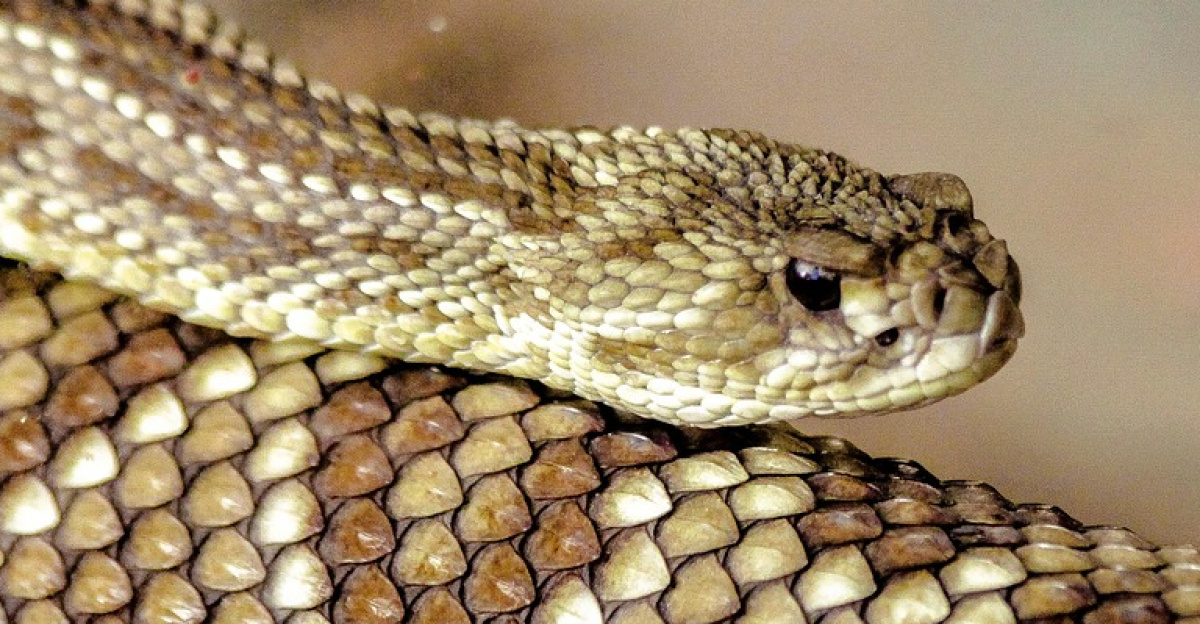
The Cache River Wetlands in southern Illinois harbor an impressive mix of snake species, including the timber rattlesnake, copperhead, and cottonmouth.
It is one of the only regions in the state where all three venomous species coexist. The area’s flooded forests and cypress swamps offer ideal conditions for these reptiles to thrive.
Designated as a Wetland of International Importance, the Cache River remains crucial for preserving Illinois’ rare and ecologically valuable snake populations.
3. Rend Lake
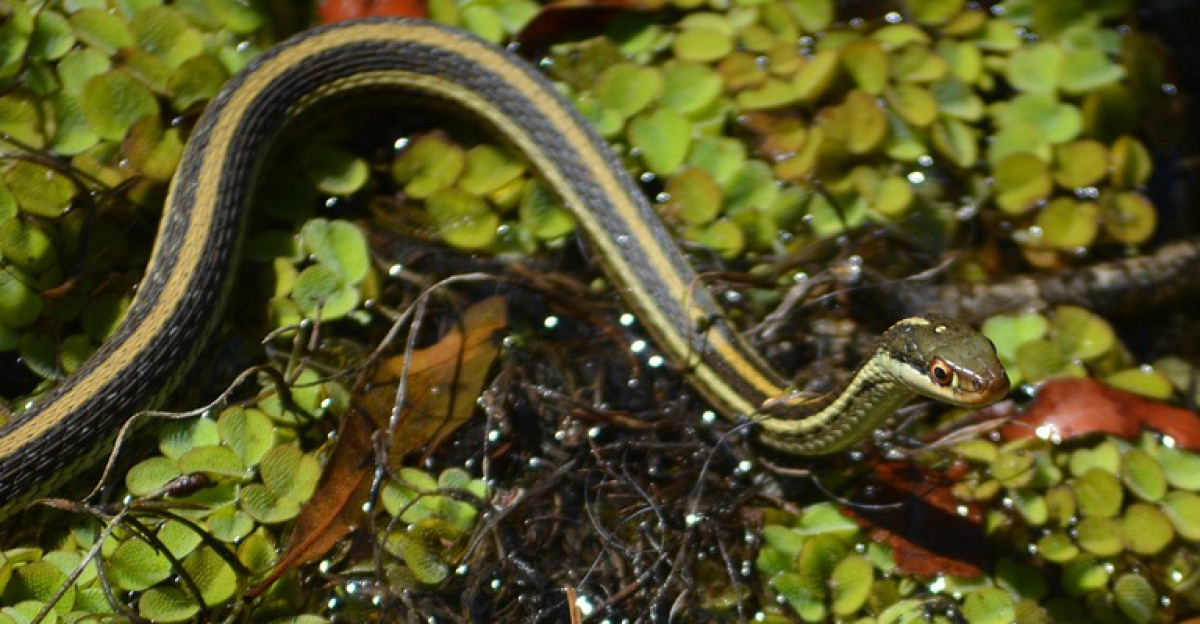
Rend Lake’s wetlands, woodlands, and extensive shoreline create a rich habitat for several snake species. Northern water snakes and eastern ribbon snakes are the most common, often seen near logs and grasses along the water’s edge.
There have been occasional reports of copperheads, but confirmed sightings are rare. These snakes play a crucial role in maintaining the stability of amphibian and fish populations, making Rend Lake a healthy and diverse ecosystem worth conserving.
4. Lake Shelbyville
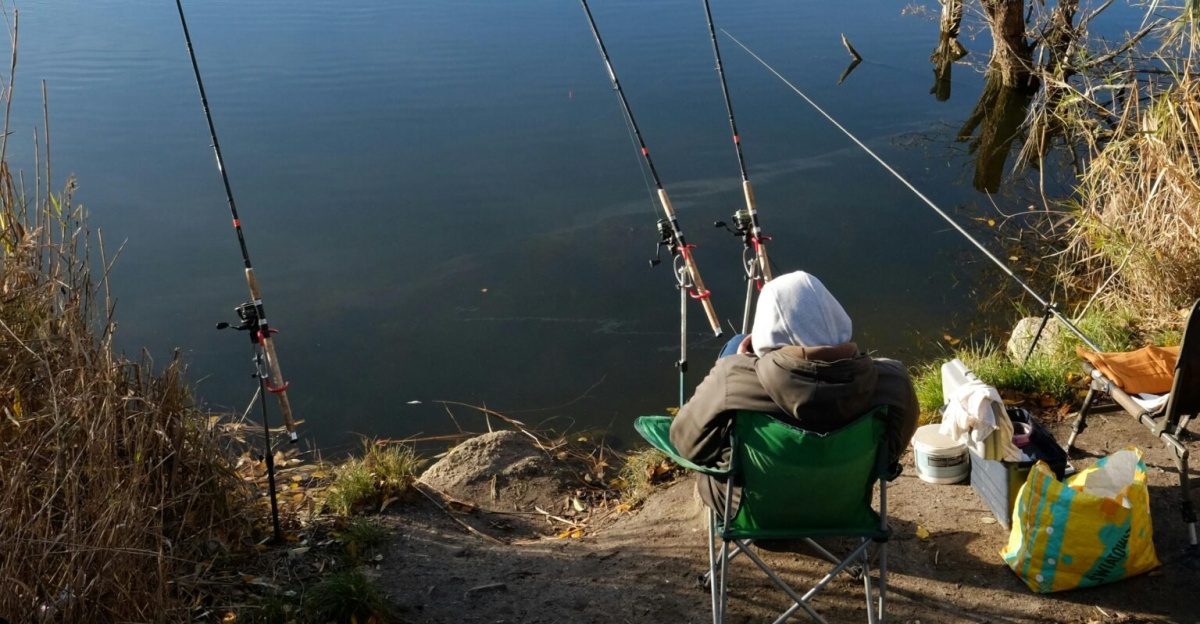
Lake Shelbyville is a favorite for fishing and boating, yet it quietly supports several snake species. Eastern garter snakes and northern water snakes are frequently observed sunning near rocks or swimming along the shore.
Both species are non-venomous, though water snakes are often mistaken for venomous types due to their appearance.
These snakes contribute to the balance of the lake’s ecosystem and are best appreciated from a respectful distance.
5. Clinton Lake
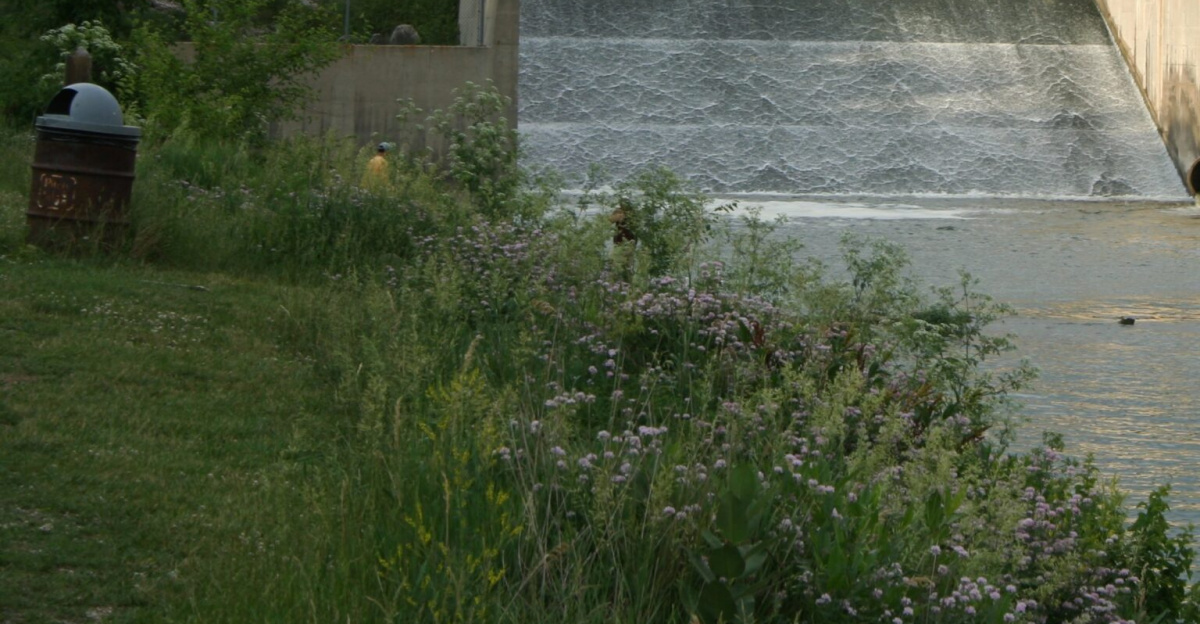
Clinton Lake’s grassy edges and rocky outcrops provide ideal conditions for non-venomous snakes such as the eastern milk snake, hognose snake, and common garter snake.
Although sightings are occasional, these snakes play a crucial role in controlling pests and small rodents. Encounters are generally safe as long as people observe from afar.
The healthy snake populations here reflect the strong biodiversity supported by the area’s protected parklands and surrounding natural habitats.
Where Venomous Snakes Meet
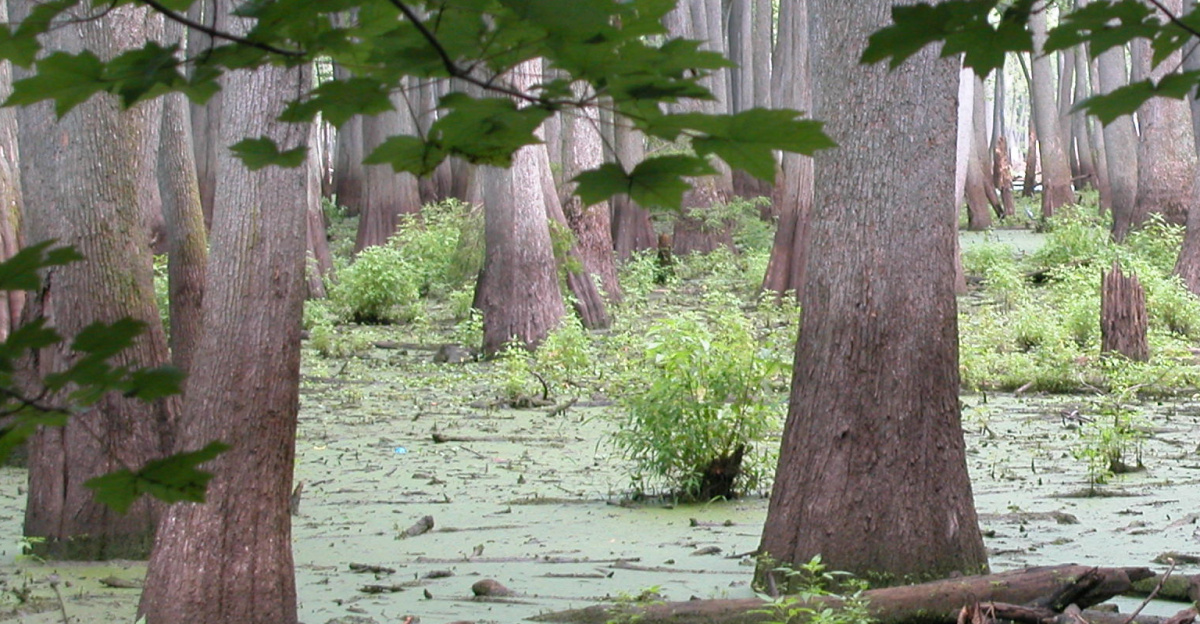
The Cache River Wetlands are Illinois’ prime meeting ground for the timber rattlesnake, copperhead, and cottonmouth. While the phrase “hunting together” may be exaggerated, these species share overlapping habitats in the swamp and forested floodplains.
Despite their fearsome reputation, these snakes typically avoid human contact. The area’s dense vegetation and slow-moving waters sustain a fragile yet extraordinary ecosystem, making the Cache River one of Illinois’ most biologically diverse and vital natural preserves.
Reptile Habitats at Risk
Rend Lake supports a thriving population of harmless water snakes, which play a critical role in controlling fish and frog populations.
Many visitors mistakenly believe these snakes are aggressive or venomous. In truth, they are shy and prefer to avoid humans.
Habitat protection is key to their survival, as development and pollution can threaten their nesting areas. By preserving the lake’s wetlands, Illinois ensures continued ecological balance for snakes and the wildlife that depend on them.
Federal Protection at Play
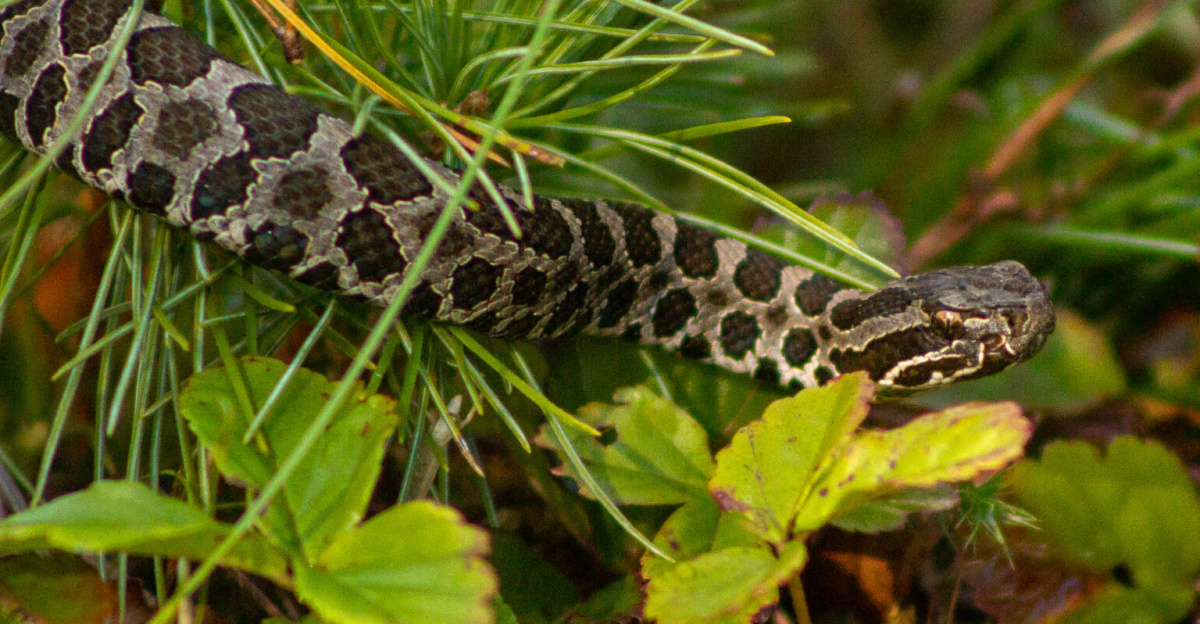
Carlyle Lake does not house the endangered eastern massasauga rattlesnake, but it remains a valuable site for other native reptiles.
Non-venomous snakes like the plain-bellied water snake and fox snake thrive here, benefiting from the lake’s diverse landscapes.
While federal and state agencies oversee general wildlife conservation efforts at Carlyle, no special program exists for rattlesnakes. Still, the protected shoreline and marshlands provide crucial habitats for the area’s healthy reptile population.
Early Morning Encounters
At Clinton Lake, snakes are most active during cooler morning hours as they emerge to warm themselves in the sunlight. Spotting one is a rare opportunity to witness nature at work.
Visitors may occasionally see garter snakes or hognose snakes along trails and shorelines. Venomous species are absent from this region, making encounters low risk.
Observing from a respectful distance ensures both visitor safety and the continued protection of these critical reptiles.
The Wetland Sanctuary
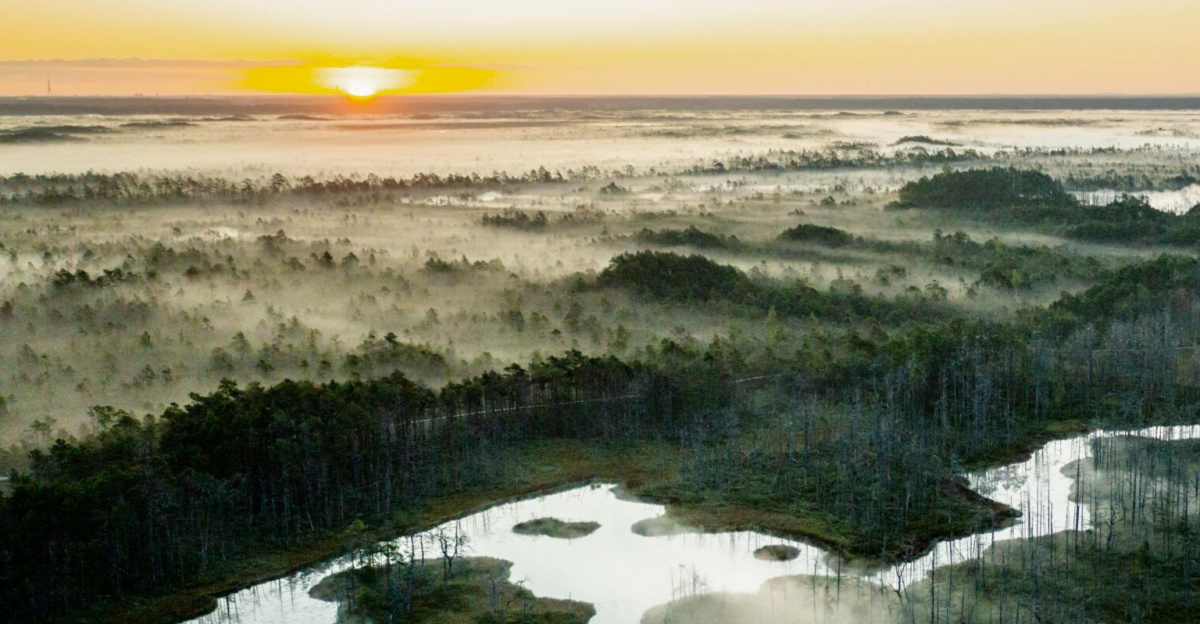
The Cache River Wetlands encompass over 60,000 acres of protected territory, teeming with native wildlife. This swampy region is a safe haven for numerous snake species, including Illinois’ three venomous types.
These reptiles thrive in secluded, quiet areas rarely accessed by people. The region’s combination of water, forest, and marshlands makes it a critical site for ongoing research and conservation, helping scientists better understand how these reptiles adapt to environmental changes.
Seasonal Shifts
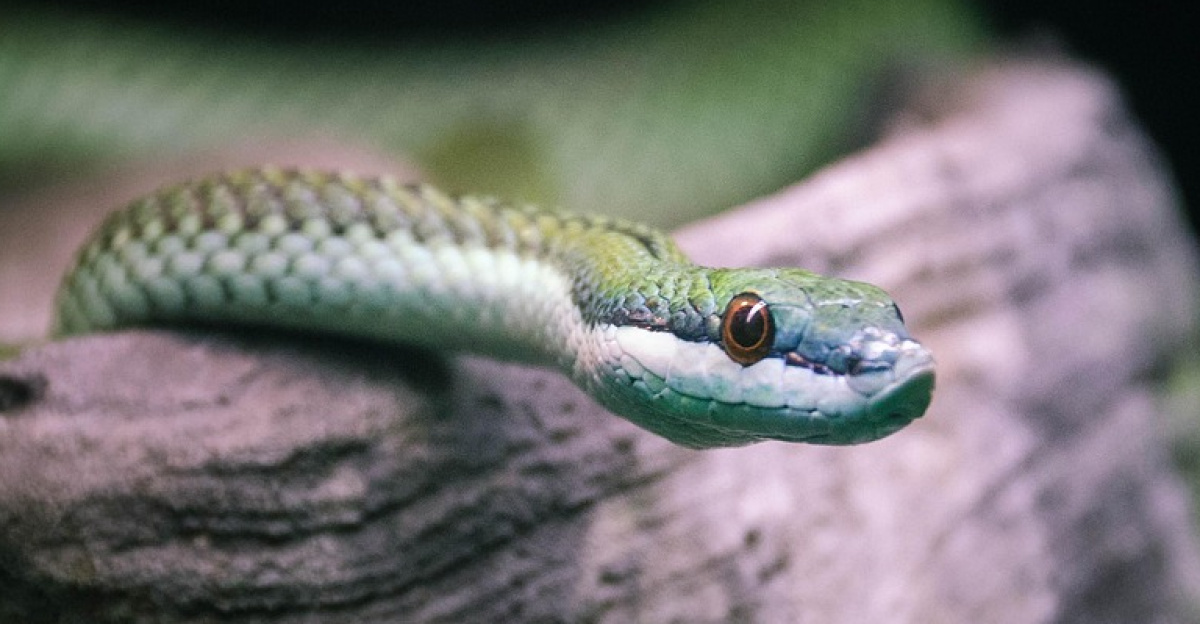
Carlyle Lake’s snakes become more visible during the warmer months, particularly near riprap, logs, and shaded banks. As temperatures drop, they retreat underground or into sheltered spaces near the forest edge.
Seasonal awareness helps visitors reduce the likelihood of accidental encounters. Most snakes spotted here are harmless and non-venomous, forming part of the lake’s living system that keeps pest populations balanced year-round. Their presence signals a thriving and natural environment.
Myths and Misconceptions
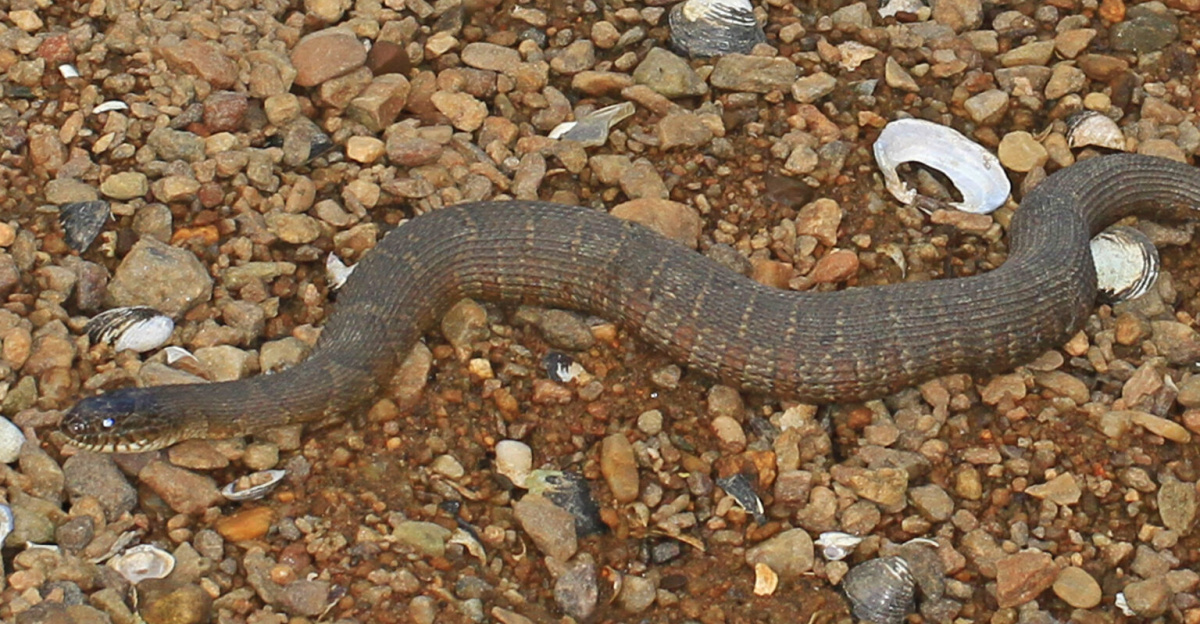
Rend Lake’s snake population often fuels exaggerated local legends. While residents frequently exchange stories about venomous encounters, verified sightings remain virtually nonexistent.
The most common species—the northern water snake—is mistakenly thought to be dangerous but is completely harmless.
Educating the public about snake behavior promotes coexistence and reduces the unnecessary killing of these important animals, which protect local ecosystems from overpopulated prey species.
Educational Outreach
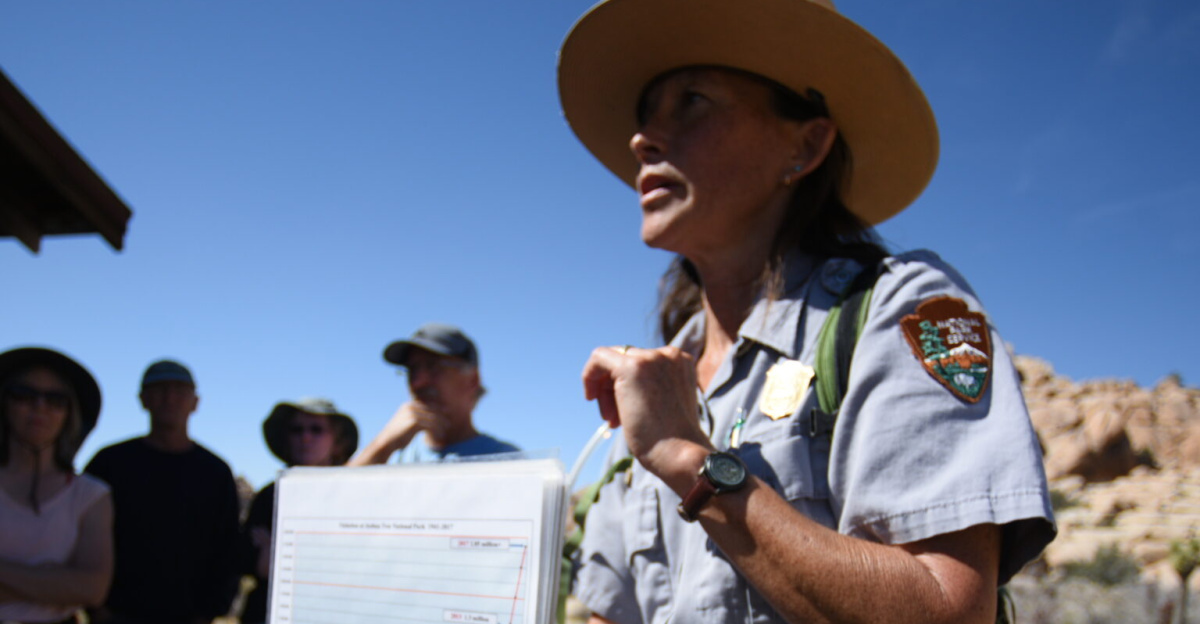
Clinton Lake offers nature programs designed to help visitors appreciate and understand snakes. Park rangers and conservation groups host talks about distinguishing harmless species from those that could pose danger in other parts of Illinois.
Public outreach encourages careful observation, safety awareness, and respect for wildlife. This approach fosters harmony between recreation and conservation, helping visitors overcome their unnecessary fear of these misunderstood reptiles.
Community Awareness

Stories of snake encounters at Carlyle Lake are deeply woven into local folklore. While sightings occasionally spark alarm, most snakes found here are harmless water or rat snakes.
Community outreach and education play a crucial role in helping residents distinguish between benign and venomous species.
By spreading accurate information, local authorities and nature enthusiasts reduce misconceptions and encourage safer, more informed interactions with the area’s natural wildlife.
Key Ecological Role
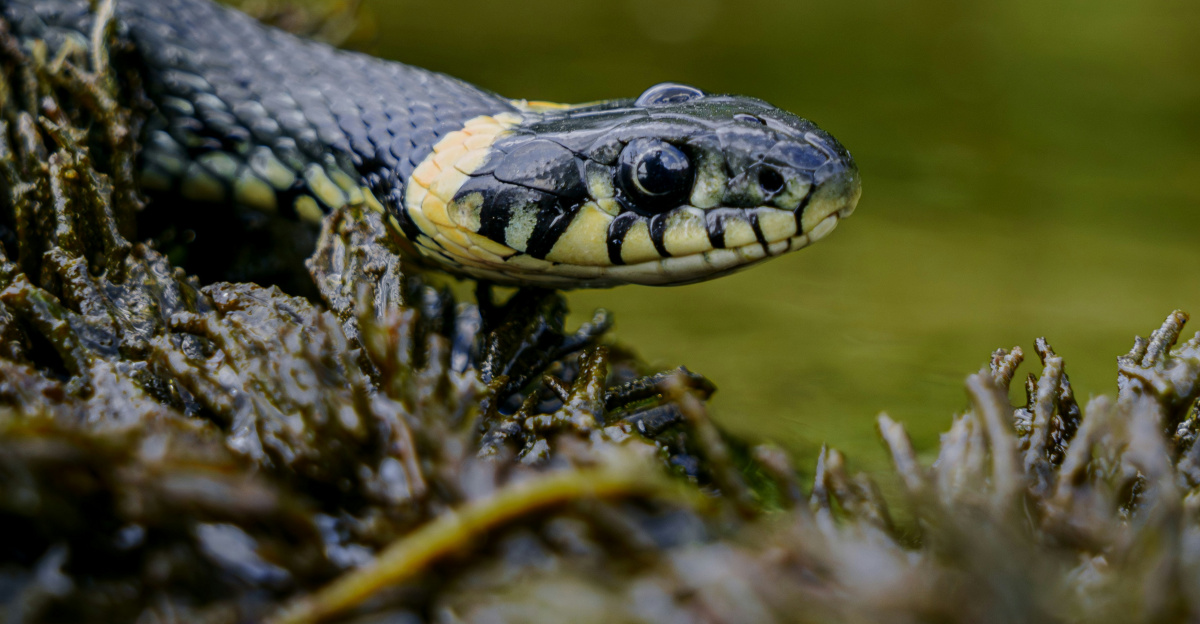
Snakes at Rend Lake play a crucial role in the food chain, helping to control populations of rodents, amphibians, and insects. Their steady presence reflects a stable, thriving habitat.
While some visitors misunderstand them as threats, these reptiles are indicators of a healthy, balanced ecosystem.
Responsible recreation, habitat protection, and wildlife education help ensure that this vital relationship continues, keeping Rend Lake rich in biodiversity and ecological value.
Seasonal Migrations
Each year, the Cache River region connects with Shawnee National Forest’s famous “Snake Road,” known for seasonal migrations of reptiles between wetlands and uplands.
These migrations, managed and studied by the U.S. Forest Service, showcase safe coexistence between humans and snakes.
Researchers and photographers gather annually to witness and record the movement, shedding light on the life cycles and ecological importance of the many snake species present in southern Illinois.
Promoting Safety
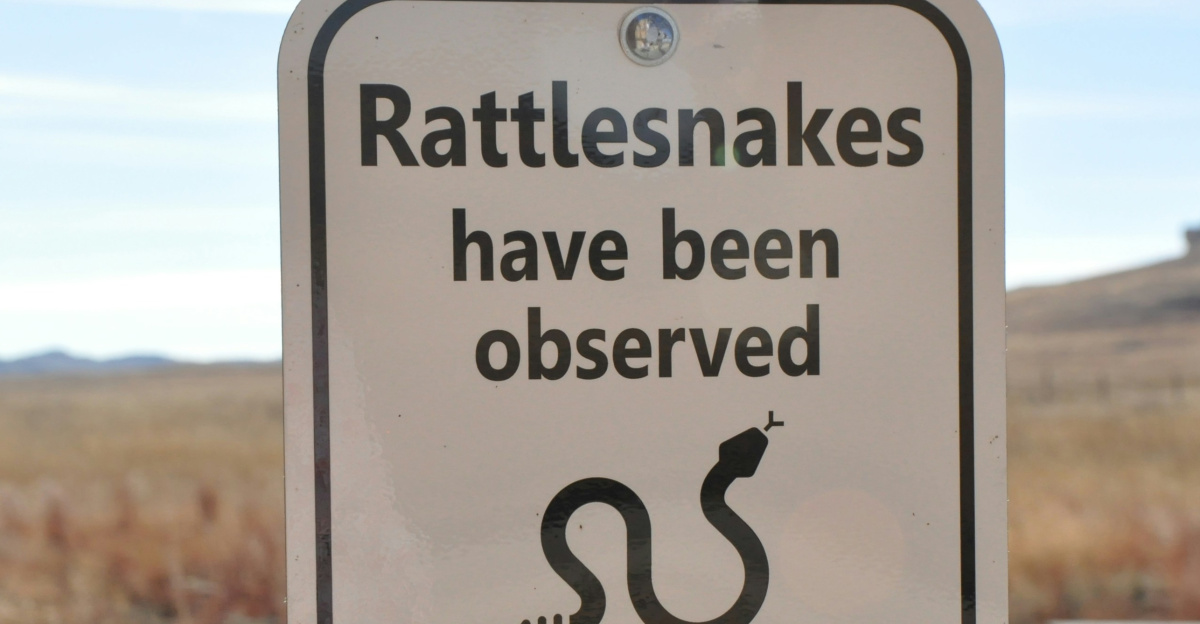
At Lake Shelbyville, park authorities encourage visitors to observe wildlife respectfully. Most snakes found here are non-venomous and tend to be reluctant to approach humans. Signs around the lake remind visitors not to disturb or handle wild animals.
Observing from a safe distance protects both people and wildlife. These practices help maintain the natural balance of the lake’s ecosystem and serve as an example of how education and awareness can enhance safe outdoor recreation.
A Research Hub

Clinton Lake serves as a valuable field site for students and researchers studying reptile ecology. Scientists investigate how environmental changes and shoreline development affect snake populations. Ongoing monitoring projects help identify patterns in species distribution and habitat use.
The data collected here contributes to statewide conservation planning, demonstrating how research and education can work hand in hand to preserve Illinois’ reptilian diversity for future generations.
A Snapshot of Conservation
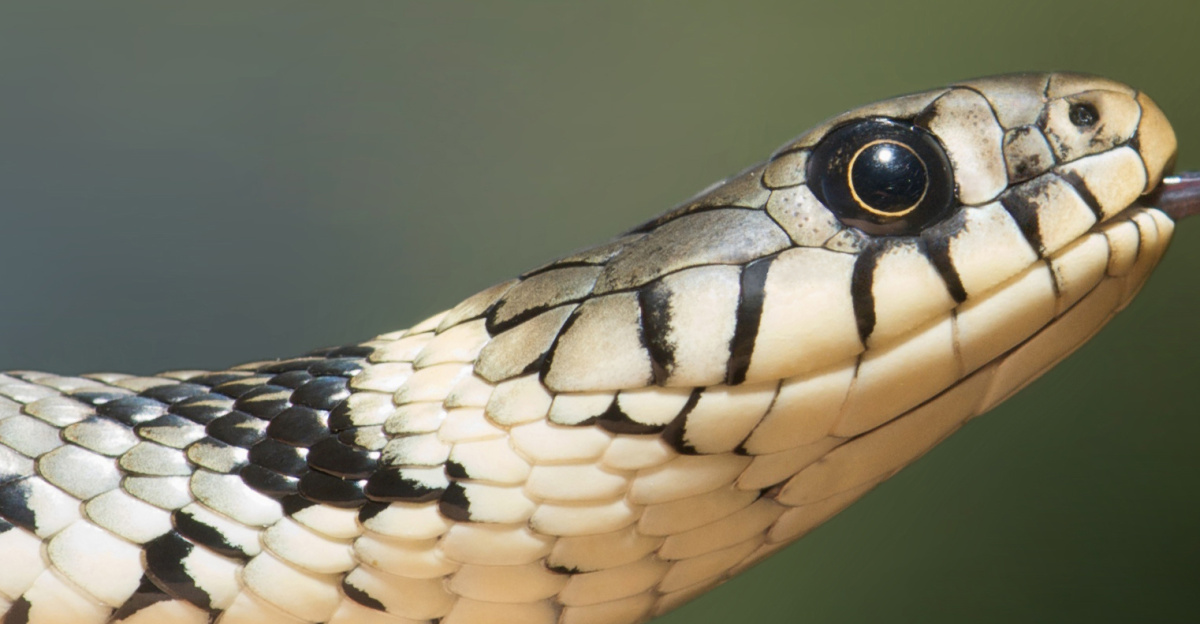
Illinois’ lakes and rivers demonstrate the importance of conservation work in maintaining balanced ecosystems. From the wetlands of the Cache River to the shores of Carlyle Lake, responsible management and public awareness continue to protect snake populations across the state.
Through cooperation among agencies, communities, and researchers, Illinois preserves its natural diversity while encouraging safe coexistence. These efforts ensure that its waters remain thriving habitats for both wildlife and people.