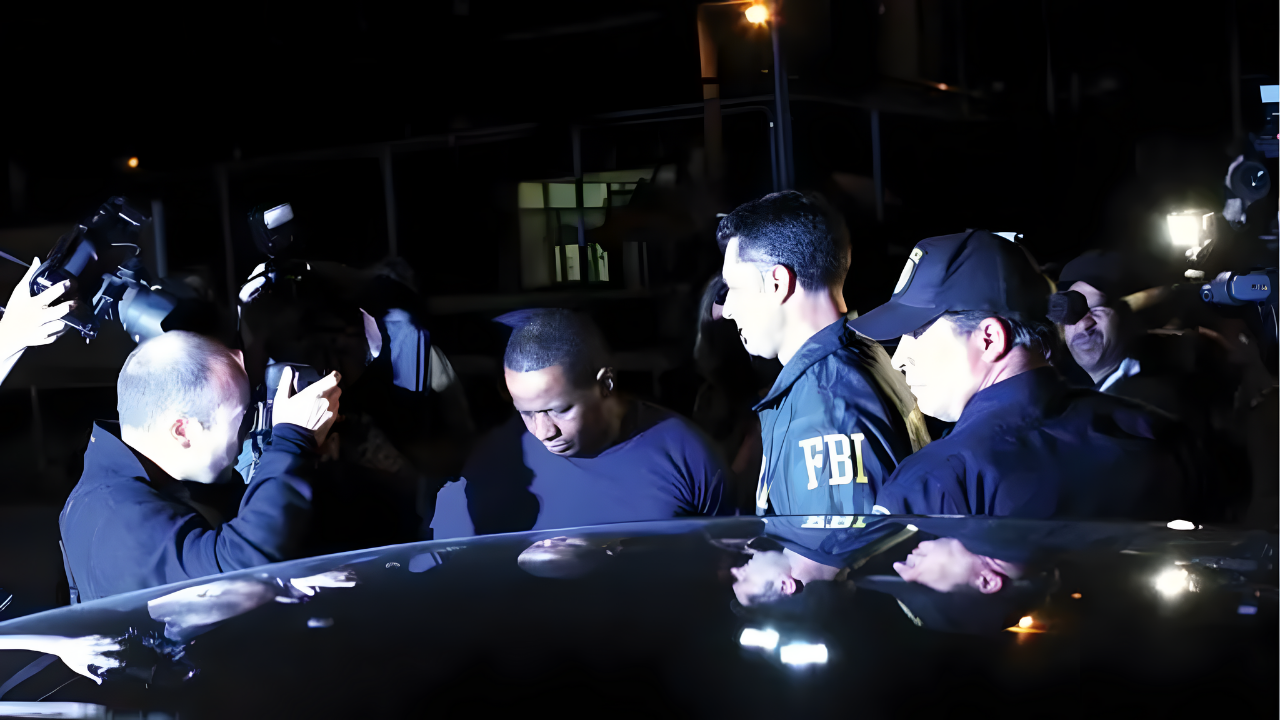
It took German authorities two days to move from fragmentary intelligence to arrests near the Austrian border. In that brief window, investigators concluded that a local preacher in Lower Bavaria and four alleged followers were discussing an attack on one of the country’s most cherished winter traditions: the Christmas market.
Alleged Plot Emerging From a Local Mosque
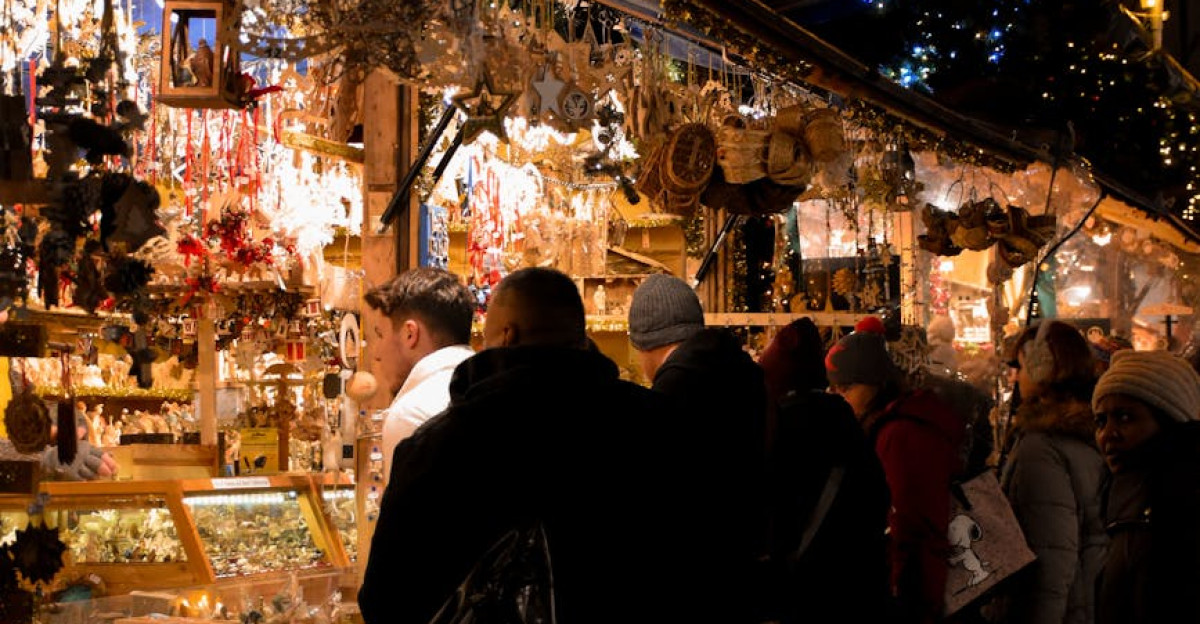
In a mosque in the Dingolfing-Landau district, northeast of Munich, investigators say a 56-year-old Egyptian imam urged followers to use a vehicle to attack a Christmas market where families gather during Advent. According to the investigation, he not only outlined the method but also described the type of target in detail and turned to specific members of his audience to encourage them to act.
Prosecutors allege that three Moroccan men, aged 22, 28 and 30, agreed to carry out a killing. Two other suspects were also drawn into the circle under surveillance. All five men were later detained near the German-Austrian border as the case moved from intelligence-gathering to arrests.
Rapid Intervention and a Fragile Sense of Safety
Security services picked up the initial warning signs just 48 hours before the operation. Officials have not disclosed how the information surfaced, or whether it came from human sources, electronic monitoring, or online activity. Once the pattern of communication and intent was recognized, agencies moved quickly.
Bavarian Interior Minister Joachim Herrmann praised what he described as close coordination among security bodies, arguing that the cooperation allowed an alleged plan to be disrupted at an early stage. The Central Unit for Combating Extremism and Terrorism led the arrests. Four of the suspects were placed under formal arrest warrants, with one held in preventive detention. Investigators say no particular market had yet been chosen and no date fixed, and they have not confirmed any operational link to the Islamic State, although they cite an Islamist motive.
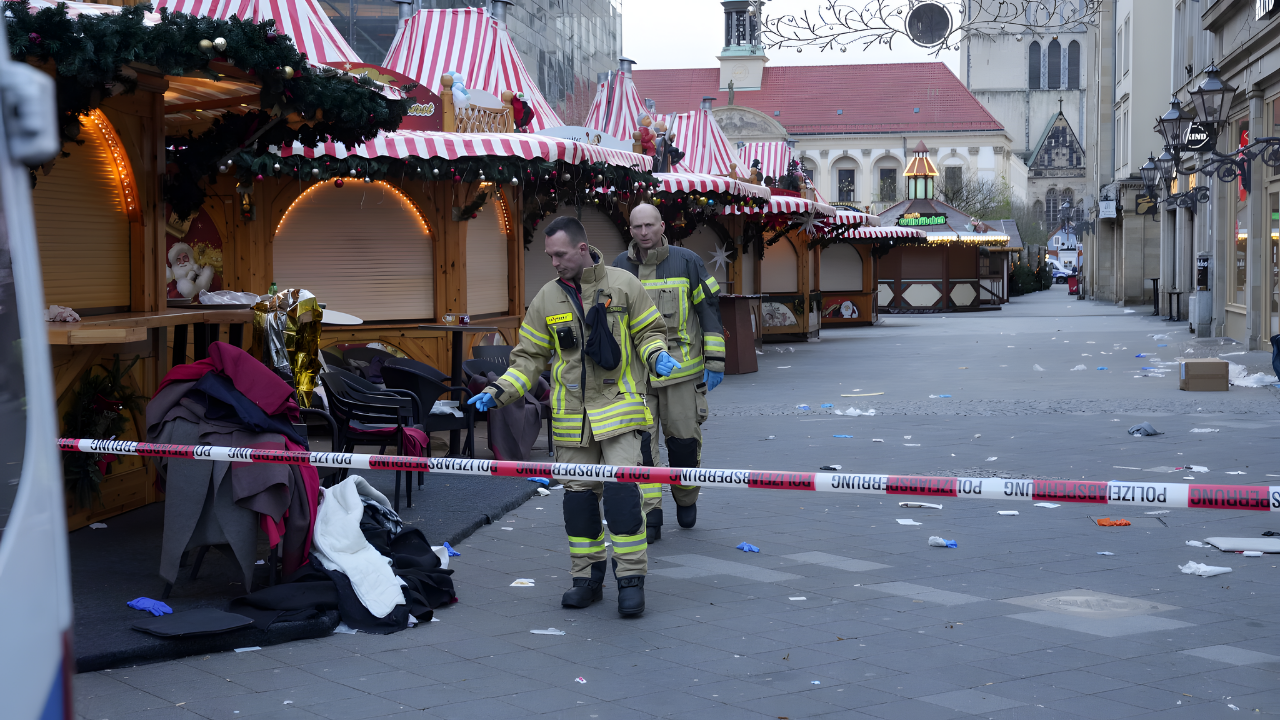
The case unfolds against a backdrop of heavily fortified markets. Since the Berlin Breitscheidplatz truck attack in 2016, in which Tunisian asylum seeker Anis Amri killed 12 people and injured 56, and the 2024 SUV attack in Magdeburg, which left six dead and more than 300 injured, German cities have steadily hardened their defenses. Today, visitors enter many markets through checkpoints lined with concrete blocks, steel bollards, cameras and armed patrols.
Security Spending, Canceled Events and Persistent Crowds
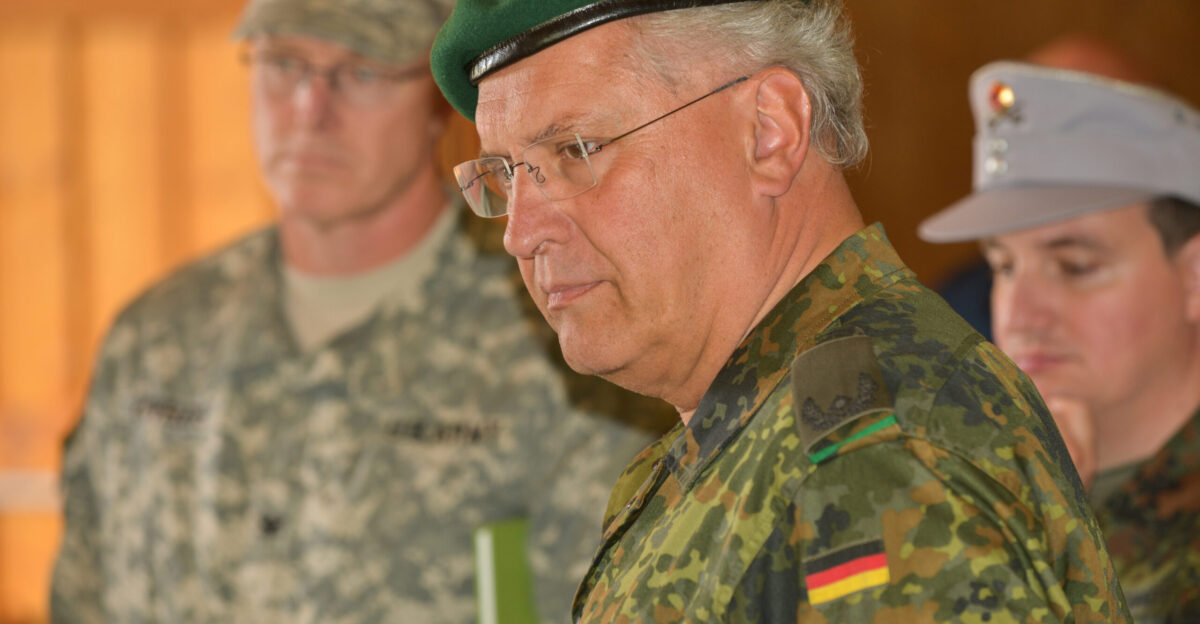
Bavarian authorities say they deployed about 44 percent more resources this season to protect markets, not in response to a specific tip, but because they consider the general threat level high nationwide. Even so, officials emphasize that the Dingolfing-Landau case was detected through intelligence work before the suspects moved beyond early planning.
Across Germany, the rising cost of such precautions is reshaping the landscape. Some municipalities have opted out altogether. Markets in Overath near Cologne, Rostock and at Dortmund’s Bodelschwingh Castle were called off for the 2025 season, with local leaders citing financial strain and more demanding security rules. Several towns warn that without extra federal assistance, they may no longer be able to host these events.
Yet public appetite remains strong. Germany’s roughly 2,500 to 3,000 Christmas markets still draw an estimated 170 million visits each year. The tradition generates substantial economic activity, with average spending per visit put at €24.50 in 2024. Cities have tried to preserve a festive atmosphere despite the new fortifications, disguising some barriers as decorations or rerouting traffic to create pedestrian-only zones.
Lessons From Magdeburg and Debates Over Radicalization
The Magdeburg attack a year ago exposed a structural dilemma that still haunts security planners. The driver, Taleb Al-Abdulmohsen, used an opening intended for emergency access to steer his SUV into the market area. He then continued for several minutes, injuring more than 200 people. The incident highlighted how exits designed to save lives in fires or other crises can also be exploited by someone intent on violence. Protocols were revised nationwide, but authorities acknowledge that there is no configuration that eliminates every risk.
At the same time, the Dingolfing-Landau case underscores concerns about how individuals living in Germany become radicalized. The suspects come from three different countries, and officials say they are examining potential networks that extend beyond one congregation. Intelligence agencies have for several years pointed to online platforms, extremist digital subcultures and certain preachers as conduits for rapid ideological hardening, especially among younger men. A federal task force on preventing Islamist extremism, established in late 2024, has stressed that radicalization can develop quickly and often crosses national boundaries.
These developments continue to feed a wider policy argument that began a decade ago. In 2015, Germany admitted more than a million asylum seekers under then-Chancellor Angela Merkel’s “Wir schaffen das” approach. The Berlin market attack a year later, carried out by a rejected asylum seeker who had remained in the country, became a focal point in debates over migration, integration and public safety that still shape political discussions.
Balancing Security Measures and Long-term Prevention
Experts and officials differ on how to interpret the latest arrests. Some see the rapid intervention in Lower Bavaria as evidence that intelligence-led prevention can succeed even against diffuse threats. Others point to the Magdeburg attack, which occurred despite heightened alertness and universal awareness of vehicle attacks, as proof that any protection system will have gaps.
Analysts also question how far physical defenses can go. Security experts argue that reinforced barriers and access controls cannot, on their own, resolve the challenge, and that approaches focused on identifying and countering radical ideological networks may offer complementary strategies to traditional physical security measures.
For now, markets in the Dingolfing-Landau district remain open under existing security arrangements. District administrator Werner Bumeder has said that events will proceed as planned, with no additional measures announced beyond those already in place. Visitors continue to pass through concrete lines and past armed officers to drink mulled wine and shop at wooden stalls.
The foiled plan, detected before a vehicle was bought or a location selected, shows that some threats can be intercepted early. But it also highlights the open questions facing Germany and other democracies: how to tackle underground radicalization, how to allocate limited resources to protect public spaces, and how long societies are willing to accept intensified surveillance and controls to preserve familiar rituals.
Sources:
Munich Public Prosecutor General’s Office – German Christmas Market Plot Investigation Statement
Bavarian State Interior Ministry / Joachim Herrmann – Security Statement on Foiled Attack
DW News – “Germany: 5 arrested for suspected Christmas market plot” (December 13, 2025)
Reuters – “Germany’s Christmas markets grapple with soaring security costs” (November 25, 2025)
Federal Association of City and Town Marketing (BCSD) – Germany Christmas Market Security Spending Survey
Henry Jackson Society – Dr. Alan Mendoza statements on European security strategy