The federal tax credit for electric vehicles ended in September 2025, but models under $40,000 now offer competitive range, technology, and ownership costs that rival gasoline cars. As January 2026 arrives, the Nissan LEAF, Chevrolet Equinox EV, Hyundai IONIQ 5 and Kona Electric, Toyota bZ, and Ford Mustang Mach-E stand out for mainstream buyers seeking practical options.
Why the Market Shifted

Manufacturers responded to the $7,500 credit’s expiration not by hiking prices, but by slashing them to match gas-powered rivals. This move preserved demand and highlighted EVs’ inherent value, including lower fuel and maintenance expenses. The result: six compelling choices priced from $31,485, all with over 200 miles of range and access to expanding charging networks.
Key Models Under $40,000
These vehicles target everyday drivers with strong specs and usability. The 2026 Nissan LEAF S+ starts at $31,485 with 303 miles of range. Chevrolet Equinox EV LT1 is $34,995, offering 319 miles. Hyundai Kona Electric SE prices at $34,470 with 200 miles, while IONIQ 5 SE is $36,600. Toyota bZ FWD XLE begins at $36,350 for up to 299 miles, and Ford Mustang Mach-E Select RWD at $37,795 delivers 260 miles.
Nissan LEAF’s Value Edge
Nissan LEAF owners have logged over 18 billion miles globally, underscoring its proven reliability. The S+ trim seats five with wireless Apple CarPlay, Android Auto, and driver aids. Its 131 MPGe city rating cuts fuel costs sharply compared to gas crossovers, making it ideal for budget-conscious first-timers.
Chevrolet Equinox EV’s Appeal
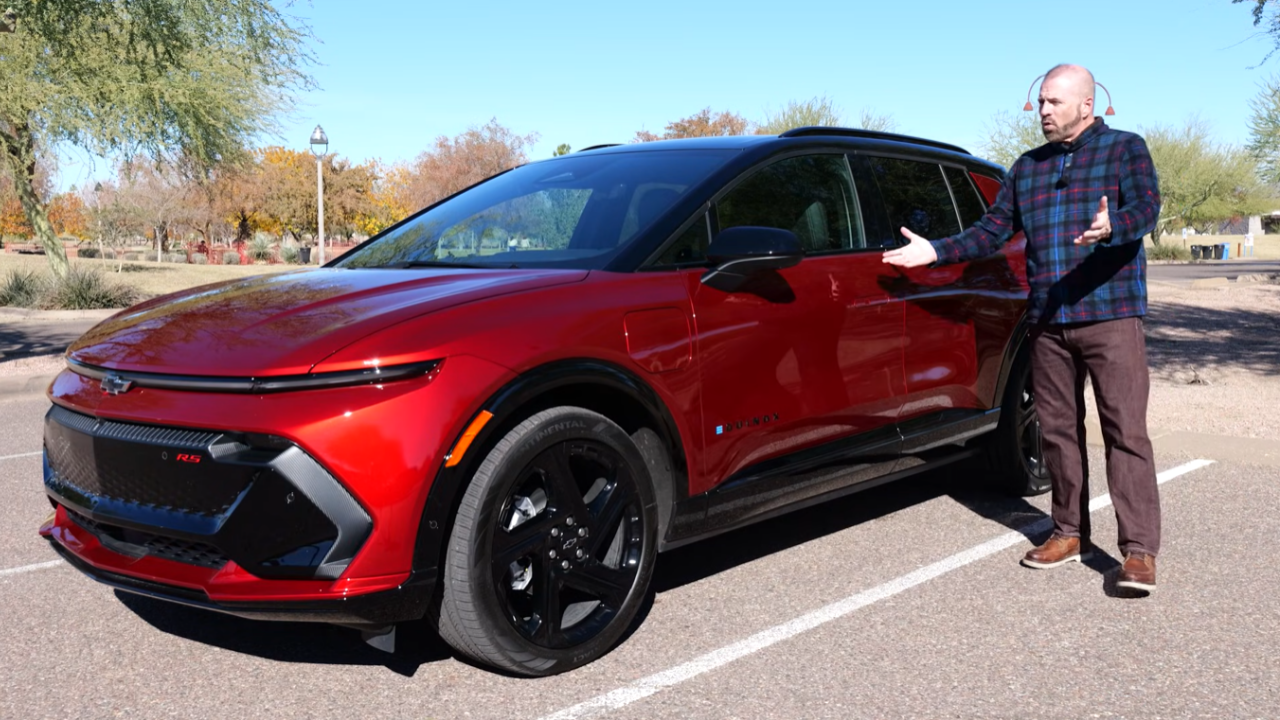
The Equinox EV packs 319 miles of range, 220 horsepower, and a 17.7-inch touchscreen with Google integration and HD Surround Vision. One-pedal driving handles most urban commutes efficiently via regenerative braking, which also extends brake life. Strong market reception has driven significant sales momentum in the compact crossover segment.
Hyundai’s Dual Offerings
Hyundai fields two distinct entries. The compact Kona Electric SE suits commuters with 200 miles of range. The IONIQ 5 SE elevates with retro-futuristic design, a 12.3-inch screen, wireless charging, and an 800-volt system for 80% charge in 20 minutes on fast chargers. Low battery placement enhances handling, and Hyundai cites 92% owner satisfaction.
Toyota bZ Reliability Play
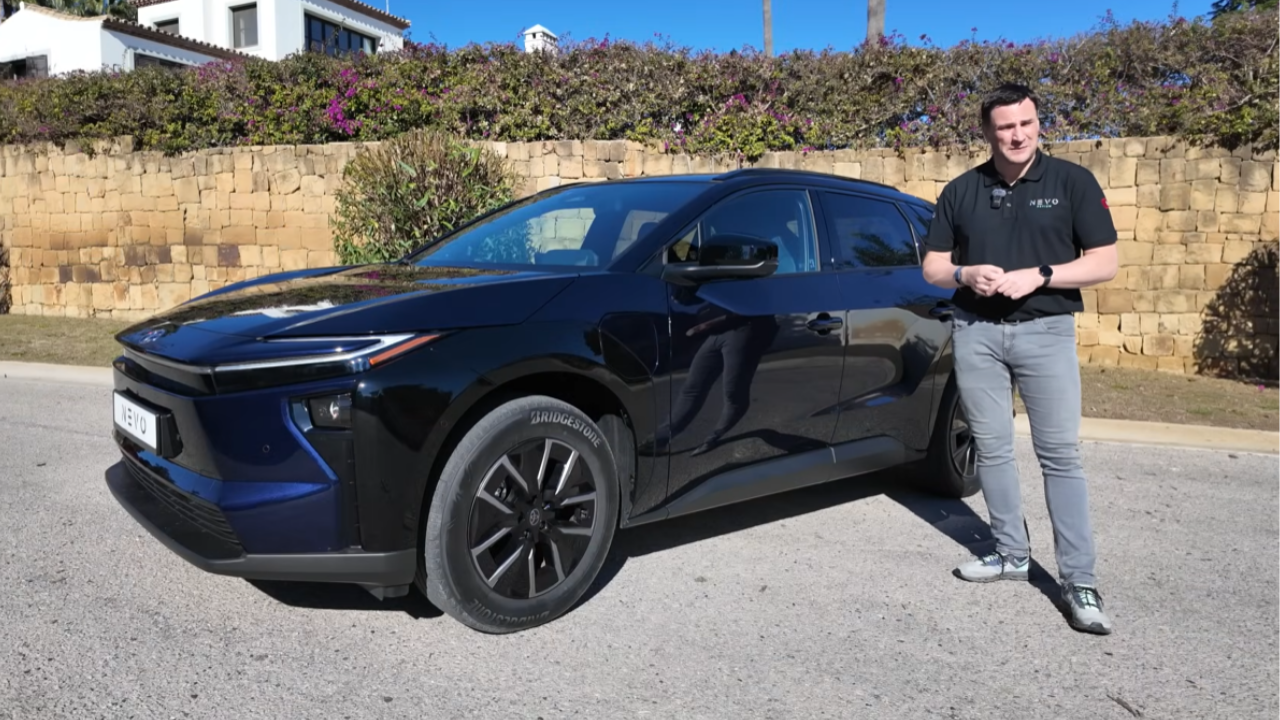
Toyota enters affordable EVs with its trusted durability. The bZ FWD XLE uses a 74.7-kWh battery for 299 miles or a 57.7-kWh option for 236 miles, with 25% better efficiency than before. Thermal management helps in varied conditions, appealing to brand loyalists.
Ford Mustang Mach-E Performance
The Mach-E Select RWD generates 266 horsepower and delivers engaging acceleration, outpacing many gas SUVs. FordPass app enables remote preconditioning and monitoring, paired with standard CarPlay and Android Auto.
Range and Charging Realities

Equinox EV tops range at 319 miles, followed closely by LEAF at 303 miles, bZ at 299 miles, Mach-E at 260 miles, and IONIQ 5 SE at 245 miles. All feature NACS ports for Tesla’s extensive Supercharger network, plus Electrify America and EVgo networks. Most owners charge at home on Level 2 setups, though renters may rely more on public stations.
Ownership Advantages
Batteries carry 8- to 10-year/100,000-mile warranties, with typical 1.8% annual degradation leaving 82% capacity after a decade. Total costs favor EVs: $10-25 weekly electricity versus $40-60 gas, no oil changes, and 70-80% less brake wear. State incentives persist in California, New York, and Massachusetts.
Winter and Design Factors
Cold cuts range 15-20% temporarily due to battery slowdown and heating, but preconditioning reclaims 5-10%. Models like bZ and IONIQ 5 use advanced thermal systems. Distinct designs boost satisfaction: familiar shapes for LEAF and Equinox, bold lines for IONIQ 5, modern Toyota styling, and Mustang heritage for Mach-E.
January 2026 positions EVs as viable mainstream picks, with prices, infrastructure, and warranties now mature. Without federal subsidies, true affordability emerges, setting the stage for broader adoption as technology advances and networks expand.
Sources:
2026 Nissan LEAF Specs and Features. Nissan USA, January 2026
2026 Chevrolet Equinox EV Pricing and Specifications. Chevrolet Official Website, December 2025
2026 Hyundai IONIQ 5 and Kona Electric Features. Hyundai USA Official Site, January 2026
2026 Toyota bZ Electric Vehicle Specifications. Toyota Official Website, January 2026
2026 Ford Mustang Mach-E Pricing and Capabilities. Ford Motor Company, December 2025