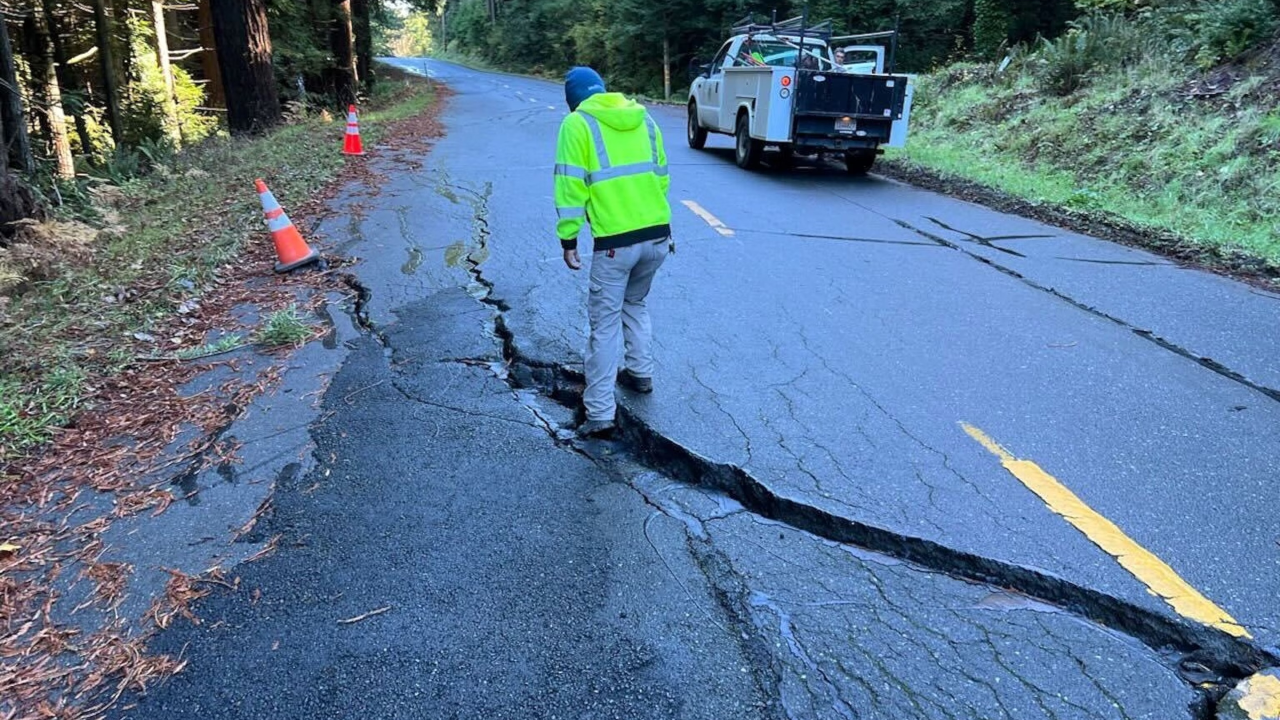
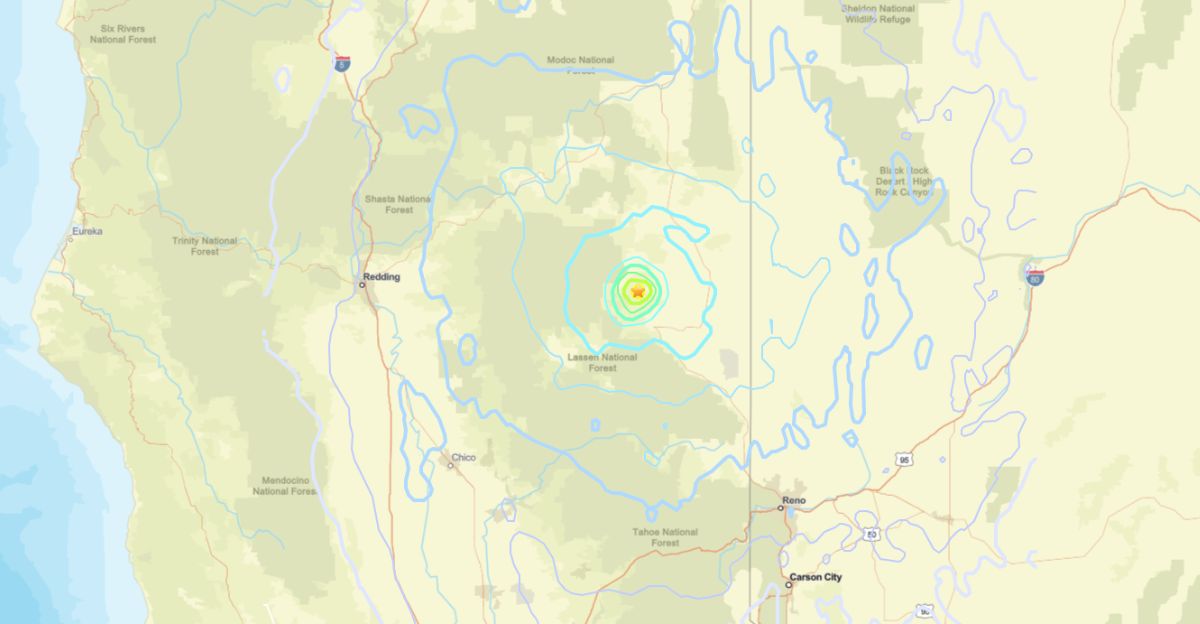
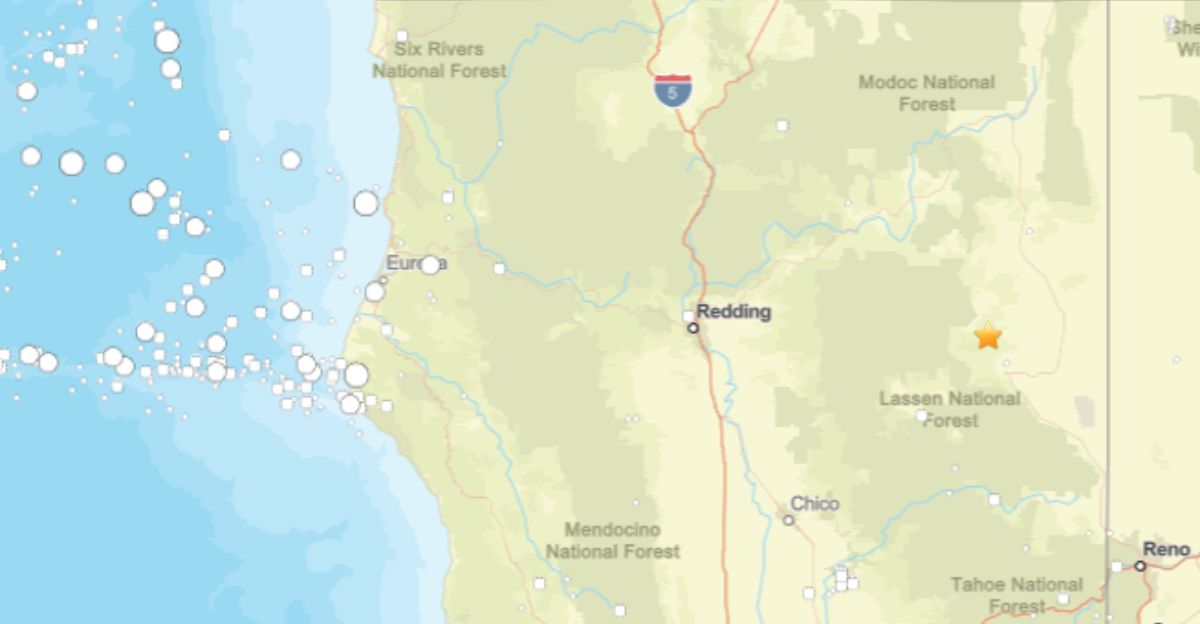
At 9:49 p.m. PST on December 30, 2025, the earth trembled beneath the quiet town of Susanville. The ground lurched, sending shockwaves through the rural community as a magnitude 5.3 earthquake struck just 9 miles away.
Across Northern California, from Sacramento to Reno, phones buzzed with emergency alerts. For those who felt it, the jolt seemed to last an eternity—yet others sat unaware, wondering: What would have happened if the shaking had been stronger?
Why the Earth Shook: Fault Lines and Tectonic Forces
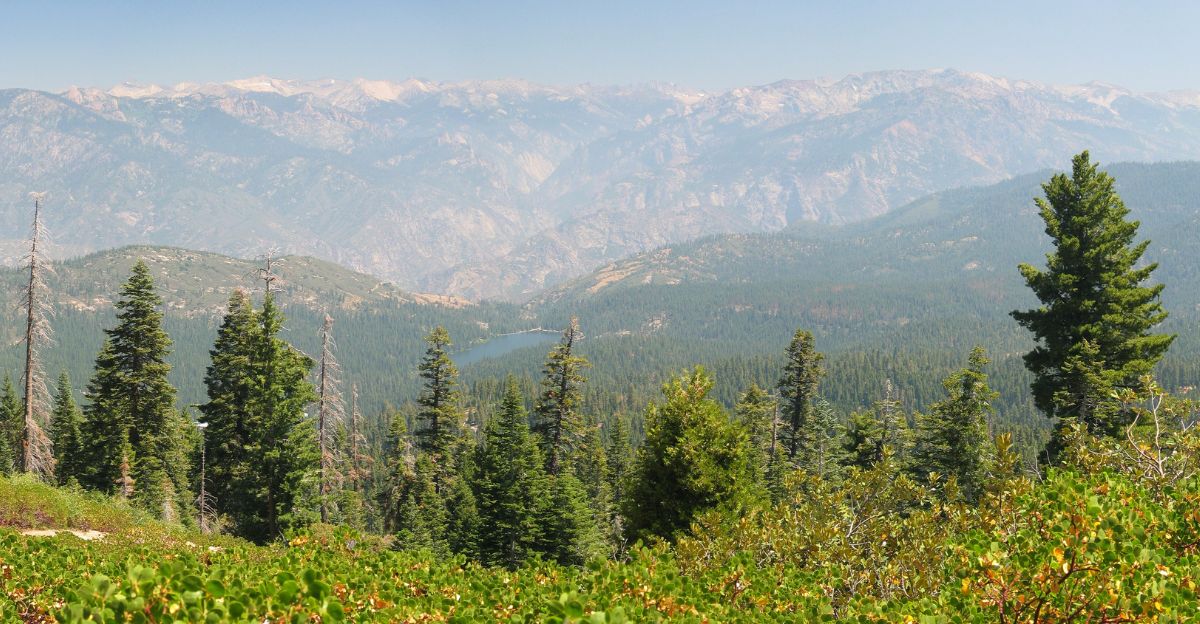
The earthquake originated from the Walker Lane shear zone, a seismic hotspot stretching from California’s Sierra Nevada to Nevada. This region is prone to tectonic stress as the Pacific and North American plates grind past each other.
With the earthquake’s shallow depth of just 5.6 miles, the surface shaking was amplified, making it feel stronger than a typical deep quake. This was not an isolated event—two days prior, a similar magnitude quake hit the same area.
Emergency Alerts: Warnings on Phones, Confusion in Homes
Seconds after the quake, emergency alerts flooded 50 million phones across California and Nevada. These Wireless Emergency Alerts (WEA) instructed residents to “Drop, Cover, Hold On” to protect themselves. Many felt the tremors, but others, like in Reno, barely noticed.
The alerts raised questions: Was the system too sensitive, or are we becoming desensitized to these warnings? Some residents scrambled for cover, while others stayed unaware of the potential danger.
Insurance Teams Mobilize Amid Uncertainty
After the earthquake, California’s Earthquake Authority and private insurers jumped into action. However, only 10% of homeowners carry earthquake insurance, leaving many vulnerable. For those with coverage, high deductibles meant they’d pay thousands before any claim would kick in.
Although preliminary reports showed minimal damage, insurers braced for possible hidden hazards like cracked foundations and broken chimneys. The event revealed a glaring need for greater awareness and preparedness.
Rising Demand for Seismic Retrofitting
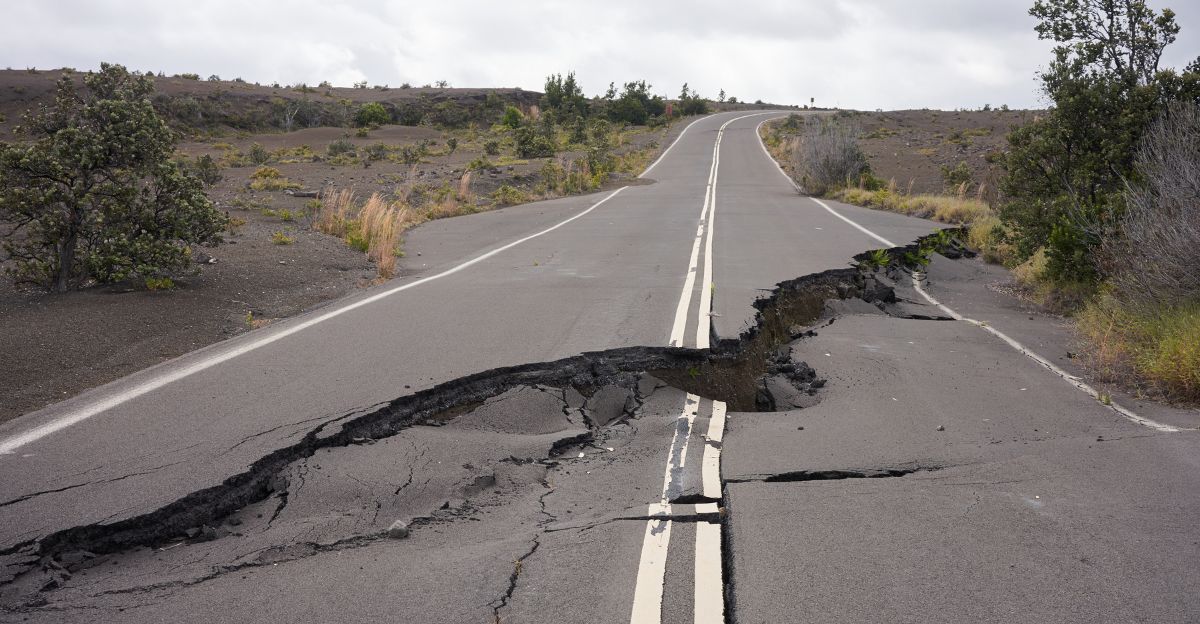
In the wake of the quake, property owners across Northern California began to inquire about seismic retrofitting. Homeowners faced a choice: spend $3,000 to $5,000 on securing their homes or risk potential destruction without insurance. Retrofitting can lower insurance premiums and reduce deductibles.
With real estate agents flooded with calls, structural engineers were booked for weeks. Earthquake preparedness became a top priority as residents realized their homes’ vulnerability.
Utilities on High Alert: Inspecting for Damage
Pacific Gas & Electric (PG&E) and other utilities began inspecting infrastructure for earthquake-related damage. Although no major outages were reported, the quake highlighted the vulnerability of power lines, gas pipelines, and water systems.
PG&E announced a $12 million investment in upgrading infrastructure, aiming to prevent future disruptions. This earthquake was a wake-up call, prompting utilities to accelerate their resilience plans to ensure quicker recovery after future seismic events.
Rural Businesses Assess Risk and Vulnerabilities
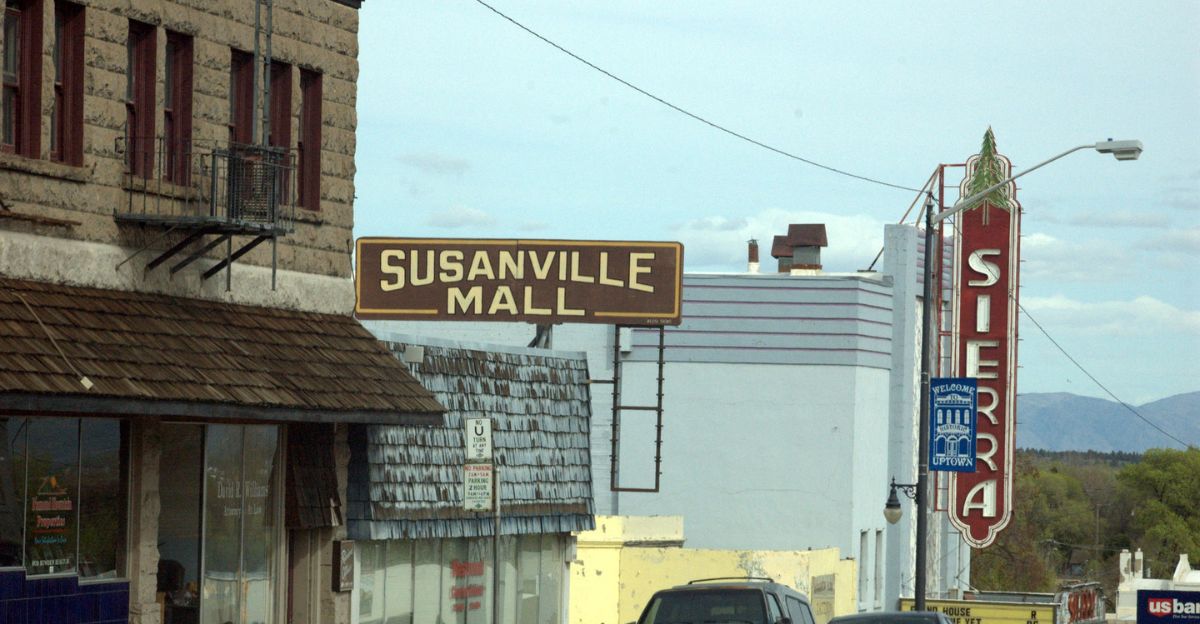
Susanville’s local businesses quickly assessed the damage. A cattle rancher reported minor barn damage but feared aftershocks might disrupt essential feed deliveries. A timber mill manager noted that even a short power outage could cost tens of thousands of dollars.
With only 25% of small businesses having disaster preparedness plans, the quake exposed serious gaps in economic resilience. The Small Business Administration is now ready to offer low-interest loans if major damage is confirmed.
Statewide Response: Governor Issues Urgent Reminder

Within hours of the earthquake, California’s Governor issued a statewide alert, urging citizens to review earthquake insurance policies and strengthen home safety measures. This quake, while relatively mild, served as a critical reminder of the constant seismic threat in California.
The state is now pushing for more investment in early warning systems, not just locally but across the entire country. The legislature began discussions on how to expand these systems nationwide by 2027.
Rising Construction Costs: Earthquake-Driven Inflation
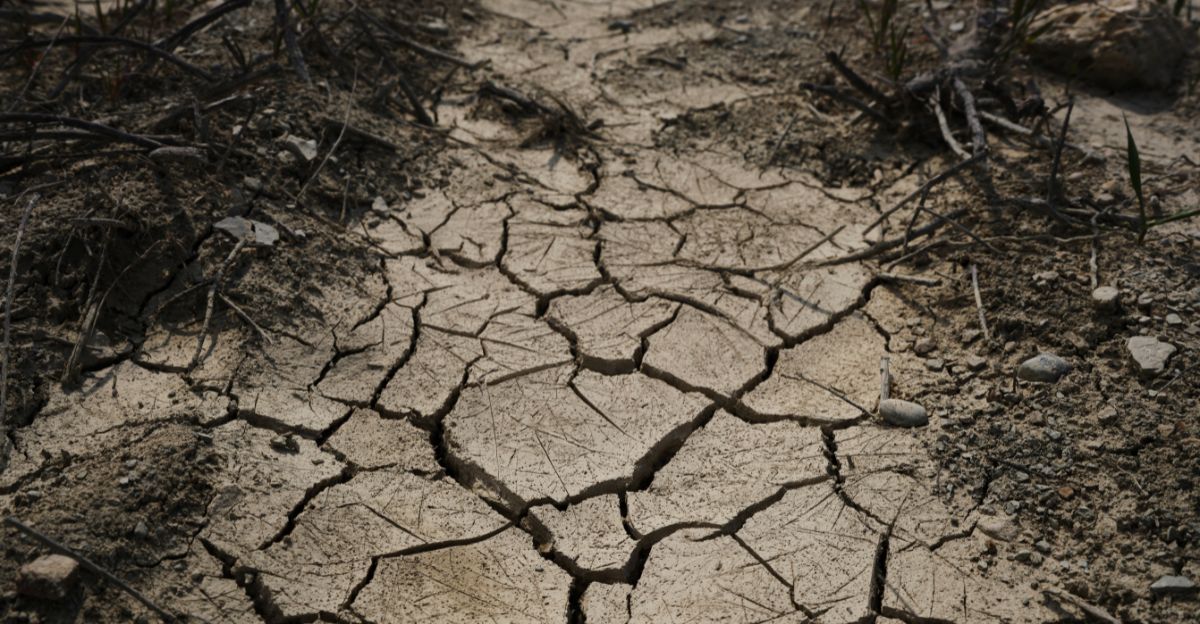
The earthquake triggered an immediate surge in construction-related expenses. Retrofitting homes and repairing infrastructure is projected to cost up to $200 million across Northern California. With labor shortages and rising material costs, experts warn that rebuilding efforts will drive prices up by 15-20%.
In the midst of these rising costs, the California Earthquake Authority has already increased insurance rates, putting additional pressure on homeowners, particularly those on fixed incomes.
Health Impact: Earthquake Anxiety and Minor Injuries

In Lassen County, the earthquake resulted in a spike in emergency room visits due to stress and anxiety. Dr. Maria Santos from Lassen Regional Hospital noted that the emotional toll was particularly hard on elderly residents.
Although physical injuries were minimal, the psychological effects were profound. Local health officials are now focusing on mental health outreach and earthquake preparedness to help residents deal with the emotional aftermath of the tremor.
Environmental Risks: Landslides and Wildfires Loom
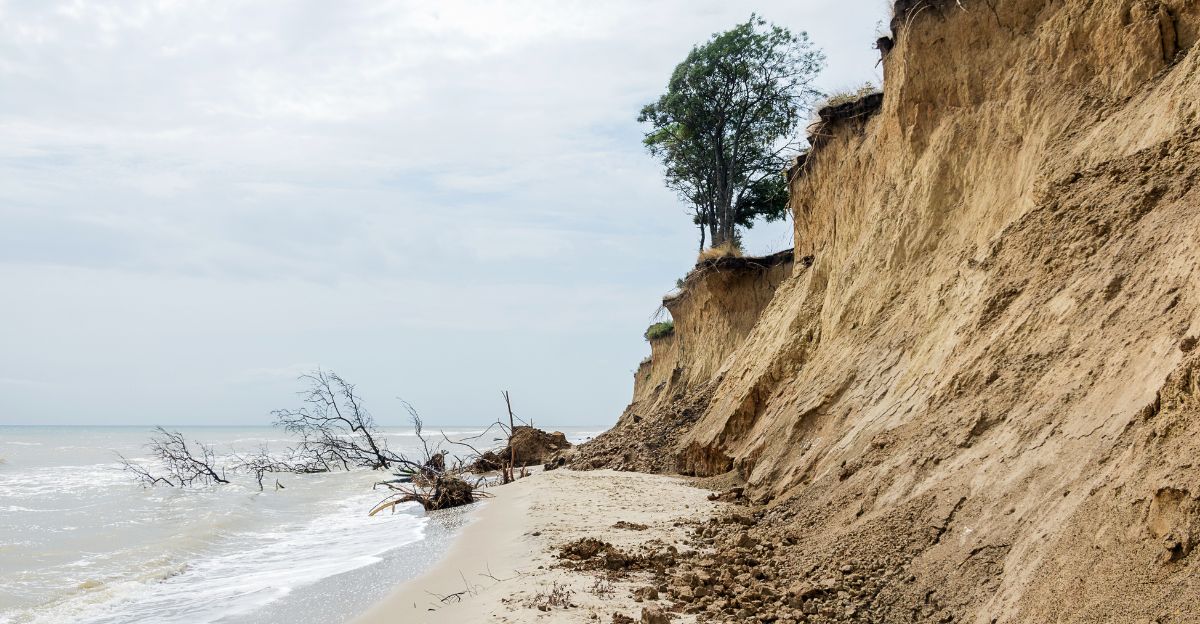
Geologists have raised concerns about secondary hazards like landslides and wildfire risks. The steep terrain near Susanville could see debris flows triggered by aftershocks or storms, while weakened trees and dry conditions could ignite wildfires.
The Sierra Forests Coalition has urged for more investment in forest health and watershed stabilization to mitigate these risks. The earthquake has shown how interconnected seismic, environmental, and climate risks can be.
Consumer Behavior Shifts: Demand for Emergency Supplies Skyrockets

The earthquake sparked a surge in demand for emergency preparedness supplies. Sales of survival kits, flashlights, and bottled water skyrocketed across California and Nevada. Retailers like Amazon, Costco, and Home Depot struggled to meet the demand.
This shift in consumer behavior reflects growing anxiety about seismic risks, with many residents realizing they were unprepared. As the public response shows, people are now taking tangible steps to secure their homes and families.
Real Estate Shifts: Earthquake Resilience Drives Market Change

In the aftermath of the earthquake, property values in Susanville and Lassen County took a temporary dip. However, interest in new, earthquake-resilient homes surged. Buyers are now prioritizing homes built to modern seismic codes, with a noticeable rise in demand for properties in areas considered safer from earthquakes.
On the other hand, older, unreinforced buildings saw a decrease in value, illustrating how seismic risks are reshaping the real estate market.
Financial Markets React: Insurance Stocks Show Volatility
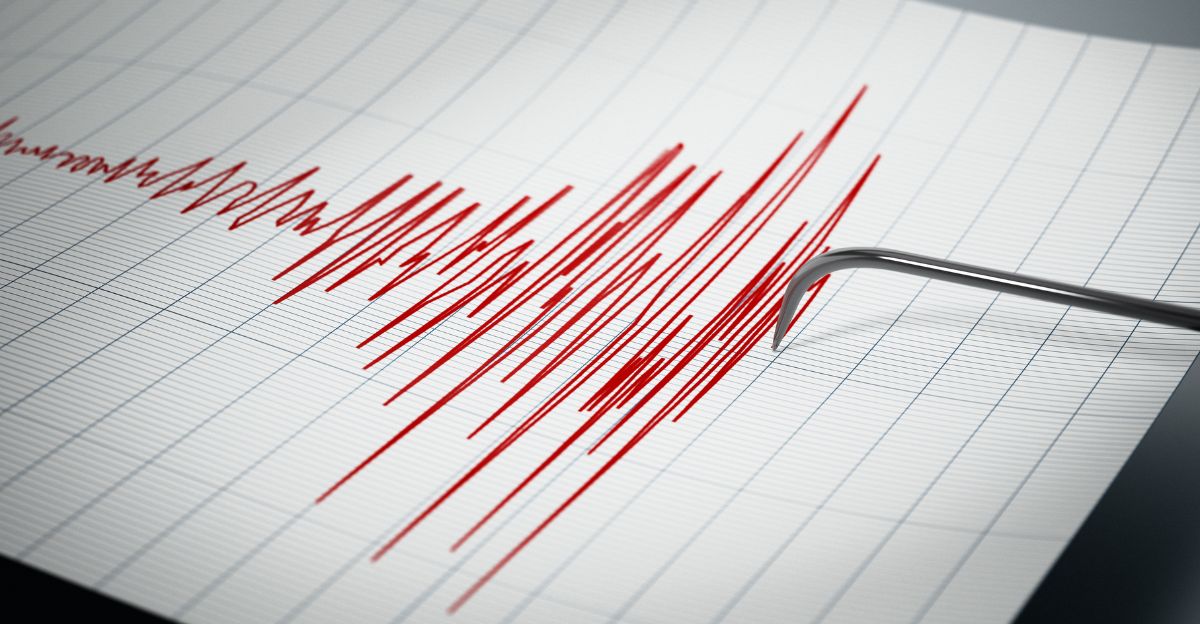
Following the earthquake, insurance companies saw brief declines in stock value, especially those with significant exposure in California. However, reinsurance firms posted gains, betting on rising premiums. Financial experts now advise Californians to consider earthquake insurance as an essential part of their financial planning.
With one moderate quake potentially costing hundreds of thousands in damage, insurance is no longer seen as a luxury but as an urgent necessity.
Looking Ahead: A Wake-Up Call for California
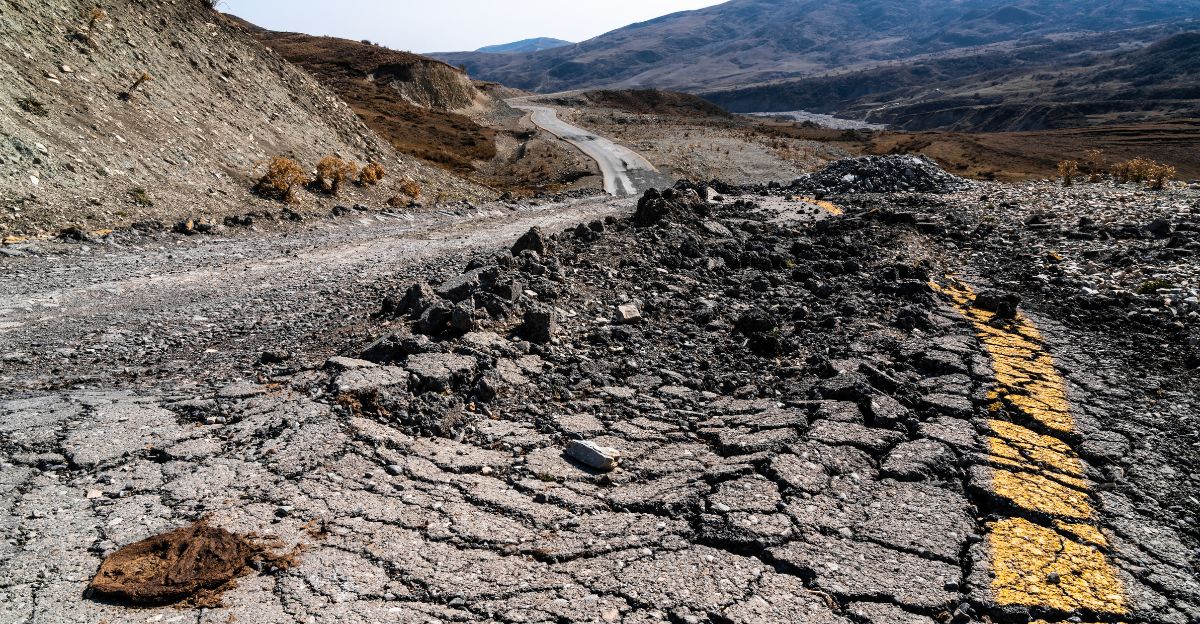
While the Susanville quake was relatively minor, it has ignited a broader conversation about earthquake preparedness in California. With aftershocks still shaking the region, experts stress that this is only the beginning. California is home to multiple fault lines, and seismic risks are ever-present.
As the state builds resilience, the focus is on comprehensive preparedness—from retrofitting homes to improving early warning systems. The next earthquake is inevitable, but with proper planning, California can face it with greater confidence.
Sources:
“M 5.3 – 14 km NNW of Susanville, CA.” United States Geological Survey (USGS) Earthquake Hazards Program, 31 Dec 2025.
“ShakeAlert® Earthquake Early Warning System.” United States Geological Survey (USGS), 2025.
“Residential and Earthquake Insurance Coverage Study.” California Department of Insurance, 2025.
“Tectonic Influences on the Spatial and Temporal Evolution of the Walker Lane: An Incipient Transform Fault Along the Evolving Pacific – North American Plate Boundary.” Arizona Geological Society, by James E. Faulds and Christopher D. Henry, 2008.