
Bennigan’s, once a staple of American casual dining, has shrunk from more than 300 restaurants to just 21 full-service locations and 21 smaller “On The Fly” outlets, after decades of overexpansion, brand fatigue, and a sudden 2008 liquidation that wiped out its corporate base. The chain’s long decline, and the precarious reality for staff still working under its banner, reflects the deeper structural troubles facing the broader sit-down dining sector.
Origins and Rapid Rise
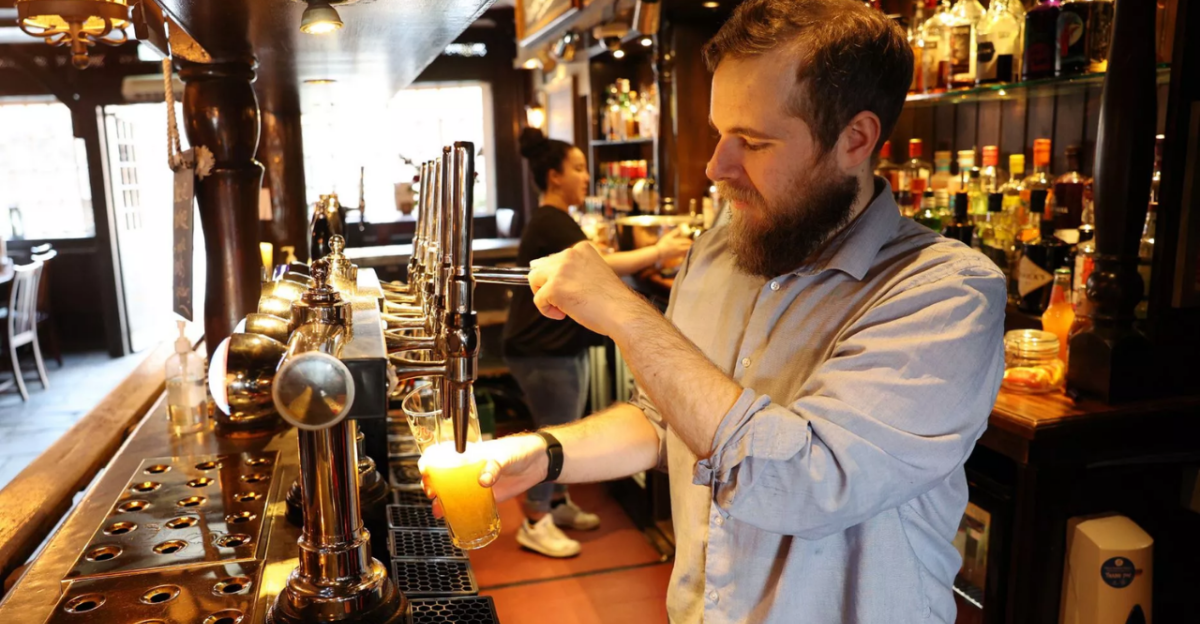
Bennigan’s opened in 1976 in Atlanta, created by restaurant pioneer Norman Brinker for food conglomerate Pillsbury. Designed as a relaxed bar-and-grill with a pub-like feel, it tapped into a growing middle-class appetite for informal dining paired with alcohol in comfortable, themed surroundings. Under successive owners—Pillsbury, Grand Metropolitan, and Metromedia—the concept spread quickly across malls, suburban shopping centers, and highway exits. At its height, Bennigan’s was grouped with brands like TGI Friday’s and Chili’s as a leading player in the casual-dining boom, with more than 300 locations serving as default gathering spots for after-work drinks, family meals, and informal celebrations. That success, however, masked an emerging risk: unit growth outpaced demand, setting the stage for oversaturation.
Oversupply and Eroding Identity
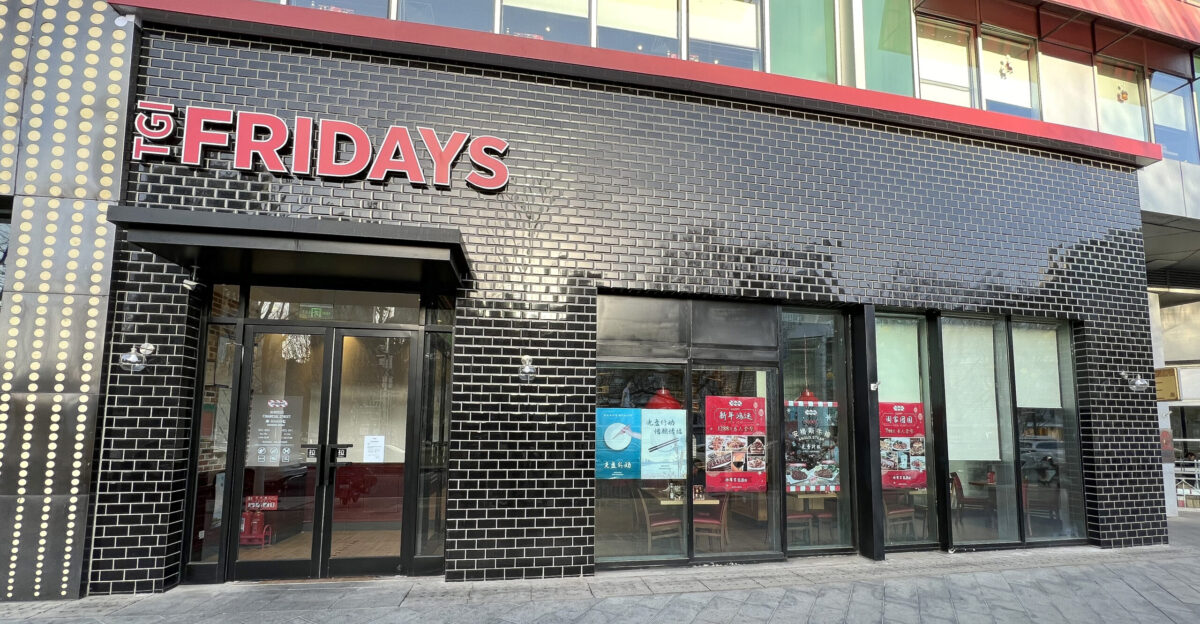
By the mid-2000s, the casual bar-and-grill category had become crowded with lookalike chains offering similar menus, décor, and promotions. Bennigan’s found itself competing head-to-head with rivals such as TGI Friday’s and Ruby Tuesday, just as fast-casual and upgraded quick-service brands were drawing customers with streamlined operations, fresher positioning, and greater convenience. Bennigan’s increasingly leaned on discounted drinks and nostalgia, with items like the Monte Cristo sandwich standing out more as relics than as drivers of modern loyalty. Its food skewed heavy and fried, and the overall experience lacked a clear point of difference—no immersive entertainment hook like a gaming-focused venue, and no strong culinary identity like newer gastropubs. In consumer memory, the brand occupied a low-distinction space, which made it easy to overlook when economic pressure or new options emerged, and difficult to rebuild once customers drifted away.
Strains Behind the Scenes

Operationally, Bennigan’s struggled to maintain consistent quality as the system expanded and facilities aged. Performance varied widely across locations, with some franchisees delivering better experiences than others, and others visibly slipping on upkeep and service. Key markets in states such as New York and Connecticut saw closures even before the Great Recession, signaling deeper issues. Franchise operators faced rising labor and food costs, dated menus, and limited corporate support, even as they continued to pay royalties to a brand losing cultural traction. Rather than a unified system moving in step, Bennigan’s approached 2008 as a fragmented network held together more by habit and nostalgia than by a strong, modern operating engine.
Bankruptcy Shock and Human Impact
In July 2008, amid softening sales and high debt, parent company S&A Restaurant Corp. chose Chapter 7 liquidation instead of attempting to reorganize under Chapter 11. Overnight, approximately 150 corporate-run Bennigan’s restaurants in the United States shut down, along with all Steak & Ale locations under the same ownership. Many employees discovered the closures when they arrived for shifts and found locked doors or learned the news from media reports. With an estimated 25 to 30 workers per store, the immediate job losses likely numbered between 3,750 and 4,500, hitting just as the 2008–2009 recession deepened. Over time, as more than 275 Bennigan’s locations disappeared from the peak count, cumulative direct and indirect job losses probably reached several thousand more, affecting suppliers, landlords, and surrounding businesses. In many communities, the restaurant had functioned as a neighborhood gathering place; its disappearance left vacant anchor spaces and disrupted local commercial ecosystems.
Attempts at Survival and Reinvention
The 2008 liquidation applied only to corporate outlets, leaving about 138 franchised locations legally intact but abruptly cut off from centralized support. Those franchisees had to handle purchasing, marketing, and menu development on their own, while dealing with a damaged brand image and shrinking national presence. Many eventually rebranded or closed, and by the early 2010s only a small number remained. Between 2008 and 2015, Bennigan’s existed largely in limbo, with virtually no national marketing and little visibility among younger diners, effectively fading below the threshold of everyday awareness. In 2015, Paul Mangiamele acquired Bennigan’s and Steak & Ale through Legendary Restaurant Brands, aiming to revive both concepts. The new strategy focused on refreshed menus, updated design, and an emphasis on hospitality rather than deep-discount drink promotions, combined with refranchising, selective new development, and international master franchise deals. Today’s footprint—roughly 21 full-service Bennigan’s restaurants and 21 Bennigan’s On The Fly units—shows a business that has stabilized at a far smaller scale but remains a shadow of its former reach.
A Smaller Future in a Changing Market
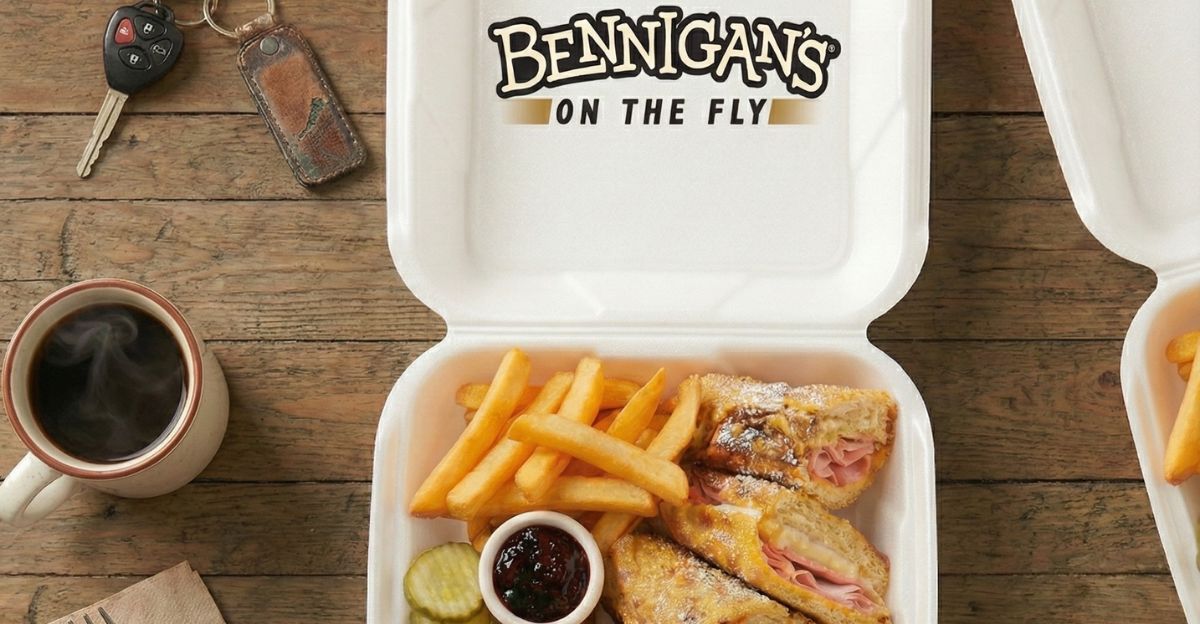
The Bennigan’s On The Fly format reflects how the brand has adapted to a landscape where large, standalone 5,000–7,000-square-foot dining rooms are increasingly difficult to sustain. These smaller, limited-menu units in airports, casinos, hotels, food halls, and delivery-focused kitchens are designed for speed, lower labor costs, and shared foot traffic. International franchises in regions such as the Gulf Cooperation Council, Mexico, Central America, and South Asia extend the logo’s presence, where an American pub-and-grill concept can carry aspirational appeal, but expansion has been careful rather than aggressive. Taken together, these moves monetize remaining brand equity without attempting to recreate the scale of the early 2000s. Bennigan’s trajectory—rapid expansion, oversaturation, eroding differentiation, sudden collapse, and modest rebirth—mirrors the broader pressures facing legacy casual-dining chains. For employees at the remaining sites, the story is still unfolding in a sector exposed to high costs, shifting consumer behavior, and the risk that even well-known names can vanish quickly if they fail to adapt in time.
Sources:
Wikipedia – “Bennigan’s.”
Aaron Allen & Associates – “Casual Dining Restaurant Chains Entering Dangerous Waters.”
NBC News – “Bennigan’s parent files bankruptcy, will close.”
The Takeout – “The Rise, Fall, And Rise Of Bennigan’s.”
Yahoo Finance – “The End Of Casual Dining? Chain Restaurants Shutter By The Hundreds.”
ABC News – “Goodbye Buys: Seven Stores, Brands You Miss.”
Kiplinger – “Whatever Happened to Bennigan’s Restaurants?”
Restaurant Business Online – “Casual dining finally shrinks unit count.”