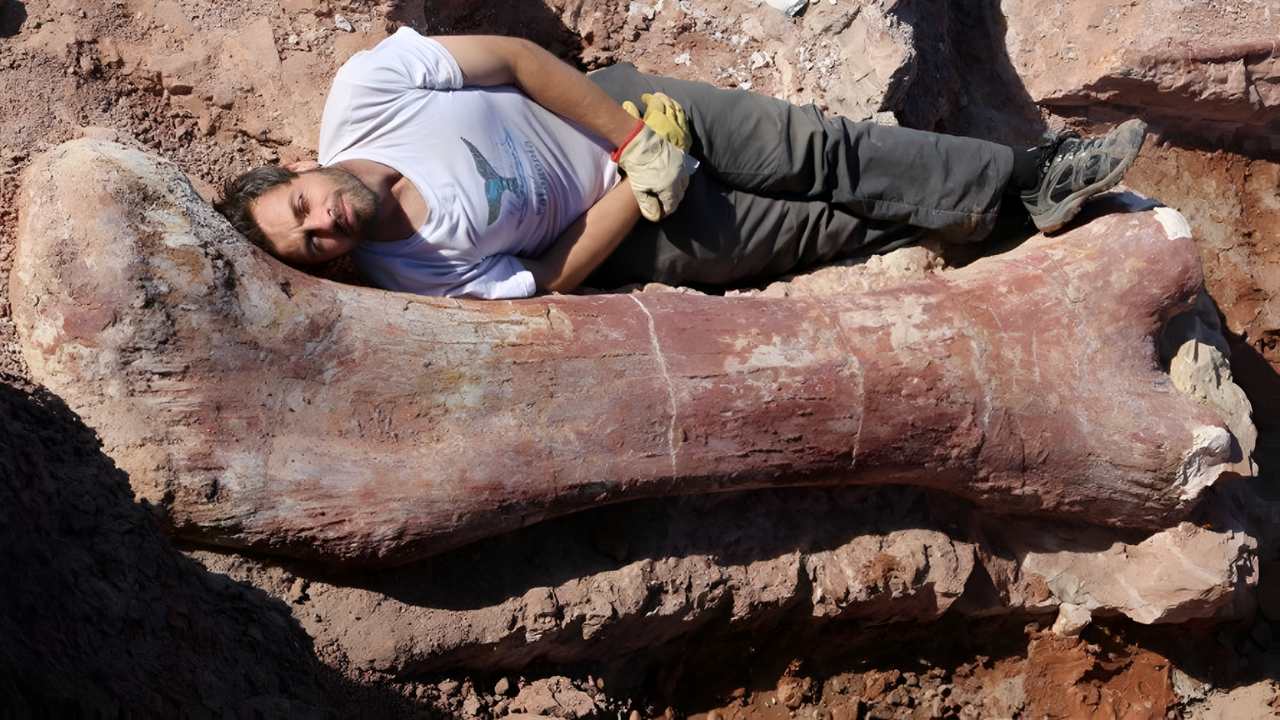
Southwest China’s red mudstones have revealed a discovery that challenges decades of assumptions about the spread of dinosaursacross the ancient world.
Paleontologists excavated the new species from 160-million-year-old rocks in Chongqing’s Upper Shaximiao Formation. This remarkable long-necked family once dominated East Asia during the Late Jurassic Period.
Scientists discovered five fused sacral vertebrae and air-filled bone structures, indicating sophisticated adaptations. Researchers are increasingly questioning whether East Asia was truly isolated from other continents during the Jurassic period, contradicting long-held beliefs.
Continental Puzzle
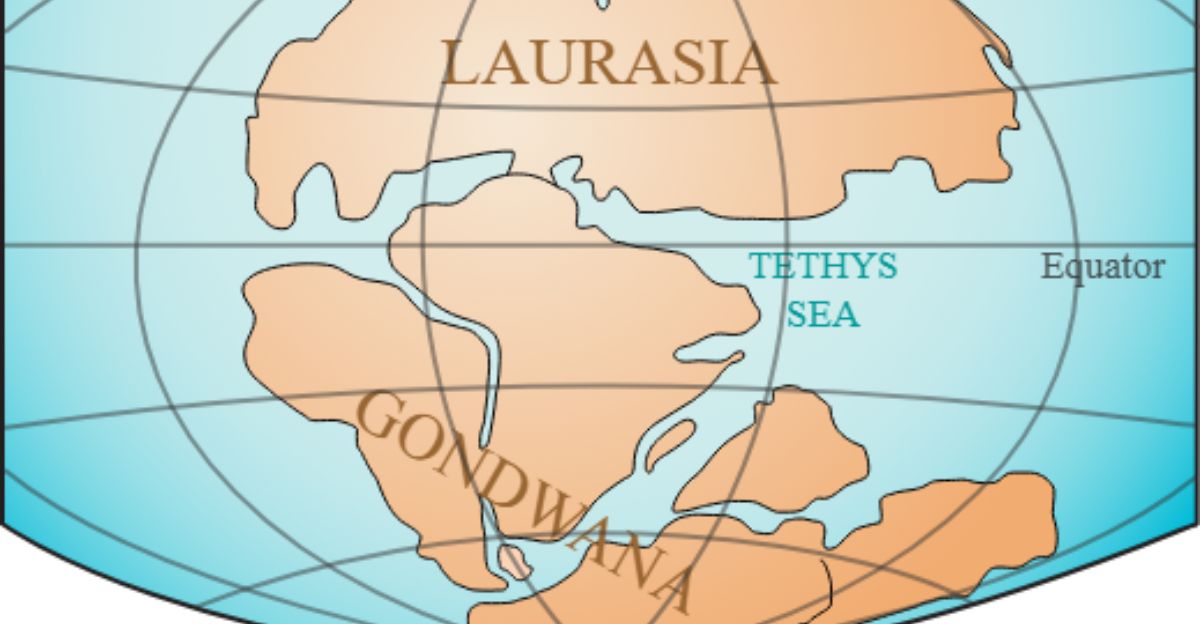
For decades, paleontologists believed in the East Asian Isolation Hypothesis—that Jurassic East Asia was isolated from western Laurasia and Gondwana by an epicontinental seaway west of the Urals.
This barrier supposedly explained why advanced neosauropods found elsewhere were absent from Chinese fossil beds that contained abundant sauropod remains. Mamenchisaurids, the long-necked sauropods flourishing across the region, appeared endemic to this isolated landmass.
Recent discoveries, however, force scientists to reconsider whether geographic barriers truly existed or if sampling biases skewed the fossil record.
Sauropod Supremacy
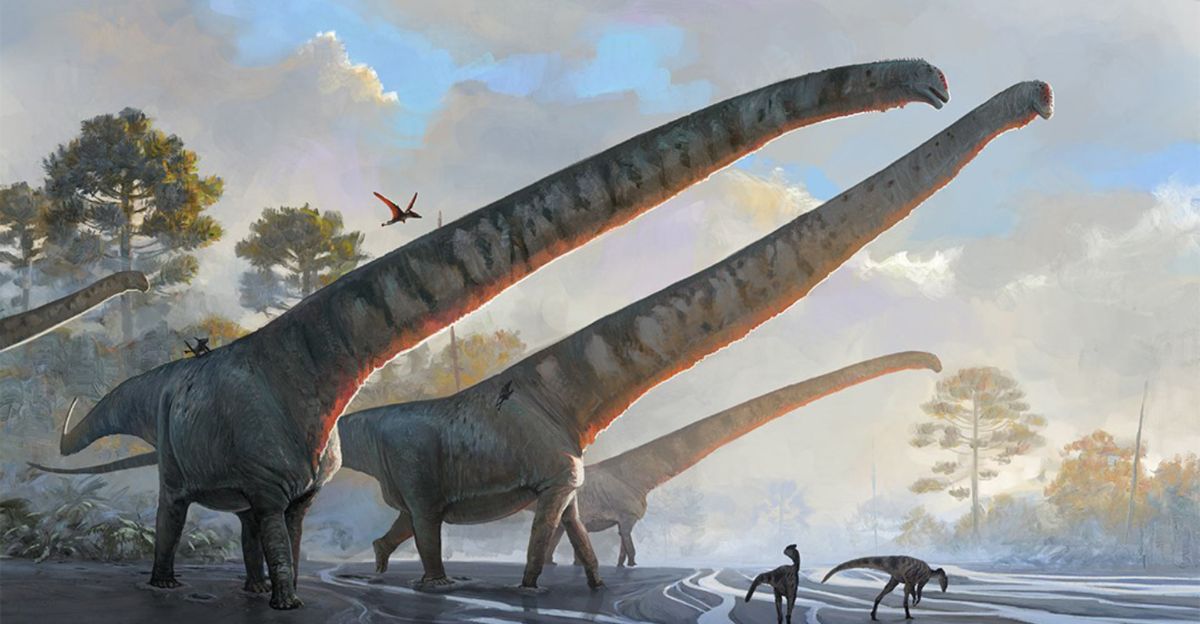
Sauropods dominated Jurassic terrestrial ecosystems as gigantic, long-necked herbivores that achieved unmatched sizes among land animals.
Late Jurassic sedimentary units in China preserve a rich sauropod record, mostly dominated by mamenchisaurids rather than neosauropod groups—diplodocoids and macronarians—whose presence is also documented across North America, Europe, and Africa.
This stark faunal difference between East Asia and other landmasses prompted biogeographic explanations invoking continental isolation. Mamenchisaurids evolved proportionally extreme neck elongation, with some species pushing anatomical limits that modern paleontologists struggle to reconstruct.
Measuring Giants
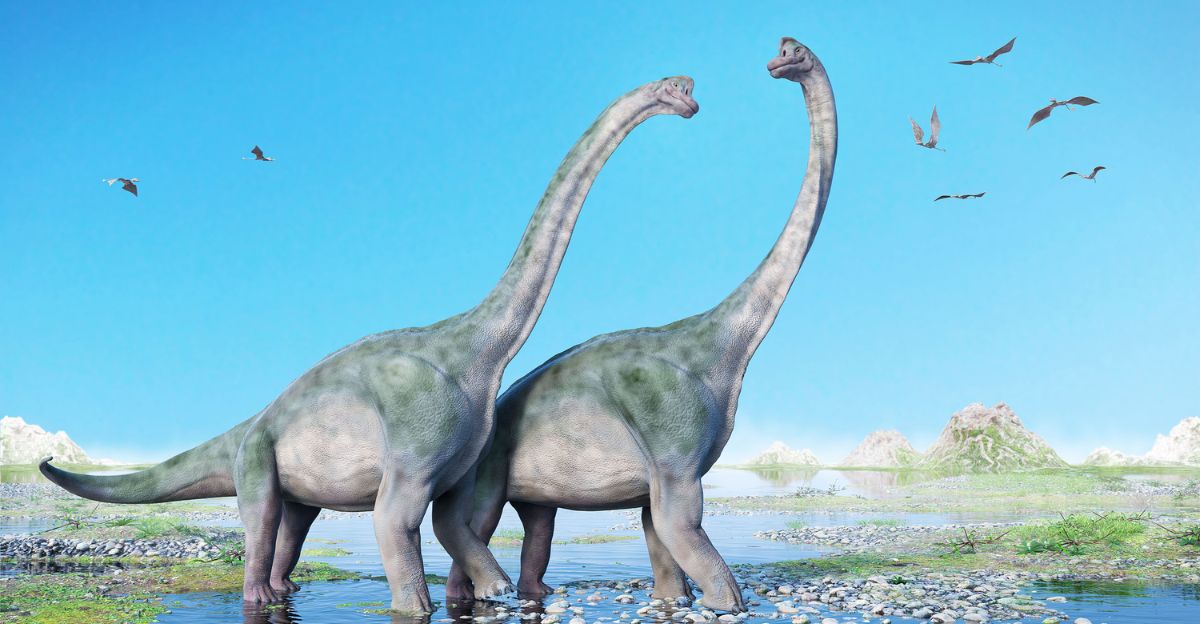
Scientists determine the true dimensions of dinosaurs from fragmentary fossils using sophisticated comparative analysis, which combines direct skeletal measurements with phylogenetic relationships to closely related species.
Paleontologist Andrew J. Moore of Stony Brook University published groundbreaking research in 2023 on Mamenchisaurus sinocanadorum, discovered in 1987 in China’s Xinjiang region from approximately 162-million-year-old rocks.
Although known only from neck and skull bones, Moore’s team compared these remains to complete skeletons of the closest relatives, enabling confident reconstruction of overall proportions. The neck vertebrae revealed extraordinary adaptations that explain the extreme dimensions.
Record Shattered
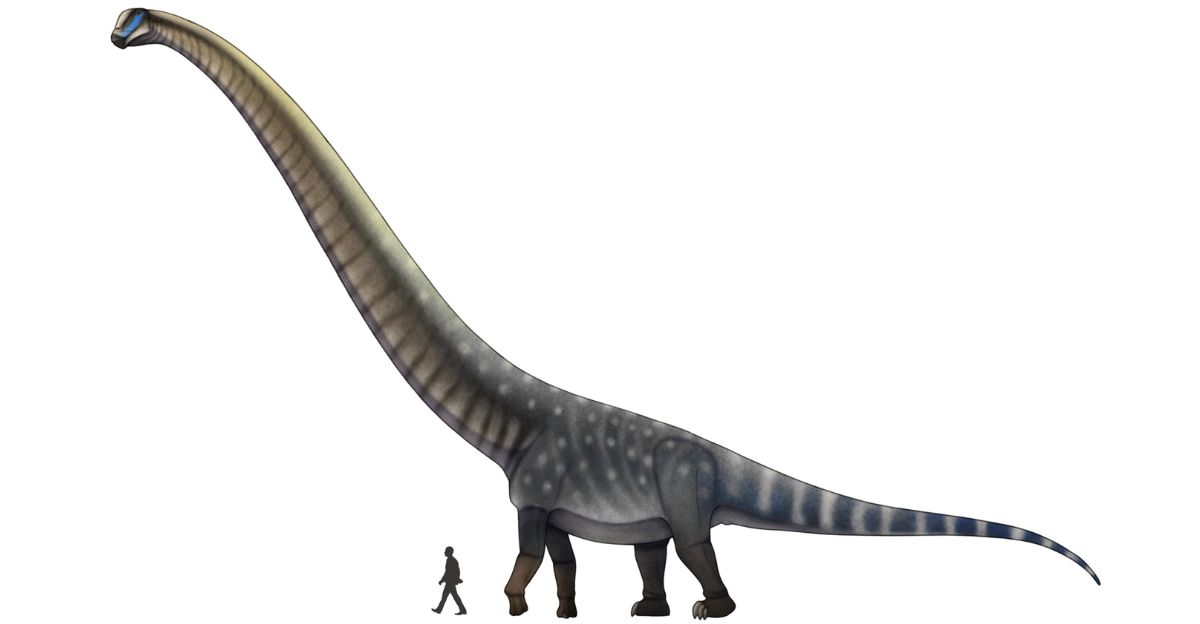
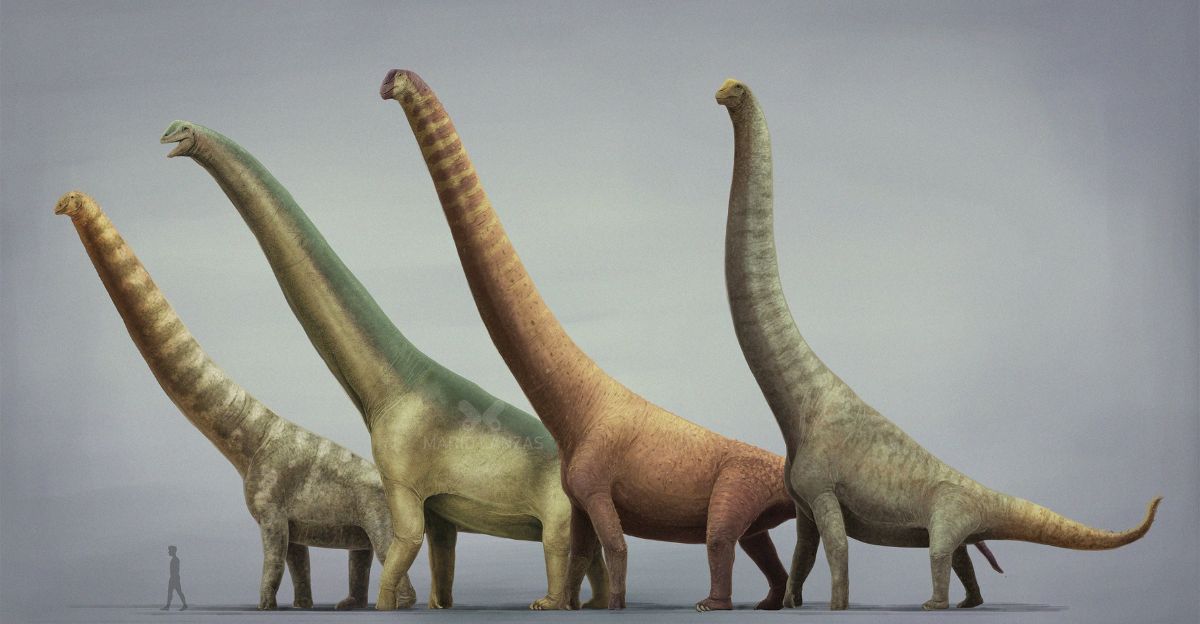
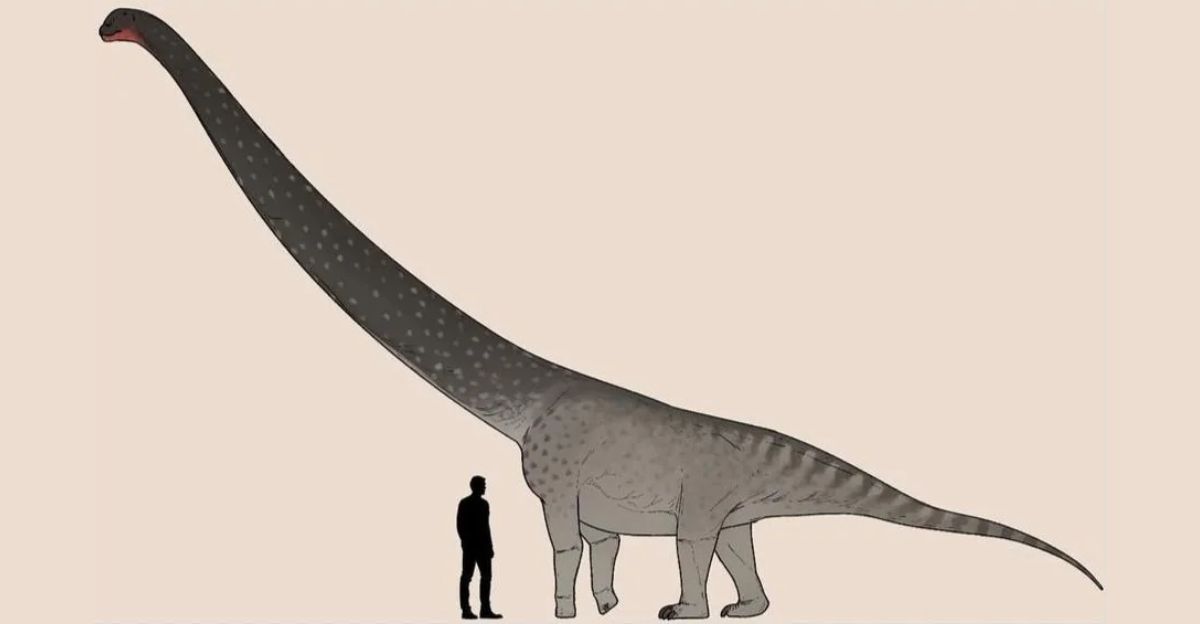
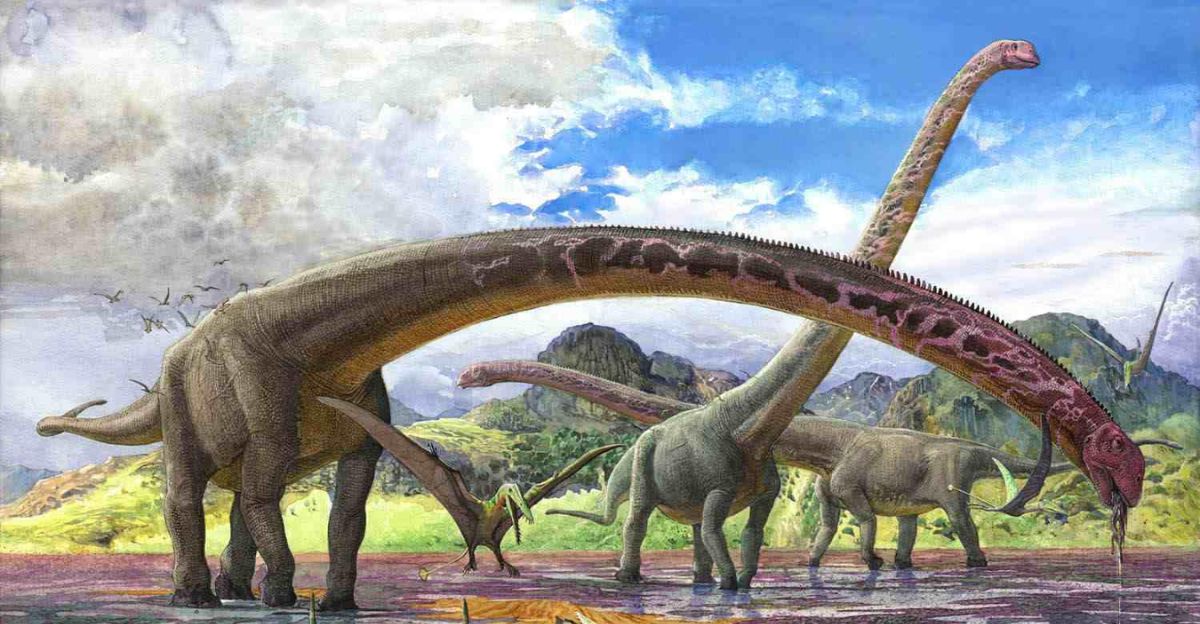
Mamenchisaurus sinocanadorum possessed a neck measuring approximately 49.5 feet, making it the longest dinosaur neck scientists can confidently infer for any known sauropod, according to Moore’s 2023 analysis.
This extraordinary length exceeded a typical school bus by about ten feet and stretched more than six times longer than a giraffe’s neck, which reaches up to 7.9 feet.
The discovery established a new vertebrate anatomy benchmark, demonstrating that mamenchisaurids were “the first lineage of sauropods,” pushing neck elongation limits. Moore noted the potential record stood until something longer emerged.
Chongqing’s Treasure
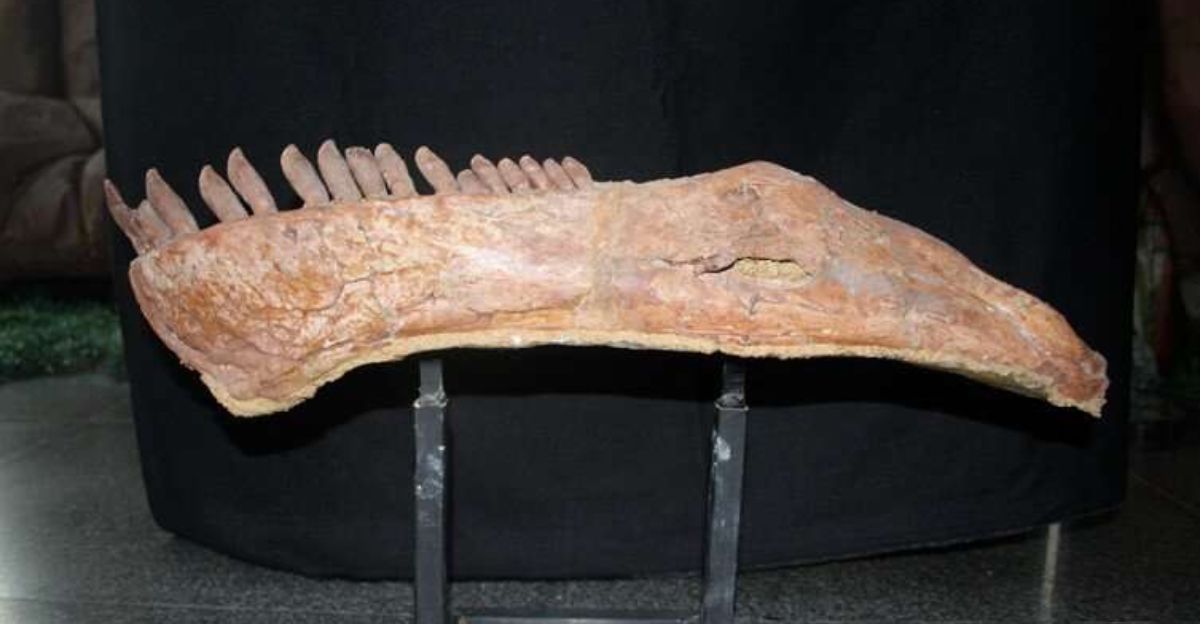
Paleontologists excavated the new species, Mamenchisaurus sanjiangensis, in the Hechuan district of Chongqing, southwest China, a region where the Upper Shaximiao Formation has yielded no fewer than three mamenchisaurid genera.
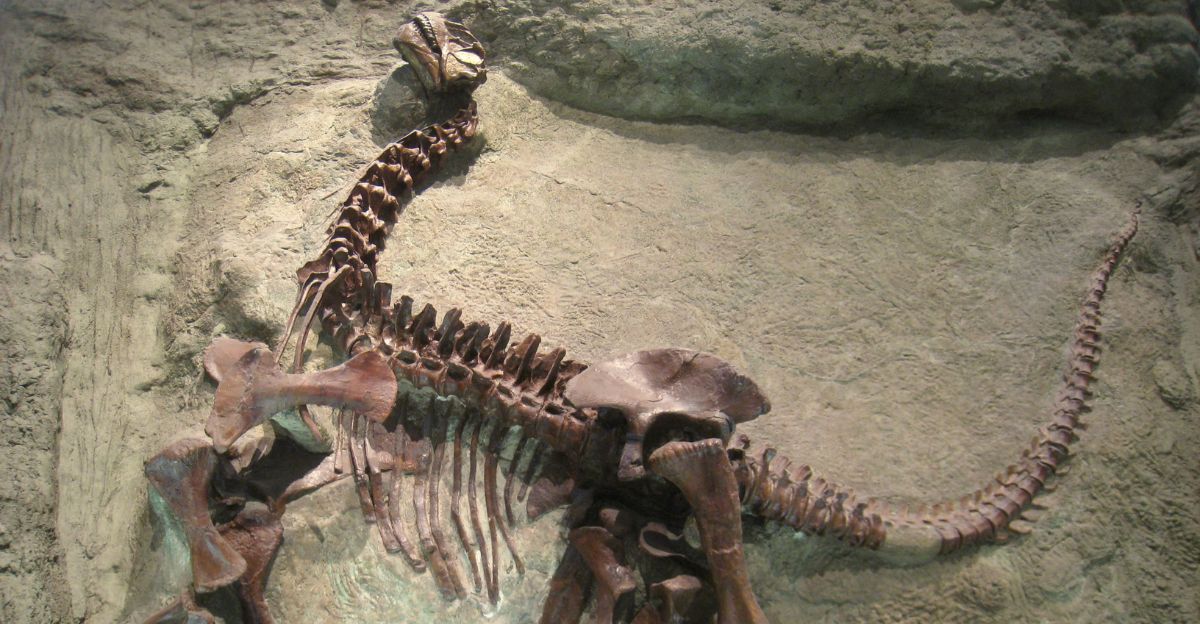
Dr. Hui Dai from the Chongqing Institute of Paleontology and colleagues described the species from articulated posterior cervical, dorsal, sacral, and anterior caudal vertebrae plus appendicular skeletal elements in purplish-red silty mudstones.
The fossil-bearing horizon dates to the early Oxfordian age, approximately 160 million years ago, during the Late Jurassic when mamenchisaurids dominated Chinese sauropod faunas.
Engineering Marvel
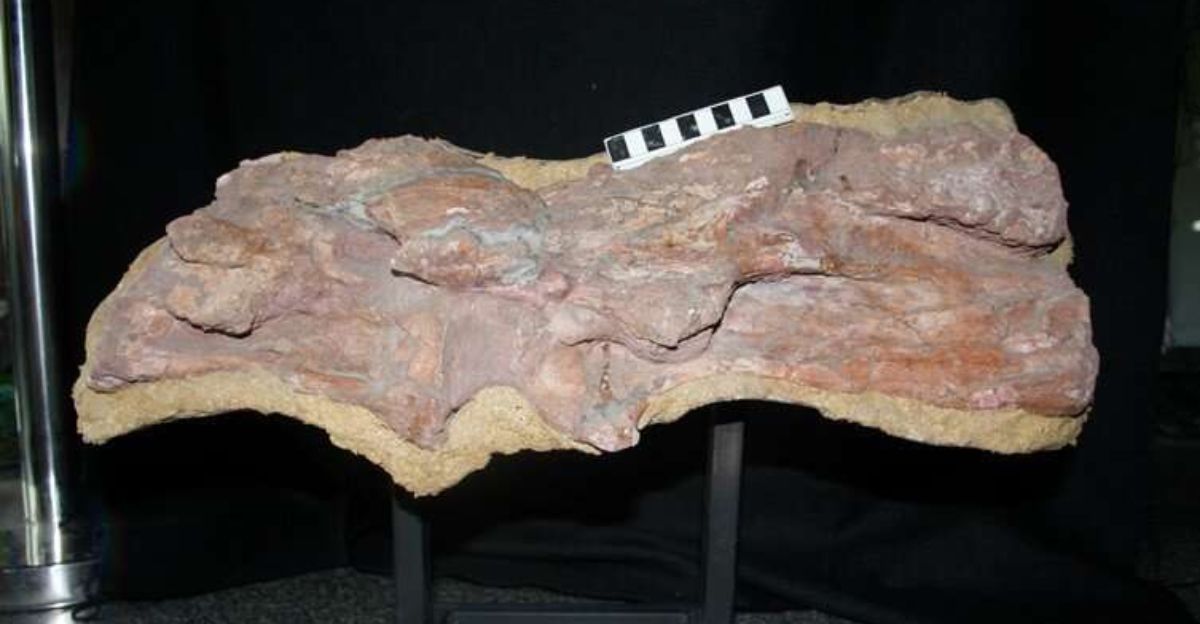
Moore’s team discovered that Mamenchisaurus sinocanadorum’s neck vertebrae were mostly air—about 69 to 77 percent of their volume—comparable to the lightly built skeletons of storks and other birds.
This camellate internal structure, featuring honeycomb-like interconnected chambers, dramatically reduced weight while maintaining structural integrity. However, such featherweight skeletons increased vulnerability to injury.
To compensate, the dinosaur evolved rod-like cervical ribs, approximately 13 feet long, extending from vertebrae that created overlapping bundles along each side of the neck, stiffening it and providing stability for its extreme length. M. sanjiangensis similarly featured camellate air-filled bone structures.
African Connection
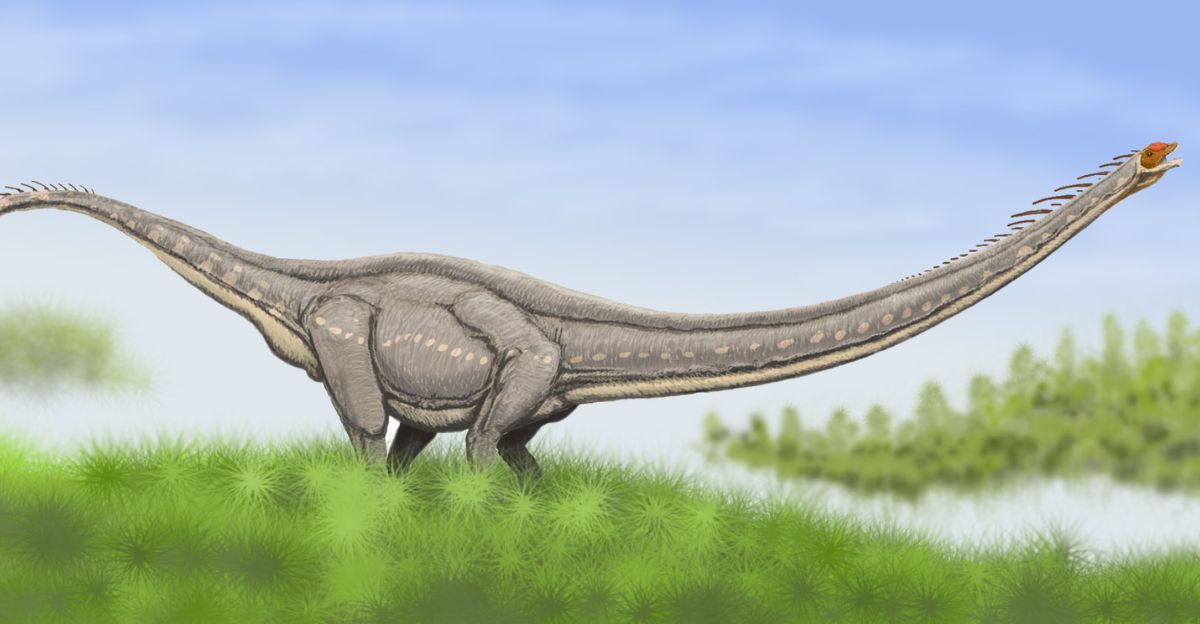
The 2019 discovery of Wamweracaudia keranjei from Tanzania’s Late Jurassic Tendaguru Formation challenged long-held assumptions about the distribution of mamenchisaurids.
Paleontologists Philip Mannion, Paul Upchurch, and colleagues reanalyzed tail vertebrae originally excavated between 1909 and 1912, determining they represented the first definitive mamenchisaurid known outside Asia.
The specimen featured distinctive procoelous caudal vertebrae and transverse processes that curved strongly to the side and forward, characteristics shared with Asian mamenchisaurids. This African mamenchisaurid suggested the family ranged more widely across Late Jurassic continents than the East Asian Isolation Hypothesis could accommodate.
Isolation Crumbles
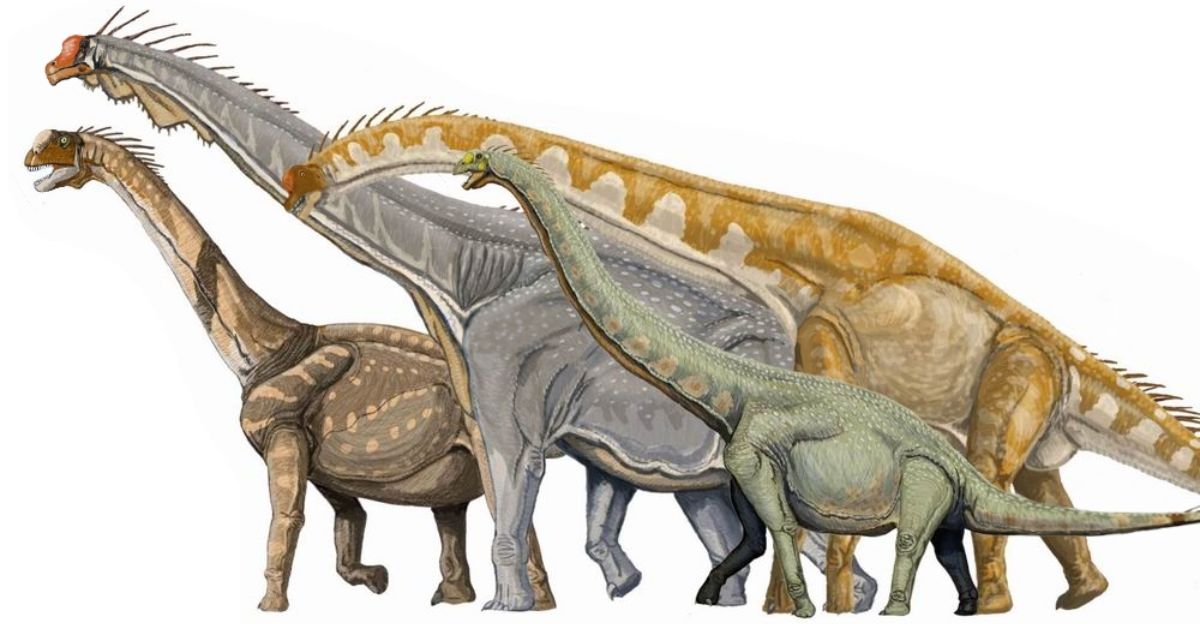
Multiple recent discoveries have systematically undermined the East Asian Isolation Hypothesis. In 2018, Xu Xing and colleagues described Lingwulong shenqi, the earliest diplodocoid and first from East Asia, from Middle Jurassic rocks in Ningxia, demonstrating that neosauropods reached the region “much earlier than expected” while Pangaea remained coherent.
Subsequent research identified Dashanpusaurus dongi from southwest China as the earliest diverging macronarian, another neosauropod lineage, from the early Middle Jurassic. Researchers concluded that sampling biases rather than geographic barriers better explain faunal differences between continents.
Global Reach
Biogeographic implications extend far beyond the realm of sauropods alone. Ancestral range estimations suggest major clades, including Neosauropoda, Macronaria, Diplodocoidea, and Diplodocidae, were widespread across Pangaea—including East Asia—by the early Middle Jurassic, approximately 174 million years ago.
Rather than evolving in isolation, mamenchisaurids potentially “developed a strategy to maintain dominance in East Asia before the recoupling of the East Asian and European sub-plates in the Early Cretaceous,” according to the 2025 Scientific Reports paper.
This competitive persistence, rather than geographic fortune, explains their prominence in Chinese fossil beds and challenges paleobiogeographic distribution models.
Fragmentary Puzzles
Despite their abundance in Chinese formations, many mamenchisaurid species remain known from incomplete specimens, hindering detailed evolutionary analyses.
Mamenchisaurus sanjiangensis derives from a partial skeleton lacking a complete skull and forelimb material, while M. sinocanadorum’s record neck length came from limited cervical and cranial bones. Researchers acknowledged that “the fragmentary condition of many taxa and insufficiency of phylogenetic data for many specimens hindered continental-scale paleobiogeographic relationship studies.”
Phylogenetic analyses position M. sanjiangensis as a divergent mamenchisaurid, sharing close relationships with other Mamenchisaurus species, although the genus may require taxonomic revision.
Competitive Convergence
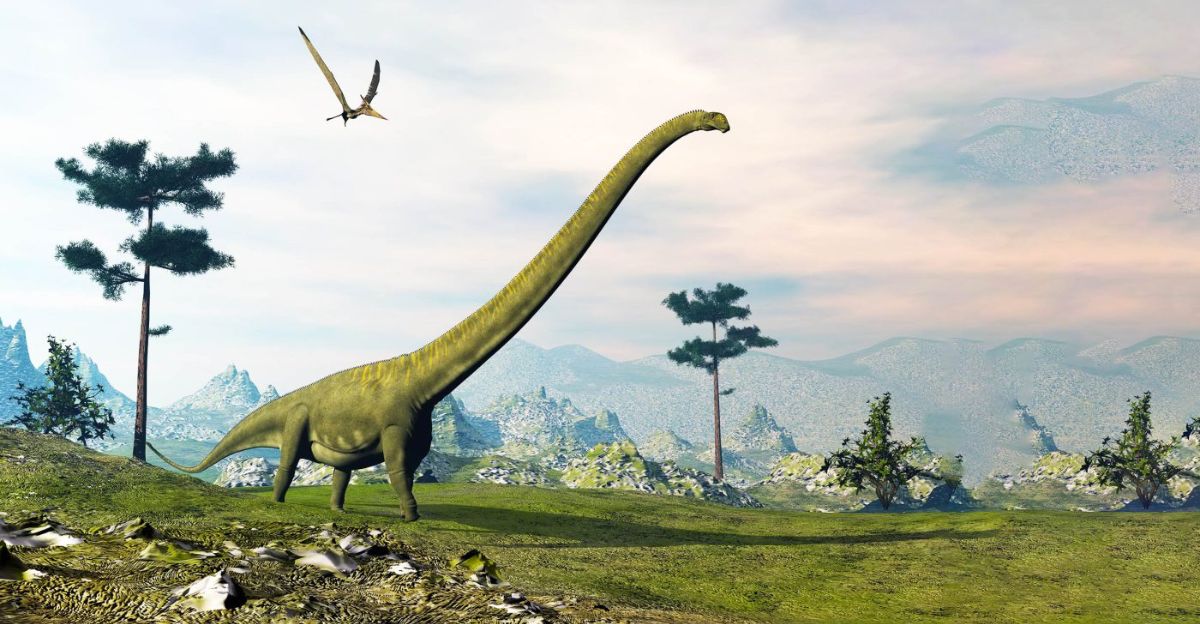
Mamenchisaurus sanjiangensis exhibits an exclusive combination of characters showing “strong convergences with members of the neosauropods,” according to the 2025 study.
This morphological similarity suggests niche overlap that intensified competition between mamenchisaurids and neosauropods sharing the same ecosystems. Rather than peacefully coexisting in separate geographic domains, these lineages may have directly competed for food resources and habitat across overlapping ranges.
The convergent evolution of similar features—such as elongated necks, air-filled vertebrae, and specialized limb proportions—implies that successful sauropod body plans emerged independently in multiple lineages, facing similar ecological pressures.
Dating Debates
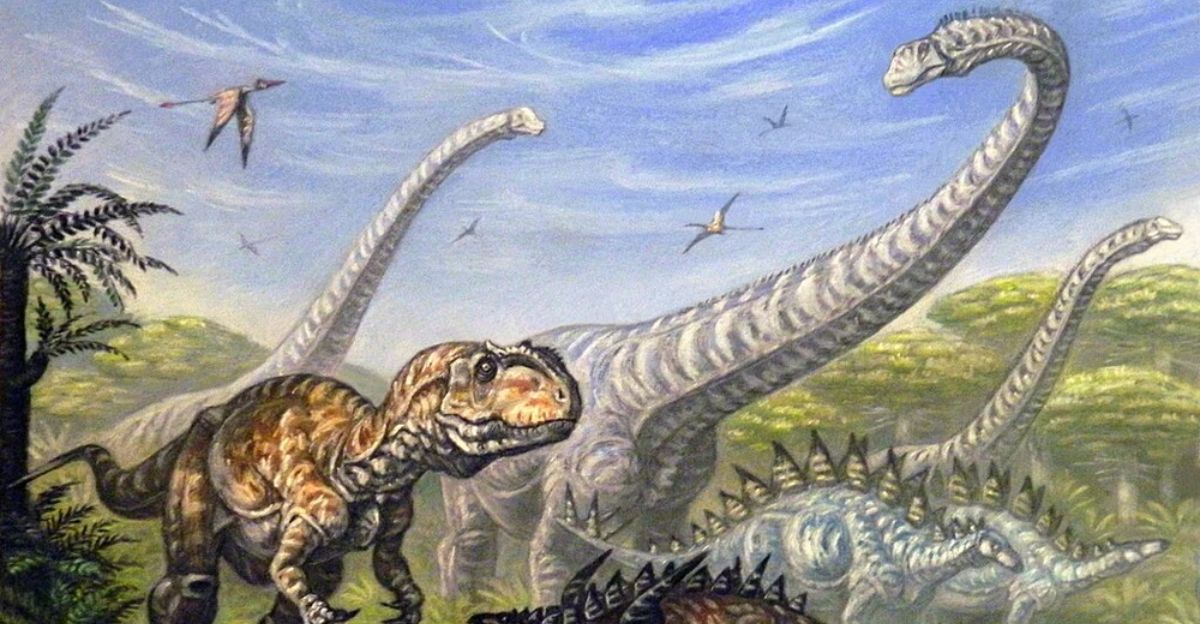
Precise dating of Chinese formations remains contentious, complicating efforts to reconstruct evolutionary timelines. The Upper Shaximiao Formation has traditionally been assigned a general Callovian-Oxfordian age (approximately 166-157 million years ago), but researchers note that “the exact age for this formation remains controversial.”
Refined dating has pushed many mamenchisaurid-dominated faunas back into the Middle Jurassic—before any proposed geographic isolation period would have begun—and placed the putative macronarian Bellusaurus at the Middle to Late Jurassic boundary.
These chronological revisions undermine isolation-based explanations by demonstrating that mamenchisaurids dominated when Pangaea connections remained open.
Sampling Gaps
The sampling-based alternative to the East Asian Isolation Hypothesis proposes that heterogeneous spatial and temporal sampling—rather than genuine absence—explains why neosauropods appear missing from Late Jurassic Chinese deposits.
Sampling quality proves worse in the Late Jurassic than in the Middle Jurassic, and mamenchisaurid-dominated deposits cluster in southwest China rather than in the northwestern regions that yielded Lingwulong.
Researchers acknowledge that “problems remain with this revised EAIH,” although paleogeographic evidence supports limited East Asian isolation during the late Callovian–early Kimmeridgian period. The discovery that both macronarians and diplodocoids were present in East Asia continuously suggests apparent endemism reflects paleontologists’ locations, not dinosaur locations.
Unanswered Questions
How many more mamenchisaurid species await discovery in China’s vast sedimentary basins, and could any surpass the 49.5-foot neck record? Will future excavations in Africa, Central Asia, or even South America reveal that mamenchisaurids roamed even more widely than currently recognized?
As paleontologists reexamine museum specimens and explore undersampled formations, the biogeographic history of Jurassic dinosaurs grows increasingly complex.
The research team emphasized that “a refined understanding of the evolutionary relationships of Middle-Late Jurassic Chinese eusauropods remains pertinent to testing East Asian isolation hypotheses,” noting that complete understanding remains incomplete and mysterious.
Sources:
Scientific Reports, A new mamenchisaurid sauropod dinosaur from the upper jurassic of Southwest China reveals new evolutionary evidence from East Asian eusauropods, 25 Nov 2025
Nature Communications, A new Middle Jurassic diplodocoid suggests an earlier dispersal and diversification of sauropod dinosaurs, 23 Jul 2018
Stony Brook University, New Fossil Analysis Reveals Dinosaur with Record-Holding 15-Meter-Long Neck, 14 Mar 2023
Sci.News, Paleontologists Discover New Species of Mamenchisaurid Dinosaur in China, 2 Dec 2025
Journal of Systematic Palaeontology, Mamenchisaurus sinocanadorum neck length analysis, 14 Mar 2023
PubMed/PMC, A new mamenchisaurid sauropod dinosaur from the upper jurassic of Southwest China, 25 Nov 2025