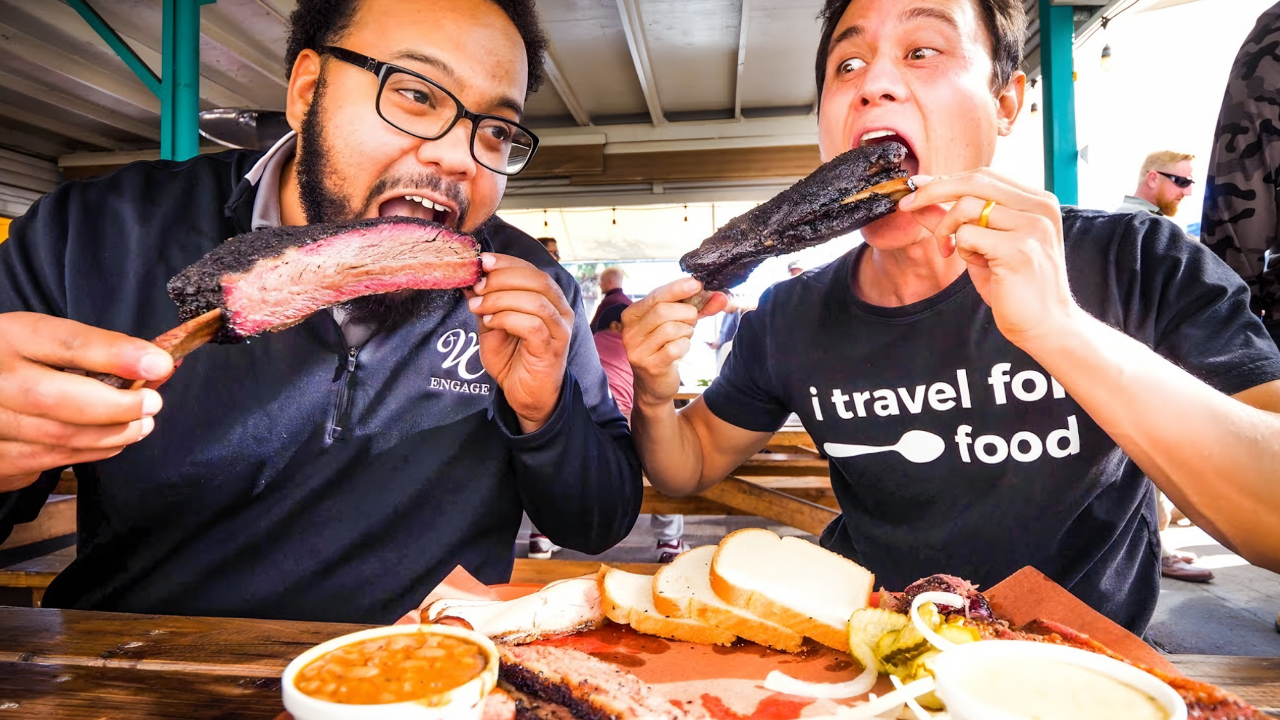
The lights were already off in dozens of former Damon’s Grill locations when the filings became public. By late 2009, a restaurant chain that once operated more than 150 sports bars across the U.S. had shrunk to just 49 locations—and many of those were days from closing. Creditors lined up.
Employees were sent home. Communities woke up to locked doors where game nights had once filled the room. What happened next revealed how fast a familiar American brand can unravel once the math stops working.
Warning Signs Emerge
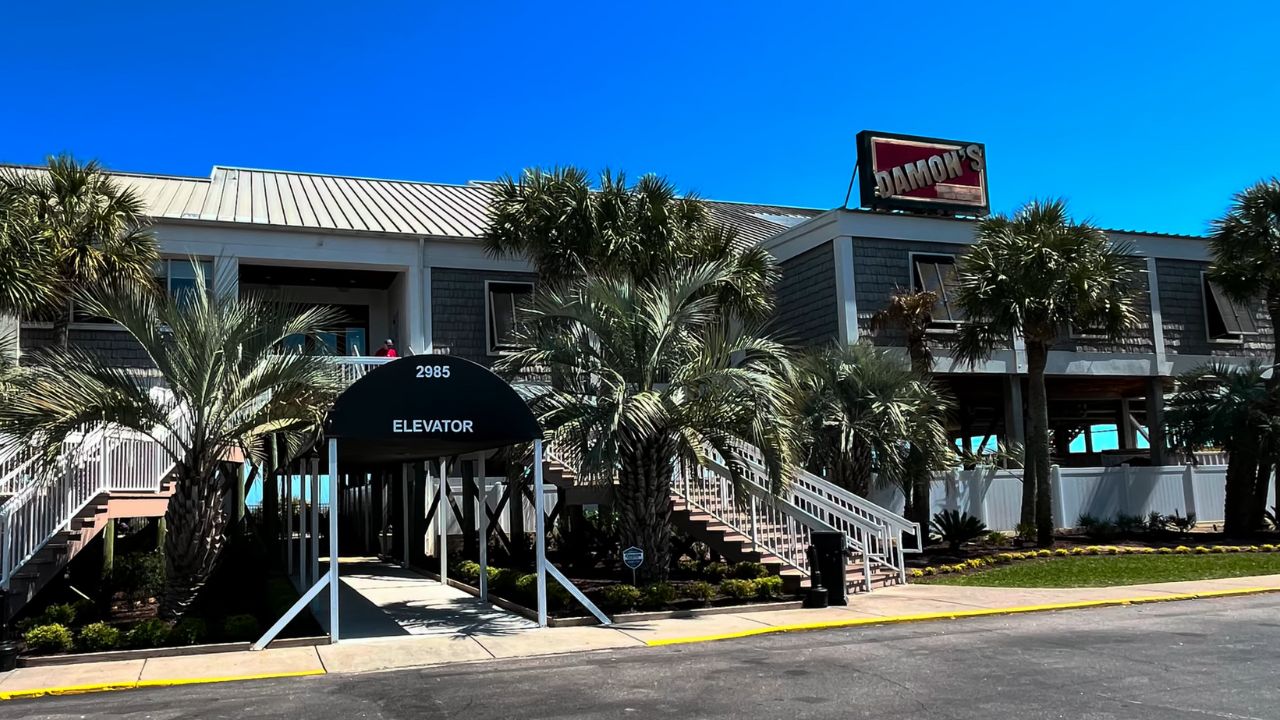
Founded in 1979 in Columbus, Ohio, Damon’s Grill grew from a single location into a national sports bar empire. More than four decades later—around 46 years after that first opening—the brand has effectively vanished from the American dining landscape.
Damon’s growth story reversed well before the 2008 financial crisis. The chain’s troubles began in earnest around 2002, when sales started to slide. By 2006, the brand had declined to approximately 88 locations, well below its peak of more than 150 U.S. restaurants.
Clear Market Positioning
Rising food and labor costs squeezed margins, while younger diners drifted toward fast-casual concepts. A 2001 rebranding misstep—when the company broadened its menu and renamed itself from a ribs specialist to “Damon’s Grill” in an attempt to appeal to wider audiences—had inadvertently diluted its once-clear market positioning.
Traditional sit-down dining began losing cultural relevance. Leadership acknowledged the pressure but struggled to reposition the brand quickly. The decline wasn’t sudden—it was gradual, visible, and compounding. What once felt like temporary headwinds slowly hardened into structural threats the company could no longer ignore.
The Debt Trap Tightens
By 2006, Damon’s was carrying approximately $40 million in debt, an enormous burden for a mid-sized restaurant chain. When Carl Howard stepped in as CEO in April 2006, he inherited a business already losing money with little flexibility to respond.
The debt load restricted investment in renovations, marketing, and menu updates. “There were liquidity issues. We were $40 million in debt and we were losing money. Not a good way to run a business,” Howard later said. Financial leverage magnified every operational weakness, turning routine challenges into existential threats.
Acquisition and Continued Deterioration
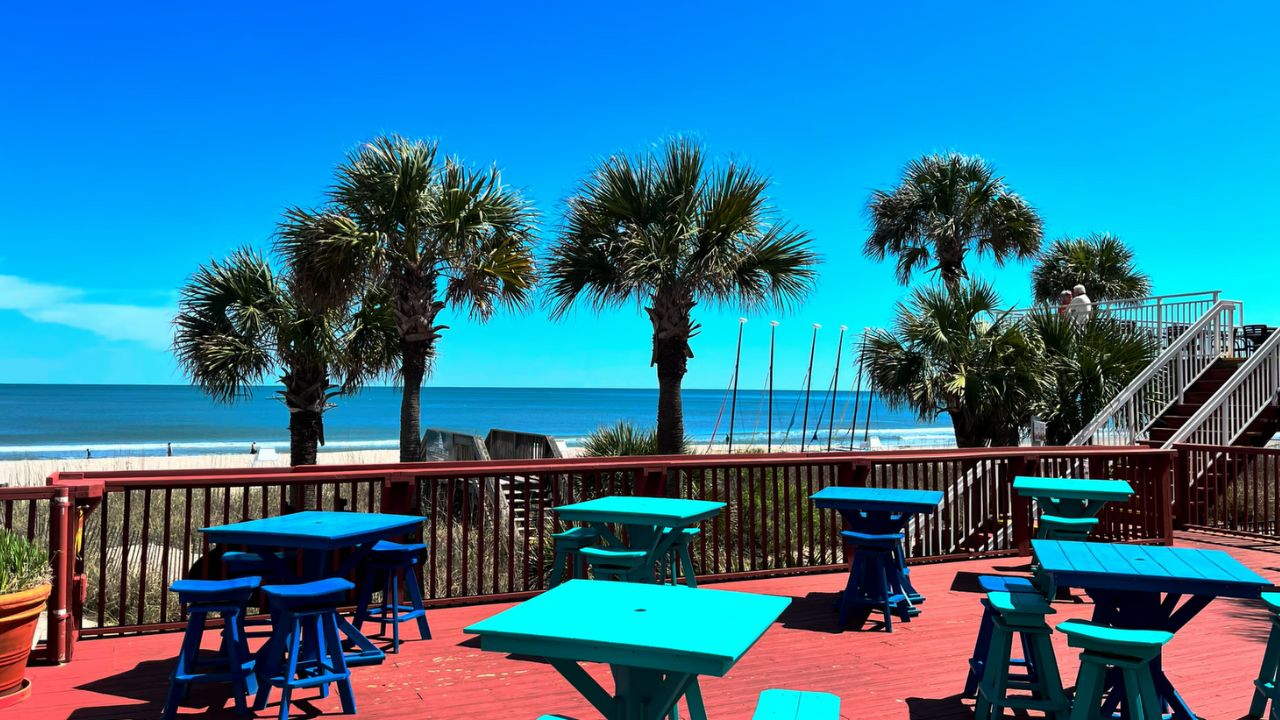
In September 2008, after Alliance Development Holdings had attempted a restructuring plan under Howard’s leadership, Pittsburgh-based developer Gary Reinert Sr.’s company G&R Acquisitions purchased Damon’s, which by then had declined to approximately 65-80 locations.
Reinert had already acquired Max & Erma’s, a casual-dining chain, just months earlier, combining operations and management functions while operating both brands separately. However, this acquisition occurred just as the broader financial system was seizing up.
The Great Recession Hits
In 2008, the economy collapsed. The overall restaurant market contracted sharply in 2009. According to research firm Technomic, full-service restaurant sales fell nearly 3% in 2009, with similar declines projected for 2010.
Industry analysts described the three years spanning 2008–2010 as among the weakest periods in modern foodservice history. NPD Group data confirmed that restaurant visits declined by about 3% in 2009 compared to 2008, and consumer spending at restaurants also fell year over year during the recession.
Damon’s entered the downturn already weakened by years of declining sales, heavy debt, and a muddled brand identity. Unlike stronger competitors with deeper financial reserves, it had no cushion.
Bankruptcy Becomes Inevitable
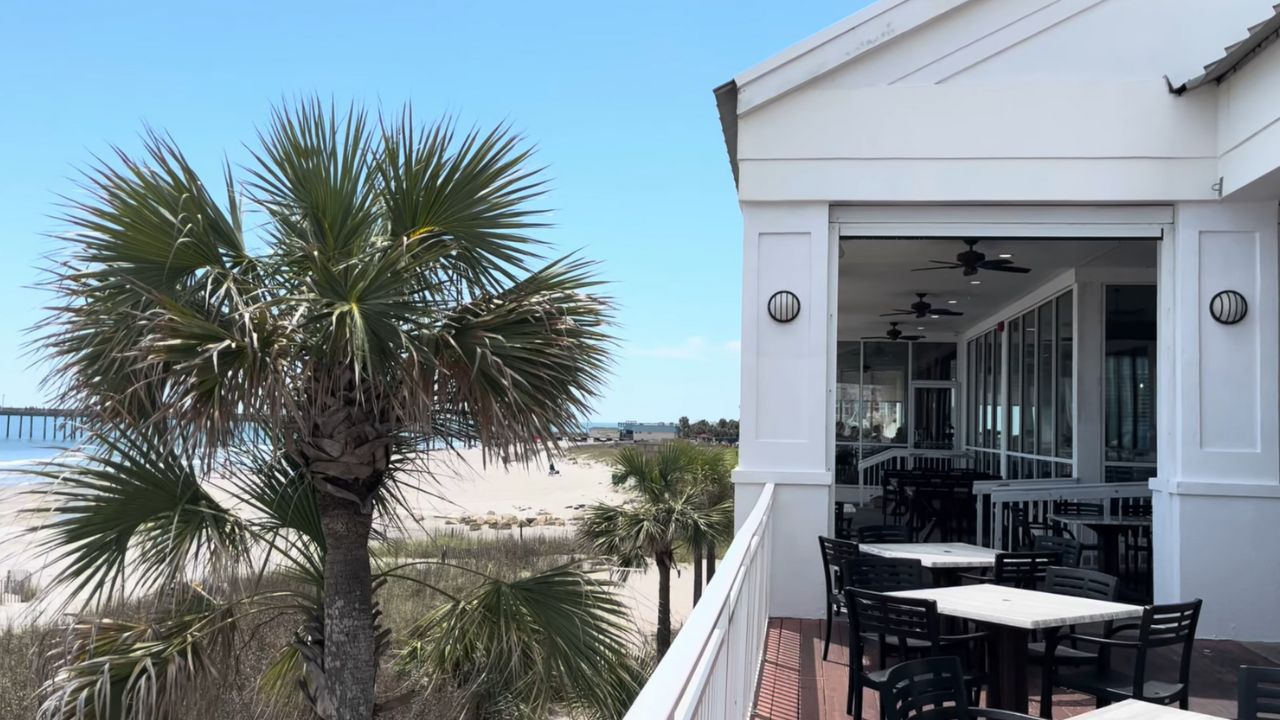
On October 30, 2009, Damon’s Grill filed for Chapter 11 bankruptcy protection. Court filings listed both assets and liabilities between $1 million and $10 million. Creditors included Sysco Baltimore, North Star Foodservice, and Southeast Capital. The filing came days after sister chain Max & Erma’s entered bankruptcy as well.
Both brands were owned by G&R Acquisitions Inc., controlled by developer Gary Reinert Sr. Critically, Damon’s equity had been used as collateral to secure a loan for Max & Erma’s expansion, creating a fragile, interconnected financial structure. When Max & Erma’s defaulted on a $23 million loan in 2008, Damon’s was immediately at risk.
Closures Accelerate
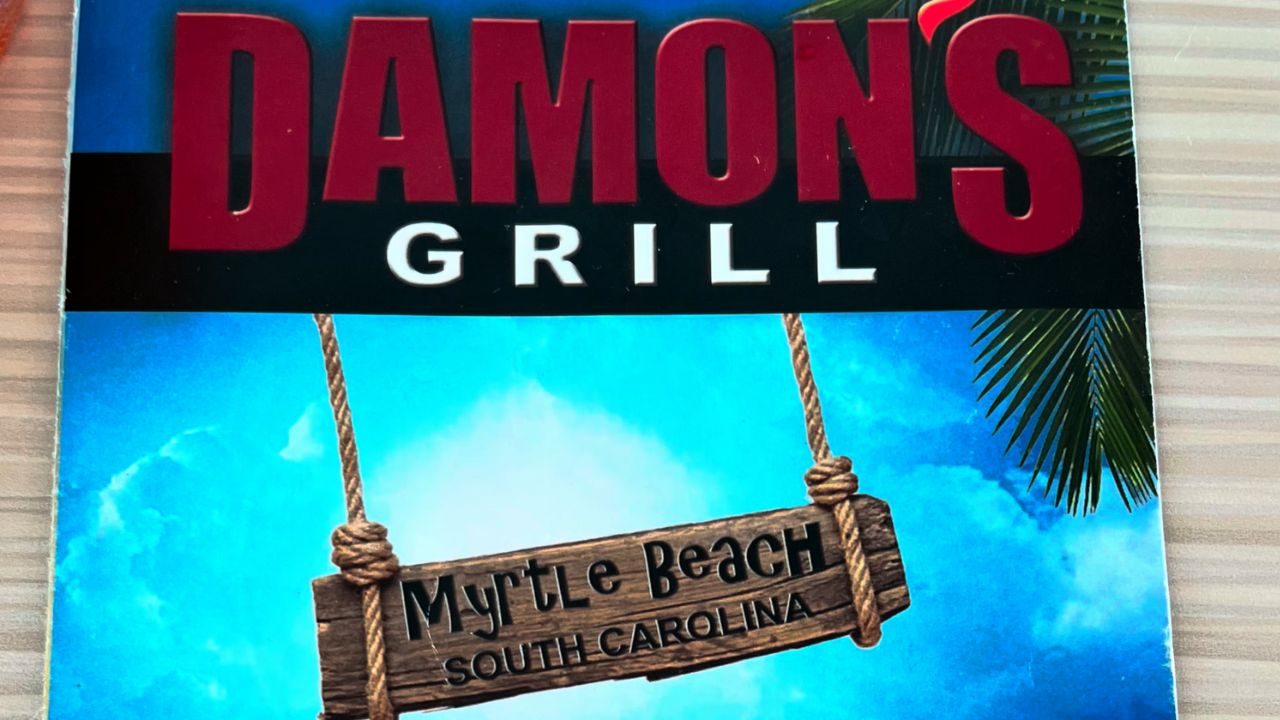
Bankruptcy triggered a rapid wave of shutdowns. The chain shrank from roughly 150 locations at its historical peak through gradual declines and accelerating closures, reaching just 49 by October 2009. Of these remaining 49 units, the bankruptcy filing indicated 36 were franchised and 13 were corporate-operated.
Dozens of Damon’s locations closed within months, especially across the Midwest and South. Communities lost long-standing gathering places at a pace that felt almost instantaneous to regular diners—one week a restaurant would be open, the next the TVs were dark and the doors were locked.
The Human Cost
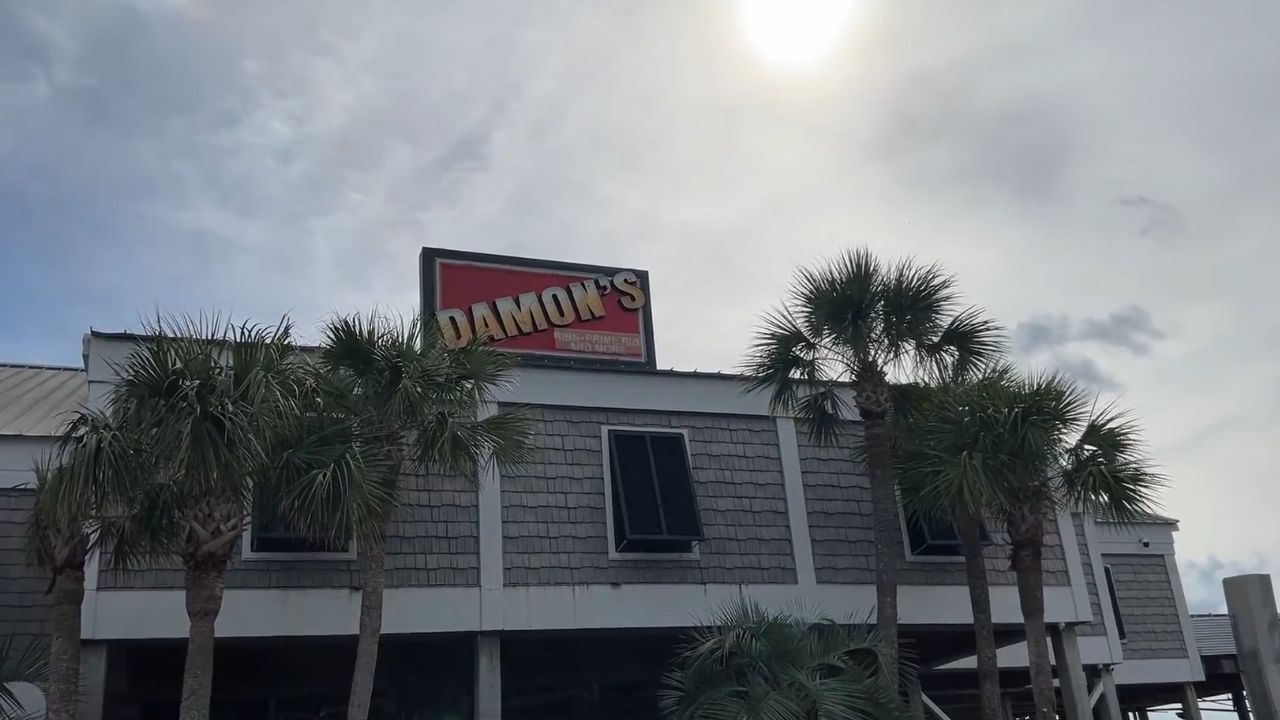
Employees received little warning. These were not strategic closures—they were emergency measures designed to preserve cash and reduce obligations.
Between its peak in the late 1990s/early 2000s and 2010, Damon’s shuttered well over 100 locations—a loss nearly unmatched in speed and scale for the casual dining segment once the 2008 financial crisis accelerated matters.
The shutdown translated into significant job displacement across the chain. Servers, cooks, managers, and support staff were displaced during the worst labor market in decades. Many had spent years—or entire careers—at Damon’s. The economic damage extended far beyond the balance sheet.
Rivals Move In
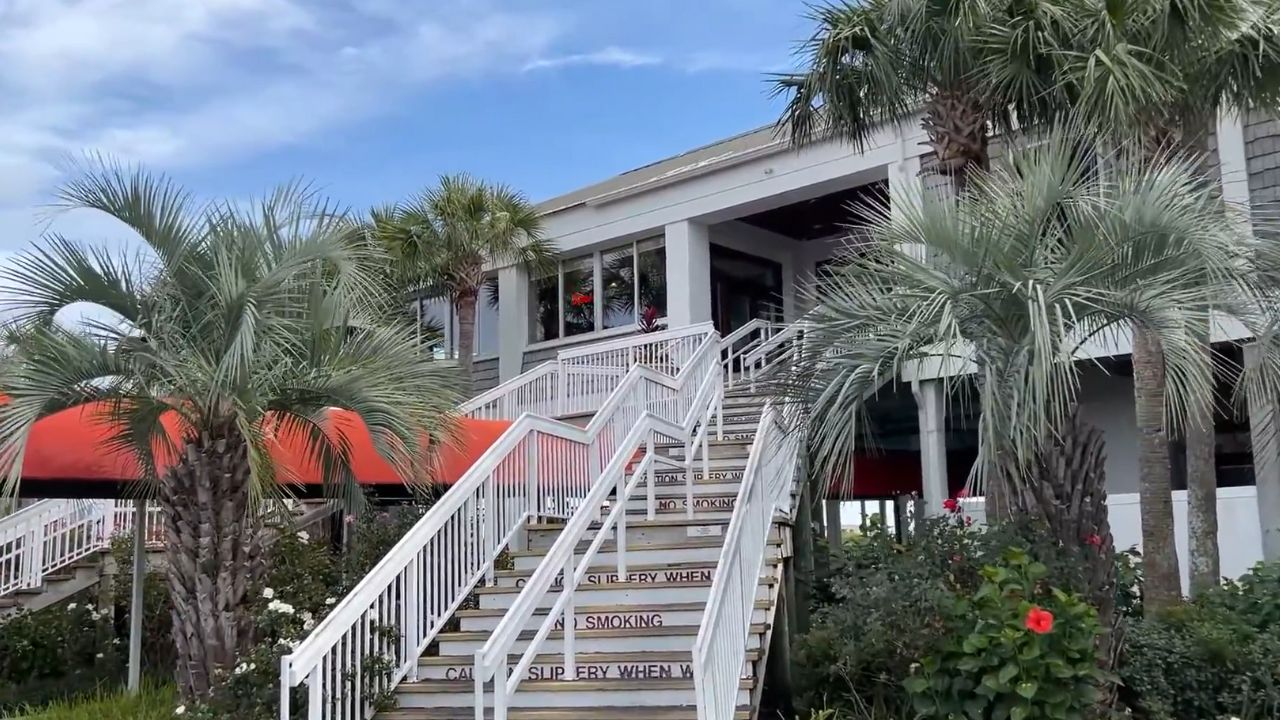
As Damon’s retreated, competitors filled the void. Chains like Chili’s, Applebee’s, and Outback Steakhouse endured the recession with stronger finances and broader appeal. Regional sports bars and local concepts absorbed displaced customers.
Newer chains adapted faster to changing tastes. Damon’s struggled to match rivals on menu innovation, value, and branding. The downturn didn’t just expose weaknesses—it reshuffled the competitive landscape, leaving Damon’s unable to keep pace.
Overleveraging Backfires
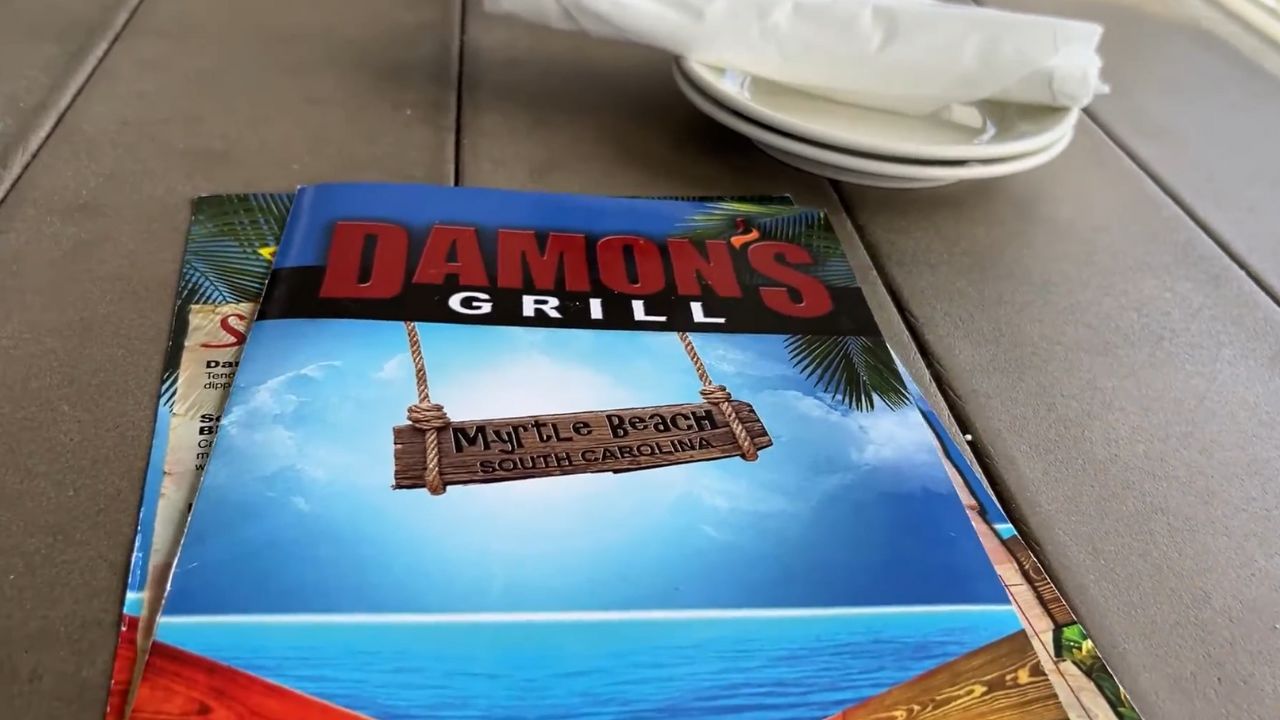
Damon’s collapse became a case study in financial overreach. Its assets were used as collateral for Max & Erma’s loans, creating a fragile, interconnected structure. When Max & Erma’s defaulted on loans in 2008, Damon’s was pulled down with it.
Analysts later described the setup as a financial domino chain. What looked efficient during growth became catastrophic during decline. Leverage didn’t just amplify losses—it synchronized failure across brands.
A Ghost Brand Remains
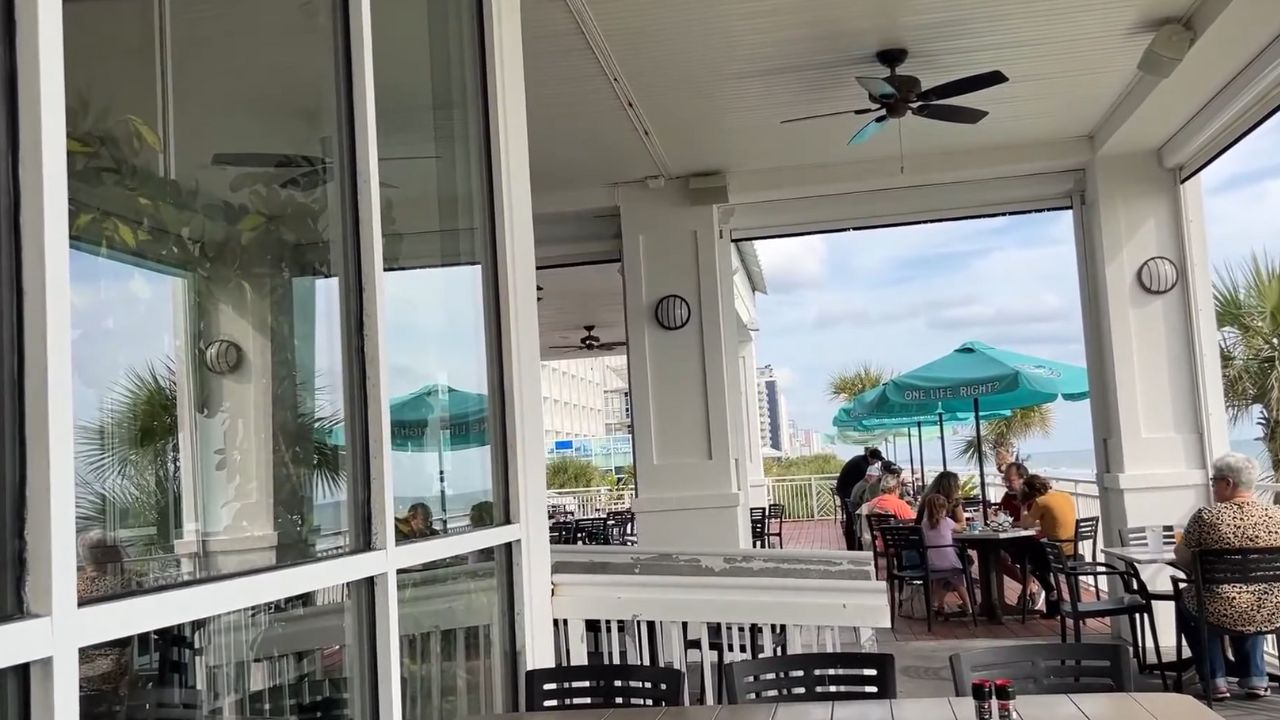
By 2010, Damon’s had effectively ceased to exist as a centralized company. Corporate offices vanished. National marketing stopped. Supply-chain coordination dissolved.
Only a handful of independently operated franchise locations remained, operating without corporate support or shared strategy. These locations carried the name but not the infrastructure. Without leadership, investment, or growth plans, Damon’s couldn’t rebuild.
The brand lingered in name only—a ghost of its former national presence. In the years since, only a few Damon’s Grill locations have survived under franchise agreements, representing isolated outposts of a once-national chain.
Leadership Gaps
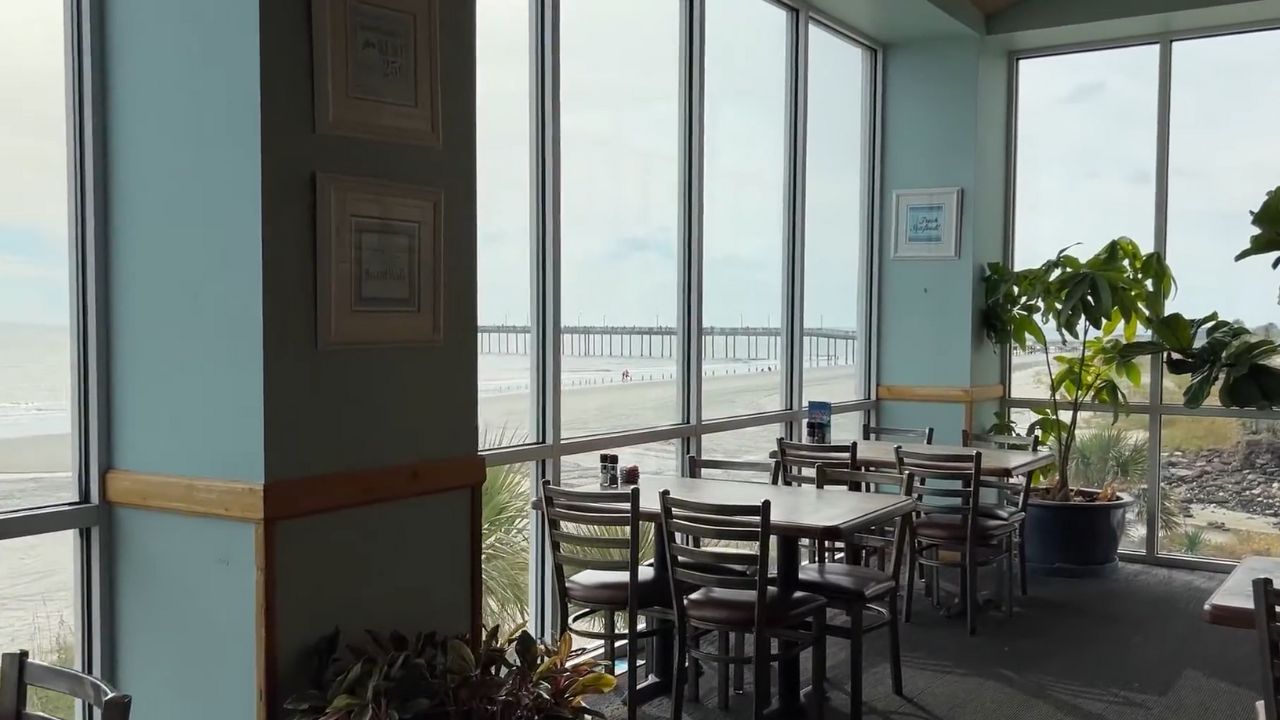
CEO Carl Howard’s tenure lasted roughly 17 months, from April 2006 through early 2007, as financial pressure mounted.
He had taken over the helm with an ambitious turnaround plan—retiring debt, revamping the menu, and modernizing facilities—but the onset of the Great Recession soon after derailed these efforts before they could gain meaningful traction.
Subsequent executives focused on managing decline rather than reinventing the brand. By the time bankruptcy arrived, Damon’s lacked both vision and execution capacity to navigate the crisis.
Ownership Entanglements

G&R Acquisitions Inc., controlled by Gary Reinert Sr., owned both Damon’s and Max & Erma’s. Reinert’s strategy—using one chain’s assets to collateralize the other’s expansion—created systemic risk.
Once credit markets froze in 2008, neither brand could refinance or stand alone. The ownership structure locked both into the same downward spiral, accelerating mutual collapse.
Inside Bankruptcy Court
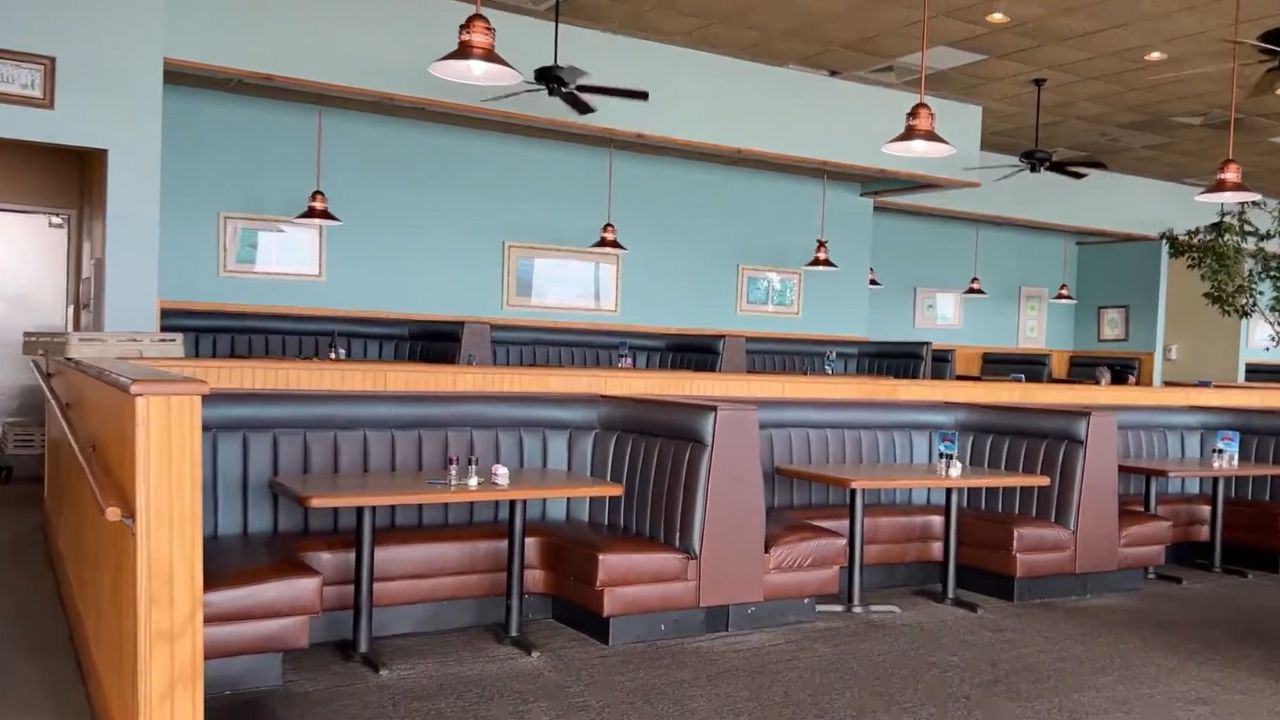
Court documents revealed the speed of Damon’s collapse. The chain shrank from approximately 88 locations in 2006 to approximately 49 by October 2009—a devastating contraction in a short timeframe.
Creditors ranged from food distributors to landlords. National City Bank, later acquired by PNC, held major claims. While Chapter 11 allowed Damon’s to exit leases and restructure, it couldn’t reverse years of erosion. Survival came at the cost of scale.
The ‘Rib King’ Identity Lost
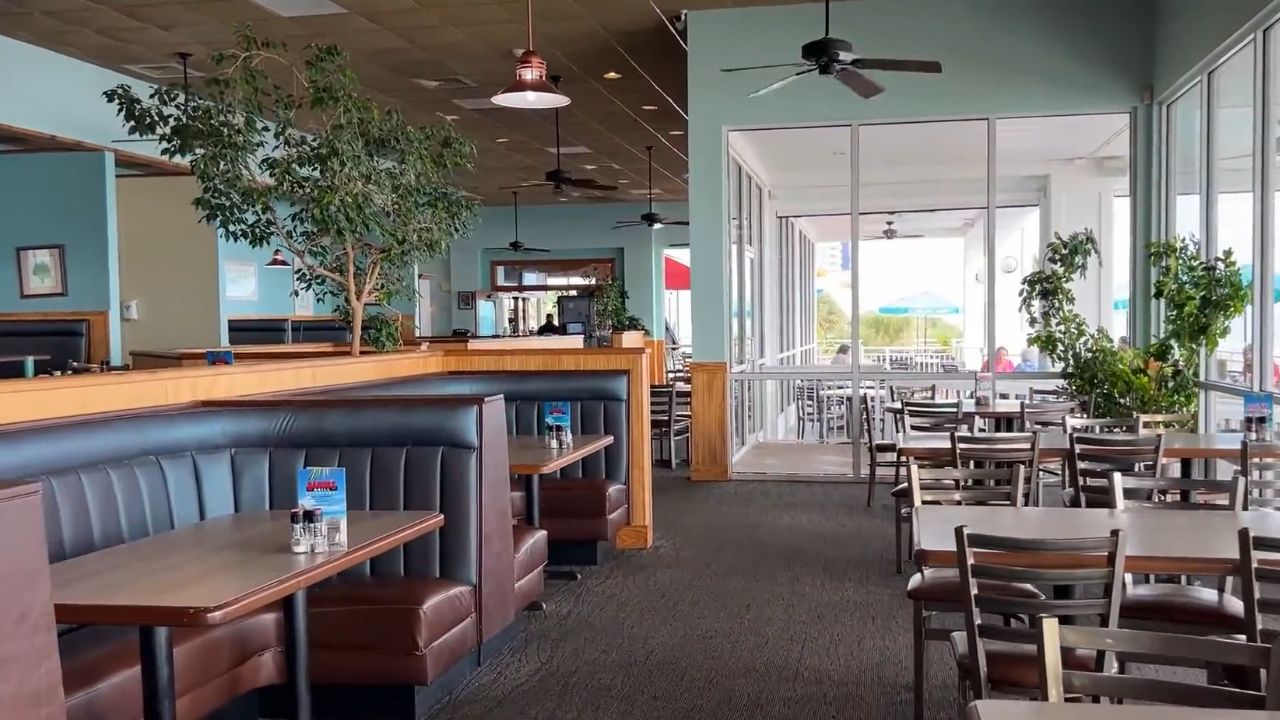
For decades, Damon’s marketed itself as “The Place for Ribs,” earning its reputation as a rib-centric sports bar where signature rib platters were the draw. In many regional markets, the chain became known as a local “rib king”—the default destination for game nights and rib specials.
That identity, once a competitive advantage, became harder to sustain as consumer preferences shifted toward fast-casual concepts and at-home dining options. By the early 2000s, ribs had become widely available across casual dining, eroding Damon’s distinctive positioning.
No Recovery
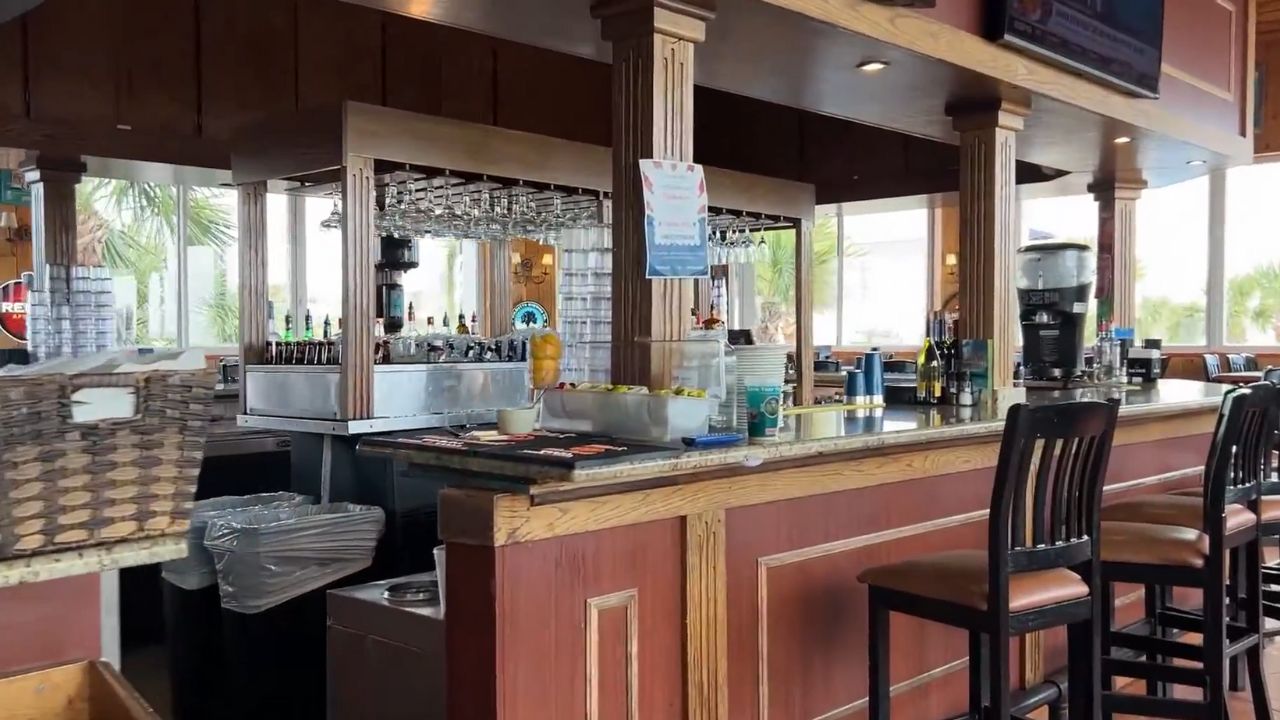
Post-bankruptcy, Damon’s never regained traction. The remaining franchises survived through local loyalty, not corporate strategy. No new locations opened. No national advertising returned. By the mid‑2020s, Damon’s had vanished as a meaningful player in American dining.
The brand existed only in memory and a handful of isolated operations. Without reinvestment or innovation, the decline became permanent. What remained was not a comeback—but a quiet, irreversible fade.
Why It Failed
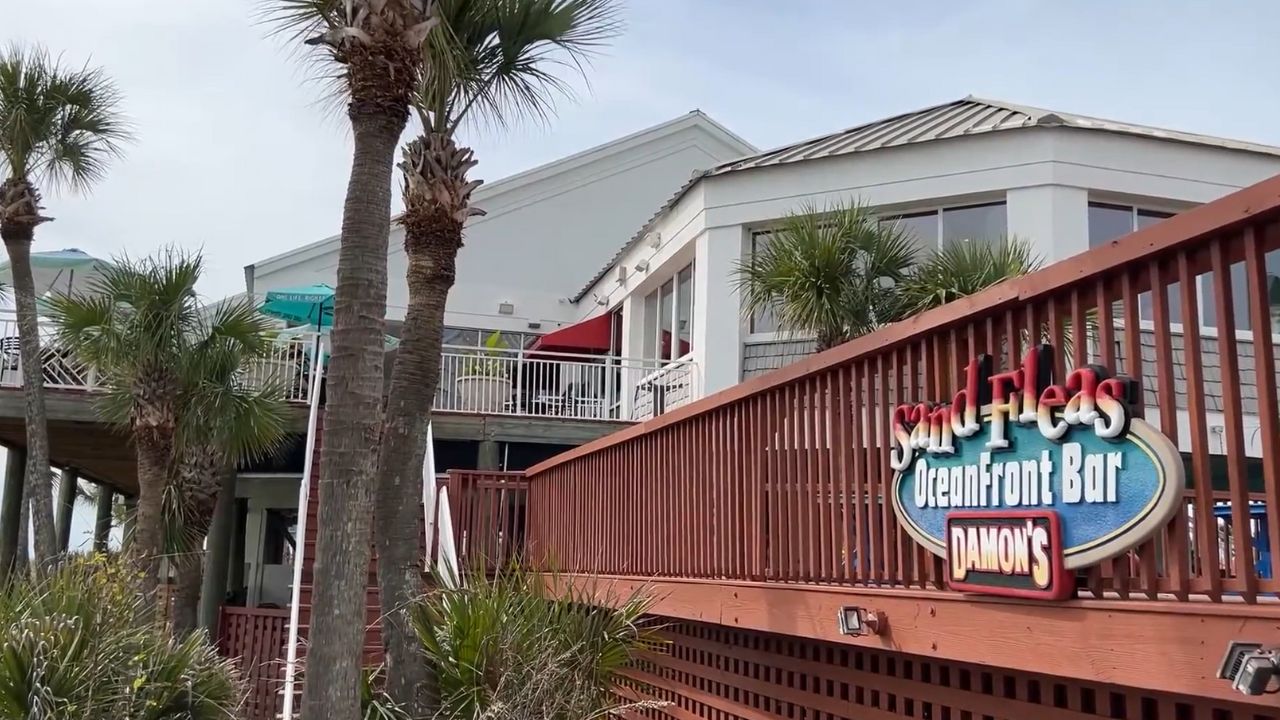
Damon’s collapse stemmed from overlapping failures: excessive debt accumulated in the early 2000s, a strategic positioning misstep in 2001, slow adaptation to consumer shifts, leadership instability after 2006, and catastrophic timing when the 2008 financial crisis hit an already-weakened company.
The recession exposed vulnerabilities that had been building for years. The chain lacked the flexibility, innovation, and financial resilience needed to adapt.
Its entanglement with Max & Erma’s through overleveraged ownership structures compounded risk. Most critically, Damon’s never successfully reinvented itself as dining habits changed. Once momentum was lost, recovery proved impossible.
Industry Signals
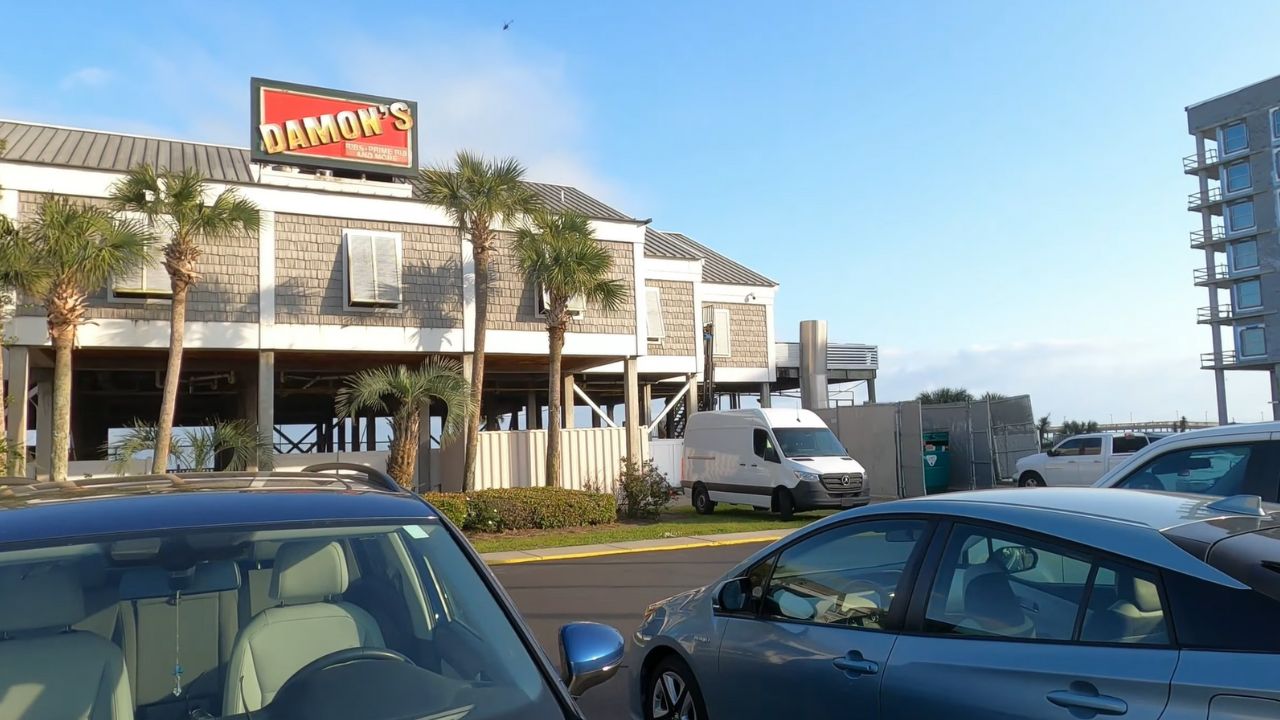
Damon’s downfall mirrored broader changes in casual dining. Chains dependent on leverage struggled while leaner models survived. Fast-casual and quick-service formats gained ground. Streaming reduced the appeal of sports-centric dining spaces.
The recession accelerated trends already underway. Damon’s didn’t just fail—it marked a turning point for an entire segment of the restaurant industry adjusting to new consumer realities.
Creditors Left Behind
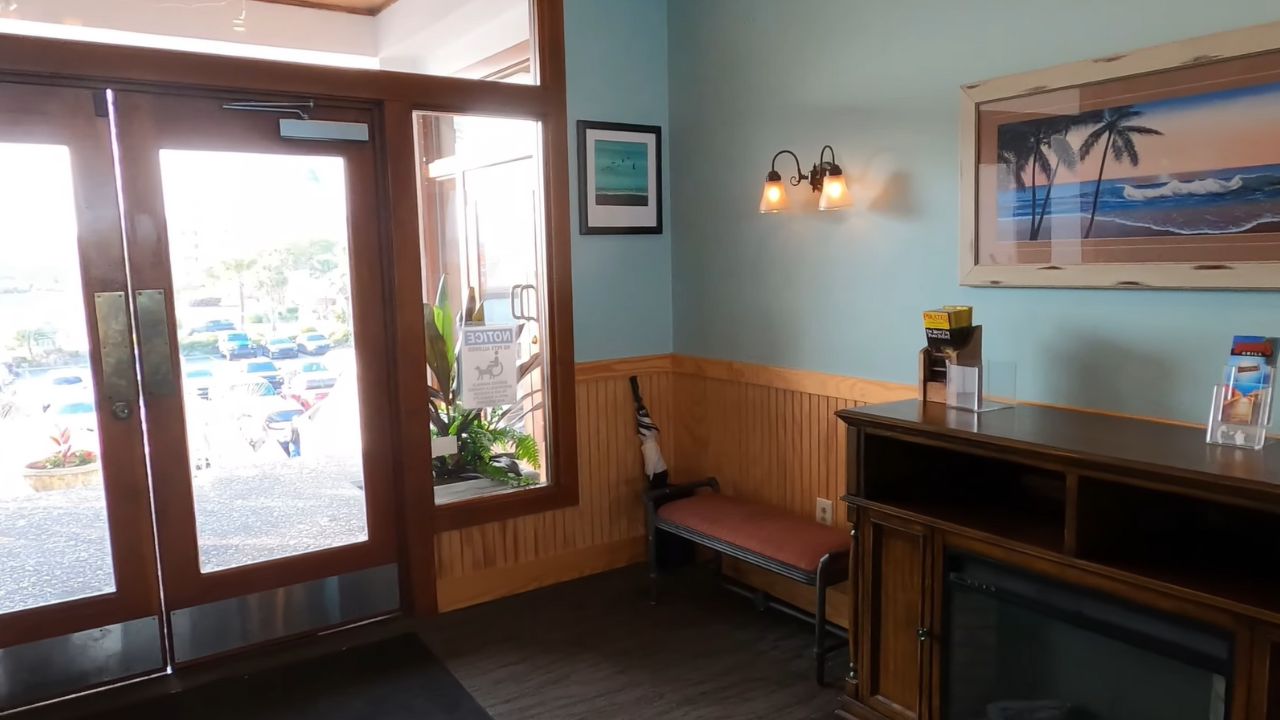
Damon’s bankruptcy left suppliers and landlords with major losses. Vendors like Sysco Baltimore and North Star Foodservice absorbed substantial unpaid bills. Vacant restaurant properties disrupted local real-estate markets.
Smaller suppliers dependent on Damon’s business faced secondary stress. These ripple effects rarely make headlines but represent real economic damage extending far beyond the chain itself.
Source:
“Damon’s Grill Files for Ch. 11 Bankruptcy.” Nation’s Restaurant News, Oct 30, 2009.
“46-Year-Old Casual Restaurant Chain Closed Over 140 Locations.” The Street, Dec 14, 2025.
“G&R Acquisitions Buys Damon’s Restaurant Chain.” Pittsburgh Tribune-Review, Sept 26, 2008.
“Damon’s: Back from the Brink.” Restaurant Hospitality, July 30, 2024.