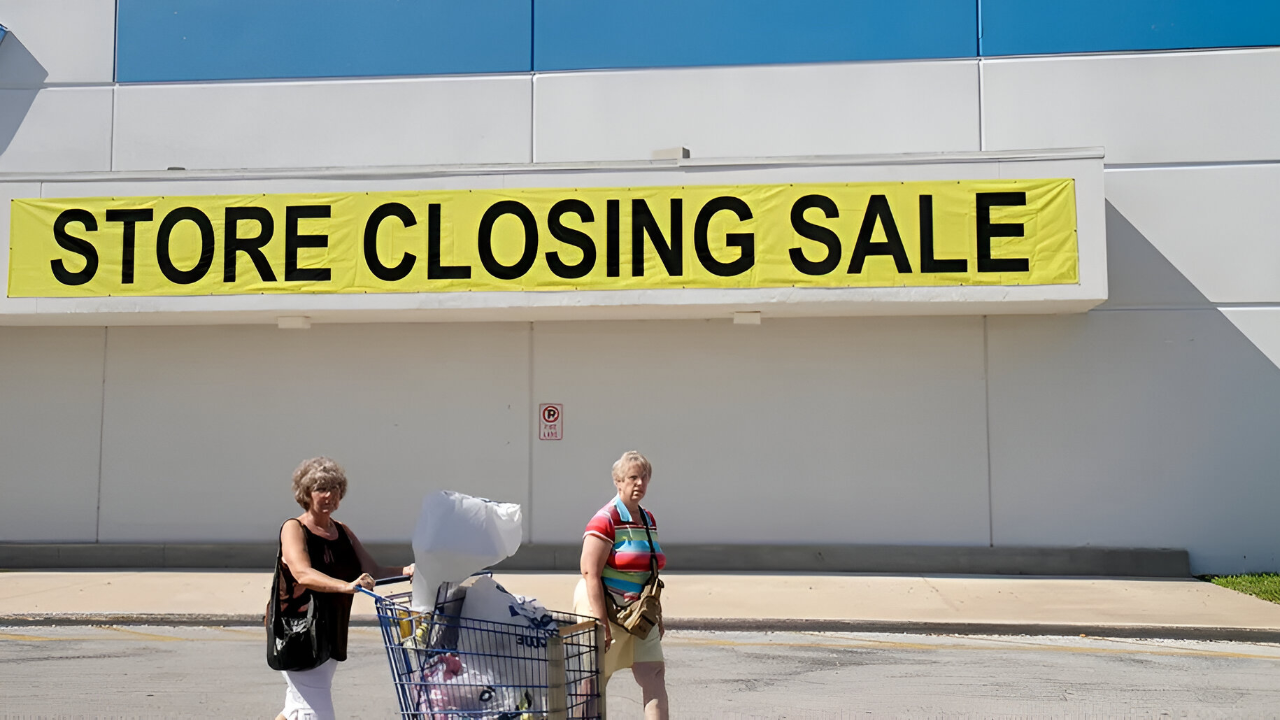
She opened the email on an ordinary Tuesday in 2025 and learned the salon she had worked in for seven years would close in 30 days. Her Supercuts, one of hundreds spread across American strip malls and shopping centers, was gone with a single digital notice. No severance was mentioned. By the end of Regis Corporation’s fiscal year, 443 franchised Supercuts locations had been shut down, and an estimated 2,200 to just over 3,100 jobs had disappeared.
From a single California storefront founded in 1975, Supercuts had grown by promising affordable, walk-in haircuts for everyone. At its peak in 2025, the chain operated about 2,070 franchises across the United States. That same year, its parent company, Regis Corporation, accelerated a restructuring that hit owners and workers far harder than the corporate balance sheet. The brand that once stood for accessible grooming has become a case study in how consolidation and cost-cutting can reshape everyday service work.
Corporate Gains, Local Losses

On Regis Corporation’s first-quarter 2025 earnings call in September, Chief Financial Officer Kersten Zupfer disclosed that 443 franchised Supercuts had closed within the fiscal year. The closures came despite Supercuts generating $59 million in revenue that quarter, a 28 percent increase compared with the prior year.
Executives highlighted a large performance gap between shuttered and surviving salons. On average, more than $350,000 in annual revenue separated closing locations from top performers. From the corporate perspective, trimming underperformers helped lift overall metrics. For franchise owners and their staff, the same strategy meant losing businesses, incomes, and careers they had often spent years building.
The closures also fit a pattern. Since 2020, Supercuts had been contracting every year: 102 locations closed in 2020, 273 in 2021, 156 in 2022, 196 in 2023, and then 443 in 2025, its heaviest single-year reduction. Franchised salons dropped from 2,264 in fiscal 2023 to fewer than 1,800 by mid‑2025. Throughout, Regis repeatedly signaled that each wave marked the peak of closures. After five consecutive years of retrenchment, those assurances carried little weight for those on the ground.
Inside the Franchise Squeeze
Becoming a Supercuts owner requires a substantial upfront commitment. Prospective franchisees face a total initial investment commonly ranging from about $185,000 to $318,000, including a $39,500 franchise fee. Once open, owners pay ongoing royalties of around six percent of gross sales and advertising fees of about five percent, while also covering rent, payroll, and other operating costs.
After meeting those obligations, typical net annual profit has been estimated between roughly $39,700 and $51,100 per location. That leaves little cushion: modest declines in customer traffic or higher expenses can quickly turn a salon unviable. Franchisees are also tied to multi-year agreements that are difficult and costly to exit. One large operator who ran 60 locations summarized the imbalance this way: it can be harder to leave a franchise contract than to end a marriage.
Workers in these salons navigate similarly tight margins. Budget haircut chains devote about 60 percent of their costs to wages and related expenses. A typical Supercuts employs five to seven people—stylists, receptionists, and managers—who often earn between $10 and $22 an hour, plus tips. When 443 locations closed in rapid succession, an estimated 2,215 to 3,101 employees lost jobs, in many cases with only brief notice and no severance.
Some stylists and managers had spent decades cultivating regular clientele. They described discovering their salons were closing via abrupt emails, scrambling to recover missing paychecks, and, in some cases, turning to legal action against corporate entities or franchise owners. For older workers and those tied to specific communities, replacing that income proved especially difficult.
Part of a Wider Retail and Beauty Contraction

The Supercuts retrenchment is one chapter in a much broader 2025 downturn for storefront employers. In the first five months of the year, U.S. retail eliminated around 76,000 positions, a rise of 274 percent compared with the same period in 2024. Research group Coresight projected that 15,000 stores across all sectors could close by year’s end, more than double the 7,325 closures tallied in 2024.
Other household names were simultaneously shrinking. Party City liquidated about 700 locations and roughly 16,000 jobs. Joann Fabrics closed around 800 stores and cut 19,000 positions. Walgreens announced plans to shut 450 pharmacies. Against that backdrop, the Supercuts contraction ranked as a mid‑sized event in an employment downturn spread across malls and main streets.
The hair and beauty field, where Supercuts operates, has faced its own structural strain. In the United Kingdom, the National Hair & Beauty Federation reported 16,500 job losses between 2023 and 2024, with 21 percent of salons operating at a loss. Members cited rising minimum wages, higher employer insurance and pension contributions, inflation, and weaker discretionary spending as forces eroding viability. Only a small minority of salon businesses said they planned to hire new staff or take on apprentices. Large beauty manufacturers, including global brands such as Estée Lauder and Unilever, have also announced hundreds of job cuts tied to restructuring, showing that pressure extends beyond small service providers.
Consumers’ changing behavior has magnified these pressures. In early 2025, U.S. gross domestic product contracted by 0.2 percent, while tariffs added to business costs. Many households responded by trimming nonessential purchases, including hair and spa services, as layoff fears spread. Industry data reflects this strain, with trade groups reporting significant portions of salons operating at a loss as clients sought to stretch the time between visits.
An “Asset-Light” Future and Unanswered Questions

Regis has characterized its recent moves as part of a transition to an “asset-light franchising model,” designed to concentrate on strong locations while cutting exposure to weaker ones. Yet in December 2024, the company acquired more than 300 Align-branded salons as company-owned units even as it was closing hundreds of franchised Supercuts. The Align deal and growth at high-performing outlets helped lift corporate revenue even as individual owners and employees bore the brunt of closures.
The underlying structure of franchising plays a central role in this divergence. Franchisors earn fees across the network and benefit disproportionately from top performers, while franchisees shoulder the full risk of local downturns, rent increases, or misaligned corporate strategies. When headquarters chooses to close marginal units, it can improve aggregate results without compensating owners or staff for sunk investments, long-term leases, or lost careers.
For displaced Supercuts workers, the next steps are uncertain. Many have skills tailored to the beauty field, limited savings, and state licenses that are not always portable across borders. Local salon markets in some areas are already saturated or declining, and moving to find work is not feasible for everyone. Some former employees describe struggling to meet basic expenses, while others speak of emotional strain from unstable schedules and abrupt loss of long-term client relationships.
Looking ahead, analysts at UBS have estimated that total U.S. retail closures could reach 45,000 by 2029 as e‑commerce, automation, and new shopping habits reshape where people spend. Supercuts’ rapid pullback fits that longer arc: companies concentrate on their most profitable units and brands, while marginal locations shut down. For current and prospective franchise owners across sectors, the episode serves as a warning that established names and corporate systems do not guarantee security during downturns. As the beauty and retail landscapes continue to shift, the central question facing thousands of owners and workers remains unresolved: how many more locations must close before promises of stabilization match reality, and what protections—if any—will exist for those left behind when strategic plans meet local communities?
Sources:
Regis Corporation Q1 2025 Earnings Call Transcript, September 3, 2025
TheStreet.com: “Popular Mall, Strip Mall Chain Quietly Closed 443 Locations in 2025,” November 30, 2025
Coresight Research: U.S. Retail Store Closures Forecast 2025
U.S. Bureau of Labor Statistics: Retail Employment and Job Losses Report, 2025
National Hair & Beauty Federation: Salon Employment and Industry Analysis Report, 2024-2025