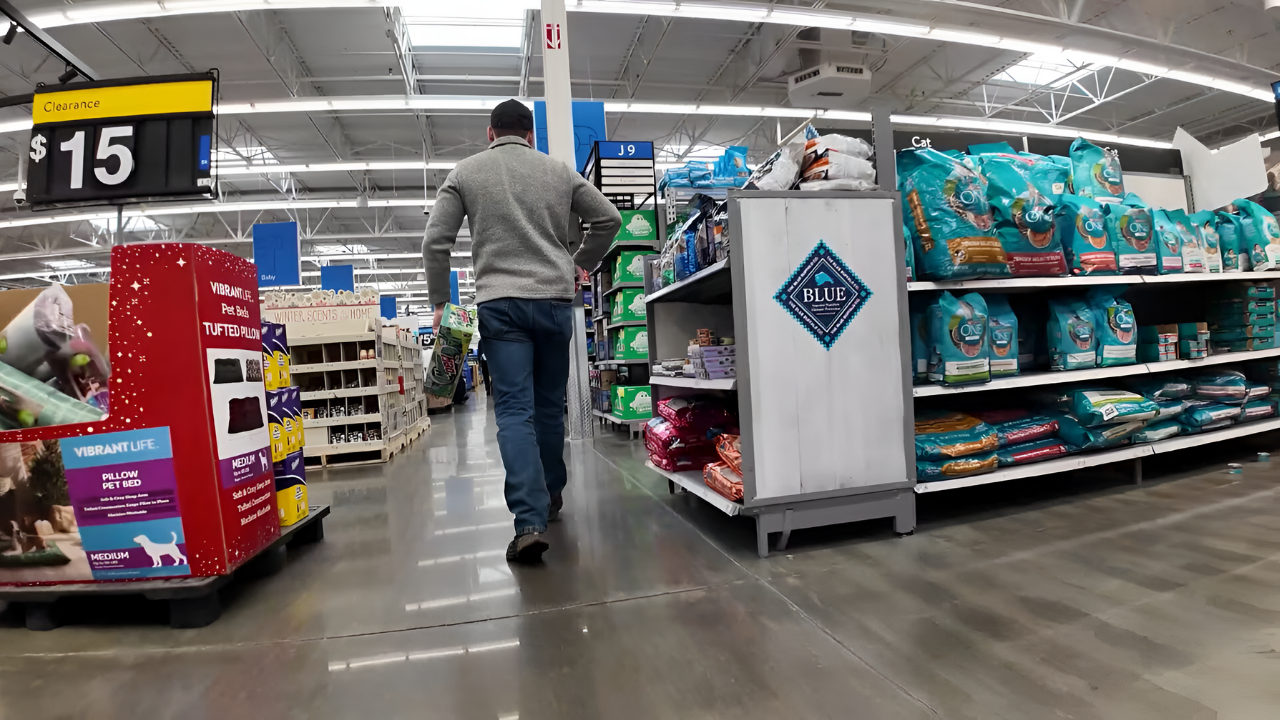
In the middle of the 2025 holiday shopping rush, plainclothes officers quietly moved among crowds at Target and Walmart stores in Gastonia, North Carolina. Over three weeks, from November 28 to December 19, they arrested 78 people as part of “Operation Naughty List,” a focused crackdown on store theft and related crimes. The operation produced 154 criminal charges, ranging from felony larceny to drug offenses and trespassing, and led to the recovery of $4,342.85 in stolen goods along with fentanyl, methamphetamine, cocaine, and marijuana.
Local authorities framed the effort as both a response to escalating losses and a safety measure for employees and shoppers. Undercover officers worked side by side with store loss prevention teams, identifying suspected thieves in real time and intervening before merchandise left the premises. The case load, they said, reflected not just opportunistic shoplifting but repeat offenders and individuals tied to broader criminal activity.
Escalating Theft and Violence Across U.S. Retail
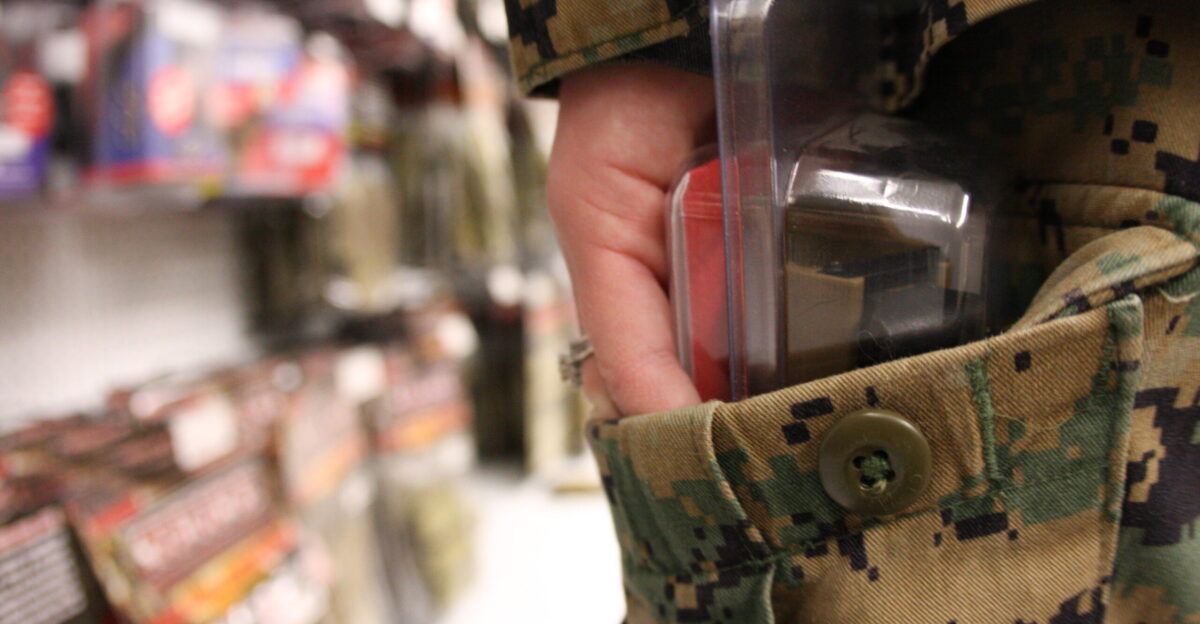
The Gastonia operation unfolded against a backdrop of steeply rising retail theft across the United States. Reported shoplifting incidents nearly doubled between 2019 and 2023, jumping 93 percent, then climbed another 18 percent in 2024. Industry data indicate American retailers now face an average of 177 shoplifting incidents a day, with some sectors reporting more than 1,000.
What worries many chains as much as the volume of theft is its changing character. Roughly 73 percent of retailers surveyed say offenders have become more violent or aggressive over the past year, and 91 percent report that overall violence remains far above pre-2019 levels. Between 2023 and 2024, threats or acts of violence against employees rose 17 percent, and incidents involving weapons increased 16 percent.
Target’s chief executive Brian Cornell told investors in 2023 that, in the first five months of that year, the company saw a 120 percent increase in theft episodes involving violence or threats of violence. He said the chain has been working with other retailers and community partners to find ways to improve safety for staff and customers.
Economic Toll and Expanding Criminal Networks

Financially, retailers estimate that shrinkage from theft and related losses now drains between $45 billion and $112 billion a year, with projections suggesting the figure could top $150 billion by 2026. Individual chains have reported sizable hits: Target said theft cost it about $500 million in 2023, while Walmart’s estimated annual theft-related losses range from $3 billion to $6.1 billion.
The economic effects extend beyond corporate balance sheets. Analysts calculate that retail crime erases $125.7 billion in economic activity annually, eliminates more than 658,000 jobs, costs workers $39.3 billion in lost wages and benefits, and deprives governments of about $15 billion in tax revenue. Those losses, experts warn, can show up in higher prices for consumers, reduced hiring, and fewer local tax resources.
Retailers also report that organized criminal groups are increasingly involved. Since 2024, about 66 percent of companies surveyed say they have encountered transnational organizations in retail theft, including networks linked to drug cartels, human trafficking operations, and terrorist financing. More than half of retailers—over 52 percent—say organized retail crime-driven shoplifting increased in the past year, as coordinated crews target merchandise for rapid resale.
Technology, Enforcement, and Policy Responses
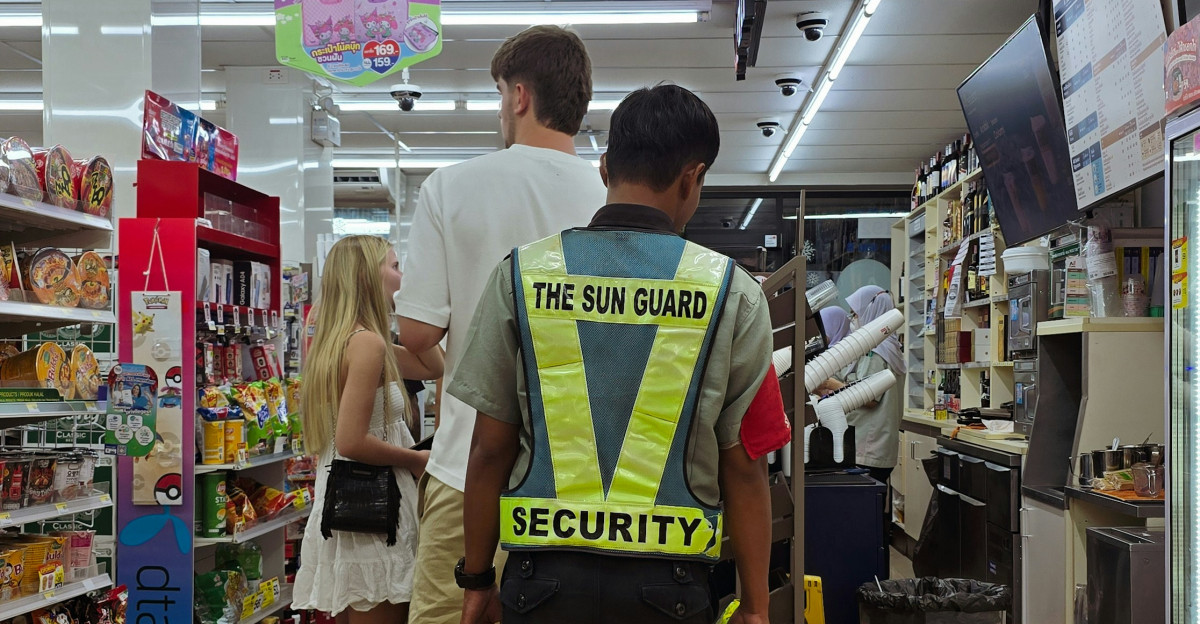
In Gastonia, Operation Naughty List relied on undercover officers embedded with store staff as a model of close cooperation between police and private retailers. Officers positioned themselves as ordinary shoppers, watching for concealment, coordinated distractions, and other red flags. One felony larceny case stood out: a $735 theft in which the suspect deliberately disabled anti-theft devices before attempting to leave, signaling the technical know-how some professional groups now deploy against store security systems.
Elsewhere, authorities are testing broader strategies. California, using state funding for specialized teams, reported 25,675 arrests and 20,049 prosecutions related to retail theft between October 2023 and June 2025, recovering more than $190 million in merchandise. A separate California Highway Patrol task force focused on organized retail crime has conducted over 4,050 investigations since 2019, resulting in nearly 4,600 arrests and the recovery of more than 1.4 million items valued at roughly $60 million.
Retailers are also increasingly turning to technology. Artificial intelligence tools layered onto video surveillance use computer vision and machine learning to flag suspicious behaviors such as loitering, concealment, or coordinated group movements. Companies using AI-driven analytics report reductions of up to 30 percent in organized theft within the first year of deployment. At the same time, self-checkout systems have emerged as a particular weak point: theft rates there run 3.5 to 4 times higher than at staffed lanes, and about 48 percent of unknown losses trace back to self-service registers. In response, Long Beach, California, recently required one employee to oversee every three self-checkout stations.
Balancing Security, Access, and Community Impact

As theft and violence increase, retailers are weighing how far to go with visible security measures. CVS chief executive Karen Lynch has noted the tension around locking high-risk items behind plastic barriers. She has said it is sometimes necessary to put products under lock and key but acknowledged that both she and customers dislike the practice. Studies show that 27 percent of shoppers will switch retailers or abandon their purchase if items are locked up, putting additional pressure on sales.
At the same time, many offenders point to rising prices and economic strain. A LendingTree survey of self-identified shoplifters found that 90 percent cited inflation and the broader economy as key reasons for stealing, with 34 percent saying prices had become unaffordable. The items most often taken—food, beverages, clothing, and cosmetics—indicate that many thefts involve everyday necessities, not luxury goods.
Once stolen, goods can move quickly. Digital marketplaces allow so-called “e-fencing,” where items taken in the morning can be listed hours later on major platforms and offered to buyers nationwide. As far back as 2007, 71 percent of retailers said they had spotted stolen merchandise for sale online, and the scale of that problem has grown alongside self-checkout adoption and expanded e-commerce.
In Washington, lawmakers are considering new tools to address organized rings. The bipartisan Combating Organized Retail Crime Act, reintroduced in 2025, would create a coordination center inside the Department of Homeland Security, expand money laundering laws to explicitly cover gift cards, allow prosecutors to aggregate thefts totaling $5,000 over a 12-month period, and strengthen asset forfeiture authorities. Thirty-eight state attorneys general have urged Congress to enact the measure.
For communities, the stakes are immediate. Persistent theft and safety concerns have led large chains to close locations, especially in already underserved neighborhoods. Target shut nine stores in October 2023, citing theft and security issues, while Kroger has announced plans to close about 60 outlets over 18 months. Such closures can deepen or create “food deserts,” leaving residents with fewer options for fresh food and basic goods.
Security specialists say the next phase will likely be an intensified technology contest between retailers and organized thieves, with success hinging on shared data and joint planning. Public-private efforts like Operation Naughty List, California’s specialized task forces, and local “precision policing” programs that use real-time retailer information suggest one possible direction: coordinated, intelligence-driven enforcement aimed at curbing losses while keeping stores accessible and employees and shoppers safe.
Sources:
“The Impact of Retail Theft & Violence 2024.” National Retail Federation, October 2025.
“Undercover ‘Operation Naughty List’ Leads to 78 Arrests in North Carolina.” People, January 2026.
“Retail theft crackdown keeps delivering results: 25,675 arrests and $190 million in recovered stolen goods.” California Governor’s Office, November 2025.
“Grassley, Cortez Masto Reintroduce Legislation to Combat Organized Retail Crime.” U.S. Senate Judiciary Committee, April 2025.
“Shoplifters point to inflation and economy as main reasons for stealing.” CBS News, July 2024.
“How AI Video Analytics Stops Self-Checkout Theft and Retail Fraud.” Security 101, November 2025.