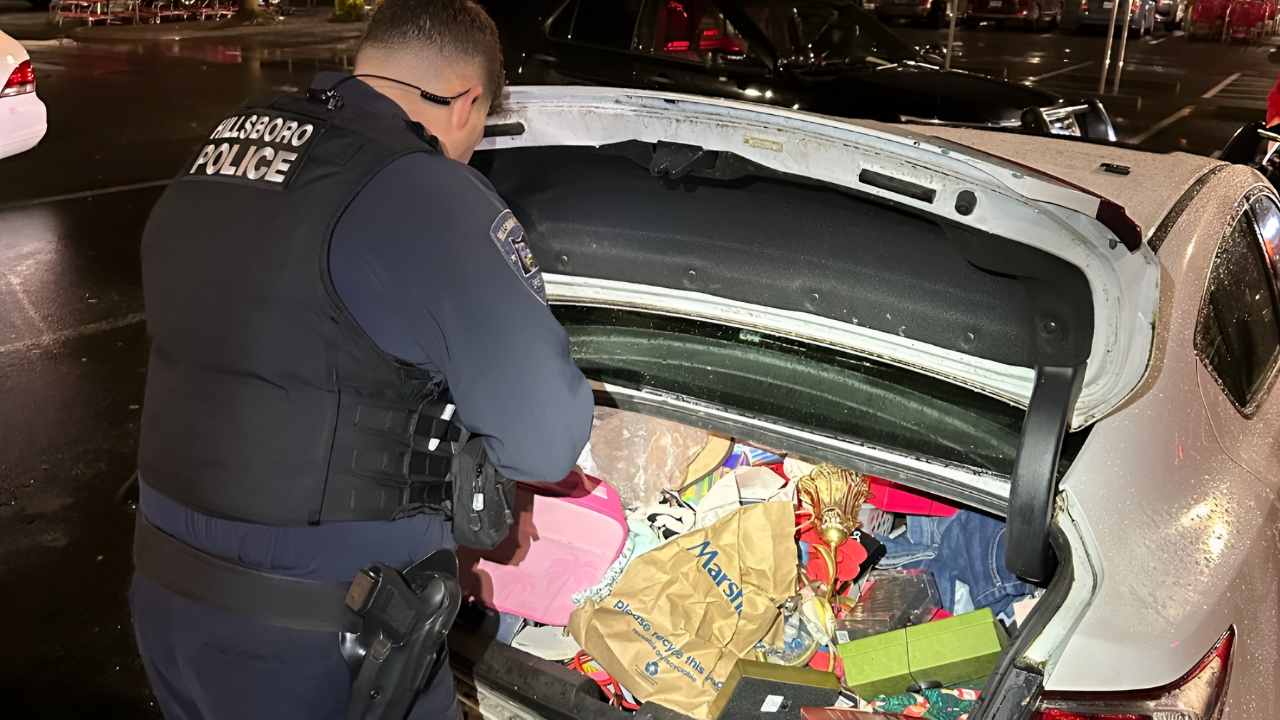
Between November 28 and December 19, 2025, undercover police officers arrested 78 people at Target and Walmart stores in Gastonia, North Carolina during “Operation Naughty List.”
The coordinated enforcement effort resulted in 154 criminal charges including felony larceny, drug possession, and trespassing. Officers recovered $4,342.85 in stolen merchandise while simultaneously seizing fentanyl, methamphetamine, cocaine, and marijuana from suspects.
Shoplifting Incidents Double Since 2019 as Violence Escalates
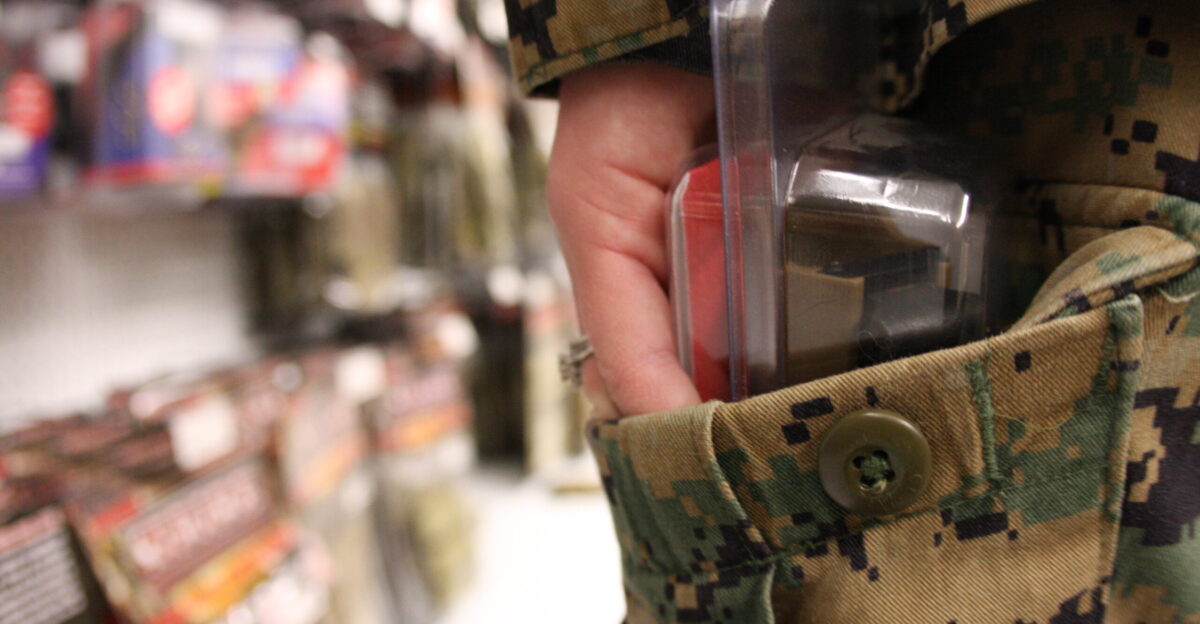
Retail theft has exploded nationwide, with shoplifting incidents surging 93% between 2019 and 2023, followed by an additional 18% increase in 2024.
American retailers now experience an average of 177 shoplifting incidents per day, with some sectors reporting over 1,000 daily thefts. The National Retail Federation confirms retailers face unprecedented theft levels that threaten profitability and safety across the industry.
Thieves Turn Increasingly Violent, Threatening Store Workers

Violence accompanying retail theft has become a primary concern for retailers nationwide. Approximately 73% of surveyed retailers report shoplifters exhibiting more violence and aggression than one year ago, while 91% say violence remains at elevated levels compared to 2019.
Between 2023 and 2024, threats or acts of violence against employees increased 17%, with weapon-involved incidents rising 16%.
Target CEO Reports 120% Surge in Violent Theft Incidents

Target CEO Brian Cornell revealed alarming violence statistics during a 2023 earnings call. “During the first five months of this year, our stores saw a 120% increase in theft incidents involving violence or threats of violence,” Cornell stated.
“As a result, we’re continuing to work tirelessly with retail industry groups and community partners to find solutions to promote safety for our store teams and guests”.
Annual Losses Approach $100 Billion as Organized Crime Networks Expand

Retail shrinkage now extracts between $45 billion and $112 billion annually from American retailers, with projections indicating losses could exceed $150 billion by 2026.
Target alone reported $500 million in theft-related losses in 2023, while Walmart loses an estimated $3-6.1 billion annually. Industry experts warn that theft costs are being passed directly to consumers through higher prices.
Transnational Criminal Organizations Now Target American Stores
The retail theft crisis has taken an international dimension, with 66% of retailers reporting involvement by transnational organized crime groups since 2024.
Criminal networks with ties to Mexican drug cartels, human trafficking operations, and terrorist financing have identified American retail as a lucrative, low-risk revenue stream. More than 52% of retailers experienced organized retail crime-related shoplifting increases in the past year.
Undercover Officers Blend with Holiday Shoppers to Catch Thieves

Operation Naughty List employed a sophisticated tactical approach with plainclothes Street Crimes Unit officers working inside stores alongside loss prevention teams.
Officers blended seamlessly with holiday shoppers while identifying theft in real-time, targeting habitual offenders, and intervening before stolen merchandise left stores. This collaborative model represents best-practice law enforcement partnership with private retailers facing escalating crime.
One Felony Case Involved Sophisticated Anti-Theft Device Deactivation

Among the 154 charges filed, one felony larceny case stood out for its technical sophistication. The $735 theft involved deliberate deactivation of anti-theft security devices, demonstrating that organized criminals employ specialized knowledge to defeat retail security systems.
This incident highlights how professional theft rings operate with business-like efficiency rather than opportunistic impulse.
Economic Effects Eliminate 658,000 Jobs and Billions in Tax Revenue

The economic toll of retail theft extends far beyond direct merchandise losses. Analysts estimate retail crime eliminates $125.7 billion in economic activity annually, destroys 658,375 jobs, costs workers $39.3 billion in lost wages and benefits, and deprives governments of $15 billion in tax revenue.
These cascading effects position retail theft as a macroeconomic threat rather than merely a corporate loss prevention challenge.
California Recovers $190 Million in Stolen Goods Through Aggressive Enforcement

California has emerged as a laboratory for aggressive retail theft enforcement. Between October 2023 and June 2025, state-funded operations resulted in 25,675 arrests, 20,049 prosecutions, and recovery of over $190 million in stolen merchandise.
Notable successes include dismantling a nine-member ring responsible for $10 million in Home Depot thefts across Southern California.
Former CVS CEO Acknowledges Locking Up Merchandise Hurts Customer Experience

CVS CEO Karen Lynch acknowledged the difficult trade-offs retailers face when implementing anti-theft measures. “Sometimes you have to put things under lock and key.
I don’t like it, and I know our customers don’t like it,” Lynch told CBS News. Research confirms 55% of shoppers will seek products elsewhere if items are locked up, directly impacting sales and customer satisfaction.
Inflation Drives 90% of Shoplifters to Steal, Survey Reveals

Economic desperation fuels a significant portion of retail theft. A LendingTree survey found that 90% of self-reported shoplifters cited inflation and the economy as primary motivations, with 34% saying prices became unaffordable.
The most commonly stolen items—food, beverages, clothing, and cosmetics—reflect basic needs rather than luxury desires, suggesting survival theft driven by economic pressure.
Online Marketplaces Enable Criminals to Sell Stolen Goods Within Hours

“E-fencing” through digital platforms has revolutionized retail crime economics. Criminals can steal merchandise in the morning and list it on Amazon, eBay, or Facebook Marketplace by afternoon, reaching national buyers anonymously.
A 2007 survey found 71% of retailers had identified stolen goods online, and the problem has intensified dramatically with self-checkout theft rates reaching 3.5-4% of sales.
AI Technology Reduces Organized Theft by 30% in First Year

Retailers are deploying sophisticated artificial intelligence systems to combat theft. AI-powered video surveillance uses computer vision and machine learning to detect suspicious behaviors—loitering, concealment patterns, coordinated group movements—before theft occurs.
Retailers implementing AI-driven video analytics report up to 30% reductions in organized retail crime within the first year of deployment.
Congress Considers Federal Legislation to Combat Organized Retail Crime

The bipartisan Combating Organized Retail Crime Act (CORCA), reintroduced in April 2025, would establish a coordination center within the Department of Homeland Security.
The legislation would expand money laundering statutes to include gift cards, allow aggregation of thefts totaling $5,000 over 12 months for federal charges, and enhance forfeiture authorities. Thirty-eight state attorneys general have urged Congress to pass the bill.
Store Closures Create Food Deserts in Vulnerable Communities
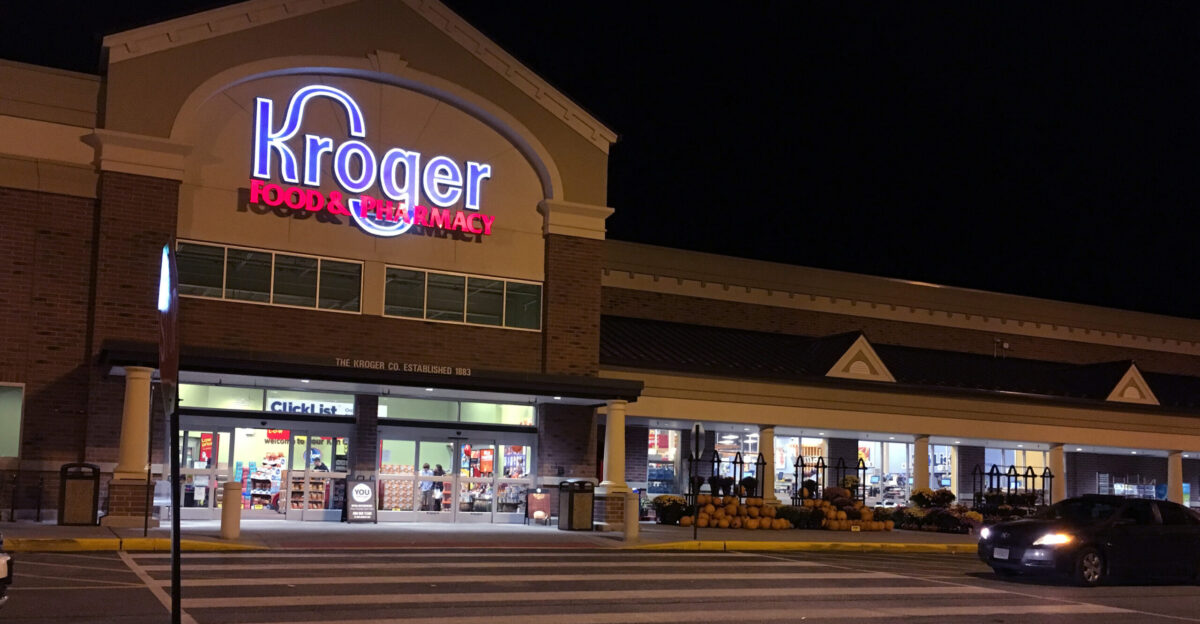
When theft becomes unsustainable, retailers close stores with devastating community consequences. Target closed nine locations in October 2023 citing theft and safety concerns.
Kroger announced plans to close approximately 60 stores over 18 months. These closures disproportionately impact underserved areas, creating or expanding “food deserts” where residents lack access to fresh food and essential goods.
Self-Checkout Systems Become Major Vulnerability for Retailers
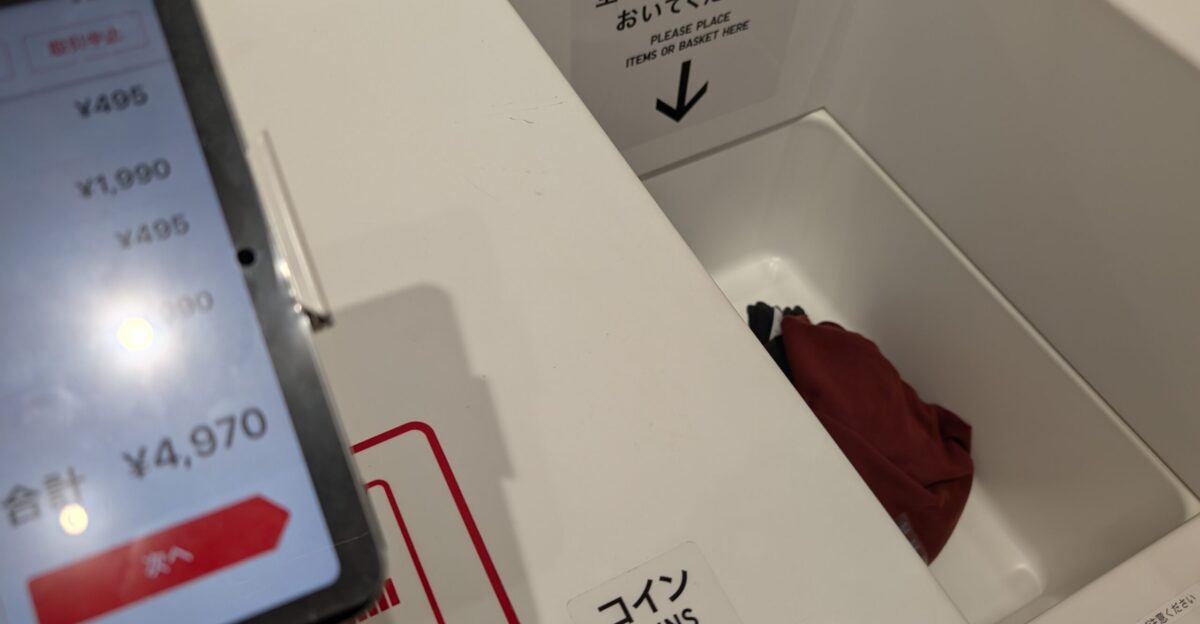
Self-checkout lanes, intended to reduce labor costs, have created significant theft vulnerabilities. Theft rates at self-service registers run 3.5-4 times higher than staffed checkouts, with approximately 48% of unknown retail losses originating at self-checkout.
California’s Long Beach recently mandated one employee for every three self-checkout lanes to address the problem.
California Highway Patrol Task Force Recovers $60 Million Since 2019
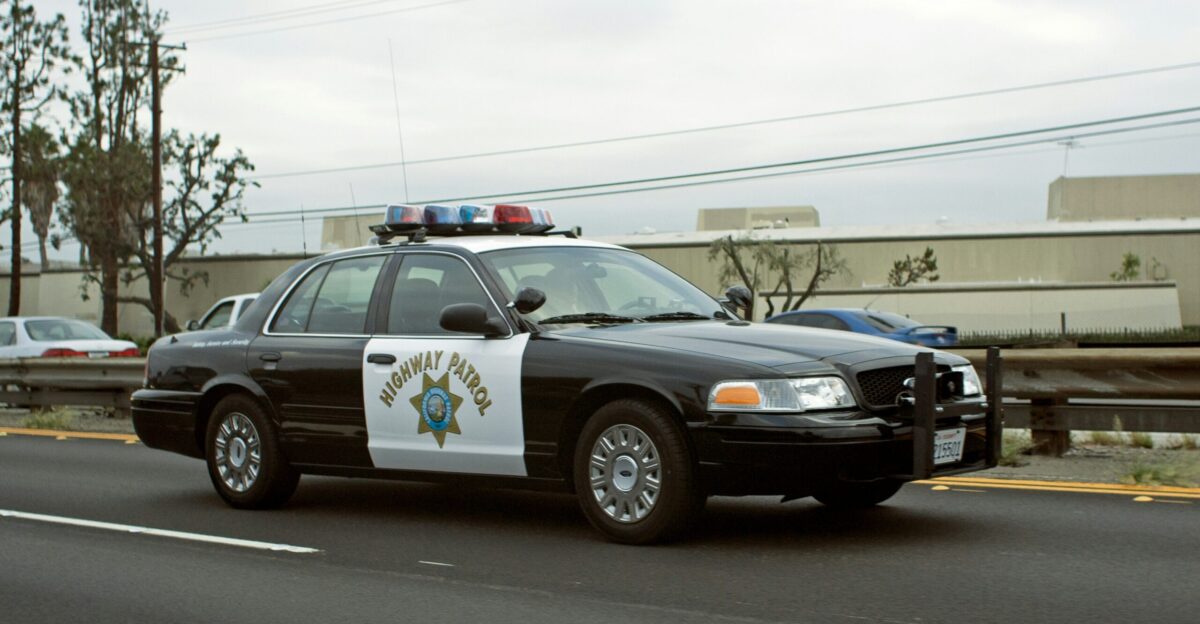
California’s specialized Organized Retail Crime Task Force has conducted over 4,050 investigations since 2019, resulting in nearly 4,600 arrests and recovery of more than 1.4 million stolen items valued at approximately $60 million.
The unit’s success demonstrates that dedicated, well-resourced enforcement teams can achieve meaningful disruption of organized theft networks operating across multiple jurisdictions.
Retail Security Expert Warns Technology Arms Race Will Intensify

Tony D’Onofrio, President of Sensormatic Solutions, emphasized the need for collaborative innovation in retail security.
“Retailers and solution providers must work together to build and drive technology that goes beyond thwarting theft in the moment to predicting it, so we can proactively lower the chance of violence by mitigating crime,” D’Onofrio stated. “Neither party can accomplish this feat alone”.
Public-Private Partnerships Offer Path Forward Against Retail Crime

Operation Naughty List exemplifies how targeted, collaborative, intelligence-driven enforcement can achieve measurable results. Law enforcement experts recommend information sharing protocols, shared technology infrastructure, coordinated operations, and sustained funding for specialized units.
The Campbell, California Police Department’s “precision policing” program integrates real-time retailer data, enabling officers to intercept crimes before they occur through strategic positioning.
Sources:
“The Impact of Retail Theft & Violence 2024.” National Retail Federation, October 2025.
“Undercover ‘Operation Naughty List’ Leads to 78 Arrests in North Carolina.” People, January 2026.
“Retail theft crackdown keeps delivering results: 25,675 arrests and $190 million in recovered stolen goods.” California Governor’s Office, November 2025.
“Grassley, Cortez Masto Reintroduce Legislation to Combat Organized Retail Crime.” U.S. Senate Judiciary Committee, April 2025.
“Shoplifters point to inflation and economy as main reasons for stealing.” CBS News, July 2024.
“How AI Video Analytics Stops Self-Checkout Theft and Retail Fraud.” Security 101, November 2025.