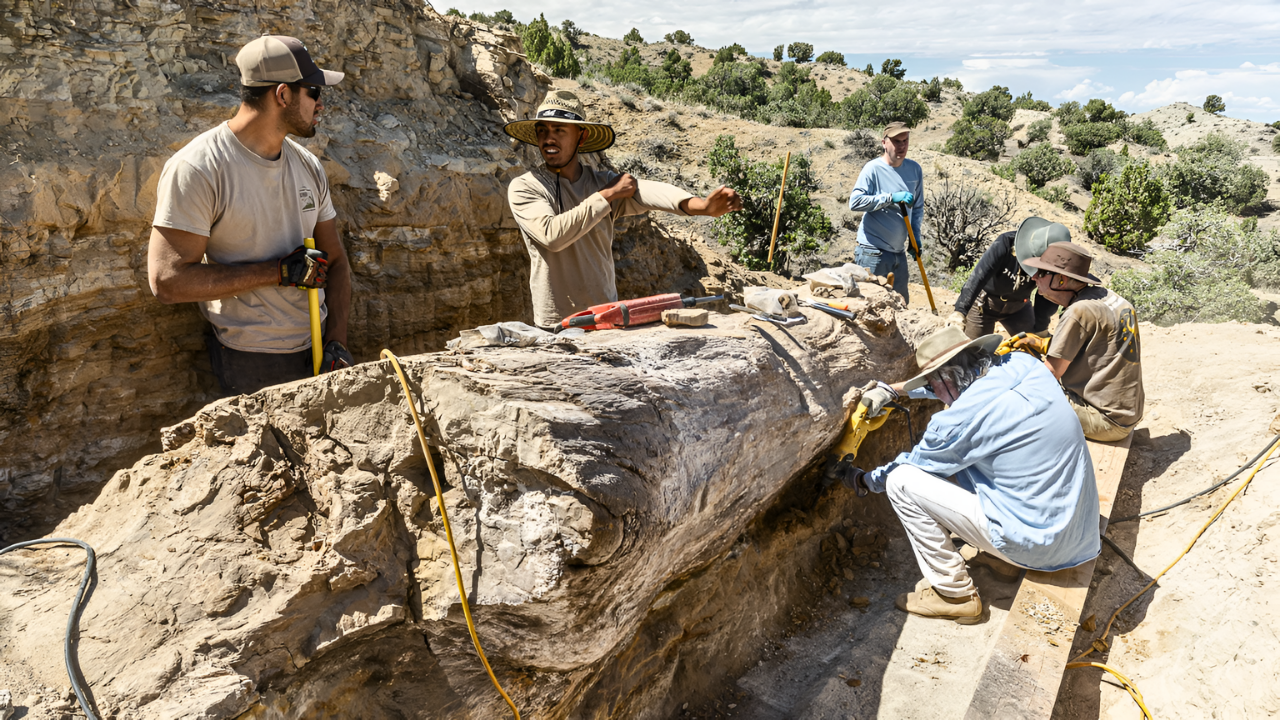
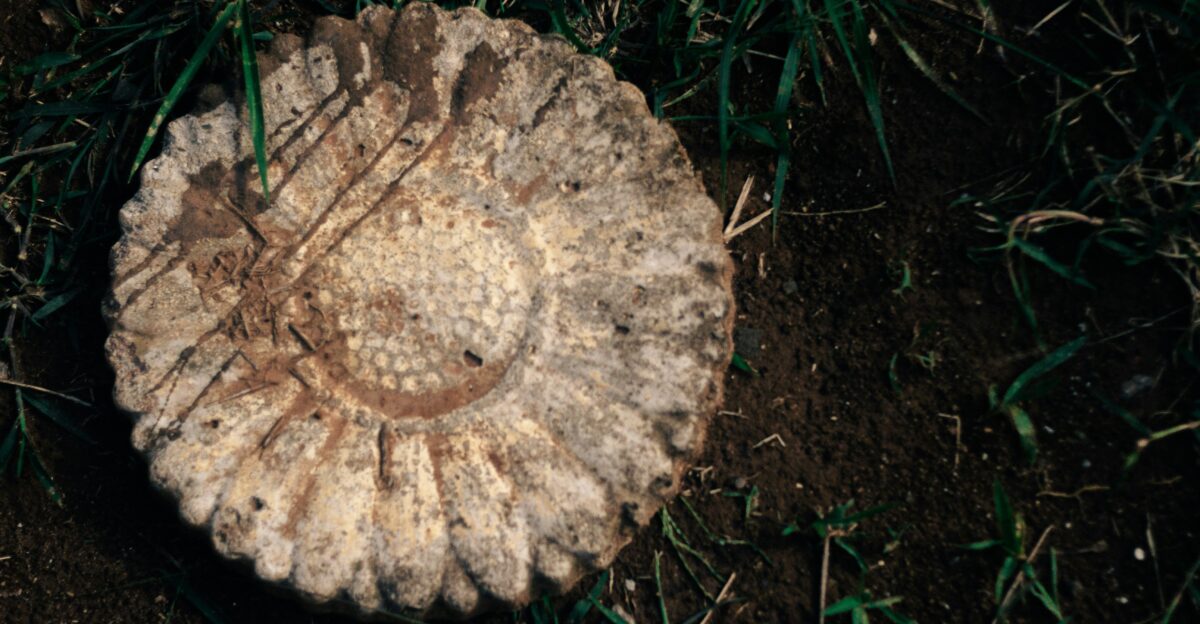
A towering fossil from Scotland’s Rhynie chert, dated to roughly 407–410 million years ago, represents Prototaxites—one of the largest organisms ever to live on early land. Some specimens may have reached around 8 meters (26 feet) tall.
New research argues that its internal structure and chemical composition do not match known plants or fungi, suggesting it may belong to an entirely extinct lineage of complex eukaryotic life now absent from Earth.
From puzzling fossil to biological outlier
First described in the mid-19th century, Prototaxites baffled scientists for over a century. It has been interpreted at different times as a tree, alga, lichen, or giant fungus.
Recent reanalysis of exceptionally preserved Rhynie chert material shows that its tissues differ significantly from co-occurring plants and fungi, reinforcing the conclusion that it does not fit neatly into any living biological group.
Dating the Devonian ecosystem
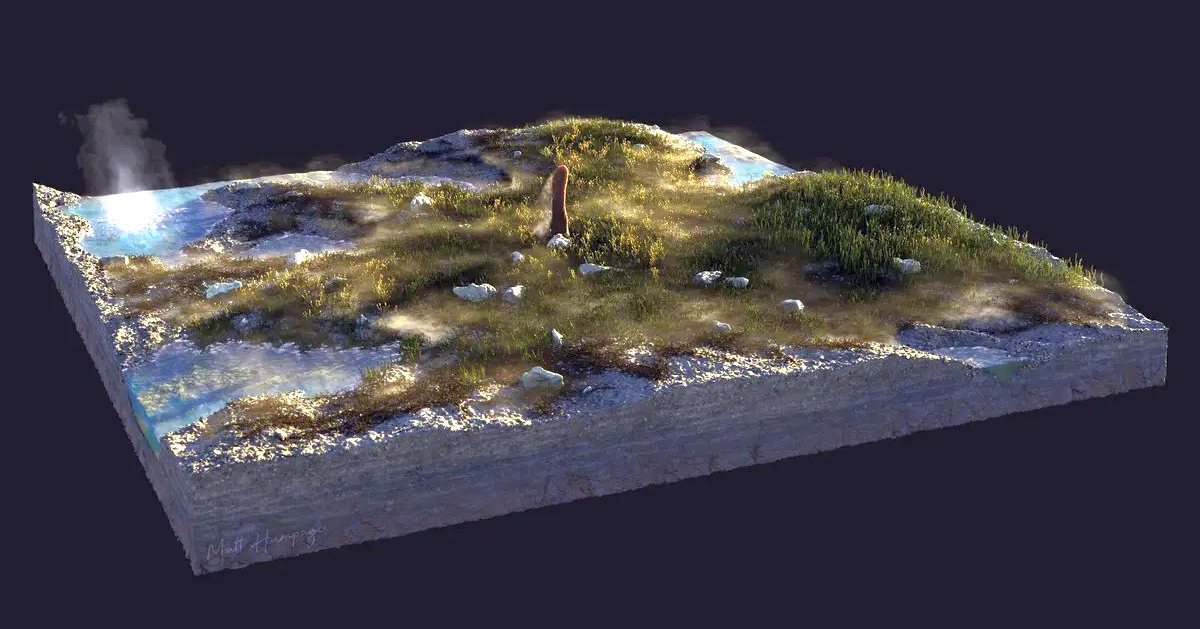
The Rhynie chert of Aberdeenshire is an Early Devonian deposit dated to about 407–410 million years ago. Periodic hydrothermal activity rapidly entombed plants, fungi, arthropods, and microbes in silica, preserving them in remarkable three-dimensional detail.
This environment provides a rare snapshot of one of Earth’s earliest complex terrestrial ecosystems, including enigmatic organisms like Prototaxites.
How large was this organism?
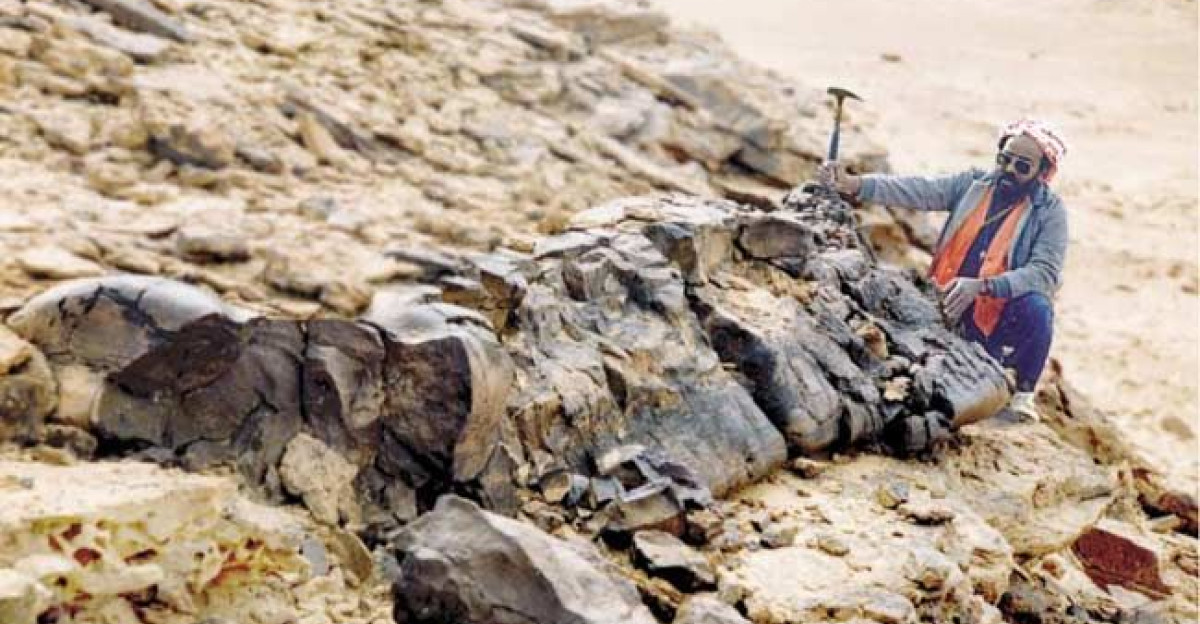
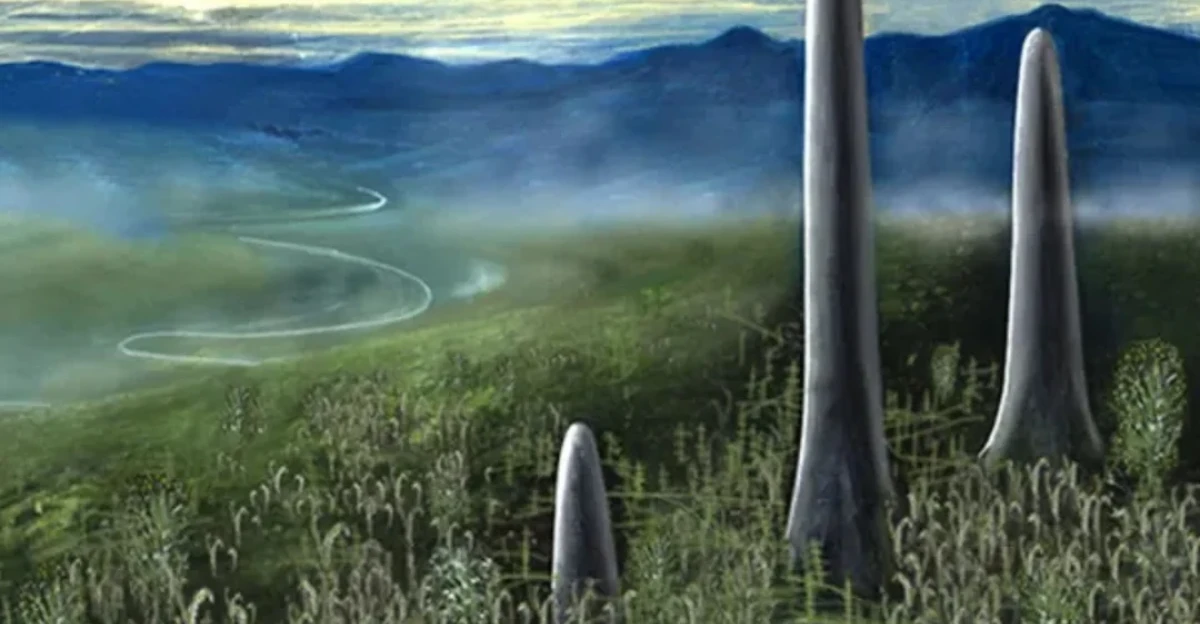
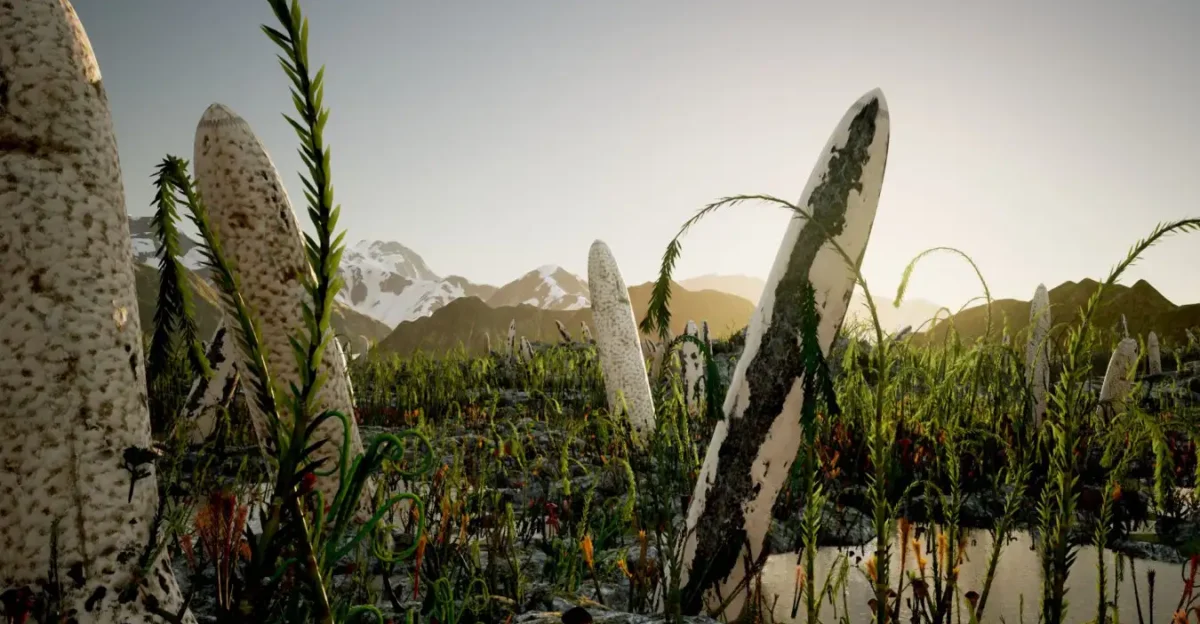
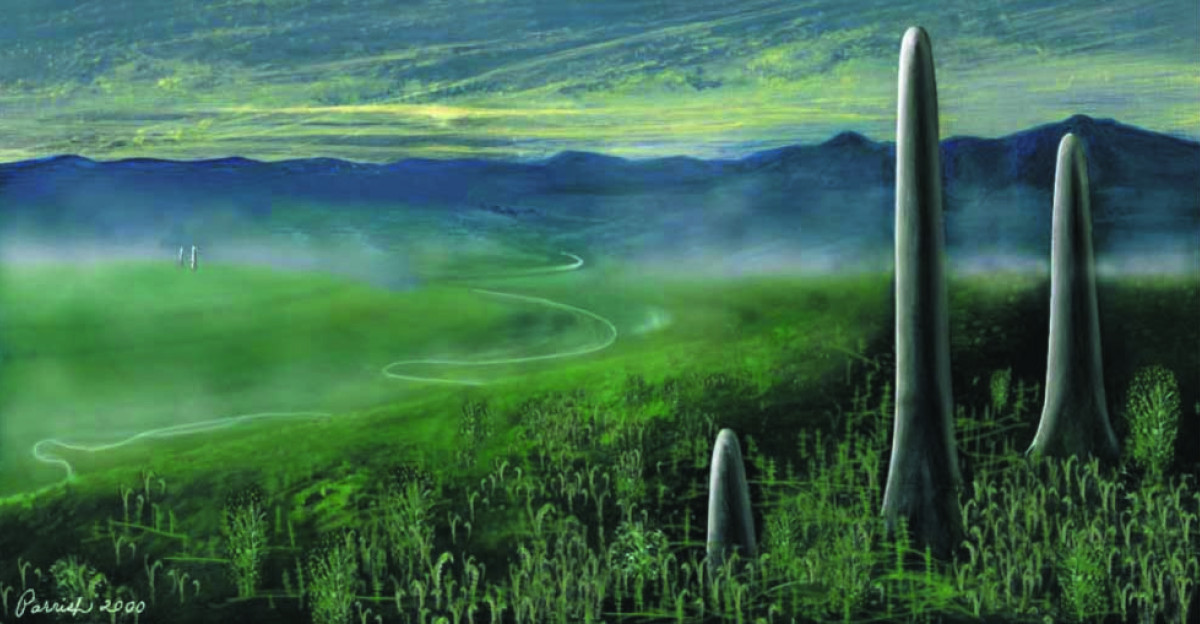
Prototaxites fossils appear as massive, trunk-like columns, in some cases up to 1 meter wide and potentially 26 feet tall. In an era when most land plants were only centimeters high, these structures would have dominated the landscape.
If upright as reconstructed, Prototaxites would have been the tallest and most visually striking terrestrial organism of its time.
Anatomy built from tubes
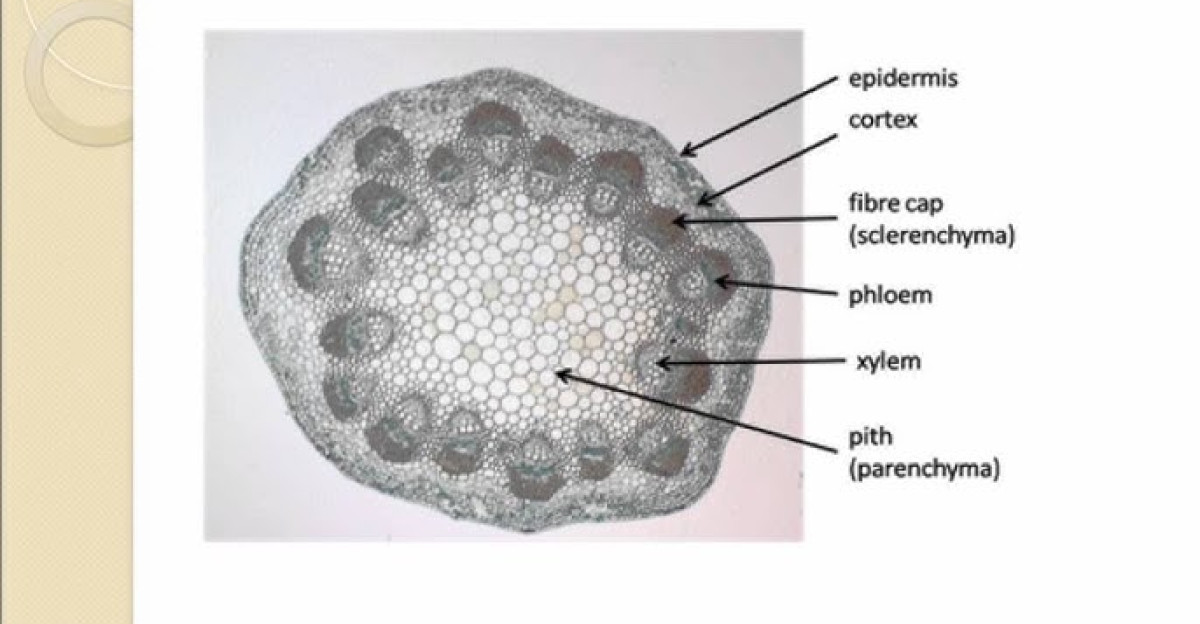
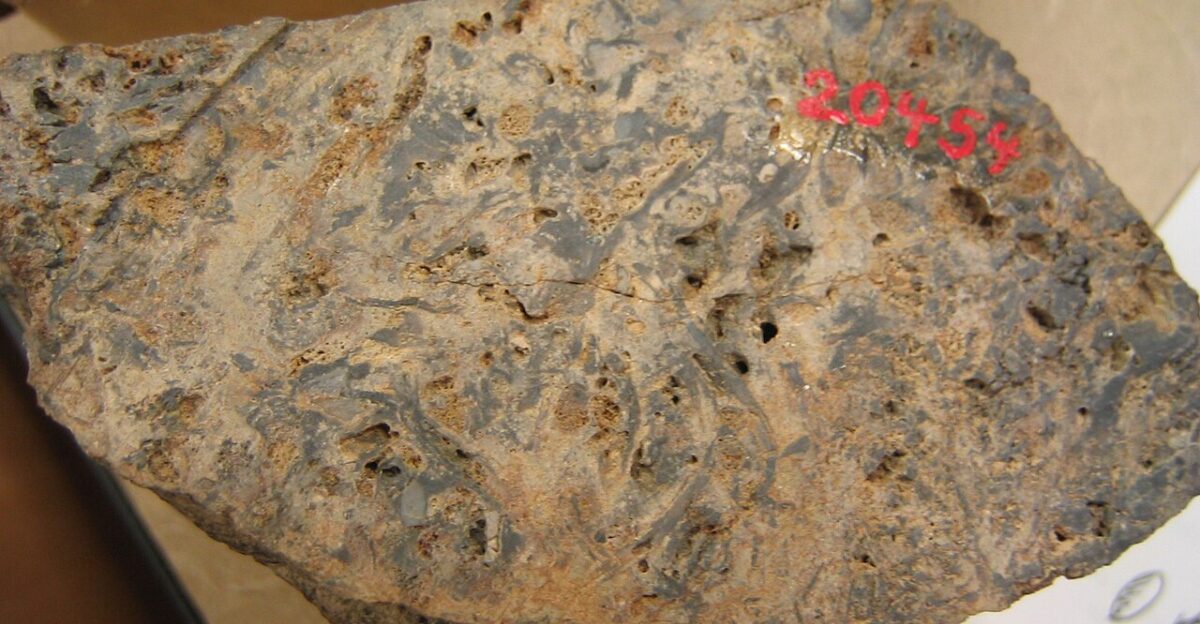
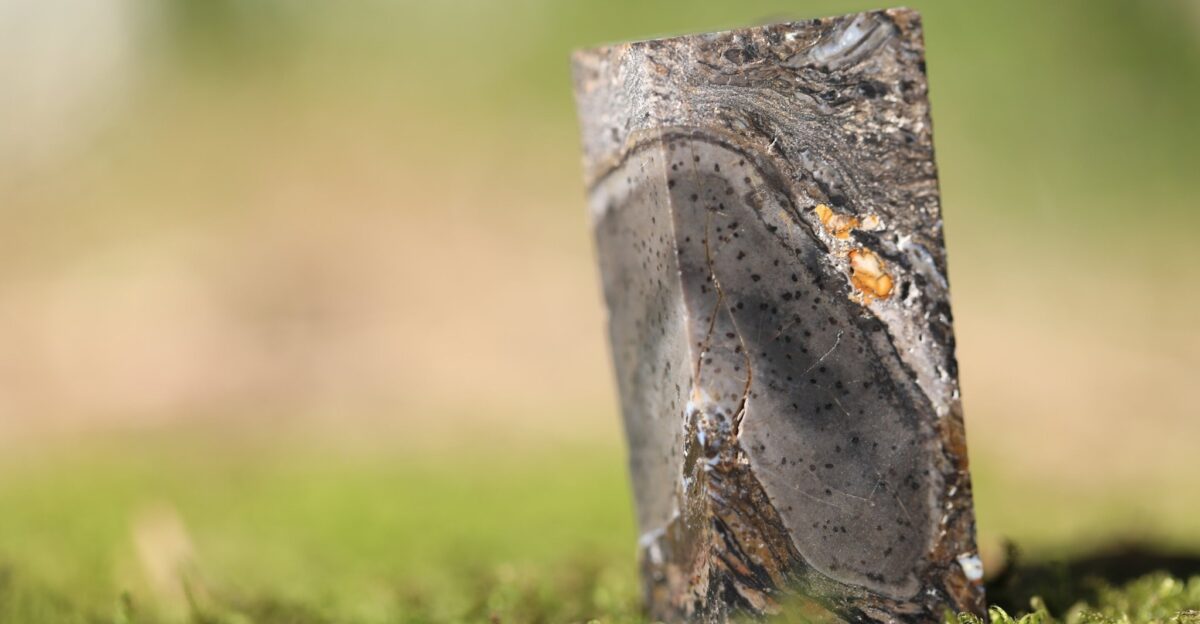
Microscopic examination shows Prototaxites is composed of densely packed, interwoven tubes of varying diameters. This architecture differs from the organized vascular tissues of plants and from the filament arrangements typical of known fungi.
Advanced imaging allows direct comparison with other fossils in the same rock, highlighting its unusual construction rather than simple preservation artifacts.
Chemical signatures that don’t align

Spectroscopic analyses, including FTIR and Raman techniques, reveal that Prototaxites lacks chemical markers expected of chitin-rich fungal tissues.
When compared using machine-learning classification against known biological materials from the Rhynie chert, its molecular profile consistently separates from fungi, plants, and bacteria, suggesting a fundamentally different biological makeup.
Evidence for an extinct lineage
The Science Advances study concludes that Rhynie chert specimens of Prototaxites cannot be confidently placed within crown-group fungi. Instead, the authors argue it represents an extinct eukaryotic lineage with no modern descendants.
While debate remains, the combination of anatomical, chemical, and ecological evidence supports recognition of a distinct, now-lost branch of complex life.
Life before forests
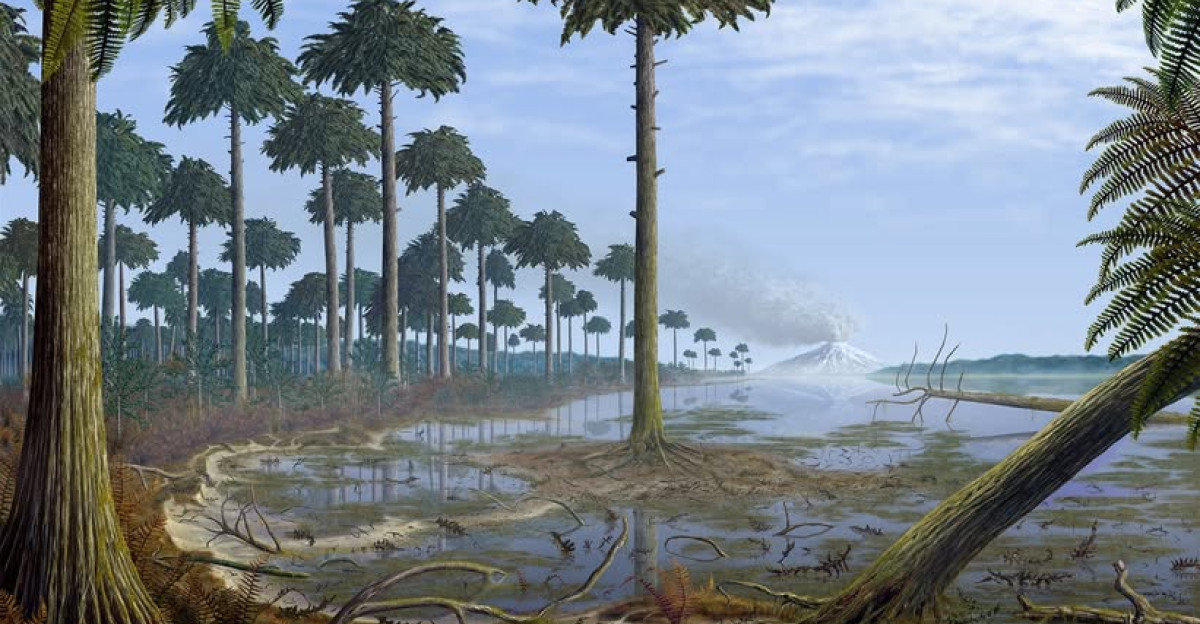
During the Early Devonian, Earth lacked forests as we know them today. Vegetation consisted mainly of small, simple plants growing close to the ground.
In this context, towering Prototaxites columns would have reshaped local environments, potentially affecting shade, moisture retention, and nutrient movement in ways analogous—though not identical—to later trees.
Why this changes historical narratives
For decades, Prototaxites was often described as a giant fungus. Demonstrating that it may instead represent a separate lineage forces a reassessment of early terrestrial ecosystems.
It suggests that large, structurally complex organisms evolved on land through more evolutionary pathways than previously recognized, some of which vanished entirely.
Tools behind the reinterpretation

Researchers combined confocal fluorescence microscopy, vibrational spectroscopy, and high-resolution imaging to study Prototaxites tissues in situ.
These data were analyzed using supervised machine-learning models to test similarity with known organisms. This multidisciplinary approach enabled distinctions that traditional microscopy alone could not resolve.
Why a fungal identity is doubtful
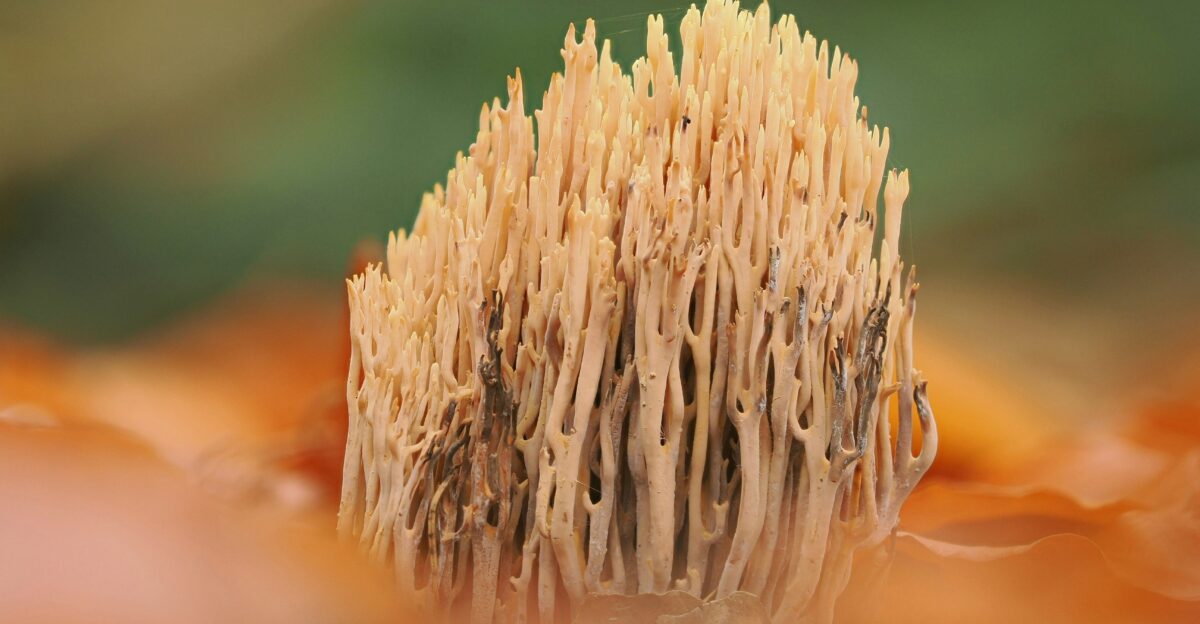
Fungi typically contain chitin in their cell walls and show recognizable fossilized chemical signatures. Prototaxites lacks these markers and shows tissue organization unlike fungal hyphae preserved alongside it in the same deposits.
These contrasts weaken the long-standing interpretation of Prototaxites as merely an oversized ancient fungus.
What powered a 26-foot organism?
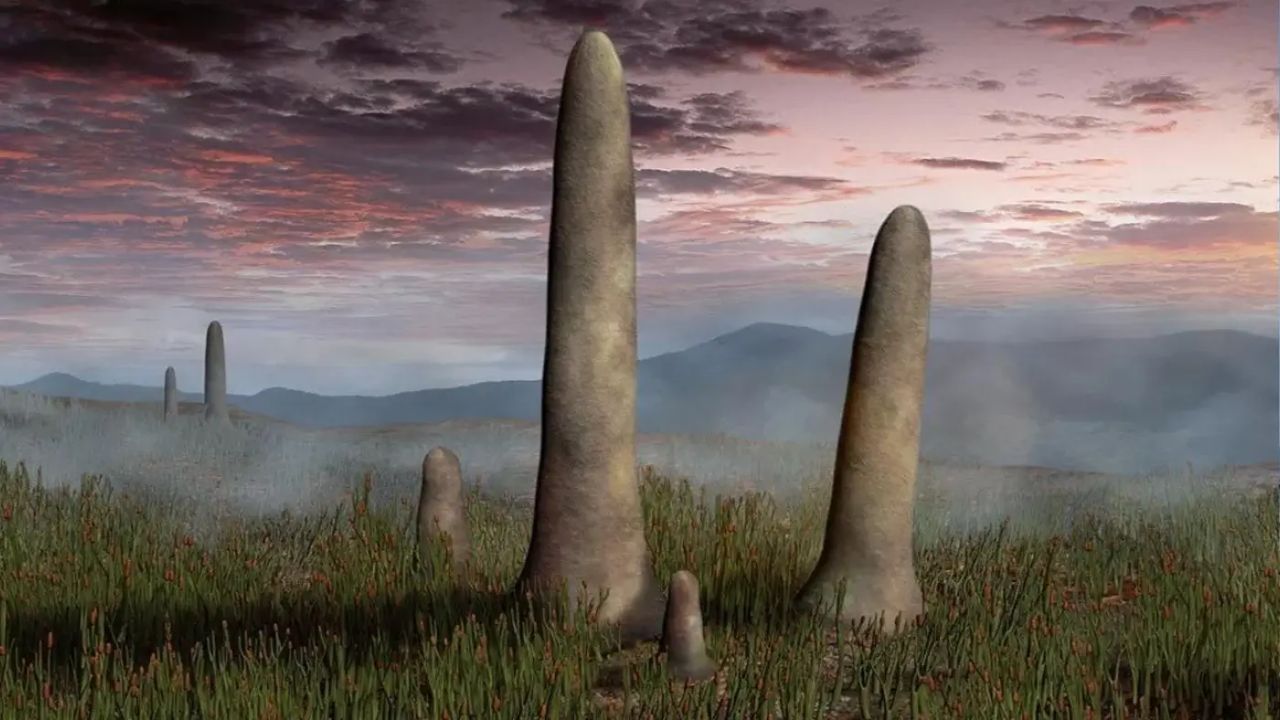
Carbon-isotope analyses reveal wide variation within Prototaxites specimens, inconsistent with simple photosynthetic metabolism.
This pattern has been interpreted as evidence for heterotrophy, possibly involving decomposition of organic material. If correct, Prototaxites may have played a major role in recycling early terrestrial biomass.
Rhynie chert as ecological context
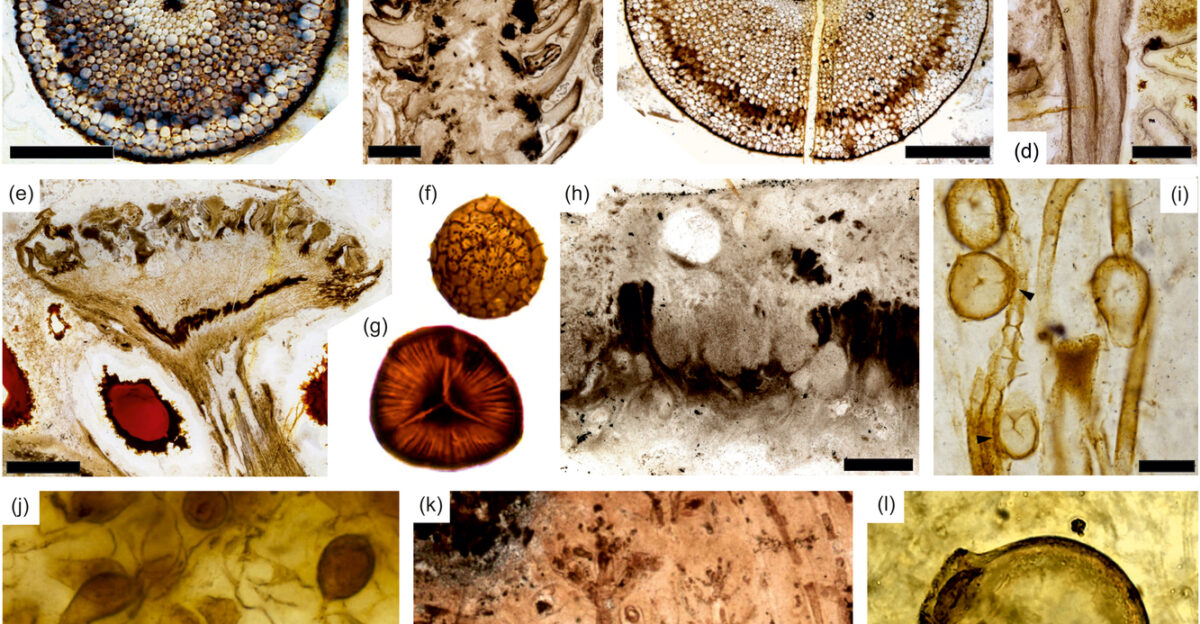
The Rhynie chert preserves complete biological interactions, including early plant–fungus relationships and arthropod activity.
This allows Prototaxites to be evaluated not in isolation, but as part of a functioning ecosystem. Its scale and abundance indicate it was ecologically significant, not a rare anomaly.
Other fossils that reshaped timelines
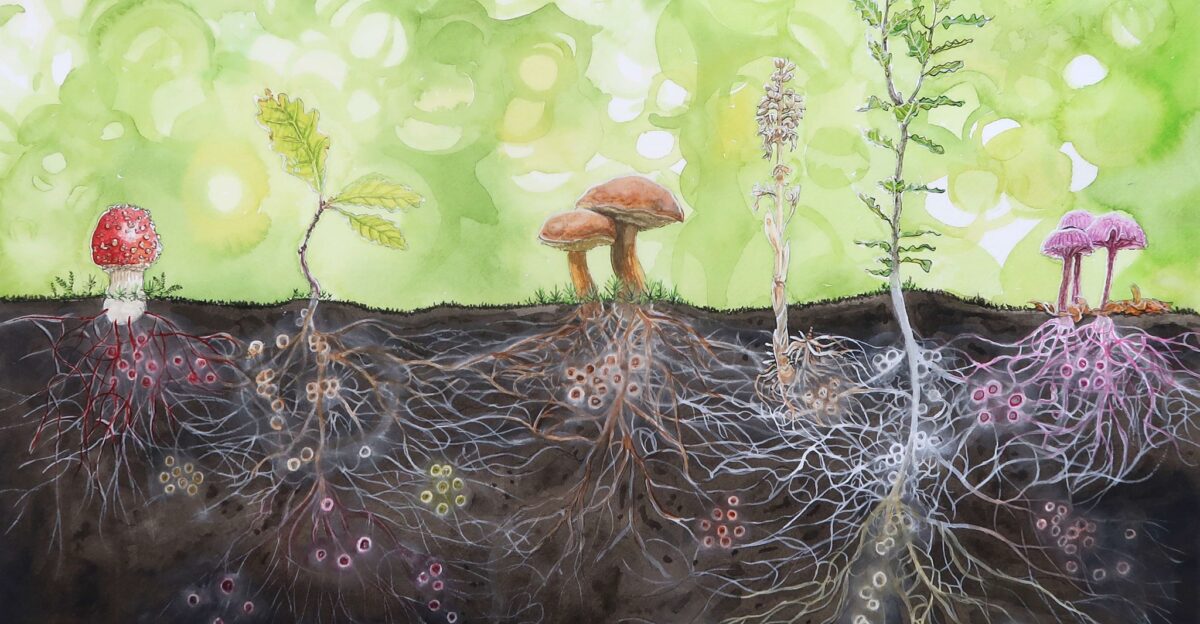
Discoveries of early roots, vascular tissues, and symbiotic fungi have repeatedly pushed back timelines for life on land.
Prototaxites contributes a different kind of revision: not an earlier example of a known group, but evidence that an entire major lineage once existed and disappeared.
Implications for evolutionary theory
Prototaxites underscores that evolution experimented with multiple solutions to building large bodies on land. The dominance of modern plants and fungi reflects survival, not inevitability.
Entire high-level lineages may have arisen, flourished for millions of years, and vanished without leaving living representatives.
Scientific caution and debate

Some researchers remain cautious, suggesting that unusual chemistry could reflect preservation effects or extreme fungal specialization.
The fossil record is incomplete, and absolute classification is difficult without genetic data. Still, even skeptics agree Prototaxites is anatomically and ecologically extraordinary.
Rethinking the tree of life

The study encourages paleontologists to treat problematic fossils as potential representatives of extinct branches rather than forcing them into modern categories.
This approach may refine evolutionary trees and teaching models, especially for early terrestrial life.
Technology enabling new insights

Modern spectroscopic tools can detect cell-wall chemistry long after DNA is gone.
When paired with AI-based pattern recognition, these methods help distinguish true biological differences from superficial resemblance, reducing long-standing misclassifications of enigmatic fossils.
What remains unknown
No definitive reproductive structures have been identified, and aspects of Prototaxites’ life cycle remain speculative.
Future work aims to locate additional specimens and determine whether related fossils represent the same lineage—or others equally lost to time.
What “rewriting history” truly means
Prototaxites does not overturn evolutionary theory, but it expands it.
Evidence indicates that a 26-foot-tall, structurally unique organism dominated early land ecosystems and belonged to an extinct eukaryotic lineage. Earth’s past hosted major experiments in complexity that left no survivors—yet reshaped life’s early trajectory.
Sources:
Prototaxites fossils are structurally and chemically distinct from extinct and extant Fungi – Science Advances (American Association for the Advancement of Science)
This Mysterious 407-Million-Year-Old Fossil May Represent a Previously Unknown Branch of Life – Smithsonian Magazine
410 million year old fossil which defies classification enters collection of National Museums Scotland – National Museums Scotland (press release)
Fossil dating back 410 million years joins museum collection – BBC News
Giant Scottish Fossil Reveals Extinct Branch Of Life – Evrim Ağacı (popular science outlet)
Giant Prototaxites fossil reveals an extinct branch of life – Yahoo News