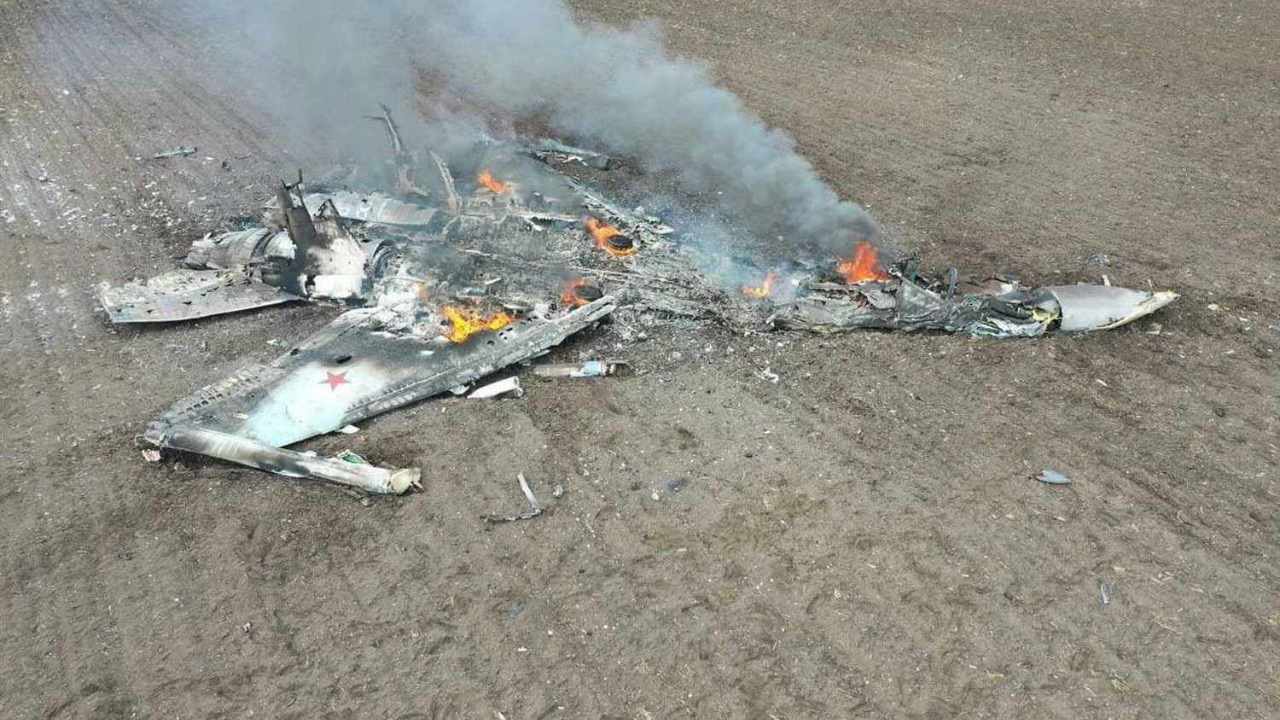
On June 1, 2025, Ukraine launched a large drone strike against Russian air bases deep inside Russia. Ukrainian security officials say more than 100 drones were sent toward airfields that host long‑range bombers. They later called the operation “Spider’s Web” to show how widely the drones were spread.
Ukrainian officials claim 41 Russian military aircraft were hit, including heavy bombers and A‑50 radar planes that help control air defense. Several international news outlets reported this same figure, though some details still differ between sources. Military officers in Western countries and satellite image analysts agree that Russia’s bomber force took serious damage.
They also say the attack exposed weak spots in Russia’s air defenses, especially far from the front lines. Russia’s main bombers are old Soviet‑era designs like the Tu‑95 and Tu‑22M3, with some newer Tu‑160s in smaller numbers. Experts say these planes are hard to replace because they are complex, and sanctions make it tough to get parts.
How the “Spider’s Web” Plan Worked
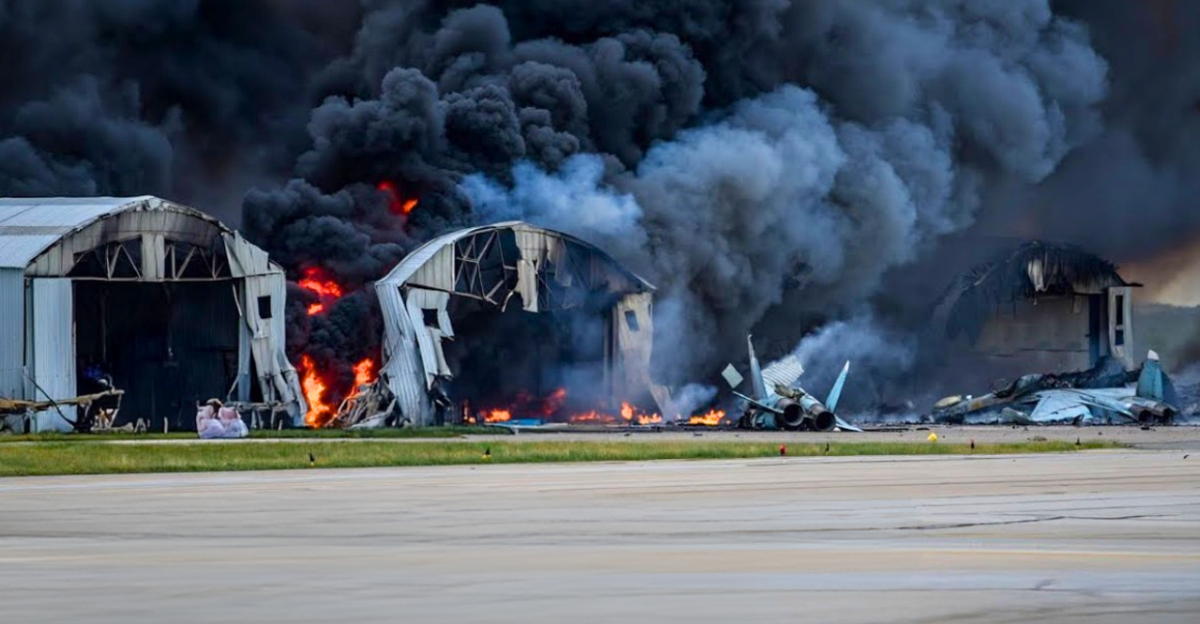
Ukrainian officials say the plan took many months to prepare in secret. Their account says drones were hidden inside wooden “cabins” mounted on trucks that drove inside Russia. The security service has released photos and videos that show small quadcopter‑style attack drones stored in these truck cabins. The trucks were reportedly driven by Russian drivers who did not know what they were carrying.
When the time came, operators remotely opened the truck roofs and launched the drones toward their targets. This cut the flight distance and left Russian air defenses with little time to react. Analysts at research groups have called this a “Trojan horse” tactic because the weapon was hidden inside a normal‑looking vehicle.
Open‑source reports say at least five bases were hit: Belaya in Siberia, Olenya in the Arctic, Dyagilevo and Ivanovo in western Russia, and Ukrainka in the Far East. Satellite images and local reports indicate drones were launched from areas near fuel stations and roadside stops near some airfields. Regional media reported blasts and fires at several sites, and local authorities restricted access in some towns.
Damage, Russian Moves, and What Comes Next
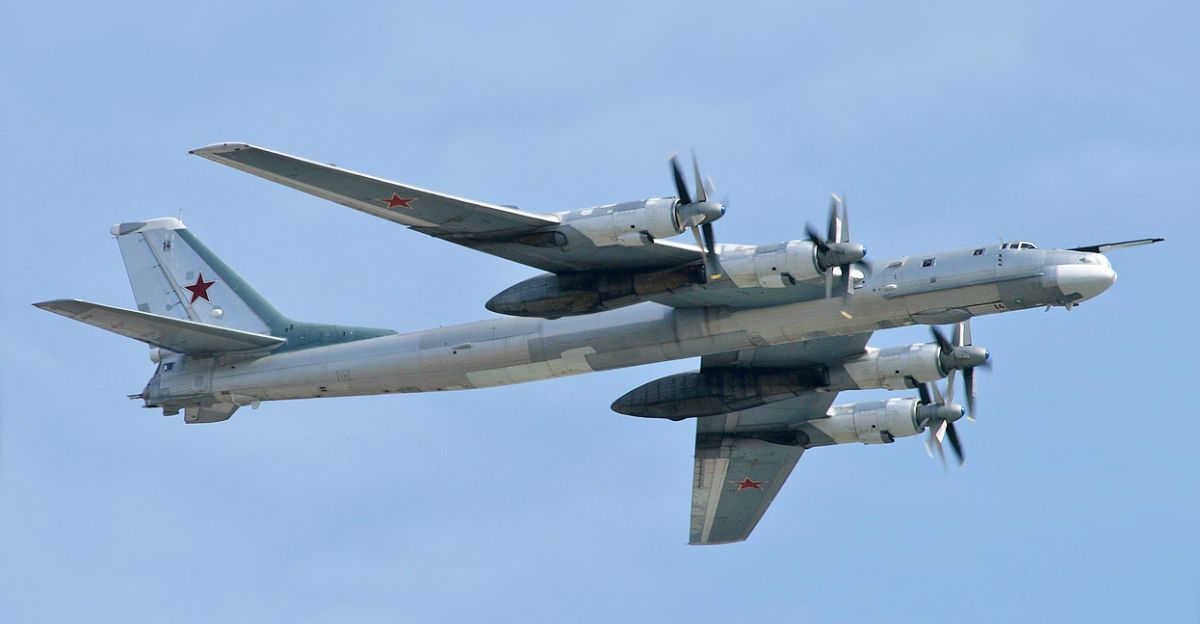
Belaya air base in Siberia was one of the deepest targets and lies thousands of miles from the fighting in Ukraine. International newspapers using Planet Labs and Maxar images say several bombers were destroyed or badly damaged, including Tu‑95 and Tu‑22M3 aircraft. At Olenya air base in the Arctic, open‑source groups and local outlets report that at least four Tu‑95MS bombers and one An‑12 transport plane were destroyed.
Ukraine and some Western commentators describe the attack as one of the most damaging blows to Russian military aviation since the Cold War period. Ukraine’s security service and defense ministry say that more than 40 Russian aircraft were destroyed or damaged overall. Satellite reviews support the idea that a large number of high‑value aircraft were affected, even if exact totals still differ. Analysts say this hurt Russia’s ability to launch long‑range missile strikes, at least in the near term.
The attack also showed how cheap drones can threaten expensive aircraft deep inside a major power. In response, Russia moved many surviving Tu‑95MS and Tu‑160 bombers farther east and began building more hardened shelters at several airfields. Experts think Russia will find it slow and difficult to replace or fully repair the damaged bombers, and some say getting back to its earlier strength could take many years.
Sources:
- BBC News, Satellite images show Russian bombers destroyed in Ukraine drone strike, 4 Jun 2025
- The Insider, Caught in the “Spiderweb”: Ukraine’s successful June drone operation, 14 Sep 2025
- Carnegie Endowment, Ukraine’s Drone Attack on Russia’s Strategic Aviation Has Kremlin Scrambling, 9 Jun 2025
- Wikipedia, Operation Spiderweb, 2025
- Chatham House, Ukraine’s Operation Spider’s Web is a game-changer for modern drone warfare, Jul 2025