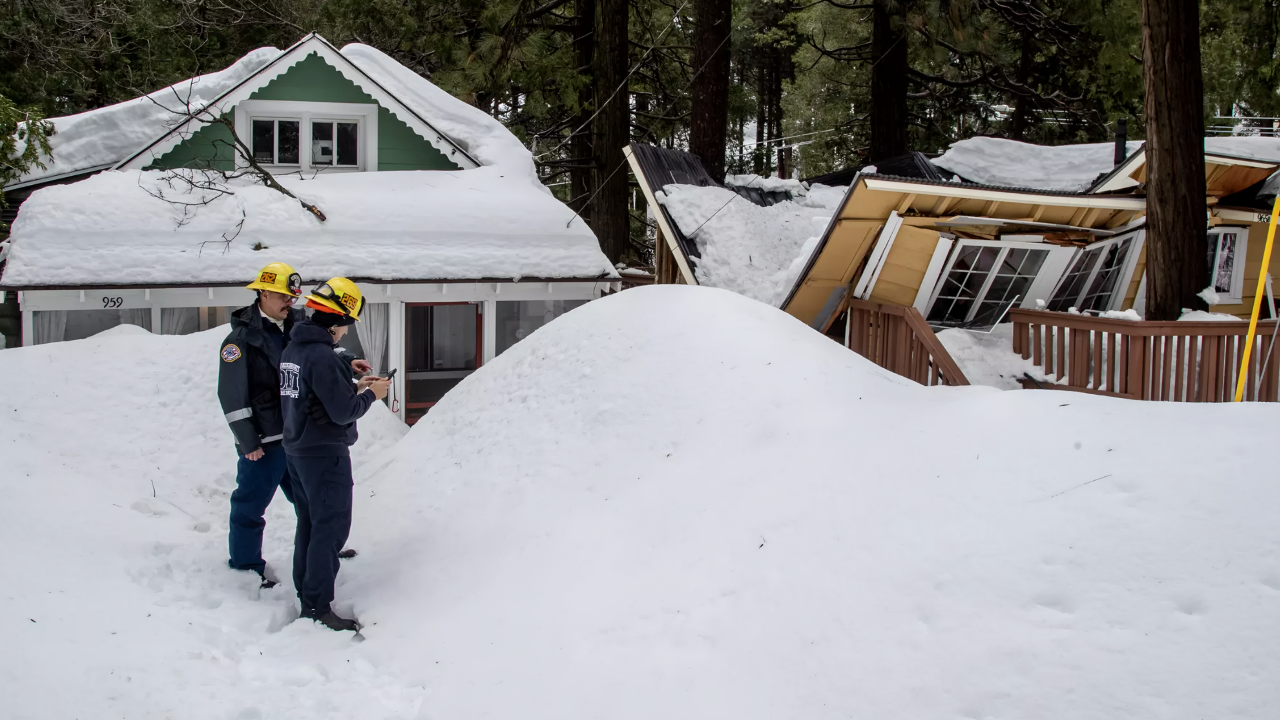
On January 13, 2026, the National Weather Service detected unusual atmospheric patterns across the Midwest. Frigid Arctic air was breaking free from the Arctic. Initial forecasts suggested minor travel disruptions, but the threat grew quickly. Winter storm warnings spread rapidly.
Within hours, a multi-state emergency affected 11 states. The timing was dangerous, falling during the peak winter travel season. Geographic spread made this difficult to ignore. By Sunday evening, emergency offices activated response protocols nationwide.
The Numbers Mount
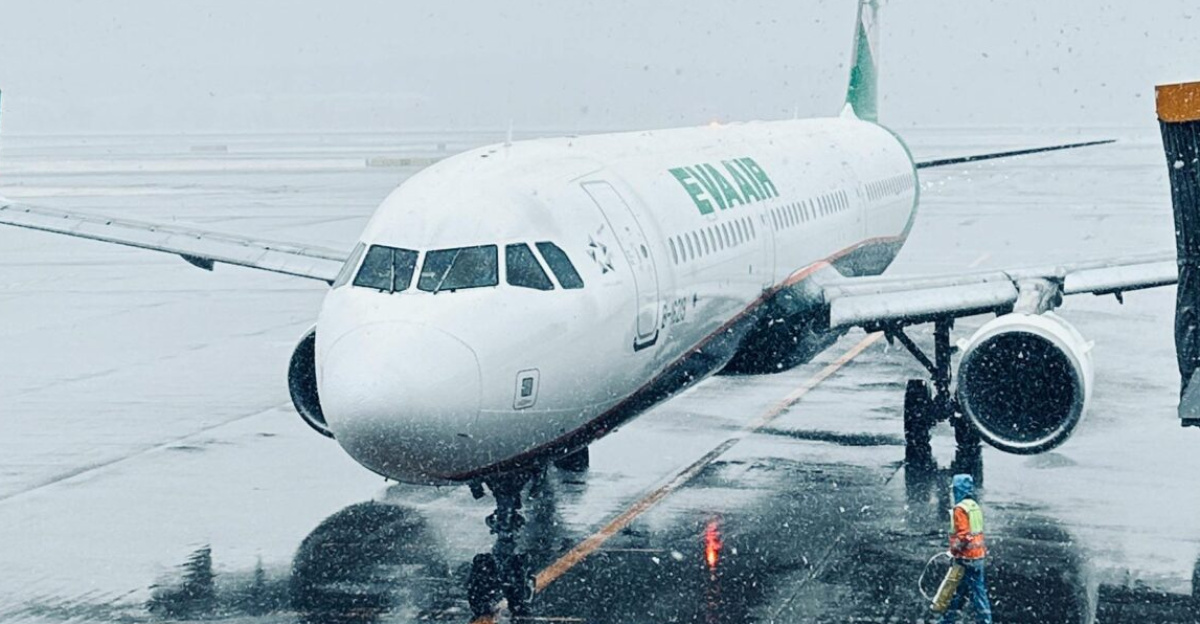
The National Weather Service estimated 55 million Americans would face winter weather alerts. That equals roughly one in six Americans facing hazardous travel conditions. Airlines canceled routes starting January 17. By January 18, major airports experienced cascading delays.
Chicago-to-Philadelphia hubs struggled with heavy traffic. Weather models showed 60+ mph winds in multiple regions. Snowfall exceeded 10 inches in several states. These factors created a severe simultaneous weather threat nationwide.
The Polar Pattern Explained
Winter storms don’t happen randomly. A disruption of the stratospheric polar vortex caused this event. The polar vortex is a rotating mass of frigid air over the Arctic. When it weakens or tilts, Arctic air surges southward into North America. Media outlets called this a “polar vortex” disruption.
This is shorthand for Arctic outbreaks bringing dangerous cold. Similar disruptions usually create regional cold snaps. This January 2026 pattern was unusual for its geographic scale and strength. Governors mobilized resources quickly as a result.
Pressure Building

The week before the storm brought tension to emergency networks. State transportation departments prepared salt and sand supplies. Highway patrol agencies issued travel alerts. Emergency shelters are prepared for stranded motorists. Airlines scheduled extra maintenance crews for aircraft.
Hospital emergency departments canceled non-urgent surgeries. Schools in 11 states announced potential closures. By January 19, every major infrastructure system was in emergency mode. The storm hadn’t arrived yet, but preparation covered the region.
Storm Slams Across 11 States
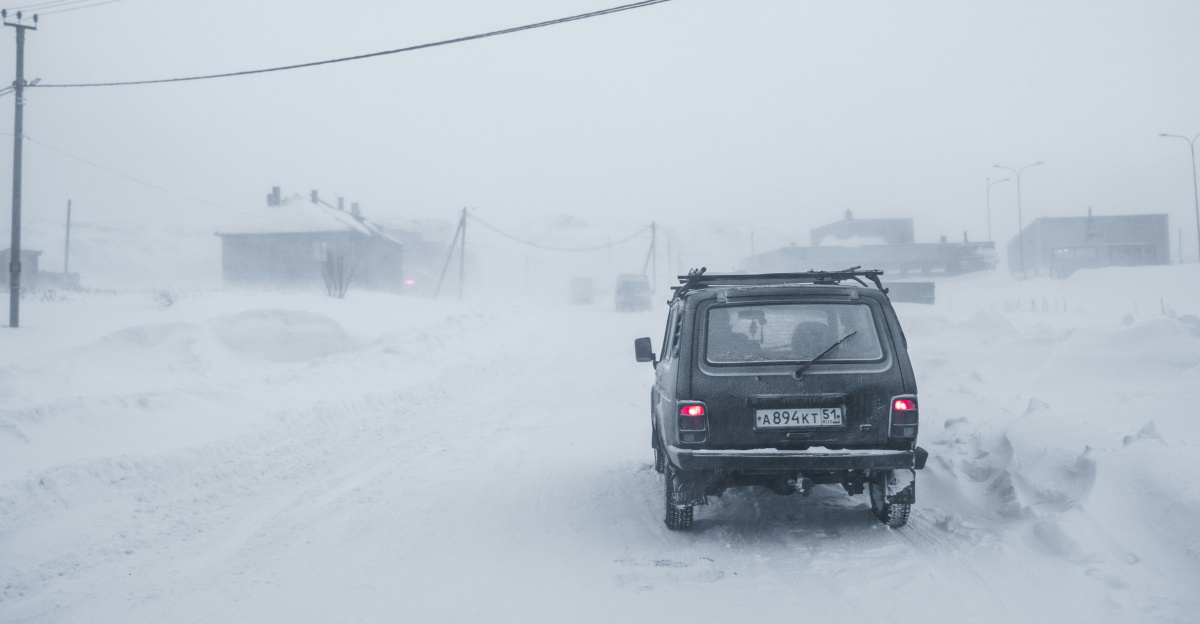
On January 19, 2026, the National Weather Service issued formal winter storm warnings for 11 states from Alaska to Appalachia. The states were Michigan, Alaska, Indiana, Illinois, Maryland, Tennessee, West Virginia, Minnesota, Pennsylvania, North Carolina, and Kentucky.
Each warning stated hazardous or impossible travel conditions through Wednesday-Thursday morning. Lake-effect snow would amplify accumulations across the Great Lakes. Wind gusts would reach 60 mph in multiple locations. An entire nation was gripped by the same Arctic outbreak simultaneously.
Alaska’s Extreme Edge
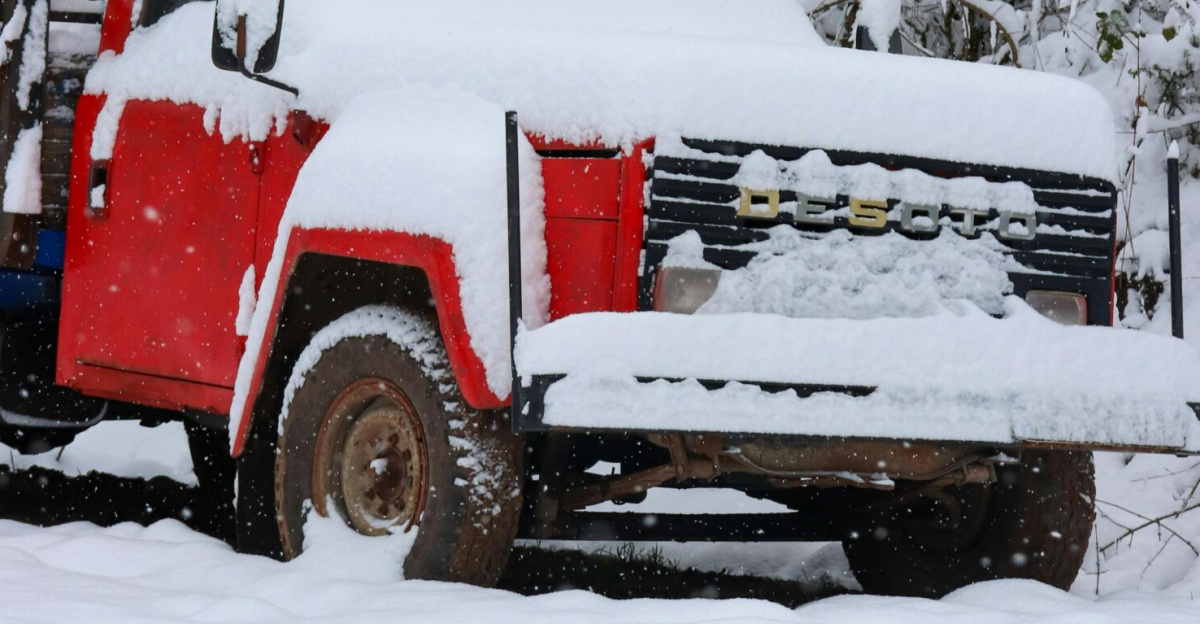
Alaska absorbed the brunt of early impacts. In the Aleutian Islands and interior regions, sustained winds reached 60 mph. Gusts exceeded 85 mph in the Turnagain Arm near Anchorage. Snow accumulations topped 20 inches in some mountain passes. Travel across the state has effectively come to a halt.
Small aircraft were grounded, highways closed, and residents sheltered in place. The National Weather Service called conditions “extremely challenging to impossible.” For rural Alaskan communities, supply chains were tested severely. Alaska’s experience foreshadowed what the Lower 48 would experience.
New York’s Tug Hill Vortex
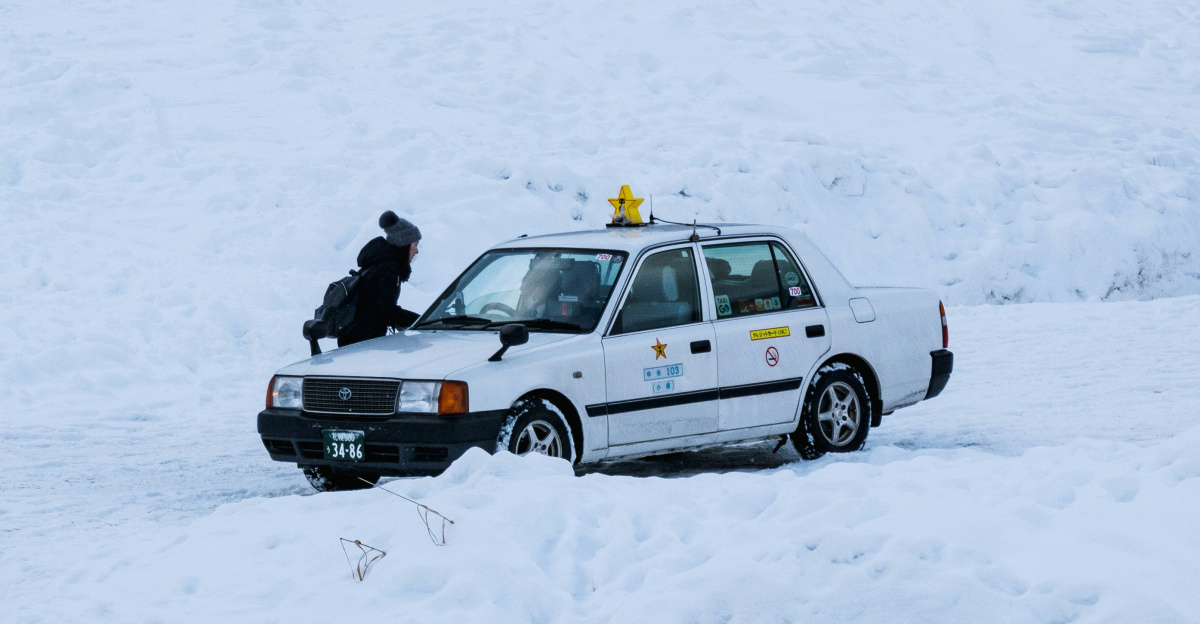
New York’s Tug Hill Plateau became extremely dangerous due to lake-effect snow mechanisms. Positioned downwind of Lake Ontario, this region experienced heavy snowfall. Forecasts predicted 2-4 feet, with some areas exceeding that total. Western New York was generally expected to receive 10-20 inches.
Governor Kathy Hochul issued an emergency declaration on January 17, 2026. She stated: “Heavy lake-effect snow, dangerous winds, and bitter cold will make travel hazardous.” I-90 closures became a reality by Wednesday morning. Stranded motorists called for help. Emergency responders conducted multiple rescue operations.
Tennessee and West Virginia’s Mountain Snow
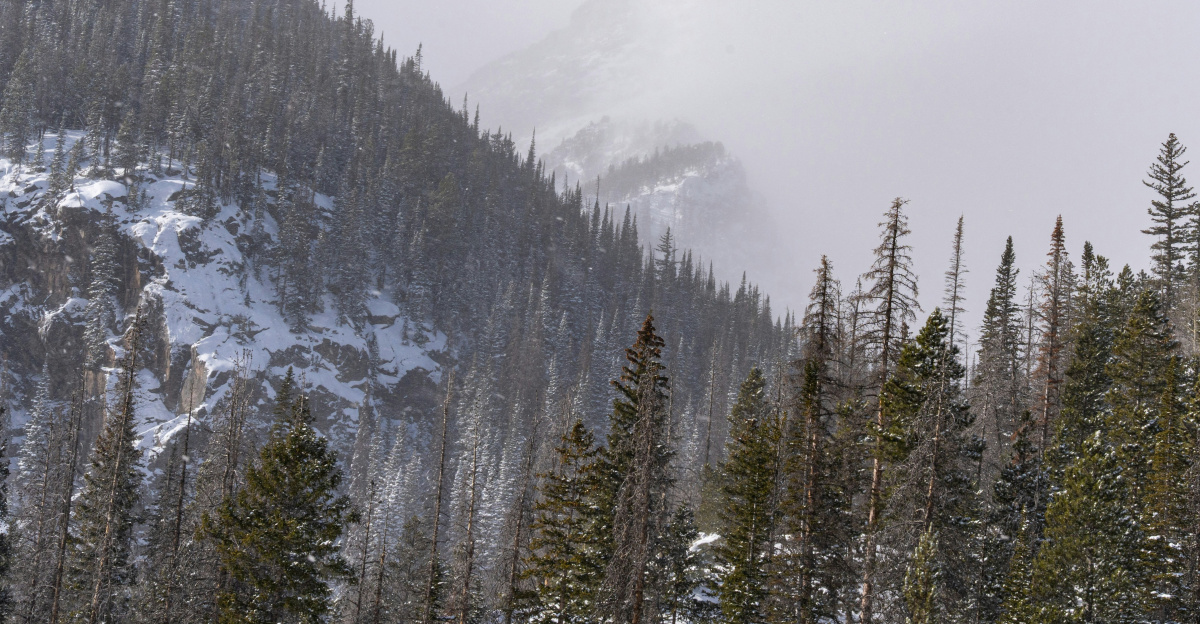
Mountain regions in Tennessee and West Virginia experienced severe impacts at higher elevations. Above 5,000 feet in the Smoky Mountains and Appalachian highlands, accumulations reached 6-8 inches. Below that elevation, precipitation fell as snow mixed with ice. News reports from Knoxville and Charleston documented slick highways and accidents. Wind gusts reached 35-45 mph.
These winds created whiteout conditions in elevated terrain. The National Weather Service issued travel warnings for these regions. Conditions were classified as “very challenging.” Southern mountain regions experienced the storm earlier than the Great Lakes areas.
The Great Lakes Convergence
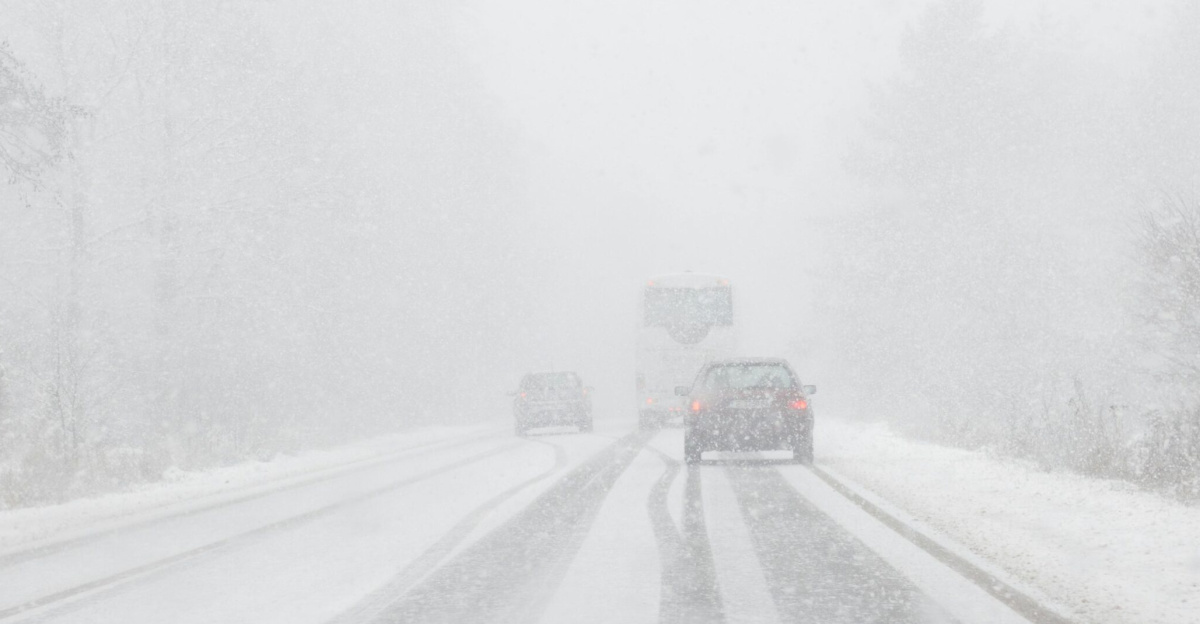
Illinois, Indiana, Michigan, Minnesota, and Pennsylvania faced the worst lake-effect amplification. Arctic air swept across relatively warm Great Lakes waters. Moisture rose into the cold upper atmosphere. Snow condensed rapidly in intense bands. These bands developed downwind of each lake. Michigan’s Upper Peninsula received 12 to 24 inches.
Michigan’s Lower Peninsula accumulated 6-14 inches. Minnesota experienced blizzard conditions with near-zero visibility. Pennsylvania’s Lake Erie snowbelt received 8-12 inches. Flight cancellations exceeded 4,000 by Thursday evening. Highways became impassable. Communities essentially shut down completely.
The Cold Wind Chill Revelation
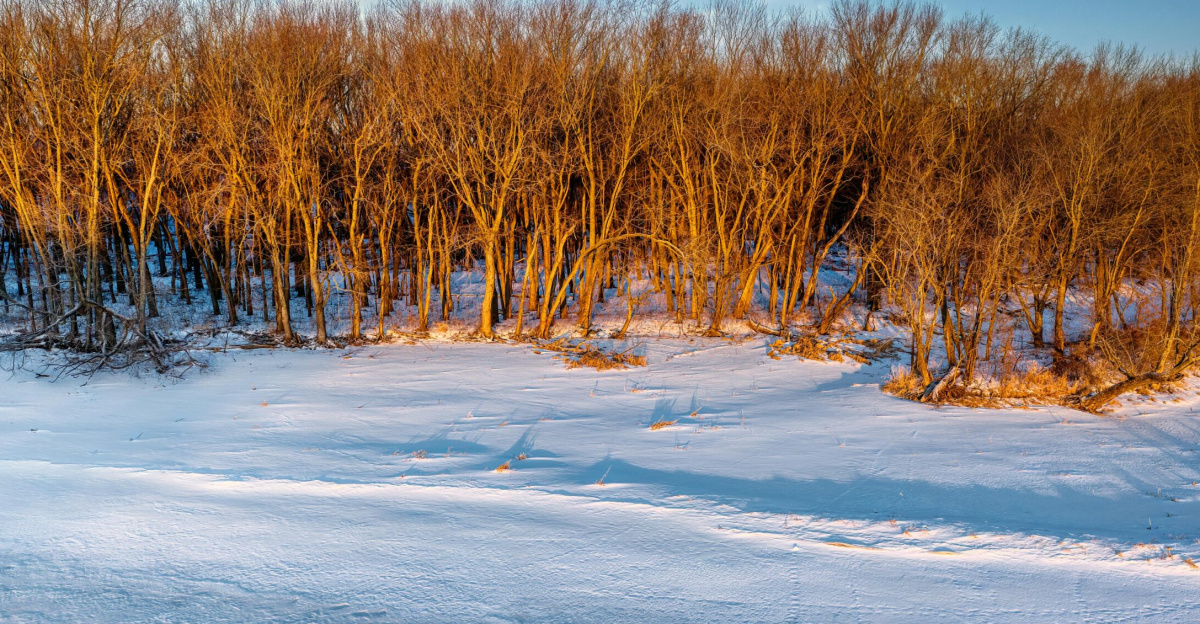
The real danger wasn’t just snow and wind. A secondary metric received little mainstream coverage: wind chill. Sub-zero temperatures combined with 60 mph winds created wind chills of 10 degrees Fahrenheit below zero. Exposed skin would suffer frostbite within minutes.
This factor transformed the event into a life-threatening situation. Emergency officials warned residents about prolonged exposure. Hypothermia could develop within 15 minutes outdoors. Stranded motorists faced a risk of carbon monoxide from vehicle heaters. Wind chill became a hidden killer in this storm system.
The Travel Paralysis Reality Check
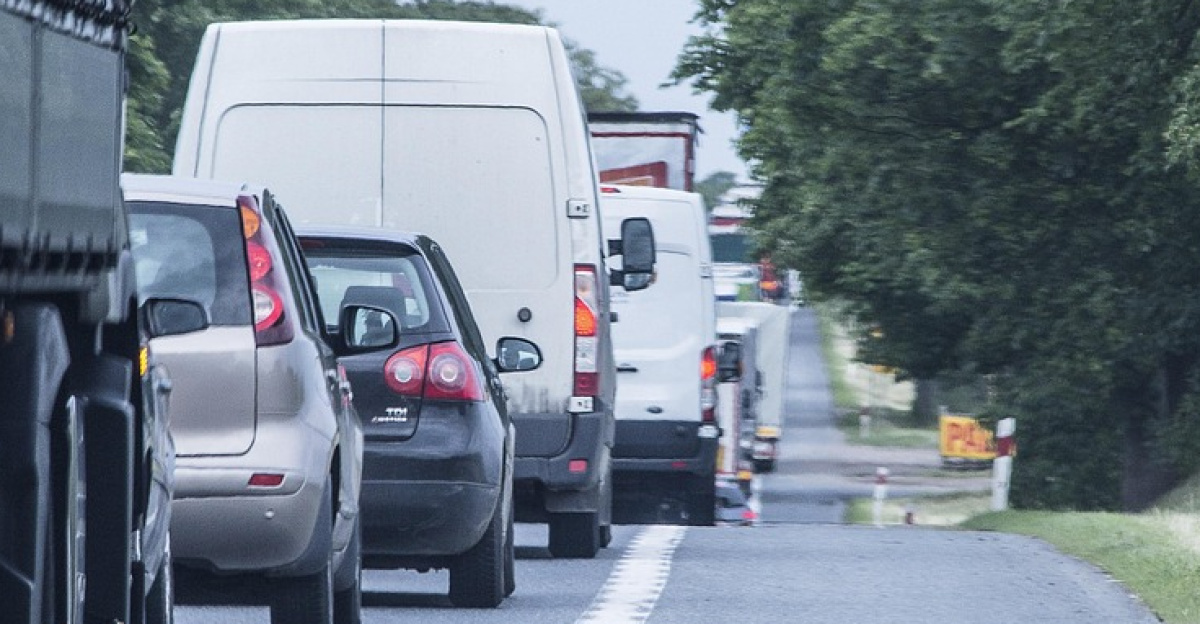
Traffic data proved “paralyzed” was accurate. By Wednesday, January 21, major highways across the affected zone were closed. I-90 in New York was closed. I-75 in Michigan was closed. I-64 in West Virginia was closed. Emergency services responded to hundreds of accidents.
Flight tracking showed 4,100+ delays and 442+ cancellations by Thursday morning. Motorists called 911 after becoming stranded. Some spent 8+ hours in vehicles awaiting rescue. Schools canceled classes across 11 states. Businesses closed entirely or operated with skeleton crews.
Thursday’s Unrelenting Continuation
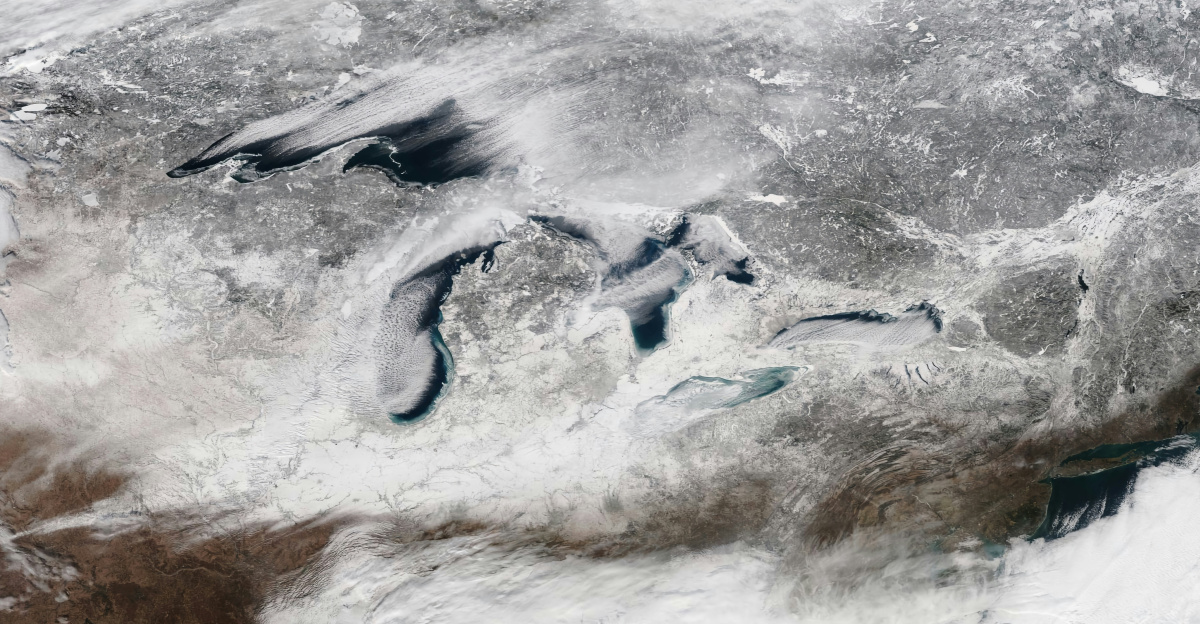
The headline promised impacts “through Thursday.” Most warnings ended on Wednesday afternoon. Yet reality partly validated the extended timeframe for certain areas. Lake-effect snow bands continued hammering downwind communities Thursday morning. The thermal difference between warm Great Lakes water and frigid Arctic air drove this.
NOAA’s Weather Prediction Center noted “lake effect continuing into Wednesday-Thursday.” Buffalo received continued accumulation through Thursday morning. Michigan communities downwind of Lake Michigan experienced persistent snow Thursday morning. The broader storm system had passed by Thursday afternoon.
Emergency Response Mobilization
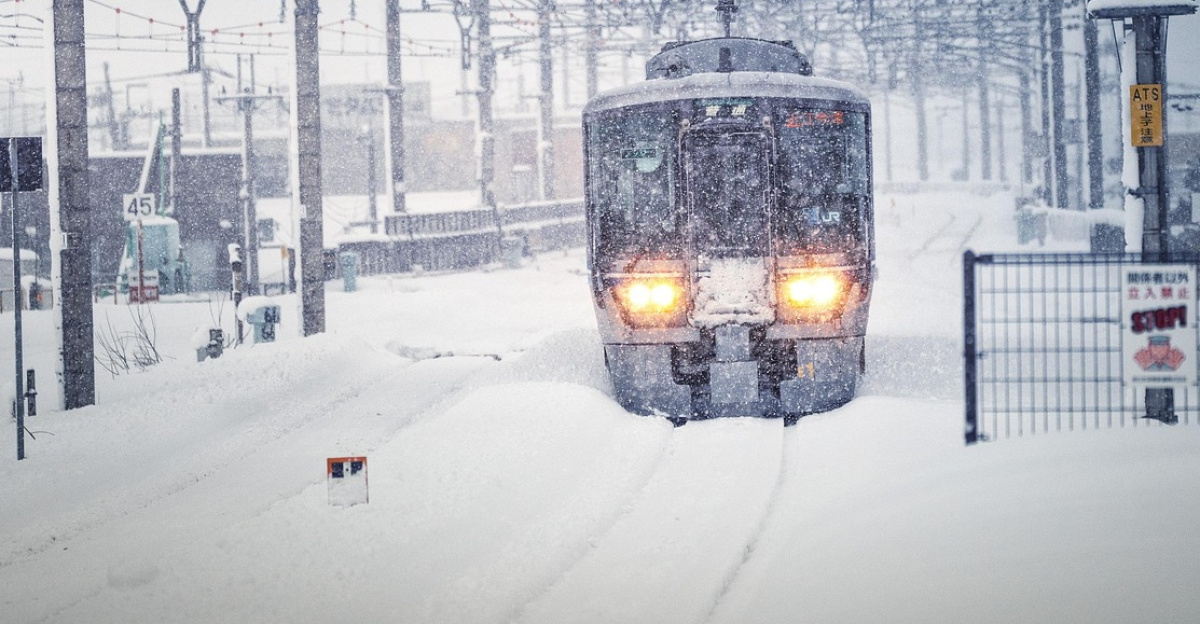
State governors across all 11 affected states activated emergency operations centers. New York’s Hochul pre-positioned National Guard resources. Michigan declared a state of emergency. Tennessee mobilized highway patrol crews. West Virginia issued emergency declarations. Eleven state governments operated in synchronized emergency response mode.
Each state managed snowfall, wind, and cold impacts. Emergency shelters opened in major cities for people without adequate heating. Warming centers operated continuously. Food banks are prepared for supply chain disruptions. Hospitals canceled non-urgent procedures. The response mirrored what would follow a major hurricane.
Recovery and Clearance Operations
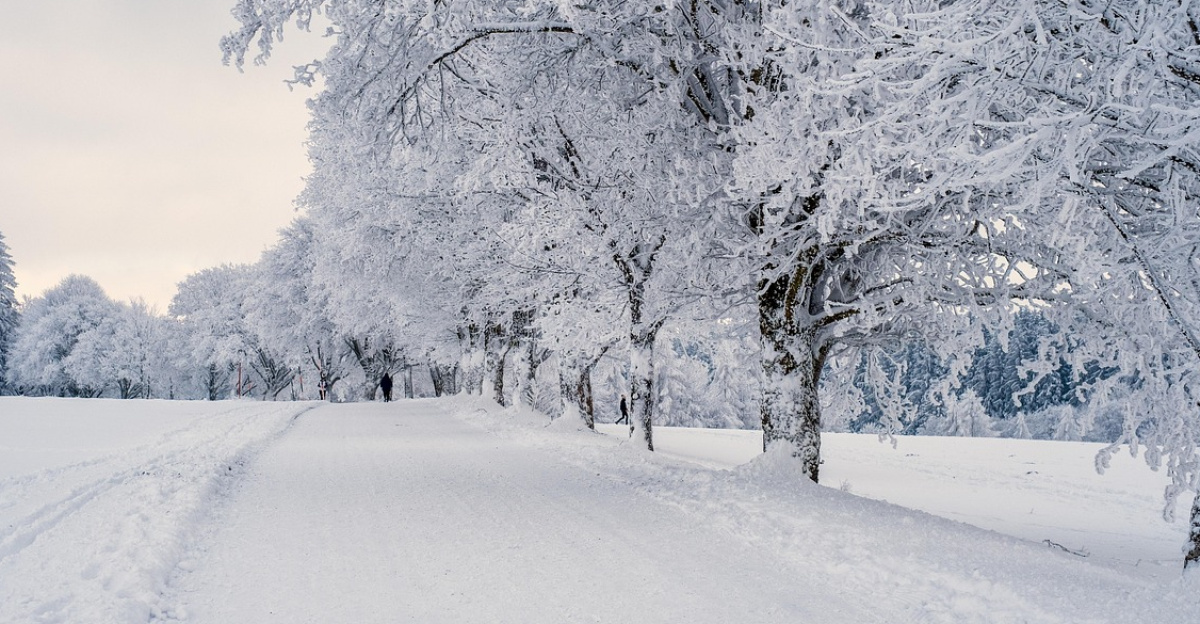
Thursday afternoon and Friday morning brought difficult cleanup work. Road crews worked around the clock, clearing major highways. Private plowing contractors exhausted salt and sand supplies.
Municipalities delayed secondary road clearing to focus on arterial routes. Airport operations resumed gradually as runway crews cleared snow. Airlines cancelled flights on Thursday and some Friday routes. Aircraft crews inspected planes that had been exposed to freezing rain and snow. Power outages affected roughly 150,000 customers across the region.
Wind damage toppled transmission lines. Snow loading crushed poles. Restoration crews faced dangerous conditions with icy poles and subfreezing temperatures.
What This Storm Revealed

As conditions returned to normal, a question lingered: Is this the new winter normal? Climate change discussions focus on precipitation intensity. Scientists warned that awarmer atmosphere holds more moisture. This increases heavy rain and snow. This January 2026 storm fit that pattern perfectly. Simultaneous impacts hit 11 states. Arctic air penetrated further south than historical norms.
Lake-effect mechanisms became amplified by temperature differences. Emergency planners noted response infrastructure issues. Road salt stockpiles, emergency shelter capacity, and hospital surge capability were designed for older standards. The event exposed potential gaps in municipal planning.
Sources:
National Weather Service, Winter Storm Warnings, January 13, 2026
NOAA Weather Prediction Center, Hazard Outlooks, January 18-21, 2026
NBC News, Winter Weather Travel Coverage, January 18, 2026
Yahoo News, Winter Storm Warnings Announced for 11 States, January 13, 2026
USA Today, January Polar Vortex Forecast, January 18, 2026
Newsweek, Winter Storm Warning coverage, January 13-15, 2026