Georgian authorities disrupted a transnational nuclear smuggling ring on October 25, 2025, arresting three Chinese nationals in Tbilisi as they tried to purchase uranium on the black market. The sting operation exposed ongoing vulnerabilities in the region’s nuclear security and underscored Georgia’s role as a key corridor for illicit radioactive material.
“The arrests took place along a roadside in Georgia’s capital, with State Security Service officers capturing the moment on video,” officials said. The operation prevented the uranium from leaving the country. Here’s what’s happening…
Arrest in Tbilisi: A Sting Operation Unfolds

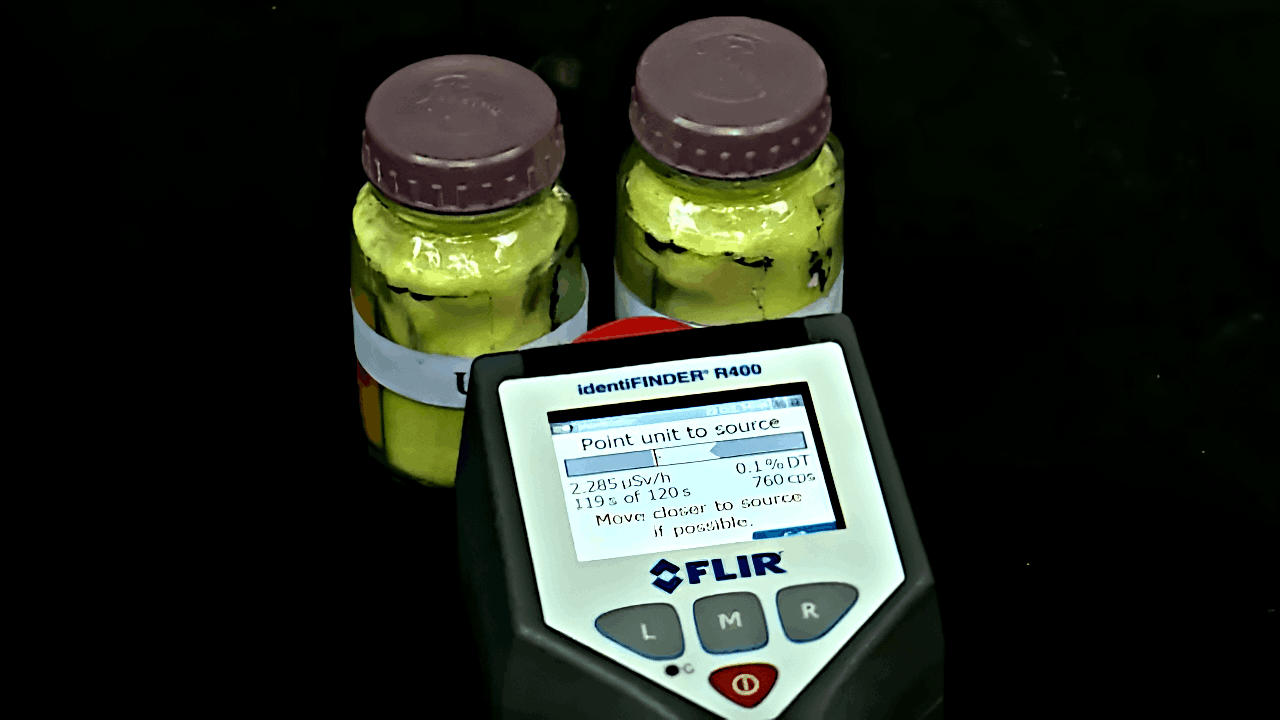
Two men and one woman were apprehended while negotiating the purchase of two kilograms of uranium for $400,000. Searches of apartments in Tbilisi and Batumi uncovered additional evidence, including uranium stored in glass jars in a car trunk. Dosimeter tests confirmed the substance as uranium, though authorities did not specify its enrichment level. Investigators believe the group intended to transport the material through Russia to China.
Authorities say one suspect traveled to Georgia to recruit local contacts and source uranium, while the others coordinated remotely from China. The deal was intercepted before any handoff occurred, stopping the material from leaving Georgian territory. The arrests highlight both the sophistication of nuclear smuggling operations and the importance of timely intelligence in preventing potentially dangerous materials from moving across borders.
A Persistent Threat: Georgia’s Nuclear Legacy
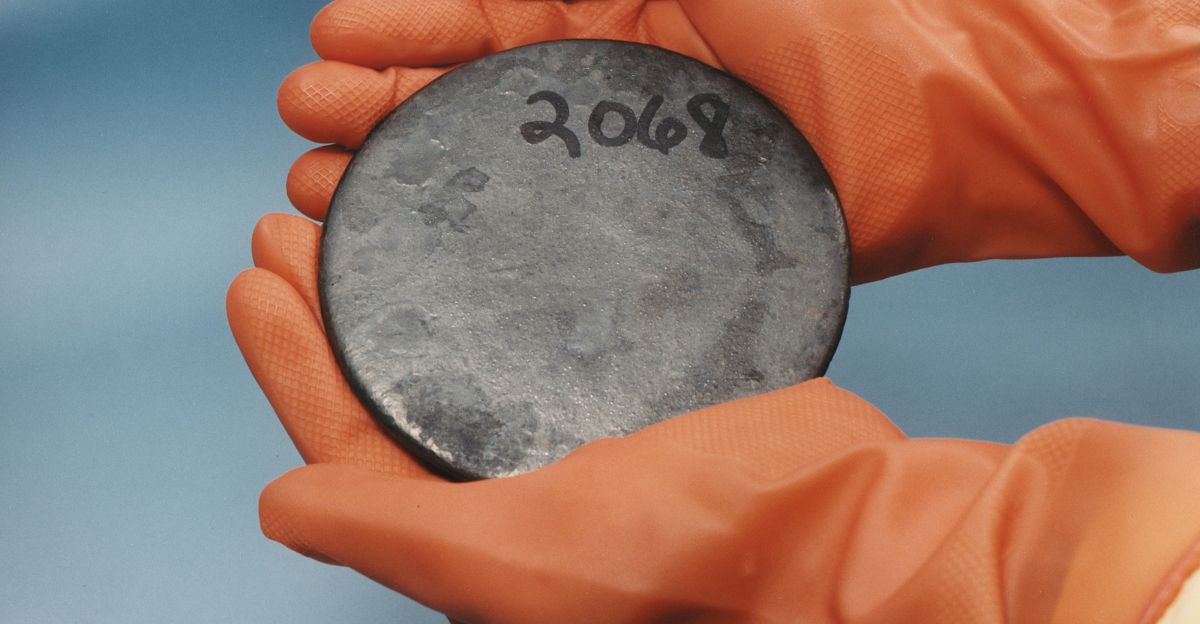
This case is the most alarming uranium smuggling incident in Georgia in recent years, but it is not isolated. In July 2025, authorities intercepted uranium valued at $3 million in Batumi, arresting two individuals. Such cases reflect a long-standing pattern that dates back decades. Following the Soviet Union’s collapse, Georgia inherited numerous contaminated military sites and unaccounted radiothermal generators, many of which remain missing.
International efforts, including UN-led searches from 2002 and IAEA recovery operations, have retrieved some dangerous sources. However, gaps persist, and these unsecured remnants have attracted smugglers exploiting old Soviet-era routes and weak border controls.
Georgia’s geography as a transit point between uranium-producing regions and Asian buyers makes monitoring and enforcement challenging, particularly near separatist areas and along the Black Sea corridor.
China’s Demand and the Underground Market
China’s rapid energy expansion has sharply increased uranium demand, requiring over 11,000 tonnes annually as of 2023 and projected to reach about 40,000 tonnes by 2040. Beijing pursues supply diversification, seeking uranium from multiple sources.
The $400,000 price for two kilograms in Georgia—roughly $91,000 per pound—far exceeds legitimate market rates, which ranged between $75 and $82 per pound in 2025, illustrating the lucrative underground market.
Security experts warn that even small quantities of uranium can be used in radiological dispersal devices, or dirty bombs, posing serious risks if mishandled. Criminal networks exploit high demand and weak security infrastructure, making such smuggling cases a major public safety concern.
This incident highlights the intersection of global energy needs and illicit trade, showing how even seemingly small shipments can have wide-reaching consequences.
International Response and Legal Fallout
Georgia has partnered with the International Atomic Energy Agency (IAEA) through Integrated Nuclear Security Support Plans since 2009, with roughly €60 million in EU commitments from 2009 to 2023.
The UK also invested £20.8 million through its Global Threat Reduction Programme across 20 countries, including Georgia. Despite these efforts, nuclear smuggling cases persist, raising questions about enforcement gaps and the effectiveness of international cooperation.
The arrested suspects face charges under Article 230 of Georgia’s Criminal Code, covering illegal handling of radioactive materials, with convictions typically carrying five- to ten-year prison sentences.
The investigation remains active, with authorities pursuing leads that may lead to additional arrests both inside Georgia and abroad. The case underscores that even with international support, nuclear security requires constant vigilance and rapid response.
Diplomatic Silence and Regional Implications
Chinese officials, including the Ministry of Foreign Affairs and the embassy in Tbilisi, have not issued public statements regarding the arrests. Russian authorities also remain silent, despite the alleged smuggling route transiting their territory. Past incidents in the region suggest limited public cooperation from Russia, reflecting longstanding challenges in cross-border nuclear security cases.
The IAEA continues its partnership with Georgia but has not commented specifically on the October 25 incident. The U.S., EU, and Russia remain publicly silent, possibly due to ongoing investigations or diplomatic sensitivities.
The lack of immediate public response highlights the delicate balance between transparency, security, and international diplomacy in cases involving illicit radioactive materials.
Looking Ahead: Securing Borders in a Changing Landscape
Georgia’s State Security Service is tracing the full extent of the smuggling network, with leads pointing to coordinators in China. The IAEA has been briefed, but the incident raises broader concerns about balancing legitimate energy needs with the risks posed by porous borders and leftover Soviet-era stockpiles.
As global uranium demand rises, driven by nuclear energy expansion in countries like China, the risks of smuggling are expected to grow. For Georgia, the challenge is clear: strengthen border security, address corruption vulnerabilities, and enhance international cooperation.
Preventing another illicit shipment will require constant vigilance, coordinated enforcement, and international support to keep dangerous materials from entering the black market.