Gunfire shattered the quiet of Tehran’s residential streets one night, as convoys of pickup trucks armed with heavy machine guns raced through the capital, their bursts of fire turning neighborhoods into zones of tension and fear. Verified videos captured masked fighters in armored vehicles and Toyotas unleashing automatic volleys into side streets, with Farsi commands echoing amid headlights and muzzle flashes, while residents huddled indoors.
Streets Under Siege
Heavily armed convoys patrolled after dark, spraying fire as they moved past apartment blocks and government sites now ringed by guards. Analysts described this as a coordinated effort across central districts, with dozens of trucks—many equipped with Russian-made heavy machine guns—securing ministries, state media facilities, and intersections. This deployment effectively sealed off key areas, creating a fortified perimeter in the heart of the city.
Escalating Crackdown Amid Unrest
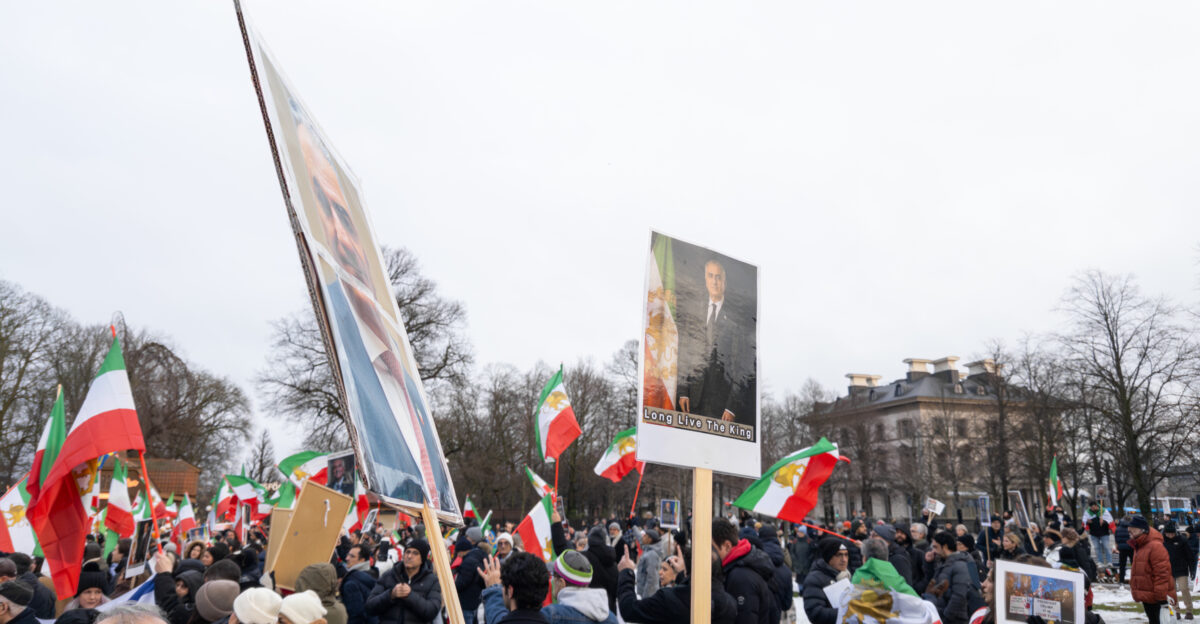
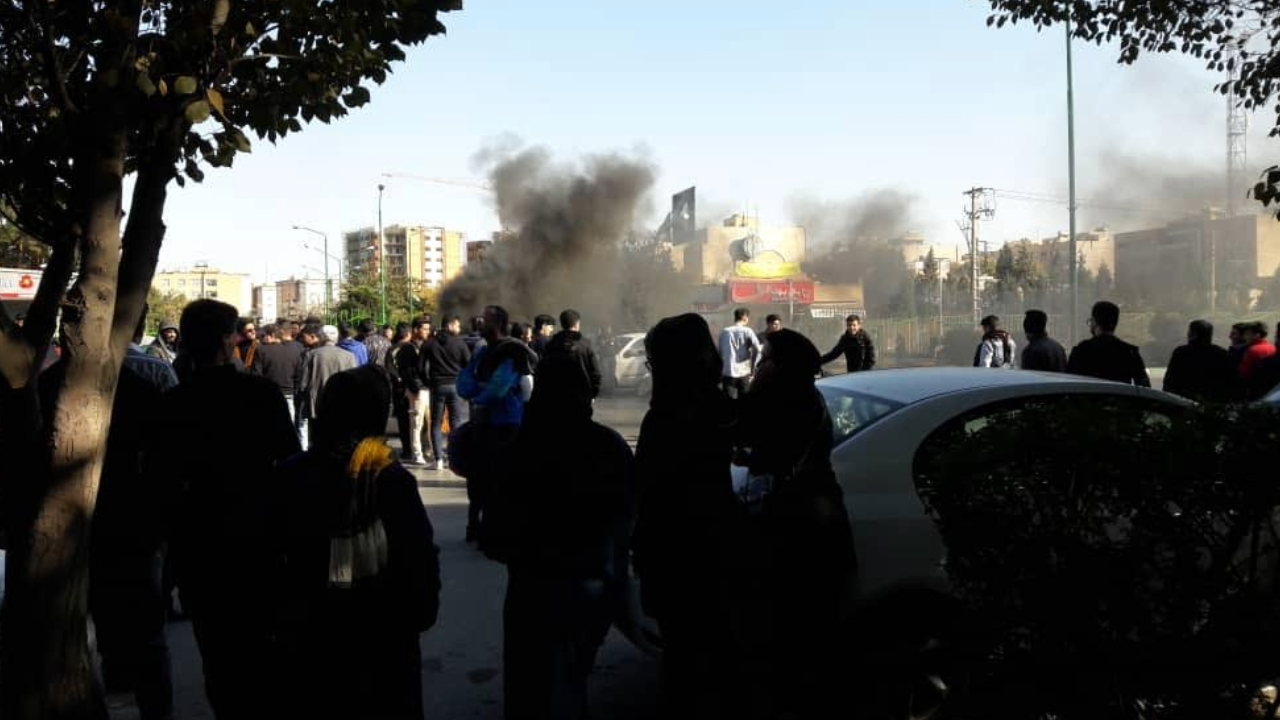
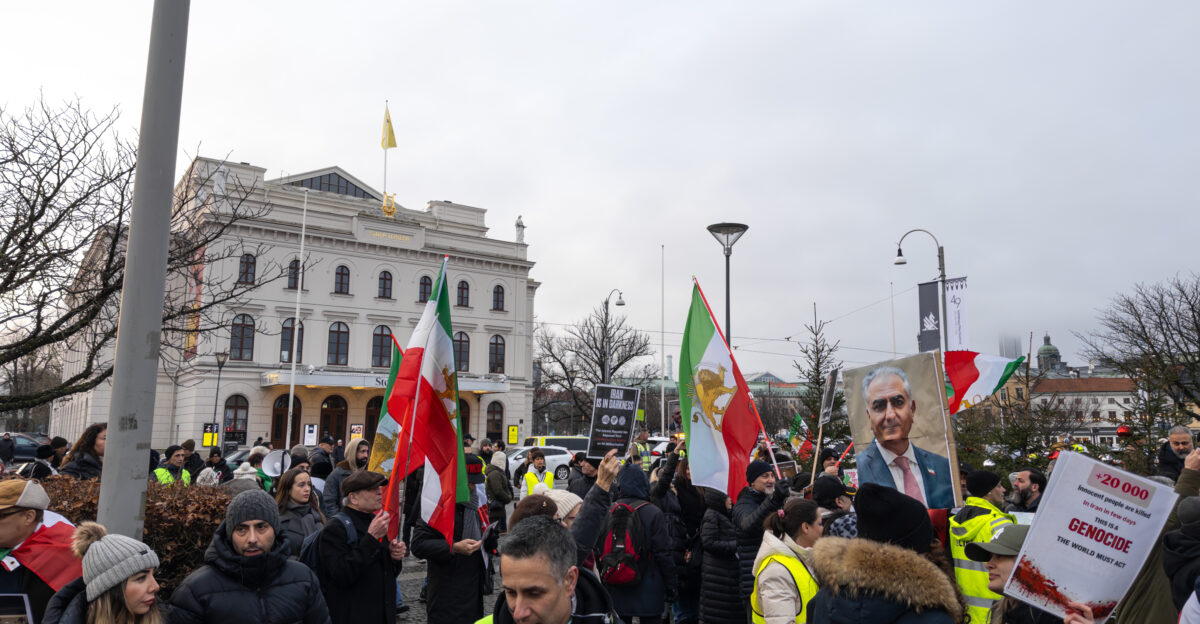
The operations unfolded against a backdrop of widespread protests fueled by a plummeting currency, soaring prices, and resentment toward clerical leadership. Rights monitors documented hundreds of protester deaths in under a month, alongside thousands of arrests, live ammunition use, mass detentions, and internet shutdowns. The U.S.-based Human Rights Activists News Agency (HRANA) reported at least 2,571 deaths since the unrest began, including over 2,400 demonstrators and more than 140 security personnel, with around 10,000 detentions in two weeks alone.
HRANA described these as minimum confirmed figures, noting the true toll likely exceeds them due to communication blackouts and reprisal fears. Reuters corroborated the agency’s warnings about underreporting.
Foreign Fighters in the Mix
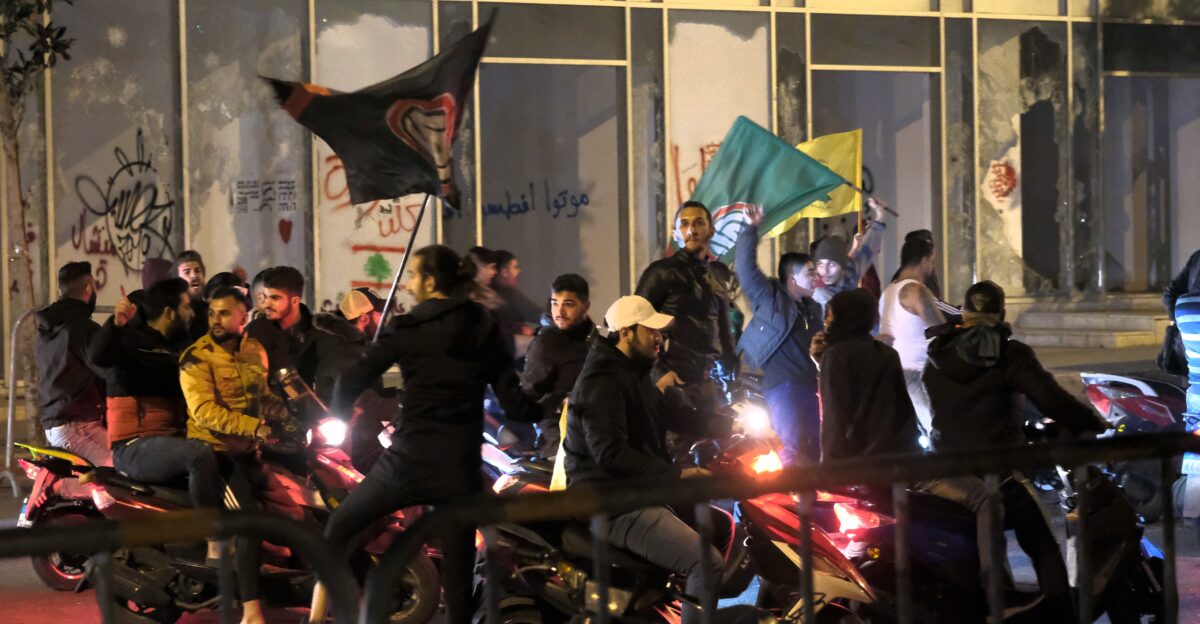
Opposition voices and analysts claimed not all gunmen were local. Ali Safavi, a senior official with the exiled National Council of Resistance of Iran (NCRI), stated to Fox News that dozens of Toyotas with heavy machine guns were operated by elements linked to Lebanese Hezbollah and Iraqi Popular Mobilization Forces. He alleged the regime imported at least 5,000 such fighters from Iraq and Hezbollah, placed under Islamic Revolutionary Guard Corps (IRGC) command to protect strategic locations.
The Institute for the Study of War referenced assessments of Kataib Hezbollah and Badr Organization members entering Iran via religious travel routes. Experts likened this to tactics in Syria and Iraq, where imported militias—less tied to local ties—proved willing to enforce lethal orders against civilians. A Washington think tank analysis highlighted how such units bolster embattled regimes.
Nightly Clashes and Resident Fear
Residents reached by rights groups recounted nights filled with machine-gun bursts, hovering helicopters, and roadblocks. Many shunned windows and balconies to dodge stray bullets, while daytime clashes left burning cars and smoke at intersections. Safavi described ongoing fierce street battles between protesters and special forces after dark, positioning convoys as both intimidators and rapid responders. Clips from Sky News showed gunfire ripping through neighborhoods as vehicles sped to hotspots.
Official Denials and Global Backlash
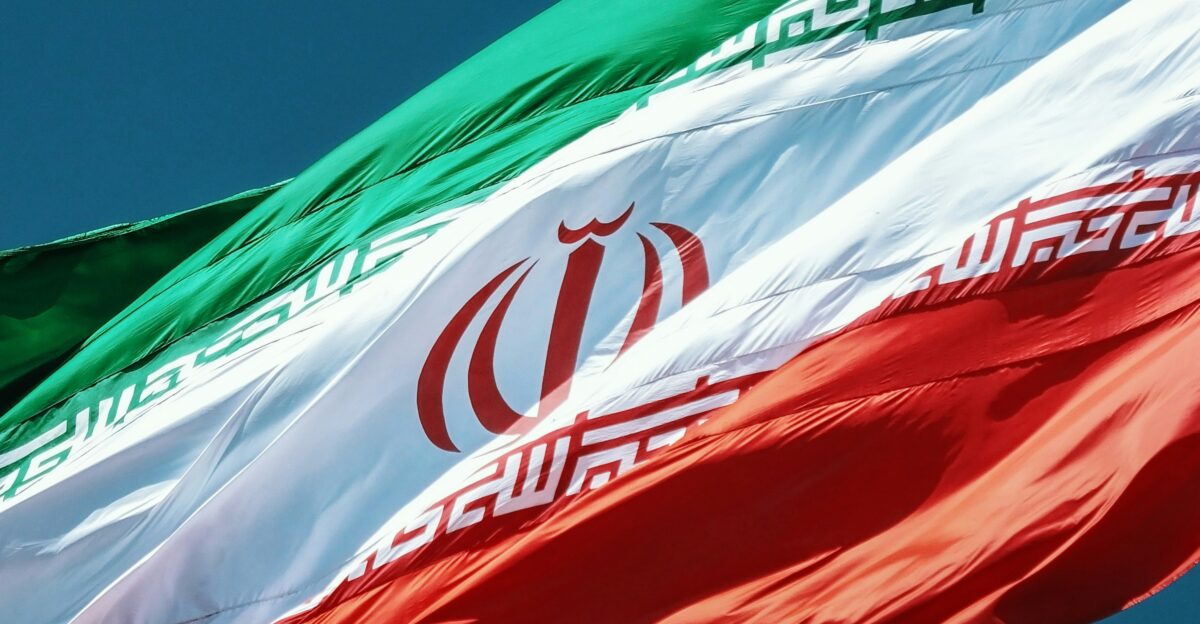
Iranian officials dismissed claims of excessive force or foreign proxies, attributing violence to U.S.- and Israel-backed terrorists and saboteurs. They cited a nationwide death toll near 2,000, including security losses. Rights groups countered that most victims were unarmed young adults and children seeking economic relief and change, verifying cases through multiple channels. Western governments condemned the toll; U.S. President Donald Trump called for continued demonstrations and hinted at forthcoming aid. UN diplomats monitored closely, with members urging emergency debates on live ammunition use, echoing patterns from prior crackdowns.
The protests stemmed from economic collapse, with chants decrying funds diverted to nuclear programs and proxies amid domestic hardship. Internet restrictions in hotspots obscured verification, delaying casualty reports. Analysts viewed the militia deployments and weaponry as signs of preparation for extended conflict, not quick resolution. Ground reports showed defiance persisting, with barricades, anti-Khamenei chants, and opportunistic filming during network flickers.
As deaths climb, foreign elements patrol Tehran, and economic woes deepen, Iran’s leadership confronts a precarious standoff. The nightly rumble of armed convoys signals that suppression efforts have not quelled the unrest, leaving the uprising’s trajectory—and potential for broader turmoil—in doubt.
Sources:
“At least 2,571 killed in Iran’s protests, Trump says ‘help is on its way.’” Reuters, 14 Jan 2026.
“Death toll tops 4,000 in Iran protests: report.” Anadolu Agency, 19 Jan 2026.
“Iran says 3,117 killed in recent protests, issuing lower death toll than activists.” PBS NewsHour / IRNA data, 21 Jan 2026.
“Gunfire erupts in Tehran as militias are reportedly deployed to crush protests.” Fox News, 19 Jan 2026.
“Armed militias flood Tehran streets overnight as gunfire rings out.” Sky News, Jan 2026.
“Thousands of Iraqi militiamen joined Iran crackdown – CNN report summarized by Iran International.” Iran International, 15 Jan 2026.