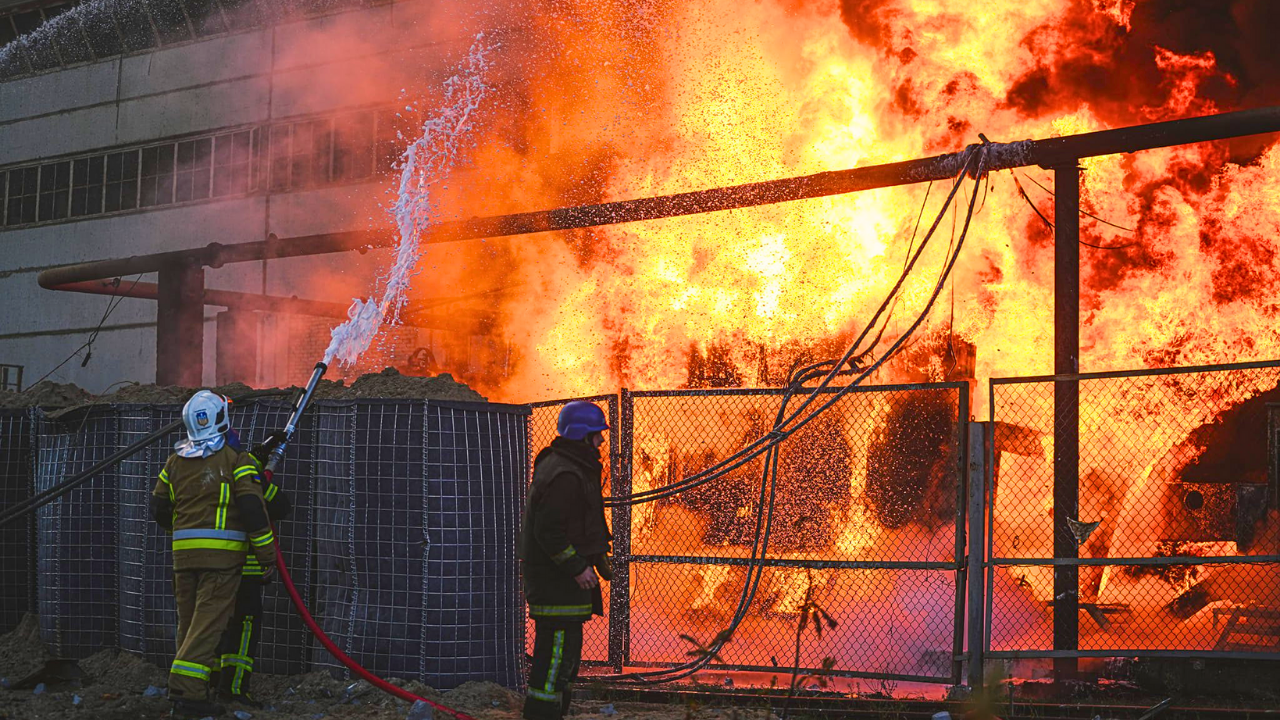
During the cold 2024–25 winter, the Ukraine-Russia war has shifted heavily to targeting energy systems. Power plants and heating networks now act as key battlegrounds. In Russia’s Belgorod region, near the Ukrainian border, Ukrainian drone attacks have shown how fast a city far from the front lines can face crisis when its main heating plants shut down.
Both sides have hit infrastructure since Russia’s full invasion began. By late 2024, though, strikes on energy sites ramped up. Russian missiles and drones knocked out over half of Ukraine’s thermal power capacity. This left millions of Ukrainians dealing with blackouts and no heat in past winters.
Ukraine struck back with long-range drones on Russian energy targets. In mid-December, Russian officials said air defenses stopped 146 Ukrainian drones in one night. These attacks hit multiple sites deep inside Russia. The rising number and reach of these strikes mark a clear change. Ukraine now aims to knock out power plants and substations to mess up Russian logistics, overload public services, and pressure leaders away from the fighting. For people on both sides of the border, winter feels even riskier as daily services hang by a thread.
Belgorod Shifts from Safe Zone to Hotspot
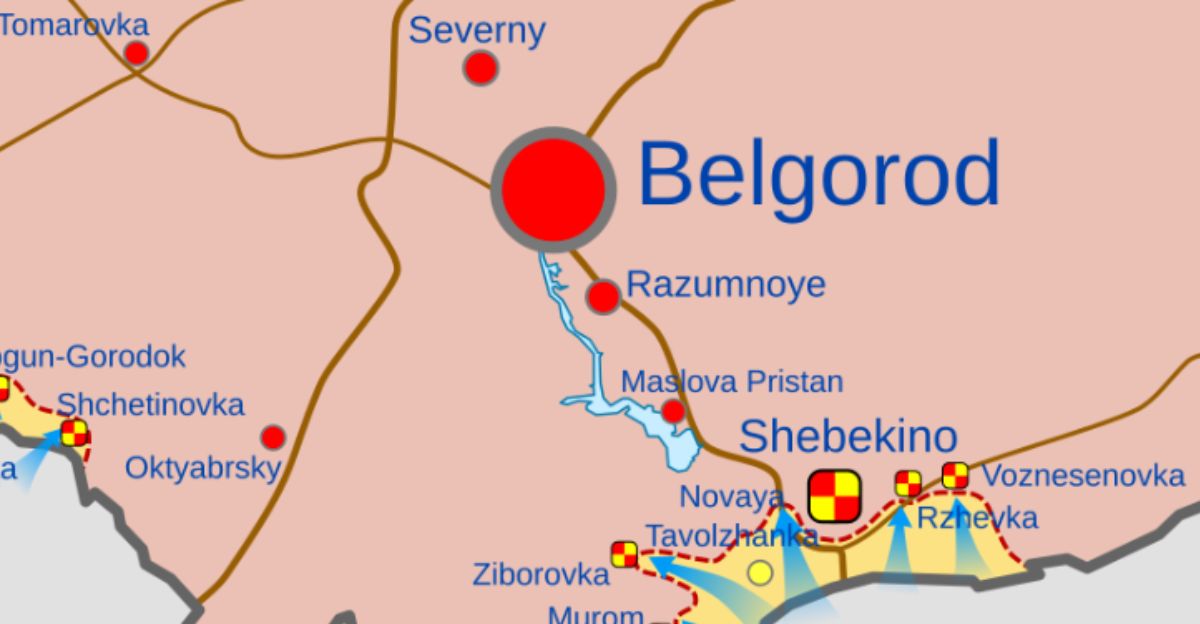
Belgorod region in southwest Russia has long supported Moscow’s war effort. It serves as a base for troops, gear, and attacks into Ukraine’s Kharkiv area. For much of the conflict, locals saw the city of Belgorod as a safe back area, not a direct target.
That view has faded. Ukraine now deploys more long-range drones and precise weapons. Belgorod sits close to the border, so low-flying drones can reach it easily. The city also holds vital military and supply hubs, making it a prime Ukrainian target to slow Russian advances.
Energy sites stand at the heart of these attacks. Belgorod’s Luch thermal power plant supplies about 10 percent of the city’s heating. In mild weather, losing that might not hurt much. But in winter, with temperatures often below minus 10 degrees Celsius, any big heating loss turns into a major problem for people’s safety. By December 2024, Ukraine had hit energy facilities in other Russian areas. Yet Russian defenses around key plants like Luch remained limited. Belgorod’s nearness to Ukraine, high winter heating demands, and weak protections left its grid wide open.
The Night Luch Plant Was Hit
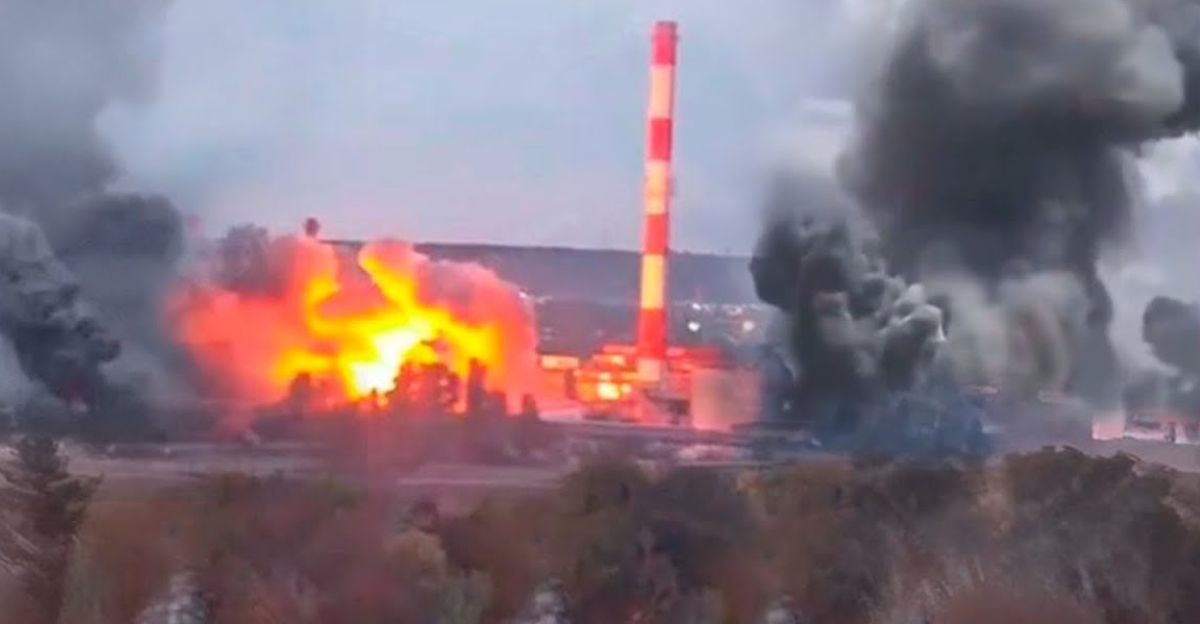
That openness showed on the night of December 14–15, 2024. Ukrainian drones attacked several spots in Russia, including Belgorod’s Luch plant. Russian officials confirmed major damage to the facility.
Belgorod Governor Vyacheslav Gladkov posted on Telegram hours later. He said the strikes caused “serious damage to the engineering infrastructure.” No one died in the attack, but the plant and connected systems took a hit. It marked the third strike on Luch in a short time, pointing to Ukraine’s plan to keep hitting it for long-term damage.
City residents felt the pain right away. Power cuts and heating failures spread through neighborhoods as crews checked the destruction and tried to shift supplies. With Luch handling 10 percent of heating for a city of 400,000, about 40,000 people likely lost warmth. In freezing cold, even short outages threaten the elderly, young kids, and those in drafty homes.
Human Toll and Bigger Risks
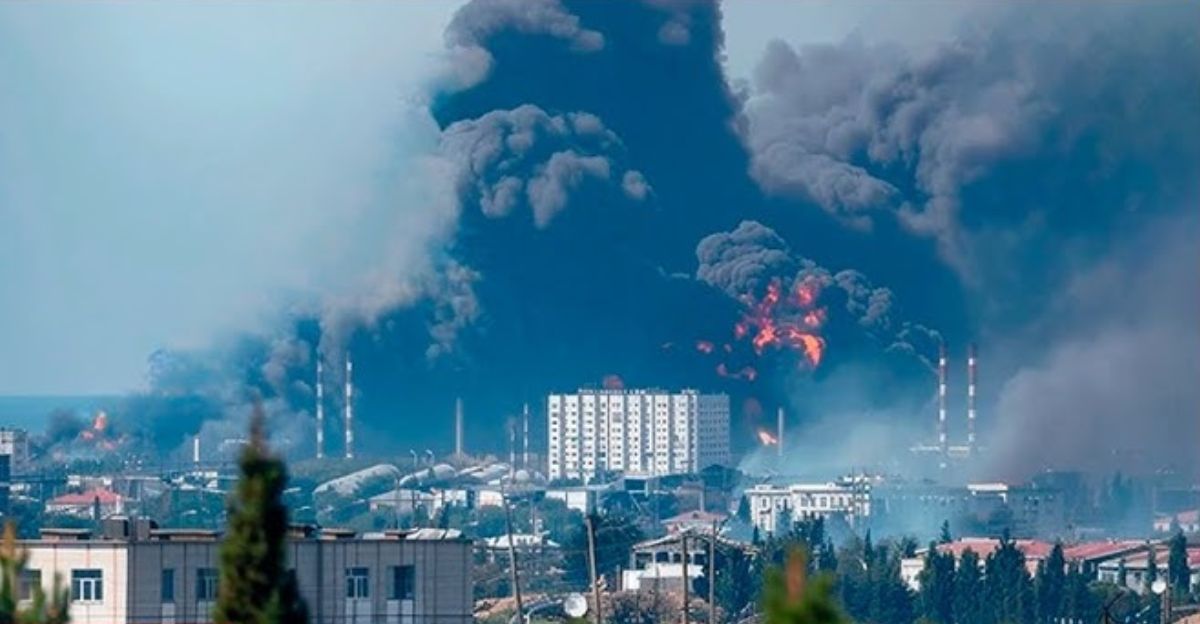
The Belgorod hits highlight the rising human price of making energy grids war targets. Families face not just cold and dark, but knock-on problems like burst pipes, no water, strained backups, and extra burden on hospitals and emergency teams.
Local groups have stepped up. Officials and volunteers opened warming spots in schools and centers for those with freezing homes. These efforts show community strength, but also its breaking point under nonstop attacks.
The strikes spark wider questions about energy in wartime. Commanders view power systems as lifelines for troops and factories. Aid groups and law experts argue that wrecking civilian essentials, especially in brutal winters, breaks protection rules. Globally, this ties into energy worries. The war has already changed Europe’s gas and oil routes, pushed supply shifts, and raised alarms about fragile central grids facing bombs or hacks. Attacks like Luch’s could speed up pushes for tougher, spread-out power networks and other heat sources.
Experts predict more such strikes as long as the war drags on and both sides gain from them—especially in winter. Border areas like Belgorod face more uncertain seasons ahead. For leaders and negotiators, it boils down to this: Will peace talks limit hits on civilian lifelines, or will energy stay a tool for ramping up the fight?
Sources
Kyiv Independent – Belgorod Power Plant Strike Report December 15, 2024
Reuters – Belgorod City Where War in Ukraine Came to Russia March 15, 2024
BBC News – Russia-Ukraine Conflict Coverage Multiple Reports 2023-2025
Sputnik News – Russian Air Defenses Down 146 Ukrainian Drones Overnight December 15, 2025
RBC-Ukraine – Belgorod Power Plant Struck Local Neighborhoods December 10, 2024
Belgorod Oblast Governor Vyacheslav Gladkov – Official Telegram Statements December 14, 2024
World Population Review – Belgorod Population Data 2025