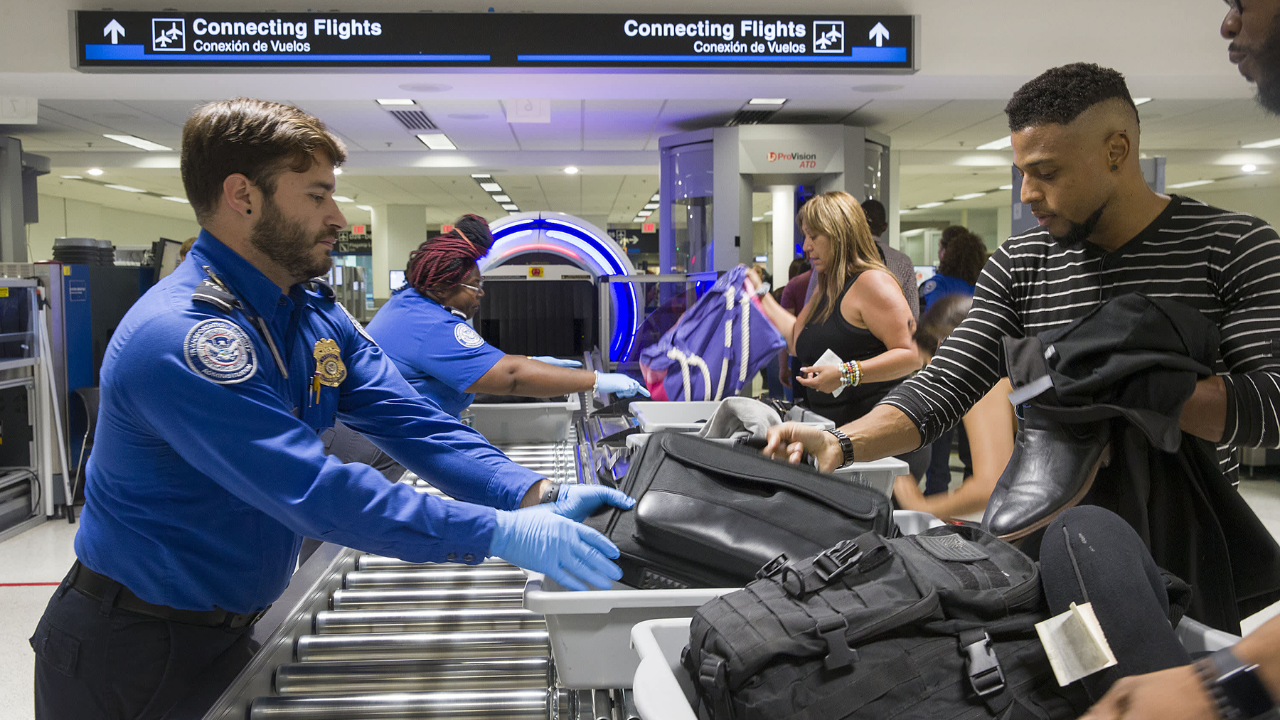
On a routine flight, few passengers consider the fire risk lurking in their carry-on bags and checked luggage.
Yet, in 2024, aviation authorities worldwide faced a record surge in aircraft fires—nearly two incidents per week—most of which were traced to everyday devices powered by lithium-ion batteries.
Airlines and regulators are scrambling to contain the threat. New bans and restrictions are reshaping what travelers can bring aboard and how they pack for the skies.
New Bans Target Everyday Devices

In August 2024, the U.S. Transportation Security Administration (TSA) introduced sweeping new rules targeting items that are rarely considered dangerous. Cordless curling irons and straightening irons powered by butane cartridges are now treated as hazardous materials.
Passengers may carry one such device in their hand luggage, provided it has a safety cover. These tools are strictly forbidden in checked bags.
The ban extends to spare butane cartridges, which are now prohibited from both checked and carry-on luggage. Electric toothbrushes with built-in lithium batteries must be carried on, not checked, in carry-ons.
This clarification came after confusion over which battery-powered items posed the most significant risk. The rationale is straightforward: lithium batteries can ignite in the cargo hold, where fires are more difficult to detect and extinguish.
A Growing Crisis: Fires at 35,000 Feet
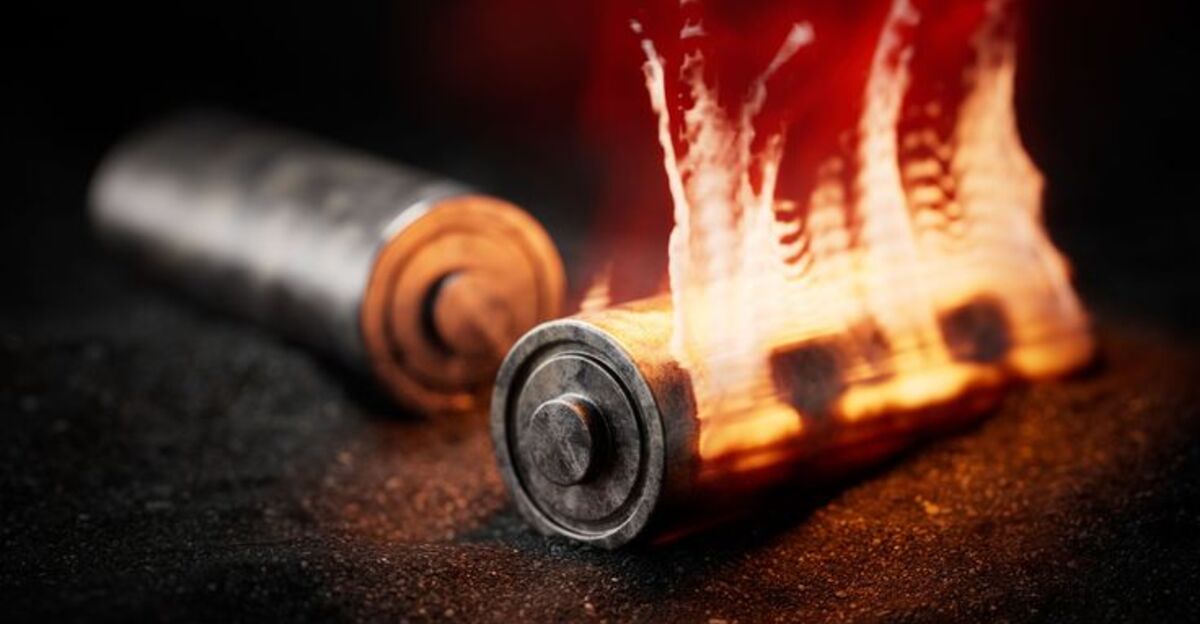
The urgency behind these measures is clear. The Federal Aviation Administration (FAA) recorded 89 lithium battery fire incidents on U.S. commercial and cargo flights in 2024—the highest annual total to date. Globally, the trend is similar. Battery-related aircraft incidents have risen 15% over the past five years. The average passenger now carries four rechargeable devices—phones, laptops, headphones, and tablets—on every trip.
The science behind the risk is known as “thermal runaway.” When a lithium battery is damaged or overheats, it triggers a chain reaction. Temperatures spike to 1,300 degrees Fahrenheit in seconds. The battery vents toxic, flammable gases and may explode. Traditional fire extinguishers are ineffective. Only water can halt the reaction, and water is scarce at cruising altitude.
A Wake-Up Call and Global Response
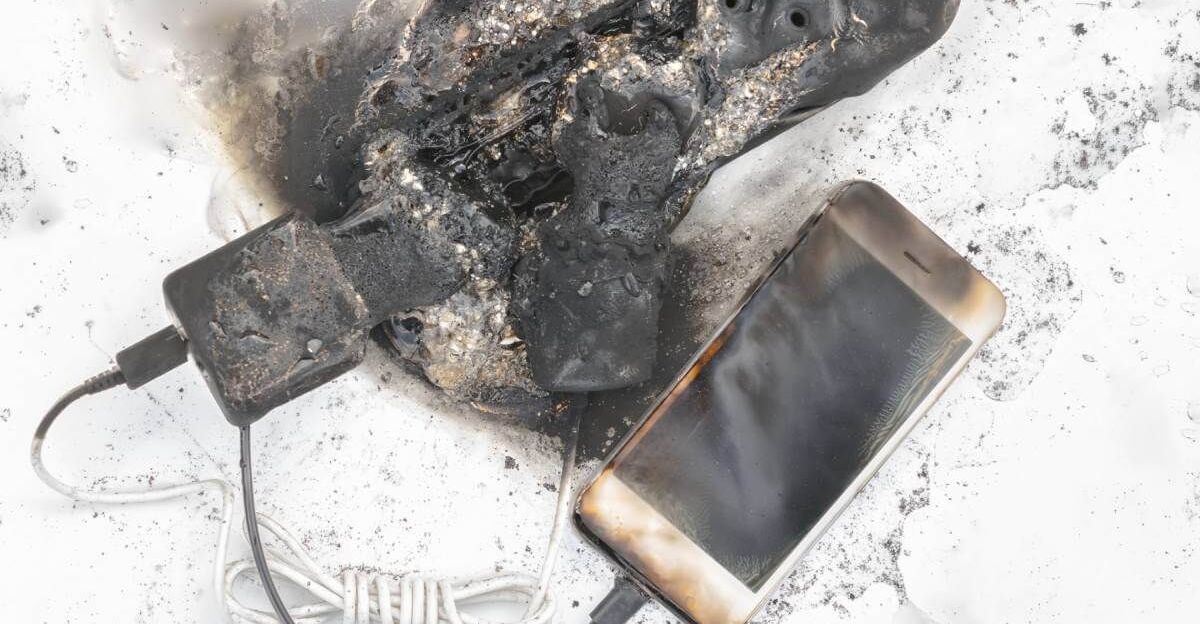
A dramatic incident in January 2025 brought the issue into sharp focus. An Air Busan jet in South Korea caught fire at the gate. Authorities evacuated 176 people. Investigators blamed a portable power bank with deteriorated insulation. The aircraft was destroyed, but no lives were lost. The event prompted airlines across Asia, Europe, and North America to tighten restrictions on battery-powered devices.
Some carriers have gone further than regulators. In May 2025, Southwest Airlines began requiring passengers to keep portable chargers and power banks visible while in use. Charging devices inside bags or overhead bins is now forbidden. Flight crews can respond rapidly if a device starts smoking.
Emirates, one of the world’s largest airlines, imposed the strictest policy yet. As of October 2025, the use of power banks is banned during flights. Passengers may carry one power bank with a capacity of less than 100 watt-hours, but it must remain switched off for the entire journey.
Emirates cited a significant growth in lithium battery-related incidents as the reason for the change. Other Asian and Middle Eastern airlines, including Singapore Airlines, Cathay Pacific, and Korean Air, have adopted similar rules. The changes reflect a coordinated international effort.
What’s Causing the Fires?
Not all devices are equally risky. Vapes, though carried by only 10% of passengers, caused 28% of all thermal runaway events in 2024. Portable chargers and power banks accounted for nearly 40% of incidents since the FAA began tracking them in 2006. Cell phones, laptops, and wireless headphones also feature prominently. Cheap, uncertified batteries and aftermarket chargers significantly increase the danger.
The most serious threat comes from devices packed in checked luggage. Forty percent of travelers still place rechargeable electronics in their checked bags, despite longstanding bans. Fires in the cargo hold can go undetected until smoke fills the cabin or critical systems are compromised. FAA tests have shown that even a small number of overheating batteries can cause explosions that standard fire suppression systems cannot contain.
Passenger Awareness
Despite the rising number of incidents—one every four days in 2024—most passengers remain unaware of the risks. Surveys show extremely limited awareness about which devices contain lithium-ion batteries and the potential for fire. Many travelers don’t realize that their toothbrush or headphones could be a hazard.
Globally, the number of battery-related aircraft fires has increased tenfold in the past decade, from just nine in 2014 to 89 in 2024. As the world’s appetite for portable electronics grows, so does the challenge for aviation safety.
Aviation authorities are now fighting a battle on multiple fronts: enforcing new bans, educating travelers, and pushing for safer battery manufacturing standards. Until more permanent solutions emerge, passengers can expect further restrictions and heightened scrutiny at security checkpoints.
The devices that power modern life have become aviation’s most unpredictable threat—one that demands vigilance from regulators, airlines, and travelers alike.